
Podcast
Streamlined Solopreneur: Systems for Overwhelmed Coaches, Consultants, and Service Providers Who Want Their Time Back
Hosted by Joe Casabona, The Streamlined Solopreneur · EN
Overwhelmed? Feel like your business can't run for a day without you? You're not alone — and it's not because you're bad at this.
Whether you coach, consult, or run a service business, when you're solo, everything ends up depending on you. You're the only one who can do the work, answer the email, keep the plates spinning. So you're on the hook every day: nights, weekends, even the vacations you do manage to take. The overwhelm never really lifts.
But being a solopreneur doesn't have to mean doing it all yourself. With the right systems, and AI doing the tasks, not the thinking, parts of your business can run without you. That's what buys back your time and gives you the freedom to take a real break...and the freedom to do the work you actually want instead of the work you feel stuck doing.
Joe Casabona learned this the hard way. He went from so overwhelmed he had a panic attack to taking 4–6 weeks off a year, worry-free, and he's helped hundreds of solopreneurs build systems that give them their time back.
Every week, one clear idea to help you beat overwhelm and build a business that doesn't depend on you. Start listening, then grab the free newsletter at https://streamlinedsolopreneur.com.
60episodes
Episodes
Newest firstAll episodes

Growing a YouTube Channel in a Crowded Field with Stephen Robles
Feb 26, 202500:37:51Tap to summarizeStephen Robles is not only a Shortcuts and automation expert—he’s also built a successful YouTube channel covering Apple products, smart home tech, and (of course) Shortcuts. But he didn’t just start making random videos. He figured out how to create content that people actually want to watch.In this episode, Stephen breaks down his YouTube strategy: how he finds content ideas, how he packages videos for success, and why your title and thumbnail might be killing your views. If you’re a creator trying to grow on YouTube, this episode is packed with insights.For all of the links mentioned in this episode, go to https://streamlined.fm/463Top TakeawaysYour packaging (title & thumbnail) is everything. If no one clicks, no one watches—so spend time making them compelling.Experiment with content angles. Stephen didn’t review the iPhone 15—he focused just on USB-C, which made his video stand out.Consistency matters, but smart workflows matter more. He records multiple camera angles at once, uses AI to edit, and batches content to maximize efficiency.Show NotesStephen’s YouTube Channel (Shortcuts Playlist)Stephen’s Shortcuts CommunityApple Shortcuts AppPushcut (for running Shortcuts automatically)Toolbox Pro (adds more actions to Shortcuts)Actions (another Shortcuts-enhancing app)Lutron Smart SwitchesMerossHomebridge (for adding non-HomeKit devices to Apple Home)Matt Cassinelli (Shortcuts Expert)Federico Viticci & MacStories (Apple & Automation)Gling.ai (AI-powered video editing tool)Transcriptionist (AI transcription app for Mac & iOS)ChatGPT API (for automating title ideas, OCR, and more)CleanShot X (for high-quality screen recordings on Mac)Ecamm LiveiZotope RX10 (audio cleanup & enhancement tool)DJI Osmo Pocket 3 (compact gimbal camera for video shooting)David Sparks (MacSparky) – Focus Modes & Productivity ExpertCGP Grey (YouTube Creator & Podcast Host, known for productivity & focus mode setups)Streamlined Feedback (Submit podcast & automation questions)Unstuck Sessions (1-on-1 coaching to get past business roadblocks)Want my Shortcuts and 40 more automations? Check out My Automations DatabaseSend Feedback: https://streamlinedfeedback.com ★ Support this podcast ★
Transcribe →
An Introduction to Apple’s Shortcuts with Stephen Robles
Feb 24, 202500:32:45Tap to summarizeI’ve been talking a lot about automation this year, and one tool that keeps coming up is Apple’s Shortcuts app. So I brought in Stephen Robles, a YouTuber and podcaster who’s been using Shortcuts since it was called Workflows before Apple bought it.We get into what Shortcuts actually does, and how you can use it to automate repetitive tasks, eliminate friction, and make your iPhone way more useful. Stephen also shares some incredible automation ideas, from formatting podcast show notes to controlling smart home devices.If you’ve ever thought, I wish my phone just did this for me, there’s a good chance Shortcuts can make that happen.For all of the links mentioned in this episode, go to https://streamlined.fm/462Top TakeawaysShortcuts can automate almost anything. Whether it’s formatting text, logging data, or running workflows with a tap, it’s a game-changer.The Action Button takes it further. You can assign multiple shortcuts to one button press, making it even more versatile.Home automation can be super smart. Stephen shares how his smart shades close when he turns on the bathroom fan and how his patio fans activate when it gets hot.Show NotesStephen’s YouTube Channel (Shortcuts Playlist)Stephen’s Shortcuts CommunityApple Shortcuts AppPushcut (for running Shortcuts automatically)Toolbox Pro (adds more actions to Shortcuts)Actions (another Shortcuts-enhancing app)Lutron Smart SwitchesSend Feedback: https://streamlinedfeedback.com ★ Support this podcast ★
Transcribe →
Being a Solopreneur Mom vs. a Solopreneur Dad with Leah Remillet
Feb 19, 202500:26:57Tap to summarizeLeah and I might be in different stages of parenting, but we have very similar situations — 3 kids, running a business, spouse who also works. So in part 2 of our interview, we jump into the societal expectations of moms and dads, discussing the stark differences in how each is perceived. Leah shares how she navigated running a business while being a hands-on mom and the challenges of unspoken gender roles in parenting. We also discuss our own anxiety with bringing kids up today vs. when we were kids — and how we’re trying to fix it. Top TakeawaysMoms Face More Pressure to “Do It All” – The expectation is still that moms handle home responsibilities, even when they work full-time.Balance Looks Different at Different Stages – Leah’s balance shifted as her kids grew older, and Joe’s approach has to be different with younger kids.Perfection is the Enemy of Good Parenting – It’s okay to not have Pinterest-perfect parties or homemade treats. Focus on being present instead.Show NotesListen to Part 1Leah RemilletBalancing Busy PodcastMy 2025 Yearly ThemeThe Brick DeviceThe Anxious GenerationWhy Over-Parenting Is Creating Anxiety—and What to Do Instead with Dr. Camillo OrtizSend feedback at https://streamlinedfeedback.com ★ Support this podcast ★
Transcribe →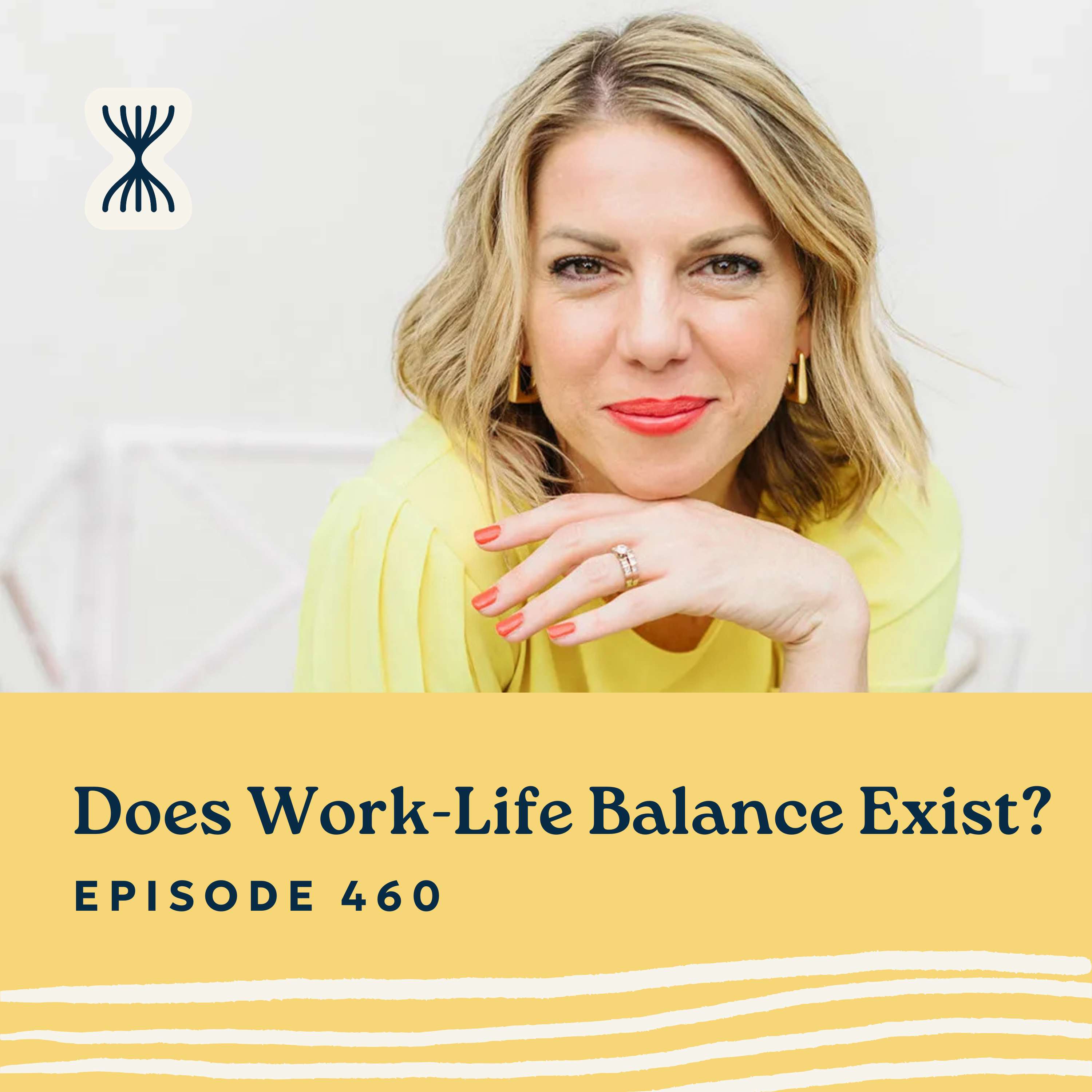
Does Work-Life Balance Exist? With Leah Remillet
Feb 17, 202500:43:34Tap to summarizeWork-Life Balance is a myth! Or is it? In today’s conversation with Leah Remillet, we talk all about our goal as solopreneur parents to have everything – as in “AND,” not “OR.” Leah emphasizes that balance isn’t about equal time for everything but about feeling good in YOUR core areas of life. She explains her framework for achieving work-life balance through priorities, presence, and purpose and offers practical strategies like setting boundaries, system stacking, and discipline to maintain balance.Top TakeawaysSet Boundaries with Your Work – Create office hours, shut down your computer, or build whatever boundaries you need to to make that mental shift.Perfection is a Myth – Instead of focusing on what’s going wrong, focus on the “bright spots” where things go well and build from there.System Stacking is Key – Small, intentional habits (like meal prepping, scheduling breaks, and using alarms) create long-term balance.Show NotesLeah Remillet Balancing Busy PodcastMy 2025 Yearly ThemeThe Brick DeviceThe Anxious GenerationWhy Over-Parenting Is Creating Anxiety—and What to Do Instead with Dr. Camillo OrtizSend feedback at https://streamlinedfeedback.com ★ Support this podcast ★
Transcribe →I rearranged my office! [Joe's Audio Notes]
Feb 12, 202500:12:34Tap to summarizeThis weekend, I completely rearranged my office—and I couldn’t be happier with the results. What started as frustration with my camera framing turned into a full workspace transformation. In this episode, I break down: - Why I moved my desk and how it improved my video setup - The changes I made to declutter and improve cable management - The unexpected number of extra USB cables and extension cords I found (seriously, where did they all come from?) - Why I finally got rid of my massive softbox lights - My ongoing whiteboard dilemma and plans for even more optimization Timelapse of my Office Rearrangementhttps://youtu.be/H8Ar19kSBjEGot questions or office setup tips? Let me know! ★ Support this podcast ★
Transcribe →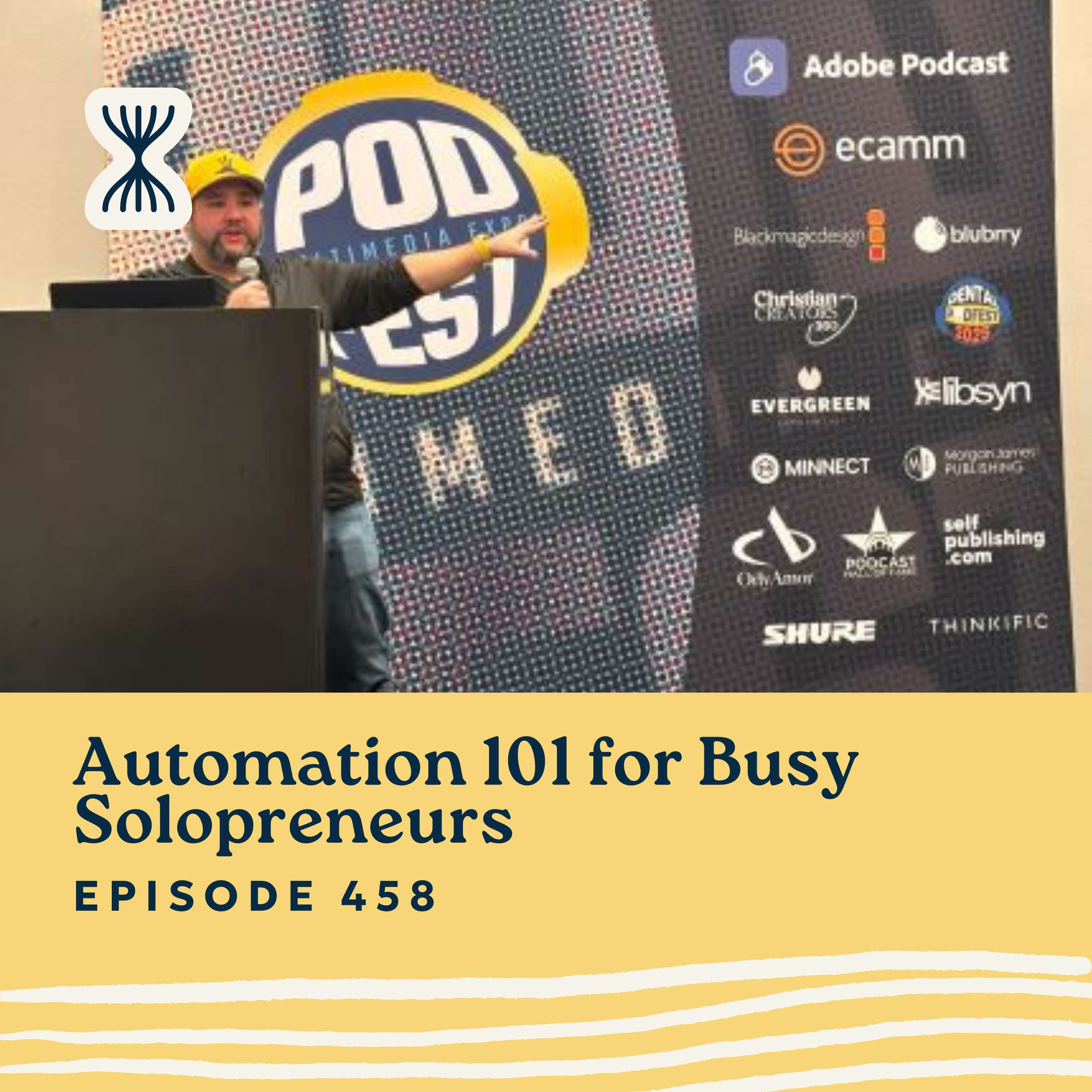
Automation 101 for Busy Solopreneurs
Feb 10, 202500:17:24Tap to summarizeAutomation can feel overwhelming, but it all boils down to four simple components: triggers, actions, conditions, and timing. Once you understand these, you can start automating repetitive tasks, saving yourself hours of work and mental energy.In this episode, I break down these components with real-world examples, like home automation and business workflows, and share how you can use them to create seamless systems for your solopreneur business.Then, I’ll tell you how you can start thinking about your tasks in terms of these components.Top TakeawaysTriggers are the events that kick off an automation, like a form submission or a specific time of day. Identifying what starts a process is the first step in building an efficient system.Actions are the tasks your automation performs after the trigger, whether it’s sending an email, updating a database, or turning off your smart lights.Start identifying daily tasks that could benefit from automation. Map out the trigger, action, condition, and timing to see how you can streamline your workflow.Show NotesSlides from My Podfest TalkAutomations Template DatabaseSend Feedback ★ Support this podcast ★
Transcribe →
2025 Starts Now for me — here’s why
Feb 3, 202500:19:09Tap to summarizeJanuary was chaotic for me, with family time over the holidays, snow days, travel for Podfest, and a house full of sick people. Despite all that, my business kept running smoothly thanks to the systems and processes I’ve built over the years. Instead of stressing over a “lost” month, I decided to start 2025 in February, reframing my timeline and giving myself permission to adapt. This experience reinforced the importance of creating margin—not just in your weekly schedule but as a core part of your business—to handle unexpected disruptions while still moving forward. Top TakeawaysMy systems and processes provided me was more margin than I thought. Despite not working for half of December and a lot of January, I was still able to continue producing my podcast, posting here, generating leads, and sending out proposals.The calendar year is arbitrary. The things I wanted to do that I didn't do in January can easily move into February. And I already know my systems can support those changes.Building margin into your business isn’t just about avoiding burnout—it’s about ensuring you have the space to adapt and thrive, even during busy or unpredictable times.Show NotesRead the LinkedIn postLeave feedback at StreamlinedFeedback.com ★ Support this podcast ★
Transcribe →
Automation and Delegation are Worth It
Jan 27, 202500:19:30Tap to summarize“How do I know if investing in automation is worth it?” This was a question someone asked me after my talk at Podfest. And it’s a fair question. We don’t want to waste time and money on something that won’t pay off.So in today’s episode, I tell you exactly how to know if automation and delegation are worth the investment.Top TakeawaysUnderstand Opportunity Cost: Opportunity cost is the value of what you give up when choosing one activity over another. For solopreneurs, this often means the lost income or time that could be spent on billable work.Automation Rule of Thumb: Automate repetitive tasks you’ve done at least three times and that require consistent inputs and outputs. But do the task manually first to ensure automation makes sense.Take Small Risks for Big Gains: Test delegation by hiring a VA or outsourcing small tasks. Even $50/week can help you reclaim time to avoid burnout or spend with family.Show NotesWhy You’re Losing Money when You Mow the LawnSend feedback to StreamlinedFeedback.com ★ Support this podcast ★
Transcribe →
Using AI: Disclose It or Don’t Use It
Jan 20, 202500:19:46Tap to summarizeThis one might ruffle some feathers, but I’m OK with that. I think we NEED to disclose the usage of AI in creative work more. It’s less about signaling that you cheated in some way — on the contrary, I don’t think using AI is de-facto cheating. It’s about honesty, integrity, and transparency.So my policy is simple: if you use AI to write, record, or produce something, it should be disclosed in the same way affiliate links or paid promotion has to be disclosed.And today, I explore why I feel so strongly about that.Top TakeawaysEstablish Clear Guidelines for AI Disclosure: I tell my readers how and when I use AI. If it contributes more than 5% of an article’s total word count, I write it at the bottom of the piece.AI Produces Mediocrity: As Jason Snell said**,** AI tends to average out content, making most of it mediocre at best. If you want to stand out, you can’t just rely on AI.Human Connection is Irreplaceable: In a world where AI threatens to erode personal connection, it’s up to us to keep our content human.Show NotesMy AI Manifesto: We Must Disclose the Use of AIMy AI Disclosures PageSend Feedback ★ Support this podcast ★
Transcribe →
How to Create Content Your Audience Actually Wants
Jan 13, 202500:25:03Tap to summarizeHalfway through writing nearly 24 articles for my Podcast Advent project, I started to wonder if I was wasting my time. Is this worth it? Am I writing what people actually want to read?You’ve probably fallen into the same trap: spending hours creating content, unsure if it’s resonating with anyone. It’s frustrating, exhausting, and can feel like shouting into the void. But it doesn’t have to be this way.Today, we’re exploring a few things you can try to come up with content that resonates with your audience — plus I’ll tell you about my GAPS framework for content in 2025.Top TakeawaysLet data lead the way: Your analytics are a treasure trove of insights. Tools like Google Analytics and Search Console can show you what content performs well so you can double down on those topics.Ask your audience: Your audience is your best resource. Invite questions through email, social media, or a dedicated feedback link, and turn their questions into valuable content.Experiment, but evaluate: Testing new ideas is important, but don’t forget to review the results. If something doesn’t work after a few tries, let it go.Disclosure: ChatGPT has contributed more than 10% to the description and takeaways for this text, fully using the episode’s transcript.LinksLeave Feedback at https://streamlinedfeedback.com ★ Support this podcast ★
Transcribe →