
Podcast
Surgery 101
Hosted by Surgery 101 Team · EN
Welcome to Surgery 101, a series of podcasts produced with the help of the University of Alberta in Edmonton, Canada. The podcasts are intended to serve as brief introductions or reviews of surgical topics for medical students. We've aimed to cover a single topic in between 10-20 minutes so that you can quickly get a good idea of the basic concepts involved. Every episode is divided into chapters and concludes with several key points to summarize the topic. We are always keen to receive your feedback on our podcasts, and we are accepting suggestions for additional topics. New episodes are published every Friday.
'Surgery 101' was created by Dr Parveen Boora and Dr Jonathan White, and is supported by the Department of Surgery at the University of Alberta. Our 2010 series of podcasts are brought to you by the Undergrad Surgery Mobile Podcasting Studio Team which is: Jonathan, Jenni and Tracy, with the assistance of the Surgery 101 Experts of Edmonton.
Note to experts: please note that these podcasts are only intended as brief introductions for medical students - we cannot delve into the more complex nuances of advanced surgery in a 10-minute podcast. We encourage all listeners to supplement their learning by seeing patients, assisting at surgeries and reading widely!
34episodes
Episodes
Newest firstAll episodes

439. The Semiflexible Era: Schindler and the Pre-Fiberoptic Revolution
Jan 1400:10:16Tap to summarizeBy the early 20th century, endoscopy had evolved from candle-lit brass tubes into electrically illuminated rigid instruments. The decisive shift toward flexibility — the stage upon which Rudolf Schindler would make his contribution — was the product of several converging advances in optics, illumination, and instrument design that began in the late 19th century.
Transcribe →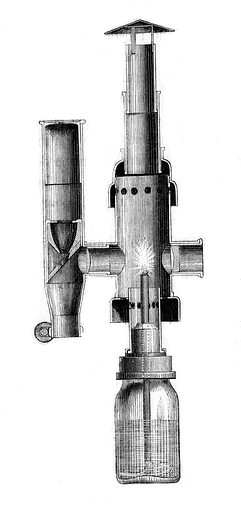
438. From Mirrors to Incandescent Bulbs: The 19th- Century Leap
Jan 700:10:07Tap to summarizeBy the mid-19th century, improvements in illumination and optics transformed endoscopy from a theoretical idea into a practical clinical tool, culminating in Antoine Jean Desormeaux's work in Paris in 1853. Building on Bozzini's Lichtleiter and frustrated by diagnostic limits of palpation, Desormeaux replaced candlelight with a brighter, controllable source known as the gazogène.
Transcribe →
438. From Mirrors to Incandescent Bulbs: The 19th- Century Leap NOTES
Jan 7Tap to summarizeDescription: PDF Notes for Surgery 101 episode From Mirrors to Incandescent Bulbs: The 19th- Century Leap
Transcribe →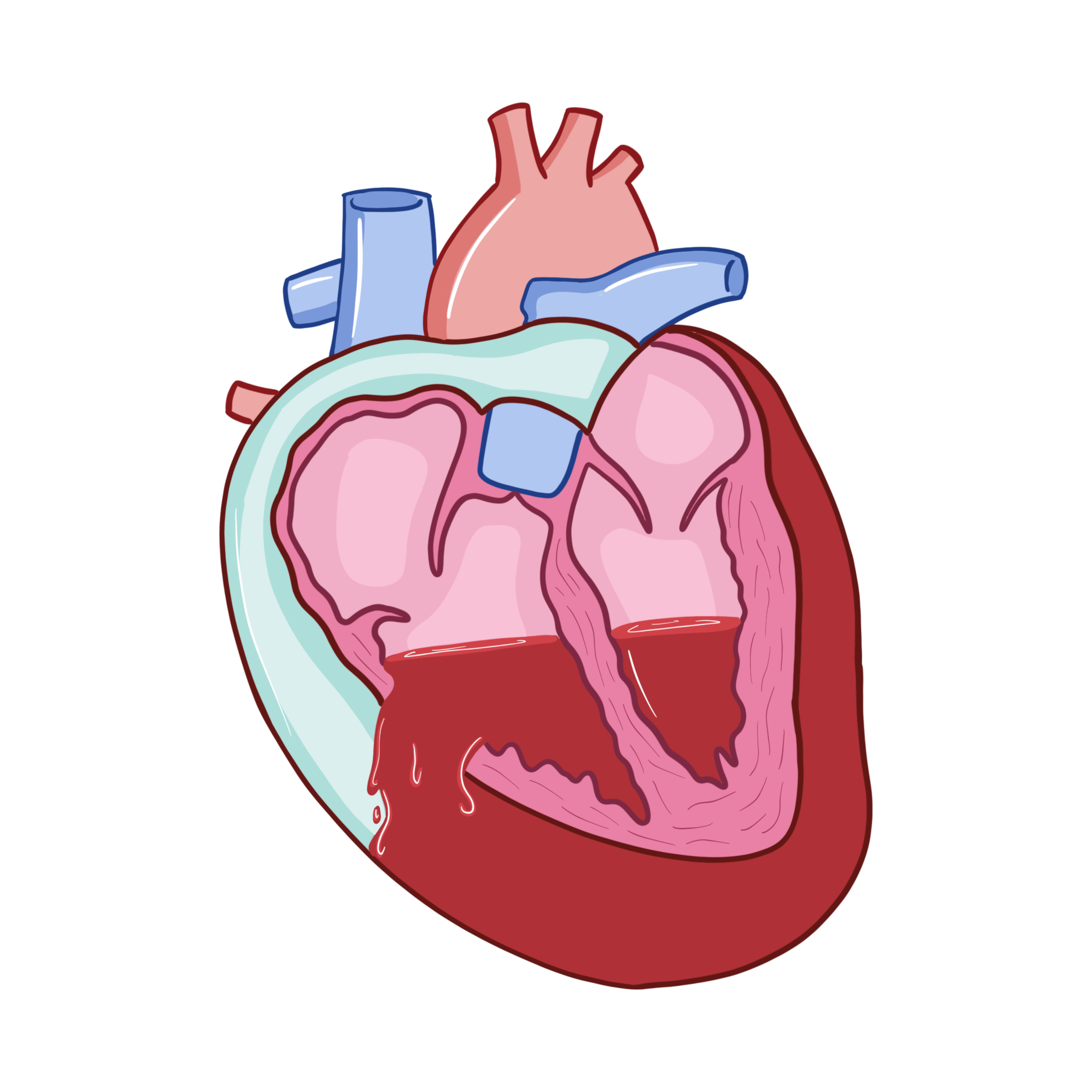
431. Cardiac Tamponade
Jun 11, 202500:15:38Tap to summarizeToday, we will go over what cardiac tamponade is, how it results, and most importantly, how we diagnose and treat it. After listening to this podcast, you will be able to: 1. Define cardiac tamponade and explain its pathophysiology. 2. Describe the boundaries of the cardiac box and list the elements of Beck’s triad. 3. Identify the key clinical features of cardiac tamponade and explain how to make the diagnosis. 4. Discuss the management of cardiac tamponade, including emergent interventions and definitive treatment strategies.
Transcribe →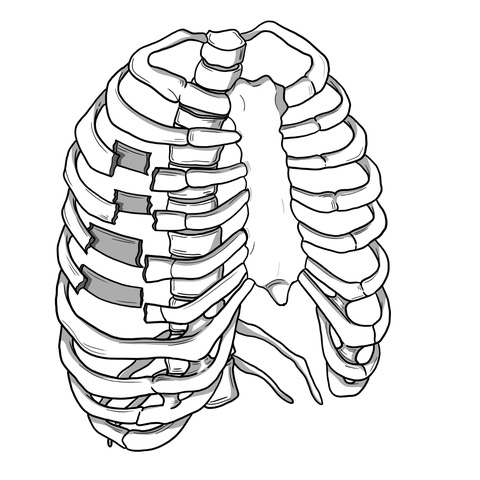
430. Rib Fractures
Jun 4, 202500:17:22Tap to summarizeToday, we will learn how to diagnose and treat patients who have sustained rib fractures, as well as gain some practical knowledge on how to identify if a patient’s problem is more urgent than simple rib fractures. After listening to this podcast, you will be able to: 1. Describe the anatomy of the ribcage and outline the mechanism of simple rib fracture in blunt force trauma. 2. Explain the mechanism of injury in rib fracture with pneumothorax, hemothorax and flail chest. 3. Outline the important elements of the history and physical examination in patients with rib fractures. 4. Outline the management of patients with rib fractures. 5. Outline the indications for surgical fixation of rib fractures.
Transcribe →
429. The Whipple Procedure
May 28, 202500:18:01Tap to summarizeIn this episode, we will be focusing on the Whipple procedure itself and will not be covering pancreatic cancer patient presentation or investigations. Dr. David Shapiro’s previous podcast on pancreatic cancer is a great resource for that information. Today we will talk about the procedure and look at a patient case. By the end of this podcast, listeners will be able to: • explain the surgical anatomy of the pancreas • describe the essential elements of the Whipple procedure • outline indications for a Whipple procedure
Transcribe →
428. Renal Colic
May 14, 202500:12:58Tap to summarizeThis episode was created by Katie Du, with content expertise provided by Dr. Trevor Schuler. By the end of today’s episode, the learner will be able to: 1. Identify renal colic and differential diagnosis 2. Determine appropriate investigations when suspecting nephrolithiasis 3. Evaluate the need for stone treatment and referral to urology 4. Suggest appropriate stone prevention strategies
Transcribe →
427. Preoperative Medication Optimization
Mar 12, 202500:16:48Tap to summarizeIt goes without saying that surgeries come with a significant stress on the body, it is therefore imperative that patients, particularly those with significant co morbidities are medically optimized prior to surgery. Today we’re going to consider how to properly prepare patients for surgery, looking specifically at the medications that patients are taking. After listening to this episode, you should be able to: 1. Explain the two main reasons why we need to know about medications that people are taking before they have surgery. 2. List classes of medications that should be: a. continued during the pre-operative period b. adjusted prior to surgery c. stopped prior to surgery
Transcribe →
427. Preoperative Medication Optimization NOTES
Mar 12, 2025Tap to summarizePDF Notes for Surgery 101 episode on Preoperative Medication Optimization
Transcribe →
426. Pain Management in Outpatient Gynecological Procedures
Mar 5, 202500:15:10Tap to summarizeAfter listening to this podcast, you will be able to: • describe the innervation of the female reproductive system, • identify that pain is often perceived by patients undergoing office gynecological procedures, • outline factors associated with increased pain perception during office gynecologic procedures, • describe evidence-based techniques to reduce pain during gynecologic procedures, including pelvic exams, IUD placement, and endometrial biopsy.
Transcribe →