← Sword and Scale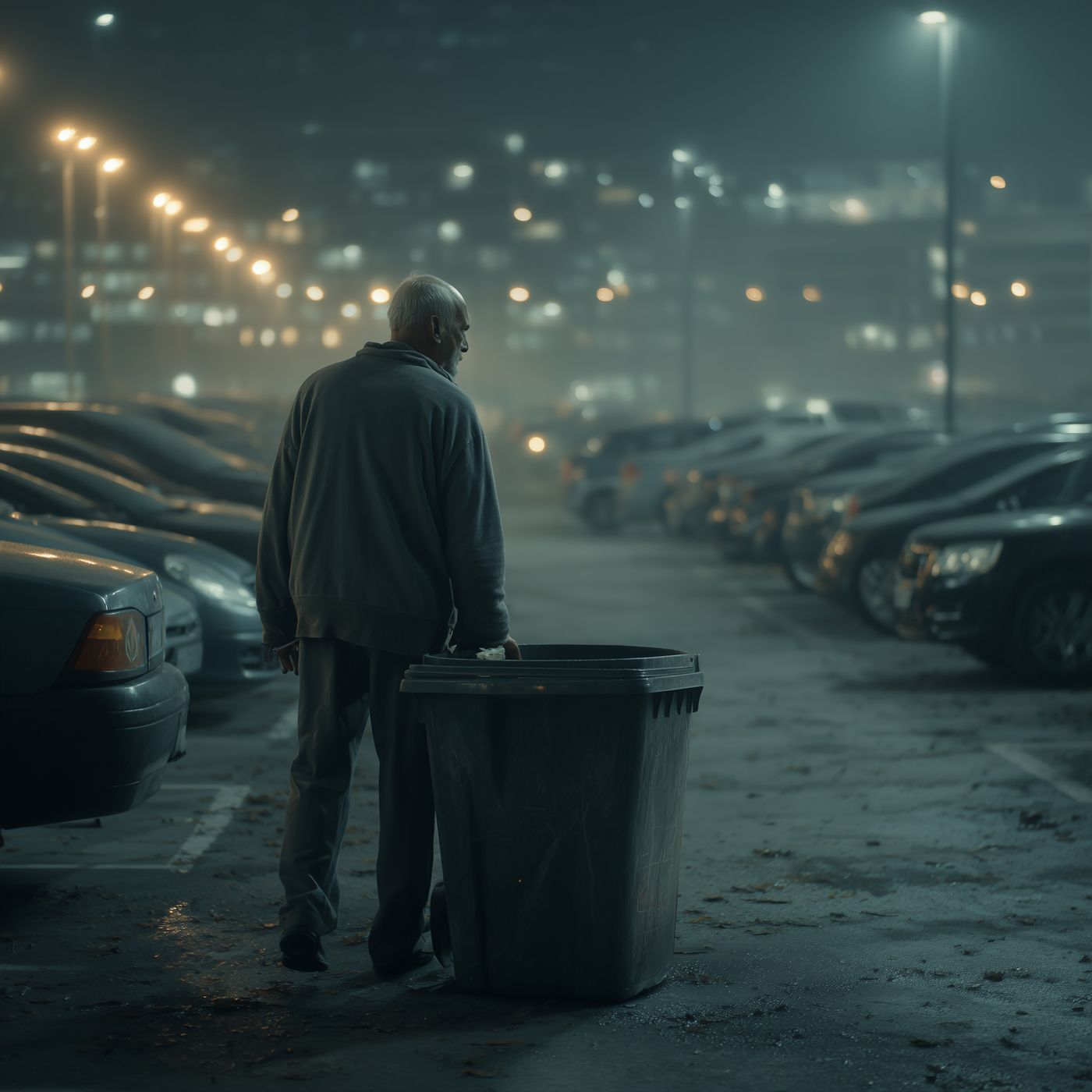
Sword and Scale
Episode 344
00:58:17
On a cold March evening in 2023, police in Englewood, Colorado responded to a 911 call from 81-year-old Reginald Maclaren. Inside his upscale apartment, they uncovered a scene so brutal, it would briefly dominate headlines before vanishing just as...
Loading summary
Transcript164 lines
- [00:00]
Narrator
The Global Gaming League is presented by Atlas Earth, the fun cashback app. Hey, it's Howie Mandel and I am
- [00:06]
Officer Aloise
inviting you to witness history as me and my How We Do It Gaming
- [00:09]
Narrator
team take on Gilly the King and Wallow $267 million gaming in an epic Global Gaming League video game showdown plus a halftime performance by multi platinum artist Travy McCoy. Watch all the action and see who wins and advances to the championship match right now@globalgamingleague.com that's globalgamingleague.com in partnership with Level Up Expo. The Bleacher Report app is your destination for sports right now. The NBA is heating up, March Madness is here and MLB is almost back. Every day there's a new headline, a new highlight, a new moment you've got to see for yourself. That's why I stay locked in with the Bleacher Report app. For me, it's about staying connected to my sports. I can follow the teams I care about, get real time scores, breaking news and highlights all in one place. Download the Bleacher Report app today so you never miss a moment. Sword and Scale contains adult themes and violence and is not intended for all audiences.
- [01:06]
Officer Aloise
Listener discretion is advised. I found my daughter and my wife. Somebody killed them in the apartment. They have been murdered.
- [01:34]
Narrator
It's a little before 6pm on a Saturday in Englewood, Colorado. It's sunny but still frigid. It's the end of March, 2023 and two local Englewood, Colorado police deputies are sitting in their cruiser. They're just talking and looking over some paperwork, really. Officer Aloise has been with the force for a few years now, but today he's got a trainee with him. Englewood is in the heart of the Denver metropolitan area. There are over 30,000 residents and a typical crime rate which consists of basically two things, robberies and drug related incidents. Maybe a few traffic violations sprinkled in there as well. Neither Officer Aloise nor his trainee are expecting any crazy calls today, let alone a double homicide in a luxury apartment complex.
- [02:33]
Officer Aloise
901 Inglewood Parkway is going to be Unit n is a Nancy308, right.
- [02:37]
Narrator
He's got the cord to his radio wrapped around his finger, fidgeting with it as he listens to dispatch.
- [02:44]
Officer Aloise
Go ahead. Harvey states his wife and daughter are deceased. He thinks they might have been hurt. The wife is 70 years old and the daughter is 34. RV thinks he knows the suspect and we're still getting further.
- [02:59]
Narrator
They'll be heading to a complex called Art Walk at City center sounds fancy. They're one and two bedroom apartments that go upwards of $2,000 a month. It's usually pretty quiet over there.
- [03:14]
Officer Aloise
I think it's gonna be on the north. Let me get it pulled up. Paramedics. This is Kara. Hey, it's Julie from Englewood. We're not sure what we have, but we need you to stage for right now. We might have two people that were killed inside of an apartment. 901 Inglewood Parkway. So this is like a homicide thing? Yeah, well, I don't know. He thinks it's his nephew. He thinks they're both dead. 70 and 34. I have a ton of officers going, as I'm sure you know.
- [03:42]
Narrator
This is the 911 call that had come in just moments before.
- [03:46]
Officer Aloise
911, where's your emergency? Yes, ma', am, this is Reggie McLaren. I'm calling from Art Walk Apartments, apartment N308. I came around 3:00 clock and I found my wife and my daughter murdered. I'm sorry, you what? I found my daughter and my wife. Somebody killed them in the apartment. They have been murdered. Okay, how do you know that they're dead? Well, I am here. They are dead, you know, because the guy, whoever entered, he was trying to take them in a trash can or take away, but he couldn't do it. So I. Are your wife and daughter still inside the apartment? Inside the apartment. Okay. How old are they? Wife is 70 years old. Okay. And your daughter? Daughter is about 34 years old. And what is your name? Reginald. That's your name? Yeah, that's my name. Reginald McLaren. Okay. And are you in the hallway? No, I am going in the hallway because I want to put on my jacket. It's very cold there. Okay. My officers are there, though, and they need you to not be in the apartment. Okay? Okay.
- [05:08]
Narrator
At the same time, Officer Aloise and his trainee were running up the stairs to unit N308.
- [05:15]
Officer Aloise
Hey, honey, I think it's this side. Which way do you go? Do you go that way? Let's go.
- [05:21]
Narrator
Go.
- [05:22]
Officer Aloise
Look out. What were we going to?
- [05:26]
Narrator
North 308.
- [05:27]
Officer Aloise
North 308. North 308. Yep.
- [05:30]
Narrator
When they finally get to that unit, the hallway is absolutely silent. There isn't a person in sight. They cautiously approach the apartment door, hoping they won't have to break it down.
- [05:48]
Officer Aloise
205, confirming in Nancy Grey. Police. Marley. Lift your hands. Did you call? Yeah. Step outside. Step outside.
- [05:55]
Narrator
They're bracing themselves for a potential showdown with whoever murdered this man's family. But instead, it's the Caller himself who answers the door. He's still on the phone with dispatch.
- [06:08]
Officer Aloise
So let me know when you stepped out into the hallway because my officers are gonna meet you in the hallway, okay? How long ago did you find them? What time did you come home and find them? I don't know, man. I don't know, okay? I don't know. I have no idea. And you're in? N as in Nancy.
- [06:28]
Narrator
The man who emerges is frail and hunched over, clutching his jacket. Reginald McLaren is 81 years old, and the stress of this situation is making him look even older. He's a normal old man, except for the distant look in his eyes and a name that doesn't match his accent. He doesn't seem injured, just stunned. Officers help him out of the apartment and plan to take him back to the station to ask a few more questions.
- [06:58]
Officer Aloise
Yeah, you want to take him in? Who's the on call? Detective sergeant and on call? Staff. You picked a bad time to be on call, Supervisor. Looks like I have a double homicide.
- [07:12]
Narrator
The new trainee stands guard at the front door while Reginald gets a pat down in the hallway. Meanwhile, the handful of officers inside are getting a taste of what they'll be dealing with right away. They know it'll be more than their little police department can handle.
- [07:33]
Officer Aloise
Garbage cans. Yeah. Jesus. Jesus Christ. There's a closet. House is pretty real. It's like least one confirmed so far. Two. You have two of them?
- [07:49]
Narrator
There's two.
- [07:49]
Officer Aloise
You going that one, too? Yep. Do you want me to stay inside with Stay inside for long?
- [07:57]
Narrator
The apartment isn't chaotic. It looks like they're in mid move. Boxes are stacked neatly in corners. Some are sealed. Others are half packed with clothes and books still visible inside. Lying on their sides in the living room are two oversized black roller trash cans. The lids are open. With his gun and flashlight drawn, one of the officers carefully steps over to one of the bins and leans down so he can see inside. Immediately he can see clothing, skin, limbs and blood. Both of the victims are women. They have been stuffed inside, head first. Their arms and legs are bent unnaturally. One of the women's legs hangs partially outside its plastic vessel. There's a towel covering part of the first victim's body. Blood is pooled beneath her. The second woman is positioned mostly face down. Neither is moving. The officers don't touch the bodies. They don't try CPR. It's already too late.
- [09:07]
Officer Aloise
Double homicide. 901 Inwood Parkway. Innocent Nora. 308 is the apartment number. Sounds like husband came home, finds his Wife and daughter deceased. They both have been shoved into a trash can apiece. So it looks like. By all appearances, it looks like whoever did this was trying to put the bodies in the trash can and take them. Whoever. Husband seems to think he knows we did it. We're trying to talk with him. He's pretty shook up, obviously, but. Yeah. You might want to call the troops on out, sir. Surveillance in the building over. They don't. No. Just FYI, the soap is coming. Oh, yeah, I saw that. Yeah, I saw that. And if you look underneath those bed sheets. Oh, yeah, that pillow is covered in blood. And they probably were hiding something underneath there as well. So, just for our safety, I asked where the suspects. Do they live here? They said they might be in 78. Les Jefferson Police Station. Those little apartments. So, okay, they're all gang bangers, according to him.
- [10:20]
Narrator
Blood spatters fleck the walls. A pillow soaked in blood lays on the floor near the couch. In a utility closet behind the love seat, they find an axe and what looks like strands of black hair caught in the blade. A handsaw rests nearby. The kitchen sink has hair and blood in the basin. The rest of the unit looks oddly clean. Just before a deputy is about to drive Reginald to the police station to get a formal statement, he complains of chest pain. He explains that he has a history of heart attacks and has recently had open heart surgery. He's 81 years old, after all. Finding your wife and daughter brutally murdered is asking for another incident. Luckily, paramedics are just arriving. Out of caution, officers have him transported to Swedish Medical center for evaluation. An officer is assigned to sit outside his room. If Reginald is right, if this really is about his gang banging nephews, then he might not be safe even in a hospital. The Bleacher Report app is your destination for sports right now. The NBA is heating up, March Madness is here, and MLB is almost back. Every day there's a new headline, a new highlight, a new moment you've got to see for yourself. That's why I stay locked in with the Bleacher Report app. For me, it's about staying connected to my sports. I can follow the teams I care about, get real time scores, breaking news and highlights all in one place. Download the Bleacher Report app today so you never miss a moment. The Global Gaming League is presented by Atlas Earth, the Fun Cashback app. Hey, it's Howie Mandel, and I am
- [12:21]
Officer Aloise
inviting you to witness history as me and my How We Do It Gaming
- [12:25]
Narrator
team take on Gilly The King Wallow 267's million dollars gaming in an epic
- [12:31]
Officer Aloise
global gaming league video game showdown.
- [12:33]
Narrator
Plus a halftime performance by multi platinum artist Travy McCoy. Watch all the action and see who wins and advances to the championship match right now@globalgamingleague.com that's globalgamingleague.com in partnership with Level Up Expo. The Bleacher Report app is your destination for sports right now. The NBA is heating up, March Madness is here and MLB is almost back. Every day there's a new headline, a new highlight, a new moment you've got to see for yourself. That's why I stay locked in with the Bleacher Report app. For me, it's about staying connected to my sports. I can follow the teams I care about, get real time, scores, breaking news and highlights all in one place. Download the Bleacher Report app today so you never miss a moment. On March 25, 2023, 81 year old Reginald McLaren called 911 after discovering his wife and daughter murdered inside their Englewood, Colorado apartment. The police department and emergency dispatch were wholly unprepared to deal with this situation. Dispatch scrambled, trying to figure out how to get in contact with the state crime scene unit. Officer Aloise's trainee frantically scribbled names into the crime scene log as personnel swept in and out of the apartment. A lot of these responders were newbies doing their absolute best. The crime scene was now sealed. The victims had been officially pronounced dead. Reginald was under observation at Swedish Medical Center. And if Reginald's nephews were involved, then time was already working against them. As the investigation unfolded, neighbors started noticing it was dinner time for most people. And this group of cops who were jingling their keys and talking in the hall was starting to draw a little bit of attention.
- [14:35]
Officer Aloise
So the notes say that wife and daughter ordinance? Oh, no, no. Who's the guy who's came out of here? That's the wife or the husband and dad and said he thinks he knows who it is. Something about a hammer. So I got him going back to the station. We probably need to do at least a quick Miranda on him and just talk to him and see what information we can get. If the suspect's out, you know about. If he's on their days with the public. We need to find that out as quickly as possible. Okay. How does he know this? You know, he. How does he know he knows who did it? That type of thing? Yeah, but I'm definitely more analyzing further. Everything's okay. Really quick. Just see it. Yeah. Yeah. Can I Come in. Yeah, please. How are you guys? Good. How are you? Have you guys heard anything suspicious or anything? No.
- [15:27]
Narrator
Lately. With your neighbors?
- [15:30]
Officer Aloise
I left around like. So when did I leave? I went to the liquor store around like, three or four and he was leaving. He locked his apartment and was walking to his car. And then I got in my car and then I saw him come back around like three o'.
- [15:48]
Narrator
Clock.
- [15:48]
Officer Aloise
Three or four, whenever I had texted you. Yeah, yeah, can we get that.
- [15:52]
Narrator
Can we get that text?
- [15:52]
Officer Aloise
See what time it was? Did you guys hear anything? No. And they. They're supposed to be moving soon. They told me they're super nice.
- [16:01]
Narrator
Okay.
- [16:02]
Officer Aloise
Did you know the daughter and the. Is he the husband? Yeah, I know there's a daughter, husband and a wife. Right. I think. I don't. Did they. Have you ever seen any, like, disturbances? No, I. I heard talking a lot in the hall and I've heard door slam, but I thought that they were moving and it was just kind of. Okay. Yeah. When's the last time you saw mom and daughter? I don't. I don't know. I haven't seen them in a while. I've only seen him. I saw mom and daughter. Okay. The last time I saw them, I can tell you exactly because the fire alarm went off here. Okay. And I saw them leaving and I.
- [16:44]
Narrator
Did they ever express any, like, problems?
- [16:48]
Officer Aloise
No, nothing. They've always been super nice.
- [16:50]
Narrator
Never thought, never said, like, watch out
- [16:52]
Officer Aloise
for a suspicious person. Huh. Okay. I saw them on Tuesday. I saw the dog. Oh, yeah, because you said. Yeah. They had their door open and they were cooking food and I smelled it and it smelled really good. And so I looked in and I saw. I'm assuming it's the daughter. She looked younger. Yep.
- [17:07]
Narrator
This is what they heard on repeat from all the neighbors. No one knew the family well. No one even knew their names, but they could always smell delicious food coming from their open door.
- [17:19]
Officer Aloise
I see them all the time. They seem fairly friendly. They. Well, the guy speaks, the woman, not so much. Seemed like they just kind of come in and out. I think he works at an RTD or I go to, like, the light rail or something like that. He always has a pull him on the RTD or malarial stuff. Okay. And the mom, I don't really see very much. Okay. At times they cook things and so they kind of think they have to air out their apartment. Yeah, that's what your other neighbor said. Like, they leave their door open and you can smell it. Okay. Haven't heard any, like, issues or complaints or you haven't heard anything? Not anything super loud or banging that I'm aware of. Okay. Since the Wednesday, you haven't seen anybody? No. Yeah. I hope they're okay, but. Well, to be 100% honest with you, mom and daughter are deceased and so we're trying to figure out what is going on. So that's why I'm asking you so many. Yeah, yeah. Okay. Oh, yeah, yeah. I guess I could have led with that before I started asking you, when are you coming back? No, not sure. Yeah. So we're trying to figure out what's going on.
- [18:27]
Narrator
Police continued canvassing nearby units. One neighbor who lived just a few doors down from the family told officers he remembered running into Reginald in the parking lot.
- [18:37]
Officer Aloise
I don't even know dude's name. I just told him, Mr. Oh. He says, oh, doing good, you know? Yeah, he. Sorry. He came over to me the other day while I was scoping in the garage and he was like, can you do me a favor? We're moving up on Saturday. I was like, okay. He was like, if it's after hours,
- [18:59]
Narrator
can I drop off the keys to you?
- [19:01]
Officer Aloise
And I was like, okay. I told my apartment number. Then he saw him walking around this morning. And then I hear all this and it's like, did you ever make a plan to leave the keys of you at any point? He just said if he had to, he would drop them off. Okay. He said he was going overseas, thought he was going to come back and then. Do you ever see his wife and daughter the last time you saw them? Probably yesterday. When he never meant. Did he ever mention anything about that, did he, when he said they were moving overseas? But he did say I'm going overseas. So I didn't like I'm as in singular. Yeah. Okay.
- [19:51]
Narrator
The women stuffed inside the trash cans were 70 year old Bethany McLaren and her 35 year old daughter Ruth. Bethany and Reginald moved to America in the 80s and really kept to themselves. Back at the hospital, some of these details were beginning to come up in conversation with the officer assigned a watch over Reginald's room. Apparently Reginald was born in India and his wife Bethany was from Nepal. Reginald had an estranged son from another marriage. And then there was his daughter Ruth.
- [20:25]
Officer Aloise
Now you can sit back. Is your heart feeling okay now? A little bit, yeah. Okay. And I need some shirt and. Yeah, we'll give you. You want a blanket for now.
- [20:38]
Narrator
Is that okay?
- [20:41]
Officer Aloise
It's kind of a temperature until we can get you some regular clothes. Okay. But it's better than nothing. Okay. So the Next thing we're do. Okay, again, this is all your permission too. So we get like a hand swab of the DNA in your hand to show that basically that's your DNA. So if we find other people's DNA, we know that's not your DNA. You know what I'm saying? So, like, I'm touching this, right? Then you touch it. Then I can compare your DNA to this DNA. So we don't say like, who's this? So we have yours to show. Is that okay to do? Yeah. Okay. Thank you.
- [21:17]
Narrator
It wasn't just his four prior heart attacks that had detectives worried. They wanted a full medical evaluation on Reginald because he told one of the officers that after he got home after 3pm and found Bethany and Ruth in the trash cans, he passed out. It wasn't until around 6pm that he tried to call the apartment property management's office. And then after that he called 911. Here are the property managers and you
- [21:47]
Officer Aloise
guys are all hidden back in here. Hi. Hi. I'm Lindsay. Lindsay. Brian. Nice to meet you. Nice to meet you. Stormy. Stormy. Stormy. Ren here too. And live here. We've got everybody here. I can hold this. You look great, by the way. Oh, I do not look great, but thank you. Okay. How do I look, for gosh sake? Beautiful. So
- [22:07]
Narrator
remember, this is a Saturday night. Everyone, including some of these cops, had been relaxing at home before all this happened.
- [22:15]
Officer Aloise
It's my day off, so I'm like, I'm sorry. I know. What are you going to do when you're short staff, right? I'm sure you guys. You guys are playing the same boat. We do know. I do know.
- [22:25]
Narrator
Here's the voicemail Reginald left.
- [22:29]
Officer Aloise
I found my wife, my daughter's murder. So I'm going to call. The mother said that she. And it was left at 6:02pm okay.
- [22:39]
Narrator
Now let's swing back over to the
- [22:41]
Officer Aloise
hospital, so make sure you have no injuries on you. No arms, no legs. Okay. We're gonna take a picture just to make sure that you have no injuries. We're gonna show that you had no injuries. Okay? Can you put your arms up for me? I'll make sure that you're okay. No injuries, but you weren't hurt at all? Yeah, you weren't hurt at all? No, I wasn't hurt. Okay. Make sure. I heard that you. You passed out. Oh, yeah. But you didn't hit your head or nothing like that or. I have no idea. Okay. I might have hit. We'll take some pictures real quick just to make sure okay.
- [23:15]
Narrator
Imagine waking up on the floor three hours after finding your wife and daughter murdered. You've just come back to reality. You remember what happened. You're panicked and confused. Now listen to how Reginald McLaren sounds when he calls.
- [23:32]
Officer Aloise
911911, where's your emergency? Yeah. Yes, ma', am, this is Reggie McLaren. I'm calling from Art Walk Apartments, apartment N308. I came around 3 o' clock and I found my wife and my daughter murdered. Hi, this is apartment N308. I just want to inform you that when I entered my apartment around 3 o', clock, I found my wife and my daughter murdered. So I'm going to call the Newsborough Police right now. I was listening that to you that was left at 6:02pm now that you've
- [24:14]
Narrator
heard both the voicemail he left for the property manager and this 911 call, don't they sound eerily similar, Almost rehearsed. Here's the rest of the call.
- [24:28]
Officer Aloise
Okay, and how were they injured? Can you tell? Well, ma', am, I am very disturbed. I have no idea the hour. Thank you. Do you know who did this weapon? Yeah, well, before I say. Before I. Before I go further, I want to tell you that our security door in the garage door is always open. I mean, it is never lost. Answer my questions. Okay, I understand this is very hard and I'm getting you lots of help, but how were they hurt? Were they shot? Were they stabbed? Can you tell me how they were injured? They were stabbed. Not stabbed. They. Somebody use a hammer or. I. I don't know, you know. Where are you at now? Where are you at now? I am in my apartment. Ma', am. I need you to step out. I don't want you to be in there, okay? Oh, step out. Okay. Okay. Have you touched anything? Well, I went into the rooms. I just looked My. My wife's first, my daughter's birth, where the IDs were gone. All the things are upside down, you know. Okay, so who do the officers? It's a security building. Can they come in here still? Yes, we have lots of people come in. We even have an ambulance coming. Okay. Who did this? Thank you. Did it? Yeah. Well, we had a long animity with our nephew. And the. Another one is Milan Kawas. They are both my wife's nephew. Is he there? Oh, no, no, he. He is. He ran away from our home and he just goes all over the places. He's in gangs and here and there. And I just want to make sure. So your wife and daughter come Currently inside the apartment. In which room? Master bedroom. They're in the bedroom. Master bedroom. Okay. Do you have any weapons? Me? No. Okay, so wife and daughter are both in the master bedroom. No, they are not in the master bedroom. They were sleeping. I don't know what to expect, but they are in the living room right now. Okay. In the living room. Okay. Thank you.
- [26:57]
Narrator
Am I the only one disturbed, by the way? She says. Okay, thank you. Like, it's just a routine checklist she's going through. Like, she's asking for the ingredients to make a batch of cookies. Maybe it's just me and.
- [27:12]
Officer Aloise
Are you in the hallway? No, I am going in the hallway because I want to put on my jacket. It's very cold there. Okay. My officers are there, though, and they need you to not be in the apartment. Okay. Okay. So let me know when you stepped out into the hallway, because my officers are going to meet you in the hallway. Okay. Okay. And when did you. How long ago did you find them? What time did you come home and find them? I don't know, man. I don't know. Okay? I don't know. I have no idea. And you're in N, as in Nancy, you go. Yeah.
- [27:49]
Narrator
Did you catch any inconsistencies? Englewood police were starting to rethink the idea that the suspects were on the loose somewhere. Now, let's rewind just a little bit. Remember this neighbor? She had mentioned earlier that she had seen Reginald that day around the same time that he said he had discovered his wife and daughter's bodies.
- [28:14]
Officer Aloise
I went to the liquor store around, like, three or four, and he was leaving. He locked his apartment and was walking to his car. And then I got in my car, and then I saw him come back. She texted me at 3:55. That's when she left. Yeah. So I was like, you want to come over? Yeah. And I was at the liquor store when you texted me back. And he is leaving as you were leaving. Yeah, well, he went to his car.
- [28:37]
Narrator
Okay.
- [28:38]
Officer Aloise
I don't. I saw. I was like, hi. He normally says hi to me. He didn't say anything.
- [28:43]
Narrator
He just kind of just kept watching. Did he acknowledge you?
- [28:45]
Officer Aloise
He said hi and then kept walking. Normally he'll, like, stop and chat with me. Okay. So he locked his door and then he came. Yeah. And then he went to the parking lot, and while I. While I was going in the parking lot, he walked past me and didn't say anything and then came back. Okay. Which I thought was kind of weird because then I was like, oh, he's probably leaving. That's why I saw you guys out there. I was like, I need to go talk to you guys. Yeah, absolutely.
- [29:13]
Narrator
So right after this officer leaves the woman's apartment, he tells his colleagues they'll be changing course. Thank you.
- [29:27]
Officer Aloise
We need to find this car. Are you good? Need to find a car. We need to find a car. Why?
- [29:33]
Narrator
Around 3:55 today she was going to the store.
- [29:37]
Officer Aloise
She saw him walk to the car. He had locked the door.
- [29:41]
Narrator
Locked to the car. Doesn't know what he did in the
- [29:44]
Officer Aloise
car, but he came back. What kind of car is it? It's a white sedan.
- [29:47]
Narrator
Possibly on the same floor that we're at. They have a go look for it. So someone goes over to the adjoining parking garage to find Reginald's suv. And when they do, everything kind of starts to make sense.
- [30:01]
Officer Aloise
The lock door was at 355. So we'll probably should have seen and then should have known when he came back. No, he should. I didn't see if there was any
- [30:14]
Narrator
warmth to them or not, but I didn't either.
- [30:16]
Officer Aloise
I this so for. I don't think this was done in two hours. On the sofa? Yeah, some of it. But dude, there's a lot more missing. Well, he's all deep. Did you see the towels that are stuffed in here? This one. And then you see down the front of the trash can. Any indication of why dad thinks that guy's assessment so not yet, but we just were informed by Bryce that it sounds like he. Dad. Dad left at 3:55. She's neighbor saw him driving at his car. And so Bryce is going to locate the car right now with the neighbor that saw it. That was around 4. And she's saying re hearing what Bryce said correctly, he locked this door left of the car and came back. So that might be ours. That might be ours potentially. I'm gonna go see what Bryce has at the car. You guys good here? Oh yeah, yeah, we're good. Stay here with the crime scene.
- [31:06]
Narrator
Detective Eloise walks to the parking garage and spots his colleague who's peering in through the windows of the suv.
- [31:14]
Officer Aloise
Just tell it it's flat. Stay with this car when we touch it. Hey, who's. Let me know if you guys need it. Yeah, SUV is completely flat, so I got probably sitting on it.
- [31:34]
Narrator
The apartment complex has its own trash system. One that doesn't require any kind of rolling cans you'd leave on the side of the road. Could Reginald have flattened the back seats to make room for the new trash cans that were now in his apartment, with this possibility in mind, they have to find a neighbor with a doorbell camera. They need to get footage of whoever brought those trash cans into the apartment.
- [32:01]
Officer Aloise
Hi, there. Can I come in for a second? How are you guys? I'm doing all right. I'm Brent. I'm with the police department, obviously. Okay. So you guys might have some video or something? Yeah, I have on the video doorbell over there. I'm not entirely sure what times. I think he said, like, around 3:30 was, like, one of them. Okay. But it just catches clips. I think this was, like, one that they were, like, looking at. So.
- [32:34]
Narrator
You know what I'm looking for is
- [32:36]
Officer Aloise
someone dragging a trash can. A couple trash cans. Okay.
- [32:39]
Narrator
Like, big. Like, the rolling ones.
- [32:40]
Officer Aloise
Oh, gosh. Yeah, I haven't. Like, we hear that sometimes, like, at night, guys get roll trash cans here. You put your trash outside, and they collect it. They collect it. But they have, like, a big, like. Like one of those ones you see, like. Like. Yeah, that they push and then come by and collect them.
- [32:58]
Narrator
In this 911 call, Reginald weirdly mentions that whoever did this must have started the cleanup process and couldn't finish it. Was he talking about himself? I mean, who breaks into a place, kills people, and then tries to remove the bodies? Why would you do that unless you lived there? The car discovery paired with Reginald's claim that his wife and daughter's purses were empty prompted a search of the big dumpsters on the ground floor of the apartment complex. Inside, they found an Xfinity bill addressed to Reggie McLaren, a credit union bank statement for the couple, numerous ID cards for Ruth, three of Bethany's driver's licenses, and both women's Social Security cards. All of these items had been cut up. They found bloody clothes, too. This all wasn't looking very good. The next logical step was to find out which hardware store the rolling trash cans were from. Maybe they'd even be able to get security camera footage of Reginald buying the items. So the deputy went to nearly every store in the area. Finally, he arrived at a particular Home Depot.
- [34:18]
Officer Aloise
Yep. We bought it. Oh, that's it. Thank you. Look at you. Well done. There you go. What I could do is I could go back a footage of when he's. He entered the store without items.
- [34:44]
Narrator
Yeah. If you can follow him from his
- [34:45]
Officer Aloise
car, see where his. What car he is. As long as he didn't go past this cuz footage. What's he doing? Forgot where he parked. Is that him? Yeah, that's him. It's taking a long Time to delay his items.
- [35:04]
Narrator
Yeah, while he's in the, like in the tool section.
- [35:08]
Officer Aloise
The trash cans.
- [35:08]
Narrator
Trash cans, yeah.
- [35:11]
Officer Aloise
There he is. So he's already picked the trash cans. That's crazy. I never thought, like, I wouldn't come to that because like I've always thought because you see these people with these items and they're like, you wonder what they use it for. Because last time when I was cashiering, I saw a guy with the tarp, shovel and like buckets and gloves and I was like, oh my God, it looks so sketchy and stuff. Yeah, you never know.
- [35:44]
Narrator
Her enthusiasm is cute, isn't it? Bet you never thought she'd be in a real life episode of csi. Anyway, this footage showed him not only purchasing the two trash cans, but also a Stanley brand handsaw. Good brand. He paid for all the items with cash. And remember that neighbor with the doorbell camera? He found footage from March 9 that showed Reginald wheeling his two brand new trash cans back to his apartment. Weird. Then there was that long handled axe footage showed Reginald in Harbor Freight's checkout line with his axe in hand. Again, he used cash. This was all on March 9th. Just before 4pm Shortly after he got home that day, doorbell footage showed the three of them, Reginald, Bethany and their daughter Ruth, all leaving the apartment. Then they get back around 7:15pm Having just gone on an outing with the man who would soon end their lives. While investigators rewound camera feeds and matched timestamps, a sense of disbelief washed over everyone. How could 81 year old Reginald, elderly and frail, have done any of this?
- [37:05]
Officer Aloise
Name? Doctor. Okay, I looked through your chart a little bit. Can you tell me what happened today? How you ended up in the hospital? Let him know I did a mistake.
- [37:20]
Narrator
So the doctor asked him what happened and Reginald said, oh, I made a mistake. And that's why the audio isn't perfect. It's from the body worn camera of the officer sitting in Reginald's hospital room. Reginald calls the doctor. Doc, that might help you follow it a little bit better.
- [37:44]
Officer Aloise
I was checking my blood pressure and everything to get discovered the n. The doctor was saying something very serious. If. If I may, if I may. I heard that you went home and that you found some of your family there. Okay, I see. Well, you know, I'm not trying to be a jerk or anything. No, no, sorry. I live here for 40 years and I'm 53 and I took care of my family very soon. Okay. And we were at the juncture when we. We just ran out of money at this Nobody will hire me as a family secreting me to take an apartment and go there. And I had no rent. I had. And then I had some money still. I have $8,000 in my brief case at home. But that was only for one month. Month. And to sign a visa. 15. And you have to cut this movie short. Doctor. I. I didn't want to see my family on the street wedding. I don't want to see. No matter what happens, but I. I just can because I see people on road and you know, homeless and this. That's a miserable situation. And I also want to die in. Okay, so you. You killed him? Uhhuh. Okay. Both of them. Okay. Okay. And then you passed out, Is that correct? Then I passed out.
- [39:19]
Narrator
The doctor asks him, so you killed them? Both of them. And Reginald admitted that he had.
- [39:28]
Officer Aloise
Pray to God either you killed me. But I don't want to see my children begging bread on the street and get homeless. How my daughter can live even for one day.
- [39:41]
Narrator
After this shockingly calm admission. So creepy really. Reginald continued telling the doctor that he used to work for HSS security company in a hospital setting. During his time there, he saw the harsh reality of homelessness every day. He said that after he lost his job, he knew that he and his family would end up like these people, begging on the side of the road. At his age, no one would hire him. To make matters worse, he said that they were being evicted. Bethany and Ruth were pressuring him to sign a lease on a new apartment. And Reginald said he was down to his last $8,000, which wouldn't be enough for first and last month's rent. Plus a security deposit and his daughter's medication. 35 year old Ruth lived with cerebral palsy and required constant monitoring. Her meds were $800 a month. According to Reginald, who really emphasized that he'd been taking care of his wife and daughter for 35 years. His family depended on him, relied on him. They couldn't survive without him. Apparently it had just become too much. He said he'd started planning about 10 days prior. He just couldn't see any other way out. The Global Gaming League is presented by Atlas Earth, the fun cashback app. Hey, it's Howie Mandel and I am
- [41:33]
Officer Aloise
inviting you to witness history as me and my how we do it gaming
- [41:37]
Narrator
team take on Gilly The King Wallow 267's million dollars gaming in an epic
- [41:42]
Officer Aloise
global gaming league video game showdown.
- [41:45]
Narrator
Plus a halftime performance by multi platinum artist Travy McCoy. Watch all the action. Action and See who wins and advances to the championship match right now@globalgamingleague.com that's globalgamingleague.com in partnership with Level Up Expo, Liberty Mutual customizes your car and home insurance. And now we're customizing this rush hour ad to keep you calm, which could help your driving. And science says therapy is great for a healthy mindset. So enjoy this 14 second session on us. I think you've done everything right and absolutely nothing wrong. In fact, anything that hasn't gone your way could probably be blamed on your father not being emotionally available because his father wasn't emotionally available, and so on. And now that you're calm and healing, you're probably driving better, too.
- [42:25]
Officer Aloise
Liberty. Liberty. Liberty. Liberty.
- [42:28]
Narrator
Craving the coffee flavor you love but without the caffeine? Cachava's got you covered with their newest coffee flavor. This all in one nutrition shake delivers bold, authentic flavor. Crafted from premium decaffeinated Brazilian beans with 25 grams of protein, 6 grams of fiber, greens, and so much more. Treat yourself to the flavor and nutrition your body craves. Go to kachava.com and use code fitness. New customers get 15% off their first order. That's K A C-H-A-V-A.com code fitness. On March 25, 2023, from a hospital bed under police watch, 81 year old Reginald McLaren calmly admitted he had murdered his wife and daughter. He said he'd spent decades supporting them. But when he lost his job and found out they were being evicted, he saw only one path forward.
- [43:29]
Officer Aloise
Everything. Officer, I'm sorry. I can tolerate in life everything. You know, there were times when we had hard time and breaking bad sickness problems, but I cannot see myself or my family.
- [43:48]
Narrator
According to Reginald, the plan had been in motion for a week. Here's what investigators believe happened that final day. Sometime in the early afternoon, he grabbed an axe, the one he bought at Harbor Freight. He set aside the handsaw. That was for later. He purchased everything he needed. Using cash, like the two rolling trash cans. He wheeled them through the parking lot by himself. They were now waiting in his living room, lids propped open. Bethany, his wife of nearly 40 years, was likely sitting on the couch. He struck her first, hard enough to slice through a major artery, causing a blood spray that painted the wall behind her. Then he turned on Ruth, hacking away at her. She was 35 years old, and Reginald said she had cerebral palsy. Detectives believe she may have been standing near the kitchen at the time. Later, they found the sink drain clogged with blood. And hair, clear evidence of an effort to clean up what was becoming an unmanageably messy situation. After they were both dead, Reginald used a combination of the axe and the saw to remove one of his wife's legs. It was harder than he imagined it would be, so he abandoned that idea. Instead, he forcibly bent Bethany and Ruth's limbs at awkward angles so they'd fit. He draped a towel over his wife, but it didn't cover much. He looked down, out of breath, and knew he still had to get both of these bends to stand up so he could roll them down the hall and into his suv. One of Bethany's legs was still sticking out, lying on top of the open lid. Blood was starting to pool around each of the bins. Reginald panicked. His chest felt tight. He knew this feeling. Quickly, he cut up both of the women's identification cards, driver's licenses and Social Security cards. He tossed the pieces down the trash chute into the apartment's main dumpster, along with bloody clothes and other personal effects. Then he picked up his phone and called the property manager, followed by 911. In his 911 call, Reginald said to the dispatcher, whoever did this probably started the cleanup but got tired and gave up. And that's exactly when what he did. During the process of hauling bodies, cleaning blood, and lugging heavy plastic bins into position, Reginald overexerted himself. He began to feel the familiar warnings of a heart attack. He'd already suffered four and had recently undergone open heart surgery. He just got scared. Scared that he was about to die. Getting medical attention for himself became the number one priority. I wonder how he was going to pay for that.
- [46:59]
Officer Aloise
Hanko from the bed, please. A horrifying crime in Englewood. And the suspect talked about Colorado's housing crisis with investigators. The 81 year old man told them he killed and dismembered his wife and daughter because he could no longer afford to pay the rent.
- [47:14]
Narrator
They were murdered in an apartment building
- [47:16]
Officer Aloise
in the Englewood City center, just off Hampton Avenue and Santa Fe Drive. Karen Morgan on the story tonight. And Karen, the man told police he didn't want his family to suffer through homelessness. During his arrest, he reportedly told police that he had no regrets because he felt like they were in a better place. Now police responding today pleading for anyone who may be struggling to ask for help. According to the arrest affidavit, McLaren confessed to the murders, telling detectives he had recently lost his job and and the family was about to be evicted. Having worked with the homeless population before, he told police he Quote, knew what a miserable life that was. Having planned for several days, he allegedly carried out those murders the morning they were to vacate. You know, he.
- [48:02]
Narrator
He seemed distraught, maybe, and.
- [48:04]
Officer Aloise
And I don't know what the reasons for his actions were. I mean, that's part of our investigation. We're trying to determine why he did what he did. But as far as our dealings with him, he was more than Cooperative. Now, McLaren is expected in court sometime later this week. We know the Arapahoe County Coroner's office will identify those victims once their family is notified.
- [48:27]
Narrator
Notifying extended family about Bethany and Ruth's deaths was more difficult than expected. Who were these women? The family had lived in the same building for years, and yet no one seemed to know them beyond their friendly smiles and the smell of food wafting from their unit.
- [48:46]
Officer Aloise
Well, Jim, and the sadness over this
- [48:48]
Narrator
terrible, terrible crime is the realization that
- [48:50]
Officer Aloise
this family lived quietly in an Englewood apartment building. The mother and victim in this case, Bethany McLaren, was apparently from overseas.
- [48:59]
Narrator
But without the help of her husband,
- [49:01]
Officer Aloise
the suspect, finding her family has been difficult. And so the coroner's office has reached out for help.
- [49:07]
Narrator
There was no one to claim Bethany and Ruth's bodies, no one to plan their funerals or give them a peaceful sign off. When leaders at the Colorado Nepal alliance found out about this situation, they couldn't let it end like this. There had to be someone who knew and loved these women.
- [49:28]
Officer Aloise
They knew Bethany McLaren first got a Social Security number after arriving in the US somewhere in the 80s and a little bit more, but no one knew her relatives. The coroner's office called you? Yeah, they called me the Tuesday after the murders.
- [49:43]
Narrator
Ann Hines and Sangeeta Shrotria are both
- [49:47]
Officer Aloise
part of the Colorado Nepal Alliance.
- [49:49]
Narrator
And the coroner had found the mom.
- [49:51]
Officer Aloise
Bethany had another name. The fact that her name was Pavitra was a good clue that she might. If she wasn't Nepali, that of Nepali descent was likely. And so they set to work to
- [50:03]
Narrator
find family to remember them and their past. They brought a photo of Bethany to a local funeral. Someone in the Englewood, Nepal community had passed away, and 600 people were in attendance. All people who might know these women.
- [50:19]
Officer Aloise
Somebody has to mourn these women. Yeah. Yeah. With a photo from Bethany McLaren's license, Sangeeta began to ask everyone she could in the 10,000 plus member Nepali community. So I took the picture to the funeral, say that, do you guys know her? And there were around like 600 people, and nobody could tell that they knew her.
- [50:41]
Narrator
Eventually, a man in Kansas responded, saying he Remembered a woman named Pavitra. She'd helped him find a job back in Colorado years prior. When he saw her name and photo, he was pretty sure this was the same woman.
- [50:56]
Officer Aloise
So she was a kind woman. She was, yeah. Then after our reporting of the name
- [51:01]
Narrator
got out, a woman reached out from India.
- [51:04]
Officer Aloise
One who, as a little girl, once posed for a photo with Ruth McLaren. Then she opened up, and it happened to be Pavitra's niece.
- [51:14]
Narrator
The woman confirmed that she recognized both Bethany and Ruth. Apparently, Bethany was originally Pavitra Rana. Born in northern India, but of Nepali origin. She worked as a nurse and eventually moved to the United States, where she married Reginald after meeting him through a newspaper ad, of all things.
- [51:35]
Officer Aloise
It looks like they had been in India for a few generations because both of Pavitra and her sister were born in India. There are so many uncovered part of the stories that we don't know yet or about their life. I'm sure they have touched more life than we know. I'm sure they have, too. Yeah.
- [51:53]
Narrator
They had succeeded in finding a needle in a haystack. One single member of Bethany's family. But they were too far away to help with the funeral. So these two women from the Colorado Nepal alliance took it upon themselves.
- [52:09]
Officer Aloise
You didn't have to do this. Yeah, I did have to do it because. And these women were so brutally murdered. Yeah. And so few people in the Denver metro area knew them. And I could not imagine that there were people there that were grieving for them.
- [52:32]
Narrator
There was no family statement, no recent photo, no custom obituary. Instead, just a Bible verse. The Lord is my shepherd. I shall not want. He maketh me lie down in green pastures. He leadeth me beside the still waters. He restoreth my soul. He leadeth me in the paths of righteousness for his name's sake. Yea, though I walk through the valley of the shadow of death, I will fear no evil, for thou art with me. Thy rod and thy staff, they comfort me. Thou preparest a table before me in the presence of mine enemies. Thou anointest my head with oil. My cup runneth over. Surely goodness and mercy shall follow me all of the days of my life, and I will dwell in in the house of the Lord forever. No mention of her daughter, her work as a nurse. Nothing. Bethany and Ruth McLaren lived quietly, but they died violently. And if not for the kindness of strangers, they would have been buried without anyone to grieve them. Everything we know about them comes from the fragments that they left behind, whether it be a neighbor's memory A community's sorrow or a killer's version of events. And Reginald's side of the story was built entirely on his lies. Because here's the horrible truth. The McLaren family wasn't facing homelessness. Detectives recovered several documents addressed to Reginald and Bethany. One of those documents was a statement from a credit union. It showed an account balance of over $11,000. Keep in mind, this was just one of their accounts. In his hospital bed confession, Reginald had also mentioned a briefcase with $8,000 in it. If that doesn't convince you that his entire excuse was a lie, maybe this will. There was no evidence that Reginald and his family were about to be evicted whatsoever. There was no eviction notice, no court order. And it was just that their lease was up. So that's was all a lie. This wasn't a man pushed into a corner. Reginald had made a decision. He was done being the pillar of his family. He was done having a family altogether. It was on April 3, 2023, that Reginald was formally charged with two counts of first degree murder, two counts of tampering with a deceased human body, and one count of false reporting. On January 23, 2024, he entered a not guilty plea. His trial began in June of 2024. It was a somber, quiet courtroom. No one sat in the gallery behind the defense table, and no one sat behind the prosecutors. Well, at least there was no one in attendance that really knew the McLaren family. Ann Hines, the executive director of the Colorado Nepal alliance, attended the entire trial. Just like she'd help plan Bethany and Ruth's burial, she wanted to be there when justice was finally served. Ann sounds like a nice person. We need more. Anne's.
- [56:18]
Officer Aloise
This is Bethany when she was a nurse in the Indian Army. This is Ruth right here when she was young. The only pictures that the jury got to see of them were the pictures when they were dead. The hardest part for me was hearing how many times he had struck his daughter with an axe.
- [56:38]
Narrator
The evidence shown at trial was convincing. After about a week in court and just a few hours of deliberation, a jury found him guilty on all charges.
- [56:49]
Officer Aloise
The prosecution had a very good case, and they just reiterated all the pre planning that had gone into these murders. He had purchased the axe, the saw, and the trash cans. I think I was hoping to try to understand why this. Why these two murders had occurred, but I left without any answers. I thought maybe having him convicted might make me feel better, but I don't. Ruth and Bethany are still deceased.
- [57:20]
Narrator
Ann, who had been in contact with Bethany's family, in India told them about the guilty verdict. One of Bethany's friends ended up writing a letter for the sentencing hearing. She asked Anne to read it on her behalf.
- [57:35]
Officer Aloise
I have known Pavitra Rana, also known as Bethany, for the last half a century. We both belong to Kalampong, a small hill town in eastern India. She was born, brought up and did her schooling in one of the famous missionary schools, the Kalumpong Girls High School. We worshiped in the city, same Presbyterian Church. After her schooling, she did her diploma in nursing. In the late 1970s, she joined the Indian army as a nursing officer in the rank of lieutenant. She continued working and was promoted to the rank of captain. Around 1986, she married Reginald McLaren. After marriage, she resigned from the army and moved with her husband to Denver, Colorado in the US. In 1996, she came to visit us in India with her husband and daughter. Thereafter, we were in occasional contact over the phone. Last I remember speaking with her was in 2015. After that I was unable to contact her despite trying many times. The tragic news came as a great shock not only to me, but to all of those who knew her here in India. I would like to remember her as a fine and humble human being, a dependable friend and a very helpful person. She liked to do embroidery and tatting laces in her free time. She was warm and friendly, but reserved socially. She was observant and we shared many laughs at her impressions of friends and colleagues. May their souls rest in peace.
- [59:02]
Narrator
Reginald, who was now 83 years old, received two consecutive life sentences. On top of that, the judge tacked on two 12 year sentences for tampering with deceased bodies and a 120 day sentence for false reporting with credit for time served. In the end, no one remembered when they moved in. No one noticed the quiet lives of these women. And when they finally did, it was because the only person who ever saw them was the one who made them vanish. Well, we hope you enjoyed that horrible story, you weirdos. If you like this sort of thing, these tragic, terrible stories, head on over to our YouTube channel, Sword and Scale TV. There you can get our visual version of Swordscale. Go get it. You can also find us at swordndscale.com where you can subscribe for $10 to plus or $20 to plus, including Swordscale TV. I know it's a lot to ask, but this ain't cheap to make, So you can keep freeloading or you can help out your favorite creator. It's up to you to decide. You know what a good person would do and what somebody like yourself would do. Don't let me guilt you or anything. Guilt, guilt, guilt. All right, we'll see you next week. Stay safe. Say hi to your mom.
- [61:20]
Officer Aloise
Sam. Sa. At vrbo, we understand that even the best of plans sometimes need a little support. So we plan for the plot twists. Every booking is automatically backed by our VRBO Care guarantee, giving you confidence from the very start. Whenever you need help, it's ready before your stay, through the moments in between, and after your trip. Because a great trip starts with peace of mind. And maybe a good playlist, but we've got the peace of mind part covered. Too fast, Trevor. Too fast.
- [62:47]
Narrator
Here at the Zebra, research shows people would rather teach their kids to drive than search for auto and home insurance.
- [62:53]
Officer Aloise
I know what I'm doing, Mom.
- [62:55]
Narrator
Or attend a corporate team building workshop.
- [62:57]
Officer Aloise
Go, team.
- [62:57]
Narrator
Feel that synergy. Or be regaled by Uncle Frank's conspiracy theories.
- [63:02]
Officer Aloise
They're listening to us right now.
- [63:04]
Narrator
That's why the Zebra searches for you.
- [63:06]
Officer Aloise
Comparing over 100 insurance companies to find
- [63:09]
Narrator
savings no one else can Compare. Today@thezebra.com we do the searching, you do the saving.
- [63:14]
Officer Aloise
Shh. They're here.