← Taking Control Of Your Diabetes® - The Podcast!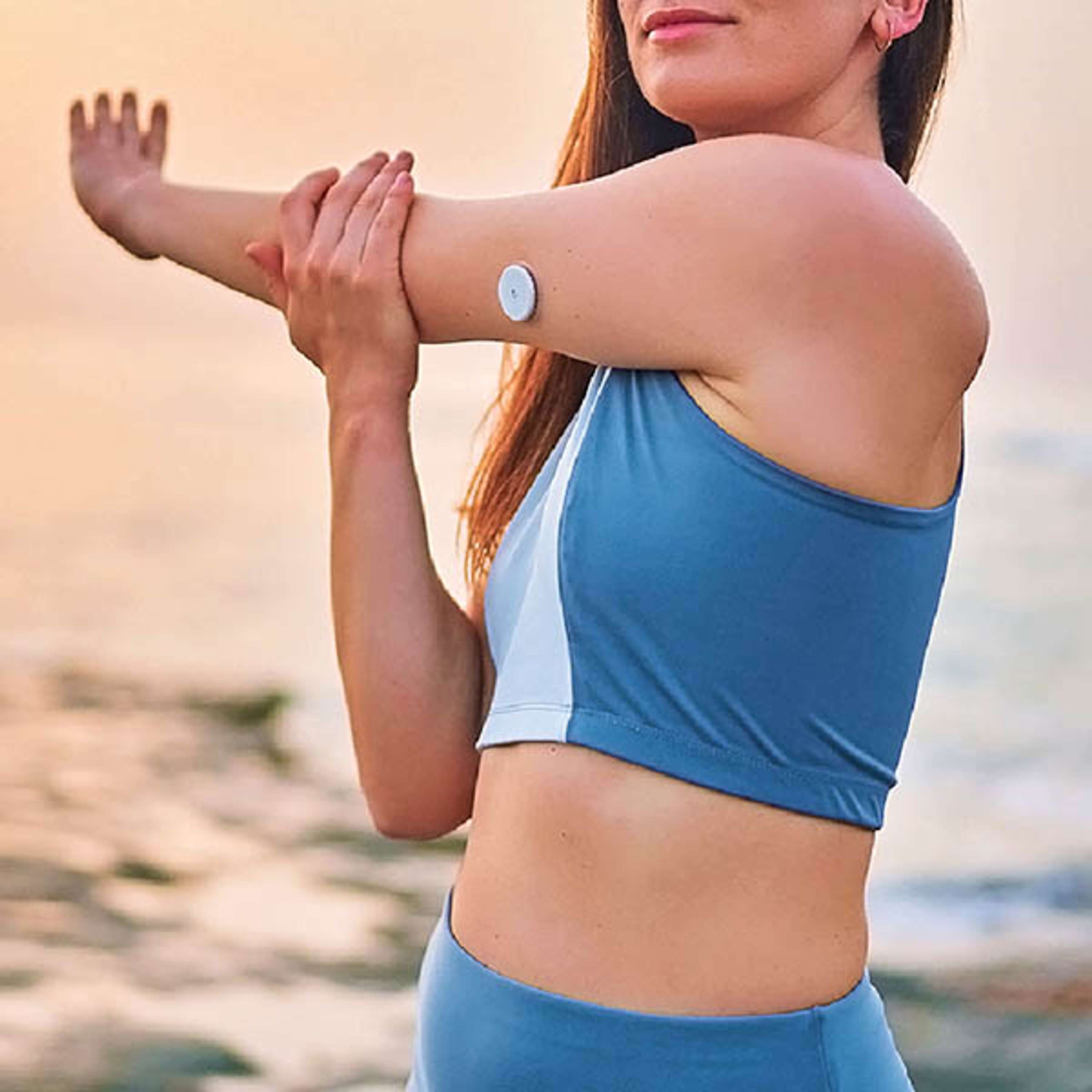
Taking Control Of Your Diabetes® - The Podcast!
What Sets these Diabetes Devices Apart and More Importantly What Device Is Uniquely Right For YOU in 2025, with David Ahn, MD
00:41:03
Loading summary
Transcript109 lines
- [00:00]
A
Foreign. Are you on the CGM and pump that's right for you? Well, maybe you are and maybe you're not. But you're going to find out the answer to that question right now on. On this episode of the Taking control of your Diabetes podcast. I am one of your hosts, Dr. Jeremy Pettisjoined, as always by my good friend and colleague Steve Edelman. So if you're just tuning in, Steve and I are endocrinologists, University of California, San Diego. We see patients, done research, both work at the not for profit taking control of your diabetes where again, check out our website. We make videos, we do the podcast, we have a newsletter. So much education for people with diabetes.
- [00:55]
B
Diabetes songs.
- [00:57]
A
Yeah. And it's all free, so I'm going to say it for the top. If you like it, please follow, subscribe. Those things, those metrics actually do help us out. So we can keep bringing you this content for free. Now, today's topic is basically on diabetes technology. And I was looking back and we'll introduce our special guest in a second, but we had him on almost exactly a year ago covering the same topic, diabetes technology. And the reason we had him back is two reasons. One, we like him and two, there's been so many advances and this is why a year has gone by and everything we said a year ago is pseudo irrelevant. So that's great news for people living with diabetes because of how fast these things are evolving. And there goes Steve CGM again. It's like almost every time we do a podcast, your blood sugar's either high or low. Don't listen to this guy. He doesn't know what he's talking about when it comes to diabetes. It's all over the place. So this is a really important topic and we're basically going to highlight updates in continuous glucose monitoring. And there's been a number, actually just in the last couple days. And basically updates in the hybrid closed loop systems, the automated insulin delivery Systems. There's actually five on the market now. And which CGMs work with which pumps. That's probably somewhat, maybe the most confusing of this, but I'll go ahead and introduce our special guest, Dr. David Ahn, who I have mentioned has been on our show, our podcast, multiple times. Yeah. Why don't you introduce David?
- [02:23]
B
Okay, well, David Ahn was a fellow at UCSD where he trained to become the ultimate endocrinologist. But even back then he had a extreme interest in technology and actually started our tcoid technology blog. How many years ago, David?
- [02:40]
C
That was probably 2014. Wow. 10 years? More than 10 years.
- [02:44]
A
It was the first blog ever on the Internet, I think.
- [02:48]
B
And David can tell us where he practices now. But I just want to say that David has become the ultimate expert and he's at all the conferences. We love the way he speaks. And he's gonna be a prime onstage morning speaker at our One conference, which is held in San Diego on the second weekend in August. And it's our face to face for 700 folks with type one.
- [03:11]
C
Cool. Yeah. So I'm an adult endocrinologist at Verhoeg Hospital in Newport Beach, California and very passionate about diabetes technology.
- [03:21]
A
Awesome. All right, well, let's get right into it. So the first broad category is continuous glucose monitors. And you're thinking, what's new under the sun here? Well, a lot. So literally in the last week since we're recording this, there's been two big updates. One from Dexcom, the other from Medtronic. So we'll start with Dexcom and the high line thing there is that they have been approved to extend their wear from 10 days to 15 days. So David, tell us about this.
- [03:49]
C
So it's a new product at the Dexcom G7 15 days sensor. It will still have the 12 hour grace period, which is exciting. So it's technically a 15 and a half day sensor. Even though it was just FDA approved. They're going to line up to make sure, you know, insurance coverage is great, automated insulin delivery pump integration is great. So they said that they're going to launch in the second half of this year and it actually is. It's the same hardware of the G7, but the algorithm that runs within the sensor to deliver the number has been slightly tweaked to improve accuracy. So it has a slightly lower Mard, which is better accuracy than the G7. It has a marred of 8.0%. So longer day longer by 5 days. Slightly more accurate.
- [04:33]
B
Yeah. I'll just add one quick thing. Now that a lot of CGM devices are mixing and matching with pumps, then people have to be patient because if they're using a certain pump now, it's going to take a while for that company to integrate the software integration. So it's not going to happen like that. But it's awesome news. It makes them the longest transcutaneous sensor on the market. And we'll talk about the Eversense later.
- [05:00]
A
Yeah, and it's a good point because, you know, it sounds like they're kind of delaying the launch a little bit to allow for this integration with pumps, which is Smart. Because when the G7 first came out as an example, and generally whenever a new sensor comes out, we have to tell patients, don't, you know, convert yet because your pump's not compatible. And that kind of bugs people. Like there's this new CGM out that has these new features and I can't use it because I'm, you know, it doesn't work with my pump. If everything goes according to plan, that'll help and kind of happen simultaneously. And then tell us about, I gotta ask about the adhesive. So it lasts longer. Is it the same stuff? Like why all of a sudden does it last longer?
- [05:38]
C
So it just has to do with like FDA approval and doing the right studies. So the adhesive on the G7 15 day is the same adhesive that's found on the G7. The adhesive actually changed subtly in the background on the G7. So it's a different adhesive now than it was at launch to help make it more sticky. So it's not a, it's, it's, it's, it's the same adhesive that's found in the current G7. But for, I know there are some users who have issues with their sensor not lasting maybe even the full 10 days. So they're anxious about going to 15 days. The good news is the G7 10 day version should stick around because the G715 day doesn't have a pediatric indication. So. So I don't see the G7 going anywhere on the market anytime soon.
- [06:22]
B
Yeah. And as we know it comes with its own cover up and for people that want even a stronger one, they can buy one online. And I would say for me, I can't get mine off the 10 days.
- [06:35]
A
No, I've always used what it comes with it and then pretty much always, like I'll go on Amazon and buy something like on top of it, like, because I don't like when these things fall off. To each their own. All right, so that's Dexcom. So longer sensor life. That's a good thing. Now Medtronic, so you're probably thinking, well, gosh, I haven't heard about a Medtronic CGM update since I don't know when. And you're right, there hasn't really been any. And there's two kind of simultaneous announcements. So first of all, the Medtronic current system is called the 780G, which we'll talk about when we get to pumps. And it's worked with their sensor, the Guardian 4 now for a long time, which is very accurate but it's really antiquated in terms of how you have to wear it. It has a separate transmitter and sensor. You have to charge the transmitter. It still has the two hour warm up. So that needed to be improved and they just got FDA approval for their new sensor which is called the Simplera. So David, tell us about that, what's an upgrade there?
- [07:36]
C
So the Simplera takes the same sensor technology found in the Guardian 4. Like Jeremy said, very accurate, very reliable, but it puts it in a much more user friendly design. So very similar to the Dexcoms and Libre's. It's now all in one. So there's no separate transmitter, no separate sensor. You don't have to recharge it fully disposable so you throw it away when you're done. It still has the seven day wear period and two hour warm up because the technology is very similar but the user interface is going to be or the user experience is going to be much better.
- [08:09]
A
Yeah and that's huge. And again, yeah, it's all in one thing because it is really kind of difficult to put on the current one in different locations because you have to use both hands. It's a mess. So all right, so that's number one for Medtronic. They have their own new CGM that's just been approved. But the other kind of exciting thing is that they are going to sometime this year in 2025 partner with LIBRE so that you can use a Libre sensor with their Medtronic pump which is a big deal because it has always been the case up until now that if you were a Medtronic person, you were a Medtronic person, you had to be on their CGM and their pump. So now they're saying, hey look, we realize that other people are making high quality CGMs that people want to be on so you can be on a Medtronic pump with a libre sometime in 2025. So what do you think?
- [09:00]
C
I think it's really exciting. I'm a big advocate for choice. Choose your pump, choose your sensor. And the fact that Medtronic, which has been kind of really a little bit stubborn in that regard, has kind of opened, pulled down the fences and are going to integrate with a different sensor. One thing I'll add is that it's interesting because it's going to be a new sensor based on the Libre 3 Plus hardware. So it's kind of a separate partnership. So unfortunately you won't be able to just buy a Libre 3 Plus and integrate it with your 780g Medtronic pump. But you'll be able to get a very. Essentially the same type of sensor, but it'll be like a Medtronic version, like Libre.
- [09:33]
A
Like Medtronic plus or something like that.
- [09:35]
B
Exactly, yeah. It's going to have a completely different name, but it'll be basically the same thing.
- [09:40]
C
Right.
- [09:40]
A
All right, so Steve kind of alluded to this next update, which is so Dexcom, Medtronic, Libre, all fantastic sensors, but all kind of variations on a theme. You apply them, they last approximately two weeks. Something kind of radically different, which we've talked about a bit here at TCID and kind of cool. So, first of all, it's called the Eversense. It's an implantable sensor. It's very small. If you're watching on YouTube, you can see my fingers. If you're just listening, I'm making a very small, about 1cm gap with my fingers in our video. Yeah. And it's implanted in kind of the upper arm. And David, Dr. Ahn came to TCOID and actually implanted one in Steve, I don't know, six months or so ago. But you've been using them for quite a while. And the update here is that when you implant this now, it lasts up to a year. So one implant, the whole procedure takes. It took literally, probably when you actually did a little lidocaine Jon Steve, probably three minutes, maybe four minutes to actually do the procedure. And then once you have it in, you have to wear a little transmitter over it. But the advantage is you can take that transmitter off whenever you want. Go to the beach. You don't want people knowing you have diabetes or whatever it is. But as soon as you put the transmitter back on, it starts giving you data. So it's not like when you lose a Dexcom or Libre, you're like, ah, crap, now I'm gonna be short on supplies. Like, you know, I'm gonna run out of sensors, that kind of thing. Also, another advantage is that because you can take off and on this transmitter every day, the adhesive seems to be much more patient friendly. So people that have a lot of issues with, like, rashes or whatever, with any other cgm, a lot of times they can work with the Eversense. So it's something that currently doesn't have a pump partner. So if you're on the system, there's no pump that it works with. So that's been a limitation. But you've done so many of these implants, you've got to be one of the leading, if not lead, person in the world.
- [11:34]
B
Like, literally that's done how many implants?
- [11:36]
C
I think I've done at least 400.
- [11:39]
B
So, yeah, so at $4,000 each, that's. No, I'm kidding.
- [11:43]
C
No. So, yeah. So the Eversense, a couple of things I would add is that some people that might have read about it before would be concerned that you had to calibrate it once a day before. And you know, in this day and age, that's pretty antiquated. But the new Eversense 365, you only have to calibrate once a week, which is really convenient. Most people should probably be doing that anyways. And so now the calibration schedule is down to once a week. And you know, if you think about it, when you use a Libre or dexcom, the first day, there's like the first day jitters. But it's really nice because the Eversense, it's a whole year where you don't have the first day jitters. So I think that's really exciting. Kind of. It's not obvious when you're reading the label about the Eversense, but it's kind of a secret benefit.
- [12:29]
A
How often do you calibrate it with your blood sugar meter?
- [12:34]
B
Once a week.
- [12:35]
A
Do you really? Yeah. You don't just put in the number that it shows you. You don't cheat.
- [12:38]
B
No, I don't do that.
- [12:39]
A
You really do. So good for you.
- [12:41]
B
Yeah, no, I.
- [12:41]
C
But he also probably has a backup too, right? Because oftentimes you're wearing a second cgm.
- [12:46]
B
Well, I'm wearing a Dexcom because I have a hybrid closed loop system. So. Yeah, I can tell you it feels.
- [12:53]
A
Like a real luxury having at any moment. Steve has 6 to 7 CGMs on to calibrate each other.
- [12:59]
B
Well, we did diabetes device fashion show.
- [13:02]
A
That's a great video. That's a great video.
- [13:04]
B
You know, but I think, I think, David, as you mentioned in our live just a few minutes ago, that it's a different form factor, different, different choice and different people like it. And you know, it's. It's ideal for people who want one who are on multiple daily injections. They don't want to wear a pump. And for people with type 2 that are not on pumps as well. But once again, it's. It's a choice.
- [13:29]
C
Yeah, yeah.
- [13:29]
A
And the last thing I'll say is if you're interested in it, ask your provider and there's probably a good chance that they themselves are not doing these implants but there's somebody in the area that you can refer to a David or somebody like that that's, you know, kind of taking this on.
- [13:44]
C
Real quick, let me throw in Steve joked about the price, but it actually is quite affordable in most situations. So like with insurance coverage I think it buys, it gets bought down to basically like $200 for the hardware and then maybe about $500 for the procedure. So 700 doll of CGM is not.
- [14:03]
B
Bad and it's covered by Medicare too. But just to let you know Jeremy, they do have a relatively new inserter network. So if any HCPs are listening, you don't have to do that yourself. They just call someone up and they take care of it. So yeah, it's a choice, that's all it is.
- [14:20]
A
All right, so next kind of category within CGM is that semi recent update is that you can get some of these devices or some CGMs now over the counter. And, and we were talking about that this is kind of long overdue that you've been able to get a blood sugar meter over the counter for, I don't know, decades. So it's finally, it's nice to have these that people can literally walk into a CVS or whatever and just buy them over the counter. Now why would you do that? Well, first of all, if you are listening, you have diabetes, you're on insulin, whether a type 1 or type 2. Generally anybody with diabetes on insulin, they can get these devices covered through insurance and you should absolutely go that pathway because it tends to be cheaper. But if you aren't on insulin or you don't have insurance insurance or you don't have diabetes at all and you just want to know what your blood sugars are. This is becoming a major kind of movement I suppose in health is these wearable devices and what is my glucose doing and my sleep and my circadian rhythms and the list goes on and on while I'm trying integrating intermittent fasting or whatever it might be a new exercise program. So the world's kind of expanding in terms of who's using continuous glucose monitors to kind of everybody. So there's two over the counter options now, one from Dexcom, one from Abbott and David. Tell us about those.
- [15:37]
C
So, yeah, so one thing I'd add or correct is that even though it's over the counter, it's a little deceptive because you can't walk into a chain pharmacy yet. Hopefully that will change over time. You do have to order it directly either through the company or some of them are Available on Amazon, but I wish you could just walk into a cvs but. So Abbott, makers of the Freestyle Libre, have a product called the Lingo, which is their over the counter option. And Dexcom has a version very similar to the G7, but it's called the Stello. And both of these are similar in that they're intended for people who do not use insulin. So as a byproduct of that, they don't have alerts. So you can't set a typical high alert or low alert. But there is what's called spike detection on the Dexcom stelo. So after you eat, if you go high, it will alert you after the fact and say kind of, hey, you had a spike. And it might nudge you to kind of think about what could have led to that. You know, did you eat extra, did you have stress? And it kind of forces the user to reflect on ways to reduce their blood sugar through lifestyle modifications. So both of these products are very geared towards kind of the wellness community, nutrition, lifestyle management. So it's a really exciting entry point, like Jeremy said, for people that are not using insulin.
- [16:52]
A
Well, I'm glad you told me that because I was actually thinking the other day I was like, I go to CVS all the time. I've never seen one of these things because I was actually just kind of wanted to buy one. Which leads to my next question, just to see how much it is, how much are they?
- [17:03]
C
So they're essentially about a hundred bucks a month. The Stello has a nice option where you can get it for $90 a month if you subscribe to it, but the subscription is quite flexible. So you would get two 15 day Stelo sensors for 90 bucks a month. And you can actually cancel your subscription at any time. So you can theoretically just subscribe and you just have to remember to cancel it.
- [17:25]
A
You need a bunch of different email addresses. You could probably just keep doing that. That's what Steve does. So. All right, that's good to know. And yeah, for people that want to pay that for their health, great. A good backup option to know about if I guess your insurance runs out or whatever there is, or you want to stockpile some sensors. It seems like we're always just kind of living sensor to sensor with diabetes, so it's nice to know that you can do that.
- [17:49]
B
I don't think I've ever met a person without diabetes who put one on and did not find it fascinating and they changed some of their habits.
- [17:58]
A
So annoying about it. My blood Sugar went to 110 yesterday because I ate three raisins like, boo hoo. Give me a break.
- [18:06]
B
Don't complain to someone with diabetes.
- [18:08]
A
Yeah, that's right. Complain to the other normies. We know that you guys meet up. All right, so what about the software side? So we talked a lot about the device's accuracy. You know, how are people looking at this on their phones? Is that changing at all?
- [18:22]
C
For sure. So the apps and I think this is actually what's really starting to differentiate these products because the hardware is not changing much anymore. I think the software experience is really going to be where from here on out the improvements happen. So Dexcom has kind of taken the lead. They have a really fantastic user experience with the G7. A lot of cool features like delay, high alerts, snooze alarms for up to six hours. But the Abbott Libre apps were kind of falling a little bit behind the times. But finally Abbott released a new app called Libre by Abbott and it's a universal app for all four of their current Libre sensors, the 2, 3, 2 and 3. So it's a single app that controls all four of those sensors and it totally redesigned the user interface to be a lot more modern and refreshed in terms of actual functionality. It's pretty similar to the older systems. But I'm hopeful that now that it's a single app that they'll be able to introduce new features. But the first couple new features I should say is it did add the snooze up to 6 hours feature that the Dexcom G7 had. And also it makes the. It's really interesting in that it makes the libre 2 and 2 plus now a continuous glucose monitor so you don't have to swipe it anymore. But it's interesting because the 2 and 2 plus have been on the market now for a long time. But just with an app update, they've been able to turn it into a continuous glucose monitor. So you don't have to scan those anymore if you use the new Libre by Abbott app.
- [19:46]
A
So if somebody's using one of these older apps or whatever, does it prompt them like, hey, you can download this new one now or I don't think.
- [19:52]
C
It does just yet, but they can get it in the app store. It's called the Libre by Abbott app.
- [19:59]
A
Okay. And that's a one stop shop for your Libre. What are the two, two. It's confusing. The three, three, three plus, whatever you're on, you got it. All right, so we're actually going to with that leave technically CGMs behind. CGMs we're going to talk about for a second. CKMs. So the C and the continuous monitors. The K now stands for ketones. So what are ketones? Well, ketones are things that are released in your blood. They actually come from fat when you're not getting enough insulin. This is particularly problematic for people with type 1. When our pumps fall out or the infusion set gets occluded or we're sick or the combination of all you're sick and your pump falls out. And if you're like Steve, you're just pounding old fashioned alcohol is another bad one. And you can get into real problems when these ketones get, get high and can go into dka. Diabetic ketoacidosis. Most type ones, that's how they found out they were type one. Right. You get really sick. It's a bummer. So do we need to know what our ketones are all the time? No, but we need to know when they might be problematic or it would be nice to know when they're problematically elevated. So sometime this year. And the answer is always any day now. Abbott, who makes all these Libres, is essentially modifying the Libre 3 that it'll still measure your glucose, but it'll also simultaneously measure your ketones. And the concept there is that you'll see your glucose values like you normally do, but kind of in the background. It's measuring your ketones and will only alert you or send you that information when they become dangerously elevated. So you know, then you can potentially catch DKA kind of early. So this has been slightly controversial in terms of I would say like how useful or not this technology will be. I think I'm on the side that I think it's a great intervention. Steve, I think you're maybe on the other side. You actually did a debate on this topic. We had to debate the other side. Now I think you started believing yourself because of it. But David, what do you think?
- [21:50]
C
Yeah, I'm somewhere in the middle. I think it's, it's nice to have. It's a feature that's nice to have, but I don't think you absolutely need it. My understanding, and I don't have inside scoop, but my understanding is that it will kind of be integrated into the Libre, which I think is great. It'll help nudge people. Great for Abbott, that is like it'll help nudge people and be maybe a differentiator if you're, you know, looking at your options and say, oh, I want the one that senses two things. Rather than one thing. And there is some securities and some benefits to having ketone monitoring, but I do agree that I don't think it's a deal breaker. I think not having a CKM aspect isn't gonna make you, you know, you're not gonna get major FOMO or anything like that. So useful. Yes, absolutely. Required. No.
- [22:30]
B
Well, you know, Jeremy, let me clarify my position quickly. I'm all for the technology. We're gonna learn so much about ambient ketone levels in type 1s during exercise, fasting, and I think it's gonna be qu who are prone to decay or maybe on a SGLT2 inhibitor for the pediatric population. I'm sure the parents would love that. And I think, is it gonna be the highest selling device in the diabetes market? Probably not. And that's basically my point.
- [23:00]
A
Well, and to highlight one of the things you said that these SGLT2 inhibitor medicines like Jardiance and Farziga that we've been using in type 2s for a long time. These drugs are once a day pills. They reduce blood sugars, they help people lose weight, they have cardiac and kidney protective effects. They're fantastic medications. And type 1s cannot take them. They're not approved for type 1s because these drugs increase the risk of DKA. So there's a hope that with these devices we can find a way to safely use these really important medications and allow type 1s to get access to these medicines that we really haven't had access to otherwise.
- [23:39]
B
Yeah. And type 2s take these excellent medications. They get DKA because it causes a slightly higher rate. So they'll benefit from those as well.
- [23:48]
A
And if you're listening, you're type two and you're on one of these meds, like, the chance of you getting DK on one of these drugs is very, very, very, very low. It's still there, but in type 1s, it's just. It's higher. All right, so we all agree that Steve's wrong on that one. So we are moving on. So again, I'm probably going to say this 17 times, but we're kind of closing out the CGM and wearable device stuff so much there and it's hard to keep up with. And I said before that, before we did this program, we kind of sat down and agreed on an outline and things would come up. And I kept asking David, like, what's that? So even if somebody who is plugged in and reads these things and tries to say updated, sees type 1s only in my clinic, it's Difficult for me to keep up with. So if you feel like you have to educate your provider, that's the norm, that even the quote unquote, best providers who are really trying to stay on top of this can fall behind. So good for you for listening and getting educated on this. All right, so moving to what we call hybrid closed loop systems, automated insulin delivery systems. These are something that pair a pump with a CGM to kind of automate insulin delivery. And I will say, if you don't want to listen to this, we just made a video with some on our website now, I think it's called speed dating pumps or something like that where I basically say, well, gosh, wouldn't it be nice if you don't know which pump you want to be on if you could kind of speed date your pumps. And we went through all five systems that were different people, like, oh, hi, I'm Omnipod. And they sat down. So it's funny and kind of educational on everything that we're going to talk about right now. So five systems, what's the first? Well, no particular order. We're going to talk about Medtronic. And you probably, maybe that's not in your top of your consideration. When you see your provider, they talk about Tandem or Omnipod or these other systems, but they might not mention Medtronic, mostly because the CGM has been far behind and with all the updates that we just mentioned coming this year, it puts them back on the map now. So maybe Steve, let's start with you. What are some advantages of this system or why would somebody go on it?
- [25:53]
B
Yeah, well, I tried it for several weeks. I'm not a tubing guy, so I'm on a patch bump. Omnipod. I think the algorithm, which is the brains behind the system is very aggressive, yet safe. And what does that mean? It's got meal detection technology. If you forget to bolus or if you don't bolus enough, you know, the basal rate goes up, the auto corrections ramp in the settings can be very aggressive. And so you can have much better blood sugars after eating. And it can predict blood sugars well into the future, two to four, six hours even, and reduce insulin to avoid hypoglycemia. So I think basically it allowed me to live a pretty stress free diabetes, stress free life. The two to three weeks that I wore it, it just took care of me.
- [26:40]
A
Yeah. And I'm still using this pump. So we did this trial at the same time pretty much. Well, Steve did it first, of course, then I Got his beat up pump.
- [26:47]
B
He ripped it off my arm and.
- [26:49]
A
I'm still using it. And I totally agree, it's very aggressive in a safe way to the point that I pretty much enter like 30 grams of carbs for no matter what I'm gonna eat. And the system kind of just takes care of the rest. As long as I just basically announce that I'm eating, it takes care of it. Which is just showing that we're removing the reliance on the patient to get the exact amount of carbs. Right. And the exact amount of time that these systems, I mean, what are they really supposed to do? They're supposed to help us get better blood sugars with less work. And I think that's what this system does.
- [27:21]
B
I didn't know you did that. You just put in 30 grams.
- [27:22]
A
Yeah, no matter what I eat, pretty much, yeah. As long as there's some carbs in it or something like that. Yeah.
- [27:27]
B
And it just sort of adapts.
- [27:29]
A
Yeah, exactly.
- [27:30]
B
I'm not surprised.
- [27:30]
A
It's called mule detection technology. You just talked about it.
- [27:33]
B
Well, that's blind bolusing technology.
- [27:37]
A
Yeah. All right. So David, thoughts that you have on this system?
- [27:43]
C
I mean, I agree. I think it is by far the most aggressive or has the option to be the most aggressive. You don't have to choose the most aggressive target.
- [27:51]
B
Right.
- [27:51]
C
And so I think it's a great option. I think I can't wait for the simplera libre integration because I think it's going to make it a really desirable option for a lot of people.
- [28:00]
A
Yeah. And the last thing I'll say about it is that you can wear it with a seven day infusion set, which might not sound like that big of a deal to certain people, but being able to one just deal with your diabetes, changing infusion set less often is nice. Other things, I tend to have absorption issues when I change my infusion set, so getting rid of that from one every three days to seven days. I think we've kind of forgotten that infusion sets and tubing are an extremely important part of pumps in general. So to see some updates there in that kind of field is nice and also kind of overdue. So. All right. With that, we're leaving Medtronic behind. Medtronic was played, by the way by Brittany, who's our all star executive director here, or boss as it was. So it was good to see her there being Medtronic. So check that out. The next one again, this is no particular order, but maybe the ones kind of with the most updates. First is The Twist pump. And if you're saying what the heck is that? That's because it's brand new and technically not available yet. Haven't gotten our hands on it. So, David, tell us what it is.
- [29:07]
C
Yeah, so it's supposed to launch Q2 of this year, so really any day now. And it's kind of a brand new type of insulin pump. It does have tubing, but the insulin delivery mechanism is slightly different. It's called like acoustic detection technology or acoustic technology. I don't know much about it, I'm not an engineer, but I'll just say.
- [29:26]
B
Real quickly, that technology, which I know nothing about, the purpose is to pick up occlusions early.
- [29:32]
C
Yes. So it does.
- [29:33]
B
And sound waves, so you don't go into decays.
- [29:35]
A
It's like a bunch of bats in your phone sonar.
- [29:38]
C
So it's really exciting. And it was actually invented by a guy who was one of the original inventors of the insulin pump. That's why the company is called Sequel, because it's kind of his return to the diabetes industry with a sequel. What I think is most exciting is the fact that it's going to be using the Loop algorithm. So the Loop algorithm, you probably have heard about people using it, but it was actually built and programmed by the community. Steve uses that for control now, but as of today, you can only use it by building it on your own. It kind of requires you to really take on a lot of responsibility on your own. But what SQL is going to offer is kind of an off the shelf, company supported version of Loop. And the Loupe algorithm is the most configurable of all the algorithms on the market. There's so many different levers and knobs. If you're the type of person who likes to kind of micromanage and fiddle with all the dials, you're gonna love the loop.
- [30:32]
B
Yeah. Like, one of the unique settings is that you can actually lower the goal that your algorithm shoots for as low as 87. And, you know, people that want to be that low all the time are usually women that are pregnant. And, you know, the obstetricians want to keep their blood sugar super low. But to change the target level is a way that you can get much better control. So it does have more little adjustments, the duration of insulin actions, things like that. And the pump itself is actually very small. Reminds me of like a little powder makeup kit that my girlfriend uses. But you pull off one and you fill it up with insulin. The other one you do not throw away and that hooks onto the tubing, and it's small and they'll probably make a little patch where you can stick to it. So it's kind of like a patch pump, like an Omnipod. But you do have short tubing and it holds 300 units. So that's an advantage over other patch pumps.
- [31:27]
A
So I'd say stay tuned. I mean, at some point, Steve and I will probably try this and give you more detailed information on it because it's always nice. I mean, how often do we get a new pump? All right, so I'm going to transition intentionally from the twist, which as David mentioned, has all these dials and things that you can kind of tune into, to the other end of the spectrum, which is the eyelet, where the benefit and disadvantage at the same time is that it's essentially completely hands off, that when you start it, you enter your weight. After that, when you eat, you don't enter carbs. There's no sensitivity factor. Basal rates, you just say, I'm eating now. Usual amount, slightly more, slightly less. And that's essentially all you can do. This is for the other end of the spectrum. Like I said, somebody wants to be hands off. I'm okay if I just get around an A1C of A7. I'm not trying to be six and a half or anything like that. I just want to not think about my diabetes. Do as little as possible. Then this is the pump for you. So you can see right there how different strokes for different folks. Right? I mean, these are completely different kind of approaches. This is something that's been out for several years now. And for the right patient, it can be life changing. And if people don't or feel like it's not giving enough, then they don't like it if they can't interact with it enough. The update there is what David.
- [32:43]
C
So they did introduce a color screen. Prior to that it was black and white and they now integrate with the Freestyle Libre 3. So it's actually the only pump on the market today that integrates with the Libre 3. But I should also add that the SQL twist, which we just talked about, is going to. When it launches sometime in the next couple months. It will also be using the freestyle libre 3. And just to kind of for thoroughness, the Tandem and Omnipod do integrate with Libre, but it's the Libre 2 Plus right now, not the 3 yet.
- [33:10]
A
Yeah, so if you're confused. Me too. We have like tables and stuff online that like.
- [33:15]
B
Well, on our video too.
- [33:17]
A
All right, so tandem. Tandem's been around For a long time, really. Kind of one of the first of these types of systems, they came out. Well, they've had their Control IQ pump for a long time now. They semi recently came out with the Mobi, which is a much smaller kind of patch pump version. So those are both available. The updates here are that they have a Control IQ plus technology. So it's something that they added on top of their algorithm. And what can you do with Control IQ Plus?
- [33:44]
C
Yeah, so it's a free software upgrade for anybody using the Tandem mobi or Tandem X2. And it just adds a couple features on top of control IQ. The two most biggest features for people with type 1 diabetes especially is you have the option to extend your bolus up to 8 hours now. So before you could only extend your bolus to two hours. And then there's also a temporary basal feature which can layer on top of Control iq. So say you're feeling ill, you know you're going to need a little bit more insulin for the next day or two. You can actually say, I want to do a temp basal. Give me 30% more insulin for the next 48 hours. And you can do that temp basil for up to 72 hours.
- [34:23]
B
Yeah. And people like the Moby, it only holds 200 units, but it's for people that don't use that much. They control it through their phone. It's not really a patch pump, but I know what you mean, Jeremy.
- [34:32]
A
It's like wear it on your body. Yeah. You don't have to clip it to a belt or anything like that.
- [34:36]
B
You can, you can.
- [34:37]
A
Yeah, yeah, yeah.
- [34:39]
B
And it's similar to the Twist. It's not a patch pump, but you can. And it's small and you can stick it to the body.
- [34:45]
C
Yeah. In terms of size, the moby and omnipod5 are actually pretty identical when you hold them next to each other. But the Moby doesn't have the adhesive. Right. Cause it's not a patch pump. So it looks a little bit smaller to the eye. For reference, I always tell my patients to think of like the TikTok mics that you see. You know, people clip to their shirts when they're doing a TikTok. It's about that size and it's super light. So I have a lot of patients that actually don't wear it on the body. You'd think they would, but they actually like to kind of just clip it to their shirt or clip it to their bra or tuck it in their bra. It's just so Small. And then the sequel twist is in size is kind of somewhere between the tandem, mobi and x2. It's about half, but it's like somewhere in the middle in size wise.
- [35:23]
A
Well, I think we're talking, you can get the sense here that all these pumps now once Medtronic integrates with the Libre, all of them are going to be working with multiple CGM systems. And this is a very new development that it used to be. Well, if you're on the Tandem, you were a Dexcom person and if you're on the Medtronic, you're a Medtronic person. It's becoming much more pick like you said to choice. And so that is happening now, which is fantastic. So to close this out, number five is the Omnipod five. So again this has been out for a number of years. What are some of the big updates there? David?
- [35:57]
C
What my patients really love and what we've been waiting for for a really long time is that in the fall they did finally launch iPhone control. So you can fully control the Omnipod 5 with your iPhone. The big caveat is that right now you have to use the Dexcom G6 sensor. So even though the Omnipod 5 does integrate with the G7 and the Libre 2 Plus, you have to use the PDM, the little controller if you want to use those sensors. But if you're willing to use a G6, you can fully control it with your iPhone. Don't have to carry around two PDMs. And most of my patients absolutely love that feature and they're just, they cannot wait until they can do it with the G7.
- [36:30]
B
Yeah. And I think, Jeremy, I've learned from you that when you sit down with a patient and they say what kind of pump should I get? You do that first split. Do you want is a pump with tubing. Okay. Or do you prefer a patch pump? And if they say ah, there's no way I want tubing, I want a patch pump, then you go to Omnipod 5. And if they say that doesn't matter, then you sort of give them the options of the other. So it's a. Once again, it's an individual form factor.
- [36:57]
A
Yeah. And I don't know if we said this already, but Omnipod 5 works with the Libre 2 Plus also. So again, kind of going along with that trend. Different CGMs with different systems now.
- [37:06]
B
Thank God Dexcom doesn't use plus in their different models.
- [37:09]
C
I was wondering if they were going to call their 15 day the G7 Plus. That would be funny.
- [37:14]
A
All right, so that's all five systems. And if, quick quiz. You got the Medtronic, you got the twist, you got the tandem, the islet, and the Omnipod 5. And if we went back, I don't know, three years in time, you had two, maybe. So these things are really kind of ramping up. What they work with, what they do, and all of these are continuing to evolve and get better. So fantastic. The last thing we'll just mention is that if you keep hearing that, you know, what about these dual hormone pumps? What does that mean? Well, you got a pump that has two hormones in it. One is insulin, which we currently have, which brings your blood sugars down, but the second is glucagon, that brings your blood sugars up. And the islet was initially supposed to be a dual hormone pump, but they came out with insulin only. So they're still working on this, as are other systems. And I think we agree, the three of us have talked about this, that the biggest key for the glucagon part would probably be exercise. That these systems that we just mentioned are fantastic. But even if you put them in exercise mode, a lot of times people are going low. So having a little bit of glucagon there to help bring blood sugars up, we'll have to see how complicated these devices are. What is it like to use two hormones and what's the infusion set like and how expensive is all that? But that is kind of a next wave or next kind of thing that might be out. Any comments?
- [38:33]
C
Yeah, I mean, I think it's kind of one of the controversies that have been out around now for about 10 years. It's like, will it be better? Are these insulin only systems going to be better? Or will the dual hormone benefit outweigh the cons of having three things on you? You know, two infusion sites potentially, and a sensor. So I'm really curious to see how it works.
- [38:51]
B
Well, I just say replacing mother nature is always good, but mother nature is we have the beta cells that secrete insulin, we have the delta cells that secrete glucagon.
- [39:02]
A
So alpha cells.
- [39:03]
B
Alpha cell delta is somatostatin.
- [39:05]
A
We gotta get you back in our fellowship program.
- [39:07]
B
I made that mistake before. Yeah. So it's basically, you can be a lot more aggressive with insulin if, you know, you have the brakes to put on. But we'll see.
- [39:16]
A
All right, well, that kind of concludes our rapid fire, yet long program because we had so much to cover on these different devices. And again, just leaving people hopefully not feeling overwhelmed, but inspired by the options that they have to investigate if something sounds good to them to try it. What we didn't say is if you're new to a pump, all of these pretty much have these trial periods that you should take advantage of because that can be a real barrier to people sometimes. Like, gosh, if I go on a pump, I'm going to be on it forever. Not the case. You can try it, go back to your shots, whatever. However, if you are on one of these systems, inquire with your insurance or whoever it might be about when you might be eligible to change. That's different, depending on the different pumps. So it's, I guess, a general statement that people are becoming less kind of locked into these different therapies and we can explore these different options a little bit more. So it really is a fantastic day for diabetes and diabetes technology. Thanks to our special guest, David. We're gonna go ahead and book him for next year at this time because we'll just say disregard everything we said a year ago and now let's go do it. So hope you guys enjoyed listening to this again. Please, like subscribe, follow all those things. Steve, as always, thanks for being my left hand man on this one, I guess, and we will see and hear you guys on the next one. Thanks, Sam.