Podcast
Talk Cocktail
Hosted by Jeff Schechtman · EN
Jeff Schechtman talks with authors, journalists, newsmakers and opinion shapers, and sheds light on the issues of the day, from local stories to national and international headlines and ideas.
jeffschechtman.substack.com
jeffschechtman.substack.com
13episodes
Episodes
Newest firstAll episodes
The Real California That Gavin Newsom Will Have to Defend
2w ago00:40:26Tap to summarizeThe author and journalist Mark Arax joins me on the California Sun podcast to discuss his recent sweeping essay in the Guardian, published under the headline “California: Land of Plunder and Hypocrisy.” From the Gold Rush to the artificial intelligence boom, Arax explores how California’s myths, ambitions, and repeated reinventions have often concealed a far more complicated history of extraction, contradiction, and self-deception. Get full access to Talk Cocktail Podcast at jeffschechtman.substack.com/subscribe
Transcribe →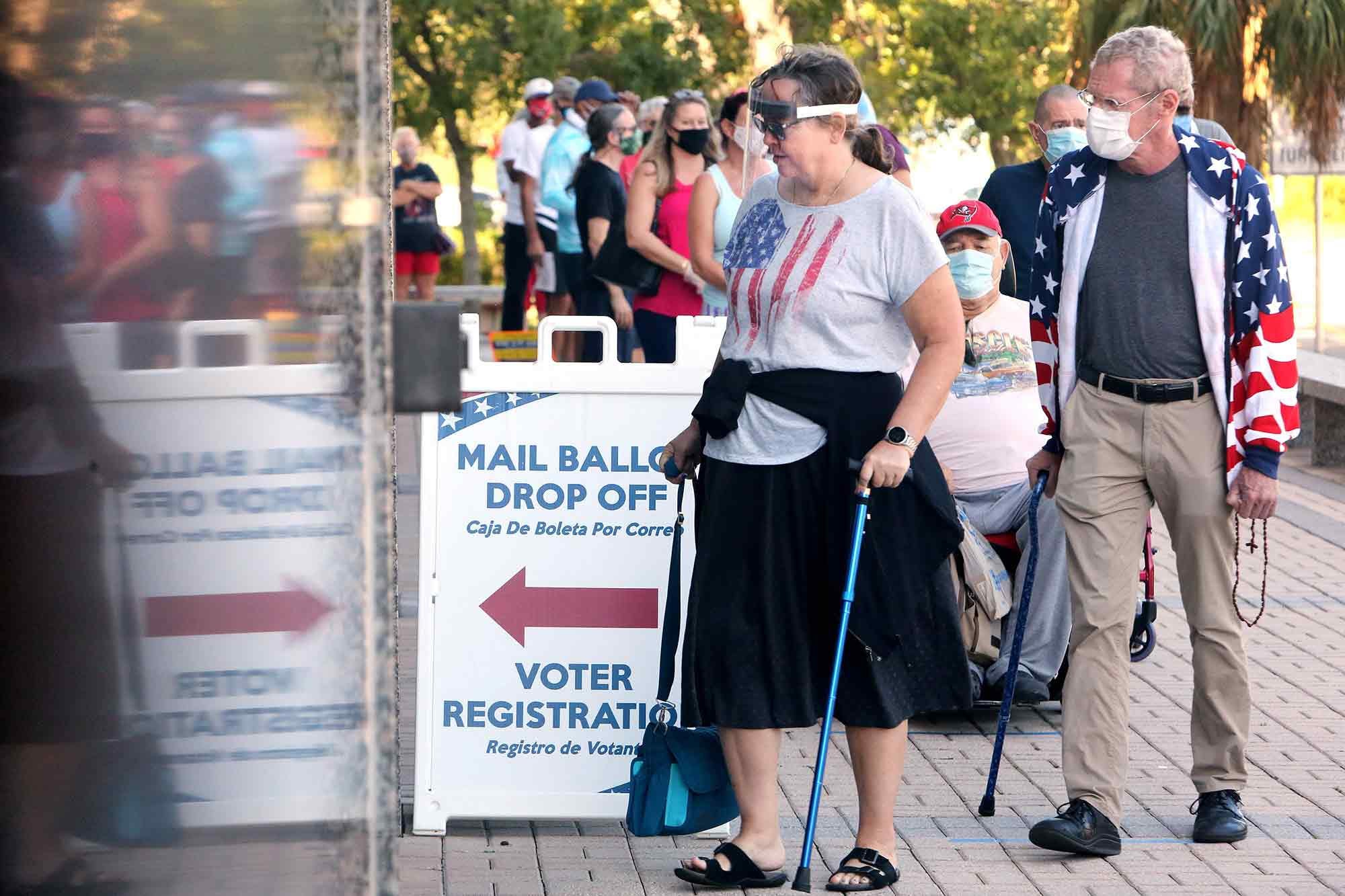
As America Becomes a Gerontocracy, Its Future Keeps Getting Delayed
3w ago00:44:09Tap to summarizeWe’re living through the greatest transfer of wealth in history. Trillions of dollars are slowly passing from one generation to the next. Yet for all the money that’s changing hands, something far more important isn’t: Power.Our guest on this WhoWhatWhy podcast, Yale historian Samuel Moyn, believes America has quietly become something few of us have recognized: an aging society where the balance between generations has fundamentally shifted.The cohort of people making the biggest political decisions, controlling the most valuable assets, dominating elections, and shaping the country’s future are getting older, not younger.We’ve spent years arguing over whether this politician or that president is too old. But what if those debates have distracted us from a much larger story? Get full access to Talk Cocktail Podcast at jeffschechtman.substack.com/subscribe
Transcribe →
Progress Should Be Our Most Important Product
3w ago00:40:28Tap to summarizeThe future is arriving faster than ever. So why are we more anxious than excited? We are living through one of the most extraordinary periods of technological advancement in modern history. Artificial intelligence is reshaping knowledge work. Biotechnology is opening doors to better health and longevity once thought impossible. SpaceX has redefined spaceflight, and a new generation of innovators is tackling problems that seemed beyond our reach just a decade ago.So why does the future feel so frightening?In this WhoWhatWhy podcast, economic policy expert and futurist James Pethokoukis argues that America may be suffering from something more profound than political polarization or economic anxiety. We may be losing confidence in progress itself.This is ultimately a conversation about whether America still believes in tomorrow — and whether progress itself remains our most important product. Get full access to Talk Cocktail Podcast at jeffschechtman.substack.com/subscribe
Transcribe →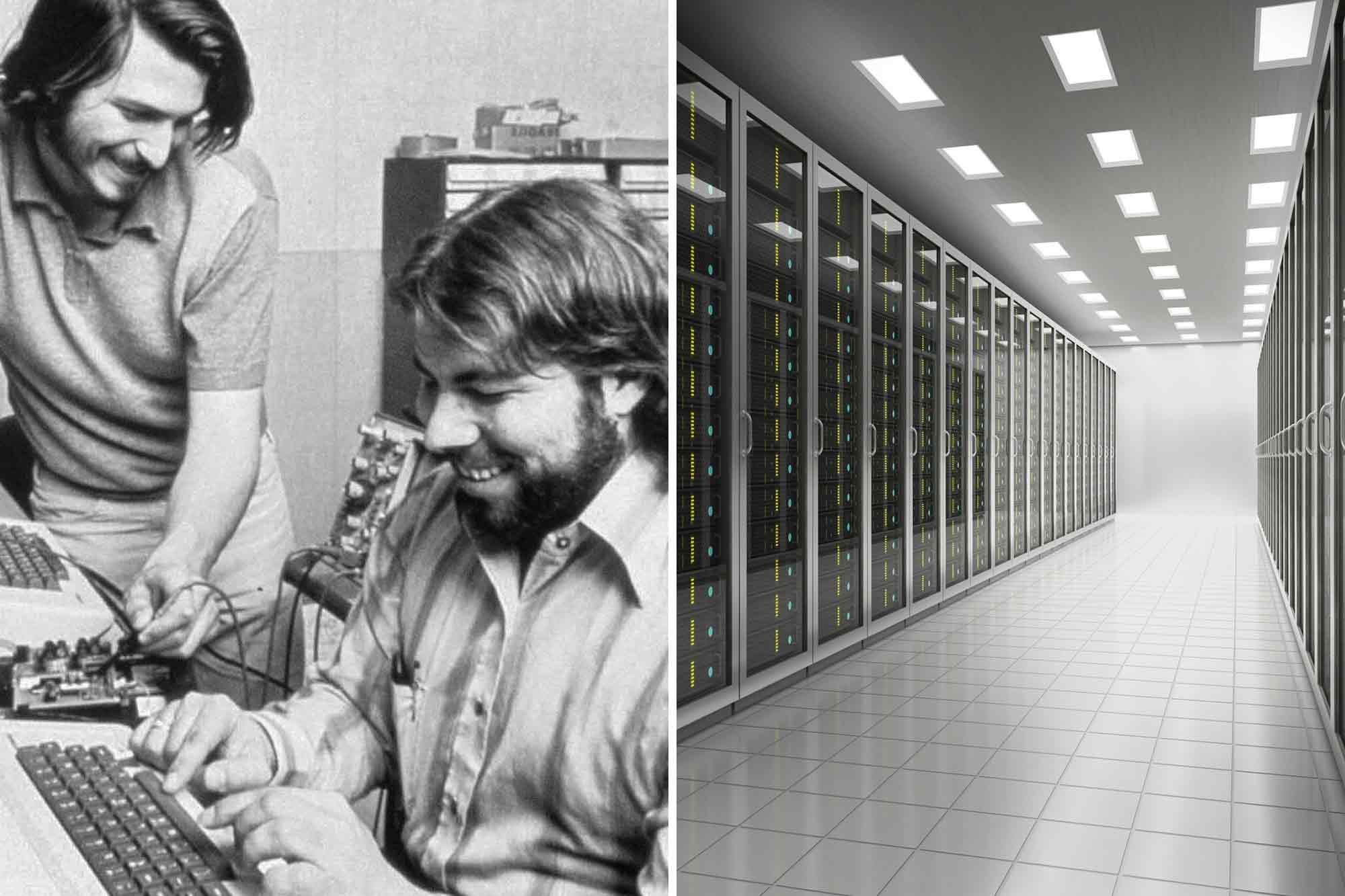
Before the Trillions, There Was Once Joy in Silicon Valley
4w ago00:39:37Tap to summarizeA veteran of three tech eras on how the innocence was lost — and whether AI actually might win it back, through what he calls “enlightened AI.”Recently, on WhoWhatWhy podcast, Matthew Stepka — early internet-café founder, McKinsey alum, nine-year Google veteran who shepherded many of the company’s mission projects including the first self-driving cars, and now an investor in what he calls “enlightened AI” — walks us back through the Valley’s reinventions and asks what each one cost.Before the trillion-dollar IPOs, before the data centers and the doom, before “Silicon Valley” became shorthand for unaccountable power and unimaginable wealth, there was a teenager with an Atari — a gift from his NASA-engineer father — certain he could build any world he could imagine. Get full access to Talk Cocktail Podcast at jeffschechtman.substack.com/subscribe
Transcribe →
The Water Knows Something
4w ago00:16:40Tap to summarizeWater is the oldest promise we have. Baptism, ablution, the plunge that separates who you were from who you're about to be. Every summer we go back to it — lakes, rivers, the cold shock of an ocean in June — as if some part of us still believes the water knows something. Kate Washington, on a recent California Sun Podcast, talks to me about the fifty immersions she did before her fiftieth birthday, after caregiving and motherhood and a dissolving marriage had emptied her out. The author of "Midstream: A Life Remade in 50 Swims" on depletion, endurance, and what it means to surface changed. Get full access to Talk Cocktail Podcast at jeffschechtman.substack.com/subscribe
Transcribe →
As America Becomes a Gerontocracy, Its Future Keeps Getting Delayed
Jul 200:44:09Tap to summarizeWhat if the real crisis isn’t aging leaders, but an aging democracy where power never seems to change hands?My guest on this recentWhoWhatWhy podcast, Yale historian Samuel Moyn, believes America has quietly become something few of us have recognized: an aging society where the balance between generations has fundamentally shifted.The cohort of people making the biggest political decisions, controlling the most valuable assets, dominating elections, and shaping the country’s future are getting older, not younger.We’ve spent years arguing over whether this politician or that president is too old. But what if those debates have distracted us from a much larger story? Get full access to Talk Cocktail Podcast at jeffschechtman.substack.com/subscribe
Transcribe →
AI May Be the Tool That Brings Government Back to Life?
Jun 2500:35:14Tap to summarizeWhat if the real threat to democracy isn’t artificial intelligence, but a government that never learns to use it?In this WhoWhatWhy podcast, Beth Simone Noveck makes the unexpectedly optimistic case that AI is not just one more thing for government to regulate. It may be the tool that finally reinvents how government works, and more to the point, how it feels to deal with it.For 50 years we have been told government is the problem: slow, bloated, hopeless, a relic that could never keep pace with the modern world. Then came DOGE, swinging a chainsaw in the name of efficiency and cutting out much that worked along with much that didn’t, as if the whole apparatus were beyond saving. But what if we have been asking the wrong question all along? Noveck’s question is why institutions built for an age when information was scarce still cannot listen, learn, and respond in a world drowning in it. Get full access to Talk Cocktail Podcast at jeffschechtman.substack.com/subscribe
Transcribe →
Brian Wilson, the Beach Boys, And The Music That Called Us West
Jun 2000:47:16Tap to summarizeOne year after the death of the legendary Beach Boys leader Brian Wilson, author David Beard joins me on the California Sun podcast to talk about his new book, “All Summer Long: Conversations with The Beach Boys from Surfin’ to SMiLE.” Beard discusses how the Beach Boys didn’t just make iconic music but defined Southern California itself — surf, sun, cars, the postcard invitation west — while Wilson quietly pushed pop into uncharted territory for the whole country. Get full access to Talk Cocktail Podcast at jeffschechtman.substack.com/subscribe
Transcribe →
New York, the 1980s, and the World It Created
Jun 1300:39:13Tap to summarizeNew York in the 1980s was a city in convulsion — deindustrializing, gentrifying, financializing — and the young urban professionals who flooded its trading floors and law firms weren't just a cultural moment. They were the architects of the America we live in now. Historian Dylan Gottlieb explains how the yuppie takeover of New York wrote the blueprint for today's inequality — and why we're still living inside it. Get full access to Talk Cocktail Podcast at jeffschechtman.substack.com/subscribe
Transcribe →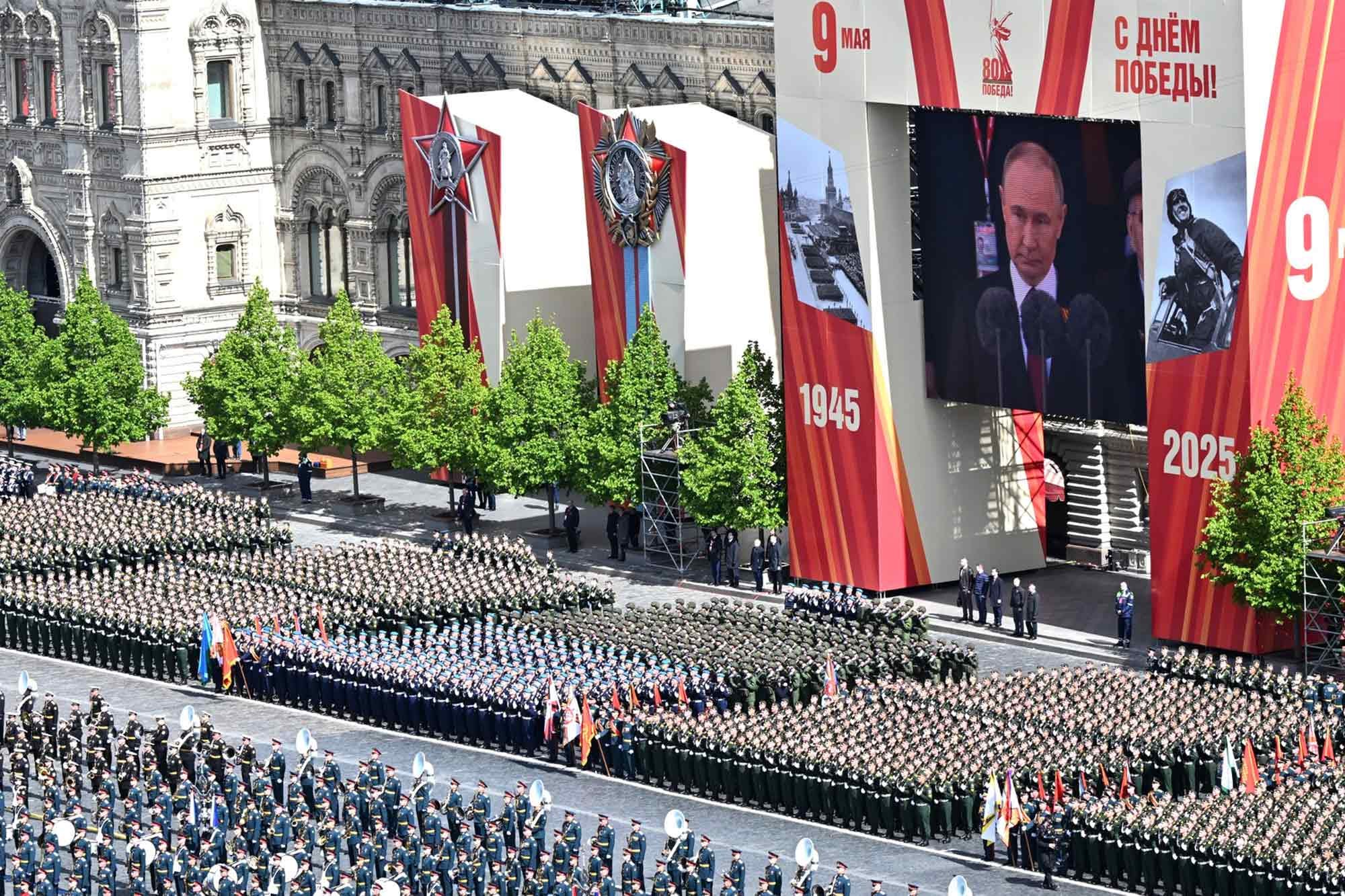
Russia’s Descent Into Madness: Slowly, Then All at Once
Jun 1100:34:00Tap to summarizePutin didn’t seize a democracy — he hollowed one out. Twenty-five years inside Russia’s slow spiral, and what it tells us about our own moment.My guest on this recent WhoWhatWhy podcast, Marc Bennetts, arrived in Moscow in January1997, before most of the world had ever heard of Vladimir Putin. He stayed for 25 years. He watched Putin rise, the economy boom and bust, and freedoms quietly disappear.Russia has fallen off the front page. The global conversation has moved on — to China, to trade wars, to the Middle East, to whatever is consuming the news cycle this week.But Russia hasn’t gone anywhere. It’s still there, still fighting a war it started, still governed by a man who controls the world’s largest nuclear arsenal and who, a former Kremlin adviser says, appears to be reacting to pictures in his own head. Get full access to Talk Cocktail Podcast at jeffschechtman.substack.com/subscribe
Transcribe →