Podcast
Talk Cocktail
Hosted by Jeff Schechtman · EN
Jeff Schechtman talks with authors, journalists, newsmakers and opinion shapers, and sheds light on the issues of the day, from local stories to national and international headlines and ideas.
jeffschechtman.substack.com
jeffschechtman.substack.com
15episodes
Episodes
Newest firstAll episodes
New York, the 1980s, and the World It Created
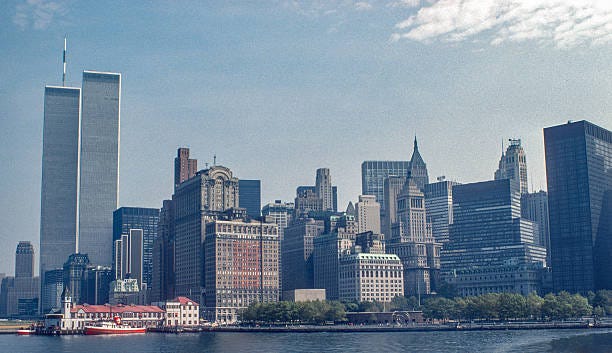
Jun 1300:39:13Tap to summarizeNew York in the 1980s was a city in convulsion — deindustrializing, gentrifying, financializing — and the young urban professionals who flooded its trading floors and law firms weren't just a cultural moment. They were the architects of the America we live in now. Historian Dylan Gottlieb explains how the yuppie takeover of New York wrote the blueprint for today's inequality — and why we're still living inside it. Get full access to Talk Cocktail Podcast at jeffschechtman.substack.com/subscribe
Transcribe →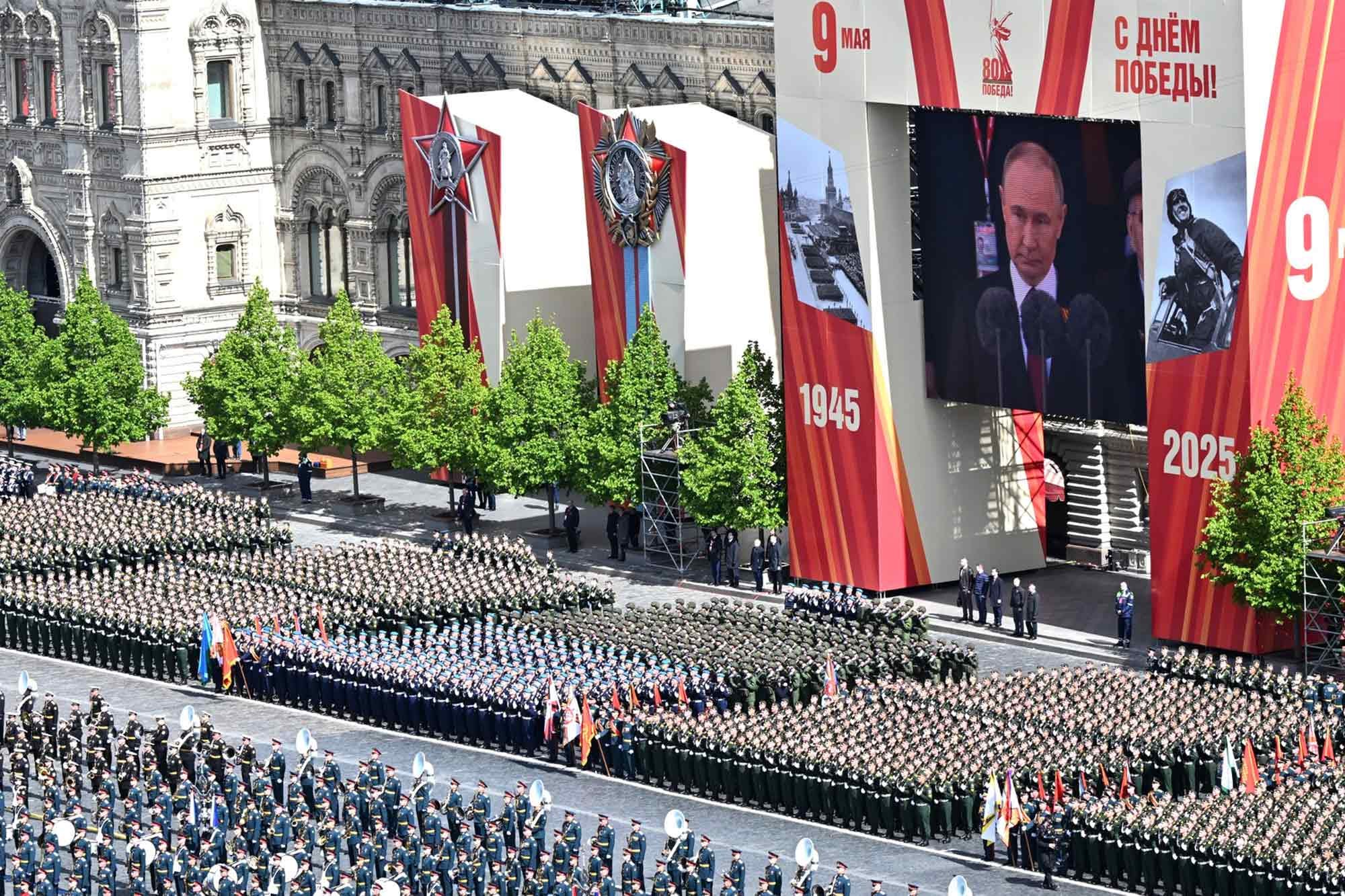
Russia’s Descent Into Madness: Slowly, Then All at Once
Jun 1100:34:00Tap to summarizePutin didn’t seize a democracy — he hollowed one out. Twenty-five years inside Russia’s slow spiral, and what it tells us about our own moment.My guest on this recent WhoWhatWhy podcast, Marc Bennetts, arrived in Moscow in January1997, before most of the world had ever heard of Vladimir Putin. He stayed for 25 years. He watched Putin rise, the economy boom and bust, and freedoms quietly disappear.Russia has fallen off the front page. The global conversation has moved on — to China, to trade wars, to the Middle East, to whatever is consuming the news cycle this week.But Russia hasn’t gone anywhere. It’s still there, still fighting a war it started, still governed by a man who controls the world’s largest nuclear arsenal and who, a former Kremlin adviser says, appears to be reacting to pictures in his own head. Get full access to Talk Cocktail Podcast at jeffschechtman.substack.com/subscribe
Transcribe →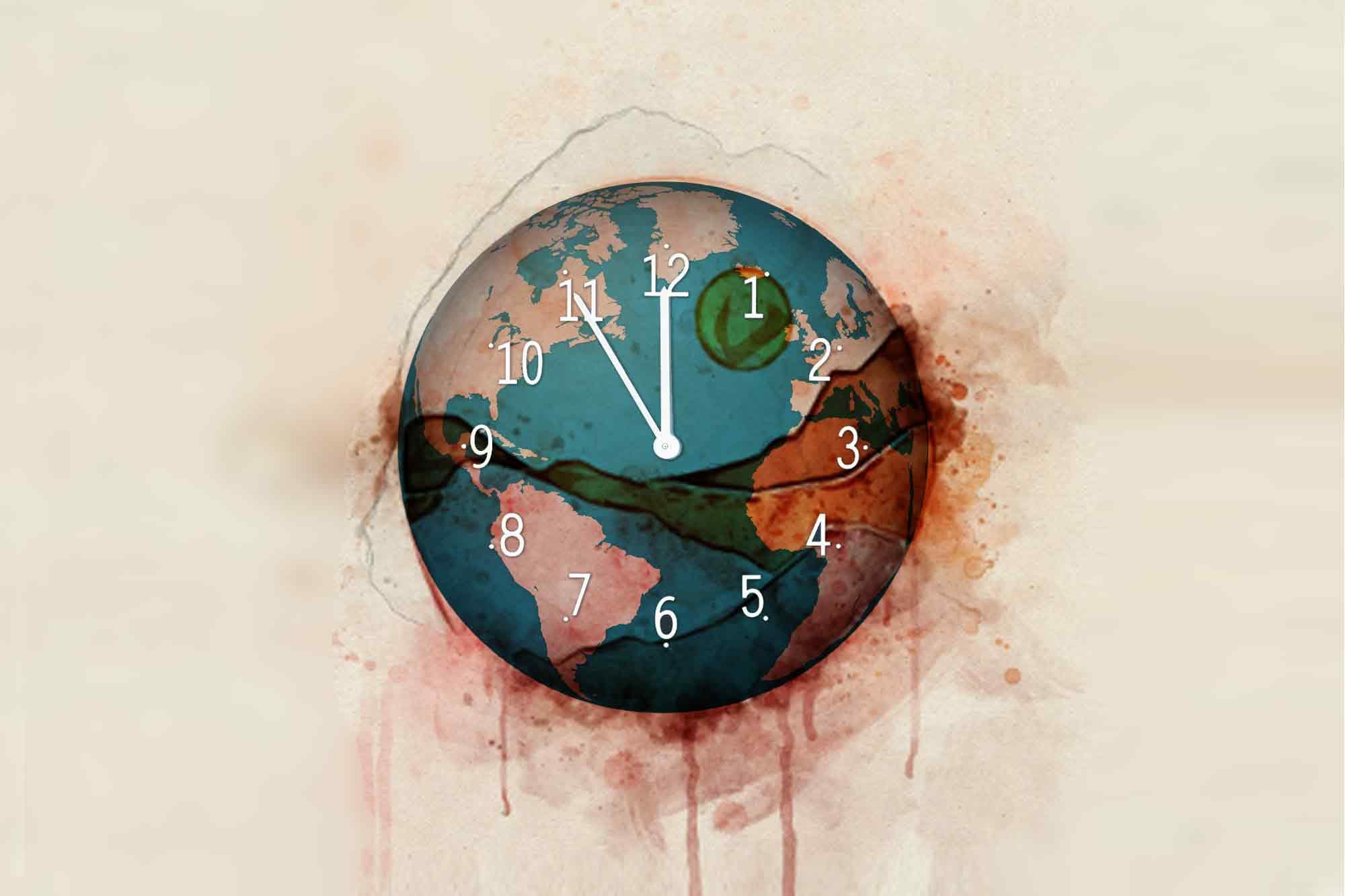
No Rules, No Order: The World on a Knife’s Edge
Jun 600:35:24Tap to summarizeFrom Beijing to Washington to Cuba, the old world order has collapsed. Is this the most dangerous moment since 1945? One man says yes, and the clock is ticking.My guest on this recent WhoWhatWhy podcast is Peter Apps. As Reuters’s global defense commentator, he has spent two decades in the rooms and on the roads where history is actually made. His new book, The Next World War, puts the odds of major war within the next 10 years at 1 in 3.He argues that the world is more dangerous right now than at any point since the end of World War Two. More dangerous, in fact, than the Cold War — because at least then we knew the rules.Today there are no rules. The old order is gone, and what has replaced it is something most of us can barely bring ourselves to look at directly: a world of permanent polycrisis, where Ukraine grinds on against Russia, where Iran has absorbed an American and Israeli strike and survived, where China watches and waits, and where a new generation of weapons — drones, AI, hybrid attacks on the invisible infrastructure of modern life — has rewritten the rules of conflict faster than the great powers can absorb them. Get full access to Talk Cocktail Podcast at jeffschechtman.substack.com/subscribe
Transcribe →
The Democracy of Grief
Jun 400:32:02Tap to summarizeGrief is the one experience nobody escapes, nobody schedules, and nobody gets to opt out of. In that sense it's almost democratic — ruthlessly, mercilessly so. I’m joined by Danielle Crittenden, long time journalist and the author of Dispatches from Grief. Danielle lost her daughter Miranda suddenly in 2024. She writes about it the way a foreign correspondent files from a war zone — dispatches from a country we think we're prepared for, until we arrive. Get full access to Talk Cocktail Podcast at jeffschechtman.substack.com/subscribe
Transcribe →
California's Generic Governor's Race and the End of Local Politics
May 3000:32:59Tap to summarizeWith just days to go before the June 2 California primary, Joe Mathews joins me on the California Sun podcast to examine how California’s race for governor has become strangely disconnected from the state itself and what it says about local politics everywhere. With almost all the campaigns built around generic national talking points and anti-Trump messaging, Mathews explores the growing nationalization of state politics, and why the actual mechanics of governing barely seem to be part of the conversation. Get full access to Talk Cocktail Podcast at jeffschechtman.substack.com/subscribe
Transcribe →