Podcast
Radio St. Pete Podcast Archive
Hosted by Radio St. Pete · EN
RadioStPete Podcasts & Interviews
Welcome to the RadioStPete online, on-air magazine featuring local podcasts, interviews, events and news coverage originally broadcast on Sunshine 96.7 FM.
Browse this podcast archive anytime, anywhere. Use the Search Box to find a specific name or podcast.
**Hear what's happening now live on RadioStPete.com.
**Check out the Program Guide for our full broadcast schedule.
Welcome to the RadioStPete online, on-air magazine featuring local podcasts, interviews, events and news coverage originally broadcast on Sunshine 96.7 FM.
Browse this podcast archive anytime, anywhere. Use the Search Box to find a specific name or podcast.
**Hear what's happening now live on RadioStPete.com.
**Check out the Program Guide for our full broadcast schedule.
314episodes
Episodes
Newest firstAll episodes

S2 Ep2275: FRUGAL FRIENDS Jen Smith & Jill Sirianni 40 Easy Frugal Swaps That Save You Money
3d ago00:52:02Tap to summarizeIn E544 of FRUGAL FRIENDS, hosts Jen Smith and Jill Sirianni talk about 40 Easy Frugal Swaps That Save You Money With No Extra Work. "We’re not here to take away your favorite things, we’re here to help enjoy them without the strain. In today's episode, we’re listing down easy swaps that you can do effortlessly to stay in the game. You don’t have to do everything on the list but trust that one small swap can make a big difference and big money win! 🎙️ Get full show notes here! https://bit.ly/frugalswaps **RadioStPete is delighted to rebroadcast curated podcasts of FRUGAL FRIENDS with Jen Smith & Jill Sirianni. They are the co-authors of Buy What You Love Without Going Broke and co-hosts of the top-rated Frugal Friends Podcast. With nearly 500 episodes and over 7 million downloads, Frugal Friends is changing the way the world thinks about frugality. Jen Smith is a personal finance expert who, along with her husband, paid off $78,000 of debt in two years while facing unemployment and buying a house. Jill is a licensed clinical social worker who enjoys exploring the connections between our money behaviors and mental health. Together they’re helping people save more, spend better and feel confident about their money decisions. These popular podcasters and personal finance goddesses are our neighbors at Thrive DTSP, where ALL the most talented people hang out and co-work! LEARN MORE on their website. More Episodes here.TV Segments: NBC Daytime Fox 13 Yahoo FinanceLinks: Buy What You Love Without Going Broke Frugal Friends Podcast #stpete #stpetefl #tampabay #radio #radiostpete #frugalfriends #jensmith #jillsirianni #personalfinance #savingsadvice #discounts
Transcribe →
S2 Ep2275: St. Pete's Grand Central District News 8-13-26
3d ago00:05:08Tap to summarize#grandcentral #grandcentraldistrict #stpete #stpetefl #tampabay #radio #radiostpete
Transcribe →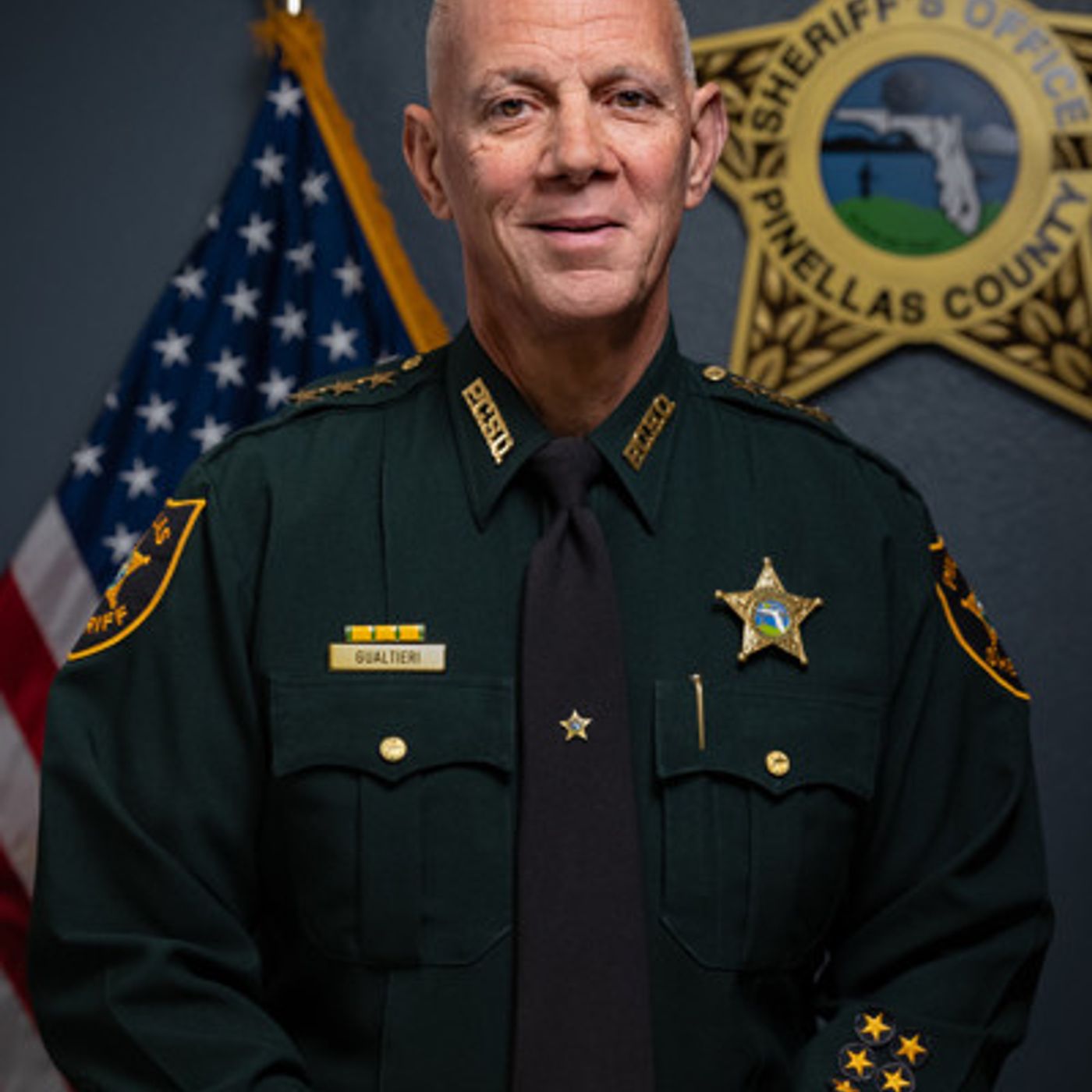
S2 Ep2275: LIVE LIFE BETTER Sheriff Bob Gualtieri: Tips for Keeping Kids Safe Through The School Year
3d ago00:03:57Tap to summarizeIn this episode of LIVE LIFE BETTER, Lunchtime Conversation host Nanette Wiser shares some of the latest safety tips from Inside The Star newsletter Subscribe and stay in touch with Pinellas County Sheriff Office!From the Desk of Sheriff Bob Gualtieri: Keep Kids Safe Through the School YearThe summer is flying by, and kids will be back in school before you know it. With most Pinellas Countyschools resuming this week , now is the time for parents to think about how to keep their kids safe.Bus Safety: At the bus stop, make sure kids know to arrive five to ten minutes early and stand at least sixfeet away from the curb while waiting. They should stay back until the bus comes to a complete stop,the door opens, and the driver signals them to board. Remind kids that it can be hard for the bus driver tosee them when they are close to the bus. If they need to cross in front of the bus, they should walk wellin front of the crossing arm that swings out from the front bumper and make eye contact with the driverbefore they start to cross. Cars are supposed to stop for school buses, but kids should always look tomake sure.Pedestrian Safety: Kids should stay on the sidewalk, and if they have to walk on the shoulder, theyshould be as far as possible from vehicles. They should cross the road where there is a crossing guardpresent. Follow the crossing guard’s instructions and only walk when they say it is safe. At signaledcrosswalks, they should press the button to activate the flashing lights, and then wait until all lanes oftraffic have stopped before crossing. Kids should be aware of situations where a driver might not seethem, such as when they are moving between cars, near bushes or signs, and around cars that arebacking up. If they have to walk at night, they should carry a light and wear bright or reflective clothing.Personal Safety: Whether waiting at a bus stop or walking to school, kids should avoid interacting withstrangers. Traveling in groups can help keep kids safe. Young children should be taught to never go witha stranger or get in their car, even if they claim to have been sent by their parents. Families shouldestablish a code word to use in emergencies. Let kids know that if someone approaches them in aworrying way they should yell and run somewhere safe, and tell a trusted adult what happened. Remindkids that they don’t have to be polite. Adults shouldn’t be asking kids for directions or help findingmissing pets. Teach kids early how to say no.Internet Safety: Pinellas County public schools no longer allow cell phone use during class hours, butkids will be on their devices before and after school so it is important to teach them how to be safeonline. No matter what age, parents need to keep track of their kids’ online life. Parental control appscan prevent kids from visiting harmful sites. Remind kids that people they know only over the internetmight say they are kids but actually be adults. Let them know they should never send personal photos orvideos to anyone, or give out personal information.Emotional Safety: Kids should never be afraid to tell their parents when something is wrong, so youneed to let them know they can come to you with anything. Be non-judgmental, ask open-endedquestions, and really listen. Be aware of emotional warning signs like withdrawing, changing habits orfriend groups, or expressions of negative self-worth.Back to school can be an exciting time full of new possibilities for kids. Do your part to make sure theycan stay safe as they focus on learning and growth.#pinellascountysheriff #bobgualtieri #backtoschoolsafetytips #nanettewiser #pinellascounty #insidethestar #radiostpete
Transcribe →
S2 Ep2238: DO GOOD VOICES: Jessica Salmond, Friends of Strays
3d ago00:18:04Tap to summarizeIn this episode of Do Good Voices, Meredith Pericles, Founder and Executive Director of Do Good Foundation, sits down with Jessica Salmond, Communications and Marketing Director for Friends of Strays, St. Petersburg's oldest no-kill animal shelter, serving the community since 1978. Friends of Strays' mission is "to inspire compassion for all animals, provide shelter and humane care to homeless animals, and promote adoptions and responsible pet guardianship in our community." Jessica takes us beyond the adoption floor to talk about the many ways Friends of Strays supports animals and the people who care for them.The conversation explores what "no-kill" actually means, common misconceptions about animal shelters and shelter pets, and some of the biggest challenges facing homeless animals today. Jessica also shares more about MEOW Now, the Pet Food Pantry, and community outreach programs designed to help pets and the people who love them.They also talk about the many ways you can help, from adopting and fostering to volunteering, donating, and supporting programs that help keep animals safe and cared for. They also talk about:• What being a no-kill shelter really means• Friends of Strays' work beyond adoption• MEOW Now and community cats• The Pet Food Pantry• Misconceptions about shelter animals• Challenges facing homeless animals in Pinellas County• Adopting, fostering, volunteering, and givingLearn more and get involved:Website: https://www.friendsofstrays.orgInstagram: https://www.instagram.com/friendsofstrays/Facebook: https://www.facebook.com/FriendsofStraysAnimalShelterEmail: info@friendsofstrays.orgAbout Jessica SalmondJessica Salmon is the Communications and Marketing Director for Friends of Strays Animal Shelter, a local animal rescue organization in St. Petersburg, FL.About Do Good VoicesDo Good Voices is a program of the Do Good Foundation, where we're building a connected nonprofit ecosystem that meets real needs. Each episode introduces our community to the nonprofit organizations and leaders making a difference throughout Pinellas County.Learn more at DoGoodFoundationFL.org. #dogoodfoundation #dogoodvoices #MeredithPericles #JessicaSalmond #friendsofstraysstpete
Transcribe →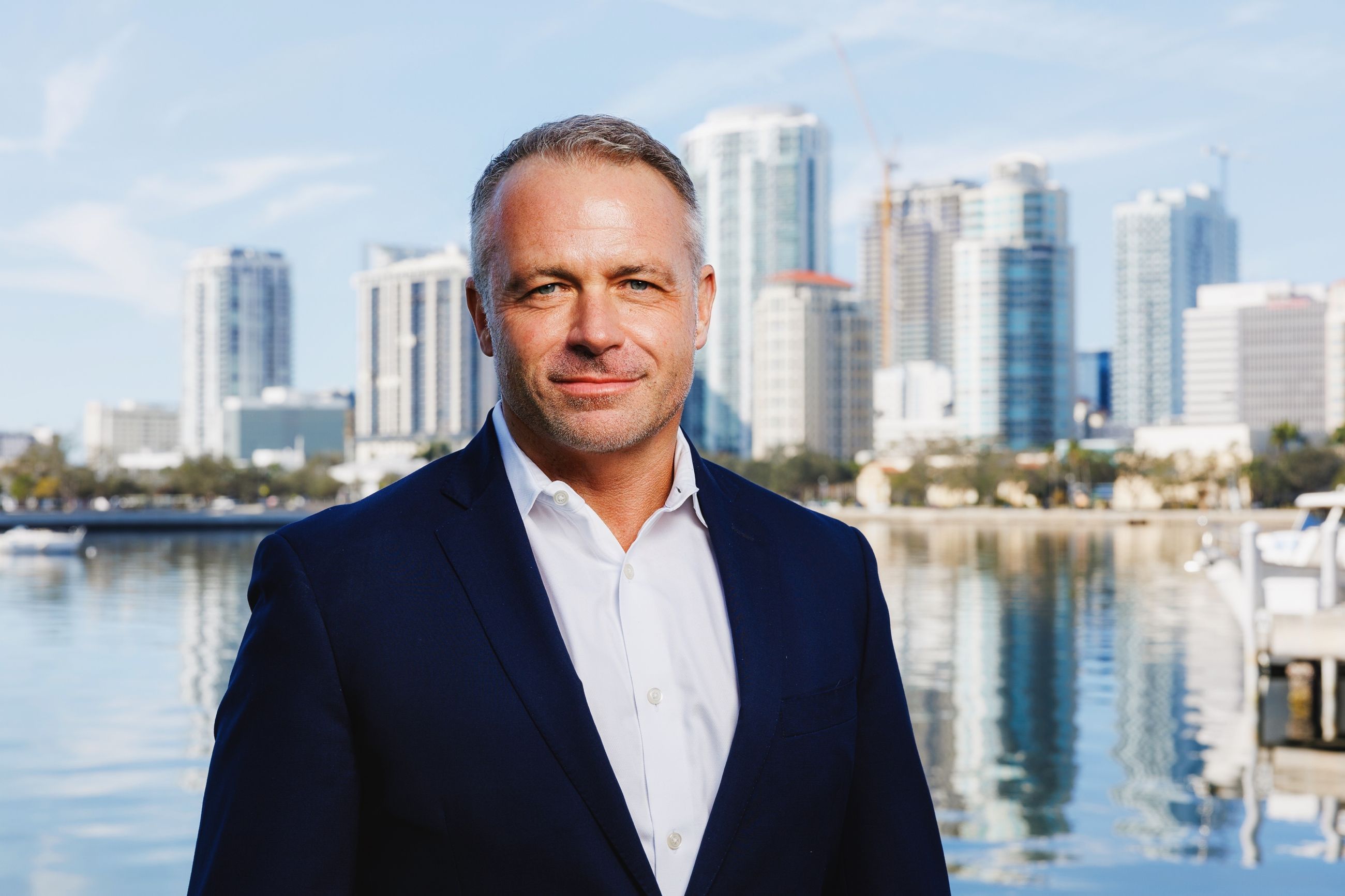
S2 Ep2269: DOWNTOWN DIALOGUE: St Petersburg Downtown Partnership CEO Jason Mathis
4d ago00:14:24Tap to summarizeHost Karen Carmichael sits down with Jason Mathis, CEO of the St. Petersburg Downtown Partnership, for a conversation about the opportunities and challenges shaping the future of downtown St. Petersburg. Jason discusses the Partnership's role in advocating for the downtown community, supporting economic development, and fostering collaboration between businesses, residents, neighborhood organizations, and city leaders.The conversation explores major redevelopment projects, the importance of preserving downtown's unique character while accommodating growth, improving mobility through walkable streets, and transportation options, and creating welcoming public spaces that encourage community engagement. Jason also shares how strategic planning, investment in infrastructure, and support for local entrepreneurs help keep downtown vibrant, resilient, and competitive while maintaining the quality of life that attracts people to live, work, and visit St. Pete.Whether you're interested in city planning, local business, or the future of one of Florida's most dynamic downtowns, this episode offers valuable insight into the vision and leadership helping shape St. Petersburg's next chapter.About Jason MathisJason Mathis is the CEO of the St. Petersburg Downtown Partnership, a private, nonprofit organization dedicated to thoughtful growth and urban redevelopment. The Partnership focuses on big-picture issues and building a shared vision for St. Pete’s future, inspired by national best practices and local sensibilities. Its priorities include walkability, urban management, resiliency, housing for all income levels.Jason brings three decades of experience in nonprofit leadership, coalition building, and public advocacy. He has a strong record of advancing high-profile initiatives in complex public settings and excels at uniting diverse stakeholders around a common vision.In addition to leading the Partnership, Jason serves in board leadership roles with the St. Petersburg Innovation District, St. Petersburg Arts Alliance, Pinellas County Urban League, and the Homeless Leadership Alliance of Pinellas. He was part of the 2019 Bloomberg Harvard City Leadership Initiative cohort & serves on the City of St. Petersburg’s Community Benefits Advisory Committee.Jason is an inaugural Emerging Leaders Fellow with the International Downtown Association and a member of the Urban Land Institute’s national Public Private Partnership Product Council. He also founded Florida’s Downtowns, a statewide coalition focused on strengthening downtowns throughout the Sunshine State.His honors include the 2023 Haynes Hero Award, the University of South Florida’s 2024 Distinguished Citizen Award, and recognition in the Tampa Bay Business Journal’s 2025 and 2026 Power Rankings. Previously, Jason served as executive director of Salt Lake City’s Downtown Alliance and executive vice president of the Salt Lake Chamber.About the St Petersburg Downtown PartnershipThe St. Petersburg Downtown Partnership is a private, nonprofit company dedicated to thoughtful growth and urban redevelopment. The Partnership’s mission is to champion community prosperity through purposeful, transformative projects. Since 1965, the Downtown Partnership has helped to transform downtown, always seeking to be the right catalyst at the right time to move the city forward. The Partnership focuses on big-picture, long-range issues and works to form a shared vision for our future, inspired by global thought leadership, national best practices and local sensibilities. They recognize the relationship between successful cities and green space, diversity, higher education, art, transit, data-based decisions and a balanced approach to equitable and economically sustainable development.Learn more about the St. Petersburg Downtown Partnership at www.stpetepartnership.org#StPete #DowntownStPete #EconomicDevelopment #CommunityLeadership #StPetersburgDowntownPartnership #JasonMathis
Transcribe →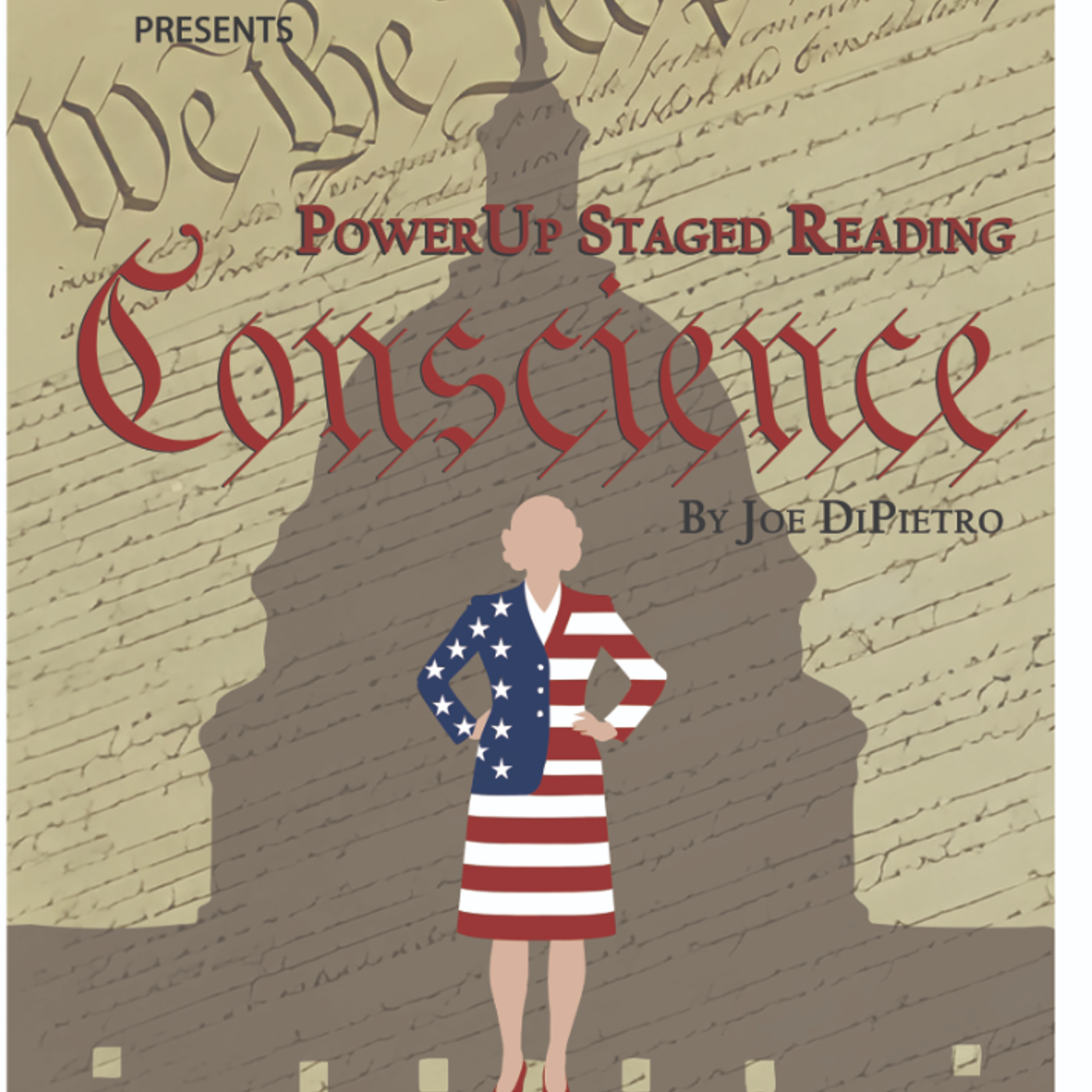
S2 Ep2270: BIG BROADWAY ENERGY| Power Stories: Conscience
4d ago00:20:53Tap to summarizeHost Stephen Riordan welcomes Dr. Clareann Despain, Executive Artistic Director of Power Stories, to discuss their collaborative staged reading of the play Conscience. The production, which runs August 14th through 16th at StageWorks in Tampa, chronicles the 1950s political landscape, specifically the tensions of the Red Scare and the actions of Senator Joe McCarthy. The Play, Conscience: The narrative centers on Senator Margaret Chase Smith’s "Declaration of Conscience" against the smear tactics of Joe McCarthy. Community and Collaboration: Dr. Desppain highlights the vibrant Tampa/St. Pete artistic community as a key factor in her professional commitment to the region. Power Stories continues its tradition of supporting women playwrights through the annual Voices of Women Theatre Festival, which is currently accepting submissions for 10-minute shorts. Upcoming Projects & Recognition: The organization is co-producing The Wash with The Studio at 620, running October 1st through 11th. Additionally, Big Broadway Energy is currently nominated for "Best Podcast in Tampa Bay," with public voting open through August 30th. Visit this link for more information about the show ABOUT DR. CLAREANN DESPAINDr. Clareann Despain is the Executive Artistic Director of Powerstories Theatre, an award-winning director, producer, educator, dramaturg, and theatre artist with more than two decades of professional experience. She is passionate about using theatre to amplify women’s voices, share true stories, spark meaningful conversations, and inspire positive change. Dr. Despain holds a Ph.D. in Dramatic Arts from the University of California, Santa Barbara and has worked extensively in professional, educational, and community theatre throughout the country.ABOUT STEPHEN RIORDAN Stephen Riordan is an arts professional with over 25 years of experience as an actor, director, producer, writer, host, and casting director. He has worked on both Broadway and off-Broadway productions in New York, as well as extensively throughout the Tampa Bay Area. Recently, Stephen co-founded the Dead Canary Theatre Company with two fellow artists in St. Petersburg, and DCT is now the resident company at The Studio @ 620 in Downtown St. Petersburg. Every Sunday at 5 p.m., Stephen shares his thoughts on his favorite Broadway shows, songs, and stars on "Big Broadway Energy." His podcast of the same name features theater professionals and educators who are committed to keeping the arts at the forefront of the Tampa Bay community.#BigBroadway Energy #StephenRiordan #DrClareannDespain #PowerStories #StageworksTampa
Transcribe →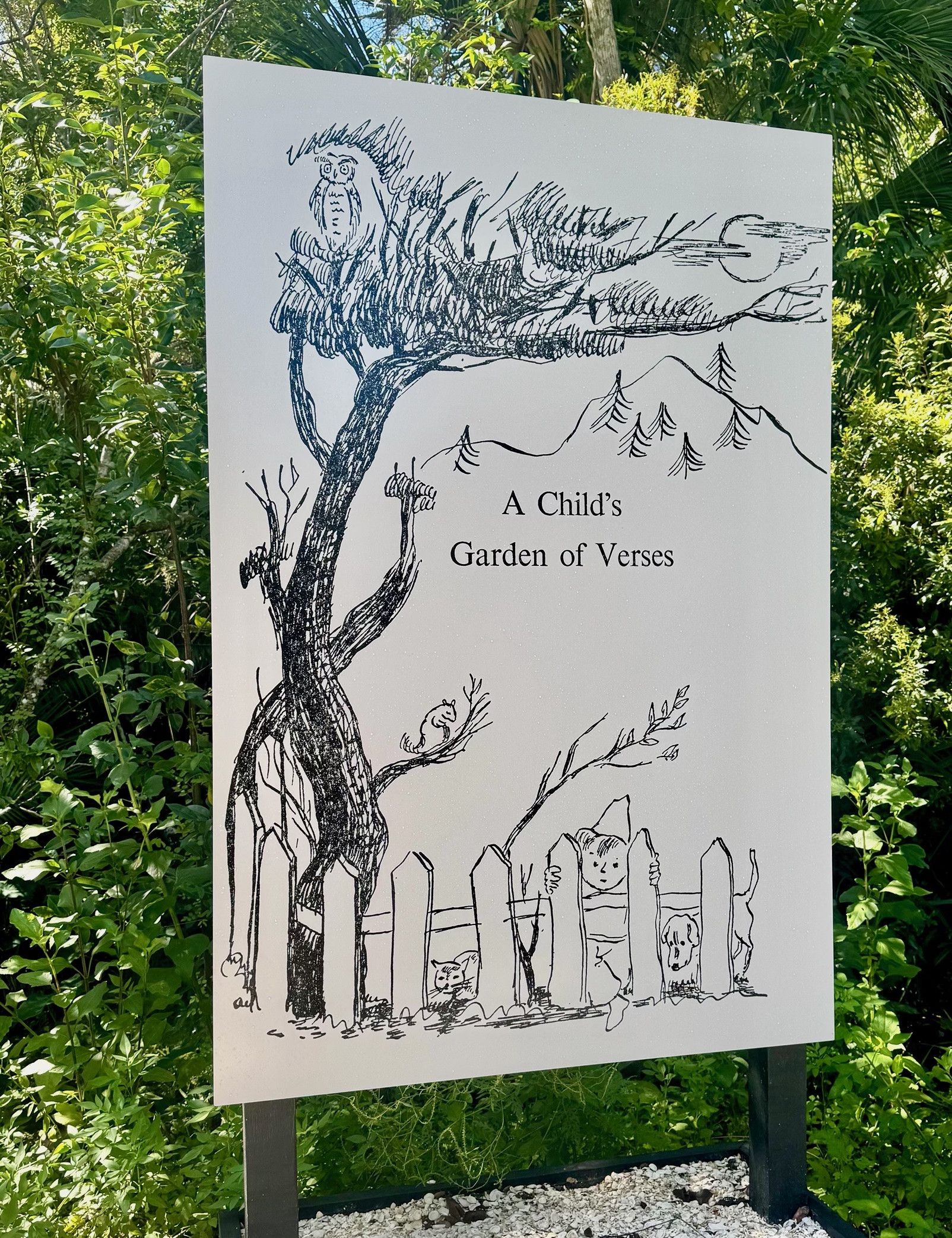
S2 Ep2272: STORYTIME Janet Keeler's Day Trip To Sarasota's Selby Gardens
5d ago00:11:15Tap to summarizeIn this episode of STORYTIME with Janet Keeler, the host talks about her recent visit to the “Robert Louis Stevenson: A Child’s Garden of Verses” exhibition at Selby Gardens Historic Spanish Point campus in Osprey. She recommends the day trip before the exhibit closes on Aug. 30. Scattered throughout the grounds are large-scale copies of 14 poems from a 1946 edition of the classic children’s poetry collection. B&W Illustrations are by American artist Alexander Dobkin. QR codes take visitors to readings of the poems by Patti Smith —yes, the rocker Patti Smith — who is Selby’s artist-in-residence. Janet has about 25 editions of “A Child’s Garden of Verses” in her personal collection and two of her favorite poems from her childhood, “Rain” and “The Swing” are part of the thoughtfully curated exhibition. On this episode of STORYTIME, Janet reads them for you. Information on Selby’s website about days and hours also includes links to Smith reading all poems.ABOUT THE SHOW Storytime with Janet Keeler is for grandparents, parents and kids of all ages about why reading out loud matters. Guests read aloud from favorite children's books, new and old and talk about the stories behind them.#janetkeeler #storytime #selbygardens
Transcribe →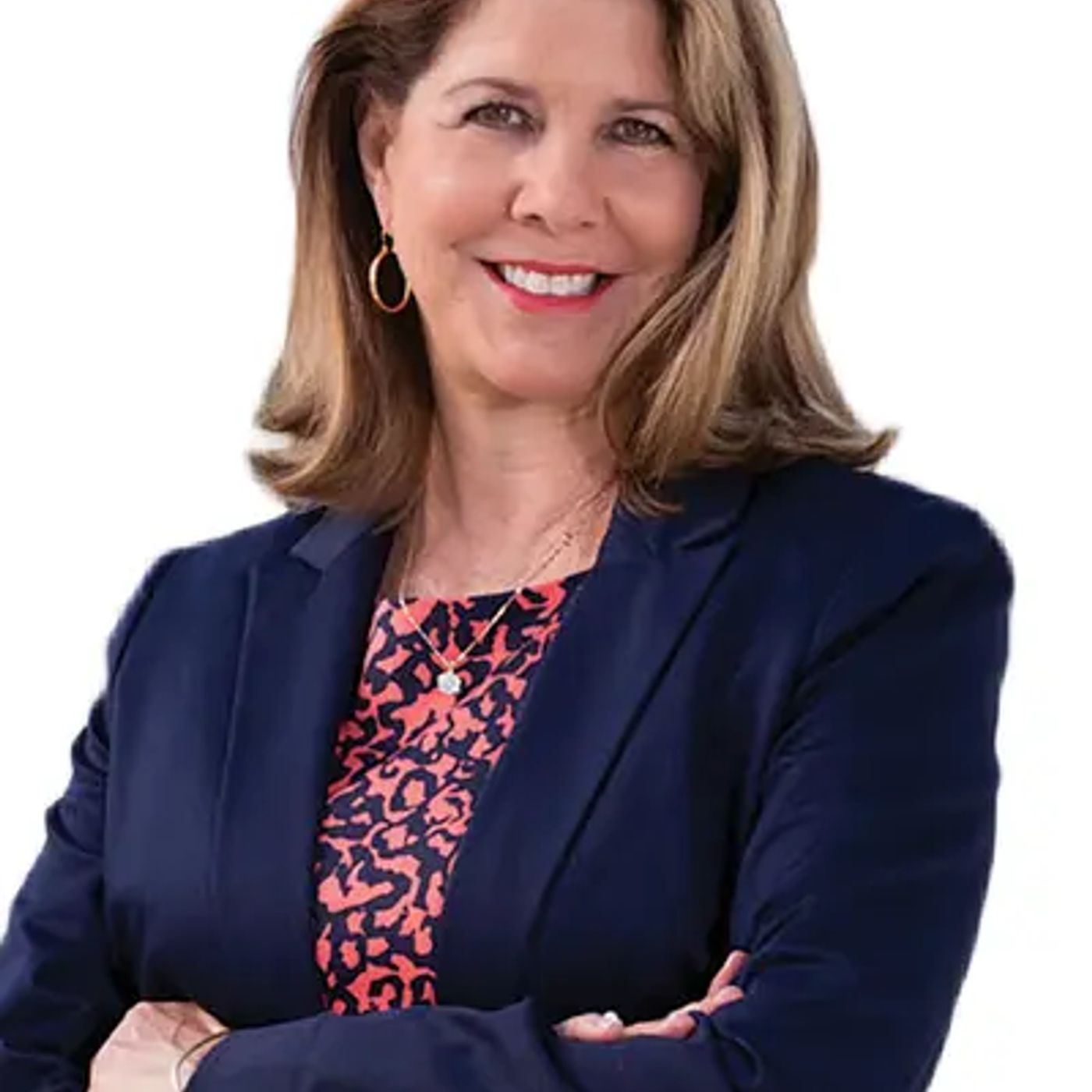
S2 Ep2254: NEIGHBORHOODS Indian Rocks Beach Now & Then with Julie Folden
5d ago00:24:34Tap to summarize(AIRS 8/11) In this Neighborhoods episode, host Nanette Wiser talks with Julie Folden about Indian Rocks Beach history and Tampa Bay, yesterday and today. A true Florida native, Julie grew up on the Florida beaches and has witnessed the ever-evolving changes on both the Atlantic and Gulf coasts. She loves to fish and her husband's encore career as a fishing boat charter captain keeps them both active. Having lived in waterfront communities for most of her life, Julie has an extensive knowledge and appreciation for the waterfront marketplace. As a dedicated professional, she combines her love of the water with a successful real estate career. A favorite pastime of Julie’s is fishing and golfing; she can sometimes be found on the golf course with friends and clients at the Belleair Golf and Country Club. “I enjoy everything about the Florida lifestyle,” continues Julie. “This is why people relocate to the beautiful coastal areas of Pinellas County.” Prior to embarking on her real estate career, Julie was a Speech Pathologist working both in the Pinellas County School System and private practice. 🎤Welcome to One Place, Many Voices podcast series powered by Heritage Village, with support from a Florida Humanities grant. Listen anytime, anywhere to all the One Place, Many Voices podcasts on RadioStPete as we bring Pinellas County history to life through conversations with the people about the places and stories that define us. In 2026, there's a lot to celebrate including America 250, Heritage Village’s 50th anniversary and other milestones. The podcast series is inspired by the Smithsonian’s Many Voices, One Nation exhibit currently at . About the One Place, Many Voices podcasts. #pinellascountyhistory #heritagevillage #america250 #onevoicemanyplaces #nanettewiser #floridahumanities #stpete #stpetefl #tampabay #radio #radiostpete #cityofstpete #dtsp #downtownstpete #historyrocks
Transcribe →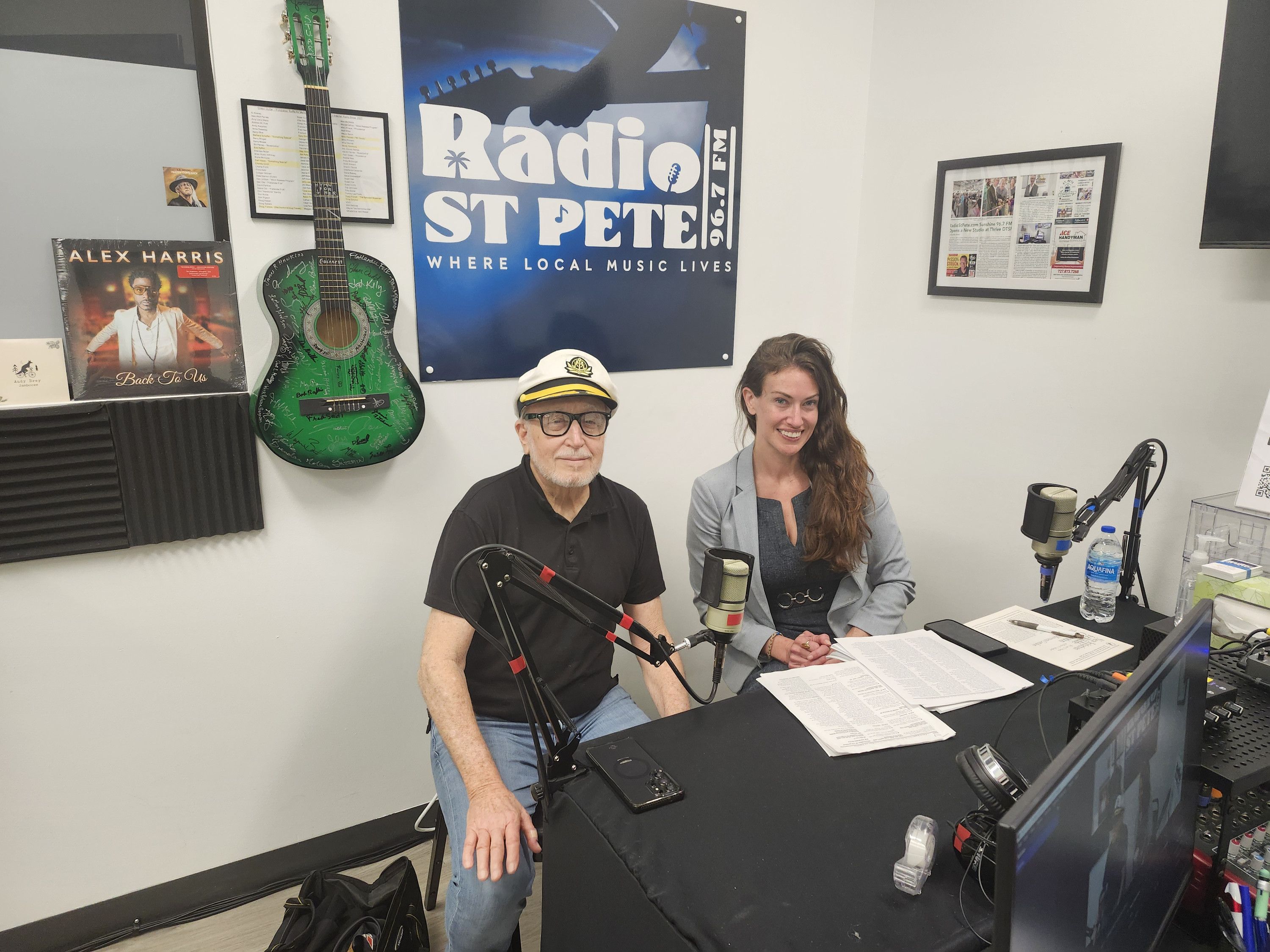
S2 Ep2271: CONSERVATION CONVERSATIONS Pete Gallagher Interviews Rachel Curran
6d ago01:00:11Tap to summarizeYou know Pete Gallagher from Florida Folk Show Saturdays on Radio St. Pete Sunshine 96.7 FM, where he hosts musicians and environmental activists to talk about important conservation issues. In today's Conservation Conversations episode produced and co-hosted by Tim Valle and hosted by Pete Gallagher, he interviews Rachel Curran, Staff Attorney, Jacobs Public Interest Law Clinic for Democracy and the Environment, Stetson University College of Law. Learn more about her here. 👉 Says Pete: "Rachel is equally considered a national environmental law expert and has written critical reviews for and participated in numerous important national and state environmental cases. She is also the Florida Programs Staff Attorney with Center for Biological Diversity; where she has written and participated in many state and national legal issues.👉 WHAT YOU'LL LEARN Rachel Curran guides listeners through the many important legal issues, now pressing on the state and national tables regarding wildlife, the Gulf of Mexico, changes to the Endangered Species Act (ESA) and more.👉 Want to know more about the proposed rule they discuss? Learn more here. https://www.federalregister.gov/documents/2025/09/26/2025-18728/endangered-and-threatened-wildlife-and-plants-regulations-for-eleven-species-treated-as-listed-due. Protecting lookalikes, especially those with some genetic overlap, is important to ensure the listed species isn’t harmed by those who would claim to only be targeting or incidentally taking the lookalike species (and to protect the lookalikes themselves from becoming endangered).👉 Jacobs Law Clinic - College of Law (stetson.edu) provides a much-needed public service of pro bono legal aid while affording Stetson’s law students opportunities to represent underserved clients with hands-on case management and the development of the advocacy skills necessary to be successful attorneys.#environmentalissues #conservationconversation #biodiversity #petegallagher #endangeredspeciesact #rachelcurran #stetsoncollege of law #jacobslawclinic #timvalle#radiostpete
Transcribe →
S2 Ep2266: PASSION STRUCK John R. Miles: Whitney Otto
6d ago00:55:18Tap to summarize(E787 Airs 8/10 5:10 pm) In Passion Struck Episode 787, host John R. Miles interviews executive coach, former therapist, World Champion rower, and Olympic alternate Whitney Otto. As co-author, alongside Deb Schachter, of the book Body Image Inside Out, Otto unpacks the hidden psychological architecture that dictates how we perceive ourselves. This comprehensive discussion reframes negative body image not as a superficial aesthetic failure or an isolated appearance issue, but as a multi-dimensional repository of unprocessed emotions, relational history, early life trauma, and unmet human needs. Moving completely past the forced positive affirmations of traditional self-help, this conversation offers a practical, inside-out framework for sustainable body image healing. By treating somatic distress as an intelligent messenger rather than an external adversary, the BodySelf approach offers a clear behavioral roadmap for moving beyond constant self-criticism and stepping into a life of genuine somatic flourishing.Explore More: The Ignited Life Newsletter If today’s episode sparked something in you, you’ll love The Ignited Life—our free Substack newsletter created to fuel your growth between episodes. Join thousands of high-performers, purpose-seekers, and change-makers who are shifting from autopilot to alignment—one intentional insight at a time. Each edition delivers fresh insights on intentional living, resilience, and emotional mastery Practical tools like the L.E.N.S. method and micro-habits to ignite change Behind-the-scenes reflections from Passion Struck episodes Guest wisdom distilled into real-life applications Curated resources, quotes, and frameworks to help you live like you matter Want to learn the 12 philosophies that the most successful people use to create a limitless life? Order John R. Miles’s new book, Passion Struck: Twelve Powerful Principles to Unlock Your Purpose and Ignite Your Most Intentional Life. Learn More and Connect👉 All episode links, my books You Matter, Luma, and Passion Struck, The Ignited Life newsletter, and the Start Mattering store are here: linktr.ee/John_R_Miles🛍️ StartMattering.com | 🔗 TheIgnitedLife.net #johnrmiles #passionstruck #livelifebetter #author #tampabay #radio #radiostpete #theignitedlife #dancoyle #startmattering #thematterverse #whitneyotto
Transcribe →