
Podcast
The Advertising Forum by Marketecture
Hosted by AdTechGod and Jeremy Bloom · EN
The Advertising Forum was created to address popular adtech, media and advertising topics and foster innovation by bringing together industry thought leaders, innovators, and experts from AdTech, Agency, and Brand sectors. Recognizing the industry's thirst for knowledge, we empower the community through open discussions with industry experts. Each series will focus on a topic ranging from creative to yield with a goal of eliminating industry noise and getting straight to the topic. Together, we can create a brighter future for advertising. To learn more about The AdTech Forum contact us at www.theadvertisingforum.com
16episodes
Episodes
Newest firstAll episodes

Building Trust, Attention & Authenticity in the AI Advertising Era with Luis Di Como
Jun 2500:14:42Tap to summarizeIn Episode 3 of The Great AI Advertising Reset Series, sponsored by DoubleVerify, Luis Di Como, former EVP of Global Media at Unilever, joins Jeremy Bloom and AdTechGod to discuss the growing complexity of digital advertising, the rise of AI agents, and why audiences, authenticity, and attention are becoming the defining pillars of modern marketing.Takeaways AI is shifting from a tool that answers questions to a system that helps shape decisions. Marketers must plan for both human audiences and AI agents. Authenticity is becoming more important as AI-generated content proliferates. Content performs best when paired with the right context. Media quality directly influences business outcomes. Automation is essential for managing marketing complexity at scale. Human judgment remains critical in AI-powered workflows. Trust in AI grows through transparency, standards, and guardrails. Brands need clear risk tolerances when deploying AI systems. Attention that drives measurable business outcomes is the ultimate goal. Chapters00:00 Introduction to The Great AI Advertising Reset Series00:32 Why Digital Advertising Has Become More Complex01:31 The Three A's: Audiences, Authenticity & Attention04:55 How AI Is Reshaping Marketing Organizations07:26 Moving Beyond Basic AI Automation08:55 Why Human Judgment Still Matters09:22 Connecting Media Quality to Business Outcomes11:12 Content Plus Context Equals Better Results11:38 Building Trust in AI Decision Making12:07 The Self-Driving Car Analogy for AI Adoption14:20 Final Thoughts on AI, Trust & Marketing
Transcribe →
The Great AI Advertising Reset: DoubleVerify CEO Mark Zagorski on AI Slop and Fraud
Jun 1800:11:18Tap to summarizeIn Episode 1 of The Great AI Advertising Reset Series, sponsored by DoubleVerify, AdTechGod and Jeremy Bloom sit down with Mark Zagorski, CEO of DoubleVerify, to discuss the future of AI-driven advertising. Mark shares how DoubleVerify's newly launched DV Neura powers trust, transparency, and control across digital media, while helping brands combat AI-generated content, ad fraud, and the growing challenges of an agentic advertising ecosystem. From AI slop to CTV fraud, learn how advertisers can navigate the next era of advertising with greater confidence.Takeaways DV Neura is the AI engine powering DoubleVerify's measurement, optimization, and verification capabilities. AI has been embedded in DoubleVerify's technology for nearly 18 years through machine learning and automation. Agentic advertising is still in its early stages and requires stronger transparency and industry standards. Independent verification will play a critical role in validating AI agents and automated media buying. AI-generated content is rapidly increasing across social and digital platforms. DoubleVerify developed "SlopStopper" to help advertisers avoid low-quality AI-generated content. AI is accelerating ad fraud, particularly within Connected TV environments. DoubleVerify uses AI to detect and combat AI-driven fraud and misinformation. Neura helps advertisers move from insights to action faster. The core benefits of Neura are speed, confidence, and control. Chapters00:00 Introduction to The Great AI Advertising Reset Series01:15 Why DoubleVerify Built DV Neura02:48 The Future of Agentic Advertising04:22 Building Trust and Transparency in AI Ecosystems04:37 The Growing Threat of AI Slop05:56 Introducing SlopStopper06:27 AI's Role in Rising Ad Fraud07:40 What Makes DV Neura Different08:31 Real-World Results and ROI from Neura09:22 Benefits Marketers Will Feel Immediately10:39 Speed, Confidence, and Control10:59 Final Thoughts and Closing Remarks
Transcribe →
From Show to Scene: How Contextual CTV Targeting Is Transforming Programmatic Advertising
Jun 400:12:23Tap to summarizeDave Bernath, CEO of WURL, joins Jeremy Bloom and AdTechGod to discuss the evolution of CTV targeting from broad audience and show-level approaches to scene-level contextual targeting. The conversation explores how AI-powered content analysis is improving ad relevance, performance, and viewer engagement while helping advertisers better align with content in real time. Takeaways - Scene-level targeting provides more precision than traditional show-level targeting. - AI enables real-time analysis of content, emotion, and context. - Emotional alignment between ads and content can improve campaign performance. - Contextual targeting drives stronger engagement, recall, and purchase intent. - Brand safety, transparency, and measurement remain critical priorities. - Industry collaboration is needed to scale scene-level targeting across CTV. - CTV continues to offer a premium advertising experience for brands. Chapters 00:00 Introduction to the From Show to Scene Series 00:29 The Early Days of CTV Targeting 01:54 Where Traditional Targeting Fell Short 02:41 Why Show-Level Targeting Hasn't Worked in CTV 04:37 The Shift from Shows to Scenes 05:04 How AI Unlocks Scene-Level Contextual Targeting 06:34 The Signals That Matter Most in Contextual Advertising 08:30 Performance Results from Scene-Level Targeting 09:42 What Still Needs to Happen for Scale 11:28 Why CTV Remains a Premium Advertising Opportunity 12:05 Closing Remarks and Key Takeaways
Transcribe →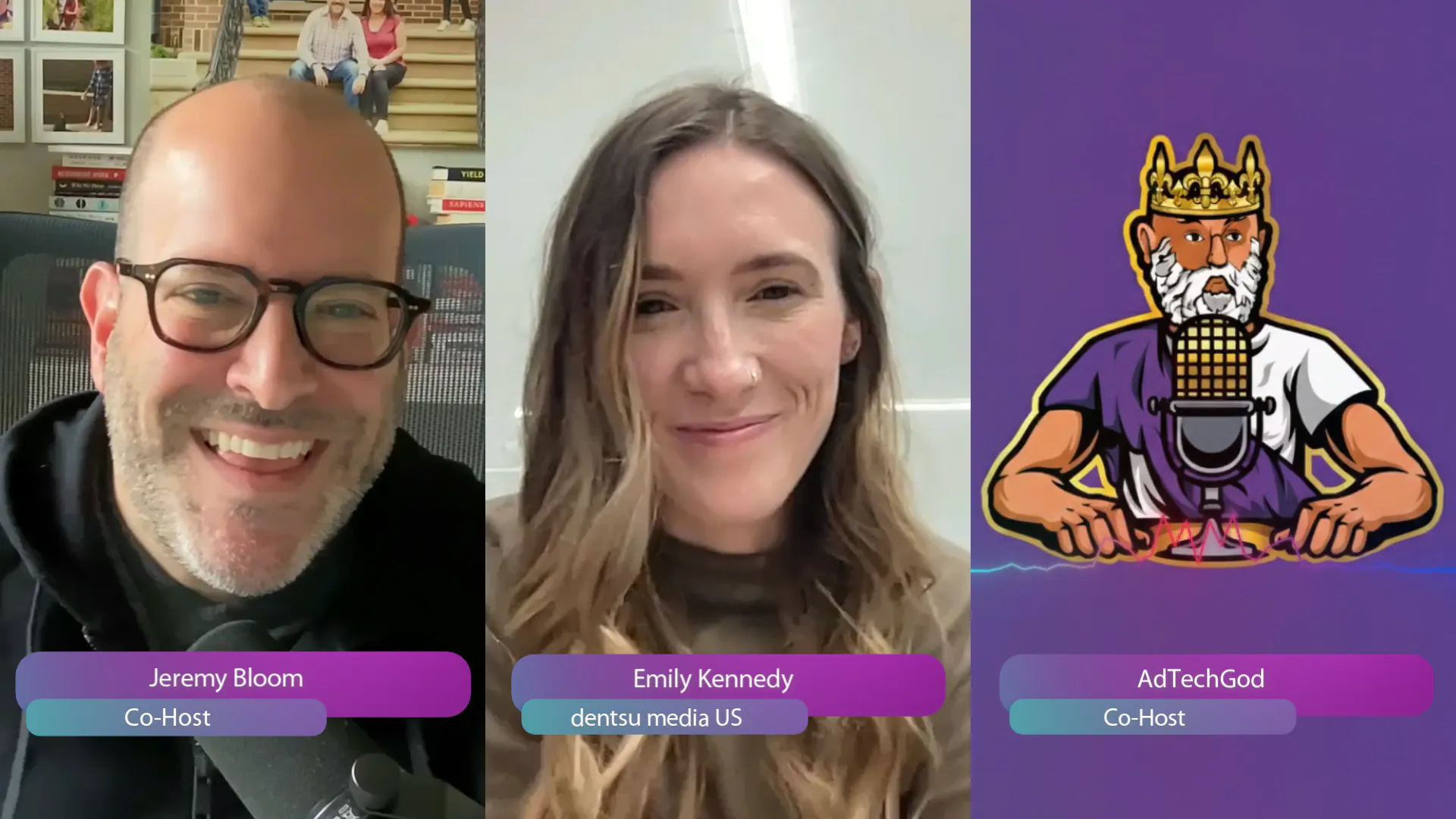
From Show to Scene: Why Contextual Targeting Matters More Than Ever with Emily Kennedy, Dentsu
May 2800:10:29Tap to summarizeIn Episode 2 of From Show to Scene sponsored by Wurl, Emily Kennedy, EVP and Head of Marketplace at Dentsu, joins Jeremy Bloom and AdTechGod to discuss how contextual targeting is evolving from a planning tool into a true optimization signal. Emily shares how brands can create stronger consumer connections through scene level targeting, why quality signals matter more than signal volume, and how the industry can overcome fragmentation challenges across streaming and video. The conversation also explores measurement, scalability, audience orchestration, and the future of contextual advertising in premium video. Takeaways - Contextual targeting is evolving into a powerful optimization signal - Message relevance drives stronger engagement and performance - Quality signals matter more than signal volume - Scene-level targeting creates more meaningful brand moments - Fragmentation continues to limit innovation and scale - Brands are shifting focus from reach to business outcomes - Strong consumer connections remain the ultimate goal Chapters 00:00 Introduction to From Show to Scene 00:11 Emily Kennedy joins the conversation 00:27 How Dentsu approaches contextual targeting 01:41 Channel, show, and scene level targeting explained 03:05 Measuring contextual performance effectively 04:04 What signals matter most to brands and agencies 05:08 The challenge of fragmentation in streaming 06:35 What contextual targeting can scale today 07:48 Why one to one consumer connections matter 08:02 Helping clients understand advanced targeting 09:05 The future of contextual targeting and measurement 10:38 Closing thoughts and key takeaways
Transcribe →
From Show to Scene: Why Moment-Based Targeting Is the Future of CTV with Lauri Baker from KERV
May 700:14:35Tap to summarizeIn episode 1 of From Show to Scene, Lauri Baker, Senior Vice President, Head of Partnerships at KERV, explains why audience targeting alone is no longer enough in CTV. She explores the shift from broad audience and genre-based buying toward scene-level, moment-based targeting, where ads align with what is happening on screen in real time. Lauri also breaks down how this approach improves performance by increasing attention, recall, and intent, while addressing challenges like fragmentation, measurement, and scalability. She shares how advancements in video analysis and real-time activation are making moment-based targeting a powerful and viable strategy for modern advertisers. Takeaways • Scene-level targeting outperforms traditional audience targeting by aligning ads with real-time content moments • Matching ad creative to the scene increases attention, recall, and intent • Contextual signals act as a unifying layer across fragmented CTV ecosystems • Standardization and measurement remain key challenges for scaling moment-based buying • Advances in video analysis and real-time activation make scene targeting viable today Chapters 00:00 Introduction to the From Show to Scene series 00:55 Why audience buying is no longer enough 01:27 Where performance gains actually come from 02:00 The shift from broad targeting to moment-based signals 04:10 Why the scene is the new audience 05:18 Tackling fragmentation in CTV 07:15 What is scalable versus still experimental 10:05 Technology enabling scene-level targeting 12:17 What is needed to scale this approach 15:03 Closing thoughts and key takeaways
Transcribe →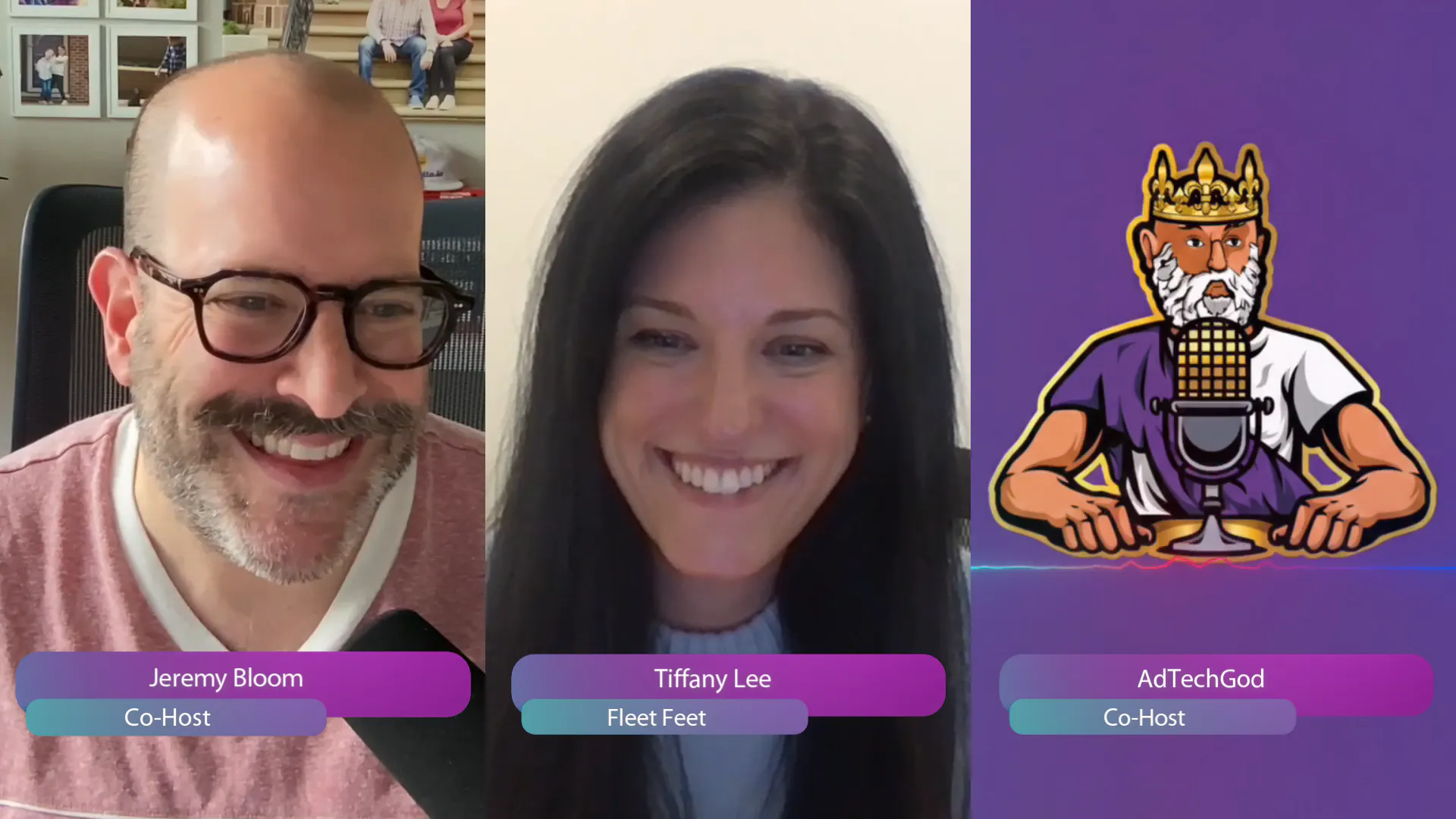
From Screen to Store: How Tiffany Lee Drives Local Growth at Fleet Feet
Apr 2400:10:33Tap to summarizeIn this episode of From Screen to Store, sponsored by JamLoop, Tiffany Lee from Fleet Feet breaks down how a national brand scales local impact across 285+ stores while balancing eCommerce and in-store performance. She shares how Fleet Feet leverages Connected TV as an awareness driver, measures real business impact across online and offline channels, and empowers local store owners with efficient, testable media strategies. Takeaways Fleet Feet blends national branding with local ownership to drive community-first retail experiences Awareness remains a major growth opportunity even in markets with physical stores CTV is primarily used as an awareness channel to fuel the top of the funnel Measurement focuses on incrementality, store visits, and site traffic Budget flexibility and transparency are critical when choosing media partners Testing new strategies can unlock more efficient and profitable channels Chapters00:00 Introduction to the episode 00:13 Tiffany Lee joins from Fleet Feet 00:33 What Fleet Feet is and how the business operates nationally and locally 02:05 Challenges of maintaining brand consistency across local markets 03:35 The role of CTV in Fleet Feet’s marketing strategy 05:01 Measuring impact across online and in-store performance 06:32 Choosing the right CTV partner and budget considerations 08:22 Proving ROI and tying awareness to conversions 09:25 Why brands shouldn’t be afraid to test new strategies 10:48 Closing thoughts and sponsor shoutout
Transcribe →
How Franchise Brands Use CTV to Drive Real Growth with Mosquito Squad
Apr 2300:11:26Tap to summarizeIn Episode 4 of the From Screen to Store series, sponsored by JamLoop, Jay Blecker, President of Mosquito Squad, shares how franchise operators are leveraging connected TV (CTV) to scale customer acquisition and drive measurable growth. Jay breaks down the evolution from traditional guerrilla marketing to data-driven CTV strategies, revealing how better targeting, attribution, and media control dramatically reduced acquisition costs while doubling leads, even during off-season periods. Takeaways CTV can significantly lower customer acquisition costs when properly optimized Attribution and tracking are essential to proving marketing effectiveness Not all impressions are equal—placement quality matters more than volume Growth comes from a mix of channels, not a single “silver bullet” Franchise businesses benefit from hyper-local targeting and control CTV can drive results even during traditionally slow seasons Chapters 00:01 Introduction to the episode and guest 00:23 Overview of Mosquito Squad’s business model 00:41 Educating customers as a key growth driver 01:27 Why CTV became a strategic channel 01:50 Early marketing challenges and scaling issues 03:00 Importance of attribution and measurement 04:11 Why customer acquisition cost is the key metric 05:10 Subscription model and focus on new customers 06:02 Initial CTV struggles and inefficiencies 06:30 The issue with low-quality ad placements (free TV) 07:00 Optimizing media placement and targeting 07:30 Cutting CAC from $350 to under $200 08:00 Doubling leads during off-season months 08:30 Scaling results and improving efficiency further 09:26 Advice for SMBs and franchise marketers 09:38 Importance of control, targeting, and attribution 11:22 Final thoughts on testing and measurement
Transcribe →
From Screen to Store: What Actually Works in Modern Marketing with Alex Back From Couch
Apr 1600:12:17Tap to summarizeIn Episode 3 of the From Screen to Store series, sponsored by JamLoop, Alex Back, CEO of Couch, breaks down what actually works today from CTV and video to holistic media strategies. Learn why influencer marketing falls short for high-ticket items and how brands can drive real ROI through smarter attribution, creative testing, and full-funnel presence. Takeaways The furniture industry remains highly traditional due to legacy ownership, operational complexity, and low prioritization of marketing. Influencer marketing is ineffective for high-consideration purchases like furniture, but creators are valuable for content production. A holistic, omnichannel approach is critical for brands to stay visible across TV, social, and search when customers are in-market. Attribution remains a major challenge, especially with TV and CTV, making ROI difficult to measure precisely. Success should be measured through blended signals like traffic, engagement, and overall sales trends, not just direct conversions. CTV works best as an awareness and consideration channel, not a direct-response tool. Creative strategy matters; ads should be memorable, actionable, and include trackable elements like QR codes. The key to modern marketing success is finding the right media mix, not relying on a single channel. Chapters 00:00 Introduction & Guest Overview 00:40 Meet Alex Back (CEO, Couch) 01:18 Why Furniture Marketing Is Stuck in the Past 03:19 What’s Actually Working Today 03:42 Why Influencer Marketing Falls Short 05:00 The Power of Holistic Marketing 06:06 The Attribution Problem in Traditional TV 08:13 How to Measure Marketing Success Today 10:54 The Role of CTV in the Media Mix 11:20 How to Make CTV Work 12:00 Closing Thoughts & Key Lessons
Transcribe →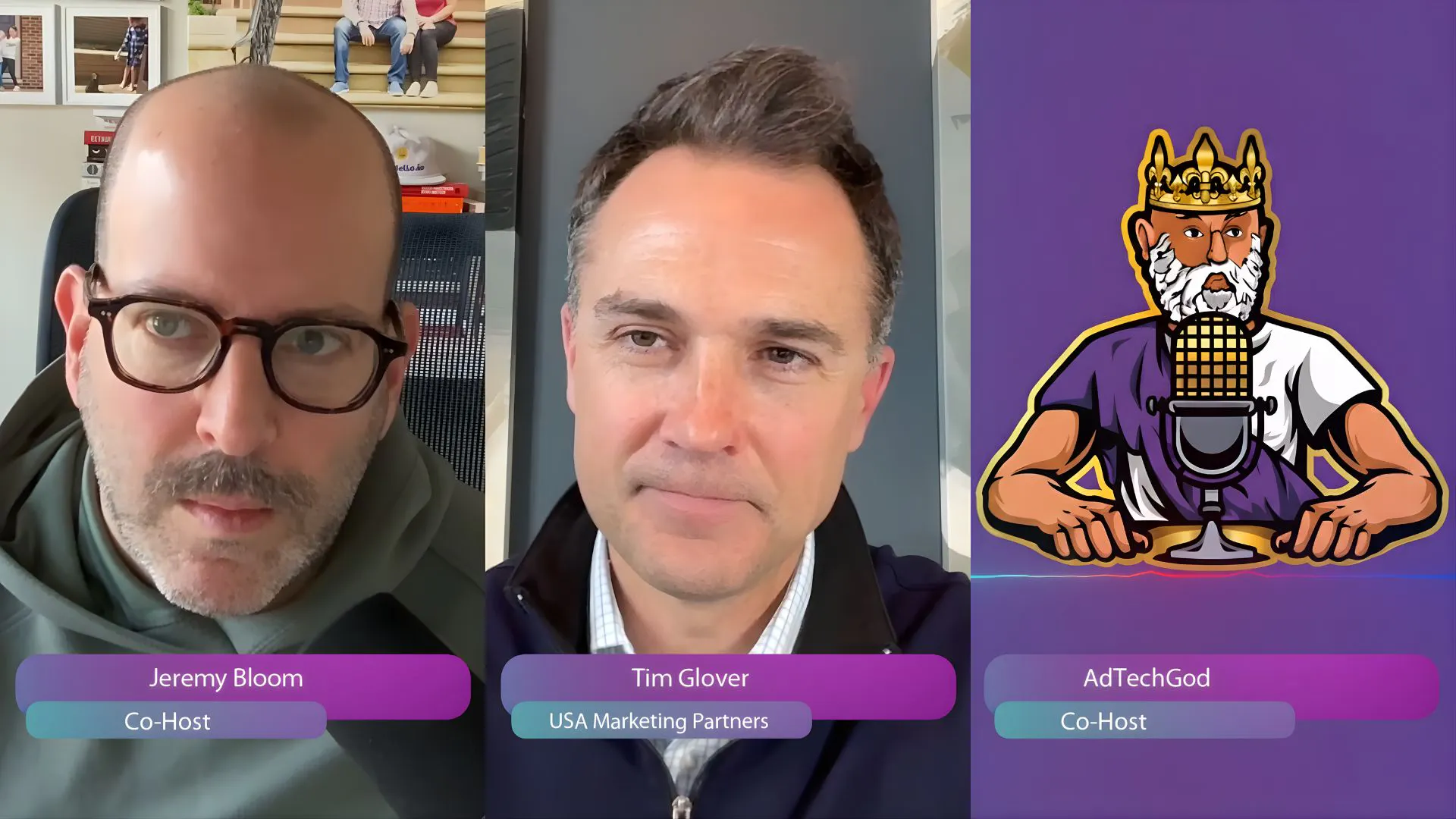
CTV Advertising Reality Check: Transparency, Performance, and Driving Store Traffic with Tim Glover
Apr 900:12:49Tap to summarizeIn Episode 2 of the From Screen to Store series, sponsored by JamLoop, Tim Glover (EVP Media, USA Marketing Partners) breaks down transparency, performance, and the shift from linear vs. digital to a unified video strategy. Learn how agencies can connect media spend to store traffic, revenue, and measurable ROI in today’s evolving advertising landscape. Takeaways People, process, and partnerships are the foundation of modern agencies Brands hire people, not agencies Transparency is the most critical factor in partnerships CTV should be viewed as part of a unified video strategy Performance measurement requires both macro and micro views Retail success is driven by store traffic and sales Data sharing unlocks better results Chapters 00:00 Introduction & Guest Overview 00:41 Tim’s Career Journey & Agency Background 02:05 Building an Agency: People, Process, Partnerships 02:26 The Hub-and-Spoke Agency Model 04:25 Building CTV Capabilities: In-House vs. Partners 05:08 What Clients Really Want: Experience & Performance 06:14 Evaluating Partners: Why Transparency Wins 07:10 The Evolution of CTV Expectations 08:07 Rethinking CTV as “Video” 08:58 Connecting CTV to Real-World Outcomes 09:46 Measuring Performance: Macro vs. Micro 10:28 Optimizing Campaigns with Geo Targeting 11:18 Transparency in Practice 12:18 Final Thoughts & Closing
Transcribe →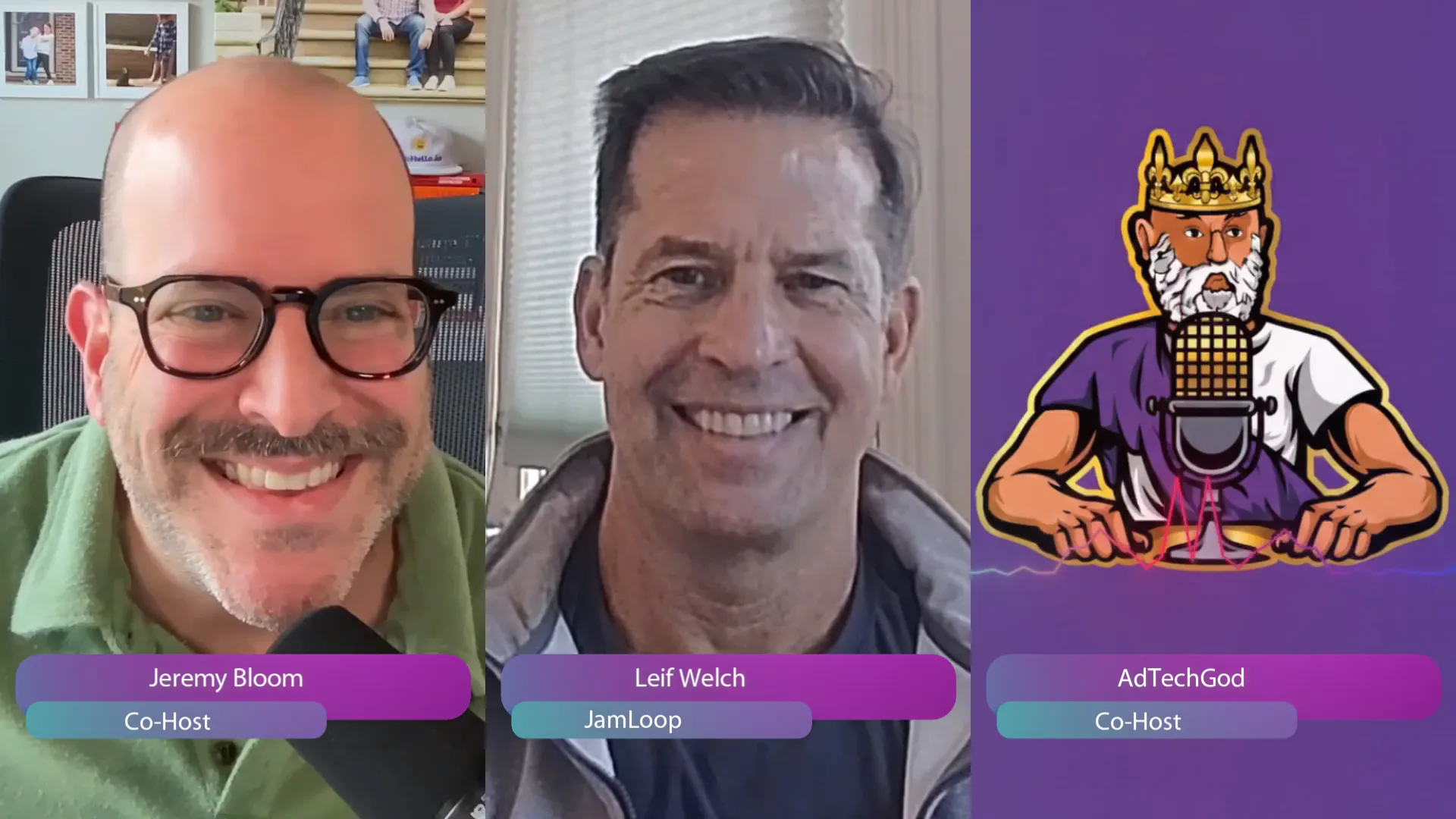
From Screen to Store: How CTV is Driving Real Outcomes with Leif Welch of JamLoop
Apr 200:14:18Tap to summarizeIn episode 1 of the From Screen to Store series, sponsored by JamLoop, Leif Welch, Founder and CEO of JamLoop, breaks down how connected TV is evolving from a brand awareness channel into a full-funnel performance driver. He shares how mid-market brands are leading this shift, why outcomes now matter more than impressions, and how advertisers can connect CTV to real business results both online and offline. Takeaways CTV is shifting from impressions to measurable business outcomes Mid-market brands are leading the move toward performance-driven advertising A full-funnel strategy is key to turning awareness into action Transparency and measurement are critical in modern media buying A 70/30 mix of CTV and digital formats drives better results Incrementality helps prove real impact beyond correlation Chapters 00:14 Introduction to the series and Leif Welch from JamLoop 01:04 What JamLoop does and its focus on driving real outcomes 02:04 The importance of transparency in CTV advertising 03:06 Measuring real-world impact of CTV campaigns 05:05 Why outcomes have become the new standard in advertising 06:07 The gap between traditional TV thinking and modern CTV 07:04 Rising costs and challenges in search and social 08:02 Building a full-funnel CTV strategy in practice 10:22 How to define success and measure campaign performance 11:31 Time, scale, and expectations for effective campaigns 12:24 Using incrementality to validate real impact 13:10 The 70/30 framework for full-funnel performance
Transcribe →