
Podcast
The Africa Health Ventures Podcast
Hosted by Rowena Luk · EN
Unlocking access to quality healthcare in Africa by 2030 will require radical innovations. Join veteran digital health / healthtech entrepreneur Rowena Luk in conversation with healthcare industry leaders and innovators every quarter to strategize on what the future of healthcare in Africa will look like. This podcast is for social entrepreneurs, impact investors, and global health professionals who need to stay ahead of the rapidly changing landscape of healthcare in Africa.
rowenaluk.substack.com
rowenaluk.substack.com
35episodes
Episodes
Newest firstAll episodes
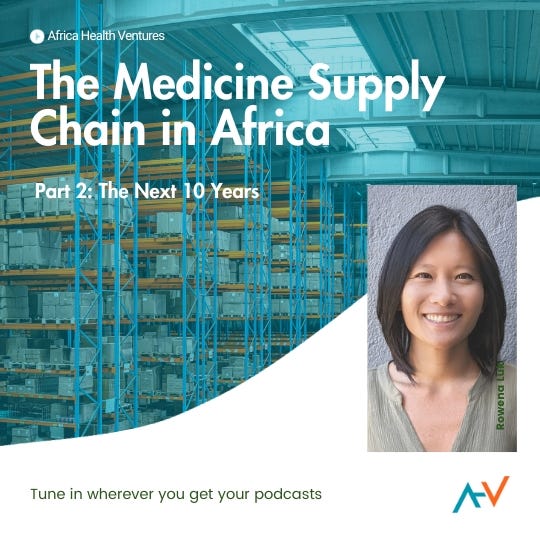
The Medicine Supply Chain in Africa, Part 2: The Next 10 Years
Nov 30, 202300:22:38Summary readyIn 10 years, the medicine supply chain in Africa will look very different than it does today. In Part 2 of this podcast, we examine four key trends which are going to re-shape the medicine supply chain in Africa over the next decade - and shout out to a few of the entrepreneurs that are leading the charge. From regulatory changes spearheaded by the African Union to biomedical innovation requiring new pathways to patient, the medicine market is both growing and changing in Africa. Our lineup includes:* Mila Nepomnyashchiy, Lead Advisor, Center for Innovation and Impact, USAID* Sidharth Rupani, Senior Advisor for Supply Chain, The Global Fund* Yusuf Rasool, Director of Global Market Access at MSD/Merck* Clinton De Souza, former Director of Public Health for Imperial Logistics (now DP World), Managing Partner at Celsian Consulting* Dr. Prashant Yadav, one of the world’s leading scholars on healthcare supply chains. Dr Yadav is a Senior Fellow at the Center for Global Development, Affiliate Professor at INSEAD and Lecturer at Harvard Medical SchoolListen now wherever you get your podcasts (Apple Podcasts, Spotify, Overcast, etc.).In case you missed it, don't forget to check out Part 1 of this episode, where we trace the movement of a pack of medicines from a factory in India to the shelves of a mom-and-pop pharmacy in Zambia. Connect with Africa Health Ventures📰 Sign up for our newsletter to stay informed about what’s going on with healthcare ventures in Africa🪙 Nominate a startup for seed funding👍 Follow us on LinkedIn🎙️ Subscribe to this podcastShow NotesPart 2 of The Medicine Supply Chain in Africa covers 3 segments:1. The Outsized Role of Global Donors(3m22s) - There’s a world of difference between the private sector medicine markets and the ones supported by billions of dollars of international donor funding. We hear from Mila Nepomnyashchiy of USAID about two different worlds: one for the medicines endorsed by global funding… and one for everything else. 2. Four Trends That Will Dramatically Change The Medicine Supply Chain in the Next 10 Years(5m45s) - Trend 1: Clinton De Souza, former Director of Public Health for Imperial Logistics (now DP World), on regulatory changes from the African Union that will massively expand the size of the market.(9m44s) - Trend 2: Yusuf Rasool, Director of Global Market Access at MSD/Merck, on vertically integrated supply chains that will reduce costs and increase access to consumers.(13m28s) - Trend 3: Dr. Prashant Yadav of the Center for Global Development on omnichannel distribution that will meet patients where they live and work. (16m46s) - Trend 4: Sidharth Rupani, Senior Advisor for Supply Chain at The Global Fund, on the golden age of biomedical innovation that will challenge our existing ideas of both ‘medicines’ and ‘supply chain’.3. Social Entrepreneurs Leading the Charge (20m31s) - Dr. Prashant Yadav highlights a handful of social enterprises that are leading the charge for change.Learn More* USAID’s Global Health Supply Chain Program is a US$9.5 billion program with support from PEPFAR. The follow-in contract may be as much as US$17 billion.* The Global Fund provides extensive support to countries in procuring low-cost, priority medicines. Every year it spends about US$2 billion to procure medicines for HIV, tuberculosis, and malaria.* The Africa Medical Supplies Platform is a pooled procurement mechanism spearheaded by the African Union* The African Medicines Agency seeks to create a common regulatory environment for medicines across Africa* The African Continental Free Trade Agreement could create the largest free trade area in the world* mPharma provides medicines to pharmacies, but does not require payment until those medicines are sold. This helps pharmacies to stock more medicines by de-risking the need for upfront cash.* Maisha Meds is providing forecasting, sourcing, and other technology support to small retail pharmacies in rural areas.* Kasha is bringing health products to women and girls at home, giving them the privacy they need while increasing their agency and choice. * Xetova supports the government in Kenya to use its health supply chain data to create insights on consumption, distribution, procurement spending, supplier and payment performance.* Pendulum Systems (formerly Macro-Eyes) is providing AI and machine learning tools to African governments to help them optimize their medicine supply chain.* How Local Innovation Can Drive the Global Development Agenda - This 2023 piece from Dr. Prashant Yadav highlights the importance of new social entrepreneurs in addressing gaps in the private and public medicine supply chain.* Innovations in Digitizing Health Supply Chains in Africa - This 2023 market intelligence report from Salient Advisory highlights some of the key areas of the medicine supply chain where startups in Africa are most active. Thank you for tuning in to Africa Health Ventures. This podcast is public so feel free to share it. Get full access to Africa Health Ventures at rowenaluk.substack.com/subscribe
Summary
Introducing the Africa Health Ventures Podcast
Sep 28, 2023Tap to summarizeUnlocking access to quality healthcare in Africa by 2030 will require radical innovations. Join veteran digital health / healthtech entrepreneur Rowena Luk in conversation with healthcare industry leaders and innovators every quarter to strategize on what the future of healthcare in Africa will look like. This podcast is for social entrepreneurs, impact investors, and global health professionals who need to stay ahead of the rapidly changing landscape of healthcare in Africa.Subscribe to our newsletter at AfricaHealthVentures.com/Subscribe Get full access to Africa Health Ventures at rowenaluk.substack.com/subscribe
Transcribe →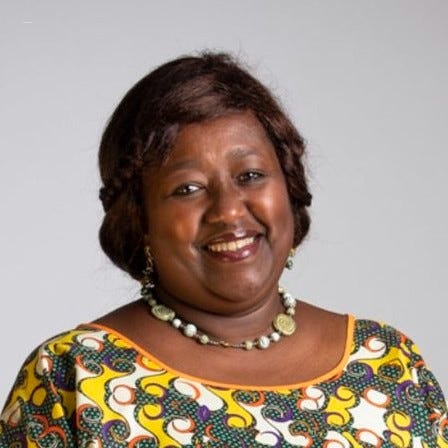
Dr. Agnes Binagwaho, Former Minister of Health of Rwanda
Jun 1, 2023Tap to summarizeDr. Agnes Binagwaho is a pediatrician, former Minister of Health of Rwanda, Senior Lecturer at Harvard University, Advisor to the Director-General of the WHO, and co-founder of the University of Global Health Equity. She joins us today to talk about the role of technology in the remarkable transformation of Rwanda’s health system post-genocide. What are the failed promises of health technology? How has data been a North Star to her work? And what does it take to show the world that Rwanda today stands for truth? Highlights(02m59s) - When health data is held hostage (04m21s) - HIV is a curse that ushered in the era of electronic medical records(10m06s) - How epidemiological data supports effective health systems governance(16m10s) - Using Twitter to take a stand(20m54s) - Whose data do you trust? Submit a question or comment to our mailbag, and we’ll discuss it on a future show. Emails or voice recordings can be sent to podcast@aidevolved.com Connect with us on LinkedIn or Twitter (@AidEvolved) and access show notes at https://AidEvolved.com Get full access to Africa Health Ventures at rowenaluk.substack.com/subscribe
Transcribe →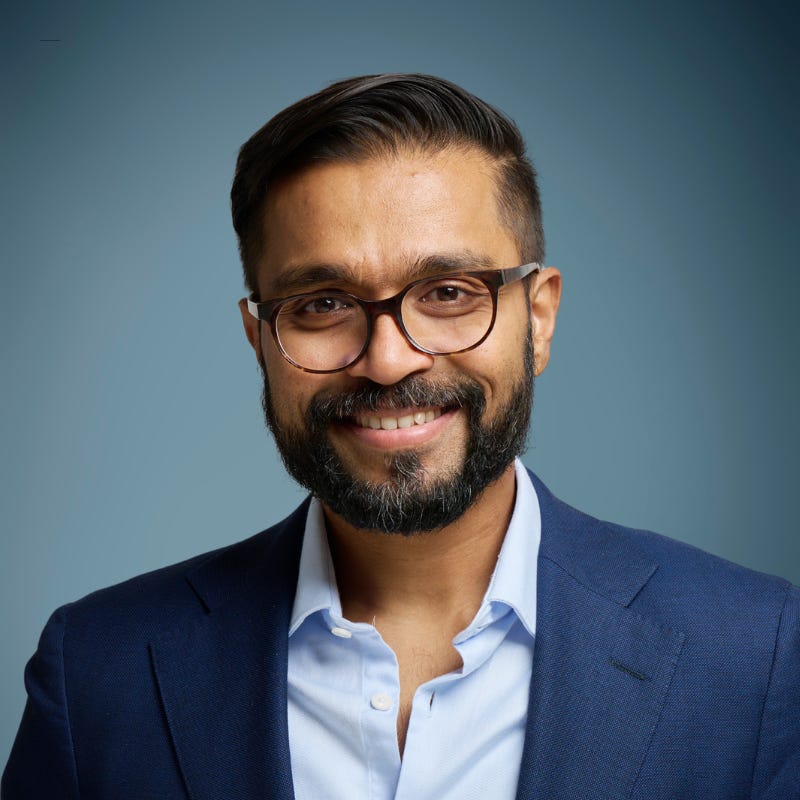
Investing in Healthcare with the World’s Largest Pure-Play Impact Investor
May 23, 2023Tap to summarizeDr. Biju Mohandas has led investments at not just one but three different household names in impact investing: LeapFrog Investments, the International Finance Corporation (IFC), and Acumen. Tune in today to hear about his take on the upcoming global healthcare crisis, the competitive edge of entrepreneurs in Africa and India, and the catalytic role of impact investors. Hear the investment priorities of a man who's been leading impact investments in healthcare in Africa as long as the term "impact investing" has existed. Dr. Biju Mohandas is a Partner at LeapFrog and the firm’s Global Co-Leader for Health Investments. Prior to LeapFrog, Dr Mohandas led the IFC’s Healthcare and Education investment team in Sub-Saharan Africa and was the Global Sector Lead for Medical Devices after also serving as head of Acumen in East Africa and as part of their founding team in India. We’ll cover:(2m35s) – The coming global healthcare crisis(8m45s) – How Africa and India are poised to leapfrog ahead(12m11s) – Investing in asset-light healthcare (15m09s) – Goodlife Pharmacy’s re-emergence after the Westgate Attack in Nairobi(18m08s) – How Redcliffe Diagnostics is bringing the lab closer to people in India(21m38s) – Pervasive technology, IoT, and wellness(23m04s) – HealthifyMe, the largest digital wellness app in India(26m13s) – How investors exit from ventures in emerging markets(30m10s) – Rapid fire questions Submit a question to our mailbag and we’ll discuss it on a future show. Emails or voice recordings can be sent to podcast@aidevolved.com Connect with us on LinkedIn or Twitter (@AidEvolved) and access Biju’s latest synthesis on the state of healthcare in Africa at https://AidEvolved.com. Get full access to Africa Health Ventures at rowenaluk.substack.com/subscribe
Transcribe →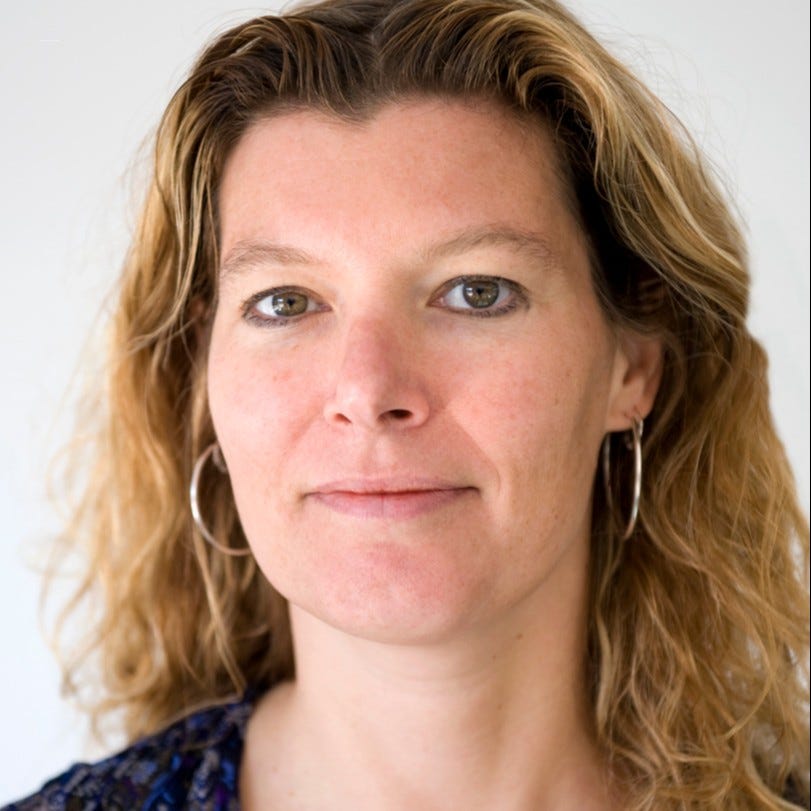
Nicole Spieker of PharmAccess Foundation
Apr 25, 2023Tap to summarizeWhen you dig into the problem of providing quality healthcare in Africa, sooner or later you hit the foundational question, “who is going to pay for these services?” In tackling this challenge, PharmAccess Foundation has provided health financing to almost 5M people in Kenya alone. A key part of this success is developing a digitally-enabled, financially sustainable approach that generates revenue from middle-income clients to sustainably serve low-income communities. We chat today with Nicole Spieker, CEO of PharmAccess Foundation, about the public-private partnerships necessary to make healthcare affordable to everyone. Conversation highlights: (2m19s) - Introducing PharmAccess Foundation(3m01s) - How PharmAccess is innovating in healthcare financing(6m43s) - What makes M-TIBA different from other health insurance programs?(9m55s) - The digital leapfrog opportunity in health insurance in Africa(12m20s) - How public funds catalyze private investment(14m45s) - Harnessing the value of data for the people who own it Submit a question or comment to our mailbag, and we’ll discuss it on a future show. Emails or voice recordings can be sent to podcast@aidevolved.com Connect with us on LinkedIn or Twitter (@AidEvolved) and access show notes at https://AidEvolved.com Get full access to Africa Health Ventures at rowenaluk.substack.com/subscribe
Transcribe →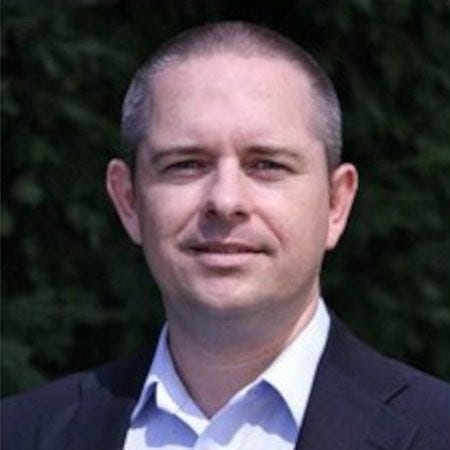
Andy Pattison of WHO: 12 Days to Launch the Largest WhatsApp Service in the World
Dec 15, 2022Tap to summarizeOn March 8, 2020, Dr. Tedros asked Andy Pattison to set up the World Health Organization (WHO)’s global COVID-19 hotline, a process that would normally take months if not years. 12 days later, Andy and his team launched the largest WhatsApp service in the world. Tune in today to hear from Andy himself how it all went down. To find out more, access the show notes at https://AidEvolved.comLet us know what you think of this episode on Twitter (@AidEvolved) or by email (hello@AidEvolved.com) Get full access to Africa Health Ventures at rowenaluk.substack.com/subscribe
Transcribe →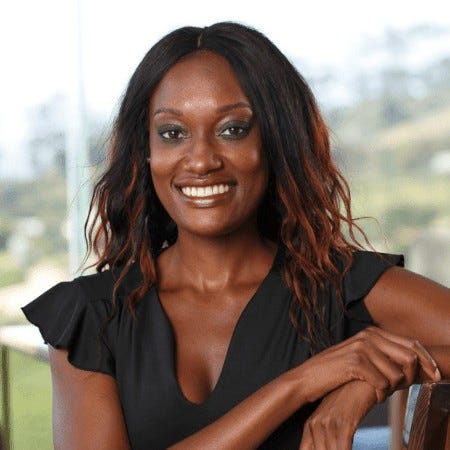
Hannah Subayi: From Billion Dollar Fund Manager to Pan-African Angel Investor
Nov 29, 2022Tap to summarizeHannah's done it all, from managing a billion-dollar fund to sowing the seeds for new ventures in Africa. She has invested directly in the companies who built the cell phone towers that are expanding connectivity in Africa and she's bootstrapping the entrepreneurs that will change how healthcare is delivered in the years to come. This conversation will help you understand the role that private financing can play in Africa's future. It's also a snapshot of the Congo, as told by one of its stars, a complex country which is both one of the poorest and the richest in the world. Hannah Subayi Kamuanga is Country Director for the Democratic Republic of the Congo of PROPARCO, France's development finance institution. She is a member of the investment committee for Launch Africa Ventures, the most active seed investor in tech in Africa today. On top of all of that, she's an active angel investor and co-founder of Dazzle Angels, the first Angel club to invest exclusively in women-led tech startups in South Africa. To find out more, access the show notes at https://AidEvolved.com Let us know what you think of this episode on Twitter (@AidEvolved) or by email (hello@AidEvolved.com) Get full access to Africa Health Ventures at rowenaluk.substack.com/subscribe
Transcribe →
Season 3 Teaser: Donors and Investors in Digital Health / HealthTech
Nov 15, 2022Tap to summarizeSeason 3 of Aid, Evolved digs into the intimidating world of donors and investors in global digital health / healthtech. What's it like to walk a mile in their shoes? How are their actions and decisions influenced, be it by Congress or a Board of Directors, by tax authorities, by personalities, or public relations? We’ll peer inside the day-to-day lives of public and private funders, including big aid, foundations, development finance institutions, and private investors. To find out more, visit our website at https://AidEvolved.com Want to hear from a specific donor or investor? Let us know on Twitter (@AidEvolved) or by email (hello@AidEvolved.com) Get full access to Africa Health Ventures at rowenaluk.substack.com/subscribe
Transcribe →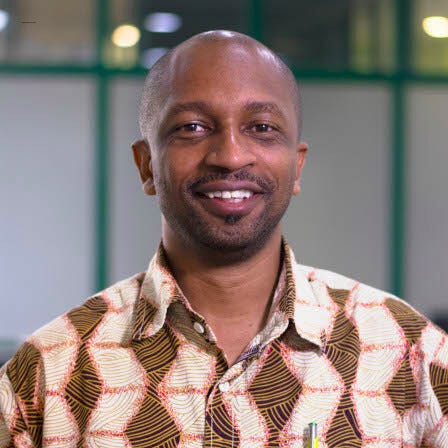
Robert Karanja, Villgro Africa, and the Next Frontier of Genomics Startups in Africa
Sep 6, 2022Tap to summarizeDr. Robert Karanja recalls how he founded Villgro Africa, a tech incubator and impact investor focused exclusively on health innovations in Africa. Stick around for the end when Robert shares his predictions for the future of genomics on the continent and his hopes for a new kind of pharmaceutical company for Africa. Robert began his career with the dream of eradicating malaria. To this end, he completed a PhD in medical parasitology and spent almost a decade at Kenya's premier medical research institute, KEMRI. But over the years, he realized the problem with malaria wasn't scientific - it was financial. It was inextricably linked to the poverty and inequity of the communities most affected. So Robert started to grapple with the question: "how do I use cutting-edge science not just to tackle biology, but also to create opportunity? How can we generate wealth and launch viable health ventures that will fix the gaps in coverage?" This question would lead him first to launch a bioentrepreneurship program at one of Kenya's leading universities, and then to join forces with Villgro, one of the world's first impact incubators. In 2015, Robert co-founded Villgro Africa, a franchise offshoot of the global Villgro model focused exclusively on health innovations in Africa. Robert shares how he launched Villgro Africa, and how he needed to adjust the traditional incubator approach to match the economics of Africa. Towards the end of this conversation, Robert hints at the next great venture he is turning his attention towards. He sees a massive untapped opportunity for the pharmaceutical sector in the genomic wealth of Africa paired with modern mRNA technology. He argues that clinical trials and precision health studies could be delivered here in Africa. These would deliver pharmaceutical products competitively to the global market and also provide more appropriate health solutions locally. He points at the gap that exists in the global pharma industry, and how Africans will rise to fill this gap. Of course, Robert is paving the way, with the launch of an innovation hub that will bridge the gap between biotech researchers and a new kind of pharma company for Africa. To find out more, access the show notes at https://AidEvolved.com Let us know what you think of this episode on Twitter (@AidEvolved) or by email (hello@AidEvolved.com) Get full access to Africa Health Ventures at rowenaluk.substack.com/subscribe
Transcribe →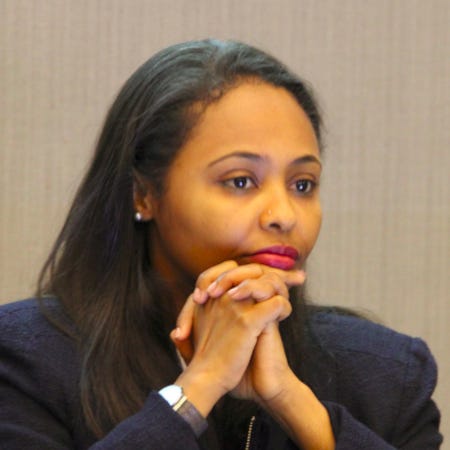
Seeking Knowledge from Chaos with Tigest Tamrat of WHO
Feb 2, 2022Tap to summarizeWhen it comes to health, there are few people who are tasked with answering the Big Questions: what's actually working? Where is the evidence? And how do we get it to scale? Today we talk with Tigest Tamrat, a technical officer at the World Health Organization (WHO), whose job it is to find answers to incredibly hard, ambiguous questions. She's co-authored some of the most essential reading in digital health - including the WHO's Recommendations on Digital Interventions for Health Systems Strengthening, as well as the mHealth Assessment and Planning for Scale Toolkit (MAPS). Tigest gives us a window into the stakeholders, the tensions, and the worries that go on behind the scenes, when you're working on health policy at a global scale. In the second half of the episode, we learn how Tigest stumbled into her work with WHO. Lastly, she shares her hopes for Ethiopia, the country where she was born, and how social enterprises can help Ethiopians lift themselves up. To find out more, access the show notes at https://AidEvolved.com Let us know what you think of this episode on Twitter (@AidEvolved) or by email (hello@AidEvolved.com) Get full access to Africa Health Ventures at rowenaluk.substack.com/subscribe
Transcribe →