Podcast
The American Idea
Hosted by Ashbrook Center · EN
The American Idea explores America's history and principles and what they mean today. The podcast is a production of the Ashbrook Center and hosted by Dr. Jeff Sikkenga.
28episodes
Episodes
Newest firstAll episodes
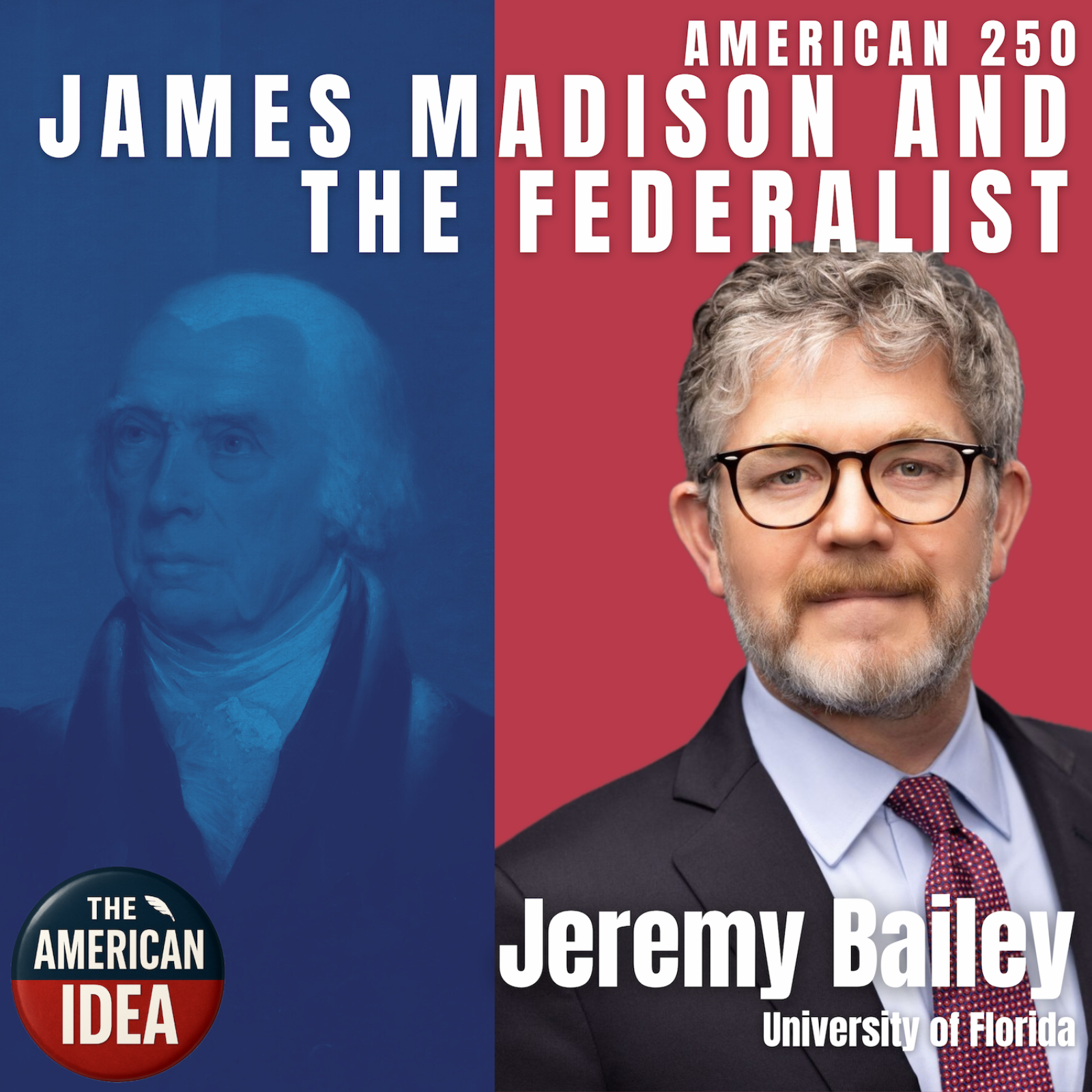
James Madison and The Federalist
Feb 2500:48:22Tap to summarizeJames Madison was one of the two primary authors of The Federalist. What ideas did he promote through his essays? Where did he disagree with the points he argued? As we consider the American Founding and try to understand how the Founders turned goals into ideas in systems, we examine Madison’s contributions to The Federalist and what they meant over 200 years ago, and what we can learn from them now.Host: Jeff SikkengaExecutive Producer: Jeremy GyptonSubscribe: https://linktr.ee/theamericanideaHomepage: https://ashbrook.org/the-american-idea-podcast/
Transcribe →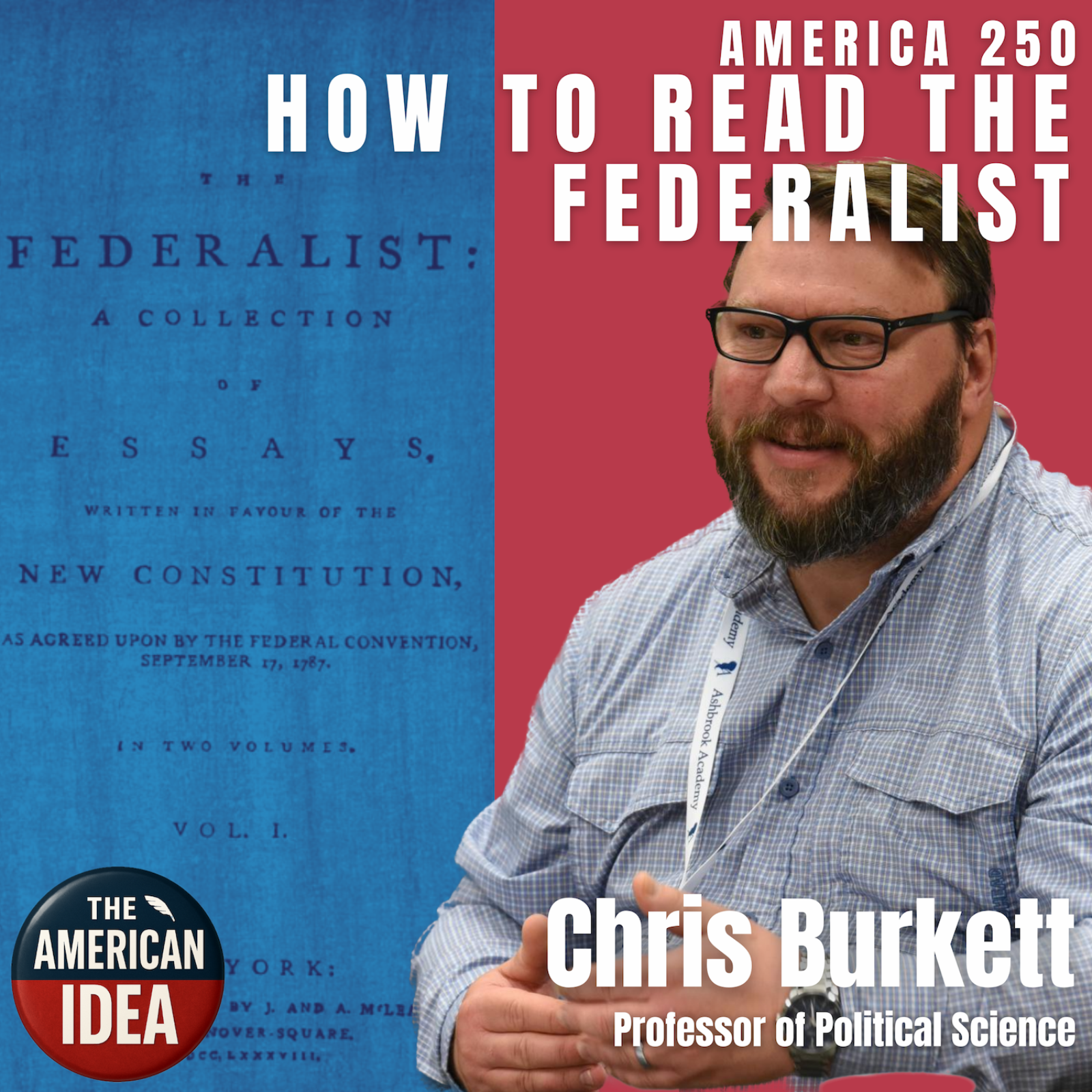
How to Read The Federalist
Feb 1800:48:40Tap to summarizeThe Federalist, or more broadly known as the Federalist Papers, is looked on as the definitive defense of the Constitution as written in 1787, and by that, a clear explanation of its contents and rationale. Whether it’s those things or not, how should you study them? Should you at all? If so, what do you need to know before turning to Hamilton’s Federalist 1?Chris Burkett, Professor of Political Science, joins Jeff to explain the historical and political context around this collection of essays when they were written, and how best we can read and understand them today.Read Chris's outline of The Federalist - this is a great way to conceptualize how the essays are grouped and what topics they address: https://tinyurl.com/ax3p4h5xHost: Jeff SikkengaExecutive Producer: Jeremy GyptonSubscribe: https://linktr.ee/theamericanideaHomepage: https://ashbrook.org/the-american-idea-podcast/
Transcribe →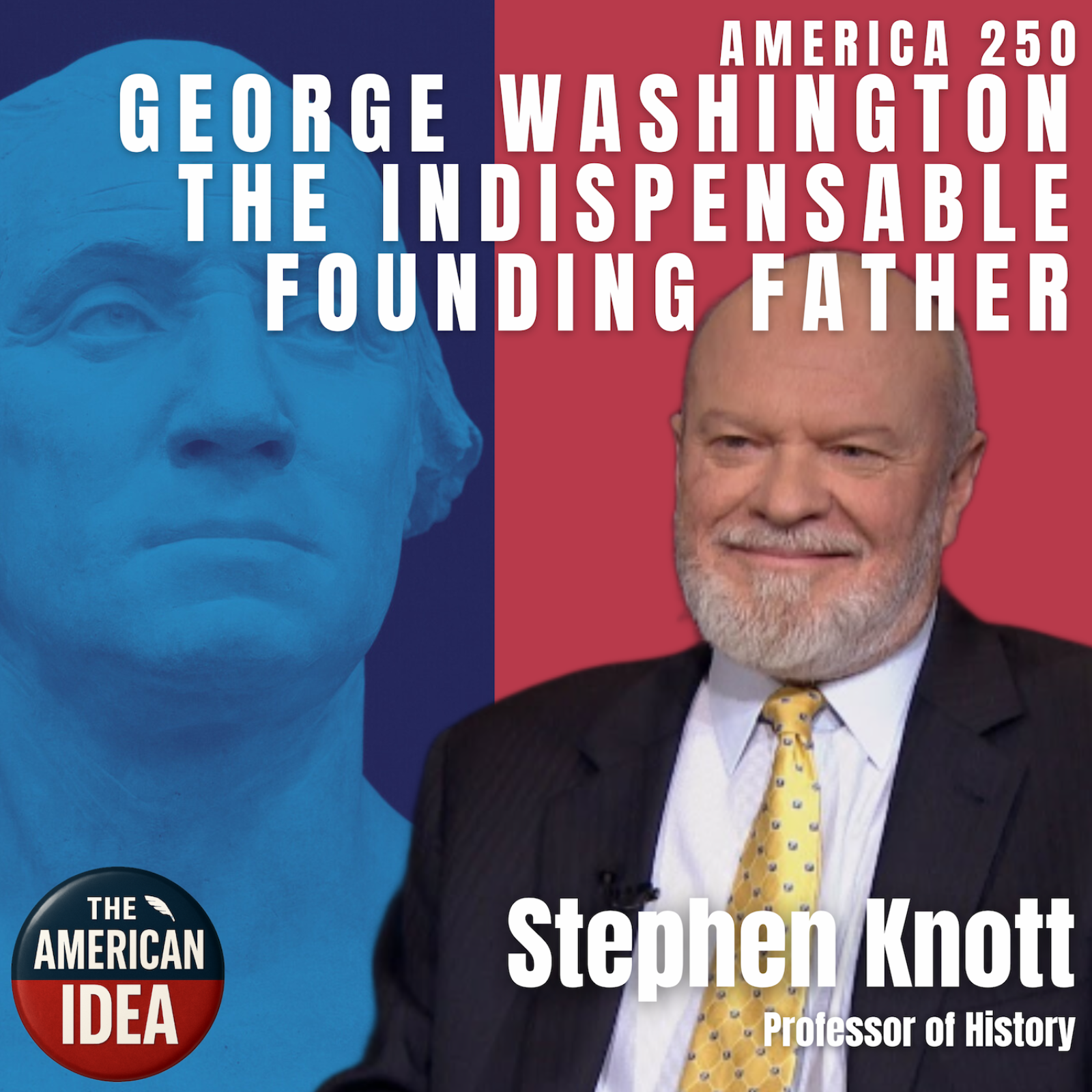
George Washington - The Indispensable Founding Father
Feb 1100:43:37Tap to summarizeGeorge Washington has been referred to as the “indispensable man,” and was looked to during and after the Revolution as the one person who could be trusted to lead the country. Why? What made him such a trusted figure then and for generations after his death? What can we learn from him today?Read his Farewell Address: https://teachingamericanhistory.org/document/farewell-address-5/Read “Washington’s Crossing”: https://a.co/d/16aXe2pRead: “Washington & Hamilton”: https://a.co/d/cnPC6xbHost: Jeff SikkengaExecutive Producer: Jeremy GyptonSubscribe: https://linktr.ee/theamericanideaHomepage: https://ashbrook.org/the-american-idea-podcast/
Transcribe →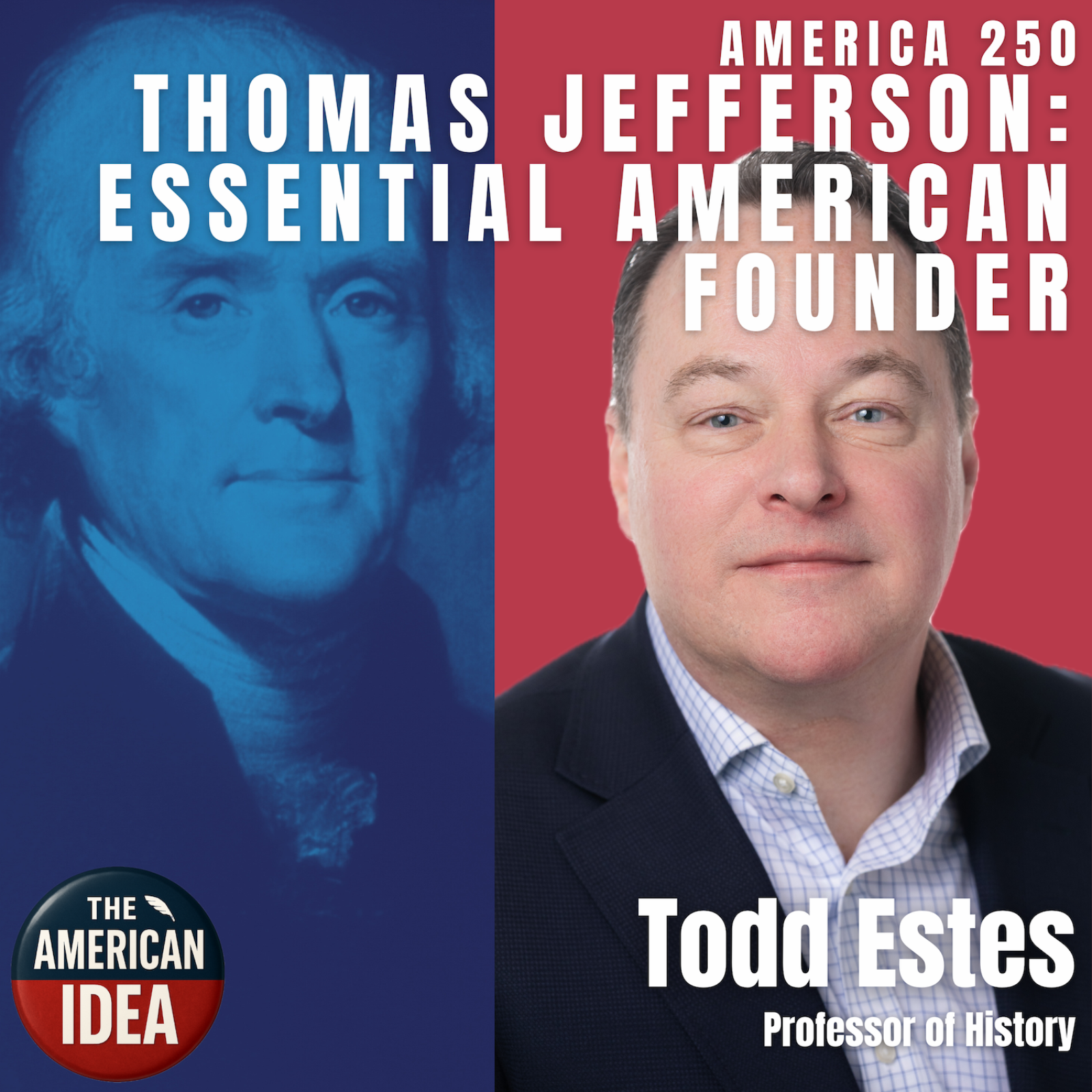
Thomas Jefferson: Essential American Founder
Feb 400:53:06Tap to summarizeThomas Jefferson: “Author of the Declaration of American Independence [and] of the Statute of Virginia for religious freedom & Father of the University of Virginia.”So says his tombstone, as he requested. Who was Jefferson, beyond the Declaration’s author? What were his beliefs and hopes? What else did he write and how can we better understand this essential American Founder today?Join Jeff as he discusses Jefferson with Todd Estes, Professor of History.Read “A Summary View of the Rights of British America”: https://teachingamericanhistory.org/document/a-summary-view-of-the-rights-of-british-america-2/Read the Rockfish Gap Report: https://founders.archives.gov/documents/Jefferson/03-13-02-0197-0006Read this excerpt from the Notes on the State of Virginia: https://tjrs.monticello.org/letter/2260Host: Jeff SikkengaExecutive Producer: Jeremy GyptonSubscribe: https://linktr.ee/theamericanideaHomepage: https://ashbrook.org/the-american-idea-podcast/
Transcribe →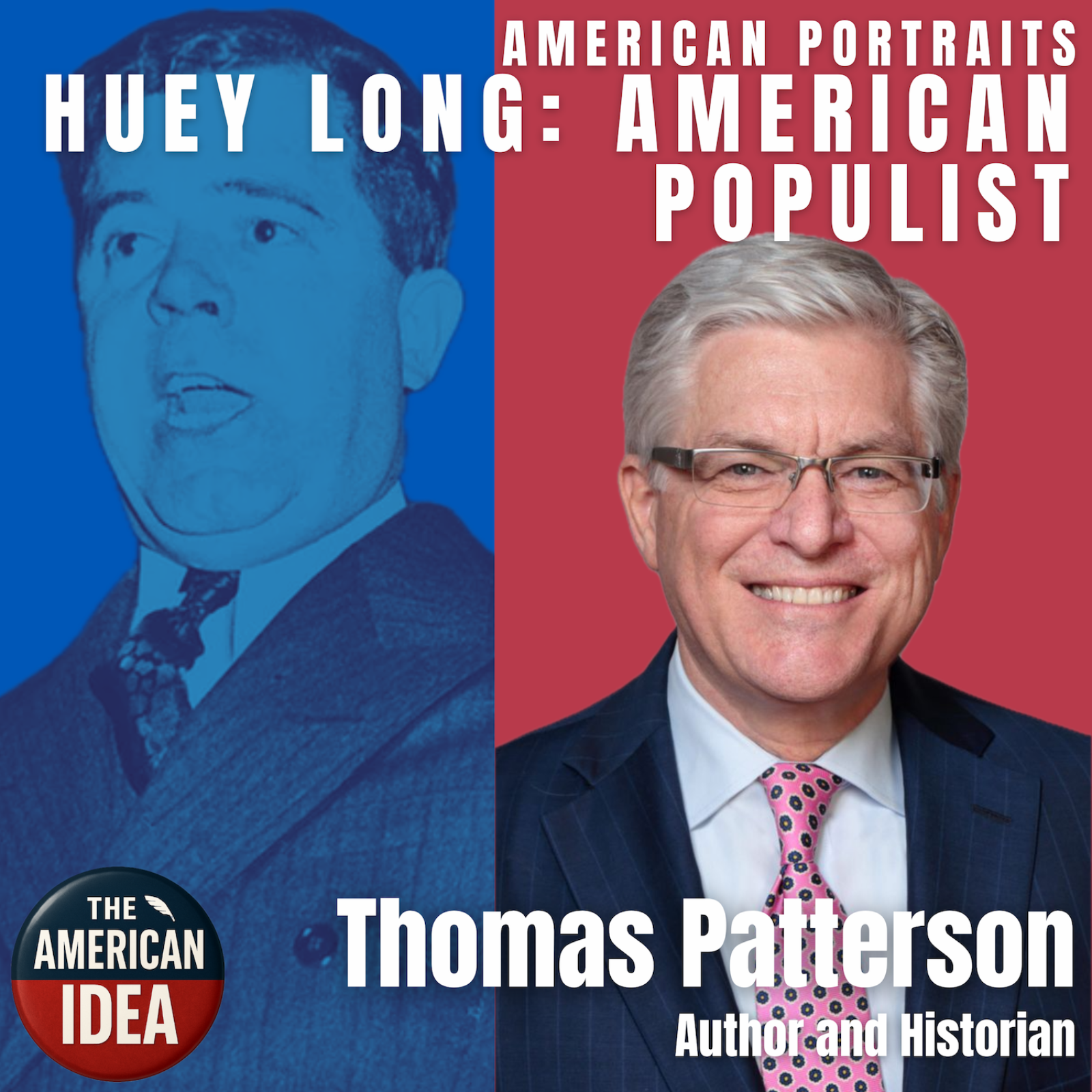
Huey Long - American Populist
Jan 2800:54:24Tap to summarizeHuey Long of Louisiana casts a long shadow over American populist politics. Often cast as a villain or troublemaker, author Thomas Patterson offers a nuanced look at the politics and impact of this important figure in 20th Century history.Find his book on Amazon: https://a.co/d/0sS3bazHost: Jeff SikkengaExecutive Producer: Jeremy GyptonSubscribe: https://linktr.ee/theamericanideaHomepage: https://ashbrook.org/the-american-idea-podcast/
Transcribe →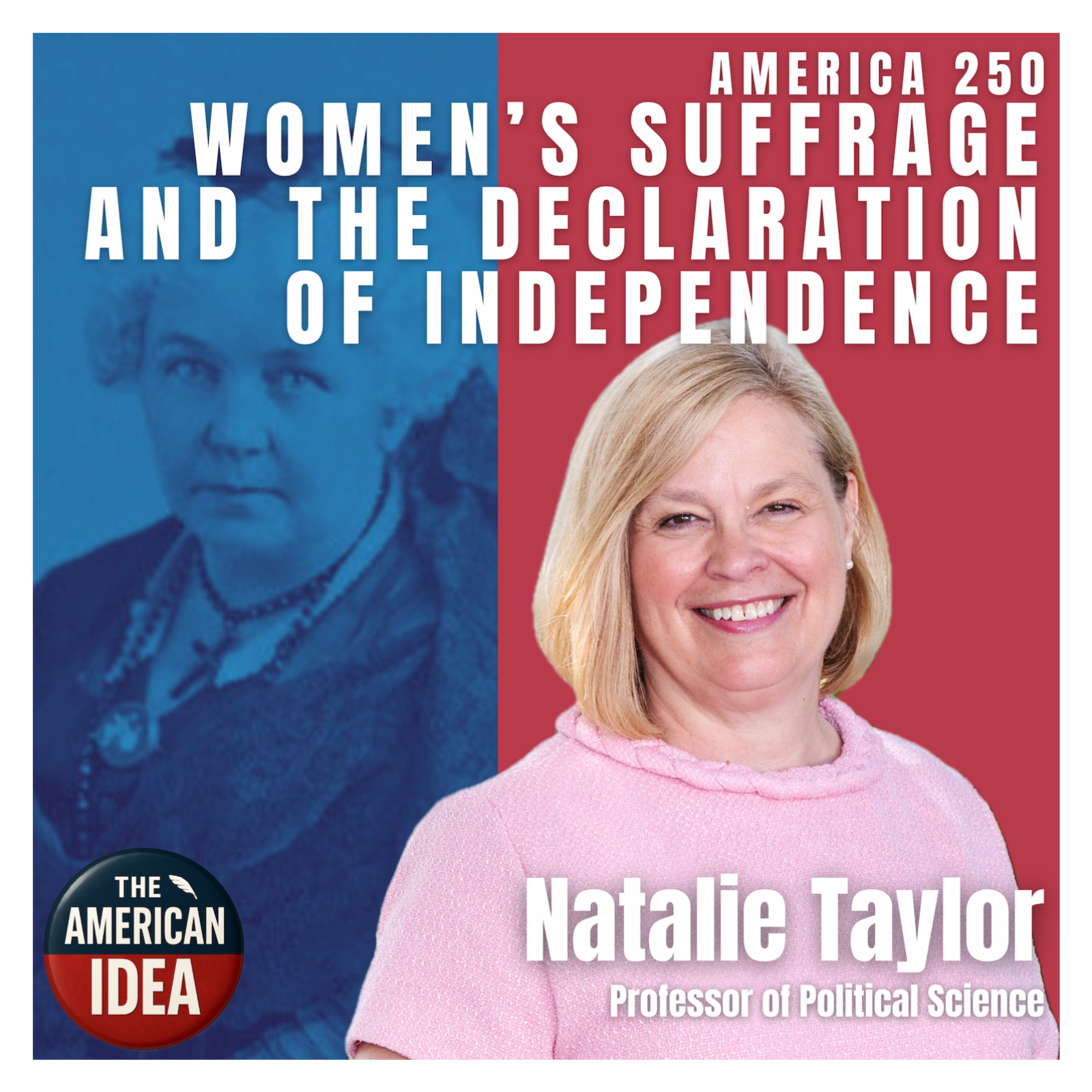
Women’s Suffrage, Elizabeth Cady Stanton, and the Declaration of Independence
Jan 2100:45:46Tap to summarizeWho was Elizabeth Cady Stanton, and why is she largely forgotten in popular history? How did she show that the Declaration of Independence promised women’s rights, too? Dr. Natalie Taylor, Professor Political Science at Skidmore College, discusses this fascinating American, who formed much of the intellectual foundation of the Suffrage Movement in the 19th Century.Read her Declaration of Sentiments and see how it parallels the form and substance of the Declaration of Independence: https://teachingamericanhistory.org/document/declaration-of-sentiments/Host: Jeff SikkengaExecutive Producer: Jeremy GyptonSubscribe: https://linktr.ee/theamericanideaHomepage: https://ashbrook.org/the-american-idea-podcast/
Transcribe →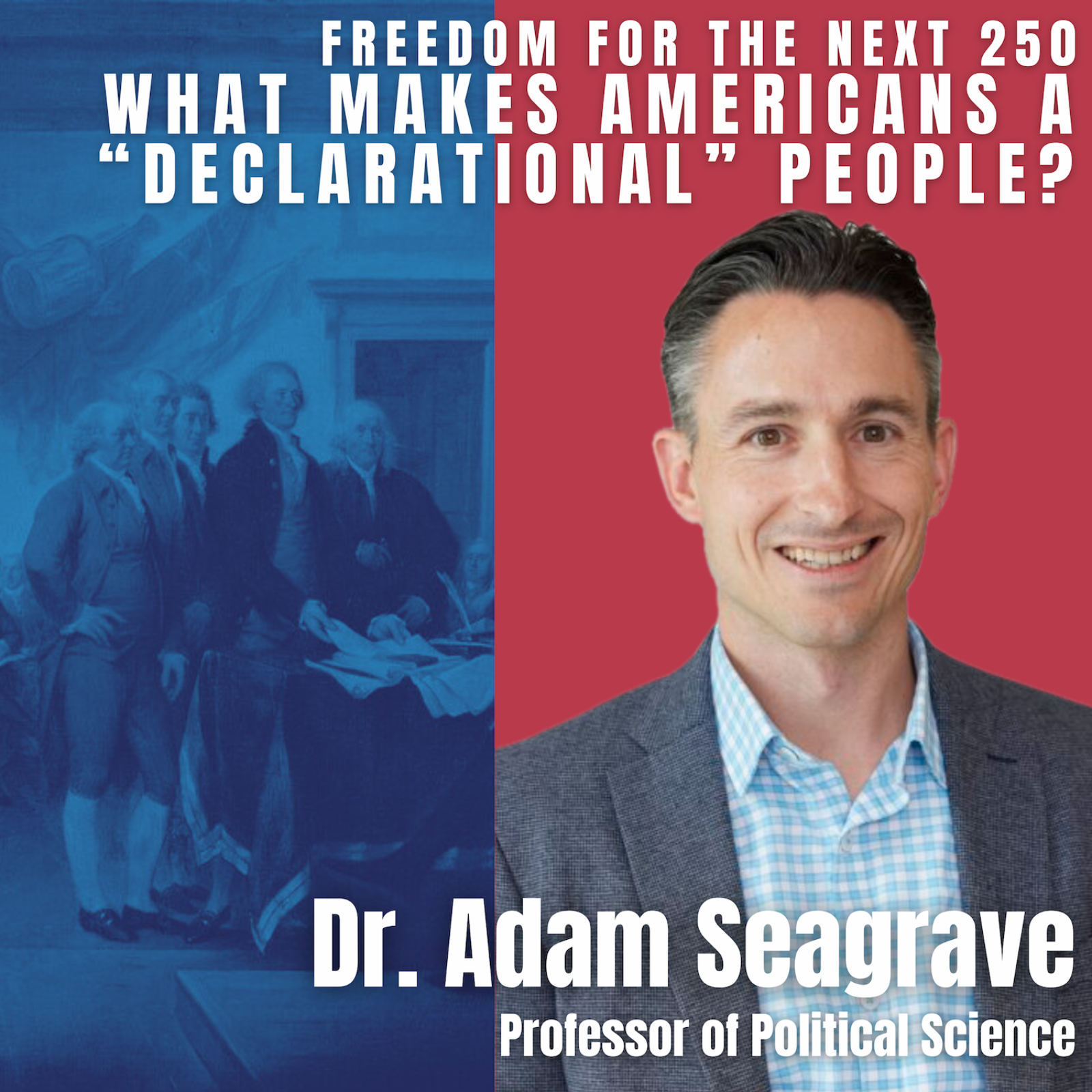
What Makes Americans a "Declarational" People?
Jan 1400:39:43Tap to summarizeThe Declaration of Independence is not, properly understood, a historical document. It is a statement of beliefs and principles describing the proper relationship between the individual and the state, and how the individual should view others in political matters. As such, it is not tied to a moment in time - 1776 - but should serve as the foundation of the American Idea for all time.What does that mean, and what can it mean for you? Join Jeff and Dr. Adam Seagrave as they discuss our Declaration, and how “faith, hope, and love” informed the American founding, and can guide us today.Host: Jeff SikkengaExecutive Producer: Jeremy GyptonSubscribe: https://linktr.ee/theamericanidea
Transcribe →American Portraits: Calvin Coolidge
Feb 8, 2023Tap to summarizeJeff sits down with Amity Shlaes, Chair of the Calvin Coolidge Presidential Foundation, to discuss the ideas and importance of Calvin Coolidge, an overlooked and wildly underrated president.Host: Jeff SikkengaExecutive Producer: Greg McBrayerProducer: Jeremy GyptonApple Podcasts: https://tinyurl.com/3jcrp73mGoogle Podcasts: https://tinyurl.com/2p9n67aSpotify: https://tinyurl.com/ysw8xjtkAmazon Music: https://tinyurl.com/ytp6jwnzYouTube: https://tinyurl.com/3wwdre3aPodvine: https://podvine.com/podcast/the-american-idea
Transcribe →