
Podcast
The Arts Salon
Hosted by Nicolas Bejarano · EN
Hosted by Nicolás Bejarano, the Arts Salon invites interesting voices in the music industry and other arts to discuss topics that escape the technicalities of art making in favor of the artistic process and output themselves.
12episodes
Episodes
Newest firstAll episodes
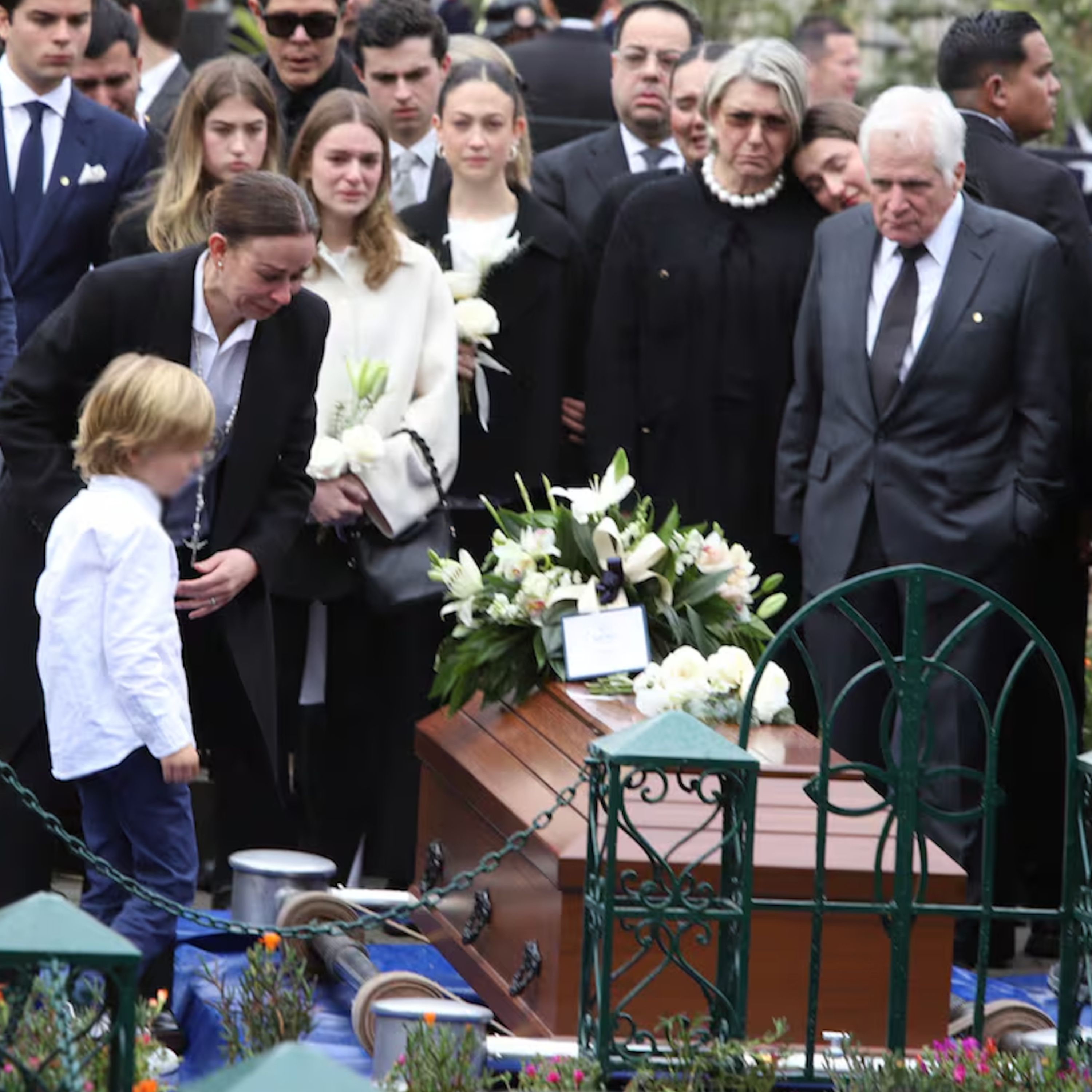
El Regreso de los Bautismos Violentos de Colombia
Aug 14, 202500:27:26Tap to summarizeUna despedida a Miguel Uribe Turbay. Para la versión escrita de este episodio, visite mi página web.
Transcribe →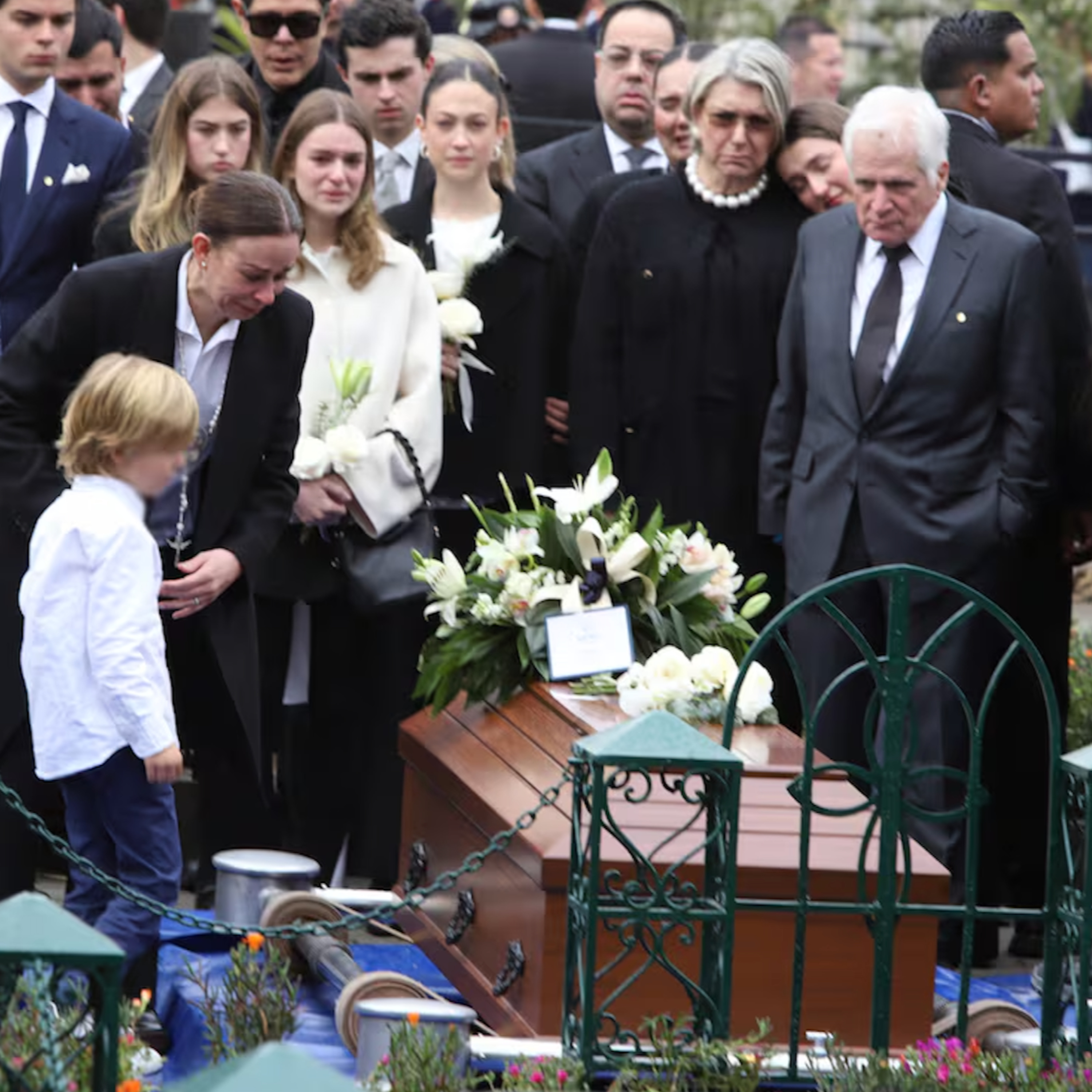
The Return of Colombia's Violent Baptisms
Aug 14, 202500:27:26Tap to summarizeToday, a sad off-topic on the recent assassination of Colombia's senator, Miguel Uribe Turbay. For a written version of this, go to my website.
Transcribe →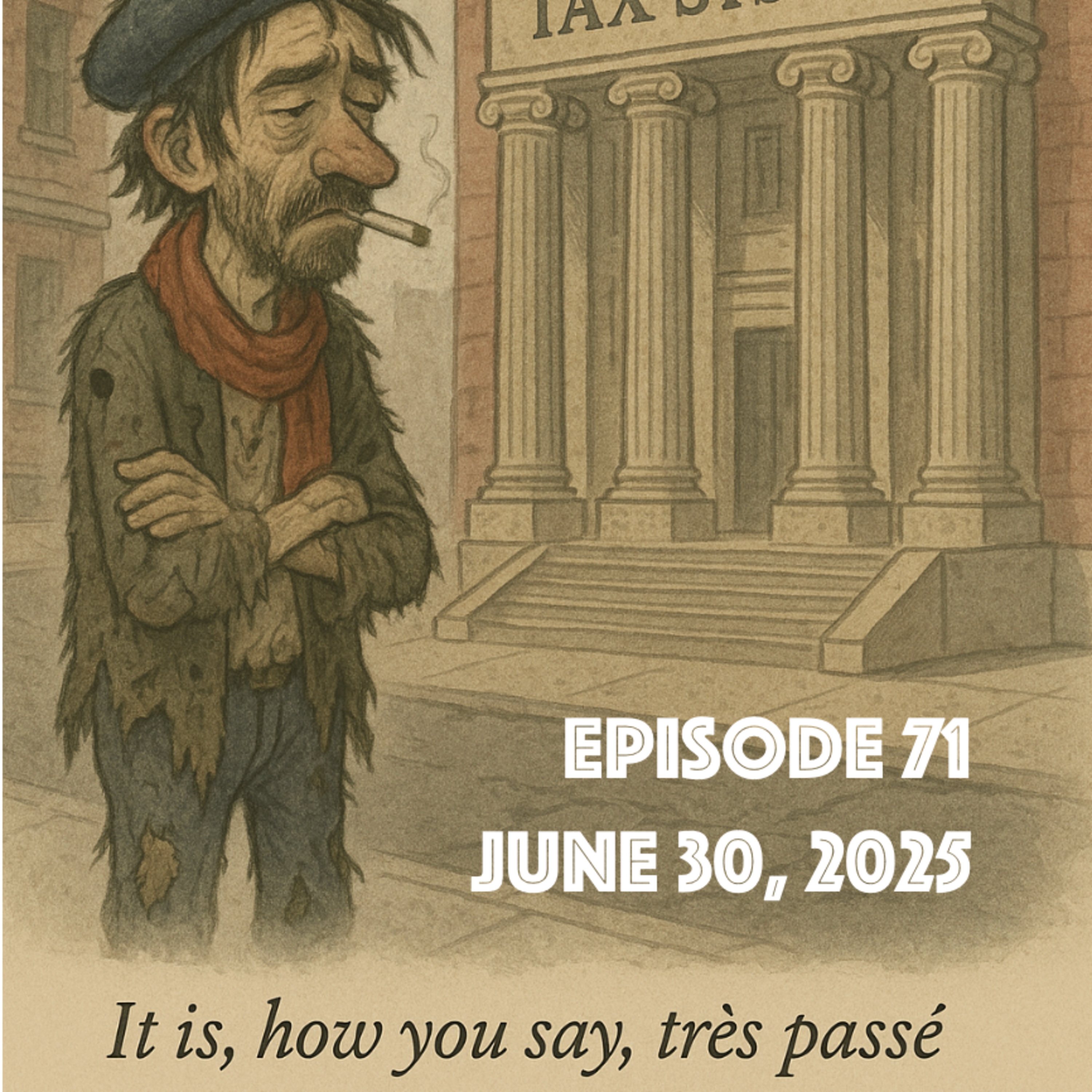
Episode 71: Why you might be wrong about American arts funding
Jun 30, 202500:33:59Tap to summarizeToday we’re unpacking the myths and realities of American arts funding. While many artists envy Europe’s government subsidies, the U.S. actually sustains a vast cultural sector through a decentralized system of tax incentives that channel billions of private dollars into the arts each year. This approach empowers individuals to decide which projects to support, sparking innovation and independence while also creating inequality, since established institutions often attract the lion’s share of donations. Unlike government-controlled systems that rise and fall with political winds, the American model relies on a mix of philanthropy, civic engagement, and transparency—but it’s far from perfect.At its core, it reflects a distinctly American belief that culture flourishes best when it’s funded by communities themselves, for better or worse.
Transcribe →
Episode 70: Peter Rotter, founder of Encompass Music Partners and Encompass Creative
Jun 11, 202501:10:10Tap to summarizeToday’s guest is Peter Rotter, one of the most respected figures in the world of film and television music. As a music contractor, he has supervised the orchestral recordings for countless major studio projects and helped create opportunities for musicians in Los Angeles for decades. He's also the founder of Encompass Music Partners, which plays a crucial role in connecting musicians with projects across the industry.I invited Peter on the podcast after reading his recent Hollywood Reporter op-ed, which lays out a powerful call to action about the urgent challenges facing screen music in L.A. With productions increasingly moving abroad and local recording sessions in steep decline, Peter raises the alarm on what this means for the future of L.A.’s music community—and what it will take to preserve the city's role as a global capital for film music.We get into all of that—what's at stake, how we got here, and what might come next.
Transcribe →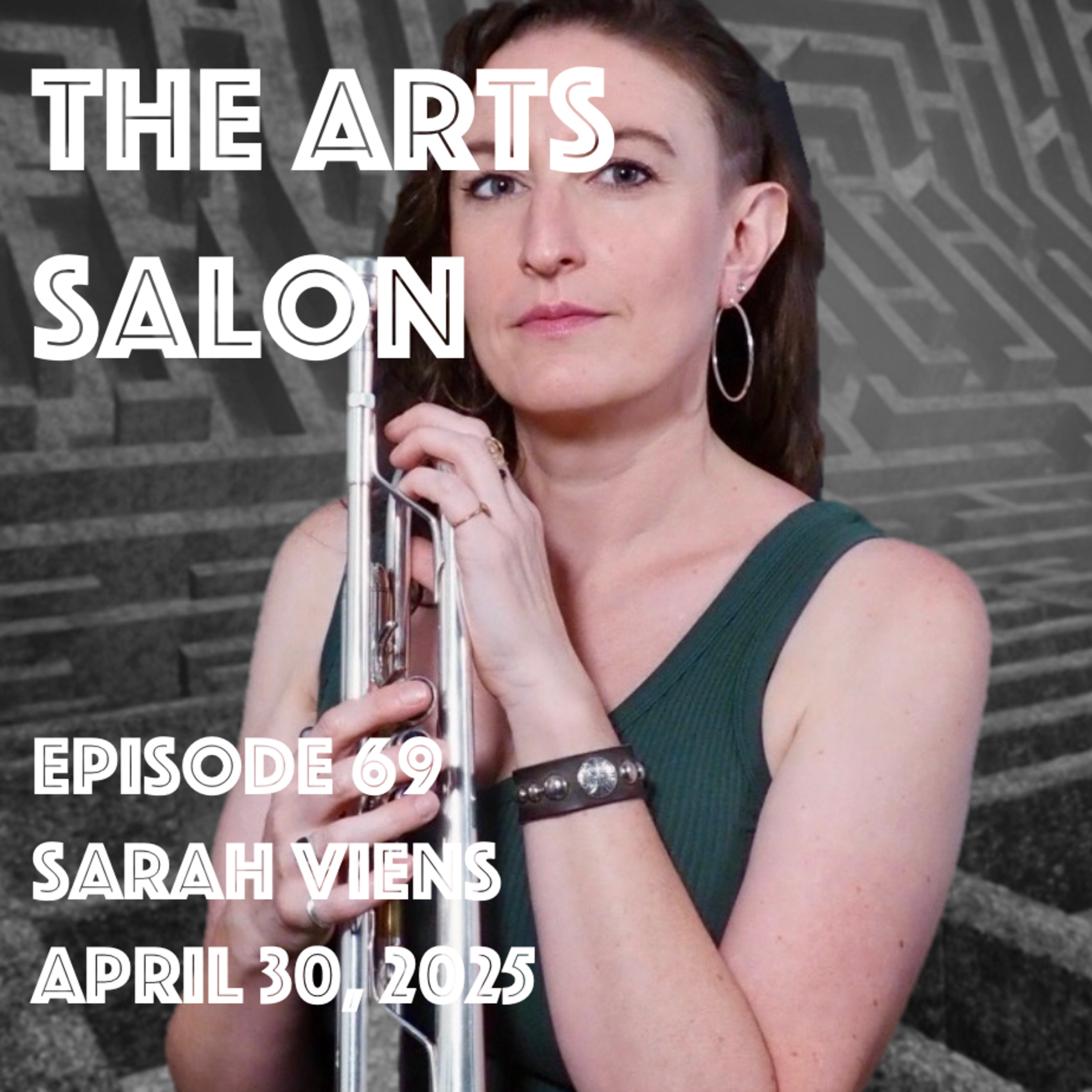
Episode 69: Sarah Viens Part 2, Principal Trumpet of the Pacific Northwest Ballet Orchestra
Apr 30, 202501:25:53Tap to summarizeOn the last episode, Sarah and I discussed the trappings of academic careers, orchestral careers, and orchestral economics! Today, we discuss the importance of grit and persistence despite adversity, and the importance of this trait to every artist. I hope you enjoy it!
Transcribe →
Episode 68: Sarah Viens Part 1, Principal Trumpet of the Pacific Northwest Ballet Orchestra
Apr 9, 202501:28:19Tap to summarizeSarah Viens is Principal Trumpet of the Pacific Northwest Ballet Orchestra and Symphony Tacoma, and is an active performer in the Pacific Northwest. Sarah frequently performs with the Seattle Symphony, Oregon Symphony, Auburn Symphony, Oregon Ballet Theater, and the Seattle and Portland Operas. She is Second Trumpet with the Sunriver Music Festival, and has performed with the Britt Festival Orchestra, Chamber Music Northwest, and the Oregon Bach Festival.In this episode, we discuss the trappings of academic careers, orchestral careers, and orchestral economics! Tune in for part 2 with Sarah later this month!
Transcribe →
Episode 67: Breaking the Arc: Art, History, and the Illusion of Progress
Feb 28, 202500:36:18Tap to summarizeThis episode of The Arts Salon is an exploration of the philosophical tensions between historical inevitability and artistic freedom. We delve into the ideas of Hegel and Hume, questioning whether art follows a predetermined arc of progress or exists on a more fluid and open-ended plane. Through the lens of Picasso’s insights on artistic creation, the episode challenges the notion that innovation requires rejection of the past. Instead, it argues that framing art within rigid historical narratives distorts its purpose and limits its potential. In a world where artistic movements often define themselves in opposition to what came before, this episode asks: Does pursuing progress in art sometimes do more harm than good?
Transcribe →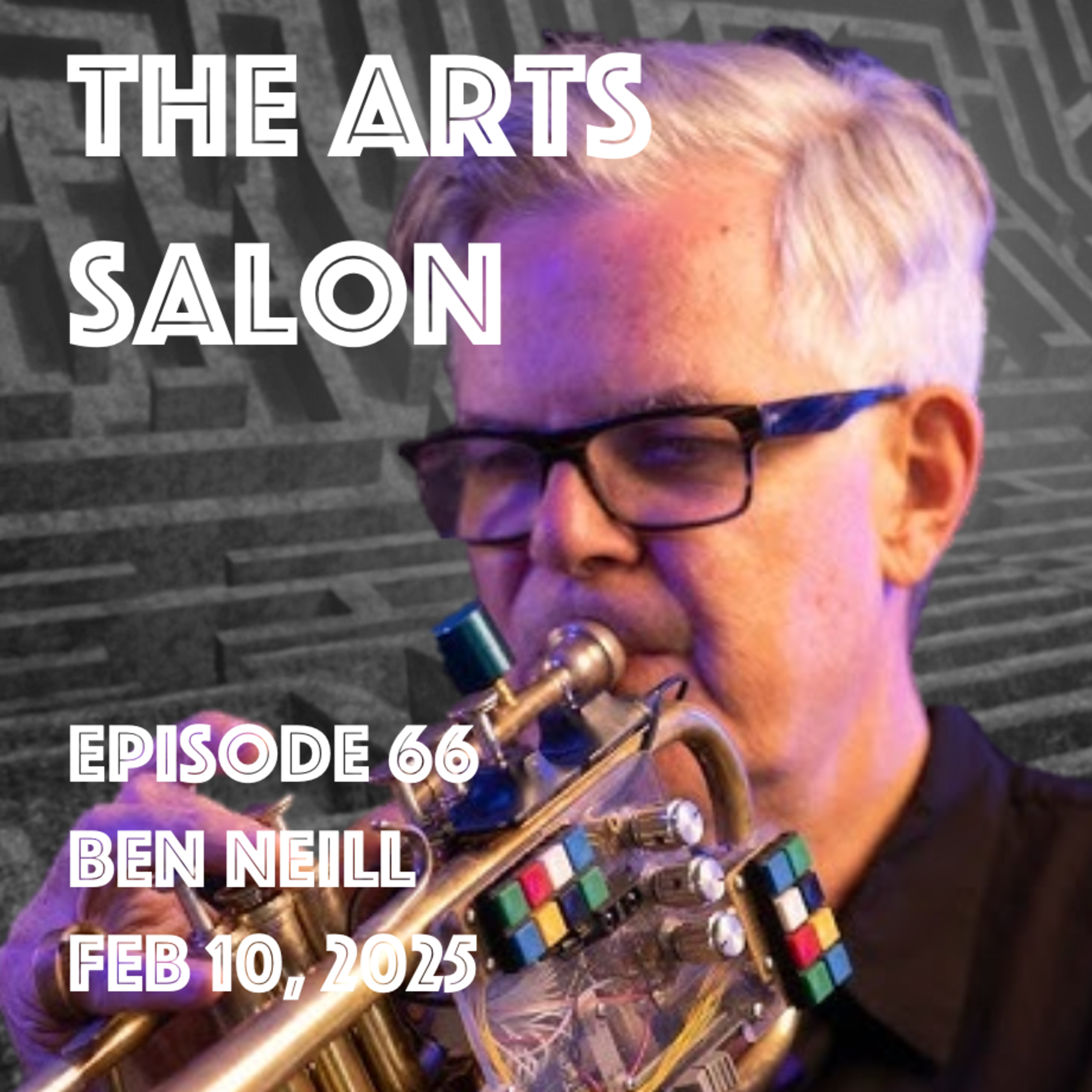
Episode 66: Ben Neill, Diffusing Music: trajectories of sonic democratization
Feb 10, 202501:28:11Tap to summarizeI hope you enjoyedmy talk with Håkan Hardenbeger!Today,Ben Neill returns to The Arts Salon to discuss his new book,Diffusing Music: Trajectories of Sonic Democratization!This book explores the diffusion and democratization of music in our current era through the proliferation of digital technologies. Music has become ubiquitous and increasingly intertwined with everyday life, rendering previous models of creation, performance, and consumption obsolete. Neill explores how technology is reshaping music, enabling unprecedented levels of creativity and transforming how we share and experience sound. From digital tools that let anyone become a music maker to AI systems that write, mix, and master songs, Neill breaks down how these advancements empower creators and reshape the relationship between artists and audiences. Part history, part personal story, and part look at what’s next; Diffusing Music is a must-read for anyone curious about the future of music.For more of Ben on The Arts Salon, listen toepisode 22. For more of my thoughts on Artificial Intelligence and its effect on the music industry, listen toepisode 63 of the podcast.
Transcribe →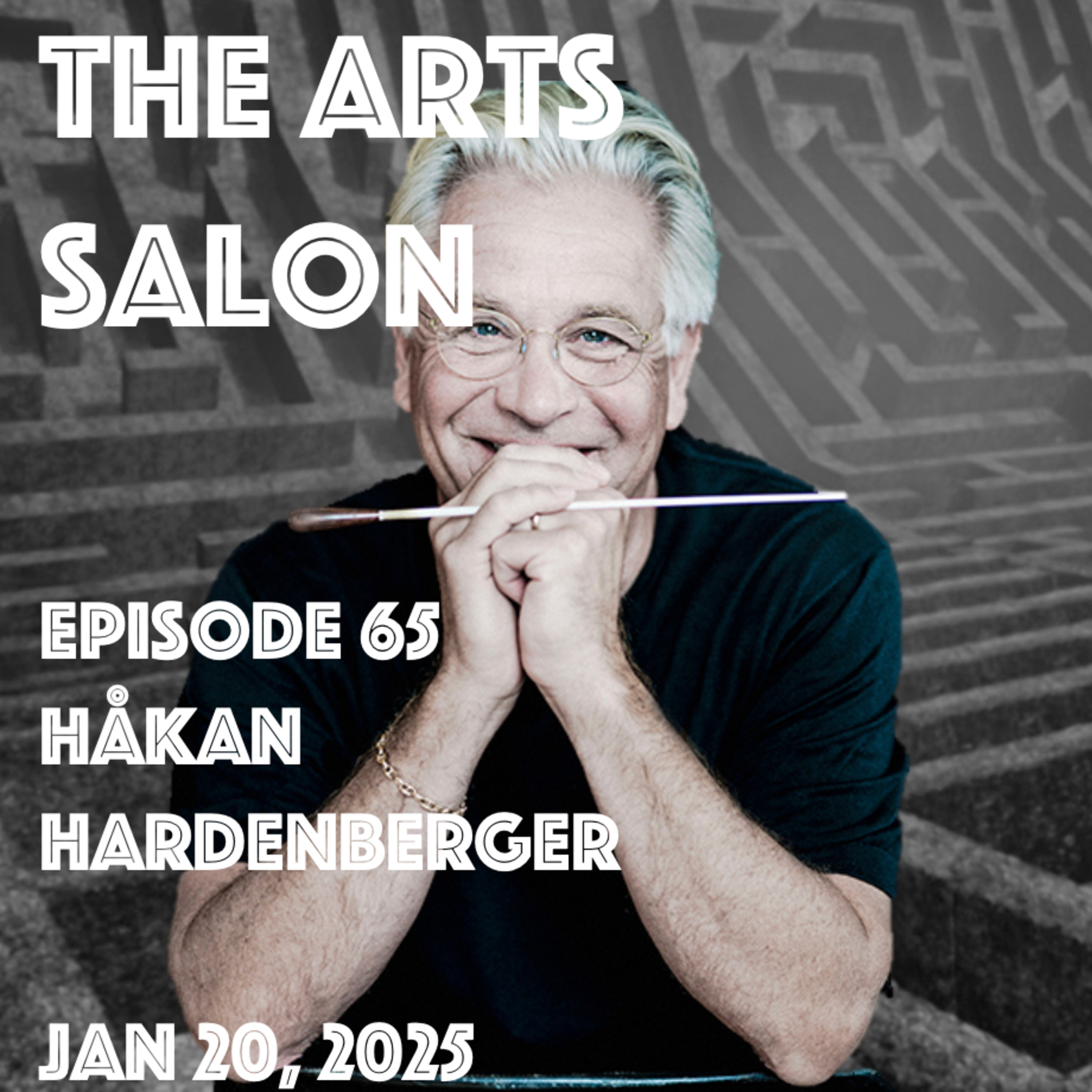
Episode 65: Håkan Hardenberger, what does it mean to be an interpreter?
Jan 20, 202501:11:40Tap to summarizeHåkan Hardenberger returns to the Arts Salon to share his thoughts on what it means to be an interpreter of music and how cultural consumption informs his artistic process. If you have not listened to episode 64, I highly encourage you to do so, as it serves as a primer for this conversation. I hope you enjoy it!
Transcribe →Episode 64: You Are What You Eat: The importance of cultural input for good interpretation
Jan 6, 202500:26:04Tap to summarizeIn this episode of The Arts Salon, we prepare for our conversation about interpretation with international soloist Håkan Hardenberger! We talk about how universities and conservatories are failing their student bodies, and how artists can improve the quality of their cultural consumption and bolster their artistic education. For a transcript of this read, visit my website.
Transcribe →