Podcast
The Best 5 Minute Wine Podcast
Hosted by Forrest Kelly · EN
The Best 5 Minute Wine Podcast delivers quick wine education for busy wine lovers. Host Forrest Kelly interviews sommeliers, winemakers, chefs, and wine experts sharing practical wine tips, wine pairing advice, wine tasting notes, and insider secrets from Napa Valley to Bordeaux.
Voted one of The Best Wine, Food and Travel Podcasts!
21episodes
Episodes
Newest firstAll episodes
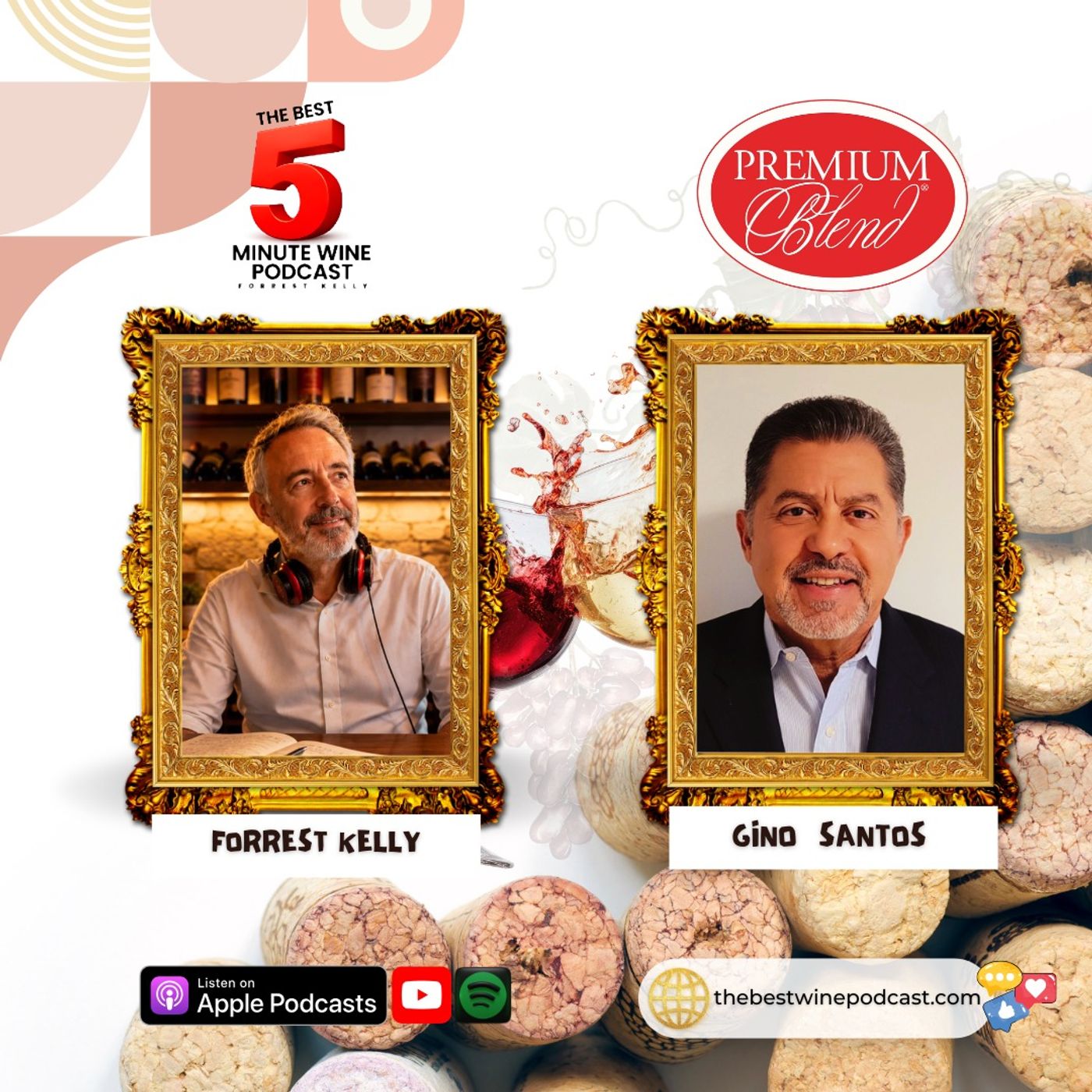
100% Blue Agave in Jalisco — But It's Not Tequila. Premium Blend Product Line Revealed Pt. 3
4d ago00:05:49Tap to summarizeWhat started as a workaround for the cocktail licensing gap has evolved into something much bigger. Premium Blend's Agave Wine Collection isn't just a tequila substitute anymore — California restaurants are doing bottle service with it, customers are taking shots, and people are drinking it straight because at 48 proof, it's smoother with none of the burn. In this episode, Gino Santos walks Forrest through: The philosophy behind product development — Gino won't sell something he doesn't believe in himself The full Agave Wine Collection lineup: Tequesta and Ginete (blanco-style), Guitarron (reposado-style), Guitarron Classico, Zapotec (mezcal-style), and El Guitarron Cristalino Why the products are made from 100% blue agave sourced in Jalisco, Mexico — the same region as the world's finest tequilas The evolution from masking the product in cocktails to serving it straight — and why that shift matters How "wine snobs" remain a persistent challenge, and why the term "wine-based liquor" is a deliberate positioning decision What Gino's day actually looks like as president: strategic, legal, and financial vision — thinking about next year, not today A telling detail: Forrest signed up on the Premium Blend website and had samples at his door within 24 hours The product has come a long way since the trade show days of convincing skeptics one sip at a time. Learn more at premiumblend.com @thebestwinepodDiscover More from The Best 5 Minute Podcast Network:Wine PodcastMusic PodcastTravel Podcast Hosted by Simplecast, an AdsWizz company. See pcm.adswizz.com for information about our collection and use of personal data for advertising.
Transcribe →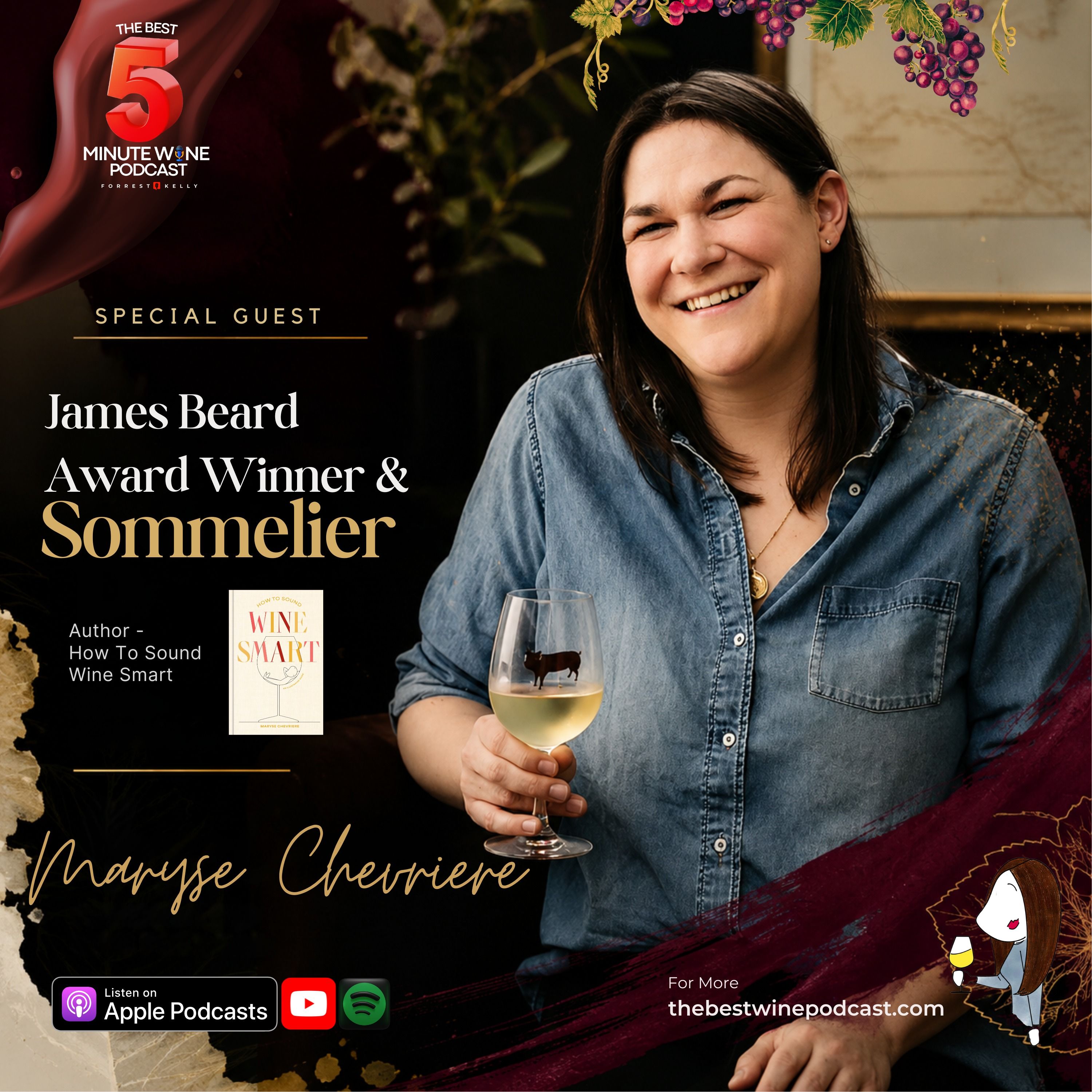
Good Legs and Sniffing the Cork: Wine Myths a Somm Wants Gone Pt. 4
5d ago00:06:14Tap to summarizeMaryse Chevriere a five-question, multiple-choice wine quiz, and her answers double as a myth-busting crash course. Why do sommeliers have you taste before pouring the full glass? To check whether the wine is corked or flawed — and, honestly, to catch whether you simply don't like it. Maryse would rather figure that out early, pour the bottle by the glass, and steer you toward something you'll love than watch you pay for a bottle you'll never finish. And that returned bottle needn't go to waste: if it isn't faulty, let the staff taste it so they can sell it by the glass as a special. Everybody wins. "Good legs"? It's about sugar and alcohol content — not quality, not price, and definitely not a Boston Marathon qualifying time. Maryse calls it a phrase you don't really need anymore, though it opens a lovely tangent about her dad, an old-school wine lover whose family hailed from Bordeaux and who was sure those were simply the best wines there were. As she learned the subject herself, she realized his confidence came from a narrow lens — but he enjoyed wine and had a good time, and sometimes that's its own kind of bliss. Why swirl? To release the aromas — the contact with air wakes the wine up. She half-loves Forrest's alternate theory that you're summoning the flavor gods. On tasting technique, she suggests drawing in a little air like sipping through a mini cocktail straw (no gargling required) and letting the wine touch all points of your palate, since you taste different things in different places — without getting too fancy about it. And sniffing the cork? Mostly theater. A cork smells like cork. If you want to know whether a wine is tainted, smell the wine in the glass, not the stopper — a lesson she picked up early in her training. For the Wine-Curious listener, it's five minutes of permission to stop being intimidated by the rituals — and to understand what's worth doing and what's just for show. @thebestwinepodDiscover More from The Best 5 Minute Podcast Network:Wine PodcastMusic PodcastTravel Podcast Hosted by Simplecast, an AdsWizz company. See pcm.adswizz.com for information about our collection and use of personal data for advertising.
Transcribe →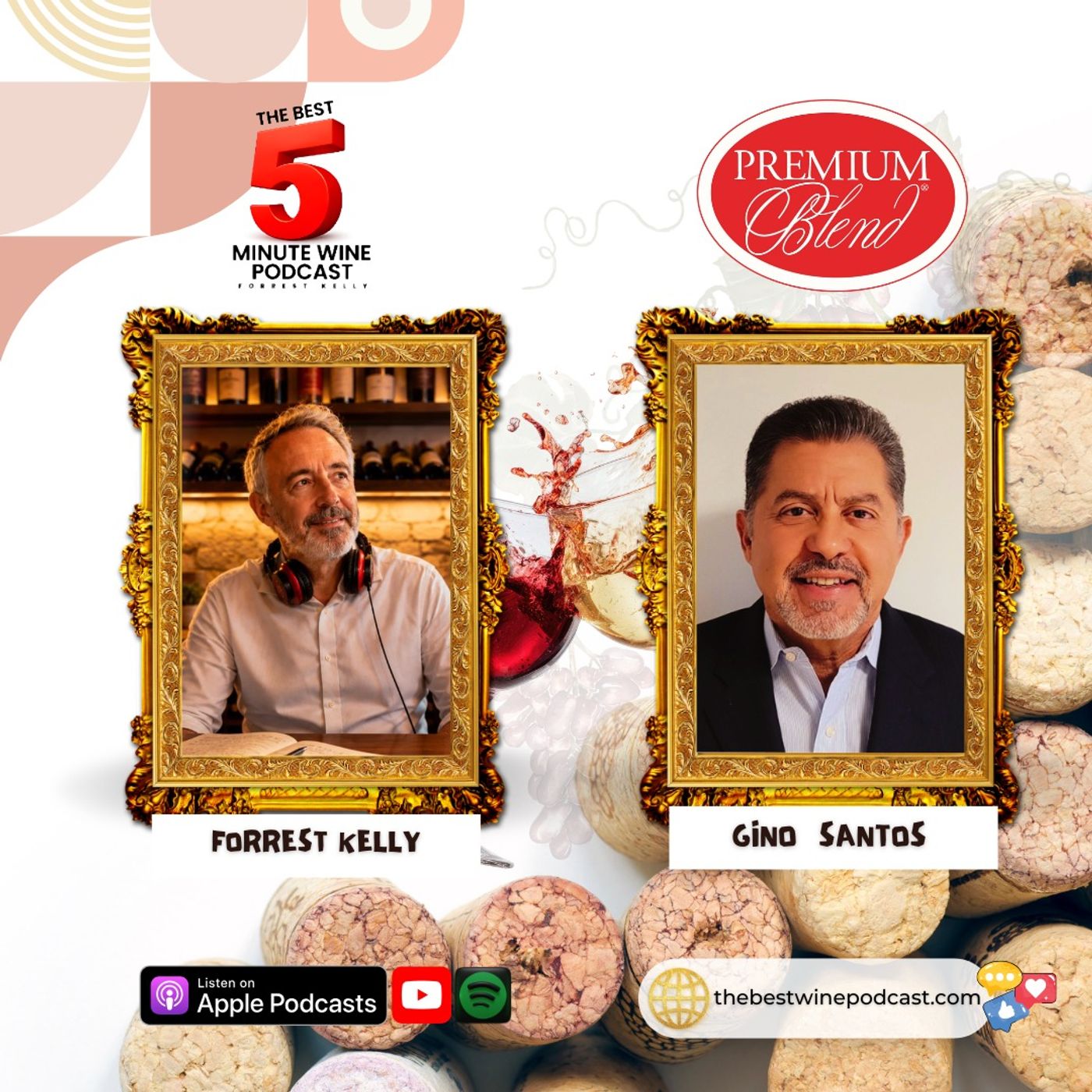
Coast Guard, Cold Milk, and a Cuban Kid's First Taste of America Pt. 2
6d ago00:06:02Tap to summarizeSandwiches and cold milk. That's what greeted a five-year-old Gino Santos when the U.S. Coast Guard pulled his family off a sinking shrimp boat and brought them ashore in Key West. For a kid who had just spent the crossing crammed into a shrimp hold with his grandmother, it was heaven. That same resilience and hunger would define Gino's path decades later when he and his brother Henry built Premium Blend Cocktails from nothing. In this episode, Gino walks Forrest through: The harrowing details of the family's escape from Cuba — a stolen shrimp boat, Soviet-era communism, a Bay of Pigs connection, and a Coast Guard rescue His academic path through Stetson University and an MBA from the University of Miami How a sales job with Oscar Mayer led him to discover a wine-based spirit product that nobody was marketing correctly The origin of the Premium Blend partnership with his brother Henry, who was running a Colombian mining equipment company in Miami at the time The critical role of Florida Distillers and a mentor named Chris Mitchell, who took a chance on two unknown entrepreneurs with no industry experience Why education was Premium Blend's biggest early challenge — and how "getting the liquid to the lips" at trade shows and samplings changed everything The wine-based cocktail space has exploded since the 90s, and Premium Blend was there at the beginning — grinding through skepticism one margarita at a time. Learn more at premiumblend.com @thebestwinepodDiscover More from The Best 5 Minute Podcast Network:Wine PodcastMusic PodcastTravel Podcast Hosted by Simplecast, an AdsWizz company. See pcm.adswizz.com for information about our collection and use of personal data for advertising.
Transcribe →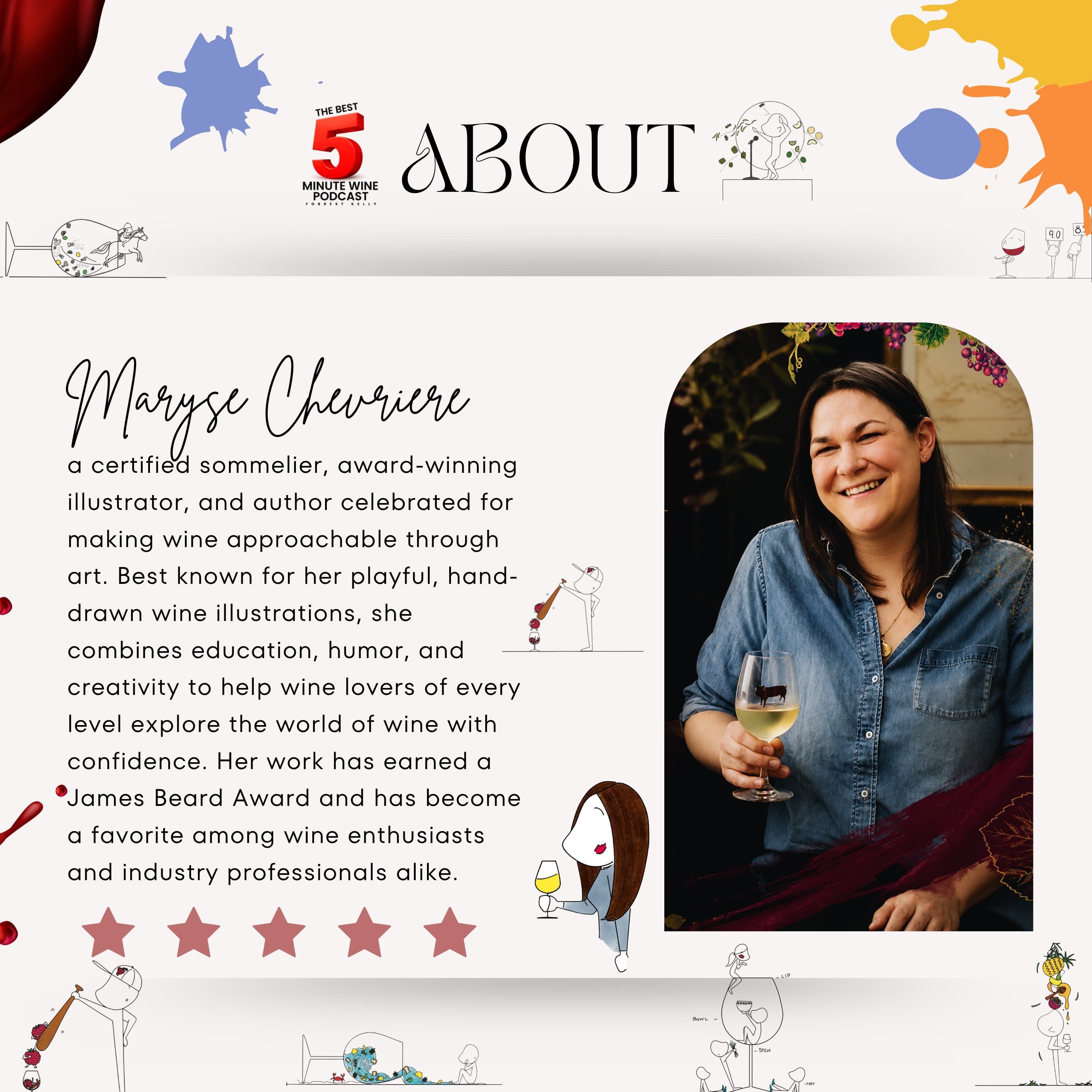
Golden Retriever Energy: Wine Book Throws Out the Snob Rules Pt. 3
1w ago00:05:52Tap to summarizeThe best way to learn wine, Maryse Chevriere argues, isn't to read about it — it's to pour two glasses and taste the difference. In this episode she walks Forrest through the drinking games tucked into How to Sound Wine Smart, designed to make abstract concepts click through direct comparison. Think a wine you assumed was sweet suddenly revealing itself as dry when set beside an actually sweet one, a shy grape next to an aromatic Gewürztraminer, or one bottle tasted at first sip, again at thirty minutes, and again at two hours to feel what time and air really do. There are no winners, no losers, and no test — just an experience built to make the lesson stick and get people genuinely excited to drink wine. Maryse also pulls back the curtain on making the book. Illustrating it took five or six months — most of them while she was pregnant — and proved trickier than expected. On Instagram, funny tasting notes hand her ready-made visual ideas; for the book she deliberately chose the generic, professional terms people actually use, which meant figuring out how to paint something as abstract as "rustic," "silky," or "leathery." Writing was its own slow burn, since she's a self-described fiddler who can't move on until a line sounds exactly right. Asked for her home run, she points to the "character" chapter. Instead of the technical checklist of fruits, non-fruits, and "medium-plus" this-and-that she was trained in, she gives readers something more relatable: a wine that's friendly, that's giving golden retriever energy. It's a warmer, more human way in. Forrest names the throughline — she's not dumbing wine down, she's making something genuinely complex feel approachable. This isn't soda off an assembly line; it's the product of an enormous amount of craft, and she wants more people to feel welcome to it. Maryse agrees, wondering aloud why wine intimidates people in a way that describing a restaurant dish or a piece of art simply doesn't. The stigma, she says, is what wine has had to work hardest to overcome — and helping people get past it is the whole point. @thebestwinepodDiscover More from The Best 5 Minute Podcast Network:Wine PodcastMusic PodcastTravel Podcast Hosted by Simplecast, an AdsWizz company. See pcm.adswizz.com for information about our collection and use of personal data for advertising.
Transcribe →
No Liquor License? No Problem. Premium Blend Cocktails Is Disrupting the Industry Pt. 1
2w ago00:06:09Tap to summarizeEver wonder why your favorite neighborhood restaurant doesn't serve cocktails? Chances are it comes down to one thing: the liquor license. In many states, a full liquor license can run well into six or seven figures on the open market — making it virtually impossible for small and mid-sized venues to offer a full bar program. That's exactly the problem Gino Santos and his brother Henry set out to solve with Premium Blend Cocktails. Their wine-based spirits are legally classified as wine — meaning any venue with a basic beer and wine license (which in Florida costs around $400) can serve them. The result? Cocktail-style drinks, no liquor license required. In this episode, Gino explains: Why liquor licenses are so expensive and hard to obtain How Premium Blend products are formulated to qualify legally as wine The difference between a liquor license and a beer-and-wine license — and why it matters for thousands of venues How his family escaped Cuba thanks to an uncle who literally stole a boat Growing up bilingual in Newark and Miami with a famous Cuban singer-songwriter father @thebestwinepodDiscover More from The Best 5 Minute Podcast Network:Wine PodcastMusic PodcastTravel Podcast Hosted by Simplecast, an AdsWizz company. See pcm.adswizz.com for information about our collection and use of personal data for advertising.
Transcribe →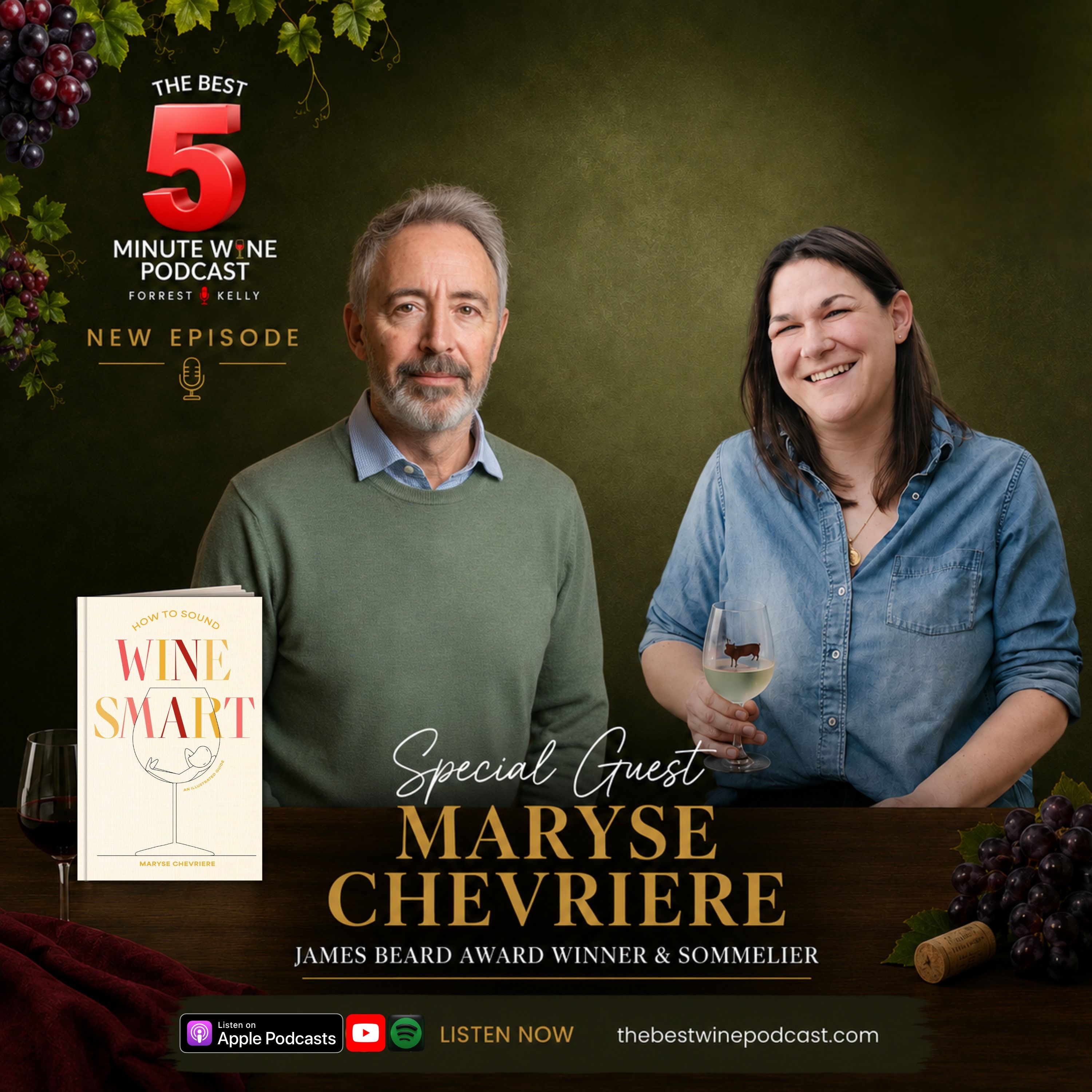
NYC Wine Bar to San Francisco: How Maryse Cracked the Wine Code Pt. 2
2w ago00:06:01Tap to summarizeSome people are trained into wine. Maryse Chevriere talked her way in on pure enthusiasm — and it turned out to be the perfect qualification. In this episode she tells Forrest Kelly how a manager went to bat for her despite her being "green," echoing the philosophy her chef husband lives by: give him someone hungry to learn over someone he'd have to un-train. From there, Maryse walks through the pivot that shaped her path — leaving New York not because she'd outgrown the wine bar, but because she was ready for a new experience and drawn to the easy access to wine country that San Francisco offered. She admits she wasn't overthinking the cross-country move in her late 20s, which she figures is exactly the right way to make big decisions: try it, and change course if it doesn't work. The conversation lingers on a standout wine-country memory — a Napa producer pouring an unexpectedly aromatic Grignolino, a grape you rarely see, that felt gloriously out of type for the region — though her heart belongs to cooler-climate Sonoma Pinot. Then Forrest turns to the main event: How to Sound Wine Smart. Maryse explains how her Instagram account revealed that wine's real barrier isn't the wine — it's the language. People freeze at the shop or restaurant, unsure what they're being sold, and just nod along. Most wine books bury terminology in a tiny glossary at the back; she wanted to flip that, building a fun, visual, genuinely useful resource that reads like a friend talking over a glass rather than a textbook. Forrest praises the book's approachable breakdowns — like how to actually taste a glass of wine — and Maryse sums up her whole mission in a sentence: make it easy to digest, and make it sound human. For the Wine-Curious listener, this one's a permission slip: you don't need to be trained, and you don't need to fake it. You just need the right words. @thebestwinepodDiscover More from The Best 5 Minute Podcast Network:Wine PodcastMusic PodcastTravel Podcast Hosted by Simplecast, an AdsWizz company. See pcm.adswizz.com for information about our collection and use of personal data for advertising.
Transcribe →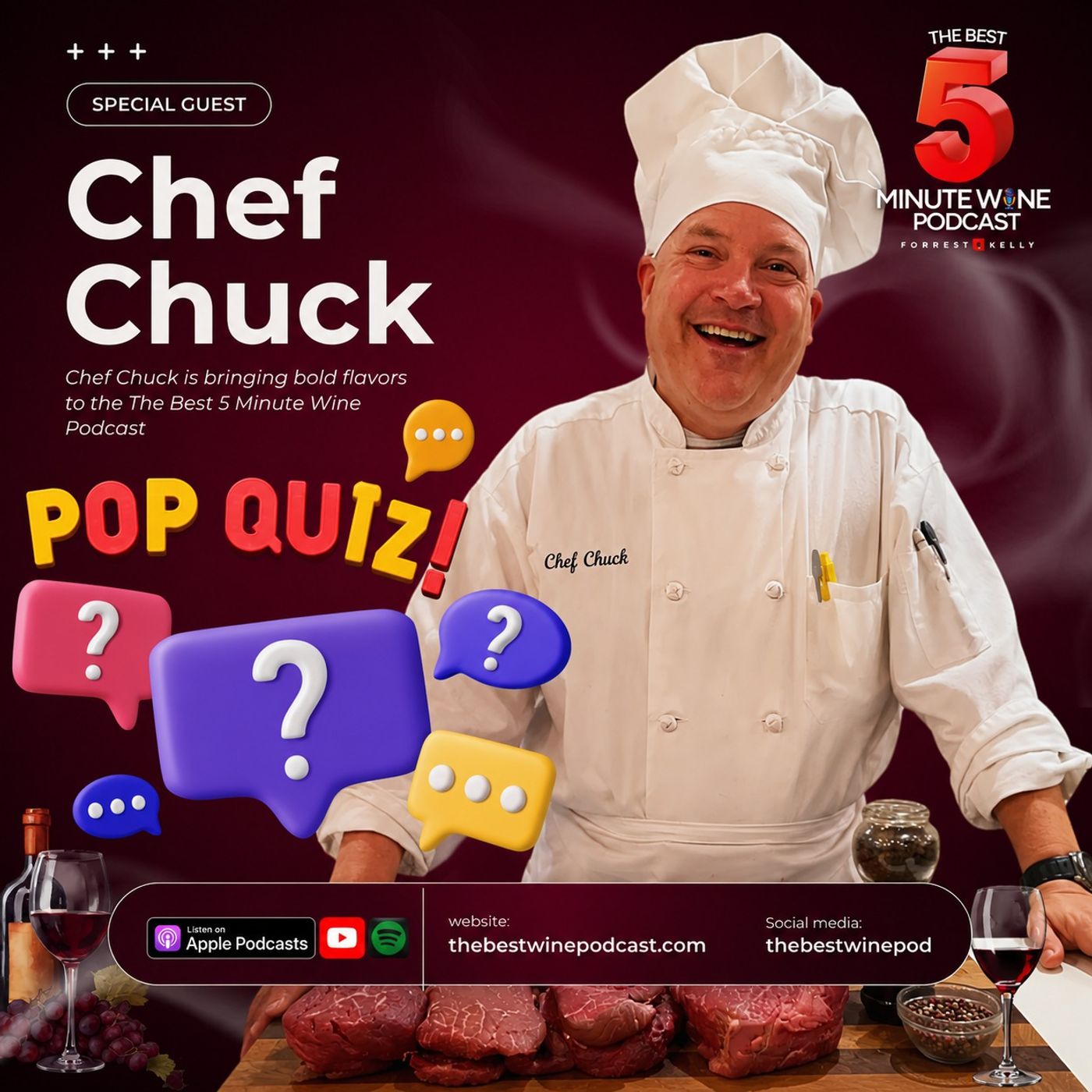
The Chef Who Turned Cancer Into a Culinary Calling — Quiz Edition
2w ago00:08:17Tap to summarizeGrab your scorecard, wine lovers — Rusty Cellars is popping the quiz on one of the most fascinating guests in show history. Chef Chuck Hayworth spent 35 years in professional kitchens before a rare stomach cancer diagnosis changed everything, launching a private chef career that began when fellow patients in his therapy group asked him to cook for them. In this two-round, ten-question challenge, Rusty tests your memory on Chuck's go-to Niçoise salad dressed with cold-pressed Georgia olive oil, his resort chef tasting menu based in Boone, North Carolina at the foot of the Blue Ridge Mountains, and the brilliant pairing of a Yadkin Valley orange wine from Hanover Park with slow-braised short ribs. You'll also revisit his four-cheat-days-a-month philosophy of sustainable healthy eating, his 2014 book The Chef's Recovery, his observations on entire generations opting out of alcohol after Covid, and his last-meal-on-earth answer: a margherita pizza and his finest bottle of French wine, shared with the people he loves. Plus a bonus question about uncrustables that had to be heard to be believed. Score yourself, share your results, and remember — life's too short for bad wine and wrong answers. @thebestwinepodDiscover More from The Best 5 Minute Podcast Network:Wine PodcastMusic PodcastTravel Podcast Hosted by Simplecast, an AdsWizz company. See pcm.adswizz.com for information about our collection and use of personal data for advertising.
Transcribe →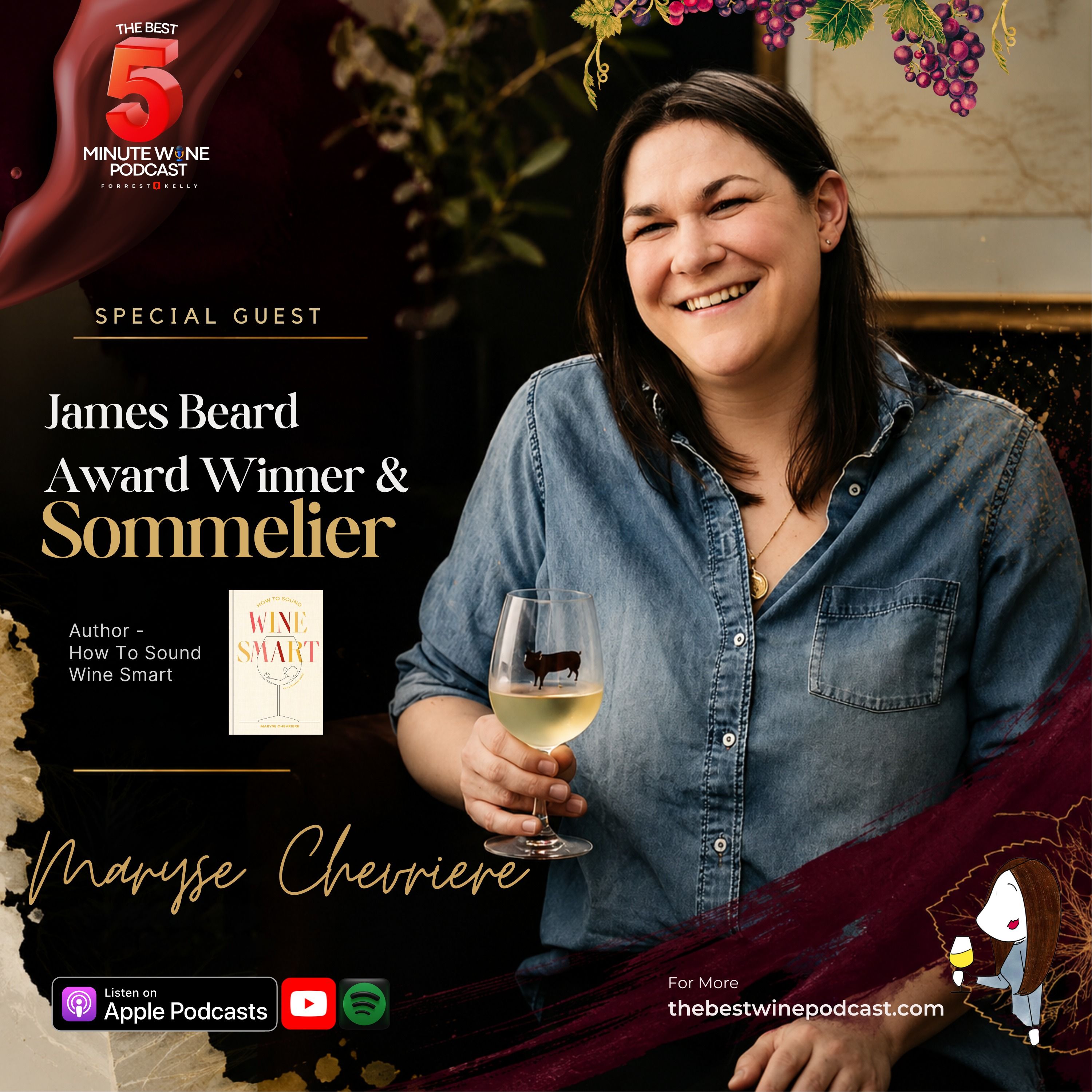
How to Sound Wine Smart — The Author Behind the Book Tells All Pt. 1
2w ago00:05:58Tap to summarizeMaryse Chevriere's wine story doesn't follow a straight line — and that's exactly what makes it worth hearing. In this first installment, the author of How to Sound Wine Smart (out now from Simon Element) tells Forrest how a food-website waiter with an affinity for drinks talked her way into the wine world. Maryse opens up about her three months working the harvest at a Domaine in Alsace — no real paycheck, but all the wine she could drink and a hands-on crash course she calls the best "fall camp" of her life. From literally stomping grapes to learning alongside fans, pros, and travelers from around the world, it cemented her identity as a hands-on, visual learner. Then there's Terroir Wine Bar in New York City, where owner Paul Greco took a chance on her. With around 50 wines by the glass — every white a Riesling — Terroir taught Maryse the art of the confident pivot: you want a Chardonnay? Here's a Riesling that fits the bill. More importantly, it taught her how to talk about wine in a way that's fun, not snobby — the philosophy that now defines her work and her new book. Also in this episode: surviving life with a 10-month-old until that first evening glass, why there's zero shame in a Trader Joe's bottle, and why getting paid in wine is a very real industry tradition. @thebestwinepodDiscover More from The Best 5 Minute Podcast Network:Wine PodcastMusic PodcastTravel Podcast Hosted by Simplecast, an AdsWizz company. See pcm.adswizz.com for information about our collection and use of personal data for advertising.
Transcribe →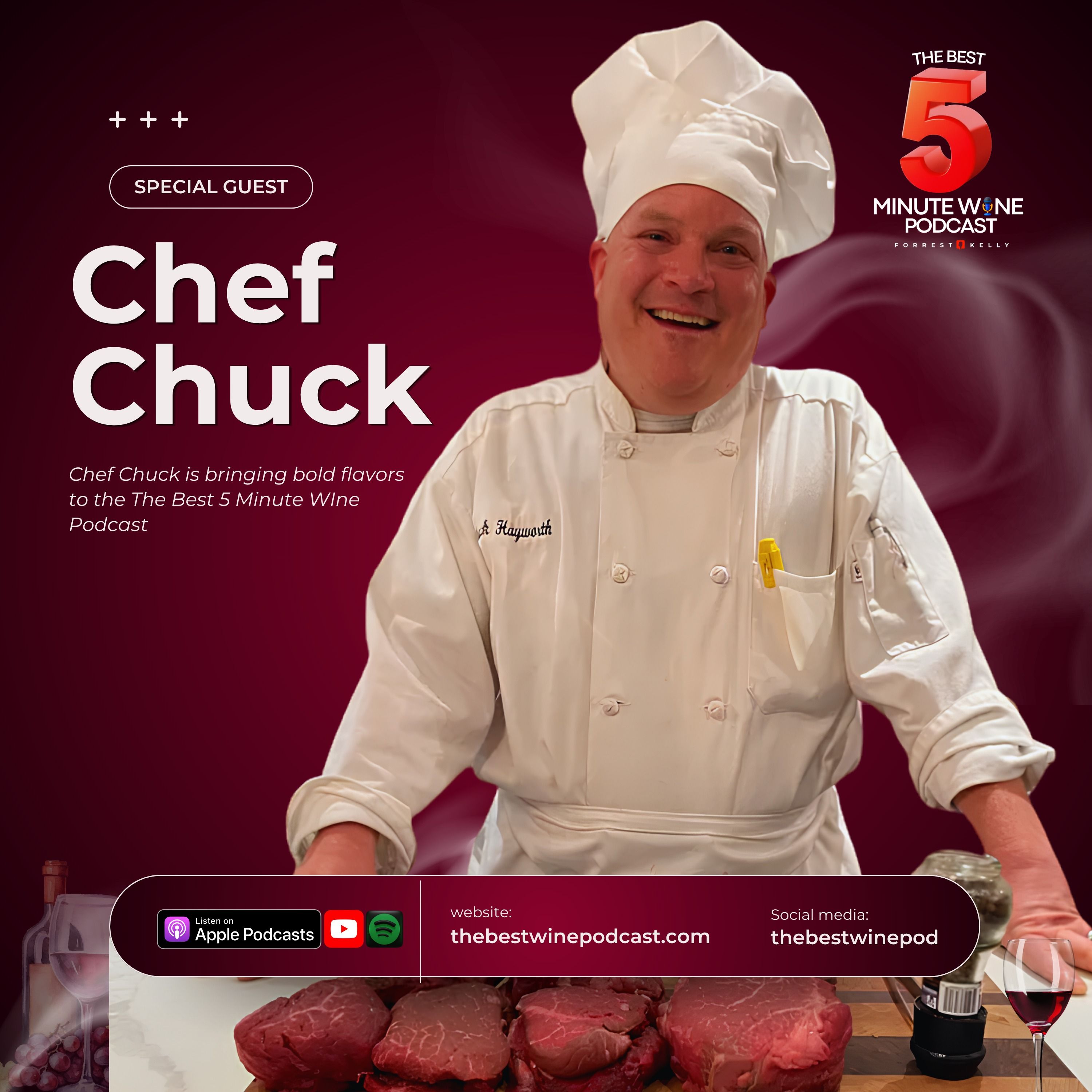
N. Carolina's Medical Meal Chef Reveals His Last Meal on Earth Pt. 1-6
3w ago00:29:40Tap to summarizeChef Chuck's 26-year journey from kitchen cook to medical meal chef after a rare stomach cancer diagnosis How cancer treatment forced him to relearn the four basic tastes and rebuild his palate from scratch The difference between medically-ordered diet clients and "longevity" wellness clients Why he stocks healthier snacks like date-almond bites instead of processed convenience food His approach to making healthier "uncrustables" for kids using sourdough, chia, and seasonal fruit The post-COVID shift away from alcohol and how he adapts with mocktails and fermented non-alcoholic beverages Inside his Yadkin Valley spring tasting menu at The Resort Chef in Boone, NC How he found the perfect orange wine from Hanover Park to pair with a 6-hour stewed short rib His pushback strategy when clients are resistant to wine pairings or stuck on sweet wines only Upcoming books: the C5 Longevity Cuisine Cookbook and a Hidden Vegetable cookbook His PhD in progress and what's next for Real Medical Meals, The Resort Chef, and Thankfully Local Private Chefs The "last meal on Earth" question — margarita pizza, a great French bottle, and a comet @thebestwinepodDiscover More from The Best 5 Minute Podcast Network:Wine PodcastMusic PodcastTravel Podcast Hosted by Simplecast, an AdsWizz company. See pcm.adswizz.com for information about our collection and use of personal data for advertising.
Transcribe →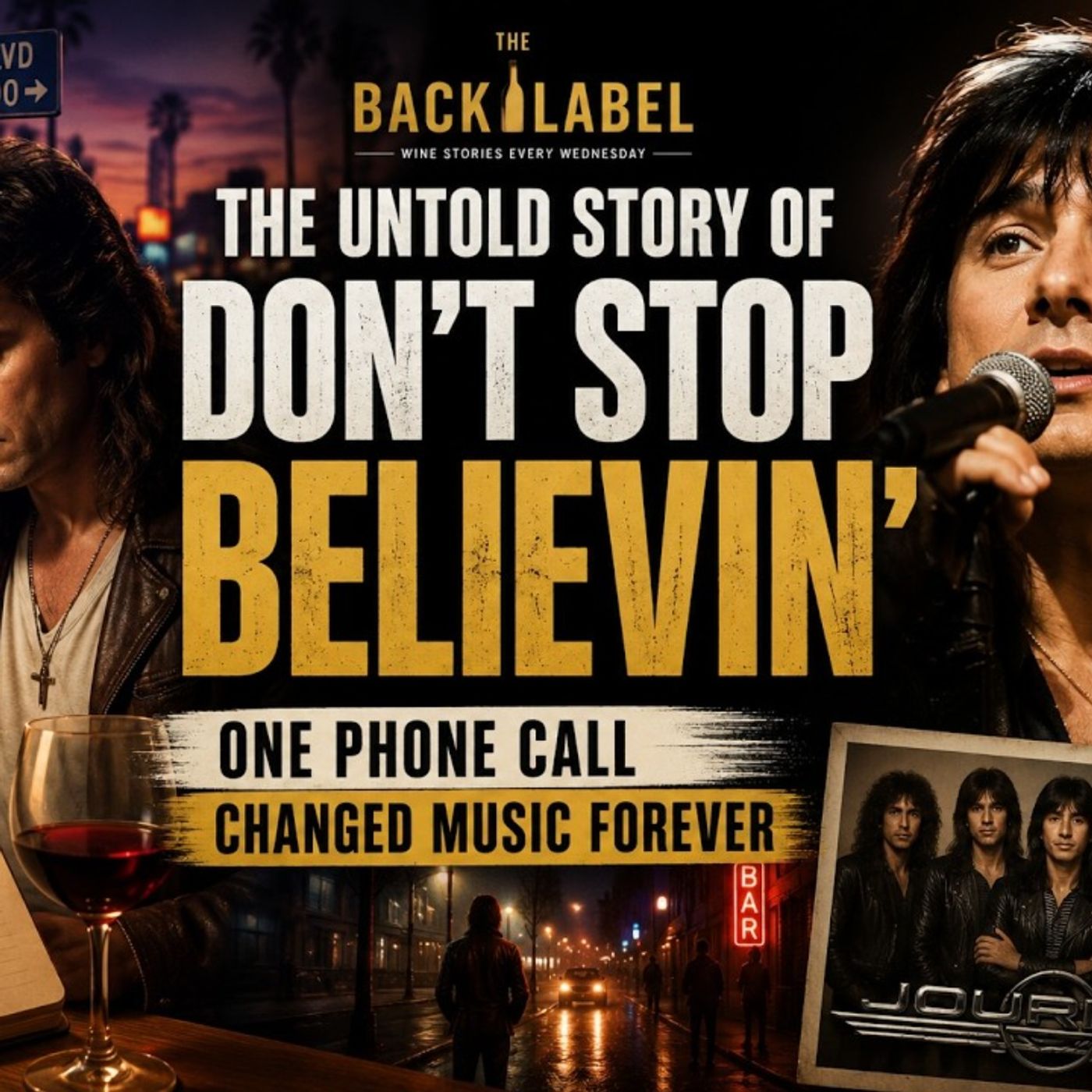
Back Label - The Payphone Call That Saved Journey's Biggest Hit
3w ago00:04:37Tap to summarizeBefore "Don't Stop Believin'" filled stadiums, it lived in a notebook. Jonathan Cain was out of money and out of hope when he called his father from a Los Angeles payphone and asked if he should give up. The advice he got back sat in that notebook for a year — until Cain joined Journey and the band needed one more track for their album Escape. In this episode, we break down how Steve Perry turned a father's encouragement into a masterpiece: why he chose "South Detroit," a place that doesn't exist, purely because it sang better; how the song shattered songwriting convention by holding its chorus until the final 50 seconds; and how the band captured the instrumental live in a single take at Fantasy Studios. From the Sopranos finale to the National Recording Registry at the Library of Congress, this is the story behind the anthem that refused to fade — told in five minutes, no filler. @thebestwinepodDiscover More from The Best 5 Minute Podcast Network:Wine PodcastMusic PodcastTravel Podcast Hosted by Simplecast, an AdsWizz company. See pcm.adswizz.com for information about our collection and use of personal data for advertising.
Transcribe →