Podcast
The Best of the Week
Hosted by Relevant Radio · EN
Life can get busy, and it's easy to miss out on the captivating moments from your favorite Relevant Radio shows. But now, we've got you covered! "The Best of the Week - Relevant Radio Podcast" brings you the crème de la crème of Relevant Radio's programming. We carefully curate and compile the most engaging and relevant content from the past week, just for you! Get ready to catch up on faith, culture, current events, and personal growth, all in one convenient and easily accessible podcast. It's like having a front-row seat to the most compelling moments from Relevant Radio's diverse range of shows. So, whether you're an active Relevant Radio listener or new to our programming, "The Best of the Week - Relevant Radio Podcast" is your passport to a world of knowledge, growth, and inspiration.
130episodes
Episodes
Newest firstAll episodes
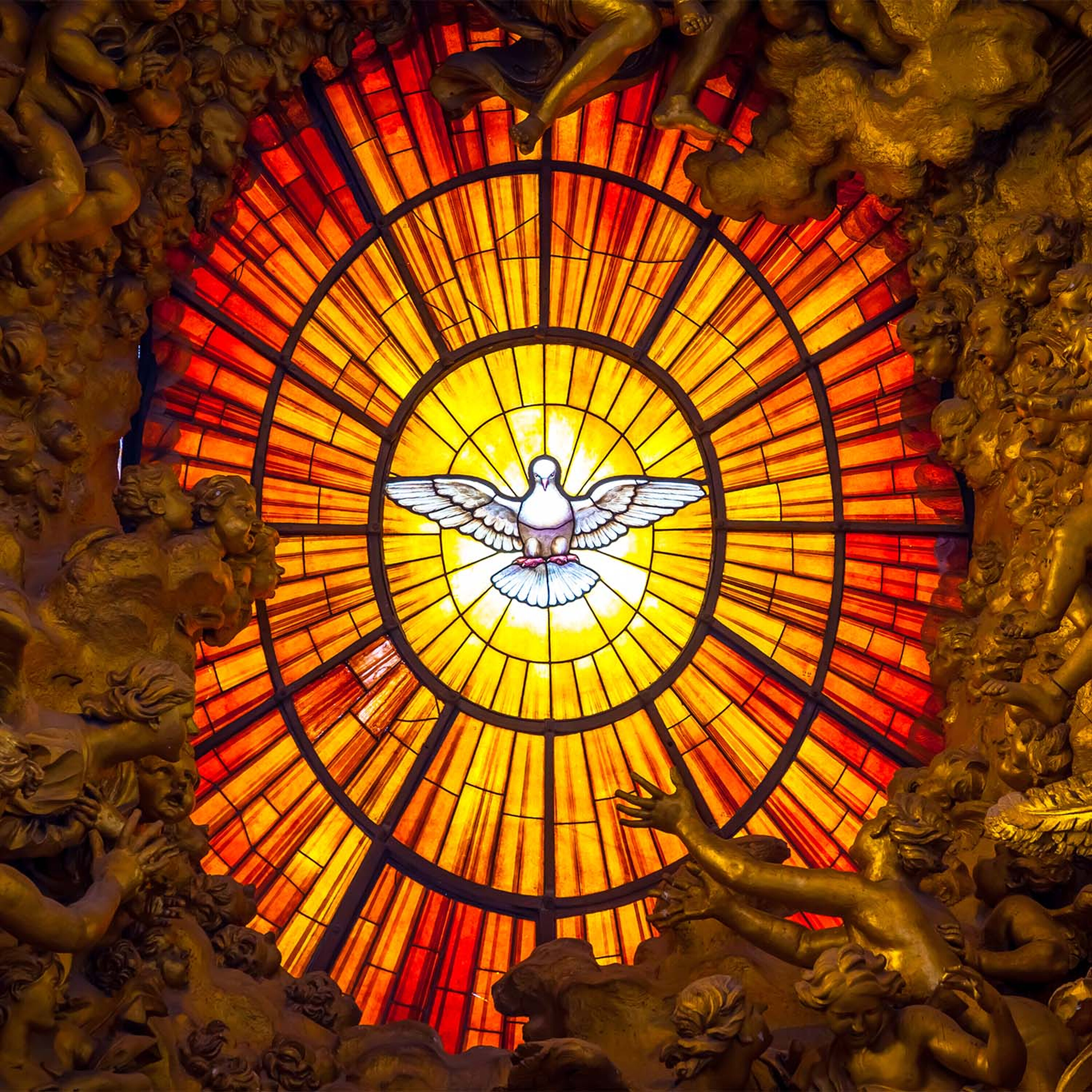
No Obstacle Too Great for the Holy Spirit (Family Rosary Across America)
2w ago00:01:59Tap to summarizeDuring Family Rosary Across America, Pat from Orland Park, Illinois, called to thank Father Rocky for helping her family navigate an extraordinary grace: her son-in-law, Scott, was received into the Catholic Church despite living with younger-onset Alzheimer's disease. Pat shared that the day "couldn't have been more perfect." At St. Isaac's Parish – the same parish where Scott and his wife, Tracy, raised their daughters – a young priest, Father Christian, welcomed Scott into the Church while filling in for their pastor. Pat described Scott's peaceful demeanor as nothing short of remarkable. "It was like the Holy Spirit was right inside of him in the church," she said. Father Rocky remembered encouraging Pat to begin the process through her local parish, and he rejoiced to hear how beautifully everything came together. Learning that Scott had been baptized and received into the Church, he reflected on the gift of God's grace working even amid the difficult cross of Alzheimer's. Pat's heartfelt gratitude serves as a reminder that no obstacle is too great for God. Through the support of a faithful family, a welcoming parish, and the work of the Holy Spirit, Scott received the greatest gift of all: full communion with the Catholic Church. The best way to listen to the Best of the Week is on our #1 Free Catholic App. It’s free, and always will be! To get and share the Relevant Radio app, check it out here.
Transcribe →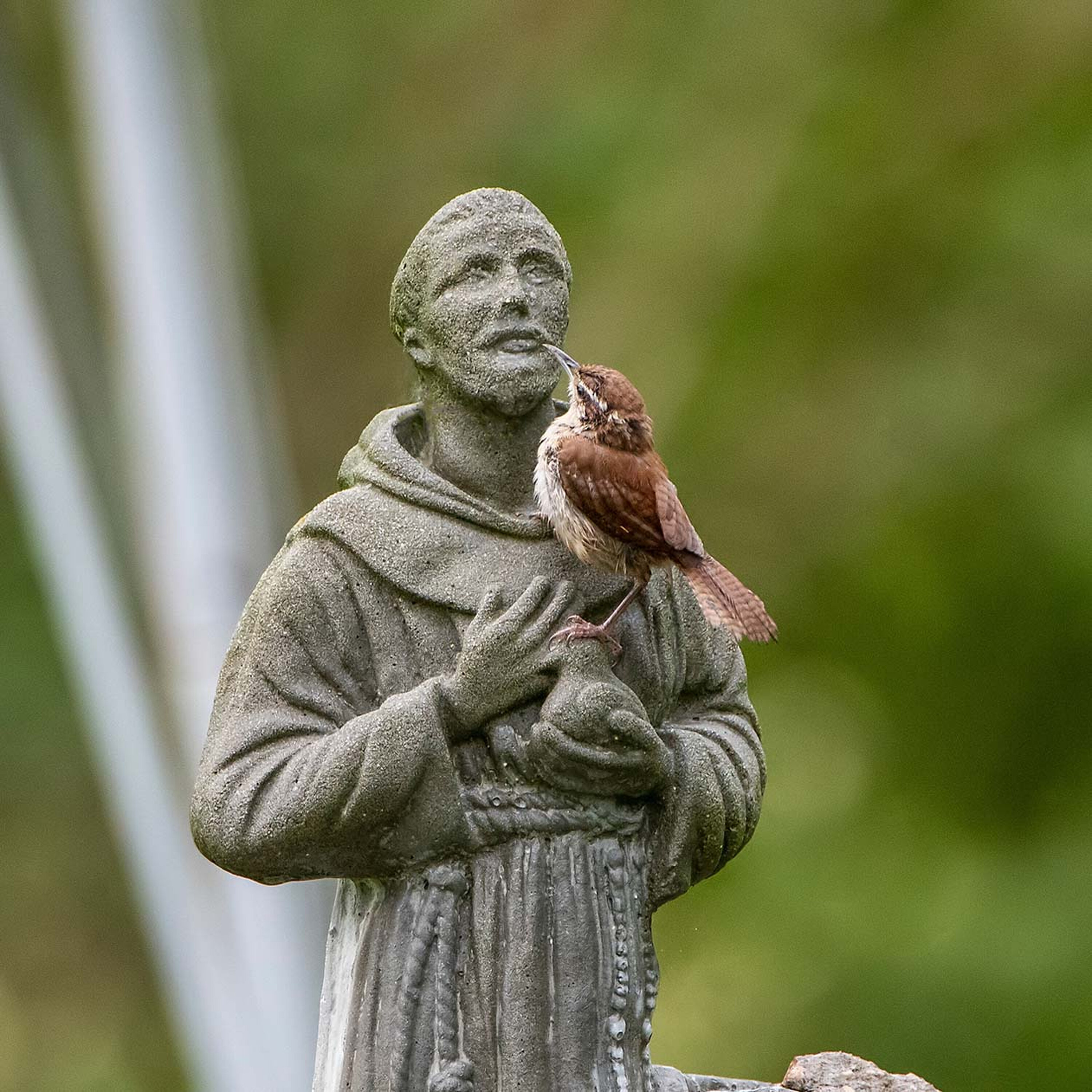
Finding God in Nature’s Quiet Beauty (The Inner Life)
2w ago00:12:45Tap to summarizeGod’s creation has a remarkable way of drawing our hearts back to Him if we take the time to notice. On The Inner Life, Fr. Tom Wilson reflected on the Catholic call to care for creation, reminding listeners that we are not owners of the world but stewards of the gifts God has entrusted to us. Caring for nature, he explained, is ultimately an act of gratitude toward the Creator, not a replacement for worshiping Him. That truth came alive through the stories of several callers. Marina from Vancouver shared how, during a painful season in her life, she asked God for a simple sign of His love: a four-leaf clover. Instead, she and her daughter discovered more than 190 that very day. Decades later, her garden continues to produce four-leaf clovers, which she presses into Bibles and gives to people who are struggling as a reminder of God's love and faithfulness. Another caller, Jan, described the breathtaking beauty of Hawaii and how moments like watching a sunset can stir wonder and gratitude. But she also encouraged listeners to find that same beauty close to home, even in wildflowers during an ordinary walk. Finally, Deacon Jeff shared how living in the quiet woods of Maine has taught him to hear God more clearly. Away from constant noise and distractions, he finds peace in the sounds of creation and the silence that makes room for prayer. Whether it's a backyard garden, a mountain view, or a quiet walk through the neighborhood, creation invites us to slow down, marvel at God's handiwork, and remember that every good gift points back to the One who made it all. The best way to listen to the Best of the Week is on our #1 Free Catholic App. It’s free, and always will be! To get and share the Relevant Radio app, check it out here.
Transcribe →
Loving Through the Distance (Marriage Unhindered)
2w ago00:11:05Tap to summarizeWhen a child struggles with mental illness, parents often carry a unique kind of heartache. A mother named Tracey called in to Marriage Unhindered seeking guidance after years of watching her adult daughter, who has been diagnosed with borderline personality disorder, keep her family at a distance despite their desire to help. Tracey described unanswered texts, canceled plans, and the painful reality that her daughter seemed more comfortable relying on her in-laws than on her own parents. As grandparents, they longed to be more involved in the lives of their young grandchildren but weren't sure how to bridge the growing divide. Doug Hinderer acknowledged the deep pain of the situation while reminding listeners that personality disorders can profoundly affect relationships. People living with borderline personality disorder often struggle with emotional regulation, fear, and trust, making healthy relationships especially challenging. Rather than responding with frustration or taking the rejection personally, Doug encouraged the caller to lead with unconditional love. "When she's being difficult to love, it's really not her. It's the disease that's talking," he explained. While that doesn't erase the hurt, it can help family members respond with greater compassion. Doug also emphasized the importance of patience. Progress is often slow, especially with chronic mental health conditions. He encouraged Tracey to keep interactions positive and affirming whenever opportunities arise, while respecting her daughter's boundaries. He also suggested seeking guidance from a therapist experienced in personality disorders, both to better understand the illness and to learn practical ways to support a loved one. Finally, Doug reminded listeners that prayer remains an essential part of caring for those who struggle with mental illness. Even in seasons of distance, God continues to work. Families are called to persevere in hope, trusting that steadfast love, professional support, and God's grace can open doors that seem firmly closed. The best way to listen to the Best of the Week is on our #1 Free Catholic App. It’s free, and always will be! To get and share the Relevant Radio app, check it out here.
Transcribe →
How Catholic Education Helped Build America (The Drew Mariani Show)
2w ago00:07:38Tap to summarizeCatholic education has shaped the United States in remarkable ways, even if many people overlook its impact. On The Drew Mariani Show, Monsignor James Shea, president of the University of Mary, reflected on how Catholic schools helped form both faithful Catholics and a stronger nation. Following the adoption of the Constitution, Catholic immigrants responded to the new challenges of the day by building. Inspired by the Third Plenary Council of Baltimore, parishes across the country established schools to educate the children of this new nation. Many communities built the school before the church itself. By the mid-20th century, nearly 13,000 Catholic schools served more than five million students. Religious sisters, brothers, priests, and dedicated lay teachers formed generations of Americans whose influence reached every corner of society. Although Catholic education experienced a period of decline beginning in the 1960s, Monsignor Shea sees new signs of hope. Classical Catholic education is expanding, and we are witnessing the revitalization of many parish schools. Many schools that were struggling are thriving again through renewed commitment to their Catholic mission. At the University of Mary, that mission is reflected in an education that prepares students for more than a career. While offering nationally respected programs in nursing, engineering, business, education, and the health professions, the university remains focused on forming the whole person. As Monsignor Shea explained, Catholic education should prepare students as well as ask the deeper question: What kind of person is God calling this student to become? That vision continues to make Catholic education one of the Church's greatest gifts to our country, and an enduring source of hope for the future. The best way to listen to the Best of the Week is on our #1 Free Catholic App. It’s free, and always will be! To get and share the Relevant Radio app, check it out here.
Transcribe →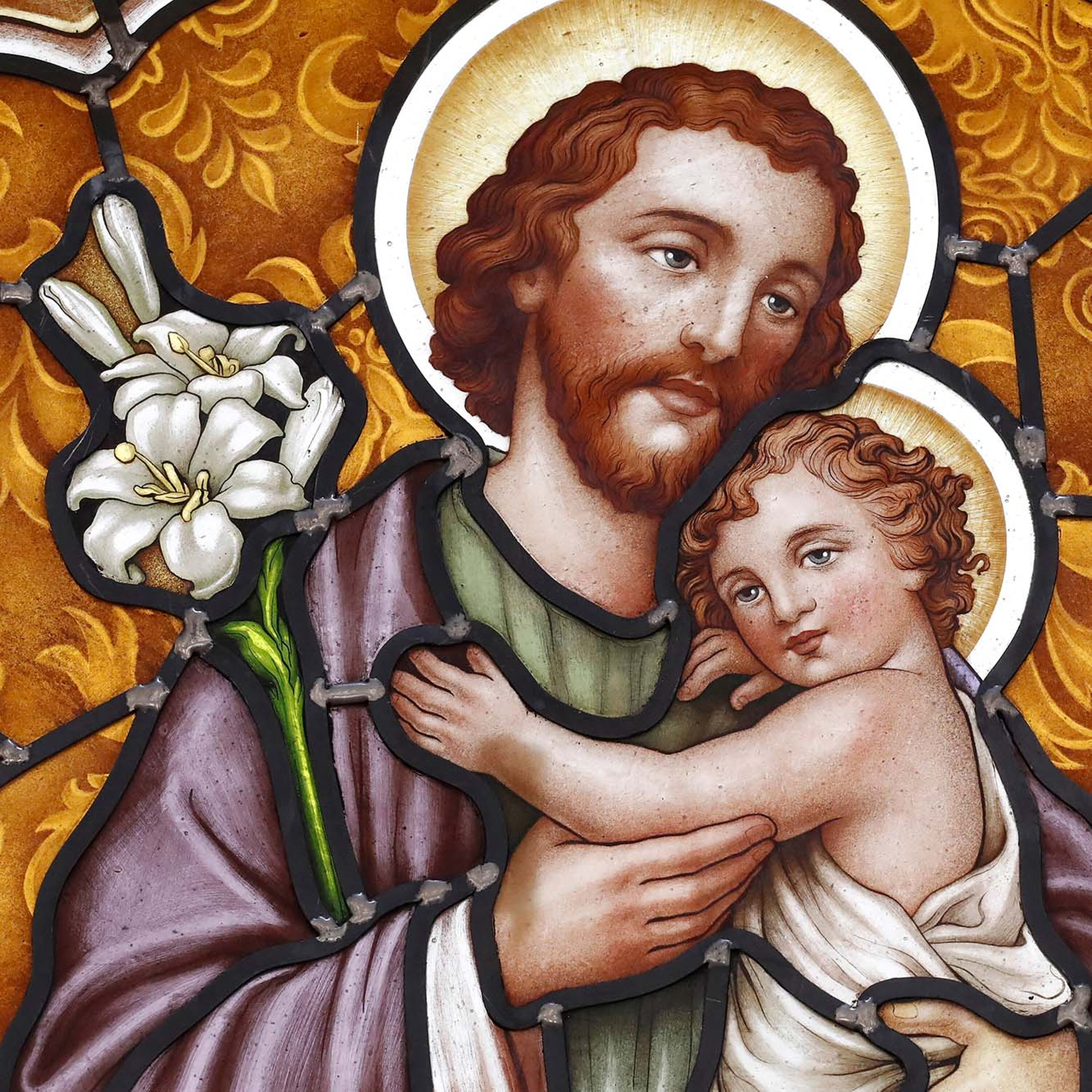
Waiting on God: How St. Joseph, Trust, and Chastity Changed One Man’s Life (The Mark Swartzberg Show)
2w ago00:14:52Tap to summarizeSometimes God's plan unfolds through a series of quiet nudges. For Thomas Engesser, former producer of The Inner Life, it began with his mother suggesting he look into working at Relevant Radio. Then his parish priest encouraged him to pursue radio. Later, that same priest urged him to meet Father Rocky. What seemed like unrelated moments became a clear path of providence. Thomas eventually attended one of Father Rocky's talks on St. Joseph. After waiting nearly two hours to speak with him, he simply asked, "Father, I'm going to be graduating college soon. Could I have a job at Relevant Radio?" Although there wasn't an opening at the time, months later an unexpected interview led to the opportunity to join the Relevant Radio team. Yet Thomas says the deeper story isn't about his career. It's about conversion. After ending a dating relationship because he recognized he needed to pursue greater purity, Thomas cried out to God while driving home. At that very moment, a digital billboard changed to an image of Divine Mercy with the words, "Jesus, I trust in You." That encounter ignited an unexpected desire to know St. Joseph. He rediscovered a copy of Consecration to St. Joseph that his mother had given him a year earlier. As he began reading, he experienced profound spiritual healing in his battle for chastity. Looking back, Thomas sees God's hand in every step. His advice to anyone struggling with purity is simple: "Go to St. Joseph." He also stresses the importance of frequent confession, even after repeated falls. God's mercy, he explains, is always greater than our weakness. Thomas' story is a reminder that holiness is often built through ordinary acts of trust, perseverance, and openness to God's timing. The Lord continues to work through faithful parents, wise priests, powerful saints, and the Sacrament of Reconciliation to lead His children closer to Him. The best way to listen to the Best of the Week is on our #1 Free Catholic App. It’s free, and always will be! To get and share the Relevant Radio app, check it out here. The best way to listen to the Best of the Week is on our #1 Free Catholic App. It’s free, and always will be! To get and share the Relevant Radio app, check it out here.
Transcribe →
Why Gen Z Is Rediscovering the Catholic Church (The Tim Glemkowski Show)
2w ago00:08:51Tap to summarizeDrawing young adults to the Catholic Church isn’t about flashy marketing or passing trends. It’s something far more enduring: the Truth. A growing number of Gen Z converts are discovering the Catholic faith through conversations they never expected to have. On The Tim Glemkowski Show, Tim and producer Gavin discussed how easy access to podcasts, YouTube, and Catholic media has challenged many of the misconceptions people grow up believing about the Church. For Gavin, what began as curiosity soon became a deeper search for answers. “I got access to YouTube,” Gavin explained, “and started watching Catholic YouTubers explaining in depth for hours on end these Catholic doctrines that I had written off.” As he listened, he realized many of the common objections he had accepted simply weren’t true. “If they don’t believe that, then what do they believe? And that’s kind of just where everything fell apart.” His journey didn’t stop with online videos. Studying history exposed him to the richness of the early Church and challenged the idea that Christianity had somehow gone off course after the first centuries. Those discoveries helped him see Catholicism as a living faith rooted in history, not merely tradition. Tim reflected on a famous insight from Venerable Fulton Sheen: Many people reject not the Catholic Church itself, but a mistaken idea of what the Church teaches. Today, Catholic media is helping remove those misunderstandings by making the Church’s teachings more accessible than ever. For Gavin, what attracts many in his generation is authenticity. In a culture driven by trends and constant reinvention, the Catholic Church offers something solid and unchanging. Rather than reshaping itself to fit the culture, it confidently proclaims the truth entrusted to it through Christ. That confidence, Gavin believes, is exactly what many young people are searching for. In a world hungry for something real, the Church remains a steadfast beacon, inviting every generation to discover the beauty and fullness of the Catholic faith. The best way to listen to the Best of the Week is on our #1 Free Catholic App. It’s free, and always will be! To get and share the Relevant Radio app, check it out here.
Transcribe →
The Importance of Moral Certitude in Determining Brain Death (Trending with Timmerie)
2w ago00:23:03Tap to summarizeQuestions about brain death can be overwhelming, especially when families are faced with difficult medical decisions. On Trending with Timmerie, bioethicist Dr. John D. Camillo, president of the National Catholic Bioethics Center, explained why Catholics should understand both the medical and moral dimensions of determining death. Dr. Camillo began by distinguishing a coma from brain death. A person in a coma may be completely unresponsive while still showing many signs of life, including a beating heart and, in some cases, spontaneous breathing. Modern technologies such as ventilators can further complicate the clinical picture, making careful medical evaluation essential. Brain death, on the other hand, refers to the complete and irreversible cessation of all brain function, including the brain stem, which controls vital functions such as breathing and consciousness. In current medical practice, a patient who meets accepted neurological criteria for brain death is legally recognized as dead, even if machines continue to circulate oxygenated blood and keep the heart beating. Whether those criteria always establish death with sufficient certainty, however, is the subject of ongoing medical, philosophical, and ethical discussion. The Catholic Church, Dr. Camillo emphasized, does not determine medical science but evaluates whether medical practices respect the truth about the human person. While previous Vatican statements acknowledged that neurological criteria may be used to determine death when they reliably establish it, ongoing medical debate has raised important questions about whether current testing always meets that standard. Recent legal cases and medical discussions have highlighted concerns that some patients declared brain dead have later shown signs of continued brain function or recovery. Because of these developments, Dr. Camillo stressed the importance of continued dialogue among physicians, ethicists, philosophers, and theologians. He also pointed to the United States Conference of Catholic Bishops' updated Ethical and Religious Directives for Catholic Health Care Services, which emphasize that the determination of death must be based on well-founded medical criteria that establish, with moral certitude, that death has occurred. Dr. Camillo encouraged Catholics to be informed and to recognize the importance of informed consent when brain death testing is proposed. Families should not hesitate to ask questions, seek clear explanations, and ensure that decisions respect both sound medical practice and the dignity of every human person. The best way to listen to the Best of the Week is on our #1 Free Catholic App. It’s free, and always will be! To get and share the Relevant Radio app, check it out here.
Transcribe →
Patriotism Is More Than Waving a Flag (The Drew Mariani Show)
4w ago00:07:32Tap to summarizeWhat does it really mean to love your country? On The Drew Mariani Show, Drew Mariani and Dr. Matthew Bunson explored the difference between authentic patriotism and the misconceptions that often surround it. As America prepares to mark 250 years of independence, they reflected on a virtue that is becoming increasingly misunderstood. Dr. Bunson explained that patriotism is not about ignoring a nation's failures or pretending history is flawless. Every country has shortcomings, and the United States is no exception. True patriotism, however, is rooted in gratitude for the good while remaining committed to pursuing what is right. The conversation also examined the foundations of the American experiment. Dr. Bunson pointed to the Declaration of Independence's affirmation that our rights are "endowed by our Creator," noting that the nation's founders understood human dignity as something given by God, not by government. Drew reminded listeners that the Catholic Church has long recognized love of country as part of the Fourth Commandment. Patriotism, then, is not merely an emotional attachment or a celebration reserved for the Fourth of July. It is a virtue that calls citizens to seek the common good, respect just laws, and work to strengthen their communities. Loving your country doesn't require believing it is perfect. It means caring enough to preserve what is good, address what is broken, and help future generations inherit a nation worthy of their sacrifice. The best way to listen to the Best of the Week is on our #1 Free Catholic App. It’s free, and always will be! To get and share the Relevant Radio app, check it out here.
Transcribe →
United in Prayer (Family Rosary Across America)
4w ago00:01:30Tap to summarizeThe Family Rosary Across America reminds us that no one carries life's burdens alone. Every night, listeners from across the country bring their joys and sorrows before God, trusting in the power of prayer. This past week, Susie from Boston called with a heartfelt request. Her brother, Steve, was preparing to undergo brain surgery at the Mayo Clinic in Florida after receiving a diagnosis of stage four metastatic melanoma. Knowing the strength of the Relevant Radio family, she asked for one simple gift: prayer. "I said to Stevie... 'I'm going to have the whole country praying for you,'" Susie shared. Fr. Rocky assured her that Steve's intention would be lifted up by listeners across the nation through the many platforms of Relevant Radio. What began as one sister's plea quickly became the prayer of an entire family united in faith and hope. Moments like these reveal the beauty of the Rosary. Even when circumstances seem overwhelming, Catholics can confidently entrust their loved ones to Jesus through the intercession of Our Blessed Mother, knowing that no prayer is ever wasted. The best way to listen to the Best of the Week is on our #1 Free Catholic App. It’s free, and always will be! To get and share the Relevant Radio app, check it out here.
Transcribe →
Pursuing Purity One Choice at a Time (The Inner Life)
4w ago00:02:24Tap to summarizePurity of heart is a lifelong pursuit, and no one is beyond the reach of God's grace. On The Inner Life, Fr. John LoCoco reminds listeners that growth in chastity begins with a life rooted in prayer and strengthened by the sacraments. He encourages practical habits that help guard the heart: being intentional about media consumption, using accountability, going to confession regularly, and receiving the Eucharist frequently. These simple but faithful practices help us grow in freedom and charity. Fr. LoCoco also points to the example of the saints, who did not negotiate with temptation. They fled from it. Recalling Joseph's escape from Potiphar's wife, he said, "Leave the cloak, run away." Rather than testing our limits, Christians are called to remove themselves from occasions of sin with conviction and trust in God's grace. Choosing to turn away from temptation is not about fear but about freedom. Every decision to pursue holiness draws us closer to Christ and strengthens our ability to live with purity of heart. The best way to listen to the Best of the Week is on our #1 Free Catholic App. It’s free, and always will be! To get and share the Relevant Radio app, check it out here.
Transcribe →