
Podcast
The Best of the Week
Hosted by Relevant Radio · EN
Life can get busy, and it's easy to miss out on the captivating moments from your favorite Relevant Radio shows. But now, we've got you covered! "The Best of the Week - Relevant Radio Podcast" brings you the crème de la crème of Relevant Radio's programming. We carefully curate and compile the most engaging and relevant content from the past week, just for you! Get ready to catch up on faith, culture, current events, and personal growth, all in one convenient and easily accessible podcast. It's like having a front-row seat to the most compelling moments from Relevant Radio's diverse range of shows. So, whether you're an active Relevant Radio listener or new to our programming, "The Best of the Week - Relevant Radio Podcast" is your passport to a world of knowledge, growth, and inspiration.
140episodes
Episodes
Newest firstAll episodes

The Little Things Matter (The Drew Mariani Show)
Jun 1100:07:41Tap to summarizeWhen marriages begin to struggle, many people assume there must have been a dramatic event: an affair, a financial crisis, or a major betrayal. But according to licensed marriage and family therapist Doug Hinderer, most marriages don't collapse all at once. They weaken slowly, often through years of emotional distance and missed opportunities for connection. Joining Drew on The Drew Mariani Show, Doug reflected on a heartbreaking call from a man whose wife of 32 years suddenly wanted out of the marriage. While every situation is unique, Doug noted that many couples gradually lose sight of one another while managing careers, raising children, paying bills, and navigating life's endless responsibilities. "The marriage starts dying long before it actually dies," Doug said. Drawing on the research of Dr. John Gottman, Doug explained that thriving couples consistently respond to one another's small bids for connection. A shared laugh, a thoughtful question, or a simple act of kindness can strengthen a relationship over time. Ignoring those moments, however, can leave spouses feeling like strangers living under the same roof. A divorce attorney once asked a woman when she knew her marriage was over. Her answer surprised him: "It was the granola." For years, her husband would quietly replace her favorite specialty-store granola whenever it ran low. One day he stopped, and it never returned. To her, that small gesture revealed that his heart had drifted elsewhere. "The little things are really big," Doug said. For couples hoping to reconnect, Doug emphasized the importance of staying close to God through regular confession and remaining in a state of grace. He also reminded listeners that conflict itself is not the enemy. Research shows that many marital disagreements are ongoing and never fully resolved. The real danger comes from avoiding difficult conversations altogether. Healthy marriages aren't built on grand romantic gestures. They're built on daily acts of love: a thank you, a thoughtful favor, a listening ear, or even a bag of M&M's picked up at the grocery store. Because in marriage, it's often the little things that tell the biggest story. The best way to listen to the Best of the Week is on our #1 Free Catholic App. It’s free, and always will be! To get and share the Relevant Radio app, check it out here.
Transcribe →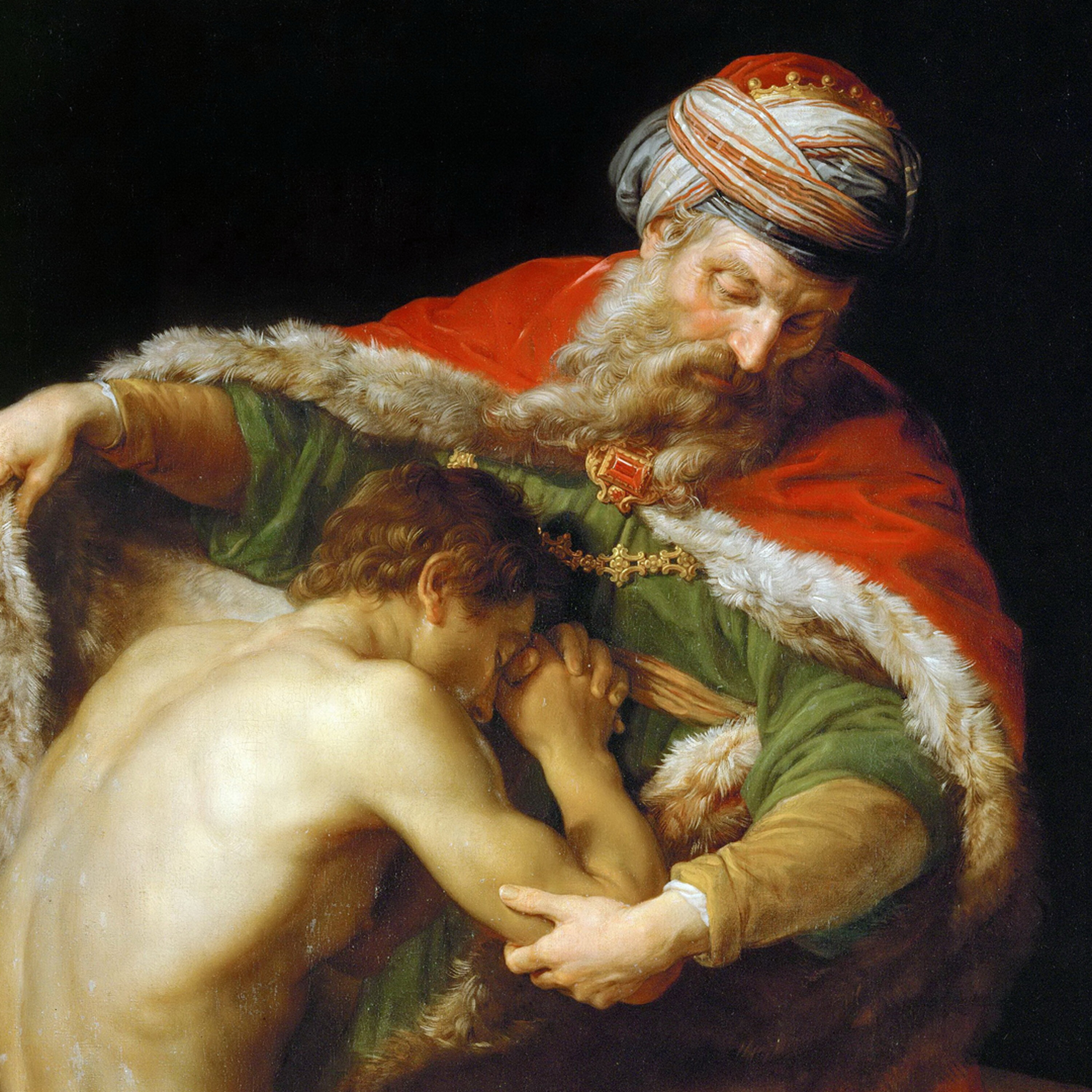
God Never Gives Up on You (The Inner Life)
Jun 1100:06:23Tap to summarizeHave you ever wondered whether your past sins have put you beyond God's mercy? On The Inner Life, a caller named Rob shared a moving story. Raised in a deeply faithful family, he drifted away from God later in life and spent years trapped in serious sin. Now nearly 80, Rob has returned to the Church, attends daily Mass, and strives to live faithfully. Yet he still struggles with sadness and he questions whether he is truly on the right path. Fr. John Eckert pointed him to one of Scripture's most hopeful passages: Luke 15. In the parables of the lost sheep, the lost coin, and the prodigal son, heaven rejoices whenever someone returns to God. The focus is not on the wandering. It is on the celebration that follows. “What man among you having a hundred sheep and losing one of them would not leave the ninety-nine in the desert and go after the lost one until he finds it? And when he does find it, he sets it on his shoulders with great joy and, upon his arrival home, he calls together his friends and neighbors and says to them, ‘Rejoice with me because I have found my lost sheep.’ I tell you, in just the same way there will be more joy in heaven over one sinner who repents than over ninety-nine righteous people who have no need of repentance." (Luke 15:4-7) "The fact of the matter here is, Rob, you came back." Fr. Eckert reminded him that God's mercy is greater than any past failure. The Lord has already lifted him up and welcomed him home. Rather than remaining trapped in regret, Rob is called to live fully in the present, grateful for the gift of reconciliation and the grace found in the Holy Sacrifice of the Mass. Drawing from The Screwtape Letters, Fr. Eckert noted that the enemy wants us stuck in the past through shame or worried about the future through fear. God meets us in the present moment. For anyone burdened by old sins, Rob's story offers a powerful reminder: if you have returned to the Lord, rejoice. His mercy is real, His forgiveness is complete, and His Sacred Heart remains open to all who come home. The best way to listen to the Best of the Week is on our #1 Free Catholic App. It’s free, and always will be! To get and share the Relevant Radio app, check it out here.
Transcribe →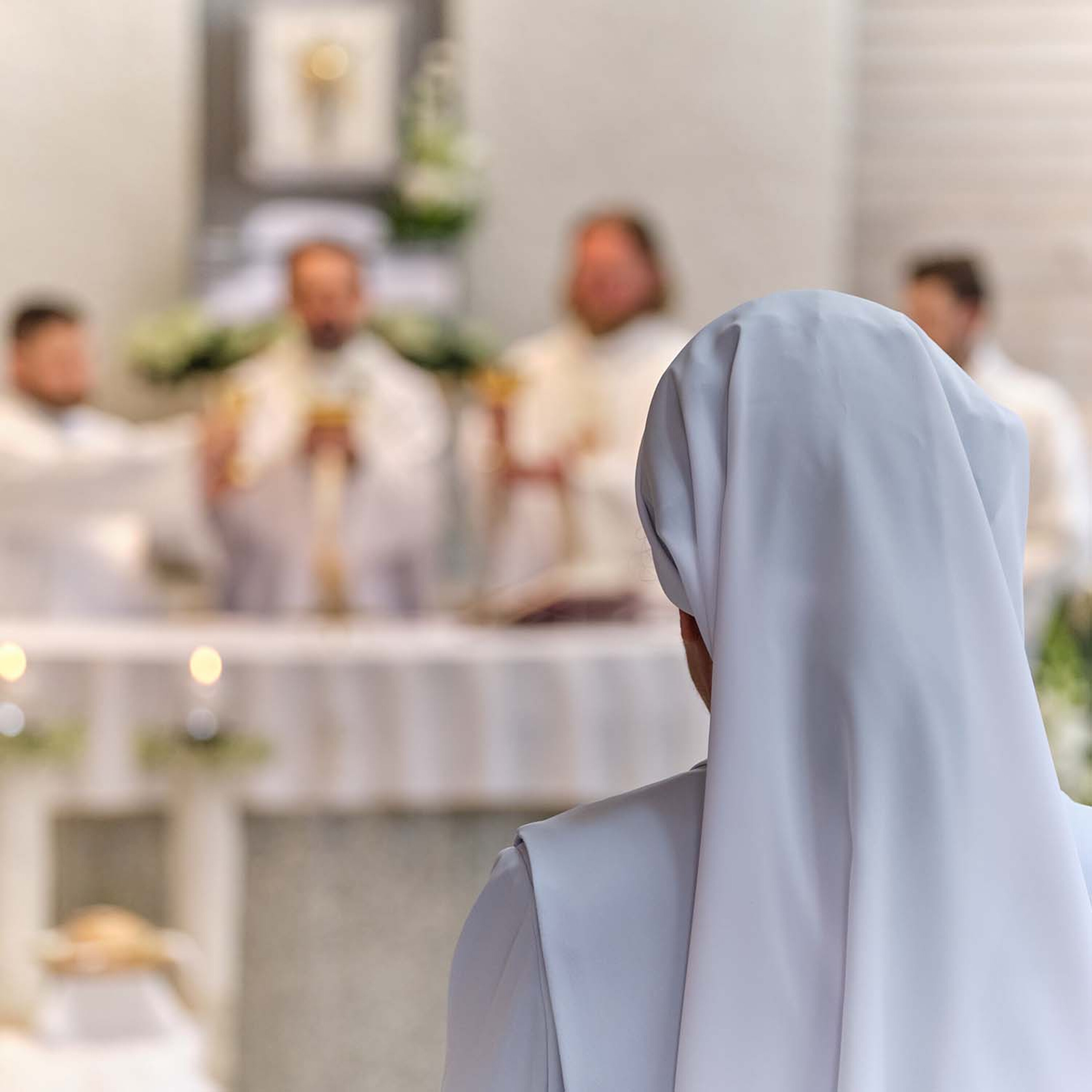
Come as You Are, and We’ll Get There Together (The Mark Swartzberg Show)
Jun 1100:12:08Tap to summarizeFor generations, the Salesian family has helped young people discover that holiness begins with being known, loved, and accompanied. Joining The Mark Swartzberg Show, Sister Bernadette Mota of the Salesian Sisters spoke with Mark about the enduring wisdom of St. John Bosco, whose mission was to guide young people toward Christ through authentic relationships. She summarized the Salesian spirit in a simple phrase: “Come as you are, and we’ll get there together.” That approach is rooted in what Salesians call the preventive system: reason, religion, and loving kindness. Through reason, young people learn to think critically and become responsible citizens. Through religion, they encounter Christ and grow in faith. Through loving kindness, they experience the truth that people respond best when they know they are loved. At St. John Bosco School in San Antonio, Texas, the Salesian Sisters serve children from infancy through eighth grade, particularly in a community with significant economic challenges. Their goal is not simply academic success, but the formation of the whole person. Sister Bernadette also shared her own vocation story. While trying to avoid a call to religious life, she unexpectedly spent a year with the Salesian Sisters. Their welcoming spirit changed everything. “I just got to be who I was,” she said. “They took me where I was and accompanied me to where God was calling me to.” That same spirit continues to shape Salesian schools and ministries around the world. By creating places that are a church, a home, a school, and a playground, they help young people encounter the love of Christ and discover the path to holiness. The best way to listen to the Best of the Week is on our #1 Free Catholic App. It’s free, and always will be! To get and share the Relevant Radio app, check it out here.
Transcribe →
The Virtues That Build Strong Families and Strong Souls (Marriage Unhindered)
Jun 1000:15:35Tap to summarizeWhat qualities help children grow into faithful, resilient, and virtuous adults? On Marriage Unhindered, Father Carter Griffin, rector of St. John Paul II Seminary in Washington, D.C., joined Doug Hinderer to discuss four foundational virtues parents should focus on: order, sincerity, chastity, and fortitude. Father Griffin explained that order is much more than keeping a tidy room. Learning to manage time, responsibilities, and daily habits creates the foundation for prayer, discipline, and personal growth. Even simple practices, like making a bed each morning, can help cultivate the self-mastery needed for larger challenges in life. He also emphasized the importance of sincerity, calling it the key that unlocks all formation. Children are far more likely to grow in virtue when they know they can tell their parents the truth without fear. Parents who respond calmly and lovingly create an atmosphere where honesty can flourish. The conversation then turned to chastity. Father Griffin noted that modern culture often portrays chastity as restrictive, when in reality it frees people to love authentically. He encouraged parents to make discussions about purity and respect natural and ongoing rather than relying on one difficult conversation. Finally, Father Griffin highlighted fortitude: the courage to endure hardship and persevere through setbacks. While parents naturally want to protect their children from suffering, he cautioned that overprotection can hinder growth. Children need opportunities to struggle, fail, learn, and develop resilience. Throughout the discussion, both Doug and Father Griffin stressed that correction and discipline are acts of love when rooted in a larger vision for a child's future. As Father Griffin observed, parents should help their children see not only what they did wrong, but also the kind of man or woman God is calling them to become. The best way to listen to the Best of the Week is on our #1 Free Catholic App. It’s free, and always will be! To get and share the Relevant Radio app, check it out here.
Transcribe →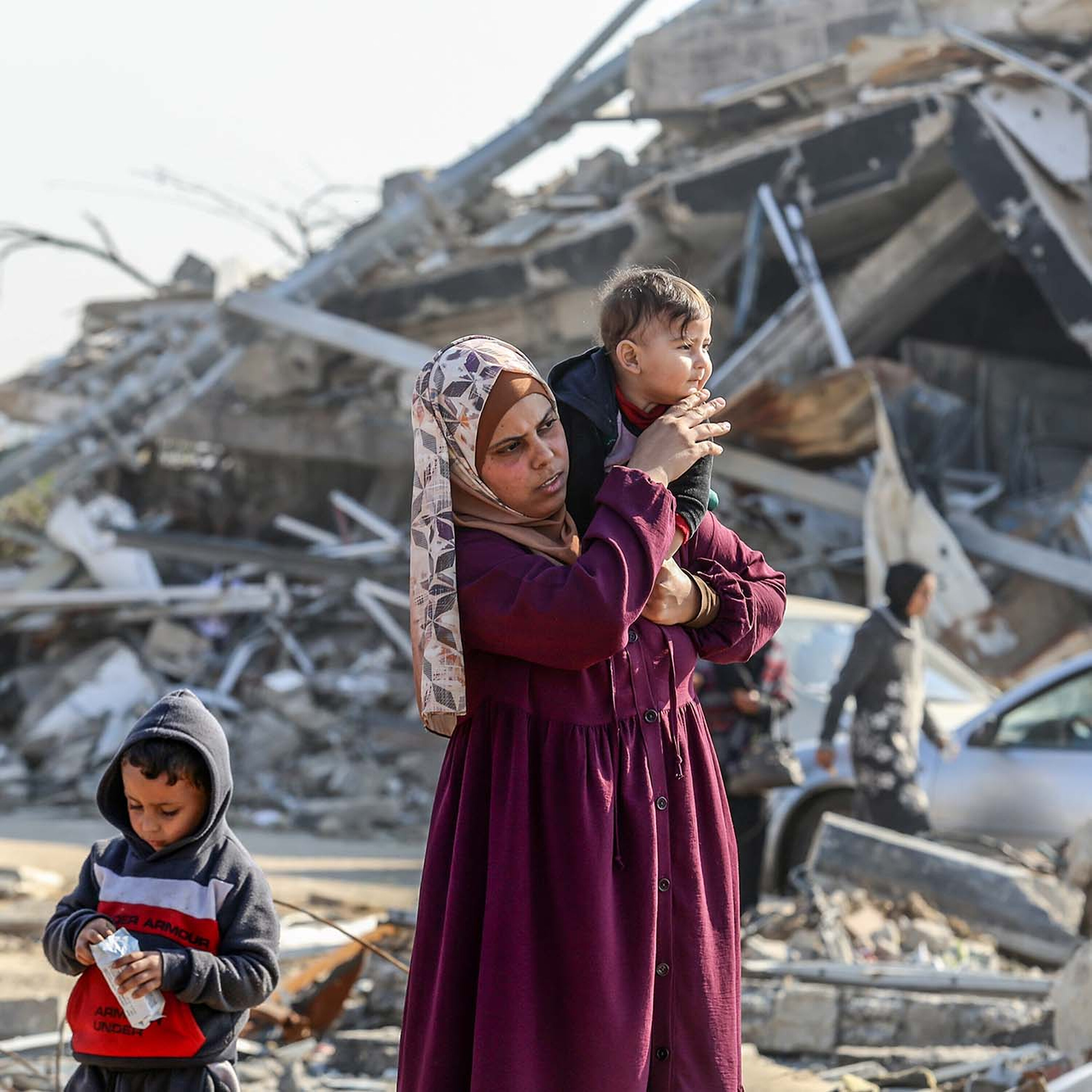
The Light of Christ Still Shining Strong in Gaza (Trending with Timmerie)
Jun 1000:19:53Tap to summarizeFor nearly three years, Holy Family Parish in Gaza has stood as a refuge amid war, fear, and uncertainty. On Trending with Timmerie, historian and author Kristen Theriault shared the remarkable story of Father Gabriel Romanelli and the small Christian community that continues to persevere in one of the world's most difficult places. Christians make up less than one percent of Gaza’s population, yet many families have chosen to remain in the land where their ancestors have lived for centuries. Father Romanelli explains that their presence is rooted in something deeper than geography: the Eucharist. “Each day during Mass, we renew the presence of Christ in the very heart of this abyss,” he writes. Holy Family Parish has become both a spiritual home and a humanitarian shelter. Hundreds of refugees, including Muslim families, have sought safety within its walls. Priests, religious sisters, and volunteers work tirelessly to provide food, water, medical assistance, and the sacraments despite severe shortages and ongoing danger. The conditions are often heartbreaking. Families crowd into classrooms, supplies are scarce, and violence remains a constant threat. Yet Father Romanelli continually encourages his people to choose forgiveness, hope, and even humor amid suffering. His witness reminds us that holiness is not found in comfort but in faithful endurance. Perhaps the most moving lesson from Gaza is the trust many place in Christ. When conflict erupts, people instinctively run to the church, believing they will find both spiritual and human support there. In the midst of darkness, Holy Family Parish continues to shine as a beacon of charity, courage, and faith. The best way to listen to the Best of the Week is on our #1 Free Catholic App. It’s free, and always will be! To get and share the Relevant Radio app, check it out here.
Transcribe →
A Birthday Blessing Over the Airwaves (Family Rosary Across America)
May 2700:01:11Tap to summarizeDuring the Family Rosary Across America, George from Rancho Cucamonga, California, called in with heartfelt prayer intentions for his wife, his three sons, and especially for his son Johan, who had just turned 16. When Fr. Rocky learned Johan was listening, he smiled. “We’re going to give him a special treat,” Fr. Rocky said before inviting Maggie to sing “Happy Birthday” live on the air. What followed was simple, warm, and unforgettable: “Happy birthday to youHappy birthday to youHappy birthday, dear Johan who’s 16Happy birthday to you." Moments like these remind us that prayer is deeply personal. The Rosary unites families not only in times of suffering or worry, but also in gratitude, joy, and celebration. Even over the radio, the Relevant Radio family becomes a place where birthdays are remembered, prayers are lifted up, and hearts are connected through faith. For Johan and his family, this small moment became a beautiful reminder that God works through community, kindness, and the power of prayer. The best way to listen to the Best of the Week is on our #1 Free Catholic App. It’s free, and always will be! To get and share the Relevant Radio app, check it out here.
Transcribe →
Learning to Love Like Christ (Father Simon Says)
May 2700:04:19Tap to summarizeFew moments in Scripture are as personal and piercing as Jesus’ conversation with Peter after the Resurrection. On Father Simon Says, Fr. Richard Simon reflected on John 21 and the three times Jesus asks Peter, “Do you love Me?” Peter, who had denied Christ three times before the Crucifixion, now stands before the risen Lord by the sea. Fr. Simon explains that the exchange carries a deeper meaning in the original Greek. Jesus asks Peter if he loves Him with agape — sacrificial, divine love. Peter responds instead with philia — brotherly affection. Again and again, Jesus asks. Again and again, Peter admits the limits of his love. Finally, Jesus lowers the question: “So you love Me like a brother?” Fr. Simon calls this “the first confession of the first pope.” Peter does not pretend to love perfectly. He simply offers the love he has. Yet Jesus still entrusts him with the mission to lead the Church. That is the hope of the Gospel. Christ does not wait for perfect people before calling them. Instead, He teaches us to grow in holiness through trust, surrender, and perseverance. Fr. Simon points to Jesus’ final words to Peter: “Follow Me.” Though Peter’s love was imperfect, Christ promised he would one day learn to love more deeply, even to the point of sacrifice. The same invitation is extended to every Christian. God receives our imperfect love and patiently transforms it into something greater. The best way to listen to the Best of the Week is on our #1 Free Catholic App. It’s free, and always will be! To get and share the Relevant Radio app, check it out here.
Transcribe →
The Fruit That Comes from Walking with God (The Inner Life)
May 2700:06:26Tap to summarizeWhat does it mean to bear the “fruits of the Spirit”? On The Inner Life, Fr. John Paul Erickson joined Patrick Conley to explain that spiritual fruit is simply the visible evidence of God at work in a person’s life. Just as a healthy tree naturally bears good fruit, a soul united to God through grace begins to reflect His love, peace, patience, and mercy. Fr. Erickson described the Christian life as a process of growth. Trees need time, care, pruning, and nourishment before they flourish. The same is true spiritually. “When we are living in union with God,” he said, “our life will necessarily bear good fruit.” The conversation became especially moving when a caller named Ann shared the pain of family conflict, alcoholism, and mental illness. Feeling overwhelmed and exhausted, she admitted she was struggling to respond with charity while trying to maintain healthy boundaries. Fr. Erickson responded with compassion, encouraging her to draw close to Christ in prayer. He compared the Holy Spirit to a fire that sustains us during life’s storms. “The Lord knows your heart,” he reminded her. “He knows you’re trying the best that you can.” His words offered hope to anyone carrying difficult relationships or hidden suffering: even painful trials, when united to God, can bear fruit known fully only to Him. The best way to listen to the Best of the Week is on our #1 Free Catholic App. It’s free, and always will be! To get and share the Relevant Radio app, check it out here.
Transcribe →
The Secret to a Strong Marriage Might Be Three Simple Words (Marriage Unhindered)
May 2700:08:24Tap to summarizeEvery marriage experiences moments of hurt. A sharp tone, a careless joke, a distracted silence after a long day — these small wounds can slowly chip away at intimacy if they are left unaddressed. On Marriage Unhindered, Doug Hinderer explains why learning to apologize well is one of the most important skills a husband and wife can develop. Doug reminds listeners that apology should be a regular part of marriage because no spouse is perfect. “We all have flaws and defects,” he says. “And those flaws and defects are like little dents in our relationship.” A meaningful apology begins by taking responsibility. Vague statements like “mistakes were made” or “I’m sorry you feel hurt” fail to acknowledge the real offense. Instead, Doug encourages couples to be specific: “I’m sorry for my tone of voice,” or “I’m sorry I embarrassed you.” He also warns against overexplaining. Too many explanations can sound defensive or like excuses. Often, the best apology is simple and sincere: “I am sorry. Please forgive me.” But true repentance does not stop with words. Doug explains that good apologies include efforts to repair the damage and a genuine commitment to change. Finally, he reminds listeners that forgiveness is just as important as apology. “If you build your marriage on ‘I’m sorry’ and ‘I forgive you,’ you’re going to have a pretty good marriage.” Marriage flourishes when mercy becomes a habit. In a world that often encourages pride and resentment, Doug’s advice is a reminder that humility, forgiveness, and love remain the foundation of lasting relationships. The best way to listen to the Best of the Week is on our #1 Free Catholic App. It’s free, and always will be! To get and share the Relevant Radio app, check it out here.
Transcribe →
When Science Opened the Door to Faith (The Drew Mariani Show)
May 2700:10:03Tap to summarizeCan a lifetime devoted to science lead someone to God? For oncologist Dr. Thomas Collins, the answer is yes. Speaking with Drew on The Drew Mariani Show, Dr. Collins shared his remarkable journey from agnosticism to Catholicism while working daily among cancer patients, suffering, and death. Though baptized Baptist as a child, he admitted he lost his faith as a teenager and spent years focused entirely on medicine and scientific achievement. “I just felt like it was all Santa Claus, basically,” he said of religion during his younger years. Driven by intellectual curiosity, Dr. Collins pursued oncology because of its complexity and promise. Yet over time, the suffering of patients began to soften what he described as a once “cold” outlook on life. Then came a moment he could never explain away. While discussing molecular biology research in a lab, an unexpected thought pierced through his skepticism: “Isn’t this a little too amazing to have just happened?” “That voice hit me like a hammer,” he recalled. “It woke me up.” That experience launched a deep search for truth through philosophy, theology, and eventually Christianity. But Dr. Collins says it was more than intellectual arguments that changed him. The love of his wife, the birth of his children, beauty in nature and music, and especially the witness of patients suffering with grace all pointed him toward God. One patient even asked him directly if he was a Christian. Another later gifted him a copy of Mere Christianity by C.S. Lewis after discerning through prayer that he should do so. Through those encounters, Dr. Collins came to believe that human love, beauty, and suffering are not meaningless accidents, but signs pointing toward God Himself. As Drew reflected, those experiences reveal “the good, the true, and the beautiful” reflections of the Creator drawing souls back to Him. The best way to listen to the Best of the Week is on our #1 Free Catholic App. It’s free, and always will be! To get and share the Relevant Radio app, check it out here.
Transcribe →