Podcast
The Bloomberg Australia Podcast
Hosted by Bloomberg · EN
Each week, Rebecca Jones and Bloomberg's team of reporters lift the lid on the biggest stories shaping Australia's place in global business.
41episodes
Episodes
Newest firstAll episodes
Macquarie’s Next Era: From Millionaire Paydays to Mortgage Rivalry
2d ago00:15:50Tap to summarizeMacquarie is entering a new era. After nearly four decades at the investment bank and almost eight years as chief executive, Shemara Wikramanayake is stepping down, handing over to veteran executive Greg Ward after overseeing a period of record profits, surging share prices and growing global influence. Bloomberg finance reporter Richard Henderson joins Rebecca Jones to unpack Wikramanayake's legacy, why Ward emerged as the board's choice, and the challenges awaiting him — from slowing mortgage growth to regulatory scrutiny and preserving the entrepreneurial culture that has long set Macquarie apart from its rivals.See omnystudio.com/listener for privacy information.
Transcribe →
How Australia Became the Lucky Country – for New Zealanders
1w ago00:13:36Tap to summarizeAlmost 100,000 New Zealanders have moved to Australia in the past two years, as higher wages, bigger retirement savings and stronger career opportunities prove too tempting to ignore. For Australia, the surge is helping ease chronic shortages of nurses, police officers and other skilled workers. For New Zealand, it’s fueling concerns about a growing brain drain ahead of a November election. In this episode, Chris Bourke speaks with Wellington Bureau Chief Ainsley Thomson about why Australia is winning the battle for Kiwi talent, how employers are actively recruiting across the Tasman, and what the migration boom means for both economies.See omnystudio.com/listener for privacy information.
Transcribe →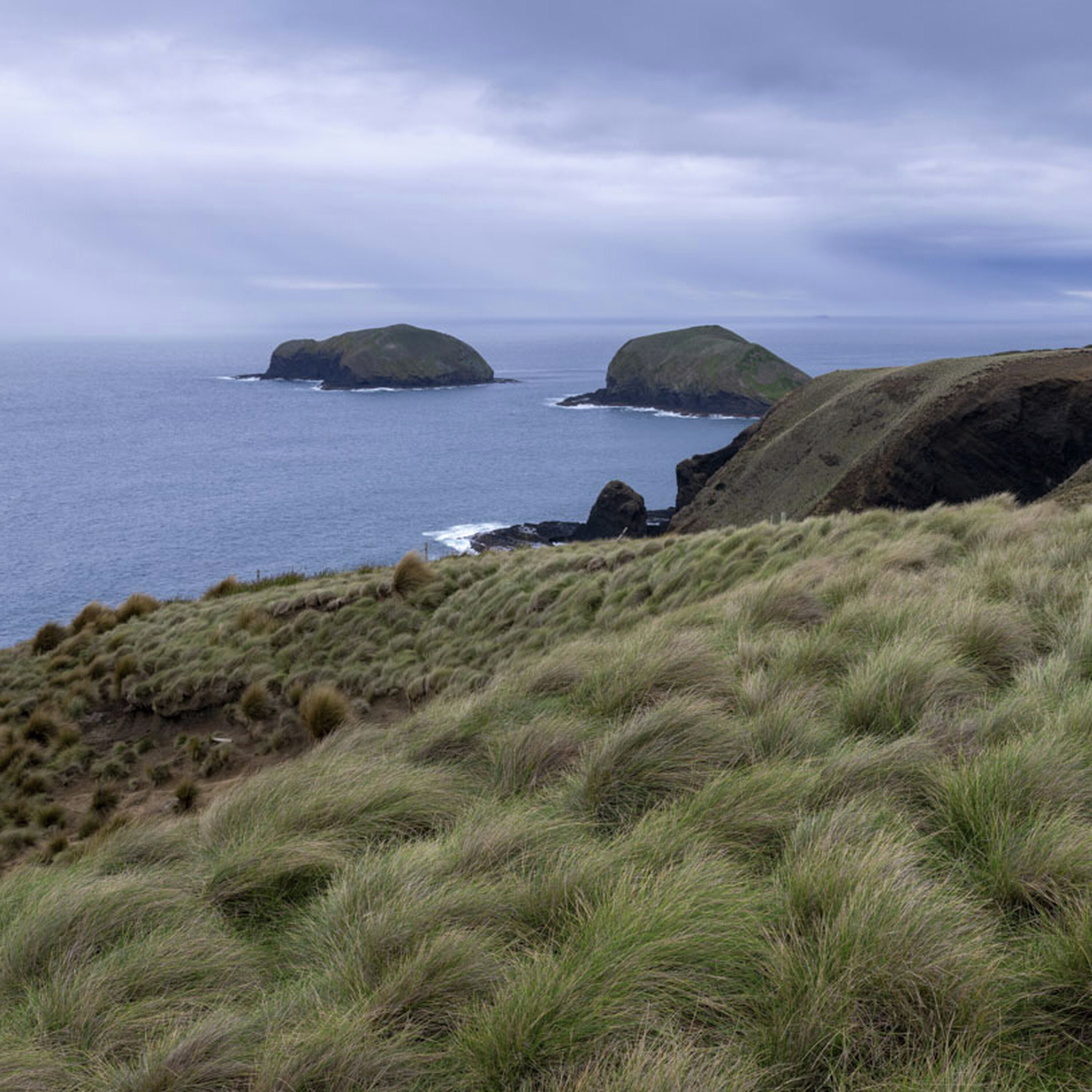
What a Tower in Tasmania Tells Us About the Future of Planet Earth
2w ago00:14:15Tap to summarizeOn a windswept cliff at the edge of Tasmania, scientists are quietly tracking the future of our planet. This week, host Rebecca Jones speaks with David Stringer, managing editor of climate and ESG news in Asia, about Kennaook/Cape Grim — home to some of the cleanest air on Earth and one of the world’s most important climate monitoring stations. Learn how decades of data are reshaping our understanding of climate change, why the site matters to governments and investors, and what Australia’s role could be in the global climate fight.See omnystudio.com/listener for privacy information.
Transcribe →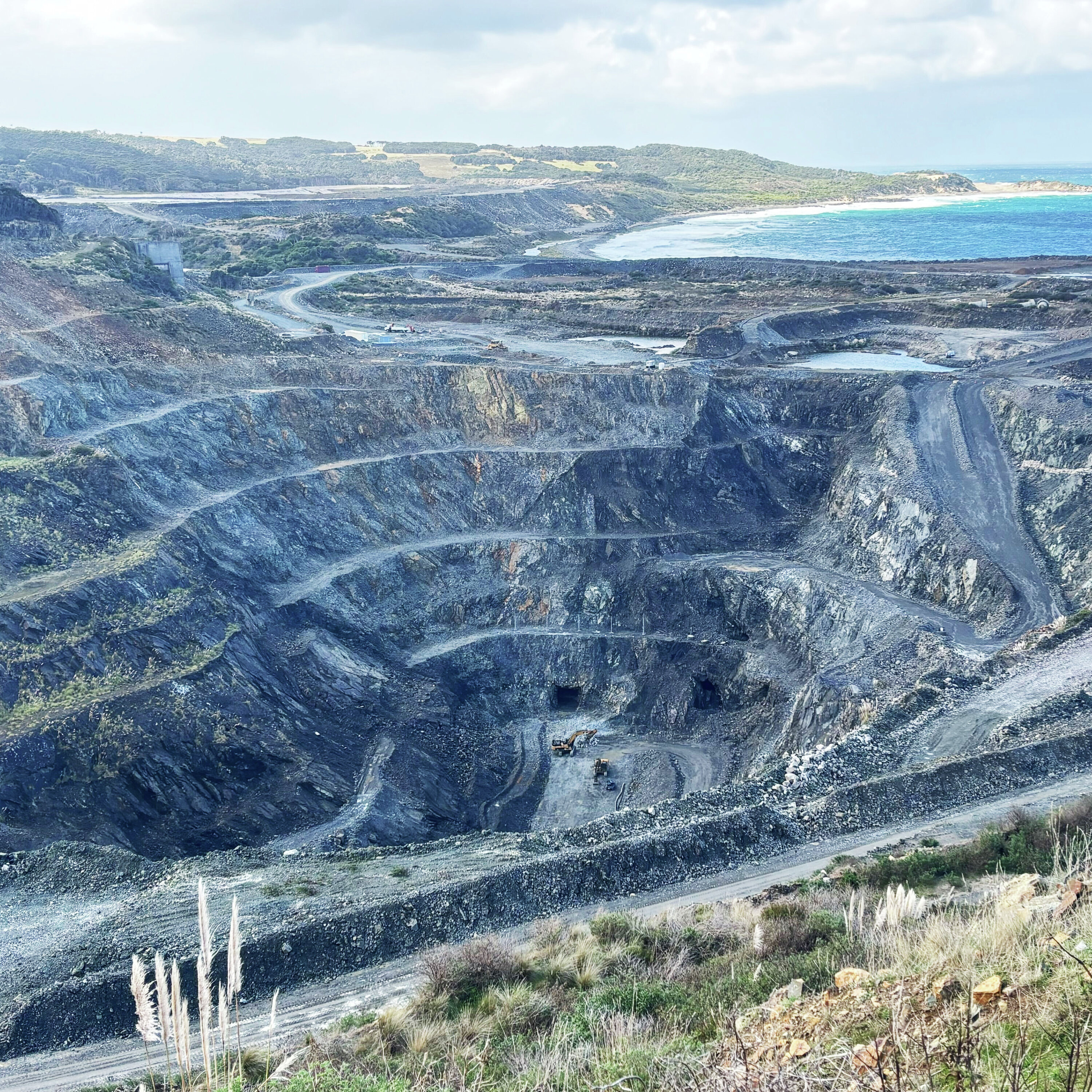
A Remote Mine Predicts Major Wars – And It’s Reopening
3w ago00:22:28Tap to summarizeCould one remote Australian mine be a warning sign for the world? This week, Bloomberg Opinion columnist David Fickling talks to Chris Bourke about the revival of King Island's century-old tungsten mine, and how it reflects a new era of geopolitical competition as countries race to secure supplies of the little-known metal for weapons and munitions. The conversation explores China's dominance of the tungsten market, Australia's untapped reserves and why decades of globalization left Western economies exposed to critical mineral supply risks. Fickling explains how one obscure mine offers a window into the race for critical minerals, the changing nature of war and the global scramble to secure strategic supply chains.See omnystudio.com/listener for privacy information.
Transcribe →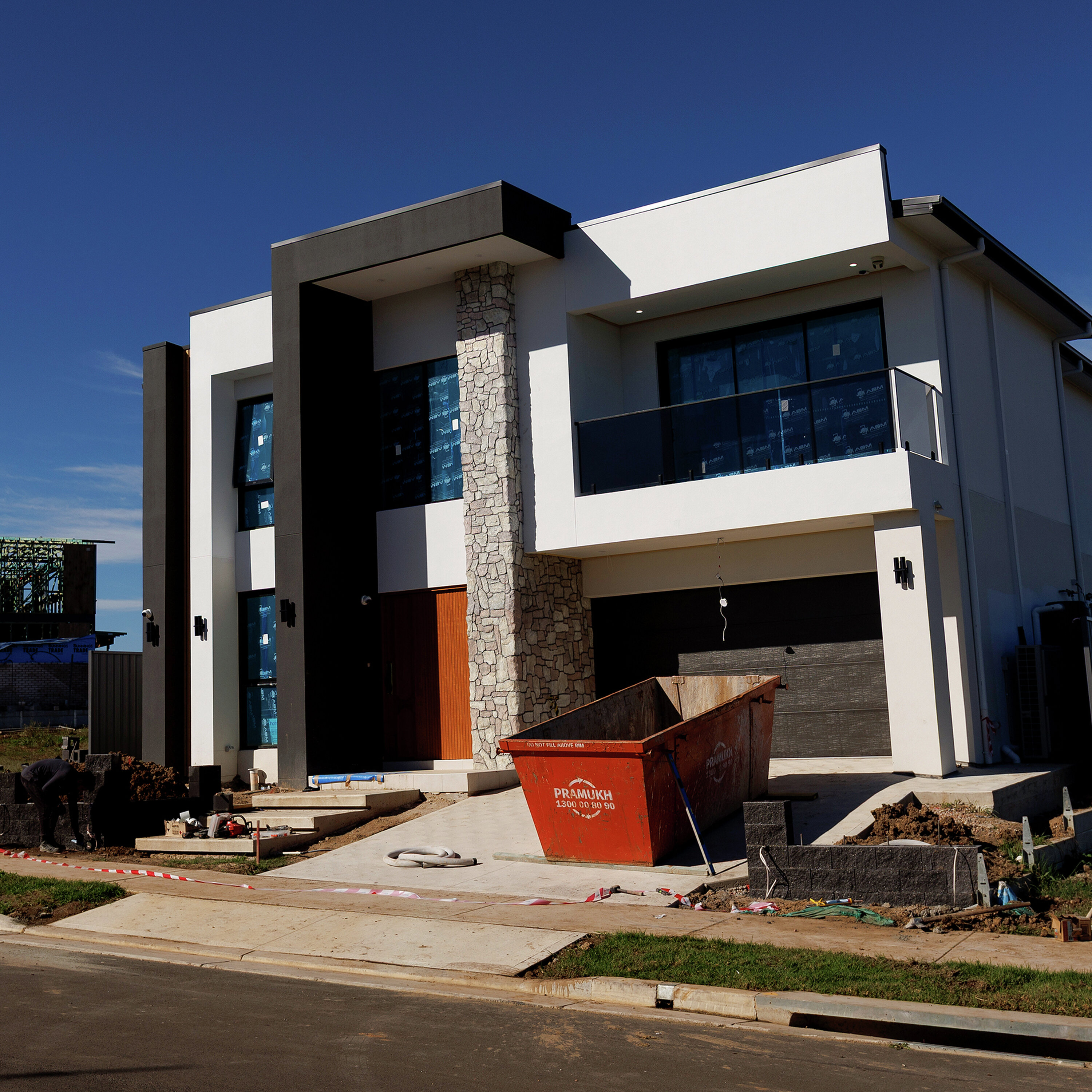
What Falling House Prices Mean for Your Mortgage and Your Wealth
Jul 200:18:48Tap to summarizeAustralia's housing downturn is accelerating, with national prices recording their biggest monthly fall since late 2022 as higher interest rates, tighter investor lending rules and geopolitical uncertainty weigh on demand. In this episode, Chris Bourke talks to Bloomberg economist James McIntyre about why the weakness has spread beyond Sydney and Melbourne. The episode also explores what falling house prices mean for the broader economy. McIntyre says the decline is likely to hit consumer spending through the "wealth effect," slow housing construction and eventually shift the Reserve Bank's focus from stubborn inflation toward supporting growth with rate cuts. See omnystudio.com/listener for privacy information.
Transcribe →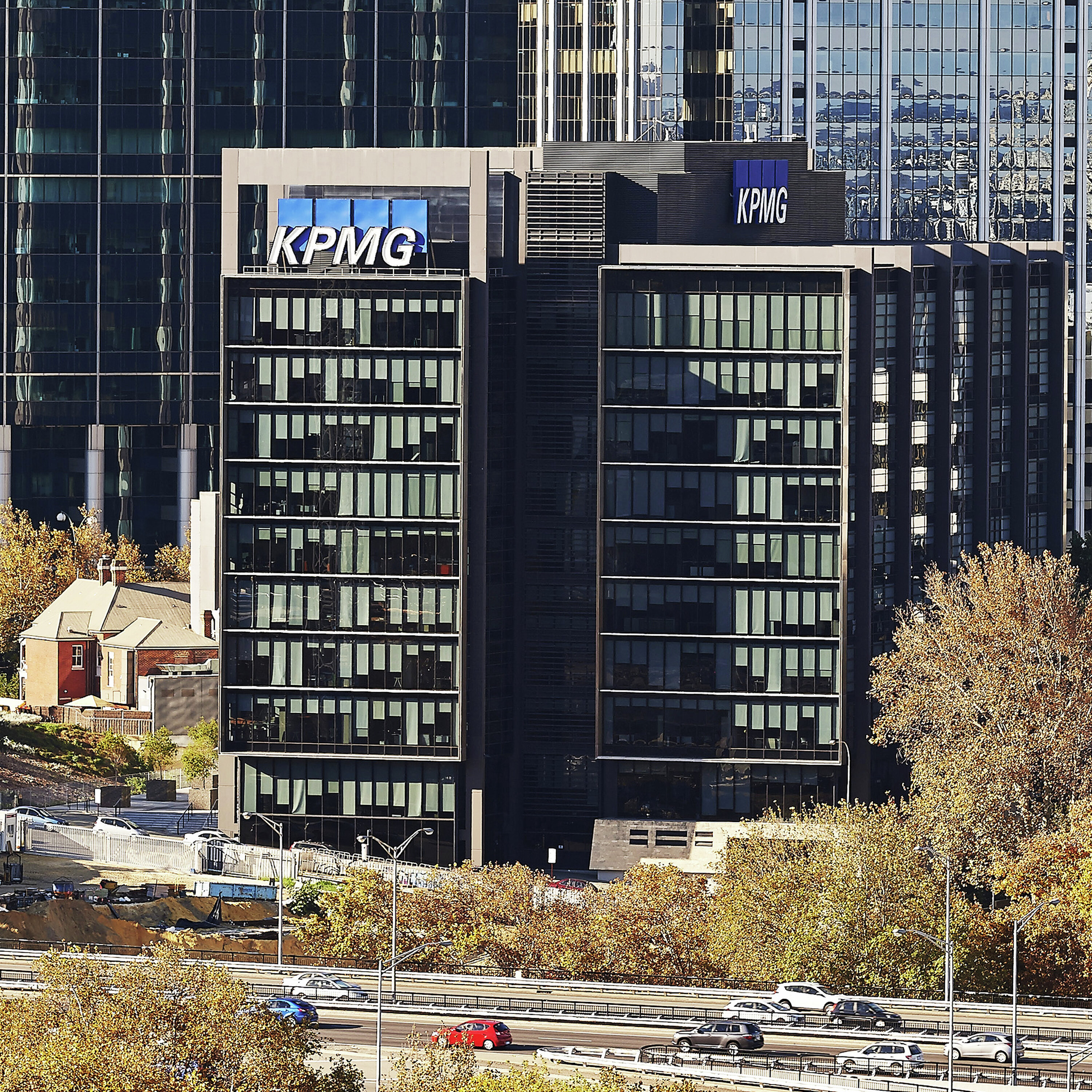
‘Egregious and Inexplicable’: KPMG’s Day of Reckoning
Jun 2500:13:43Tap to summarizeKPMG Australia is facing its biggest crisis in years after allegations that confidential client information was misused to help win lucrative audit contracts. In this episode, Amy Bainbridge talks to finance reporter Richard Henderson about what emerged from an explosive parliamentary hearing, and why more senior executives are stepping down. We also examine the scandal’s broader implications for the consulting industry, investors and corporate Australia. Why has so little changed since PwC's own confidentiality scandal – and are the industry's rules fit for purpose?See omnystudio.com/listener for privacy information.
Transcribe →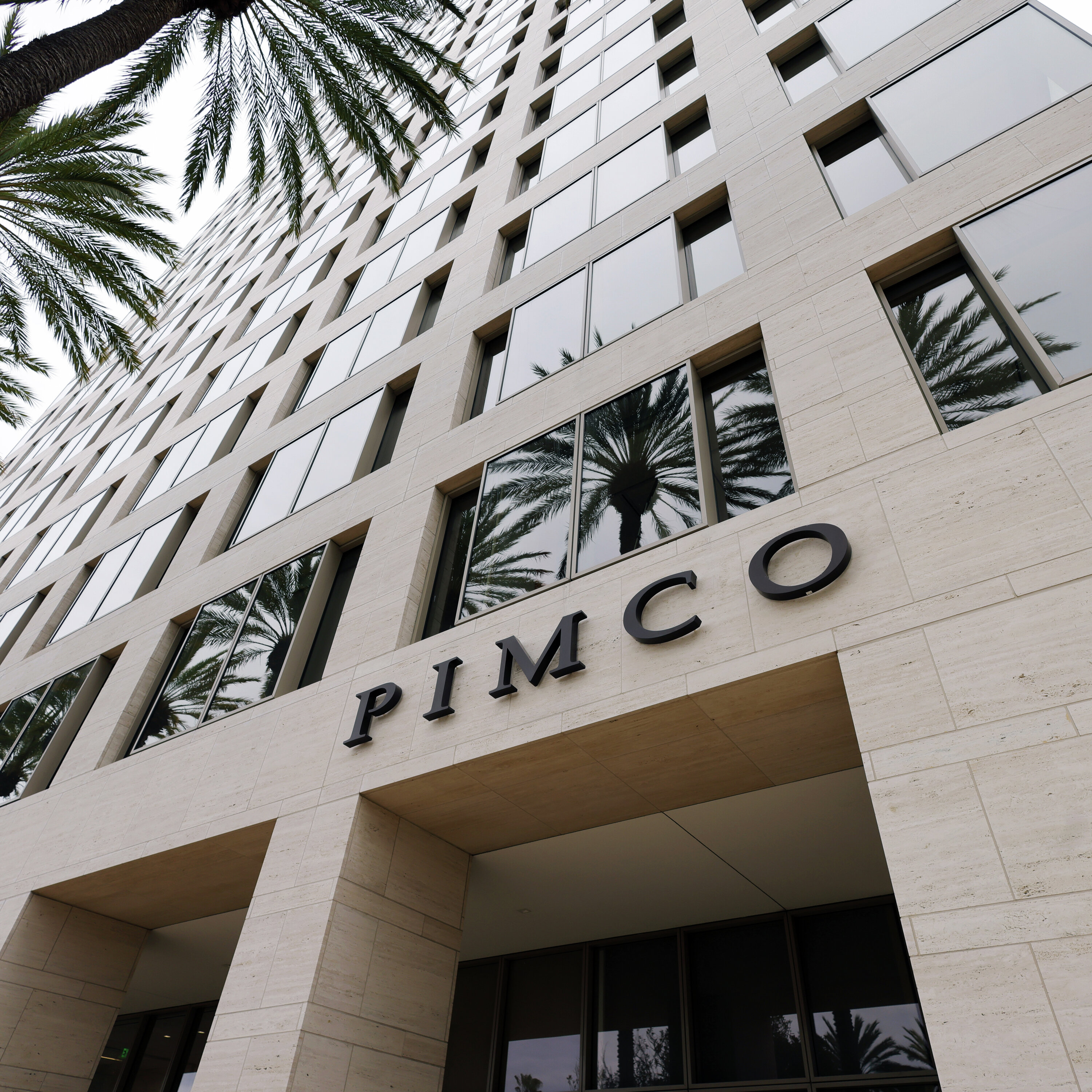
Why This Giant Investor Thinks the RBA’s Next Move is a Rate Cut
Jun 1800:14:37Tap to summarizeAustralian mortgage holders got some relief this week after the Reserve Bank left interest rates unchanged, pausing after three consecutive hikes. But has the central bank finished tightening? And what does the outlook for inflation, growth and global risks mean for investors? On this week's podcast, Chris Bourke speaks with Adam Bowe, Australian head of portfolio management at global investment giant Pimco. Bowe explains why Pimco believes the RBA has likely done enough, why the next move in rates is more likely to be down than up, and why Australian bonds are among the most attractive opportunities in global fixed income markets today.See omnystudio.com/listener for privacy information.
Transcribe →
Could the SpaceX IPO Make Elon Musk the World’s First Trillionaire?
Jun 1000:13:35Tap to summarizeSpaceX is finally heading to the stock market in what could become the biggest IPO in history. The Elon Musk-founded company is seeking a valuation of around $1.75 trillion, a debut that could make Musk the world’s first trillionaire and test investor appetite for one of the most ambitious businesses ever brought to public markets. On this episode, host Chris Bourke speaks with New York-based IPO reporter Bailey Lipschultz about the excitement gripping Wall Street, the risks behind SpaceX’s eye-watering valuation, and what the deal could mean for the next wave of AI listings from OpenAI and Anthropic. Is this the start of a new era for markets – or the ultimate test of the Musk premium?See omnystudio.com/listener for privacy information.
Transcribe →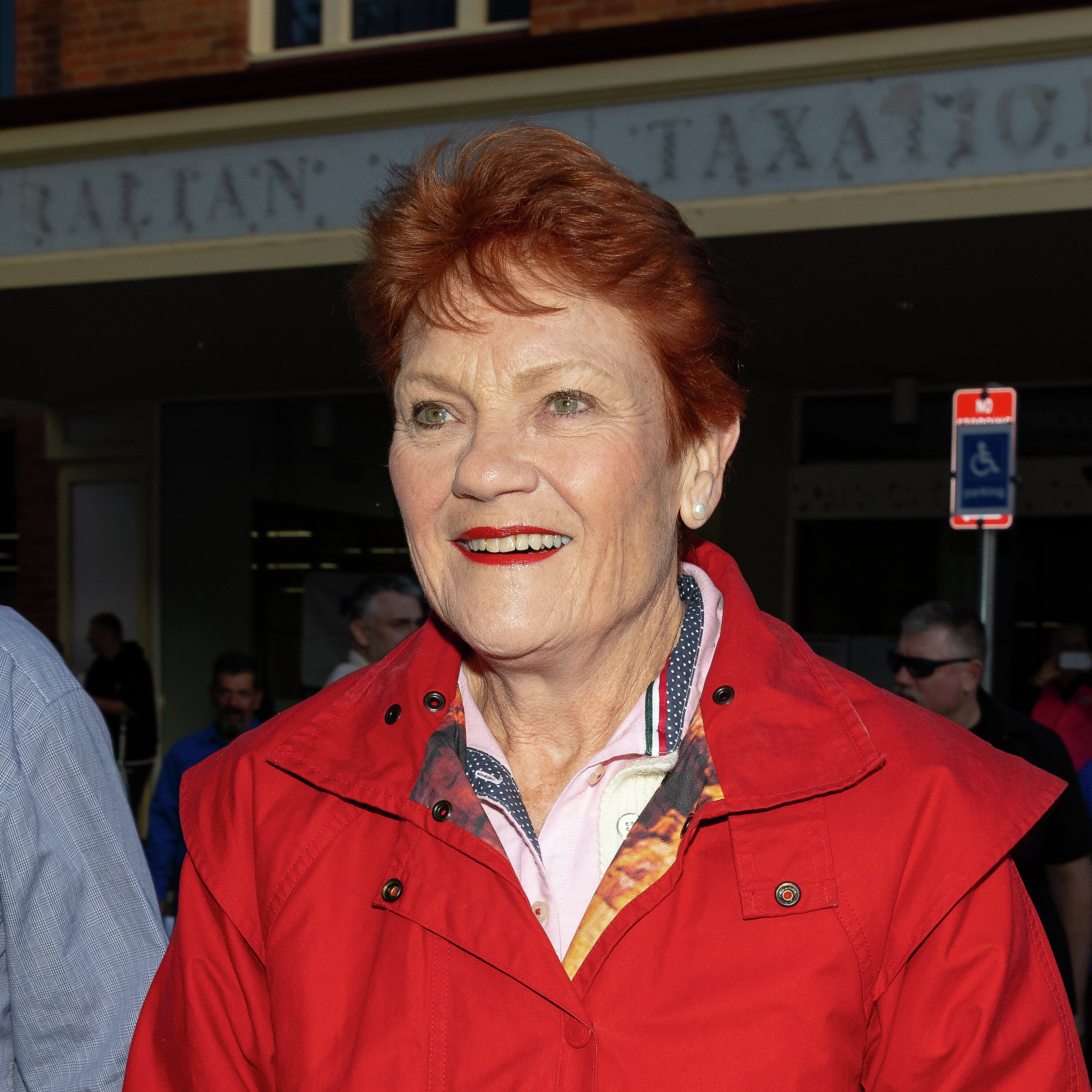
What One Nation’s Rise Means for Australian Politics
Jun 400:16:05Tap to summarizeFresh polling has delivered one of the biggest political shocks in decades: Pauline Hanson’s One Nation is now Australia’s most popular party, overtaking Labor and the Coalition on primary vote. The surge comes amid growing voter frustration over cost-of-living pressures, higher interest rates and a budget that many Australians feel has done little to ease household strain. On this episode, Rebecca Jones speaks with Bloomberg Economy and Government Editor Michael Heath about what’s driving One Nation’s rise, whether it reflects a broader shift in Australian politics, and what it means for Labor and the Coalition. Is this a temporary protest vote, or the beginning of a fundamental political realignment?See omnystudio.com/listener for privacy information.
Transcribe →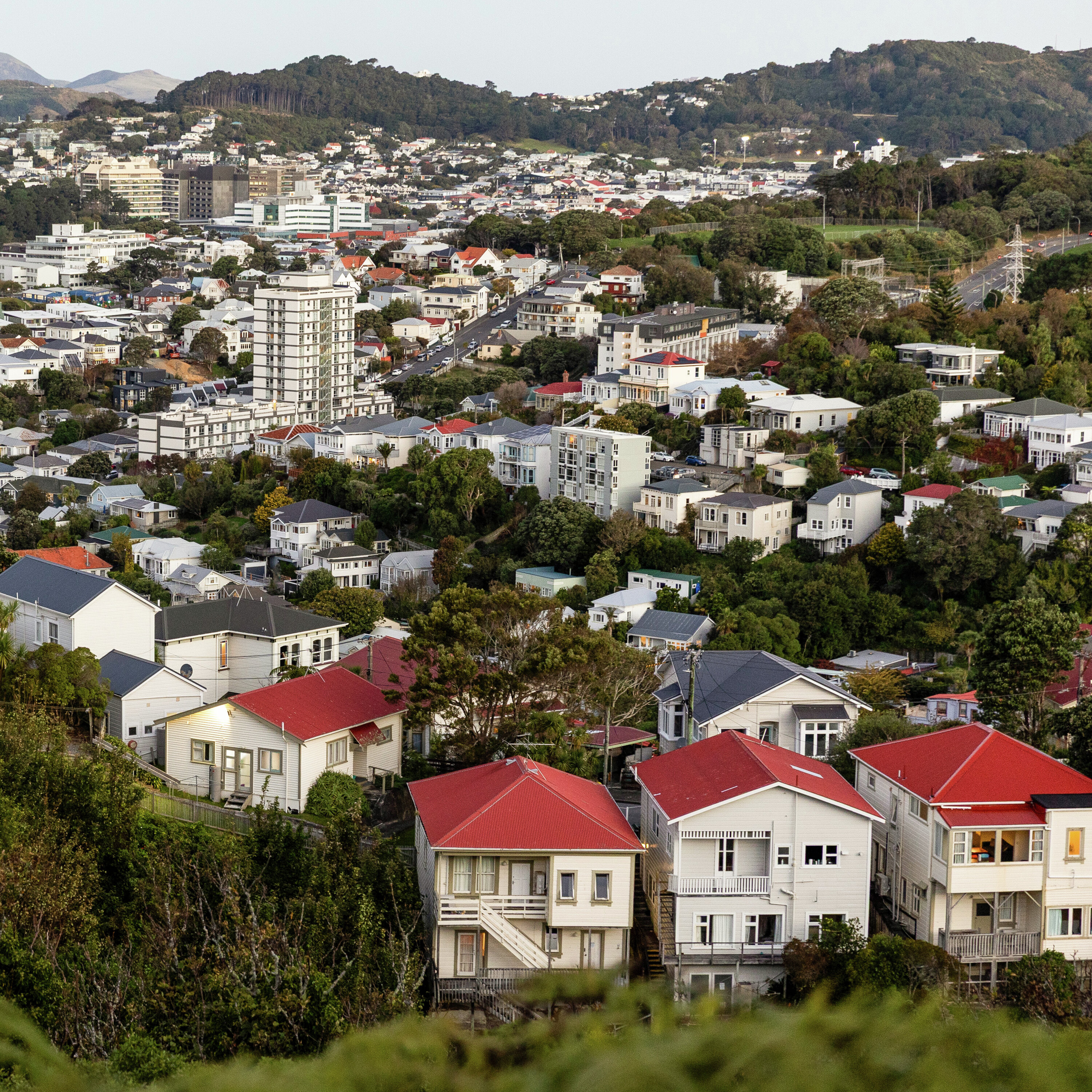
When a Housing Bubble Bursts: A Warning from Across the Ditch
May 2800:15:35Tap to summarizeNew Zealand’s housing boom once looked unstoppable. Now prices are falling sharply, construction firms are collapsing and younger buyers are questioning whether property is still the safest path to wealth. On this week’s podcast, Chris Bourke speaks with Wellington Bureau Chief Ainsley Thomson about the economic fallout from one of the world’s biggest housing reversals — and what lessons it could hold for Australia as its own market begins to wobble. They discuss the painful reality of falling house prices, why governments fear housing downturns even when affordability is a political priority, and how New Zealand’s property slump is reshaping the way younger generations think about investing. Plus: are there actually bargains to be found across the Tasman for cashed-up Australians?See omnystudio.com/listener for privacy information.
Transcribe →