Podcast
The Blue Collar Future
Hosted by Jaden Robison · EN
The Blue Collar Future Podcast provides the essential tools for success in the trades. Through insightful interviews with top performers and the host's own experiences, listeners will discover exactly what they can achieve in their blue-collar careers. Anyone can build a great life in the skilled trades, forget the noise and stigmas. Whether you're curious about the trades or already in them, this podcast delivers valuable weekly insights to help you thrive.
Join our discord channel! https://discord.gg/YFNXvm4sh
30episodes
Episodes
Newest firstAll episodes

Leadership in The Trades: The Ripple Effect | The Punchlist
Mar 301:01:02Tap to summarizeIn this episode of the Blue Collar Future Podcast, Jaden Robison and Jessie Demler discuss how social media is reshaping opportunities in construction and why leadership is the real leverage point for changing industry culture. They break down the ripple effect of behavior on job sites, the need for better mentorship and training, and how companies can evolve without losing what makes the trades strong. 🎙️ Key Takeaways Social media is creating real opportunities in the trades Leadership behavior directly shapes company culture Jobsite culture changes when individuals lead by example Training future leaders requires intentional mentorship Positive company culture attracts better talent Personal development strengthens professional leadership Collaboration across companies strengthens the industry Small changes in behavior create large ripple effects over time ⏱️ Chapters (00:00) – Opportunities Created by Social Media (04:46) – The Power of Posting Online in Construction (10:37) – AI, Privacy, and the Future of Job Sites (14:26) – Leadership Problems in the Trades (18:09) – Changing Culture from Within (22:09) – Leading by Example & Ripple Effects (26:05) – Mentorship and Training Future Leaders (33:40) – Collaboration and Industry Unity (39:49) – Attracting New Talent to the Trades (49:40) – The Long-Term Impact of Leadership
Transcribe →
What the top 10% of Tradesmen are like, Teaching to Troubleshoot Problems | RFI: Request for Insight
Feb 1700:44:40Tap to summarizeIn this RFI episode of the Blue Collar Future Podcast, hosts Jaden Robison and Jessie Demler answer listener questions about what separates top-tier tradespeople from the average, how to develop real troubleshooting skills, and how to transition into the trades later in life. This episode is a practical guide for anyone serious about building a strategic, long-term career in construction. Join our Discord HERE Try out LiveSwitch to save you time and money on the job 🎙️ Key Takeaways The top 10% separate themselves through communication, ownership, and consistency Skill alone isn't enough—attitude and accountability matter Troubleshooting is built through repetition and pattern recognition Young tradespeople should intentionally build a "mental library" of problems and solutions There are multiple pathways in the trades beyond heavy field labor Sales experience can translate well into business ownership or specialty trades 🧠 Listener Questions Answered What separates the top 10% of skilled workers from the average? How would you teach someone to troubleshoot problems effectively? What advice would you give an older adult switching into the trades? Bonus: What trade makes sense for a young man currently working in sales? ⏱️ Chapters (00:00) – Introduction and Health Concerns (02:43) – Silica Dust and Safety Awareness (05:28) – Creating a Positive Work Environment (08:07) – Communication Skills in the Trades (10:56) – Delaying Gratification for Career Growth (13:24) – Teaching Troubleshooting Skills (16:08) – Building a Troubleshooting Library (21:31) – Creating a Supportive Learning Environment (24:54) – Embracing Failure as a Learning Tool (27:04) – Communication and Understanding on the Job (28:57) – Advice for Older Adults Entering the Trades (35:13) – Finding Opportunities in the Trades (41:46) – Intentional Career Choices
Transcribe →
How to Push Through the Hard Days and Keep Showing Up | The Punchlist
Feb 300:51:19Tap to summarizeIn this episode of the Blue Collar Future Podcast, hosts Jaden Robison and Jessie Demler have an honest conversation about what it really takes to show up in the trades—especially on the hard days. They dive into morning routines, mindset, and mental health, pulling from their real-world experiences in bricklaying and concrete work. 🎙️ Key Takeaways Hard days are a normal part of working in the trades Morning routines help set the tone for long, demanding days Mental preparation matters as much as physical readiness Discipline outlasts motivation when work gets tough Job satisfaction isn't always the motivator—responsibility is Camaraderie and shared struggle help crews push through It's okay to sit with difficult emotions before moving forward Perspective can change how you experience hard days Complaining rarely fixes problems—action does Strong communities keep tradespeople in the industry ⏱️ Chapters (00:00) – Introduction and Morning Routines (04:14) – Showing Up on Hard Days (09:12) – Backgrounds in the Trades (13:43) – Brutal Truths of Bricklaying and Concrete Work (15:18) – Mental Health in Construction (20:03) – Camaraderie and Team Support (24:26) – Discipline vs. Motivation (25:49) – Emotional Accountability and Growth (30:23) – Perspective and Gratitude (35:36) – Proactive Mindset and Daily Routines (38:14) – Emotional Resilience on Hard Days (44:27) – Problem Solving and Mindset (48:51) – Building Community in the Trades
Transcribe →
Confident vs Cocky, Leading People With More Experience Than You, Money and Social Media | RFI: Request For Insight
Jan 2000:51:33Tap to summarizeIn this RFI episode of the Blue Collar Future Podcast, hosts Jaden Robison and Jessie Demler answer listener questions around confidence on the job site, working with experienced journeymen, and navigating social media as a blue-collar professional. Shoutout to a show sponsor, LiveSwitch. Get set up with them here: 🎙️ Key Takeaways Confidence without humility quickly turns into ego Respecting experienced journeymen builds credibility and trust Strong communication prevents jobsite friction Leadership is earned through collaboration, not dominance Authenticity matters more than perfection on social media Sharing struggles builds more trust than only posting wins Clear boundaries protect both work and personal life Consistency beats chasing viral content 🧠 Listener Questions Answered How do you balance confidence without coming across as cocky in the trades? How should younger workers lead or work with more experienced guys on the job? What should blue-collar workers share—or not share—on social media? Whats the first step to making money on social media? ⏱️ Chapters (00:00) – Introduction and Episode Overview (02:04) – Balancing Confidence and Humility (11:52) – Leading Older or More Skilled Workers (24:53) – Sharing Personal Experiences Online (25:19) – Setting Boundaries on Social Media (26:31) – The Importance of Authenticity (28:40) – Sharing Struggles vs. Wins (30:26) – What Content Resonates with Audiences (36:46) – Building Community Through Engagement (39:35) – First Steps for Aspiring Content Creators (43:09) – The Reality of Monetizing Social Media
Transcribe →
Everything Wrong With The Trades: And How To Succeed | The Punchlist
Jan 600:57:43Tap to summarizeIn this Punchlist episode of the Blue Collar Future Podcast, hosts Jaden Robison and Jessie Demler discuss why ambition, accountability, and specialization matter more than ever, how company culture influences long-term fulfillment, and why waiting for better conditions is rarely the answer. This episode focuses on ownership, intentional growth, and building a sustainable, satisfying career in the trades. Takeaways Ambition and accountability are critical for long-term advancement Specialization improves job security and earning potential Company culture strongly impacts satisfaction and retention Job fulfillment is tied to growth and learning, not just pay Career success requires taking ownership, not waiting for change Clear goals help maintain motivation and direction Purpose-driven work leads to greater long-term satisfaction Chapters (01:49) – Navigating Home and Community Dynamics (03:56) – The Housing Market: A New Starter Home Dilemma (07:11) – Challenges in the Construction Industry (08:38) – Pay Stagnation and Career Growth in the Trades (12:40) – Ambition and Accountability in the Trades (18:07) – The Importance of Specialization (22:32) – Company Culture and Leadership (25:52) – Job Satisfaction and Personal Growth (29:32) – Taking Ownership of Your Career (36:10) – Finding Purpose in the Trades (40:10) – Setting Goals for Success (46:14) – The Path to Career Fulfillment (51:31) – Building a Future in Construction
Transcribe →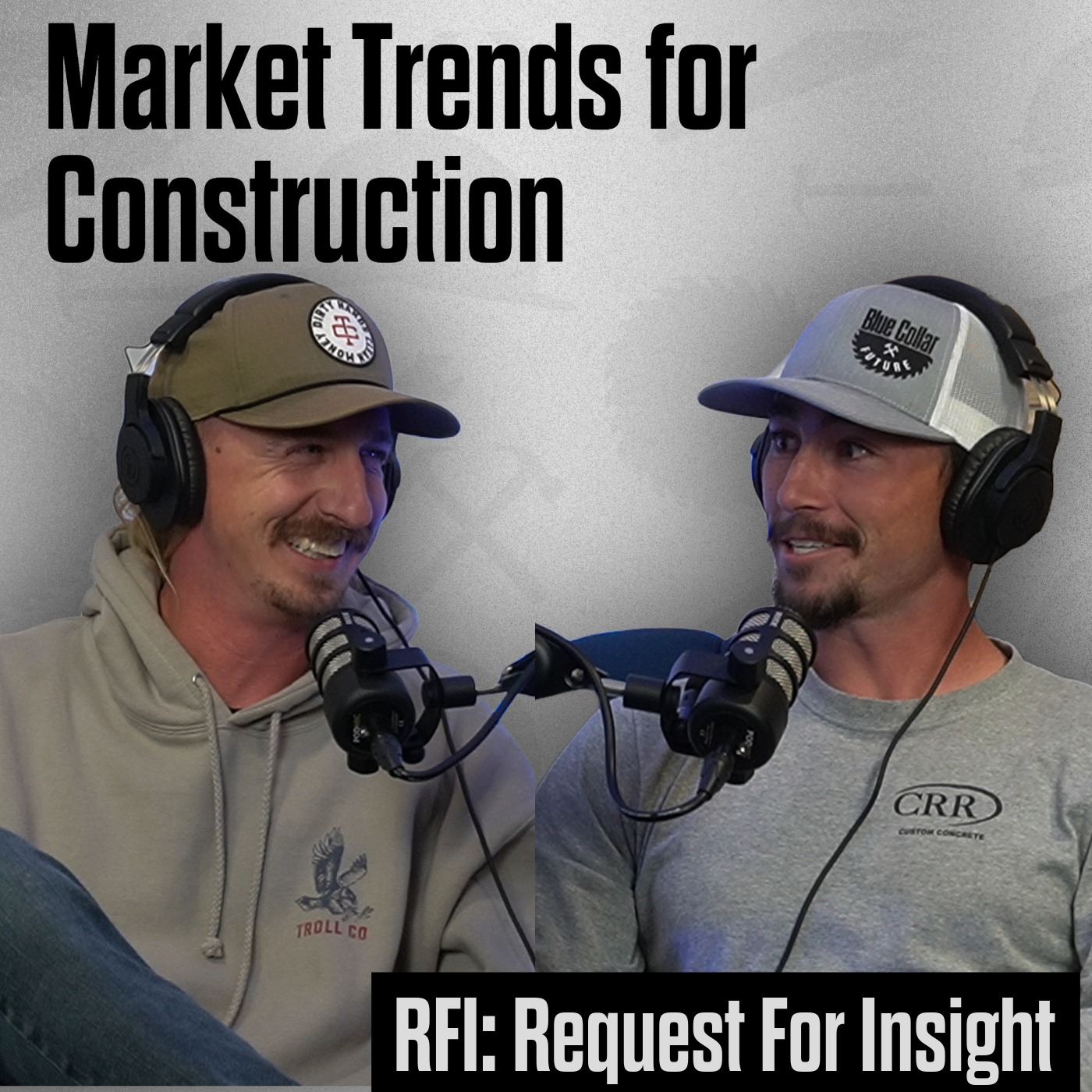
Market Trends in Construction, 10-20 Year Forecast For The Trades | RFI: Request For Insight
Dec 2300:50:14Tap to summarizeIn this RFI episode of the Blue Collar Future Podcast, hosts Jaden Robison and Jessie Demler break down what current market trends are signaling for construction, and where the industry is headed amid rapid technological shifts. They discuss AI's role in improving efficiency, the rise of consumerism and unrealistic housing expectations, and why finding the right trade matters more than chasing hype. This conversation offers a grounded, real-world look at career satisfaction, long-term opportunity, and the mindset required to thrive in today's trades economy. Takeaways Construction spending trends point to cautious optimism in the market AI and technology will support skilled trades—not replace them Consumer expectations have inflated housing demand and pricing Affordable housing shortages are tied to unrealistic market pressures Career satisfaction often grows with experience and skill mastery Curiosity and adaptability help tradespeople find the right career fit The trades offer stability, growth, and clear advancement paths Unrealistic expectations lead to burnout in any career A mindset shift can turn a job into a long-term, fulfilling career Chapters (00:00) – Seasonal Changes and Their Impact on Mood (02:39) – Work Trends and Market Predictions (05:07) – The Future of Construction and Workforce Dynamics (10:22) – Technological Advances and AI in Construction (15:32) – Affordable Housing and Market Trends (24:20) – The Rise of Consumer Expectations (26:15) – Luxury Fever and Its Impact (29:20) – The Future of Trades: Reality vs. Hype (34:37) – Finding the Right Trade for You (40:47) – The Journey of Career Satisfaction
Transcribe →
Are Electricians Going To Be The Next Millionaires? | The Punchlist
Dec 900:50:22Tap to summarizeIn this Punchlist episode of the Blue Collar Future Podcast, hosts Jaden Robison and Jessie Demler break down the viral claim that electricians and plumbers are going to be the next millionaires. They unpack where this idea came from, why it's misleading, and what actually leads to long-term financial success in the trades. If you've ever wondered whether blue collar careers really lead to wealth, or you're tired of the "get rich in the trades" narrative, this episode brings nuance, experience, and straight talk. Building Utah Youth Rapport Leadership International 🎙️ Key Takeaways "Electricians and plumbers are the next millionaires" is an oversimplified claim. The current push toward the trades mirrors the old push toward college—just flipped. True wealth in the trades requires financial literacy and intentional planning. Labor shortages are real and influenced by immigration and demographic shifts. Becoming a millionaire typically comes from business ownership or high-demand specialization. Saving, investing, and smart spending habits matter more than trade choice. Enjoying your work often leads to better long-term outcomes. The trades offer stable career paths and strong community. New tradespeople need realistic expectations—not empty promises. Wealth requires effort, strategy, and patience—not hype videos. ⏱️ Chapters (00:00) – Introduction to the Blue Collar Future Podcast (00:52) – The Millionaire Trades Debate (05:19) – The Reality of Becoming a Millionaire in Trades (10:45) – Labor Shortages and the Future of Trades (21:15) – Paths to Success in the Trades (30:18) – Financial Literacy and Wealth Building (39:37) – The Importance of Enjoying Your Work
Transcribe →
Nutrition, Misconceptions, and Favorite Things in the Trades | RFI: Request For Insight
Nov 2500:39:13Tap to summarizeIn this RFI episode of the Blue Collar Future Podcast, hosts Jaden Robison and Jessie Demler tackle three listener questions covering everything from meal prep and coffee culture to job satisfaction and the biggest misconceptions people have about the trades. 🎙️ Key Takeaways Meal prep is simple—people just overcomplicate it. Intentional eating matters, especially with long physical days. Camaraderie and crew culture determine job satisfaction. The trades require problem-solving, planning, and math skills. Concrete work depends more on prep than rebar. Misconceptions about the trades often stem from ignorance. Small nutrition changes = big improvements over time. 🧠 Listener Questions Answered How do you make it easier to eat better in the trades? What's your favorite part of your job and why? What's a big misconception people have about your trade? ⏱️ Chapters (00:00) – Coffee Culture and Preferences (04:59) – Nutrition and Meal Prep in the Trades (16:56) – Job Satisfaction and Camaraderie in the Trades (22:13) – The Joy of Variety in Work (26:30) – Misconceptions in the Trades (30:44) – Skills and Intelligence in Construction (33:26) – Concrete Myths and Realities (40:57) – The Importance of Preparation in Concrete Work
Transcribe →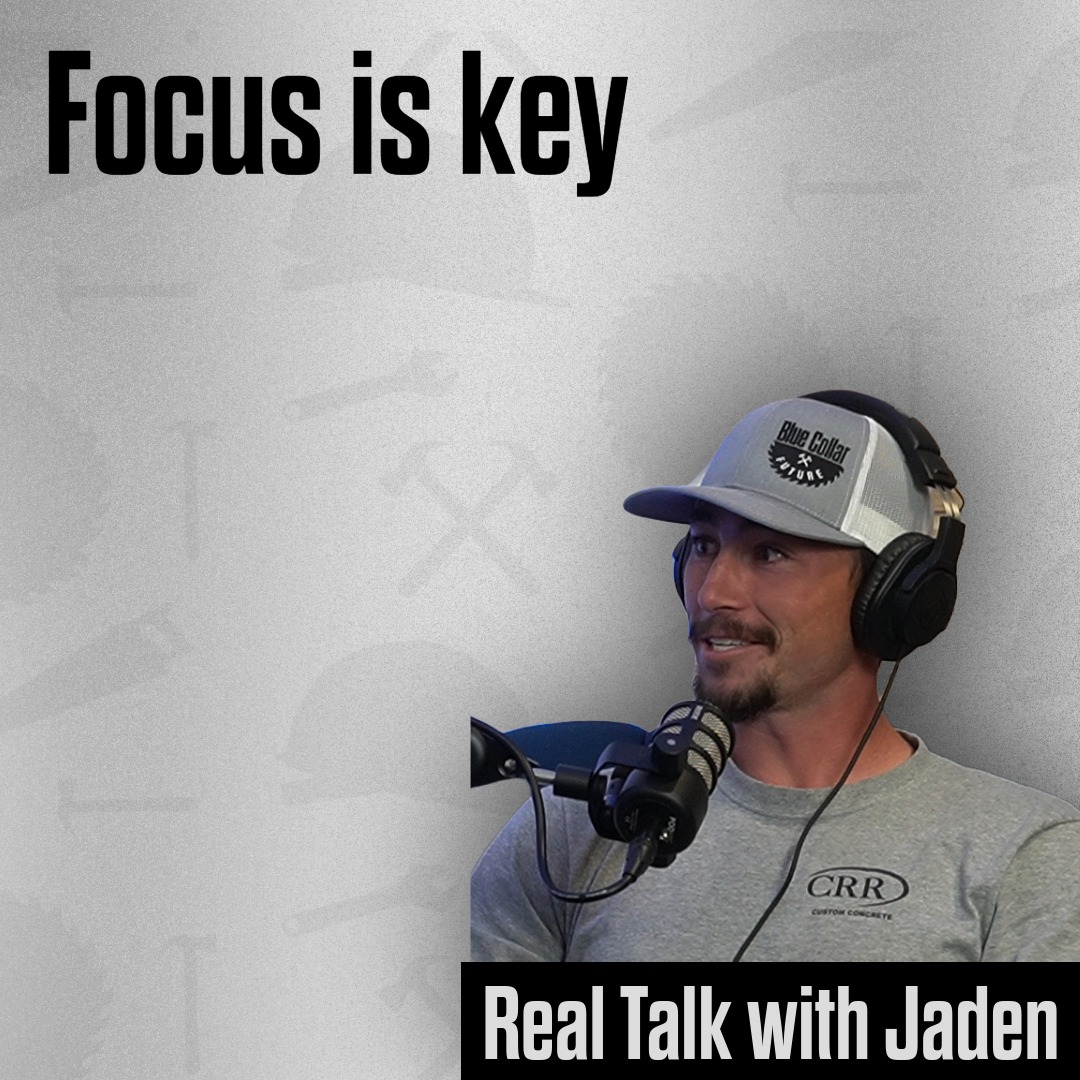
Leadership, Focus, and the Fear That Holds Us Back | Real Talk with Jaden
Nov 1800:20:24Tap to summarizeIn this solo episode of the Blue Collar Future Podcast, host Jaden Robison reflects on speaking at a fundraising gala and the leadership training he completed nearly a decade ago—training that shaped the way he approaches personal growth, fear, and responsibility today. Jaden breaks down how fear of failure keeps so many people stuck, why focus is harder than ever in a distraction-heavy world, and what intentional habits like reading, journaling, and time blocking can do to rebuild your ability to think deeply. . 🎙️ Key Takeaways Leadership training leaves a lifelong impact when applied. Everyone has roadblocks to success, figure yours out Focus is becoming rare Small daily habits compound into major long-term growth. Reading and journaling strengthen your ability to think Focus is a muscle—you must train it. Technology distractions drain mental bandwidth and presence. Intentionality is the foundation of leadership and discipline. Reflecting on your past gives clarity for the future. Protecting time with family matters more than screen time. ⏱️ Chapters (00:00) – Introduction to Focus and Leadership (02:06) – Personal Journey and Leadership Training (08:09) – Overcoming Fear of Failure (10:21) – The Importance of Focus (19:38) – Conclusion and Call to Action 🔗 Referral / Partner Link Check out our friends at LiveSwitch — helping blue collar businesses save time, qualify clients faster, and reduce wasted trips with real-time video tools. 👉 Try LiveSwitch for free here
Transcribe →
Mental Health in the Trades: What You Can Do to Help - The Punchlist
Nov 1100:46:21Tap to summarizeIn this episode of the Blue Collar Future Podcast, hosts Jaden Robison and Jessie Demler tackle one of the most overlooked issues in the construction industry — mental health. They break down practical ways to take care of your mental health, support your crew, and focus on what really matters: being present, showing up, and leading by example. 🧠 Key Takeaways The construction industry has one of the highest suicide rates of any profession. Tough guy culture leads to bottled-up emotions instead of real conversations. Communication is the foundation for improving mental health at work. Vulnerability builds stronger leaders and healthier teams. Personal development is a lifelong tool for resilience. Recognizing signs of distress can save lives. Creating supportive environments creates ripple effects across the crew. Staying focused on today is key to building balance and peace of mind. Sharing your story helps others open up. Self-improvement isn't one big moment — it's consistent effort. ⏱️ Chapters (00:00) – The Tough Guy Culture and Mental Health (02:59) – Recognizing the Mental Health Crisis in Construction (05:53) – Breaking the Silence: Opening Up About Struggles (08:50) – The Importance of Vulnerability and Communication (11:59) – Personal Development and Self-Care Strategies (14:48) – Creating a Supportive Environment (17:55) – Proactive Approaches to Mental Health (23:23) – The Power of Positive Thinking (29:54) – Focusing on the Present (32:55) – Taking Action and Creating Ripples (36:46) – Building Resilience Through Small Steps (40:34) – Helping Others and Sharing Your Journey
Transcribe →