← The Bobby Bones Show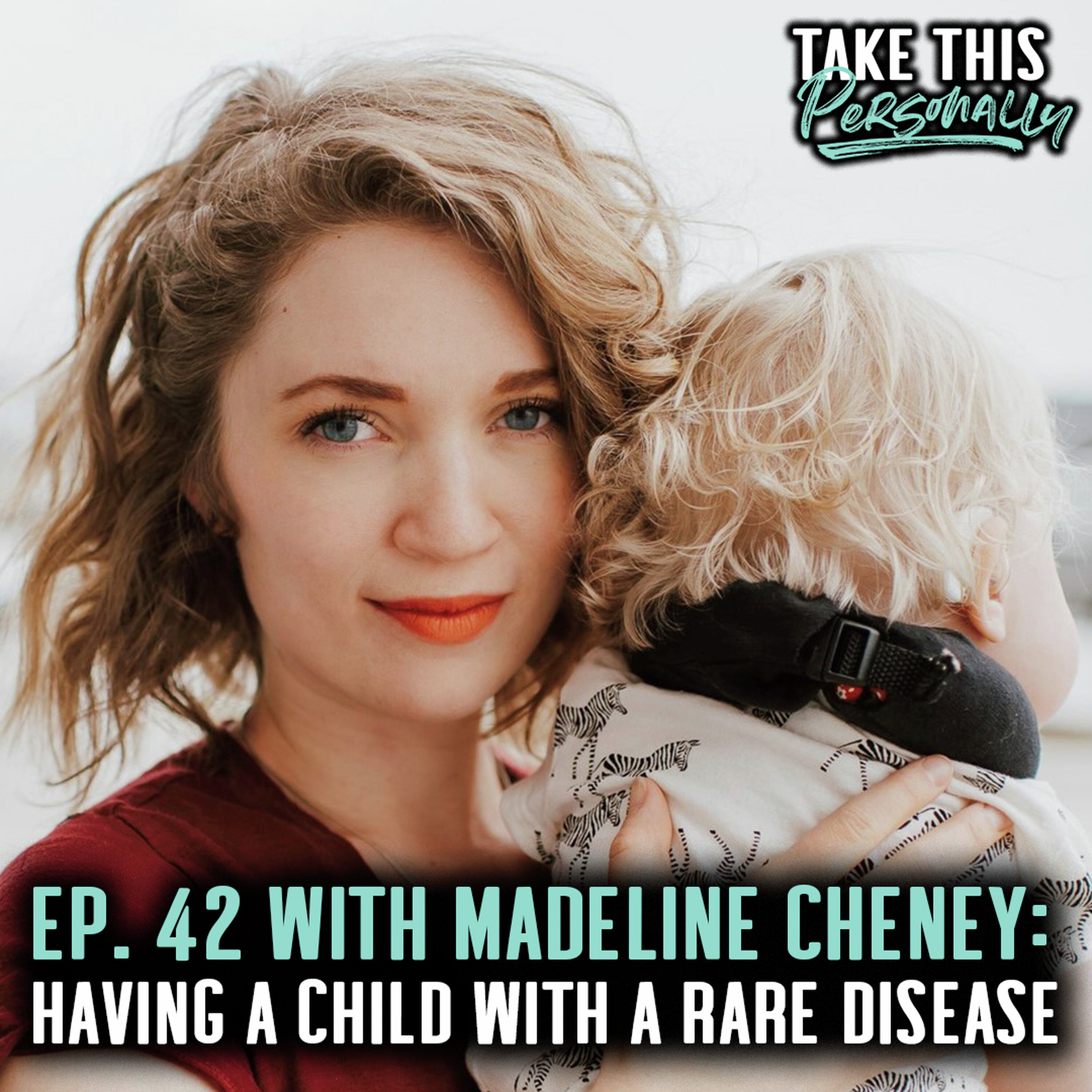
Loading summary
Transcript79 lines
- [00:00]
Podcast Host
You're listening to an iHeart podcast.
- [00:06]
Ryan Seacrest
Ready for another dose of mystery into mind games? The Hulu original series 9 Perfect Strangers is back for an all new season this May. A new group of visitors with mysterious connections to each other journey to an opulent healing retreat. Subjected to an intense and unorthodox form of therapy and wellness, they peel back the layers in a series of shocking twists and revelations. Starring Nicole Kidman, Nine Perfect Strangers is now streaming on Hulu. New episodes Wednesdays hey, it's Ryan Seacrest.
- [00:36]
For Albertsons and safeway. Now through June 17th. Shop in store or online for your favorite personal care Items and save $5 when you spend $15 or more. Stock up on items like Dove Body Wash, Degree Motion Sense Deodorant, Tresemme Hairspray, Dove Shampoo, Dove Bar Soap, Dove Men's Body and face Wash and Dollar Shave Club blades, and save $5 when you spend $15 or more. Hurry in before these deals are gone. Offer ends June 17. Promotions may vary. Restrictions apply. Visit albertsons or safeway.com for more details. Hello, it is Ryan and I was on a flight the other day playing one of my favorite social spin slot games on chumbacasino.com I looked over the person sitting next to me and you know what they were doing. They were also playing Chumba Casino. Everybody's loving having fun with it. Chumba Casino's home to hundreds of casino style games that you can play for free, anytime, anywhere. So sign up now@chumbacasino.com to claim welcome bonus. That's chumbacasino.com and live the Chumba Life.
- [01:32]
Podcast Sponsor
Sponsored by Chumba Casino.
- [01:33]
Podcast Host
No purchase necessary. VGW Group Void. We're prohibited by law 21 + terms and conditions apply.
- [01:51]
Ryan Seacrest
Take this personally with Morgan Huelsman.
- [01:56]
Madeline Cheney
For these next two episodes we're focused on disabilities and rare diseases. First, I'm bringing on Madeline Cheney who is the host of the Rare Life podcast and mom of a sweet kiddo who was born with a rare disease. She's sharing her experience from the moment she found out in pregnancy to where they are today. Then next week I'm bringing on Sarah Todd Hammer to share her story. She's a three time published author, speaker and disability advocate. She has a very unique story and tells her disability experience from a place of vulnerability and honesty. I'm so excited to share both of their stories with you all. So let's get into it. Joining me today is Madeline Cheney. You host a podcast called the Rare Life for parents of children with rare conditions and I'm so excited to talk to you today, all about that, your story and everything. So hi, thanks for joining me.
- [02:52]
Podcast Host
Thanks so much for having me. I'm so excited to chat.
- [02:55]
Madeline Cheney
I know. And I'm really excited to share your story and I think that's the best place to start. I want to hear why even this podcast exists and the reason for it from your perspective and what's happened in your life to be where you are right now.
- [03:12]
Podcast Host
Yeah. So it all starts with my son Kimball. He is right now, he's almost 7. And we have an older daughter, Wendy. So when I got pregnant with Kimball, she was 2. And we just thought we'd just have a run of the mill life with run of the mill kids, not including disabilities. Cause you don't really think about that. And we had found out at that point I was going in for my 20 week ultrasound, which is where a lot of these stories start going into that. I was like, oh, it's going to be a super boring appointment. There's. We're not really going to learn anything because we had accidentally found out he was a boy at 13 weeks. And so I was like, we're not going to find out anything. So I told my husband, husband, like, you know what, don't come to the appointment, It'll be boring. Just go to work. So this was the first appointment he didn't go to with me, which in hindsight I'm like, oh, I wish he would have been there. But I brought our two year old to that appointment and as the ultrasound tech was scanning me, I was like, oh, she's being pretty quiet. That's funny. I'm used to like with my daughter. It was a very lighthearted chatting with the baby. And are you excited and are you excited to find out if it's a boy or a girl? But it was just silent and I was like wanting to make small talks. I was like, so like asking her about her job. And she was like, normally I work in this high risk clinic downtown, but I come here once a week. And I was like, oh my gosh, that must be such a hard job to deliver hard news to these moms. She was like, it's not my job. The doctor does that. And I was like, okay. I was just laying there. She's pretty hard to get. It's hard to get her talking. But she was, while we were chatting about this, she was measuring and remeasuring different things she was finding on there that were definitely red flags. But she couldn't say anything because she's not the doctor. I'm just laying there thinking, everything's fine. And then she was like, okay, the doctor will look at the ultrasound results, and then we'll bring you in to talk to him. I was like, that's weird. Like, with our daughter. He just called us a few days later and like, yep, everything looks great. And that was that. So I was laying there thinking, like, could there be something going on? No, there's nothing wrong. Because I think for so many of us that do have disabled children, it's. You never really think it's going to happen to you. You're like, that happens to other people. I will never. It's not me. So I definitely was in that camp at that point, or I thought I was. And a little bit later, they brought us into the examination room with the doctor. I looked at his face, like, trying to get a clue, and I was like, oh, no. Like, this is not good. Because he looked pretty serious. And he sat us down and. Or sat me down. My daughter's toddling around. And he was like, it's hard to know for sure, but we think your son has down syndrome. And I just remember that those words, they changed my life forever. It just. Everything shifted. I felt like the whole world was, like, teetering on its side. I was like, what is happening right now? When I sat in a daze while he was explaining the different markers that looked like down syndrome, for example, he had short limbs, and his. He didn't have a prominent nose bridge. There just really wasn't any. There's, like, a little tiny nub, which is super cute. We have lots of pictures of those. He was like, we're going to test you, and we can find out if he has down syndrome, and we'll let you know within a week. And we were. I took my daughter and we were walking out, and I just remember, like, feeling just like everything felt so surreal.
- [06:29]
Madeline Cheney
And I was going to say, what was your first. Like, he tells you that, and what are your emotions and thoughts going through your head? Because you did go into this being like, this is a normal appointment. My husband's not here.
- [06:42]
Podcast Host
Yeah.
- [06:42]
Madeline Cheney
Holy crap. I just got really big news.
- [06:45]
Podcast Host
Yeah. I really just felt like my whole world had flipped upside down. I just felt like, this is so hard. Like, this is gonna be such a hard life. I think that was really what the first thing that came to my mind was. And I remember as I was processing, and it was really, like, washing over me for the next few hours after that appointment, I remember realizing, oh, my Gosh, I've been writing letters to this unborn child and he'll never read them. So I had these assumptions or the little knowledge that I had about people with down syndrome. I'm not saying that was accurate or not, but that was what I was thinking of. Oh, my gosh, he'll never be able to read these. And I will be. I will never be empty nesters. That was another thought that immediately came to my mind of this lifelong care. We will never just. This life that I expected, this trajectory that we felt like we were on, was suddenly shifted completely. And all I saw in my future really was hardship. I was like, this is going to be so hard. It's going to be so much work and I'm never going to be done. And I think I'm naturally a pretty independent person. And so the idea of having a child that's dependent on you for life was really hard for me to wrap my head around.
- [07:51]
Madeline Cheney
Yeah. And I don't think a lot of people consider that because you're really thinking about these first few moments and just like getting the news and the kind of shock of it all. To your point, nobody goes into it expecting that it's going to happen to them. And then they also, as they start playing it out in their head, have this thought of, oh, this is a child that will likely need my help for life in one way or another. Even if they become independent, even if all these things play out, there's still always going to be probably a need for me. And that has to be terrifying in just itself alone, because probably what you were imagining, your future after having kids feels like that gets taken away from you.
- [08:36]
Podcast Host
Yeah. Yeah, for sure. So it was like grieving this whole life I thought we were going to have and I thought he would have and. Oh, there was something with that you just said. I think, like, one of the reasons too, that we didn't. This wasn't even on our radar, is that we didn't know anyone with a disabled child. Yes, I could. Like, my brain started bringing up, like, oh, I think didn't this one cousin once say that, like, oh, yeah, I think she has a disabled child. But it was people that I was not. Not close to. So no one in my immediate circles, none of my family members, none of my close friends had disabled children. And so I think that was one reason that I wasn't even, you know, it wasn't on my radar at all. But that also meant it was so lonely. I felt suddenly just so alone in this. And I was like, no one understands. I called my mom, and I called my siblings, and I was like. I was like, oh, they think he has down syndrome. And the. The things that they said in response, it wasn't bad. I'm sure I would have said the same thing, but it was just very clear to me. They have no idea what this is like. And again, that was just such a terrifying thought. I was very young, too. I was 24 years old, and so I was just, I don't know, very naive to hard things in life. And so this was really a very rude awakening to, like, things that can be really difficult in life and complicated.
- [09:52]
Madeline Cheney
Okay. And now I'm, like, placing this. And this is just so crazy to me. Are you. I'd never ask age, but I'm just like, are you 31?
- [10:00]
Podcast Host
Yeah, I am 31.
- [10:01]
Madeline Cheney
I'm 31, and I'm sitting here and I'm not married. I don't have kids, but holy crap. That's the first thing that comes to my mind. Not only is this happening, and this is big news, and, yes, you have another child. So it wasn't like, this was a. Okay, we were playing. This is part of the goal. But you were so young for that experience.
- [10:24]
Podcast Host
Yeah.
- [10:25]
Madeline Cheney
Was that another thing that was going through your head? I'm really young, and I don't think I have the preparation to do what this is going to require of me.
- [10:34]
Podcast Host
For sure. That was one of my first thoughts, honestly. It was, I'm too young for a child with down syndrome, because that's what you hear. It's like the advanced maternal age and all of that. I was like, I'm 24 years old. Like, this is not supposed to be happening to me right now. Which, of course, it does happen to younger people. But that was, like, this assumption, too, that I felt almost as, like, immunity because I was so young. And then. Yeah. I mean, there were so many times throughout our son's life, too, as after he was born and with different things that happened that were really hard. I remember thinking, like, I'm too young for this. Like, I'm way too young for this. And I know life just happens, right? It's not. It's indifferent to your age and your experience. But it's interesting because I was talking to my mom about this recently, and she was like, oh, I had that thought a lot. She. She's way too young to have to go through these things. And so I do feel like for being 31 years old, I relate a lot with people who are older. Like, I Have. A lot of my best friends are 40s and their 50s, because I think, like, the life experience that I've had up to this point have made me grow up more than I would have. Undoubtedly, I have grown up a lot more than I would have without Kimball and our experiences with him.
- [11:39]
Madeline Cheney
Yeah, absolutely. And I could imagine that would just, gosh, send you on a completely different journey on so many levels. When you go back and you tell your husband this, that first conversation that you guys are having, is he reacting how you expected? What was that conversation like in those first few days moments?
- [12:01]
Podcast Host
He's very even keeled. That's one way I describe him. So he's very much like the stoic, like, stable one. And I'm not. I'm like more of the, like, passionate, reactive, overdramatic person in our relationship. And so when I called him, I buckled in. My daughter was shaking hands. And as soon as I came out of the office, I was sobbing. And so I, like, with trembling fingers, tried to call him as I got into the front seat to. To tell him this. And when he answered, it took me a little bit to compose myself enough to tell him. And so he kind of sat there, oh, my gosh, what is she about to say? Because he knew I was at this appointment. And I was like, they think that. Or they think that Kimball has Down syndrome? Cause at that point, we'd already named him, we already knew he was a boy and everything. We were really connected to him. And he was like, oh, I thought you were gonna tell me that you had a miscarriage. Because that was what was going through his head, hearing me sobbing like this. And then I said something that I feel a lot of shame about now, but I have also a lot of self compassion for what I was going through at that point. But I said to him that would have been easier. And I think at that point, I was thinking about if we had lost him. I would go through the grief, and it would be really traumatic and hard, and then we would move forward, which in hindsight now, I don't think that's how. It would not have been that simple. It would have been a huge loss. I was already 20 weeks at this point. But that's what I. That's how I viewed it. Like, we would grieve it, we'd be really upset, and then we'd have another child, and then that child would be like, quote, unquote, normal, whatever that means. And then independent and all the things. But this life that we have with our son, Kimball is going to be so difficult and it's going to be again this lifelong thing. And at least that's how I was perceiving at that point. And yeah, I think he felt relief that wasn't that we didn't lose him. And then he remained like this, the stable one in our relationship. And it's really interesting. We, we've talked about it since about and with several other dads too. We actually did a whole episode about the kind of the dad perspective and how that's different than the moms. When you have disabled and medically complex children and it was pretty unanimous among them of you feel like you have to be the strong one because of cultural societal norms of I have to keep things together. I needed to make sure the mom's okay and the baby's okay. And so really shoving down their own feelings and emotions and not feeling safe enough to struggle. I felt like I could struggle. I had all the permission to struggle. And I don't think he had that same safety and I feel sad about that now.
- [14:26]
Madeline Cheney
Well, and it's true though because in the very beginning stages from all of my mom friends I've heard you have this just this such emotional connection because you're growing a human inside of you and it's a different experience than the men are already having. So I could imagine that experience would stay that way especially given a state like this. So that makes sense in my, like in my brain at least of the experiences that people have. But it's also not fair. Right, because dads also deserve to have those emotions and feelings about a very life altering moment. But. And it hurts me in a way that they feel like they have to be that way. So I'm happy that you were giving them the space to show that. So hopefully future dads in the situation can feel something for that and not feel like they have to be strong because I think at least I would imagine for both of you guys it would take both of you to be strong, not just one of you.
- [15:26]
Podcast Host
Yeah, for sure. I think it would have been a lot healthier then. It wouldn't have been, oh, I'm the one who freaks out and processes everything really messily. And you just are. It's there. It's all bottled up inside. Right. It's not like they're not experiencing those emotions, it's just they can't fully if you don't feel like you're allowed to.
- [15:44]
Ryan Seacrest
Ready for another dose of mystery mind games and psychological intrigue. The Hulu Original series nine Perfect Strangers starring Nicole Kidman is back for an all new season. This season, a new group of visitors with mysterious connections to each other journey to an exotic healing retreat set high in the Swiss Alps. In this opulent winter wonderland, the group is subjected to a unique vision of therapy that takes them to the very edge of sanity. As they peel back the layers in a series of shocking twists and character revelations, the retreat's leader reveals her own complex motives as the strangers unravel before our eyes, everything is revealed in a visually stunning and intoxicating finale that will leave you breathless. Starring Nicole Kidman and with an all star cast including Christine Baranski, Murray Bartlett, Henry Golding, Annie Murphy, Mark Strong and King Princess, Nine Perfect Strangers is your next must watch drama. The season premiere of Nine Perfect Strangers premieres May 21, streaming on Hulu.
- [16:47]
Hey, it's Ryan Seacrest for Albertsons and safeway now through June 17th. Shop in store or online for your favorite personal care Items and save $5 when you spend $15 or more. Stock up on items like Dove Body Wash, Degree Motion Sense Deodorant, Tresemme Hairspray, Dove Shampoo, Dove Bar Soap, Dove Men's Body and face Wash and Dollar Shave Club blades, and save $5 when you spend $15 or more. Hurry in before these deals are gone. Offer ends June 17. Promotions may vary. Restrictions apply. Visit albertsons or safeway.com for more details.
- [17:19]
NYX Advertiser
For period protection, you can put on and forget about nothing beats NYX Leak proof Underwear North America's number one leak proof underwear brand. Let's face it, life can be unpredictable, but your leak proof underwear shouldn't be. That's why millions of people choose NYX for periods, for light leaks, for everyday freshness. NYX undies are super comfy, super absorbent and made to handle whatever your day throws at you. Day two of your period covered your daily run. No problem. That big sneeze? You know the one? Yep, we've got you. And with styles like bikinis, boy shorts, thongs and high rise plus sizes from extra small to 4 XL NYX NYX makes it easy to find your perfect fit. Say goodbye to stress and leaks and say hello to undies that work just as hard as you do, no matter the leak. Find the style and level of protection you want@nyx.com and use code flow15 for 15% off. That's knix.com code flo15 for 15% off NYX for your leaks for your life.
- [18:21]
Madeline Cheney
I want to know now too. So this happens. This conversation happens and obviously you have him and Life is changed. So did he end up having what they expected, or was it something else? What happened as that course changed? Because also they're predicting this and based on numbers and what they're seeing on sonograms. And I know that can change as they're born and other things develop. So what happened after he was born?
- [18:50]
Podcast Host
Actually, it was a week later, after this ultrasound that the test results came back negative for down syndrome. And so I think this really set the pressure, precedence, too, of a life just full of roller coasters. And really, that's. I think that's one thing that you just surrender to. Once you get used to one idea, then all of a sudden it's a whole different thing. And just being like, you know what? This is how it's going to be from here on out. And that really was the case for us for the first few years of his life, too. But we. Because it came back negative, the doctor was like, it's probably something very rare because it tested for, like, the 12 or 20 or whatever number it is, most common abnormalities that, you know, in birth. And at that point, we were launched into the world of rare. And that was really scary to be like, okay, like, first I got launched into this, like, mini community, I think, subset of people, like the down syndrome community. There are actually a lot of, like, within the world of disability, that's a very prevalent, robust community. And so then to suddenly be like, oh, actually, you don't belong here. You're gonna. We're gonna shuffle you out into this other corner that's even more isolated from culture in your friends and everyone around you. And during the course of the next few months of pregnancy with him, we had lots and lots of ultrasound. So I. I got a lot of baby pictures of him, which was one. They were like, we think he has this really rare condition. It's called condor dysplasia punctata x link type 1, which is a lot of.
- [20:08]
Madeline Cheney
Gym, because you're like, okay, so what.
- [20:10]
Podcast Host
Does that mean exactly? And if you translate the word over directly, one of the things is that it says that people with this syndrome, they have polka dots in their joints, which is what you can see in ultrasound. It doesn't really affect them, like, functionally, but that was one way. They're like, oh, this is a marker for the syndrome. And then he's checking all these other boxes. And so that that diagnosis ended up being confirmed after he was born. And so we learned that there were 125 other people in the world with confirmed cases of this. And so ultra rare. Very little ever literature in the year or I think, ever documented. Wow. And so it. Yeah. And we've learned later, too, because with these rare diseases, you find out more in the best cases, you learn more and more as time goes on. And we've learned recently with new research that's come up that oftentimes these babies die before they're born due to brain bleeds that often are not caught before birth. And he luckily did not have that symptom, and that's why he was born alive. But we knew that there was a high chance of them, of him passing away before birth. And so that was also this whole other layer where before it was like, oh, disabilities, that's really hard. And that's different. And it has the stigma. And I'm not sure how to help him and get all the support we need. And it'll be so much work for me. But then. And oftentimes I do have heart abnormalities, and that's. That's scary, too. But it really wasn't. The medical side really wasn't a part of this yet. And then when we got that diagnosis, it was like, oh, we are going to help this child fight for his life. That's what this is. And so we immediately had various specialists that were meeting with us and talking about the different interventions they would do once he was born and what it would likely be like. And we. They were told us we had to deliver at the specific hospital because it had the highest level NICU that was most likely to help him survive. And so it's just really. And again, like, I just, I was like, I'm so young. I'm so young to be dealing with this stuff. Like, this is so scary. Something you never think you're going to be facing in your life.
- [22:13]
Madeline Cheney
Yeah. You're getting all of this information, which I would think is very overwhelming because you don't understand any of it. You're going to specialists, you're probably dealing with a lot of medical bills that you weren't prepared for in the first place. You are being talked to about something that you're growing inside of you that may not make it, but if it does, it may not make it later. And you're sitting here just having so many variations. You mentioned the roller coaster, but, Madeline, this might be the bumpiest. Like the roller coaster that doesn't have any screws.
- [22:44]
Podcast Host
Yeah.
- [22:44]
Madeline Cheney
Is what it feels like the way that you're describing it. And to be two people who are experiencing that along with already having a child that you're supposed to be loving and caring for. I just. I want to recognize how much strength all of you have to have went through that. Just the emotional turmoil that you probably went through throughout the entire beginning until you got the reward of having him in your life. It was like you had to emotionally go through so much just to get there.
- [23:22]
Podcast Host
Yeah, yeah. Looking back at it, I'm like, oh, yeah. Like, I can see where, like, you do. You need a lot of resilience to get through things like that. But I think at the time, it just felt like being beaten to a bloody pulp of, I can't handle this. I can't handle this. And just thing after thing, that was so beyond my capacity, because it really was. But then hindsight's 20 20, and I can be like, okay, that. That has. That was so incredibly painful. But I also can recognize qualities that I have now that I wouldn't have been able to get any other way. And so I think in that way, it helps me. That's actually helped a lot with healing past a lot of those traumatic experiences is recognizing the good that's come from it, as cliche as that sounds. And I think that takes a lot of distance and stability to be able to see that for what it is later. But I think that's helped me come to terms with that time because honestly, like, thinking about that time, it gets my heart rate going. I'm like, oh. I just. I feel for that version of myself because it was so scary and so dark. And I just remember this one conversation we had, which was probably the lowest point that we were emotionally. It was. I think it was, like, probably a month before he was to be born, and we met with the palliative care team, a pediatric palliative care team, and they basically were talking about it, talking to us about, like, quality of life and how our lives are about to change dramatically and how we should make sure, like, we had a plan so that our daughter could be rushed to the hospital if things were looking like he wouldn't make it, so she could meet him. And she's just toddling around in the back of this room while we're talking about these, like, horrible, harrowing things. I remember laying in bed because I don't think any of the doctors had really talked to us about the possibility of him being dying. Right. It was so much of, here's how we're going to help him survive. Here's what we're going to do. Here's the plan. This was the first time we had anyone in the medical world, sitting us down. Okay, but let's talk about what happens if he doesn't make it. And so I remember going home from that and just laying in bed with the blinds drawn and just unable to get up. I was like, this is so scary. And at the time, it was interesting. I had a. No, sorry, let me reset that. A few months later, after Kimball was born, a friend of mine had a baby that passed away right before he was born, because we were pregnant at the same time, and they were due, like, three weeks apart. And I just remember watching them go through this, and still now when I see them talk about it and just the way that it completely shattered their lives and their hearts. And I remember thinking, like, I don't understand what they're going through, but I feel like I can empathize better than most people can who haven't actually had this happen to them, because it was like they were in this dark alleyway, and I had peered around the corner and I had, like, really grappled with what it would be like to be in that alleyway. I'd really thought, what is this going to be like if our son passes away? And. And so because of that, I feel like I. I don't know, it was like teetering on those two worlds right between those worlds of child loss and then having a medically complex child. And I'm grateful every day that we ended up not going down the proverbial alleyway and instead have a medically complex child. But it. Yeah, it was a very dark time.
- [26:29]
Madeline Cheney
Yeah.
- [26:30]
Podcast Host
Wow.
- [26:30]
Madeline Cheney
I'm just. I'm like, truly, it is a beautiful resilience that you guys have, and I don't know that anybody can ever understand what that experiences was like for you guys. Either of you guys, your friend or for you. And it's so individualized that even hearing you talk about it, like, there's just no. There's no way I can truly grasp those emotions that you were experiencing in that moment. But I do appreciate you sharing them because somebody out there will need to hear it and will have had similar experiences and need that. And if I remember correctly, based on your. Some of your social media content I was watching, he had quite a few things that he had to do when he was first born, and he did make it, and he had to have stuff happening all around him for a lot of that time period, and I'm not sure how long, but I'm curious what that experience is like, because you get excited. He's here. He was born. Yay. But also what's about to happen now.
- [27:33]
Podcast Host
Yeah, I mean, it was interesting, that dynamic, because you're right, it was this. When I gave birth to him, it was this huge flurry. I was induced so our special doctor could be there, and this whole team would be ready. And then all of a sudden, he just came, like, way faster than they thought. So she never even made it there. I mean, like, the room was completely full. They were like, everyone get in here now, because this really, like, fragile baby's about to be born. And so the room was just full of commotion. And they delivered him and then whisked him out of this, like, little window. They had that connected to the nicu. And then it was completely empty. And I was just sitting there by myself. And I just remember being like, oh, my gosh. Like, I did it, and he was born alive. And I think at that point, too, I was like, I got this hurdle done because childbirth is intense, like, in and of itself, right? That's like, its own whole thing. So I was like, yeah, proud of myself.
- [28:19]
Madeline Cheney
You're mentioning that you had a room full of people, and you're like, I am very vulnerable, and I'm about to have this huge moment in my life, and then it's just everybody's gone. I like the juxtaposition of that experience alone.
- [28:32]
Podcast Host
Yeah, it was. Yeah, it was crazy. And I think it was interesting because I. With my daughter, I had the experience of delivering her, and then they place her on my chest, and then I just have this bonding moment. And I knew I wouldn't have that with Kimball. And so I think that was actually really helpful to know that ahead of time. I've talked to other parents who didn't know. Like, they had no idea anything was wrong with their baby. And then they were born and then whisked away. And I think that's far more traumatic in that way. But I had the knowledge beforehand that there's no way they're gonna. He will get whisked off so they can stabilize him. And I remember laying there being like, how am I? I'm feeling pretty good. I delivered him. He was alive. Like, they're stabilizing him. My husband's there with him, and. And so the moment of not being able to hold him, I think felt. I don't see. What's the right word? It didn't feel funny, but it felt almost, wow, this is a really weird experience. They took the baby out, and he's gone. And then my husband came in and showed me a picture of him that's how I saw him for the first time, because they held him up really briefly and then whisked him away. So I didn't really see him at first. So he showed me this picture of this adorable fat baby completely. He was sedated. Like, they had to give him extra doses of sedation to be able to intubate him. And so they were shoving the breathing tubes down into his lungs, and I guess he had been pulling them out, and so they had to sedate him. And so I saw this, like, adorable blade baby, and I was like, oh, my gosh, there he is. There's Kimball. And so I think it was just. It was a very humanizing moment to be like, he's a real human baby, and he is mine, and I'm his mom. And I felt so proud of us, like, for getting this far. And they wheeled me back to see him, and so I was like. Because I had just had him, and so I was in a wheelchair, and they brought me back to the NICU to see him, and there was this beautiful baby, and I was like, he's mine. I don't know. It was interesting how it's like, there's this almost detachment because he wasn't just laid on my chest. It wasn't like, oh, and now I'm never parted with him like it was with my daughter, because he was, like, being taken care of by other people. It almost felt like this little. Every morning when we would go, once I was discharged and we'd come visit him in the nicu, it felt like Christmas morning. Like, every morning, it was like, oh, there he is. There's my son. And it was just such an interesting experience. And it was very painful to leave him there. But at the same time, it was a very unique feeling of joy to go there and to feel so proud of this baby that was mine. And so.
- [30:57]
Madeline Cheney
And you brought him into the world, so I could see how that, like, he is mine, but also, I don't have him yet. And you're used to the experience that you had with your daughter. So vastly different.
- [31:08]
Podcast Host
Yeah, it was messy, for sure. It was. So there were those intense emotions of joy and, like, pride over him. Look, we did it. He's here. And being so grateful that he was there safely, as well as, obviously a lot of anxiety about will he stay okay. And we weren't able to hold him for the first. I think it was on day, like, nine. We were able to hold him because he had this as part of a syndrome.
- [31:31]
Madeline Cheney
He.
- [31:32]
Podcast Host
His cervical spine was not hardened the bones there, the vertebrae there, and so on the C1 and C2 level. So it's a very like catastrophic area. Catastrophic area to not be stable to protect his cervical spine. And so if he put his chin down to his chest, he could be paralyzed or die. And so it was like they actually kept him sedated the first week too. So we didn't see his eyes. We didn't know what color his eyes were yet to keep him from moving around too much and injuring himself. So I think just things like that was just. It was so vastly different than your typical baby experience. And so there was a lot of anxiety there. There was also like that longing to hold him. At first I was like, just so proud of the picture we had and being able to see him. But then I felt angry. I was like, I want to be able to hold my baby. I can't even hold him. I can just touch him while he's on this bed. Other people are taking care of him. It was such a detached parenting experience. And I knew what it was supposed to be like. I was like, I'm not a first time mom. Like, I'm watching these strangers, like, change his diaper. And they allowed us to do what they called his cares, which is changing diapers and like switching around his little, like pull socks on his foot and things like that. And they were like, oh, you can do some of the cares if you want to, like, help you, like, bond with your baby and stuff. And so I remember changing his diaper and it was a wet diaper. And I was like, should I like, wipe him if it's just pee? And I was like, what is happening right now? Why am I asking a nurse if I should wipe my baby's bum? I'm a mom. Like, I already know all this stuff. It just felt so weird to feel like I had to ask permission for everything. Yeah, when I already was. I already was an established mom at this point.
- [33:11]
Ryan Seacrest
Ready for another dose of mystery, mind games and psychological intrigue. The Hulu original series 9 Perfect Strangers, starring Nicole Kidman is back for an all new season. This season, a new group of visitors with mysterious connections to each other journey to an exotic healing retreat set high in the Swiss Alps. In this opulent winter wonderland, the group is subjected to a unique vision of therapy that takes them to the very edge of sanity. As they peel back the layers in a series of shocking twists and character revelations, the retreat's leader reveals her own complex motives. As the strangers unravel before our eyes, everything is revealed in a visually stunning and intoxicating finale that will leave you breathless. Starring Nicole Kidman and with an all star cast including Christine Baranski, Murray Bartlett, Henry Golding, Annie Murphy, Mark Strong and King Princess. Nine Perfect Strangers Is yous Next Must Watch Drama the season premiere of Nine Perfect Strangers premieres May 21, streaming on Hulu.
- [34:14]
Hey, it's Ryan Seacrest for Albertsons and Safeway this spring. Stock up on all your personal care favorites and earn 4 times points. Now through June 17th. Shop in store online for deals on all your favorite personal care items like Pantene Shampoo, Native Body Spray Deodorant, Secret Body Spray, Venus Razors, Always Pads, Head and Shoulder Shampoo and Native deodorant and earn 4 times points. Then use those points for discounts on groceries or fuel. You don't want to miss these deals. Offer ends June 17th. Promotions may vary. Restrictions apply. Visit albertsons or safeway.com for more details.
- [34:44]
NYX Advertiser
For period protection, you can put on and forget about nothing beats NYX Leak proof Underwear North America's number one leak proof underwear brand. Let's face it, life can be unpredictable, but your leak proof underwear shouldn't be. That's why millions of people choose NYX for periods, for light leaks, for everyday freshness. NYX undies are super comfy, super absorbent and made to handle whatever your day throws at you. Day two of your period covered your daily run. No problem. That big sneeze? You know the one? Yup. We've got you. And with styles like bikinis, boy shorts, thongs and high rise plus sizes from extra small to 4XL, NYX makes it easy to find your perfect fit. Say goodbye to stress and leaks and say hello to undies that work just as hard as you do no matter the leak. Find the style and level of protection you want@nyx.com and use code flow15 for 15% off. That's K-N I X.com code flow15 for 15% off nicks for your leaks. For your life.
- [35:46]
Madeline Cheney
That experience just being in there and you feel a little helpless too, I would think because you are asking someone. But also you can't do all the things that you know you're capable of doing, but it's like you're not allowed to until given that space. So how long was he in the NICU for?
- [36:03]
Podcast Host
He was there for 22 days, which felt so long to me at the time. But we also watched another little resident there have her first birthday there and she hadn't. She had not gone home yet So I think I also felt the gravity of I'm so grateful that he didn't have to stay here very long, and I'm so grateful he's coming home, because we didn't know if we would take him home. And there was a moment where he had just come out of surgery and things were looking dicey. And so being able to bring him home was, again, it was like bringing home this little, like, this ultimate Christmas present of our baby's coming home now. Which, again, it was. Yeah. It's just so surreal the way it happened.
- [36:40]
Madeline Cheney
Yeah. So then the years that follow, and he's now 7. In those years, like, what has been the medical responsibility for you guys? Been, like, as he does grow up, and he becomes his own little human and gets into all the fun years, and you guys get to do stuff with him. What is that other side, though? The care that goes into making sure he's allowed to have those experiences.
- [37:10]
Podcast Host
So in the first few years, the biggest. The biggest hurdle was his neck. Right. Making sure he didn't. Because babies and kids, like, they. They fall over, they roll over like they're doing a lot. And having this thing hanging over us of, oh, but he can't fall or he'll break his neck and maybe die or be paralyzed was just this really heavy, ominous thing. So he had these big cervical spine collars, like, kind of like the ones you see when people break their neck. He had that on from day seven or whatever day it was that they made it for him. And so that was a big part of his care. We also had a roller coaster with that where there was one appointment, they were like, oh, actually, it's all hardened. It's great. You're good to go. You don't need this anymore, and you don't need this big invasive surgery to fix it like we thought you would. And we were, like, on cloud nine, bringing him home without this and finally being able to hold him without this brace. And then three months later, at the follow up, they were like, no way. Like, the other doctor was completely wrong. This is so dangerous. And to realize that whole time, he could have died anytime during that point or any point during that time. Yeah. So that was really scary. And so again, that roller coaster of going up and down, and then later it did harden. And so he never ended up needing this huge surgery and he didn't need the collar anymore. So that was a huge relief. And that was like. Like, over the years, medically, he's stabilized to where he is now. And so just one Thing at a time was dropped off the plate of medical care. So that was one huge one. He also had a feeding tube for the first few years. And so once he weaned off of that, that was incredible. Although it was so cute. Because his perspective of his disabilities is very different than ours. Like, he's always been so proud and his, which I love, but like, when we removed his, he had a G tube button. And so that just goes right into his stomach. And so you're able to feed him that way. And so the day we removed that little button that went into his stomach, he was so upset. We had ice cream ready. We were gonna have this big party. And he just laid on the floor with his special blanket, like, crying. I was like, oh my gosh, he's really sad. And he used to play with his little button when he was nervous or like, sad. So I realized, like, we just removed a body part of his basically to him. Like, he never remembers not having it. So it's been very interesting to see the difference in how he feels about that type of thing to. Compared to how we feel. Because we're like, oh, you shouldn't have needed that in the first place. I'm so sorry this happened to you. And for him, where'd my button go? Like, I really liked playing with that.
- [39:32]
Madeline Cheney
Yeah.
- [39:33]
Podcast Host
So that's been really interesting.
- [39:35]
Madeline Cheney
The kids perspective is so cool. They don't see it as anything other than just them. This is who I am. This is how I was born. And it's cool to hear that was the experience because I bet that allowed you guys to have even more perspective of him thinking he probably felt all the things that you guys were feeling and he was born and all of this emotional experience that you guys went through of this is what his life is going to be like. And he was just born and was like, this is just me.
- [40:06]
Podcast Host
Yeah, yeah, for sure. He also, as part of his diagnosis as deafblind, which means he just has that dual loss of visual impairment and hearing loss. So in the first little bit when he was a baby, he was profoundly deaf and profoundly blind. And so I just remember that same type of thing, projecting how I would feel. I love being like, what would it be like to only have light perception at like, bright windows and to have these squeaky little hearing aids that are like, sound completely different. He really can't hear that well with these either. Like, that was something that I felt so distraught about. But he has now. His vision has improved from when it used to be. And so he's pretty functional with it. But even like, he can't, he'll. He will often not see things that are clearly there. And he's just happy to be here. And it's just, it's very interesting to see how it doesn't phase him because he doesn't know any different. And I think sometimes as parents, that's a really sad thought of how he doesn't know any different, but he doesn't know any different. And so I think really coming to terms with that has really helped too, in how I view his disabilities. Of he's fine with this and he does have dwarfism, so he's very tiny. He looks like a three year old, even though he's almost seven. And sometimes he'll be like, oh, I want to be tall. But other than that, he just struts right into school. He's super confident and proud of himself and all the parts of him. And so that's been something I wish I could have shown myself in those first few weeks after finding out that he would be disabled to be like, but look like, look at this adorable child that's alive and medically stable and embraces himself with all of his disabilities. And the. I think one of the hard parts of this is that's not the case for a lot of parents, right? That it doesn't often happen where they stabilize medically and then everything's like you're just assisting them with their disabilities, but everything's okay. I think for a lot of parents, and especially the ones I talk to, their child's diseases progress until they pass away before adulthood. And that is the really heavy, hard side of this, is that my story is not the story for many parents, and I'm very aware of that. And so you asked at the beginning why I started the podcast that I did, and it really goes. It's. Those are the parents that I really aim to serve, are the parents who, first of all, the ones that are experiencing things the way I did in those dark early days, as well as the parents who stay in those dark days. Right. The ones who don't have the happy ending with the flowers and the confident child and all those things, the parents who will lose that child, the one that they've grown to love so much. And it's just such an isolating experience. And I think community is something that can be so empowering and so healing and so that drives everything that we do to try to help create that community. And there's already, there are so many parents doing similar things. I'm not the only one creating that community. But I think every effort there is.
- [42:59]
Madeline Cheney
So important and to your point, because they are rare conditions, these are things that are isolating and feel very lonely. So anything anybody can do to help, just provide a space where people can feel seen and connected to is the best thing. That's. That was the purpose of my podcast, was doing that. Just in. In a broader sense, it's not as niche. So I love what you're doing. I think it's incredible. It's how I found you. And I was trying to find someone to, to share their story and be willing to, because it's also hard to share a story like this and have so many experiences that you've had and be like, yeah, let me keep reliving them or let me keep talking about them. That's not an easy thing to do. So I love what you're doing and I think it's awesome. And you do mention your, your daughter. You have two kids. What is it like the experience for you now parenting kids that have differences?
- [43:57]
Podcast Host
At the beginning, it was so hard and scary because our daughter Wendy was really struggling while I was struggling. I think it had more to do with me struggling than it did her brother struggling at the time. I think that instability. I was a stay at home mom before that and everything. So, like we were together all the time. And so I think that me having a hard time emotionally therefore translated over to her. And I felt like I was drowning and she was drowning too, next to me, but there was nothing I could do because I was also drowning. And so that was incredibly painful. But as Kimball has stabilized over the years and I've also stabilized, it's become just part of our family, just the way our family is. We talk about Kimball's. We make jokes about his hearing aids or, oh, he totally misheard me. Or sometimes he'll walk into a room that I'm sitting in like mom, and scan the room and then walk out and look in all the other rooms. And then I'll be like, kimball, I'm in here. And then he walks and he's like, that was magic. Yep, Kimball, that was magic. That's incredible. You just appeared here. So just little things like the Wendy and her dad and I can have little jokes about because funny little things like that happen related to his disabilities. And I think we're also going to test her for autism because that's one thing that we've been curious about, especially with the way that she really struggled in the beginning with that change. And so when I first talked about this with her, hey, Wendy, I think you might be autistic. And this is something too, that I've become so much more open to and neutral about because of being exposed to disabled individuals and autistic adults. And so for me, there wasn't that stigma that I think there is for some people. And so I was like, you know, like, Wendy, I think you might be autistic. And I was like, it's a different type of disability. And she was like, oh my gosh, I might be disabled like Kimball. And she was just thrilled. So I think that's something that I have felt has been such a strength to her is being able to have that perspective. And right from the get go that I didn't have as an adult when I was pregnant with Kimba, it was like the world was ending to me, even just the disability side of it. And for her, she was just thrilled to think that she might be in this club of being a disabled person. And I think that has made me very proud of her. And then there's also this experience that we had recently where so I'm a carrier for our son's condition. So I passed it to him and passed it to him unknowingly. I have a 50, 50 chance of passing it on to children. Boys are the only ones who manifest it. This is all the genetics stuff that I forgot from high school and had to relearn as it really impacted my real life. But so our daughter Wendy had a 50, 50 chance of being a carrier for this as well and having the same from what I similar experiences I've had at having children. And so that was this really intense thing. And she decided she wanted to be tested. And she's nine years old right now, so that's looked down upon. We had to like push back against the geneticist being like, that's too young. She should wait till she's about to find about to have children if she chooses to. But she wanted to know. She was like, I want to know if I'm a carrier or not. And so we walked this path with her. This is just so recent, just last couple months. And it was very emotional. It was a very heavy thing to watch her going through. But she handled it with so much self compassion and self awareness. And I was so proud of her. And so we later found out she came back negative for it, which was a huge celebration. But throughout the whole process, I was like, she's had to grow up faster than her peers in this type of this. Heaviness that she's had in her life and to be able to see the benefits that has also caused her. Like I was talking about the beginning of seeing the hard things that we've been through and to be like, oh, I can see the benefits that's had in my life and different qualities I have now. And so it's been really cool to see a version of that in our daughter because she's these children, the siblings are going along the ride. They're not the parents and they're not the disabled person, but they're going along in their own unique perspective with the same challenges that we are. And so that has made me feel very proud of her.
- [47:52]
Madeline Cheney
Wow. It Madeline, it sounds like your kids are just being raised with so much love. That's what comes through in your stories and what you're talking about. And I know sometimes it's hard as a parent, like, bigger picture to you see them and you're proud of them, but to also know your role in your husband's role. And because that doesn't just happen like we are how we were raised and what's around us. And your daughter and your son just sound so full of life and so just ready to take on anything that comes at them. And I think that's really awesome.
- [48:26]
Podcast Host
Thank you so much.
- [48:27]
Madeline Cheney
Yeah. And before we start to get towards the end of this, I want to acknowledge too, like, you're human, your husband's a human. You guys were experiencing these things. How were you also making sure to show up for yourselves and take care of yourselves while all of this stuff started happening in your life? And just over the course of this entire experience.
- [48:55]
Podcast Host
I the sense the community aspect has become a huge part of processing and healing for me. But during the thick of it, I had no idea how to find people who understood. So I really was going through a lot of this completely alone. As far as people who understood what we were going through, we had family and friends that were very supportive. But in those first few years before I found that community, I just held on as tight as I could to a self care routine I had before we had Kimball. And that was a class called Zumba. It's a group fitness class. Yeah. Where you dance together with other men and women and that's your exercise. And so that was something that I religiously kept, continued doing while I was pregnant with Kimball and while all the stuff was happening. And then after he was born and I remember so my husband was very supportive and like he. I was a stay at home mom. So he'd come home and then I'd hand the baton off to him and go off to my class. And there were a couple weeks where I had to miss and I. Both times I like had a complete meltdown and we were like, that's funny. That's the week I didn't go to Zumba. So at that point we're like non negotiable. Like I have to go. And it was twice a week, so it wasn't like as an everyday thing. But that I think that was just enough space for me to feel like myself. Because as you go through these experiences, you do change in like every way possible. It really does feel like your previous self is almost unrecognizable. But I think having something that was like this aspect that I had before and then the during and the after felt very grounding to me and very familiar to me. And not only that, but the researched benefits of exercise. And I actually found out recently they said that for stress reduction, dancing is the most preferred form of exercise. And I was like, there you go. Yeah, so there you go. I do think it's something that's so light and silly in the midst of stuff that was so heavy and dark. And I actually remember being in class sometimes when we had an extra aggressive song. I don't know how else to describe it, but when you're like, oh, you're like pounding your feet or whatever it is. And I remember I tearing up. I don't think I was like falling. I wasn't sobbing, but I was like crying as I was doing that. Because it just felt so good to almost like releasing that anger through this exercise too of we found out this news and just pulling. Processing it while I was sitting there like just dancing along with my peers and sorry. And then recently I went back to that class I had. There was a couple years where we didn't. I didn't go to that one class specifically with that teacher. And then I went back again and I was like, oh, this feels like going back to my therapist because it has brought back so many of those emotions that I processed while being in this Zumba class. And anyway, that has been something that's been really helpful to me. But if anyone's listening and also they want some kind of tool to help themselves through things like this, I would recommend something like their version of Zumba. Right. Doesn't need to be Zumba, but something that maybe they enjoyed or helped them find release or connection or whatever it is made them feel good in some way. Previous to this happening, and then to see if there's a version of that you can keep doing if you can't do that. Exactly. Exact thing. So I think that was, like, the perfect, perfect combination to help me feel okay during all of this.
- [52:05]
Madeline Cheney
I love that you had that outlet, and it. Being Zumba just makes it all the more better because working out is so good for you. But something about you doing Zumba and just having all these experiences, it just makes me smile to think, like, that was your outlet. I love that.
- [52:21]
Podcast Host
And no one there had any idea, right? They're just like, oh, just here at Zumba. And I'm like, oh, I'm processing trauma and all the things like, I gotta.
- [52:27]
Madeline Cheney
Stop my foot really hard and don't.
- [52:29]
Podcast Host
Pay attention to me. Okay, screen for a second.
- [52:32]
Madeline Cheney
Yes. I'm really glad you had the outlet, and I'm glad you were able to take care of yourself. And not only that, you had a partner who is supportive in that, because that is also a battle in itself. So just really awesome. I always like to end episodes, and I think I could talk to you forever because what you're doing in your podcast is so important. But beyond that, your experience in life and just crazy sitting here and we're both 31 years old and just vastly different life experiences, which I think is so cool. I love that this is a beautiful life that you've had, and I just. I love that, like, I'm sitting here and I could genuinely sit here and talk forever, but we won't because we got plenty of things to do. So what I like to end episodes with is whether it's a piece of advice, maybe it's inspiration, maybe it's a topic that we didn't get to. And you're really heavy on your heart, whatever it may be. I give the floor to you, and we close out our episode that way. So the floor is yours.
- [53:27]
Podcast Host
I think one thing that I've learned throughout my experience with my son and throughout life in general with other hard things is really what I've built my. The podcast on as well is the importance of talking about, or at least naming your own feelings and removing the shame from them. I think a lot of people feel a lot of it's pretty cringey to be like, oh, it was the worst possible news I could receive that he would be disabled. That doesn't sound good. And it doesn't feel that great either, especially as the parent. And you're like, I love this child. And I had these feelings that were so dark, and I Feel shameful about it. But I think it is so key to be able to talk about it with a trusted person, to write it out to, to allow yourself to acknowledge those emotions and those feelings and to realize that those are very normal. I would venture to guess any kind of emotion or feeling that a parent has around their child with a disability or medical complexity, it has been. There's no feeling that's not been felt by someone else before. And I think once you shine a light on those emotions by sharing with others or writing it down or just accepting it in some way, I think it, it makes it so it isn't in this dark, scary spot anymore. It has light on it and it's like, you know what it is, what it is. This is just how, this is how I experienced it. And that's okay. And so I, I would hope that for people that they would have a safe space to be able to express those things or at least be able to see other people expressing them. That's one thing that again, I have found to be really powerful, like with the podcast and then other ways of sharing other people talking on social media is the power of hearing someone else talk about their story or write about it. And then to see things that you resonate with and to be like, oh, I'm not alone. And almost like seeing someone else express that can feel akin to you expressing it and be like, that feels really good to have words put to that shameful emotion. And so I would encourage parents and anyone going through something hard to find that space and the space internally to really sit with those emotions and to show a little self compassion for where you are.
- [55:30]
Madeline Cheney
Yes, that was a great way for us to end. It reminds me of something. I always yell at myself sometimes when I live in my shame or I don't allow myself to, to feel things, I'm like, feel your feelings. I just yell at myself in the mirror. I'm like, just feel it and it'll be okay. So that feels like an appropriate moment for this. So if you need to just yell at yourself in the mirror and be like, feel your feelings.
- [55:51]
Podcast Host
Yes, for sure.
- [55:53]
Madeline Cheney
Madeline, thank you for joining me. Thanks for sharing your story and doing what you do. You guys can check out her podcast, the Rare Life, and I'll be sure to put her social media and stuff in here so you can follow her and reach out to her too. But thank you for your time. Thanks for being here and I really love what you're doing.
- [56:09]
Podcast Host
Thank you so much. It's been such an honor.
- [56:12]
Madeline Cheney
I'M so happy you're here each week listening to these stories and hopefully healing on your own journey by way of hearing others potentially shared experiences. That's what this whole podcast is about. Be sure to subscribe and give the podcast five stars. I love you all. Talk to you next week with Sarah.
- [56:27]
Podcast Sponsor
Todd Hammer behind every successful business is a vision. Bringing it to life takes more than effort. It takes the right financial foundation and support. That's where Chase for Business comes in. With convenient digital tools, helpful resources and personalized guidance, we can help your business forge ahead confidently. Learn more@chase.com business chase for business Make More of what's yours the Chase Mobile app is available for select mobile devices. Message and data rates may apply JP Morgan Chase Bank NA Member FDIC Copyright 2025 JP Morgan Chase & Co. Hey.
- [57:00]
Ryan Seacrest
It'S Ryan Seacrest for Albertsons and safeway now through June 17th. Shop in store or online for your favorite personal care Items and save $5 when you spend $15 or more on items like Dove Body Wash, Degree Motion Sense Deodorant, Tresemme Hairspray, Dove Shampoo, Dove Bar Soap, Dove Men's Body and face Wash and Dollar Shave Club blades. And save $5 when you spend $15 or more. Hurry in before these deals are gone. Offer ends June 17th. Promotions may vary. Restrictions apply. Visit albertsons or safeway.com for more details.
- [57:31]
Dr. Laurie Santos
This is Dr. Laurie Santos from the Happiness Lab. As a happiness expert, I know that mindfulness isn't just about meditation. It's also being present in our choices. And that's why I choose Dietz and Watson. They're family owned and operated and they never cut corners. Ever. They're totally transparent about what goes into their food and what doesn't, and that's why their meats and cheeses taste so great. I use their chicken sausage with no added hormones in my family recipes. With Dietz and Watson, I can be mindful about my meals and my choices. Visit dietzandwatson.com the right way to learn more about the DIETZ Difference. That's dietzandwatson.com the rightway.
- [58:13]
Podcast Host
You're listening to an iHeart podcast.