← The Bobby Bones Show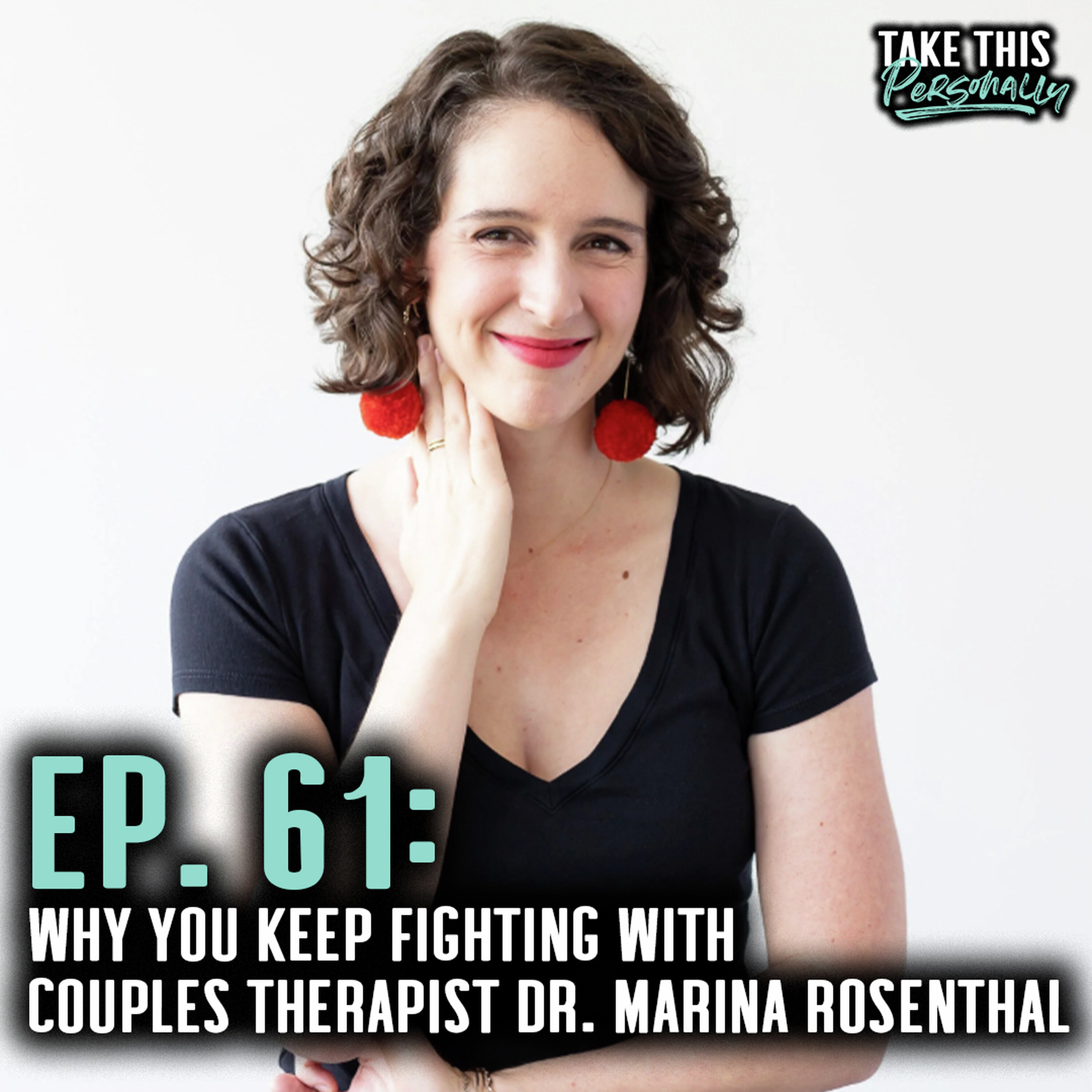
The Bobby Bones Show
MORGAN: Why We Fight About Kids, Sex & Chores: Therapist Breaks Down High-Conflict Couples
00:39:28
Loading summary
Transcript91 lines
- [00:00]
Morgan Huelsman
This is an iHeart podcast.
- [00:07]
IBM AI Advertiser
If you're waiting for your AI to turn into ROI and wondering how long you have to wait, maybe you need to do more than wait. Any business can use AI. IBM helps you use AI to change how you do business. Let's create smarter Business IBM.
- [00:35]
Amy Brown
This is Amy Brown from Feeling Things with Amy and Kat. Isopure protein helps you focus on more of what matters. Like feeling your best every day with great tasting nutrition. That's high protein and low carb. It's never been simpler. I use Isopure unflavored protein every day and I have already restocked three times since first trying it. Actually, I think I've bought it four times now because my daughter took a bag of it to her dad dad's house. With 25 grams of ultra filtered protein, you can add it to things like guacamole, pasta sauce and more. It tastes great on everything. Enjoy more of what matters today@isopureprotein.com and get 20% off your order. When you use code MINDS20 at checkout.
- [01:18]
Oregon Home Care Jobs Advertiser
You can make a difference in someone's life, including your own, with a job in home care. These jobs offer flexible schedules, health care, retirement options and free training. They also provide paid time off and opportunities for overtime. Visit oregonhomecarejobs.com to learn more and apply. That's oregonhomecarejobs.com.
- [02:00]
Dr. Marina Rosenthal
Take this personally with Morgan Huelsman.
- [02:05]
Morgan Huelsman
Couples, this week is all about you. Maybe you're the couple that fights all the time or maybe not at all. Either way, Dr. Marina has the feedback you need to hear. She's a couples therapist who specializes in high conflict couples. She will talk us through why some people get stuck in escalation, how to spot the cycle, and how to reconnect and repair even when it seems impossible. So let's do this. I have Dr. Marina Rosenthal joining me. She's a high conflict couples therapist and I'm really excited to get a chat with you. Thanks for being here.
- [02:42]
Dr. Marina Rosenthal
Thanks so much for having me.
- [02:44]
Morgan Huelsman
Yeah, we listen. Relationships are a part of everybody's day to day life and it's really important that we understand how to interact within those relationships. And I think you are the perfect expert for this topic.
- [02:57]
Dr. Marina Rosenthal
I'm so glad to be here and totally ready to dive in.
- [03:01]
Morgan Huelsman
Yeah. And that's exactly what we're going to do. But before we get into kind of the nitty gritty, what kind of makes it different between just a couple's therapist and a high conflict couples therapist?
- [03:13]
Dr. Marina Rosenthal
Yeah. So I'm a psychologist. I'm a certified sex therapist, and I certainly work with couples who are not high conflict. But my specialty is working with couples who have found other forms of couples therapy ineffective, who are looking everywhere and being told, I don't know, maybe you should just break up. Your relationship looks too terrible, give up. Basically, I don't know how to help you. Often the couples that I work with have tried couples therapy and felt like their therapist didn't know what to do with them. Like, they just talked round and round, fought during session, and left, you know, feeling worse, feeling really discouraged. And so part of what I do is meet those couples where they are and help them how to figure out really concretely and tactically how to change the cycle that they're caught in. Because even though things are really bad, if the relationship is fundamentally safe, we're not talking about a situation of abuse. Often there are things that can be done. There are ways to change the cycle. It's just that some of the standard tips and tricks that might work for a lot of couples don't work for high conflict couples.
- [04:18]
Morgan Huelsman
Oh, that's really important, because I think once you're told by one person, it's like when you go to a doctor and they're like, well, you have this, and you get bummed because you're like, that's my only option. Instead, you're this other variety for somebody to go and try another avenue that they maybe didn't think they had the option for. Does that feel accurate?
- [04:40]
Dr. Marina Rosenthal
It is. I use that analogy often. Encouraging people to get second opinions, encouraging people to be really thoughtful about. Are you seeing a specialist, first of all, somebody who primarily works with couples, specialized in couples, and then are you seeing a therapist who's not gonna be overwhelmed when you come in and talk in circles? A lot of high conflict couples have one partner, if not two, who have some degree of neurodivergence. We have a partner with ADHD or who is autistic. And therapists sometimes misunderstand what's happening and assume bad intent, or assume like, oh, you're not. You're just not following the rules. I gave you rules, and you didn't follow them. And actually, what's going might be neurodivergence, might be trauma. It might be a bunch of other things where there's not a bad guy, there's nobody to be blamed. But we do need to figure out how to meet these people, where they're at and help them work together for the relationship that they want.
- [05:32]
Morgan Huelsman
How often Is it that you have couples come in and you see, oh, yeah, this has been going on for a long time and you're finally just now starting to realize this is getting worse. Do you often see them come in at the point where they feel like there's no return, or do you feel like you're starting to see couples more and more at the very beginning of a relationship and they're gonna try and do therapy proactively?
- [05:57]
Dr. Marina Rosenthal
I definitely get both. Because of the nature of my specialty, I think I tend to get more of those last chance couples than maybe other people are. But I have worked with many people who are dating, who are not married, who haven't ultimately decided that they're going to go forward with their commitment or not, but want to actually put in the effort to address the problems they're having before calling it. And I think that's so wise, especially for couples who are having kind of like messy fights. What I found is that often you could break up, find a new partner, and some of those patterns will follow you to that next relationship if you don't actually address them. So whether this is the person or not, it's not going to hurt you to figure out what the heck is going on.
- [06:42]
Morgan Huelsman
So if we're working in that proactive space and you take someone like me who you know is new in a relationship but they're starting to navigate and obviously they want one day to get married. When you see someone like me, what is some potential advice you would give them to be like, maybe work on your relationship in this capacity to ensure you don't have X, Y, Z later down the road? I think there's this missed opportunity when it comes to like singles or people in new relationships where, where we're not really prepping them for what's to come. It's more just like, yeah, you want love and you want to be married. And that's really cool. But also, here's some things you can potentially do to avoid kind of long term disaster.
- [07:27]
Dr. Marina Rosenthal
Yeah, I think that's so important and it's something I talk a lot about, that we have these big aspirations for. Most people that I talk to want to get married and they want to stay married for life. Right. Like, that's a very typical desire. Of course, not everybody wants those things, but a lot of people do. And unfortunately, I think most people are not prepared with the both like behavioral skills, communication skills, and also the mindset to effectively achieve that goal. So you go in with this beautiful goal and you're like, oh, I'VE met my person. We're going to be so happy together. And then the very natural process of a relationship developing and changing over time takes people by surprise. Something I say often is like, everybody knows that. That kind of, like, truism, like, oh, marriage is hard. You've heard that a million times. I think often no one explained and really walked folks through. Well, how is it hard? What are we talking about here? What's normal and healthy? What do we expect? What should we see as warning signs and problems, both within the self and also within the relationship? So in terms of some proactive things, one of the things that I think is really underutilized is thinking about your differences as strengths. So starting off in a relationship, people are often drawn to each other not just because you're compatible, you have things in common, but also because there's qualities where it's like, oh, you're a little different from me. And I like that about you. I know that when I met my husband, I loved that he was really chill. He's like a calm, mellow person. He doesn't get riled up easily. It's like, oh, this is so soothing and relaxing. I feel so emotionally safe. He's not an escalator. He's never going to be the person during a fight to say a mean thing or, like, take it too far. That's just not him. But let's, like, take that trait and look at it from 360 degrees. He's really calm. He's really mellow. Does that mean that he's, like, the most proactive person on the planet? Yeah, it actually doesn't. He's not. And so then when that comes up, being able to hold the whole person and be like, oh, yeah, like, here's this person I chose. I really like one aspect of this trait. Another aspect of it is driving me up the wall right now. But they do go together. And that doesn't mean you can't ask for change. You can't say, hey, here's what I need from you differently. But being able to keep holding onto the parts of your partner that drew you to them and not making them bad, I think is so important.
- [09:51]
Morgan Huelsman
Wow. I've never thought of that kind of juxtaposition of a trait, and you just made my entire mind kind of blow. Okay. These are all the things I love, but I've never really looked at it from this bigger perspective. Gosh, that's great. Tip. So cool. We often hear that communication is the key. Make sure you have great communication. This is so important. Is it that important? And if so, why is it so important? Because it's getting lost in translation. Because it's so thrown around very often.
- [10:24]
Dr. Marina Rosenthal
That's such a good point. I think any of these, like, truisms, pieces of advice you've heard all the time can get a little distorted. And it is true that most couples who reach out to couples therapists say communication is a problem. We can't communicate. Like most people say, that's the problem. And I would agree. I think that often is the problem. But the way that communication is going awry can be really different from couple to couple. So some couples don't communicate, right? They don't share things that are concerning them. Like, hey, you hurt me. Could you not do that next time? That just gets unsaid and builds up resentment. And that's not the type of couple I tend to work with because I work with high conflict couples where people say this stuff. The issue isn't repressing it. It's how it gets delivered. And very often what happens is that something that's really like a vulnerable emotion, like, oh, that hurt me. I felt left behind. I missed you. I felt betrayed. These soft, kind of tender feelings that would bring our partners toward us, get wrapped up in a whole bunch of other stuff, like criticism, like attacks on their character, like describing them in ways that feel really icky to them, and then they have to fight back. And that's when you get a lot of defensiveness. And it can start a loop of really negative communication where nobody's getting heard. So I think that communication is key. But first we have to figure out what is not working in a given couple's communication dynamic. And even if your relationship is going great, you can still think through, like, what's our Achilles heel? Like, what communication trap are we most likely to fall into so that we can spot it when it starts to come up?
- [12:02]
Oregon Home Care Jobs Advertiser
You can make a difference in someone's life, including your own, with a job in home care. These jobs offer flexible schedules, health care, retirement options, and free training. They also provide paid time off and opportunities for overtime. Visit oregonhomecarejobs.com to learn more and apply. That's oregonhomecarejobs.com.
- [12:31]
LG XBoom Advertiser
Stop settling for weak sound. It's time to level up your game and bring the boom. Hit the town with The Ultra Durable LG XBoom Portable speaker and enjoy vibrant sound wherever you go. Elevate your listening experience to new heights because, let's be real, your music deserves it. The future of sound is now with LG XBoom and for a limited time save 25% at LG.com with code Fall25. Bring the Boom X Boom.
- [13:01]
Variety Podcast Promoter
There's a lot going on in Hollywood. How are you supposed to stay on top of it all? Variety has the solution. Take 20 minutes out of your day and listen to the new daily Variety podcast for breaking entertainment news and expert perspectives.
- [13:15]
Oregon Home Care Jobs Advertiser
Where do you see the Business Expert.
- [13:17]
Variety Podcast Promoter
Heading featuring the iconic journalists of Variety and hosted by co editor in chief Cynthia Littleton?
- [13:23]
Morgan Huelsman
The only constant in Hollywood is change.
- [13:26]
Variety Podcast Promoter
Open your free iHeartradio app, search daily Variety and listen.
- [13:30]
Dr. Marina Rosenthal
Now.
- [13:33]
Morgan Huelsman
You mentioned this spotting that this is happening when you're communicating with someone. Is there an alertness to that where you're like, oh, that doesn't feel right. Like, how is somebody supposed to pinpoint something that's normal versus something that's probably not what's supposed to be happening?
- [13:52]
Dr. Marina Rosenthal
Yeah, one of the things I really encourage is for people to practice mindfulness within themselves and within the relationship. Not like sitting and meditating, but just being observational. Like, oh, that's really interesting. I noticed that when I described for like two minutes straight how I didn't like something that my husband did, he seemed withdrawn and quiet and then he said okay in a flat voice and I didn't feel very good afterward. Like, huh? What just went down? And it's easy to point fingers and go like, he's just being defensive and he can't take any critical feedback and blame him. But like, okay, let's actually pause and look at me. Did I neutrally make a request? Did I go on and on about all the terrible things he's done and all the things I've imagined he could have done? How did I show up? How would it have felt to me if he described me that way? And just observing, like, what effect am I having on the people around me? In the same way that we do in other relationships, I think really seamlessly, like, oh, my friend didn't seem to like it when I gave her advice, so maybe I won't do that next time time. Or it seems like my co worker would rather not chit chat during time at lunch together. Fine, I'll chat with somebody else. Right? Like, we're often pretty perceptive in other relationships and don't do that same self assessment in our romantic relationships.
- [15:17]
Morgan Huelsman
Do you feel that often happens because people get so comfortable and I'm seeing often in relationships that you get so comfortable with this person that they come your springboard for everything that's happening in your life and you just get used to that. And it's someone that's around all the time and then you wake up five years from now and you've thrown all this stuff at this person and back and forth that it's just easy and comfortable and you forgot, oh, that's another human being.
- [15:46]
Dr. Marina Rosenthal
Yeah, I think that's a huge factor. If you're with someone all the time, day in, day out, you're doing both your romantic love life, but you're also perhaps caring for pets together, doing finances together, making meals, raising kids, whatever folks are doing. It's a lot on your relationship. And over time, most people lower their standards of like baseline respectful communication, baseline treatment. And to some extent that's okay. That can reflect just that you're very comfortable with each other. You don't always have to be in your cutest clothes, looking perfect in front of your long term partner. You can really be yourself. But I think sometimes it slides too far where we, if we actually wrote down. And as a couples therapist, in some cases it's my job to actually write down like, oh, this person said in these exact words like, you care about nobody but yourself. You're lazy and selfish. Would we think that was a nice thing to say? Like, would we think that was a respectful way to talk to your partner? No, of course not. But we're not putting it through that lens.
- [16:50]
Morgan Huelsman
Yeah, yeah. Gosh. And it's really hard. I feel like you do get so comfortable and there is that kind of gray area that things get crossed over where it's comfortable. But also there is such a thing as too much comfort. And we just don't really see that. To your point, from the bird's eye view, we're seeing it in that moment.
- [17:10]
Dr. Marina Rosenthal
That's a good example of something I talk about a lot, that some people hold a belief that honestly I think is from like romantic comedies or I don't know where we got it, but this idea that you should be able to say literally anything to your partner and they should just be okay with it. You should be able to tell them your worst thoughts about them. You should be able to tell them. Sometimes I think about my ex and what my life would be like with them and that they should just be able to roll with that. And most people just can't handle that level of kind of like critical content. And often it's not that meaningful. Right. Everybody has fleeting thoughts that are negative about each other. And your partner doesn't need like a billboard upd on like, oh, I had this thought about you, and then it passed. They really don't need that. And so breaking down this myth that you need to be able to tell your partner exactly what you're thinking in every single moment in order to be authentic, that's just not true.
- [18:02]
Morgan Huelsman
Yeah, the older I get, the more I have learned that romantic movies and romcoms have definitely sabotaged the way that I perceive relationships. For sure. What are some ways, do you, speaking of sabotage, that you feel like people are sabotaging their relationships?
- [18:20]
Dr. Marina Rosenthal
Yeah, that's such a good question. So, number one, I think is, like, unreasonable expectations. And when I talk about this, sometimes I get a little pushback because we don't want to tell people to settle. That's really not the spirit of what I'm saying. I actually believe generally we get more out of our relationships by expecting a little bit less or by having reasonable, realistic expectations for, like, what one other human being can actually do for us. So setting yourself up for success, first of all, just by having realistic expectations, I think is like a great place to start.
- [18:54]
Morgan Huelsman
I love that. And because I also do have had moments in my early relationships where I did have unrealistic expectations. So as you were saying that I'm like, yeah, there were moments of there where I definitely should have owned in my relationships that I was expecting things. And it was convoluted in the sense that it was like, I'm not settling and I'm asking this of you instead of seeing that person as who they were and I was asking the wrong person.
- [19:23]
Dr. Marina Rosenthal
Yeah, it's such a good point. I think this is a big conversation that's being had right now, which is, what can we expect of each other? And if a person can't meet your needs, what do you do about it? Do you leave because they can't meet your needs? Which, to be clear, is absolutely always an option. And I think in the dating stage, if you're trying on different partners, it's really appropriate to not invest more time in somebody if you realize they. They're not likely to meet my needs. This is just who they are. If you've tried on a lot of somebody's, if you've had multiple serious relationships that over and over you're hearing like, this isn't realistic. Nobody's going to be able to meet these needs. Sometimes that's worth kind of looking into and cross checking. Are my. Are what I'm saying, are my needs, Are they actually needs or are they things that I can be fulfilling for myself, but for folks who are in a long term commitment, for whom leaving a relationship is very complex due to kids and money and property, it's very often just not that simple. I think we want to pretend that it is and be like, if you're not 100% happy, leave now. And of course, of course, if that's what you want to do and you can do, that's great. But I tend to try to want to meet people where they're at, which often is like, I don't know. What I want is for this to be 15% better. And I'm having a really hard time getting there. And it seems like one option might be leaving, but that would be a huge hassle. And I do love this person. It's more ambiguous, it's murkier.
- [20:49]
Morgan Huelsman
Do you often feel like with these couples, once they get to this point and they come to you and they're wanting things to get better, do you feel like it has built up so much over time, or is it just one moment and the whole volcano explodes?
- [21:05]
Dr. Marina Rosenthal
What's really interesting, a lot of high conflict couples were high conflict from the very beginning of their relationship, which you, I understand, might go like, okay, well then get a different relationship. And again, that's a perfectly valid option. What I've found also though is that a lot of the time the reason they're high conflict is like they're working out some stuff on each other. And often there's a lot of trauma involved and people are facing some of their own personal demons in a way through this relationship. And it is all showing up. And that's painful, it's unpleasant, but there can be some really fruitful work on the other side of it. Like often high conflict couples are just like madly in love. The love is so big and they just do not know how to stop going on this escalator of intense conflict and are very much puzzled, like, why do we do this? What is up with us? We're in love with each other, we are compatible. Why do we keep acting like this is like almost confusing to them? And that's part of my role is help helping translate, like, what is actually going on here for you too?
- [22:12]
Morgan Huelsman
When they've had one of those fights and it happens and they come down off of it. I see a lot of people talk about how they struggle with reconnection after a fight because it does often result in like some resentment and there's feelings and stuff there. So how do couples start to reconnect after? Maybe it's high conflict, maybe it's just a big fight. Maybe it's just the same fight that keeps happening over and over.
- [22:38]
Dr. Marina Rosenthal
Yes, that's such a critical skill. And I think it's one of those where everybody wants their partner to make the first move. Everybody wants the other person to come to them and be really patient and offer repair and be the one to reach out that olive branch. And I often tell people that it's like a radical accountability where you are both going to jump first, you're both going to move first, and you're going to keep your eyes on your own work and focus on how can I repair? Not, like, what repair do I deserve from my partner? Because while people are in that mindset of like, okay, I'm waiting, come on over, repair with me. You're very prickly and unlikely to actually receive any repair. So I encourage people to just think, what can I personally do? Like, what is in my power to reconnect and repair? Setting aside for a moment the ways I think that I've been injured in this conflict and we can come back to them. But in order to get back to some degree of connection, it's often necessary for both people to receive some amount of kind of like, hey, I'm here. I'm sorry, that sucked. Can we hug? Can we just breathe together?
- [23:47]
Morgan Huelsman
Mm, yeah. It's often hard to say that too. To your point, we do get prickly after fights. We feel very strong in how we feel. I think that's human nature. We just really want to defend how we felt and why we felt that way. But that's an even harder moment in your life to look at someone and say, I just fought with you. But also, I really need a hug from you.
- [24:09]
Dr. Marina Rosenthal
It is. And you know, for some people, it might not be a hug, but like just being able to acknowledge, like, hey, I have a role in this. I see you. My goal is for us to not be fighting anymore. And then on the flip side, it's really important when your partner offers that olive branch, to not knock it out of their hand. Which is something I see happening a lot where people are so caught up in, like the self righteousness of I was wronged in this and you said this to me and it was terrible that they reject attempts that their partners make to repair with them.
- [24:43]
Amy Brown
Yeah.
- [24:44]
Morgan Huelsman
And rejection is already hard enough as it is, let alone rejection when you're feeling that way and vulnerable after something like that happens.
- [24:50]
Dr. Marina Rosenthal
Exactly. So then they pull back and they're not likely to offer it again in that moment. And you aren't getting the repair you needed, you're not reconnected. Everybody loses.
- [25:01]
Morgan Huelsman
Yeah. To, to your point, it is very much a critical skill and there's a lot of critical skills in relationships that we just don't learn about until, especially until you're in them and you're going through them. There's so many things that you can't be taught until you're in it.
- [25:16]
Dr. Marina Rosenthal
And it's so true.
- [25:17]
Morgan Huelsman
This is one of those to your to what you're saying.
- [25:20]
Dr. Marina Rosenthal
Yeah, it's such a funny thing. I think even if you had the best role models in the world for relationships, there is a practical just living it is different. And then the reality is a lot of people don't feel that they received good role modeling around what a healthy relationship looks like. And that ranges from My parents seemed to have a great marriage, but they never fought and so I just didn't see what his conflict looked like all the way to My parents had terrible out of control fights and I never wanted that to happen in my life again. You can make a difference in someone's life, including your own, with a job in home care. These jobs offer flexible schedules, health care, retirement options and free training. They also provide paid time off and opportunities for overtime. Visit oregonhomecarejobs.com to learn more and apply. That's oregonhomecarejobs.com.
- [26:21]
LG XBoom Advertiser
Stop settling for weak sound. It's time to level up your game and bring the boom. Hit the town with The Ultra Durable LG XBoom Portable speaker and enjoy vibrant sound wherever you go. Elevate your listening experience to new heights because let's be real, your music deserves it. The future of sound is now with LG XBoom and for a limited time, save 25%@LG.com with code Fall25. Bring the boom XBoom There's a lot.
- [26:52]
Variety Podcast Promoter
Going on in Hollywood. How are you supposed to stay on top of it all? Variety has the solution. Take 20 minutes out of your day and listen to the new daily Variety podcast for breaking entertainment news and expert perspectives.
- [27:05]
Oregon Home Care Jobs Advertiser
Where do you see the business actually heading?
- [27:08]
Variety Podcast Promoter
Featuring the iconic journalists of Variety and hosted by co Editor in Chief Cynthia Littleton.
- [27:14]
Morgan Huelsman
The only constant in Hollywood is change.
- [27:16]
Variety Podcast Promoter
Open your free iHeartradio app, search daily Variety and listen Now.
- [27:24]
Morgan Huelsman
You just mentioned that and it made me think of something because I've heard this from people. I've heard it from guys I've dated. I've heard it from girlfriends. When you are in a home that there's zero conflict Is that a good thing or is that hurtful to you understanding what conflict looks like?
- [27:43]
Dr. Marina Rosenthal
Yeah, I don't recommend that the goal be zero conflict because ultimately conflict is like a primal form of human connection. It's inevitable. And so what zero conflict usually means is that the conflict is happening, but it's happening underneath the surface. There are bad vibes. There is weird energy that comes up, and kids are super perceptive to that. And so even if no one's fighting, nothing has been said, often people will be like, yeah, I knew mom was mad because she just like, silently made dinner or whatever. Even if there aren't bad vibes, though, you still, to your point, aren't getting those skills in that modeling of, like, rupture and repair, which going back to this idea of like, what is a realistic relationship? That is a realistic relationship is that we will have many ruptures and negative interactions and then need the tools to repair them. It starts at the beginning of life and it never goes away. And so if you never see that, it really is a disservice.
- [28:40]
Morgan Huelsman
Yeah, very much so. I saw you also mention in your social media content that high conflict couples tend to fight more about relationship dynamics than they do about concrete topics. What exactly does that mean?
- [28:55]
Dr. Marina Rosenthal
I know it's abstract. It's one of those that if you're a high conflict couple and you heard it, probably your brain just like lit up. And if you're not, you're like, what now? More like, I guess, typical couples. Although I think being high conflict is relatively common. But more typical couples, the couples that a lot of therapies are built for actually have fights about thematic issues. So division of labor is a really common one. Sex is a really common one. Money. And of course, all those topics have underlying themes and meanings. It's not just the surface level, but if we solved the problem on the surface, we might actually solve the problem. The conflict would go away. If magically wave your wand, division of labor is just solved. Problem solved. For high conflict couples, they might talk about those topics in their fights. Although interestingly, very often they don't actually conflict. Couples typically fight about things like how close are we? What does it feel like in our relationship? Do I feel you slip away from me and I don't like it? Do I feel you trying to pull me closer and I don't like it? These kind of like internal psychological dynamics are often what high conflict couples are fighting about.
- [30:06]
Morgan Huelsman
Oh, wow. I'm glad you explained that because I saw that and I was so curious. But it makes Sense. Because just like, we have to get to root causes about our things in our health, like, to. To your point, this is the root cause.
- [30:21]
Dr. Marina Rosenthal
That's exactly it. And it's part of why therapy can be unsatisfying for some high conflict couples. Because there's all this brainstorming and troubleshooting of like, okay, what can we do differently about money or sex or division of labor and systems are tried or new communication skills are tried, and ultimately, at the end of the day, no one has named, hey, you're actually not fighting about any of that. You're fighting about, like, what does it mean to be in a relationship? What can I expect of you? It's very philosophical. High conflict couples are often really smart and get caught in these logic traps with each other where it's like, what is accountability? What does it mean to validate another person? Can we expect that of each other? It gets deep.
- [31:07]
Morgan Huelsman
Oh, I love deep stuff, though. I think that's awesome. So there is a beautiful side to that. But it does also bring on the other side, which is conflict. When I imagine these couples, when they go through a lot of these experiences, will then have negative thoughts, feelings about their partner. Is that normal? Is that even just normal for regular couples to have negative thoughts or bad feelings about their partner?
- [31:32]
Dr. Marina Rosenthal
Yeah, this is so normal for all couples. I will die on this hill. And I do so pretty regularly on social media and stir up some feelings about it. Everybody has so many thoughts every single day. And the interesting thing about thoughts is we're not in direct control of them. We can't actually prevent a thought. And research shows actually that trying to prevent a specific thought, stopping a thought, makes that thought more powerful. It makes it more intrusive. It makes it feel more like I can't get it out of my head. And so the most healthy way to handle thoughts is to either just let them happen, like, oh, that was a thought anyway, moving on, or to evaluate them, like, is that really true? Is that actually factual? Or am I just really mad right now? And so I'm having the thought, like that example from earlier. Maybe someone's having the thought, like, my partner doesn't care about me. They're really mad right now. If we pull back, does is that actually true? Is there actually evidence that your partner doesn't care about you, or is that just a thing you were thinking in the moment and we can let it go. And I think a lot of people find this very scary to imagine that you might have negative thoughts about your partner. I think more Importantly, your partner might have negative thoughts about you. And for many people, that is so scary. It's really scary to imagine, what if my partner has a fleeting negative thought about me? Does that mean we shouldn't be together? And there's just a real fear of what that would mean. And I'm always trying to help normalize. Like, this is just part of having a brain. We don't have to make it so scary.
- [33:03]
Morgan Huelsman
Well, and oftentimes too, when people have these negative thoughts, they're not acting on them correct. It's just in there and it's existing and something just like pops through and then it goes out the other ear.
- [33:14]
Dr. Marina Rosenthal
Yeah, exactly. I. I had a reel that blew up a little bit in which one of the lines from it that was like, these are normal thoughts. And there were all these examples and there were a few that people freaked out about a little bit more. And one of them was like, there's some things about an ex that I miss. And there was a lot of, like, if you're thinking about your ex, you're in the wrong relationship. Like, get out. And I really think that comes down to just that fear. Like, what if my partner ever thinks about their ex? Oh, scary. I don't want to think about that. That makes me feel really insecure. So I'm gonna say that's like evil and wrong and no one should have those thoughts. When in reality, I'm pretty sure that pretty much everybody has had that type of thought. Like, I think that pretty much everybody has had a fleeting thought of, like, oh, I missed that one quality. Ugh. Yeah. But they sucked in this other way. Anyway, moving on. It doesn't have to be so scary.
- [34:06]
Morgan Huelsman
Yeah. Thank you for normalizing that. I think it allows us to be human a little bit more. And getting the chance to continue to be human is always a better experience than not. And thinking we're robots and like, scolding.
- [34:19]
Dr. Marina Rosenthal
Ourselves for not being robots and scolding other people, I don't think that works out very well.
- [34:24]
Morgan Huelsman
No, it does not. I did have two of these questions from some listeners from the podcast that I wanted to ask. I thought they were important. Is choosing not to have kids worth ending a very strong and healthy relationship together where you've been together for several years?
- [34:41]
Dr. Marina Rosenthal
Oh, gosh, it's such a hard question. So I think think this is going to depend a lot on the strength of the desire for having kids. So one partner wants kids and the other doesn't. This is one of relatively few, like, non compromise situations, right? Like, there's not a compromise number of kids. One kid is not a compromise between 0 and 2. Right. Like, you really should want to have a child in order to have a child. Of course, many people, perhaps most new parents or parents to be, have some degree of ambivalence. But ambivalence isn't the same as, like, no, I know I don't want kids. I think that if truly somebody believes it's part of my life's path to at least try and have children, I want to do that. That's a very reasonable compatibility issue to end a relationship over. If, however, there's a great deal of turmoil over that and a big tension, like, I don't know, maybe I want to be with this person instead. That might be a sign that the desire for kids is perhaps less than the desire for this relationship. And so you can weigh how much you want these different things.
- [35:46]
Morgan Huelsman
That was a good way to share that because it hits on both levels of, like, yes, there's this real lack of compatibility. But also, sometimes life takes you on a different path than you anticipated. You dream up this whole idea in your head, much to how we were discussing things in movies, and you have these experiences and you get older and life goes a different way than what you anticipated. And I think that's okay.
- [36:11]
Dr. Marina Rosenthal
It is.
- [36:12]
Morgan Huelsman
I.
- [36:12]
Dr. Marina Rosenthal
That's such a good point. I think most people have this, like, almost movie script of what they want their life to look like. And the reality is you could leave that relationship and not be able to have kids. You could not find a different partner that you liked. So, you know, all kinds of things could happen. You could be with that person, they could decide that you want to have kids together, and you really have trouble conceiving. There's just. We don't actually know what's next. And so you really have to just make the best choice that you can, given your values and your goals and knowing that those change. That's something I do talk a lot about, is that even if you think you and your partner are incredibly compatible, when you meet 15 years later, you might be really different. Your interests might have changed, you might have changed in more fundamental ways. And so allowing that speed to grow and evolve together is really important. And sometimes that does result in the end of a relationship, and that's okay, too.
- [37:07]
Morgan Huelsman
Growing and evolving is really tough, especially when you fall in love with someone and you have this idea of what it's supposed to continue to look like. But it is so important when you. Before I ask this other question, I wanted to ask about this. I often feel like people forget that you're. When you enter into a relationship, especially one that you're hoping lasts forever for life, you're supposed to grow and evolve together. Like, you're supposed to communicate those experiences and really go through life together, even if you're changing. But you have to do that with this person in mind, in a way. And I often feel like I've met people and I've seen people experience where somebody evolves and then they get mad at the other person for evolving.
- [37:55]
Dr. Marina Rosenthal
Yeah.
- [37:55]
Morgan Huelsman
Or vice versa.
- [37:56]
Dr. Marina Rosenthal
That's a huge thing. I think there's a few layers of that. One is like, yeah, we can't expect our partners to be carved in stone. And any trait or aspect of them that you like, it could change. There's certain things that tend to be stable, but there's a lot that can change over a lifetime. And if one person is evolving and the other person is scared of that evolution, that can be really painful in a relationship and stifling. And then the other thing that just feels relevant to this is I think sometimes people want less of, like, an evolving, dynamic partnership and more of an archetype of a partner, like a. Here's this person. And I have a story I think about with this, that when I was a kid and I was learning how to read, my parents were having a hard time getting me to be interested in reading on my own. And so they got me these books that they thought would really entice me. And they were like, princessy little girl books that I was really enthralled by. Like, oh, okay, I'm willing to read for this. And in one of them, there was a whole story about a big sister getting married. And the whole story is little girl's following along and is the flower girl. And the whole story goes into great detail about the dress and the flowers and the cake. And only on the very last page, do you see the groom's head just from the back as they drive away in the car. He's just, like, not even part of the picture. He's an archetype. He's just a placeholder, really. And I think all genders, people can do that to their partners. They can be like, oh, thank God I found you. I've looked for you. You're my person. And slot them into their vision of a life without actually clarifying. Do you want these things? Do you think you're always going to want them? And clarifying, like, seeing them as a whole person?
- [39:41]
Morgan Huelsman
Yes, I'm really glad you shared that part. It totally spun off. It was not my initial direction, but I'm just glad we got there because it is really important to see people as whole people. That's the purpose of a partnership. It's an importance of being in a relationship. You're not doing it for the aesthetic. You're doing it because you want to feel love and you want to feel good next to a human being. Like, I do think there's loss in that. It's no different than people and they get a dog. Maybe it's a golden retriever. Because of the aesthetic, it looks good. That's the white picket fence. I have the golden retriever. I got the tall, dark, and handsome. It's everything, the way that it looks instead of how it feels.
- [40:20]
Dr. Marina Rosenthal
Yeah, that's exactly it.
- [40:22]
Morgan Huelsman
Yeah. This is the other question that came in, and I thought it was good. Especially given that you are a sex therapist. How important is having sex with your partner? Struggling with some confidence? There's some overweight stuff happening, and this person just really wants some advice on how important it is and maybe how to navigate that.
- [40:42]
Dr. Marina Rosenthal
Oh, well, my heart goes out to them. I think that's such a common place that people, maybe especially women, end up in. And sex is important for most couples. Obviously, not all people's preferences are different. And so I would first ask that question, like, is this something that's important to both of us? And if the answer is no, then great, don't worry about it. But if it is important to you and your partner, if you have a relationship that includes sex and values sex, one of the things that is most helpful is to flip the idea of, like, how much sex does my partner or my relationship need in order to not, like, wither. Because I think that's often, especially women, how we're, like, conditioned to think about it is almost like putting money in a slot machine. Like, I need to put my deposit in, otherwise we're not going to have enough. And that's just not a healthy way to experience your own sexuality. So I would redirect back to the self in this case and think about, like, what do I want out of my sex life? If I envisioned a sex life where I felt happy and healthy and excited and confident, what would that look like? And this is another example of setting aside the aesthetic because, like, I promise, no amount of weight lost or specific body type is going to change that internal experience of thinking about sex as something that you have to do for your relationship, that you have to do for your Partner, that's like an inside job issue, not the way that you look. And people with all different kinds of bodies, including those that are considered very, like, ideal, have those thoughts and that experience of themselves as, like, I just have to do this because this is what we're supposed to do. So I would reconnect, like, what do you want out of sex? And how do you build from, like, the inside out that type of sex life, rather than thinking about it in terms of, like, how much do I have to put in before my relationship dies?
- [42:34]
Morgan Huelsman
Yeah. Wow. When you compared it to the slot machine, I feel like that's a very universal experience just in the ways that we've been taught and understood relationships and how that dynamic, especially intimacy, works within relationships. So I. You've given me so many things to just. My brain is like, okay, Morgan, we gotta maybe rethink, look at restructuring, try some different things. But this is why it's so important to have conversations like this. Because without someone like you, with your knowledge and expertise, we would never know any different.
- [43:08]
Dr. Marina Rosenthal
Yeah. It's so true. You don't know what you haven't talked about. And certain subjects are so taboo. Really. Conflict is pretty taboo. Sex is taboo. Right. So you might not feel like you have any place to go and talk about, like, hey, this is what's happening. Is this normal? What do I do about it?
- [43:24]
Morgan Huelsman
Well, Dr. Marina, thank you so much. You. All of your words of wisdom and just your knowledge on this topic are really important and I appreciate you being here.
- [43:33]
Dr. Marina Rosenthal
Thank you.
- [43:41]
Morgan Huelsman
I've been holding on to this interview for a while now. I love about Talking, talking with Dr. Marina and talking about something especially that so many people are dealing with. But I was holding onto it until it was the right time. And that time is now coming. So my birthday is coming up, as is my boyfriend's, and we decided a fun gift would be to record our first episodes together. So next week you will officially get to meet my boyfriend and we have lots to share. So subscribe to the podcast and you won't miss it. I'm really happy that you're here and I can't wait to yap with y' all next week and introduce you to a very special guy in my life.
- [44:15]
Amy Brown
This is Amy Brown from Feeling Things with Amy and Kat. Isopure protein helps you focus on more of what matters, like feeling your best every day with great tasting nutrition. That's high protein and low carb. It's never been simpler. I use isopure unflavored protein every day. And I have already restocked three times since first trying it. Actually, I think I've bought it four times now because my daughter took a bag of it to her dad's house. With 25 grams of ultra filtered protein, you can add it to things like guacamole, pasta sauce and more. It tastes great on everything. Enjoy more of what matters today@isipureprotein.com and get 20% off your order when you use code MINDS20 at checkout.
- [44:58]
FX The Lowdown Advertiser
This episode is supported by FX's the Lowdown, starring Ethan Hawke. Allow us to introduce you to Lee Raybon, a quirky journalist, rare bookstore owner slash unofficial truth seeker who is always on the tail of his latest conspiracy. This time, his most recent expose puts him head to head with a powerful family that rules Tulsa. Meaning only one thing. He must be onto something big. FX is the lowdown. All new Tuesdays on FX stream on.
- [45:26]
Dr. Marina Rosenthal
Hulu this prime big deal days October 7th and 8th. You can get a great deal on a new foot spa transforming you into the queen of Kickin It. Wait, this has bobble jets. Okay, get up to 40% off with prime big deal days October 7th and 8th.
- [45:42]
Morgan Huelsman
This is an I heart podcast.