
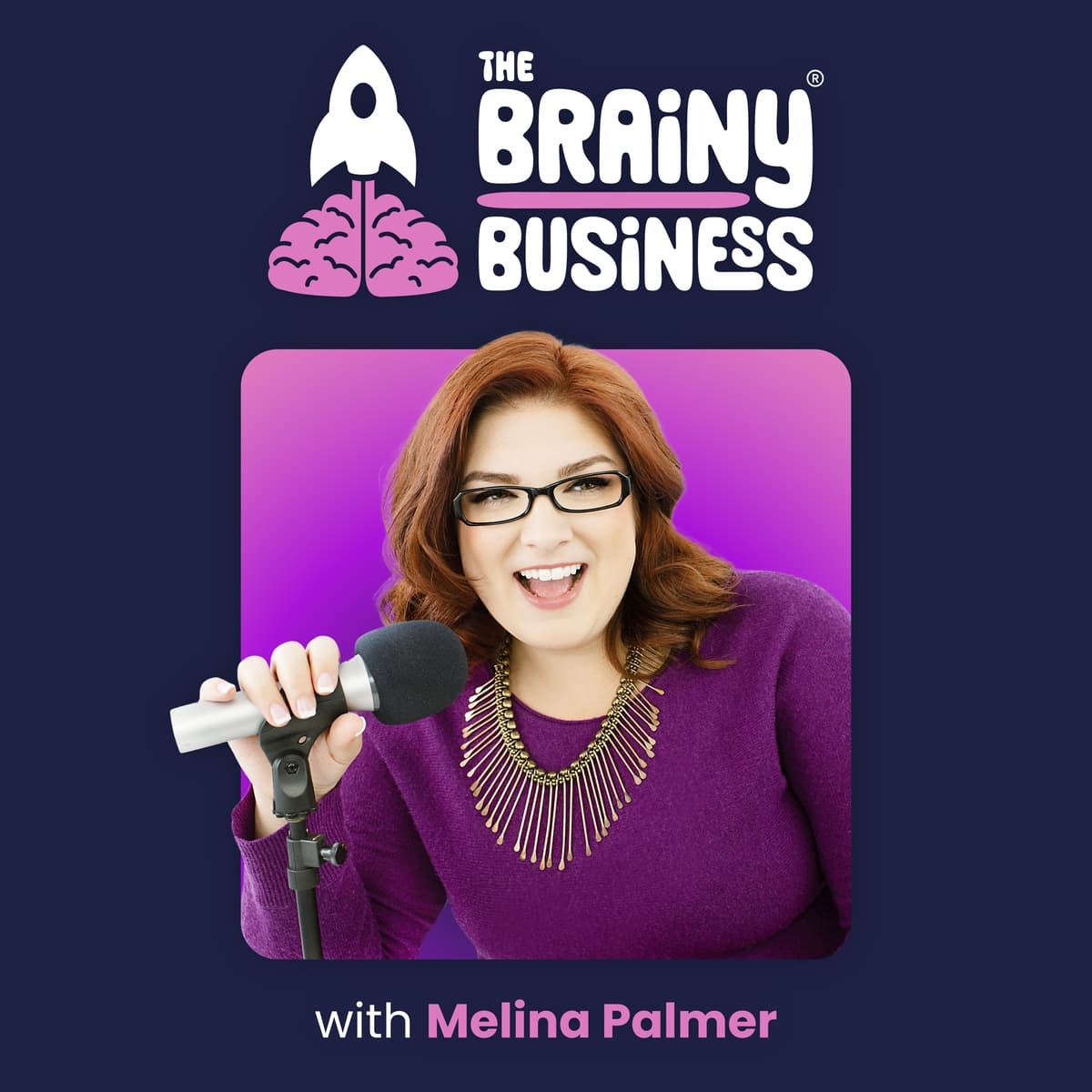
The Brainy Business | Episode 506: The Bright Side of Bias: Understanding Optimism in Decision Making
Host: Melina Palmer
Release Date: June 17, 2025
Topic: Optimism Bias in Behavioral Economics
Introduction to Optimism Bias (00:47 - 03:55)
Melina Palmer opens Episode 506 by delving into the concept of optimism bias, a cognitive shortcut that causes individuals to believe that they are less likely to experience negative events and more likely to achieve positive outcomes than statistics would suggest. She explains how optimism bias can drive people to start businesses, pursue ambitious projects, and maintain hope in various life decisions despite potential red flags.
Melina Palmer (03:10): "Optimism bias can be amazing. It gives us hope. It gets us to start the business, take the leap, say yes when others wouldn't."
Defining Optimism Bias (03:55 - 12:00)
Melina defines optimism bias as our tendency to overestimate the likelihood of positive outcomes and underestimate the probability of negative ones. She contrasts this bias with simple optimism, emphasizing that optimism bias affects everyone, regardless of whether they see themselves as optimists or pessimists.
Key Examples:
- Health Risks: Despite knowing that one in four deaths are due to heart disease, individuals rarely see themselves or loved ones as susceptible.
- Marriage Statistics: Although statistics indicate a significant divorce rate, newlyweds overwhelmingly believe their marriages will succeed.
Melina Palmer (10:15): "Our optimism bias tells us it’s not going to be us or anyone we love. It's not going to happen to me."
Optimism Bias in Personal and Professional Life (12:00 - 25:54)
Melina explores how optimism bias manifests in daily life and business:
- Personal Projects: Underestimating the time required to complete tasks or projects, leading to missed deadlines and overcommitted schedules.
- Business Decisions: Entrepreneurs often rely on optimism bias to launch ventures and persist through challenges, viewing setbacks as temporary or solvable.
Notable Quote:
Melina Palmer (22:35): "Set a realistic expectation up front so you can under deliver on hours which is over delivering on their expectation."
She also shares relatable anecdotes, such as her husband underestimating the time needed for yard work, illustrating how optimism bias affects even the most mundane tasks.
Optimism Bias and Success (25:54 - 33:36)
In this segment, Melina discusses the positive relationship between optimism bias and success:
- Confidence and Perseverance: Optimism bias fuels the belief that one can overcome obstacles, akin to Thomas Edison’s relentless pursuit of inventing the light bulb.
- Psychological Benefits: High expectations lead to greater happiness and resilience, while low expectations can result in disappointment and a self-defeating mindset.
Example from History:
Melina Palmer (28:00): "Thomas Edison used optimism bias to set his goal. He knew he would do it because he was uniquely talented. And then he tried and tried and tried and tried until he did."
Interview with Abby Davison on Luck and Optimism Bias (25:54 - 34:50)
Melina interviews Abby Davison, co-author of Money and Love, discussing how optimism bias intertwines with luck:
- Social Reinforcement: Attractive individuals like Sarah Palin receive more social support, boosting their confidence and optimism bias.
- Personal Experiences: Abby shares her journey of persistence despite early setbacks in writing, highlighting how an optimistic mindset can lead to eventual success.
Notable Quote:
Abby Davison (26:15): "She got it. So when they said, hey, maybe you can be vice president... she never thought she was underqualified."
Melina and Abby emphasize the importance of maintaining optimism while balancing it with realistic task management to harness its benefits without falling prey to its pitfalls.
Optimism Bias in Business Messaging (34:50 - 40:46)
Melina differentiates between the "light side" and "dark side" of optimism bias in business contexts:
- Light Side: Beneficial for aspirational products like gym memberships, weight loss programs, and coaching services. Marketing can leverage optimism to motivate customers towards positive change.
- Dark Side: Potentially harmful for businesses dealing with risk mitigation, such as insurance companies or healthcare providers. Messaging that triggers optimism bias can lead to complacency and inaction among consumers.
Strategy for Businesses:
- Light Side Businesses: Encourage optimism while providing realistic steps to achieve goals.
- Dark Side Businesses: Utilize availability bias by aligning messaging with moments when consumers are more receptive, such as after experiencing a related event.
Melina Palmer (39:00): "If someone who smokes knows smoking is bad and they want to quit, then they see an ad saying one in four smokers are at risk of getting lung cancer. Their optimism bias is actually triggered and they become less likely to make a change."
Practical Applications and Takeaways (40:46 - End)
Melina wraps up the episode by reinforcing the dual nature of optimism bias:
- Embrace Optimism for Big Goals: Use optimism bias to fuel ambitious dreams and inspire confidence.
- Manage Day-to-Day Tasks Realistically: Counterbalance optimism bias by setting manageable daily objectives to ensure steady progress.
Final Advice:
Melina Palmer (40:30): "Be as optimistic as you can in big goals and help your clients and those around you to do the same. But assume you're overestimating your ability to complete the day-to-day tasks, and with that recipe, you will be able to manufacture your own luck."
She also announces an upcoming Facebook Live session with Carla Star to further explore optimism bias and invites listeners to engage through social media.
Closing Quote:
Melina Palmer (42:58): "Remember the biggest takeaway: Be as optimistic as you can in big goals and set realistic tasks for your daily actions."
Key Insights:
- Optimism Bias Drives Action: It motivates individuals to start projects and persist through challenges by fostering a positive outlook.
- Balancing Optimism with Realism: While optimism can lead to greater happiness and success, it must be tempered with realistic planning to avoid pitfalls.
- Impact on Business Strategies: Understanding whether a business benefits from leveraging optimism or needs to mitigate its effects is crucial for effective marketing and customer engagement.
- Role in Personal Development: Building an optimism bias can enhance confidence and resilience, contributing to personal and professional growth.
Conclusion:
Episode 506 of The Brainy Business provides a comprehensive exploration of optimism bias, highlighting its significance in decision-making, personal development, and business strategies. Melina Palmer effectively balances the advantages and drawbacks of this cognitive bias, offering actionable insights for listeners to harness optimism while maintaining realistic expectations. The episode underscores the importance of understanding psychological factors in consumer behavior and personal success, aligning with the podcast's mission to make businesses more brain-friendly through behavioral economics.
Additional Resources:
- Melina Palmer's TEDx Talk: Nothing Magical About Monday
- Books Mentioned: Money and Love by Abby Davison, Can You Learn to Be Lucky by Carla Star
- Upcoming Events: Facebook Live with Carla Star on February 13th at 8:30 AM PT
- Free Worksheet: Available at thebrainybusiness.com
Connect with Melina Palmer:
- Email: melina@thebrainybusiness.com
- Social Media: Search for "The Brainy Biz" or "Melina Palmer" on LinkedIn and other platforms.
This detailed summary captures the essence of Episode 506, providing listeners with valuable knowledge on optimism bias and its application in both personal and business contexts. Whether you're an entrepreneur, a manager, or someone interested in behavioral economics, this episode offers insightful strategies to utilize optimism bias effectively while mitigating its potential downsides.