
Podcast
The Brattle Film Podcast
Hosted by The Brattle Theater, Ian Brownell, Ivy Moylan, Ned Hinkle, Alissa Darsa · EN
The official podcast of Boston's unofficial film school: The Brattle Theatre. Since 1953 the Brattle has been a home for film lovers to gather and share great cinema; showing an eclectic mix of classic, cutting-edge, foreign, cult, and art-house movies on 35mm film, digital projection, and now virtually.
22episodes
Episodes
Newest firstAll episodes

Episode 93: National Treasures
Jun 2901:56:01Tap to summarizeFor July 4th weekend, we celebrate actors many consider "National Treasures" in films that are typically over-the-top examples of Amercian excess and Hollywood hokum.
Transcribe →
Episode 92: Reunion Week: 1951, 1976, 2001
May 2303:15:01Tap to summarizeOur annual Reunion Week season premeire takes us back to three excellent years in cinema: 1951, 1976, and 2001.
Transcribe →
Episode 91: The Brattle Loves Mothers
May 501:58:01Tap to summarizeOur Mother's Day Series brings out some deep feelings (about actors and movies more than parents and parenthood) as we explore movies about good moms, bad moms, nostalgic moms, traditional moms, alterna-moms, protective moms, over-protective moms, and chosen moms.
Transcribe →
Episode 90: Give Thanks for Chicago
Apr 102:15:01Tap to summarizeThe "lost episode" from Season 6, this show dedicated to movies set and shot in Chicago was recorded as our Thanksgiving episode, but it was eaten by a computer. We bring it out now, even though the series it was meant to drop in conjunction with has come and gone. But Chicago movies are evergreen, and we talk about many of our favorites from the Windy City and debate many finer points about certain actors and filmmakers who choose to set films there.
Transcribe →
Episode 89: More of the Best of 2025
Mar 303:00:01Tap to summarizeWe close out our look back at the year in movies with a deep dive into many of the Oscar nominated films and several smaller pictues we don't want people to forget about. While our conversation doesn't get quite as heated as on our previous episode, we do discover than many of us have strong feelings about some surpinging movies. With the Academy nominating films ranging from F1 to Train Dreams as Best Picture, 2025 feels like a year in which the Oscars are far more representational of what most folks chose to watch - not just during awards season, but throughout this challenging year.
Transcribe →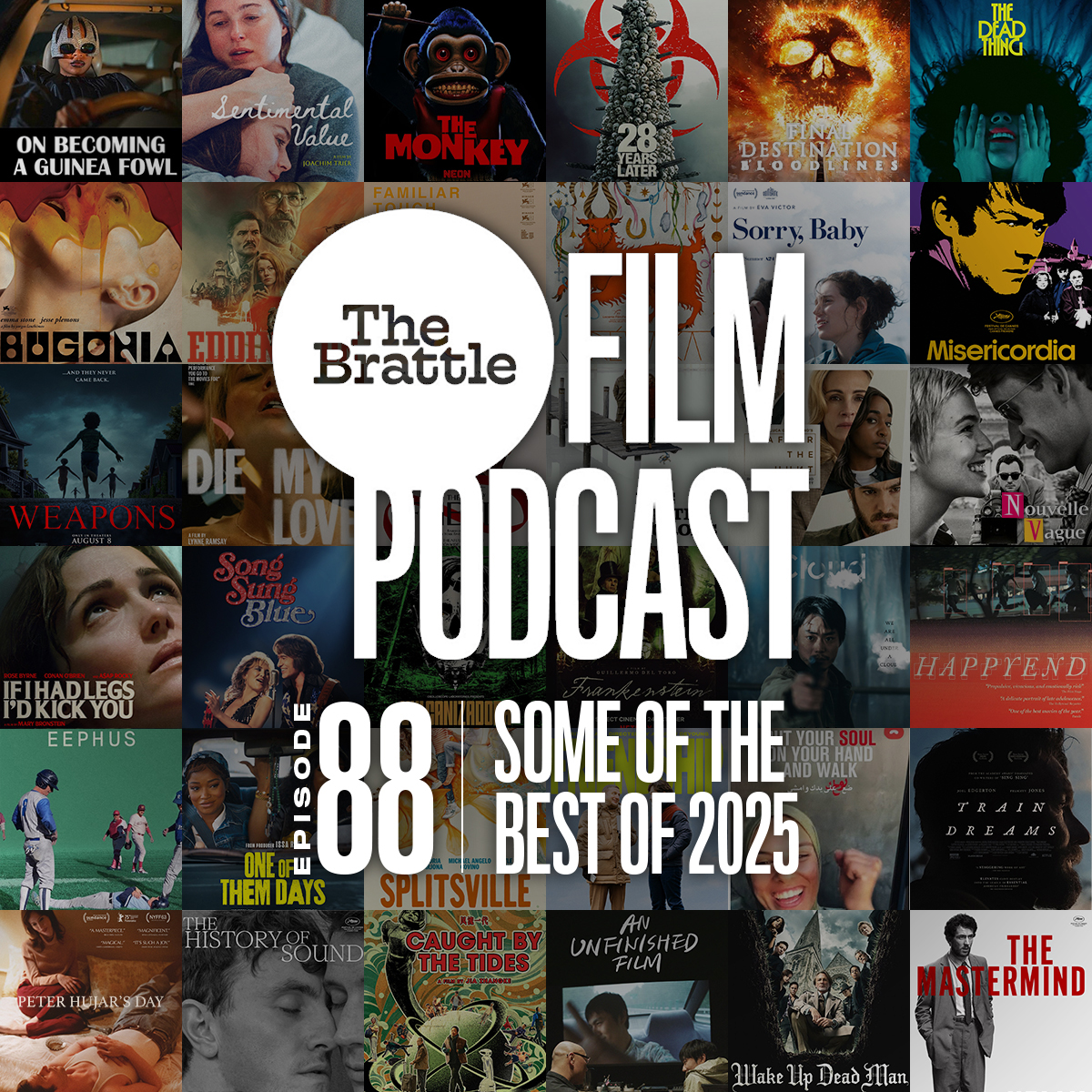
Episode 88: Some of the Best of 2025
Jan 2002:40:01Tap to summarizeOur annual tradition of looking back on the past year in movies engenders passionate debates as we discuss the Brattle's biggest ever "Some of the Best of" program (30 films!), touching on cinema trends of the past year and giving some love to some of our favorite lesser known titles of 2025.
Transcribe →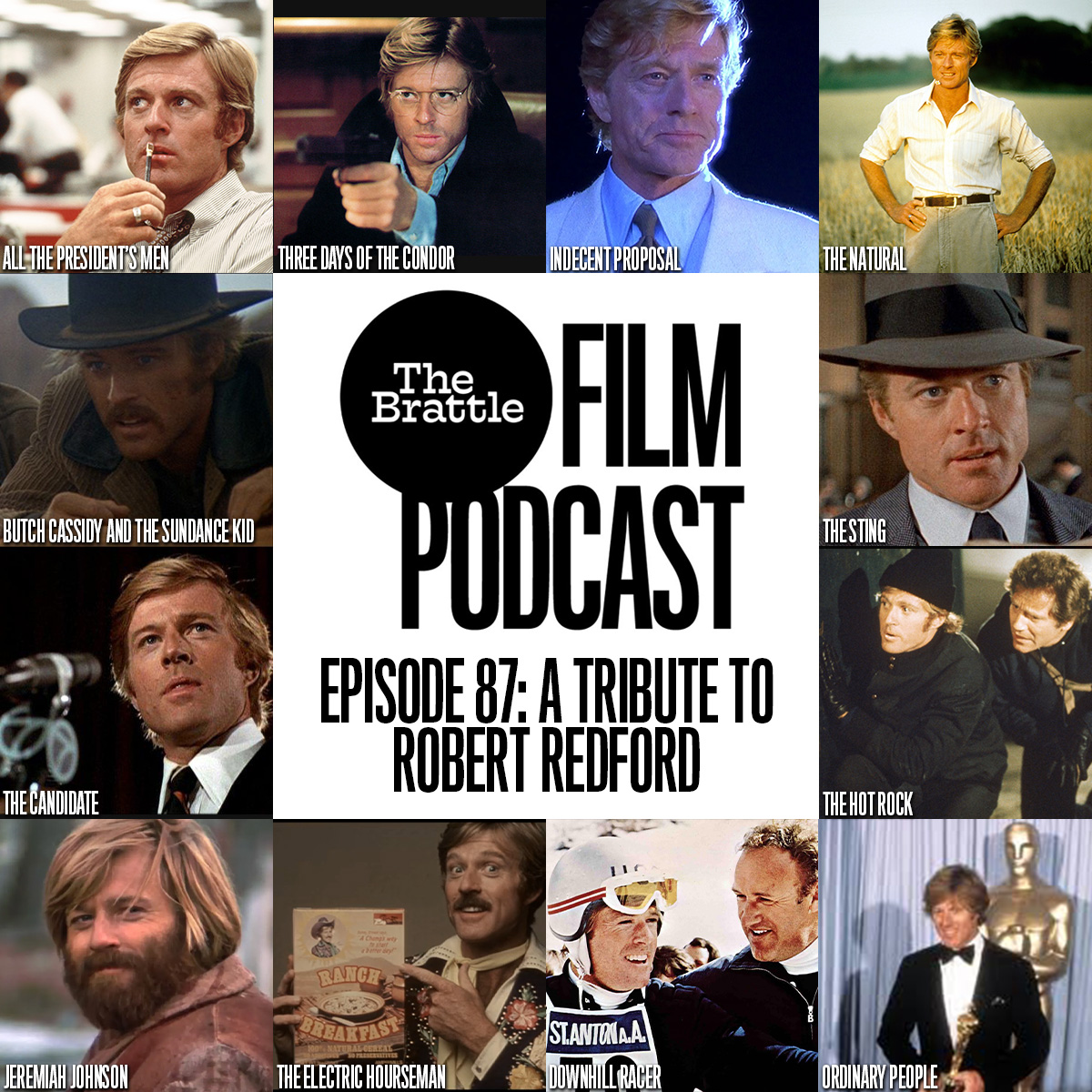
Episode 87: A Tribute to Robert Redford
Dec 1702:00:01Tap to summarizeWe bid a fond farewell to the legendary actor, director, producer, humanitarian, activist, and cultivator of emerging talent with a program of films from the period in which Robert Redford came into his fullest self. Starting with the pivitol year of 1969, when he made Downhill Racer and Butch Cassidy and the Sundance Kid, through the early '80s when he made his astonishing directorial debut, Ordinary People, and set the image for his future on screen with The Natural. Recalling many stories and anecdotes we pay tribute to one of the biggest icons of the movies at the end of a year that saw the passing of far too many cinema greats.
Transcribe →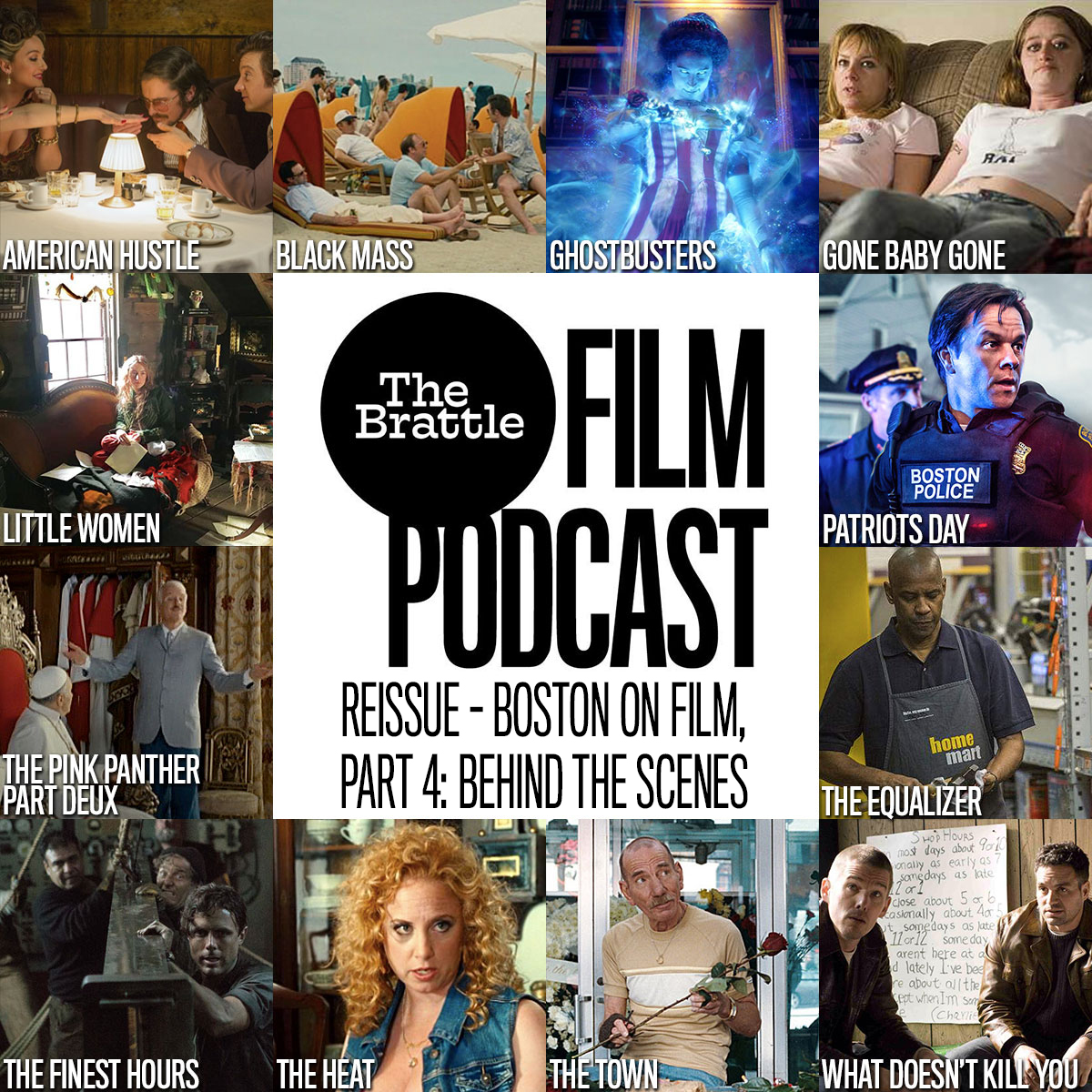
Reissue: Boston on Screen, Part 4: Behind the Scenes
Nov 2801:33:50Tap to summarizeFor the final episode of our Boston on Screen series, we're joined by Adam Roffman for a look behind the scenes of many of the films featured in our three previous episodes. Adam, an on-set dresser, documentarian, and former programmer of the Independent Film Festival of Boston, shares his stories of working on The Town, Little Women, American Hustle, Patriots Day, The Heat, and countless other Boston productions, as well as what the future of production looked like during the COVID-19 pandemic.
Transcribe →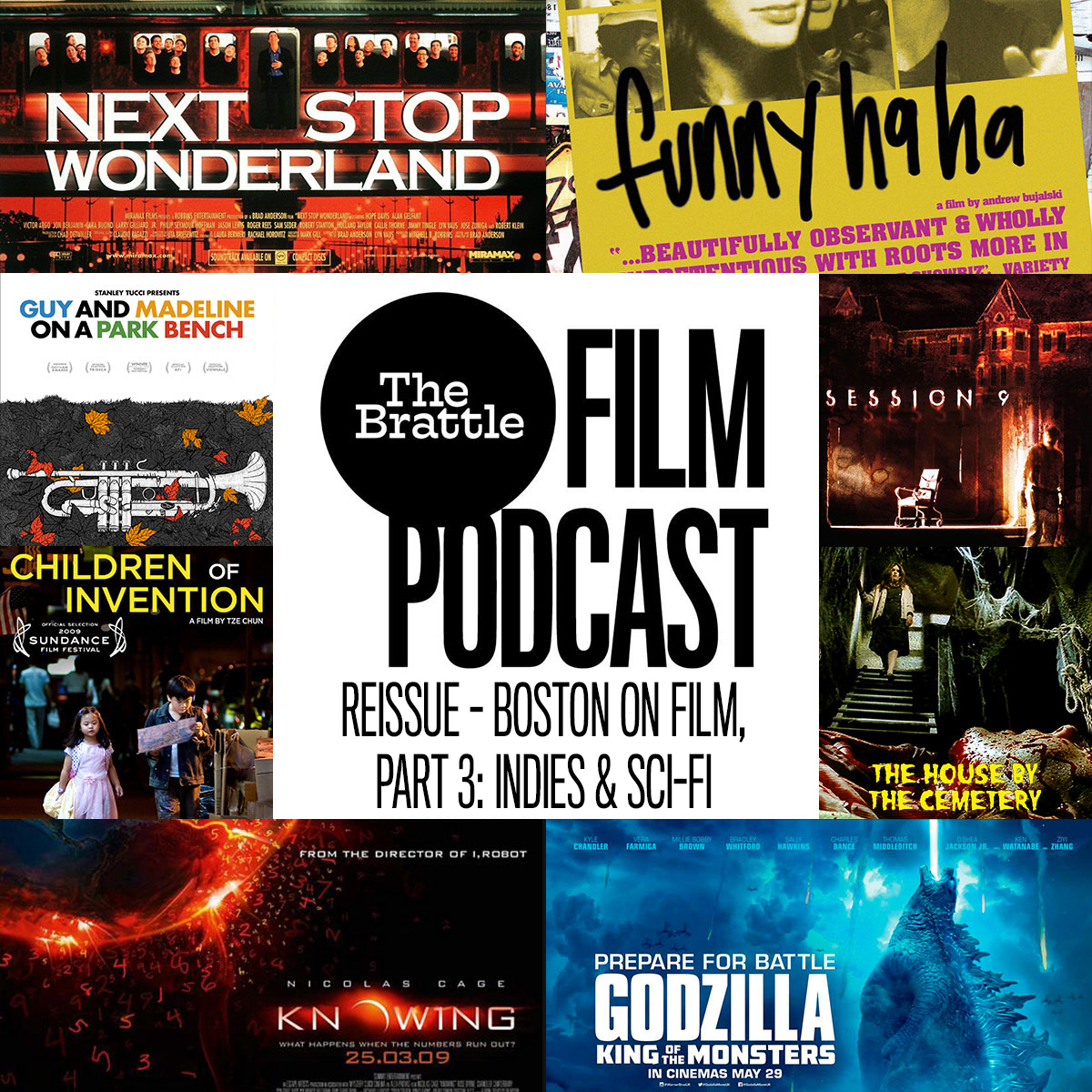
Reissue: Boston on Screen, Part 3: Indies & Sci-Fi
Nov 2701:26:24Tap to summarizeFor our third episode, looking at the way Boston is depicted in movies, we look at the wave of independent pictures that began shooting in the city during the 1990s, as well as some of the more outlandish genre pictures that have used (or destroyed) the city.
Transcribe →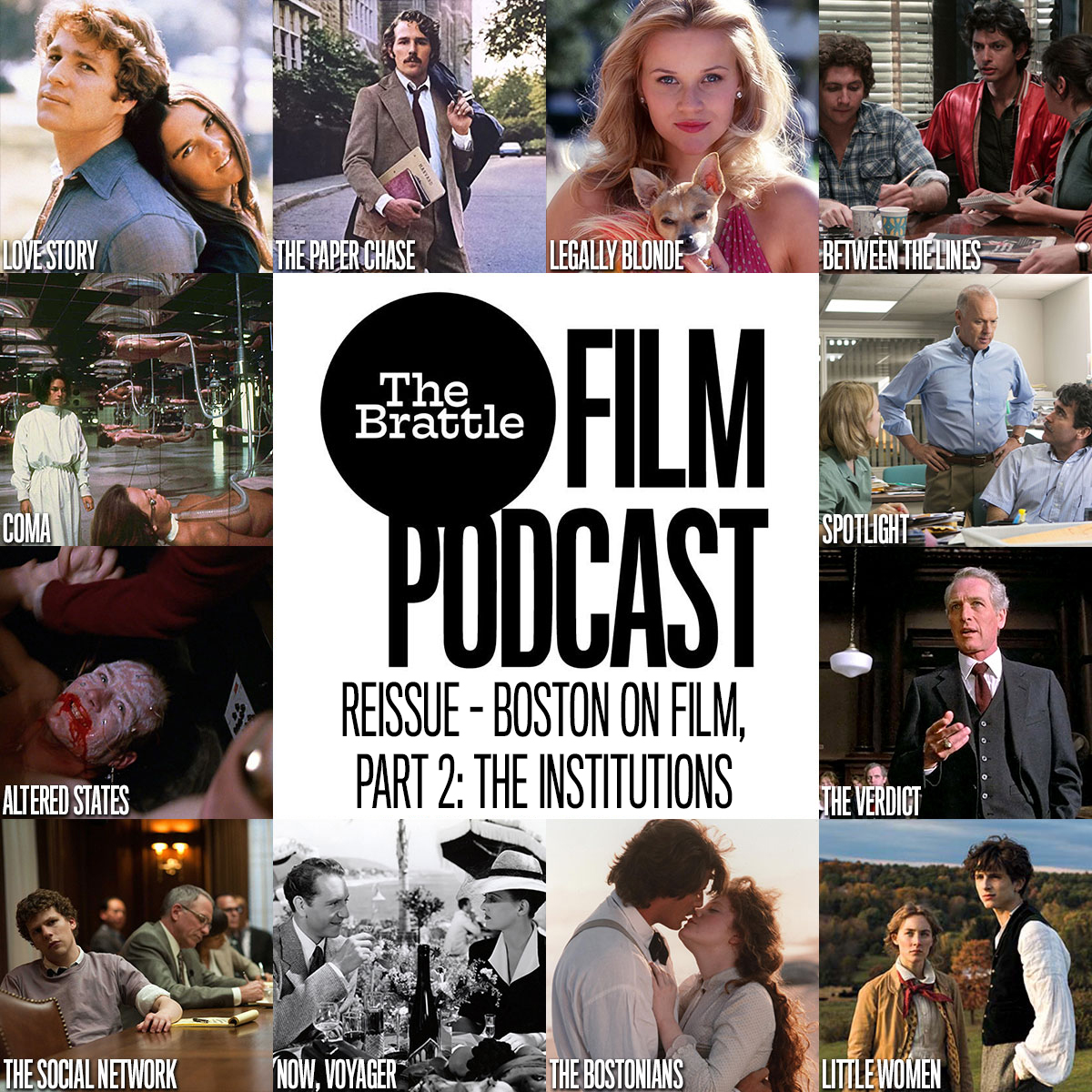
Reissue: Boston on Screen, Part 2: The Institutions
Nov 2601:33:44Tap to summarizeFor this second part of our reissued Boston on Film series, we go beyond the crime movie to focus on how the institutions of Boston – educational, social, scientific, medical, legal, and the press – are depicted on screen. Because the focus of these pictures is not on the underground criminal element, they are more likely to feel like time capsules giving us a glimpse into a Greater Boston that many of us have never seen.
Transcribe →