← The Breakfast Club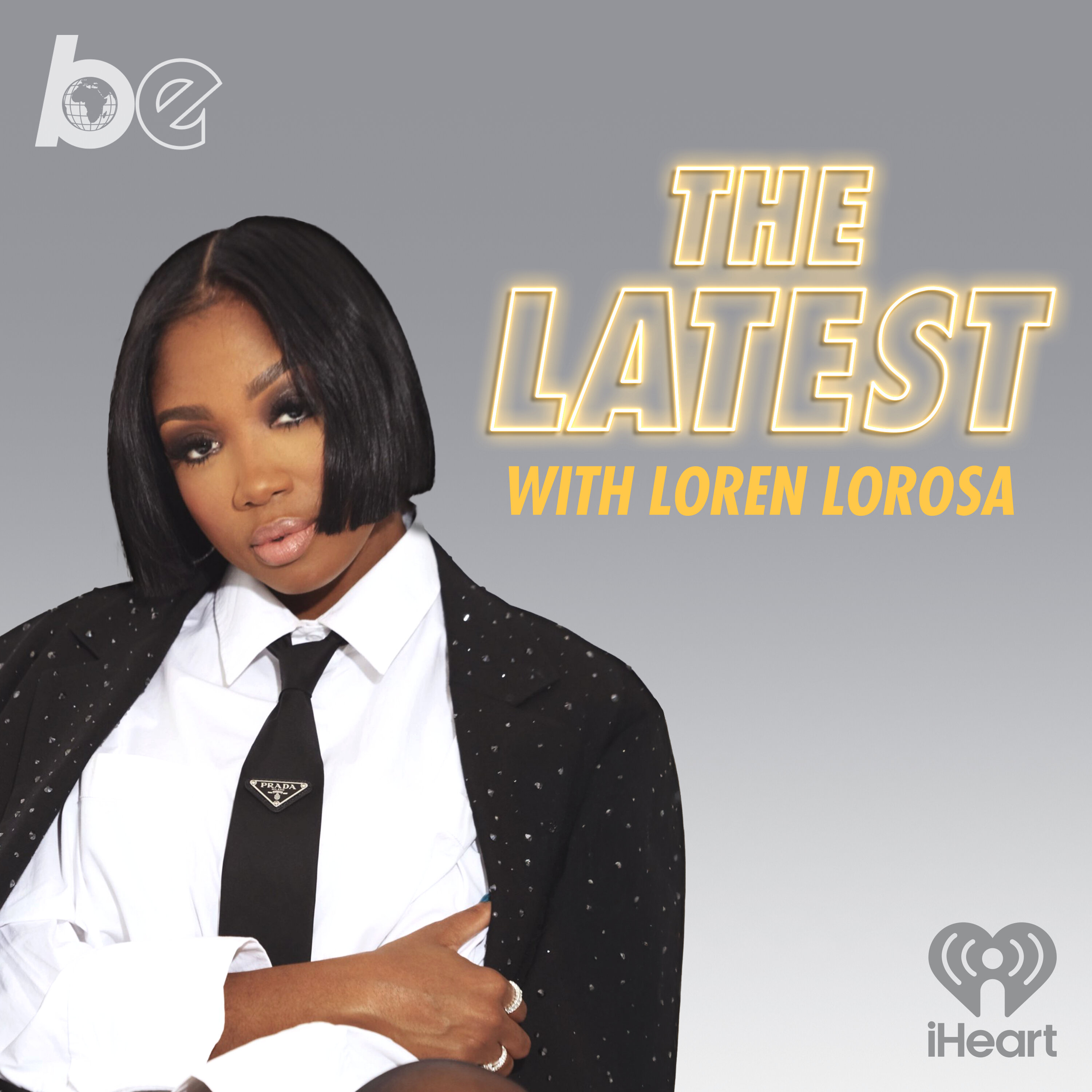
The Breakfast Club
A day at the US Open! 75 years since the 1st black tennis player in a major match, Althea Gibson.
00:17:10
Loading summary
Transcript41 lines
- [00:00]
Lauren LaRosa
This is an I Heart podcast.
- [00:04]
Hunter
I'm Hunter, host of Hunting for Answers on the Black Effect Podcast Network. Join me every weekday as I share bite sized stories of missing and murdered black women and girls in America. Stories like Erica Hunt, a young mother vanished without a trace after a family gathering on 4th of July weekend 2016. No goodbyes, no clues, just gone. Listen to Hunting for Answers every weekday on the Black Effect Podcast Network. IHeartRadio app, Apple Podcasts or wherever you get your podcasts.
- [00:40]
Emily Tish Sussman
Have you ever wished for a change but weren't sure how to make it? Maybe you felt stuck in a job, a place or even a relationship. I'm Emily Tish Sussman and on she Pivots, I dive into the inspiring pivots of women who have taken big leaps in their lives and careers.
- [00:54]
Lauren LaRosa
I'm Gretchen Whitmer.
- [00:55]
Emily Tish Sussman
Jody Sweetin, Monica Patton, Elaine Welteroth.
- [00:58]
Hunter
Learn how to get comfortable pivoting because.
- [00:59]
Lauren LaRosa
Your life is going to be full of them.
- [01:01]
Emily Tish Sussman
Listen to these women and more on she Pivots now on the iHeartRadio app, Apple Podcasts or wherever you get your podcasts.
- [01:10]
Cancer Survivor Guest
I was diagnosed with cancer on Friday and cancer free the next Friday. No chemo, no radiation, none of that.
- [01:15]
Culture Raises Us Host
On a recent episode of Culture Raises Us podcast, I sat down with Warren Campbell, Grammy winning producer, pastor and music executive to talk about the beats, the the business and the legacy behind some of the biggest names in gospel, R and B and hip hop professionally.
- [01:29]
Cancer Survivor Guest
I started at Death Row Records.
- [01:31]
Culture Raises Us Host
From Mary Mary to Jennifer Hudson, we get into the soul of the music and the purpose that drives it. Listen to Culture Raises us on the iHeartRadio app, Apple Podcasts or wherever you get your podcasts.
- [01:41]
Kurt Braunohler
Hey, I'm Kurt Braunohler.
- [01:42]
Scotty Landis
And I am Scotty Landis and we host Bananas, the podcast where we share the weirdest, funniest real news stories from.
- [01:49]
Kurt Braunohler
All around the world and and sometimes from our guests personal lives too.
- [01:52]
Scotty Landis
Like when Whitney Cummings recently revealed her origin story on the show.
- [01:57]
Lauren LaRosa (Casual/Personal Commentary)
There's no way I don't already have rabies. This is probably just why my personality is like this. I've been surviving rabies for the past 20 years.
- [02:04]
Kurt Braunohler
New episodes of Bananas drop every Tuesday. The Exactly Right network.
- [02:07]
Scotty Landis
Listen to bananas on the iHeartRadio app, Apple Podcasts or wherever you get your podcasts.
- [02:17]
Lauren LaRosa
I'm the home girl that knows a little bit about everything and everybody know.
- [02:21]
Lauren LaRosa (Casual/Personal Commentary)
If you don't lie about right?
- [02:22]
Culture Raises Us Host
Lauren came in hot.
- [02:24]
Lauren LaRosa
Hey y', all, what's up? It's Lauren LaRosa this is the latest with Lauren LaRosa. This is your daily dig on all things pop culture, entertainment news, and all of the exclusives that shake the room. Speaking of rooms, today I had the amazing opportunity to attend the US Open here in New York. It was in Queens, and, oh, my God, what a day. What a day. What a day. What a day. So first of all, I just want to say I talk about it a lot here and everywhere where I go. Being a part of the HBCU alumni conversation has not only been like an eye opener to me, but it's been. It's. It's really been like a life experience and like a game changer for me. So today I was able to go to the US Open in celebration of all things hbcu, Historically Black college and university, but and also in spirit and honor of Althea Gibson. Ms. Althea Gibson. So Monday would have been her 98th birthday, but this week, this year, I actually celebrate 75 years since Althea Gibson made her debut in what would have been now the US Open. But it was called something different back then. But 75 years ago, she became the first black tennis player to play in a major tennis competition. Now, since then, of course, the sport has grown. But if you think about, you know, what you think about when it comes to tennis and black tennis, I think for all of us, the first thing we think of Venus and Serena Williams, 100, their story, their trials, their tribulations, their critiques, the hatred they got, the ups that we've seen them celebrate, the barriers they broke and all of the things. But Althea Gibson was, you know, she is the originator of black woman on a tennis court showing y' all how to get it done. Now, here's the thing. So there's been a lot of coverage of the fact that the US Open would be even paying tribute to her because a lot of people feel like this was, well, well, well, well, well overdue. A lot of people, even in the headlines and in the reporting of this celebration or celebratory year for the U.S. open in honoring Ms. Althea Gibson, are reporting this as they finally broken their silence and. Or they finally given woman who literally broke down doors or broke racks, tennis racks, that is for all of the black tennis players to come behind her. Tennis players of color, to be honest with you. But of course, black tennis players to come behind her. Now, a lot of people will say the sport of tennis, and I mean a lot of people tone deaf enough to say this, will say that, you know, tennis is still a Sport that is very much white. And when I say that, I don't mean like it's only for white people. I mean the conversations. And you know, a lot of the major tennis players over the years, it's been, it's almost like a, I wouldn't even say it's a unicorn anymore. But you can right now in your mind think about the major black tennis players, both men and women, and probably name them because we hear about the same ones all the time. That does not mean that they're not more, you know, young, rising, fire black tennis players all across the nation. All across the world. Right. But what I'm saying is when you think of mainstream tennis tournaments, people playing in those tournaments, competing at, you know, these high levels, being talked about by press when it comes to the competition positions and things of that nature, you can literally probably name the majors. It was such a big deal this year that Venus Williams actually returned to the US Open. She actually made history this year returning to the US Open as the oldest singles player in the tournament since 40. A 47 year old Renee Richards competed back in 1981. Venus Williams is 45 years old, but I mean, no matter her age, like you know, Venus gets out there, she's going, she got busy, she didn't advance, but she did play at the top of the week. The reason why I bring up Venus Williams, Serena, Naomi Osaka, Coco golf or because again, and I'm only bringing up the women because y' all know I am so like brown girl grinding. But there's, you know, there are men as well that have been out here representing that are also, you know, very prevalent and present in the U.S. open this year. But bringing them up is to make the point that when we talk about major tournaments in tennis, there's always just a handful of us. So this year attending the US Open was such an eye opening experience for me because there was a, a whole room full of people who looked like me, very successful in their careers, professionals across all genres, from entertainment, both on camera, behind the camera, to business, politics, sports, all of the things. And we were all brought together to attend this experience. Some of the people that I, you know, got to meet today, got to see today, Monica McNutt, I didn't get to meet her or it was brief. I just need to sit a bag down at a table she was at. But Monica McNutt, she also hosted a panel that was HBCU based and they, you know, they had a conversation prior to a lot of the matches beginning. Ivana, Riji, Molly from insecure was also there as well too. Didn't get a chance to see Venus on the court at all. But this year, in one of her opening matches, she did pay tribute to Ms. Althea Gibson. She wore the white polo collared style shirt with the white tennis skirt, which is. There's so many iconic photos of althea Gibson in this outfit. So it was a nod to her. Very timely, very on brand, very, you know, it made sense for what this year is. But also those photos were all around the venue today, like everywhere you turned. You could not escape Seamus out there. Gibson, it was so black and so brilliant today at the u. S. Open. Lord, I am just. I'm so happy to be gang. I am just so happy to be gang. Shout out to Melissa Butler from the lip bar. We had talked to her on breakfast club and then, you know, so I met her there, but ran into her today. She was also part of the hbcu live initiative that was, you know, the. They were kind of like our chaperones today. They, they welcomed us into the u. S. Open and made sure we had a good time. But it was just fire this. I didn't even know that the u S Open had a hbcu initiative at all. Number one and number two, to be there this year celebrating and honoring 75 years since Althea Gibson walked onto the, you know, court in the majors with all these people who look like me that celebrating breaking barriers and the careers that they are in, man, it was just fire like. It was, it was, it was amazing. So upon entry, coming in to the u S Open, everywhere you turned there was artwork. You had a lot of. It was like silhouette ish. And I didn't know it was like very silhouette. It was very like there were carve outs. There was a statue of Ms. Althea Gibson. Everywhere you turn there were like different quotes because the actual theme itself was celebrating 75 years of breaking barriers. So there were a lot of quotes circulating. Even like the Arthur ash tennis area that we were in where a lot of the main matches went down. That saying was everywhere. It was, you know, on all of the boards. The jumbotrons, her silhouette was there as well too. There were photos along the walls. There was like a comic book at one point that was being. Giving out. There was merch as well. But I didn't know you can see the pictures of Ms. Gibson and of course, you know it's her. But when you're seeing, when you first walk in and you're seeing all these silhouettes and you Know all the things. I didn't really know what I was looking at. And then I did some digging. The artist who actually made all of the artwork for this year, her name is Melissa Kobe. So Melissa Kobe, she is the first black theme artist in the history of the US Open. Look, when I walking into the US Open today, the first area that I went to was like a. An area where you could, like, eat and there were bars and everybody was like, like, you know, talking and fellowshiping and vibing and taking pictures. And I walked. I was there by myself. So I literally sat at a table with a bunch of people I did not know. But it felt like home. It felt like homecoming. It was out. My mind was blown. The last time I attended the U. S. Open, I think I was about 10 or 11 years old. I went with one of my tennis camps. I played tennis for a couple years and went with a tennis camp. And I forget which sister it was, but one of the Williams sisters were actually playing. That's why they took us. They wanted us to see her on the tennis court. We were a tennis camp of a bunch of young kids from the inner city. All black, of course. And I remember what it felt like to see her on the court and see all of the people cheering and all of the, ooh, ah. Like all of that, all the things, right? So to be back now, 33 years old, walking into this, you know, arena with all of these other HBCU and black, because not even people that just went to HBCUs, but just black people in general. It was just. It was, it was deaf. It was, it was. I can't. I don't even know if I'm describing it to you guys well enough, but it was such an experience. Now, one of the things that I thought was fire today that was also laid out was there were these comic books. So there was comic books that were actually made by Marvel in celebration of Althea Gibson, which were also things that you could purchase. And, you know, they were being giving given away at some different locations as well too today. But I also got to do the coin toss. I got to do the coin toss on the second match. It was Taylor Fritz versus Lloyd Harris. And this was within the Louis Armstrong stadium. So it wasn't in the main stadium. It was in like a size stadium. But that was fire as well. And then I went to go watch some of the other matches. Now let me tell y'. All, Amongst my coin tossed peers was Gladys Knight. Now, we had been covering a story or I've been Covering a story over on the Breakfast Club and just following a bit, the story of Gladys Knight and her son. Alleging that she is being taken advantage of mentally and physically by, you know, someone that she is currently in a relationship with, and also alleging that she should not be on the road touring. Let me tell y' all something, okay? I didn't get a chance to have any words with Ms. Gladys Knight because I was watching the match that she actually came out and through the coin toss for. But I have video of her, so make sure you guys go check the video out. I'll be posting it to the brown girl. Grinding Instagram. She looked fine to me. She was there. She did. They brought her out. She did the coin toss. She was very alert, very aware. She knew what was going on, waving to the crowd, all of the things. Like, she walked out on her own. She didn't have, like, handlers with her and stuff like that. I mean, she is an older woman also. She's Gladys Knight, so she did have handlers with her, but she walked out on her own. It wasn't like she needed to be directed where to go, as if she was just completely lost and didn't know direction anymore. She, you know, was interacting with the tennis players. They took a photo, because you do a photo after you do your coin toss. And on her way out, she even stopped to do a little dance, like she knew. She was so well aware of what was going on. And, you know, the fans in the audience is stopping and looking around and making sure she got to everybody when it came to waving to the fans. Because the way that the tennis matches are set up, the seating kind of comes down on the incline. And then at the bottom of the incline is the tennis court. So she's looking up at all the fans and, like, waving in one area, making sure she turns around and waves to another area, working the stage. She looks. Looked fine to me. Now, granted, you know, I didn't get a chance to talk to her. I'm not spending days with her. I'm not, you know, whatever. I'm just telling you guys what I saw with my own eyes. She looked good. And when I saw. When I heard them announce her, I expected to kind of be like, you know, maybe like to see her be fully guided out and not be able to understand which way she's supposed to turn and all the things. Because of the reports, because of the recent, you know, documents that her son filed down in the Carolina stating that, you know, she's just kind of. That being put in positions right now that aren't fair to an older woman who's as he alleges, like basically out of it and should be home relaxing. Oh, baby, no. Ms. Gladys Knight was on point. She was not to be played with today. Honey looked amazing as well, but she was giving superstara very much so. Now as we wrap this, I just want to say the whole point of spending the time telling you guys about today was because as of 2023, there has been a 20% rise in black people in the sport of tennis, per NBC News. Right. And what I want us to do is I want us to take more time to like, I'm guilty of this as well. Like, I, I got a chance to go and watch Coco golf on one of the practice courts and I was probably watching her for about maybe like all of 10 to 15 minutes. I just wanted to see her with my own eyes in person because I report on her so much. I report on Naomi Osaka so much. But I, what I realized is that, you know, every now and then, you know, you report like the big wins that they do, right? So when they're making these history breaking wins and all the things. But I'm like, yo, I'm not even really in tune with their game for real and following their game for real. And I think anytime you see a person that is breaking barriers, whether it's a black person, person of color, you know, a woman, no matter what her skin color is, but a woman, anybody who is, you know, at a deficit or perceived because these people are not a deficit, baby, we are showing up and showing out, but we are sometimes are perceived that way. I'm always rooting for, you know, people that are, that are put in a position where people underestimate what they can do because of whatsoever. And a lot of times it's because of race and what all of the microaggressions that come with that. Especially black women, right? I mean, black men have their thing too. But I personally can only speak to as a black woman with those are because I've experienced them. But I was sitting there and I'm just thinking like, I know so much about their personal lives, all their business, all day T. But I don't really know much about their game. I don't know much. Like I couldn't run down what Coco Gol's technique is where she's strong at on the court and all those things. And I'm like, I don't know if that's really fair, Lauren. Like if you, you saying you out here and you supporting and you repping and it's, you know, US Open, hbcu, all things black and, you know, all the things. Imagine if someone only ever talked about Ms. Althea Gibson because of the drama she experienced and not all the great things she did, not all of the, you know, matches she won, not all of the barriers she broke. Where would that leave space for any of these black women or black players that you are here so excited to see and support today? So I'm challenge us, Challenging us to do better. I'm challenging myself to do better. I even told myself, like, you know, next year, you know, when the U. S. Open comes, especially when it comes to supporting all of the black athletes. And I'm unapologetically always rooting for everybody black. I want to spend more time at the U. S. Open, actually diving into the matches. I was so in and out today because I, you know, worked this morning. But I want to do more, do better. But I want you guys to take a listen really quick as we wrap to Venus WILLIAMS Talking about Ms. Althea Gibson and the impact that she had on her life. I had an opportunity to feel proud of who I. Who I was, who I am because of people like Althea. Of course, there's different kinds of ways you're perceived or sometimes treated because of the color of your skin, but it never stopped me. And I also want you guys to take a listen to Coco golf talking about Thea Gibson and the impact there.
- [17:18]
Lauren LaRosa (Casual/Personal Commentary)
The first three tennis players I knew for Serena and Venus and Althea Gibson. You know, my dad always looked up to Althea. It was important for him to educate me as a black woman. She had to face, like, real pressure of just brutal, like, racism. And I'm very grateful for her. After matches, I do get some crazy stuff, but online. Yeah, online.
- [17:39]
Emily Tish Sussman
Did Venus or Serena ever give you advice on how to deal with some of the vitriol?
- [17:45]
Lauren LaRosa (Casual/Personal Commentary)
Yeah, Venus, always. I played doubles with her once, and, you know, she just said, be authentically yourself and keep being you.
- [17:51]
Lauren LaRosa
Representation matters. And I know that that sounds so cliche, but I literally, to this day, sometimes randomly, whenever I hear any of the William sisters names, remember being a kid sitting in the stands and watching them play at the US Open and looking around at the crowd and realizing, like, I don't know exactly what I want to do. Maybe tennis is not it, but the way that they are are captivating and entertaining. And, you know, in being like, you know, they got the braids like they're black girls doing it. I want to do this. And now years later, I'm here, I'm at the U S. Open and you know, we're celebrating breaking barriers and you know, all the things. So cheers to, you know, 75 years since Ms. Althea Gibson walked on that court in that tennis match and showed the world it's not about your skin color. But if we going to talk about it, I'mma give you guys something to talk about. I'm Lauren LaRosa. This is the latest with Lauren LaRosa. This has been a special episode straight from the US Open and all of the things. I also did an interview with the US Open. We're trying to track that down now. It was live, so it was live, the tape. So we're trying to get that. When I get that, I'll make that a bonus episode for you guys. And yeah, I'll be back, our next episode with all of the news rundown. I'll see you guys in the next episode. At the end of the day, y' all know there's always a lot to talk about and y' all could be anywhere with anybody talking about it, but you choose to be right here daily, my lowriders. I appreciate you guys for that. See you in my next episode.
- [19:25]
Hunter
I'm Hunter, host of Hunting for Answers on the Black Effect Podcast Network. Join me every weekday as I share bite sized stories of missing and murdered black women and girls in America. Stories Erica Hunt, a young mother vanished without a trace after a family gathering on 4th of July weekend 2016. No goodbyes, no clues, just gone. Listen to Hunting for Answers every weekday on the Black Effect Podcast Network. IHeartRadio app, Apple Podcasts or wherever you get your podcasts.
- [20:00]
Cancer Survivor Guest
I was diagnosed with cancer on Friday and cancer free the next Friday. No chemo, no radiation, none of that.
- [20:05]
Culture Raises Us Host
On a recent episode of Culture Raises Us podcast, sat down with Warren Campbell, Grammy winning producer, pastor and music executive to talk about the beats, the business and the legacy behind some of the biggest names in gospel, R and B and hip hop.
- [20:18]
Cancer Survivor Guest
Professionally. I started at Death Row Records.
- [20:20]
Culture Raises Us Host
From Mary Mary to Jennifer Hudson, we get into the soul of the music and the purpose that drives it. Listen to Culture Raises us on the iHeartRadio app, Apple Podcasts or wherever you get your podcasts.
- [20:31]
Kurt Braunohler
Hey, I'm Kurt Brown Ohler.
- [20:32]
Scotty Landis
And I am Scotty Landis. And we host Bananas the podcast where we share the weirdest, funniest real news stories from all around the world and.
- [20:40]
Kurt Braunohler
Sometimes from our guests personal lives too.
- [20:42]
Scotty Landis
Like when Whitney Cummings recently revealed her origin story on the show.
- [20:46]
Lauren LaRosa (Casual/Personal Commentary)
There's no way I don't already have rabies. This is probably just why my personality is like this. I've been surviving rabies for the past 20 years.
- [20:53]
Kurt Braunohler
New episodes of Bananas drop every Tuesday on the Exactly Right Network.
- [20:57]
Scotty Landis
Listen to bananas on the iHeartRadio app, Apple Podcasts, or wherever you get your podcast. Podcasts.
- [21:05]
Ebony
Welcome to Pretty Private with Ebony, the podcast where silence is broken and stories are set free. I'm E, and every Tuesday I'll be sharing all new anonymous stories that would challenge your perceptions and give you new insight on the people around you. Every Tuesday, make sure you listen to Pretty Private from the Black Effect Podcast Network. Tune in on the iHeartRadio app, Apple Podcasts, or wherever you listen to your favorite shows.
- [21:33]
Lauren LaRosa
This is an iHeart podcast.