← The Breakfast Club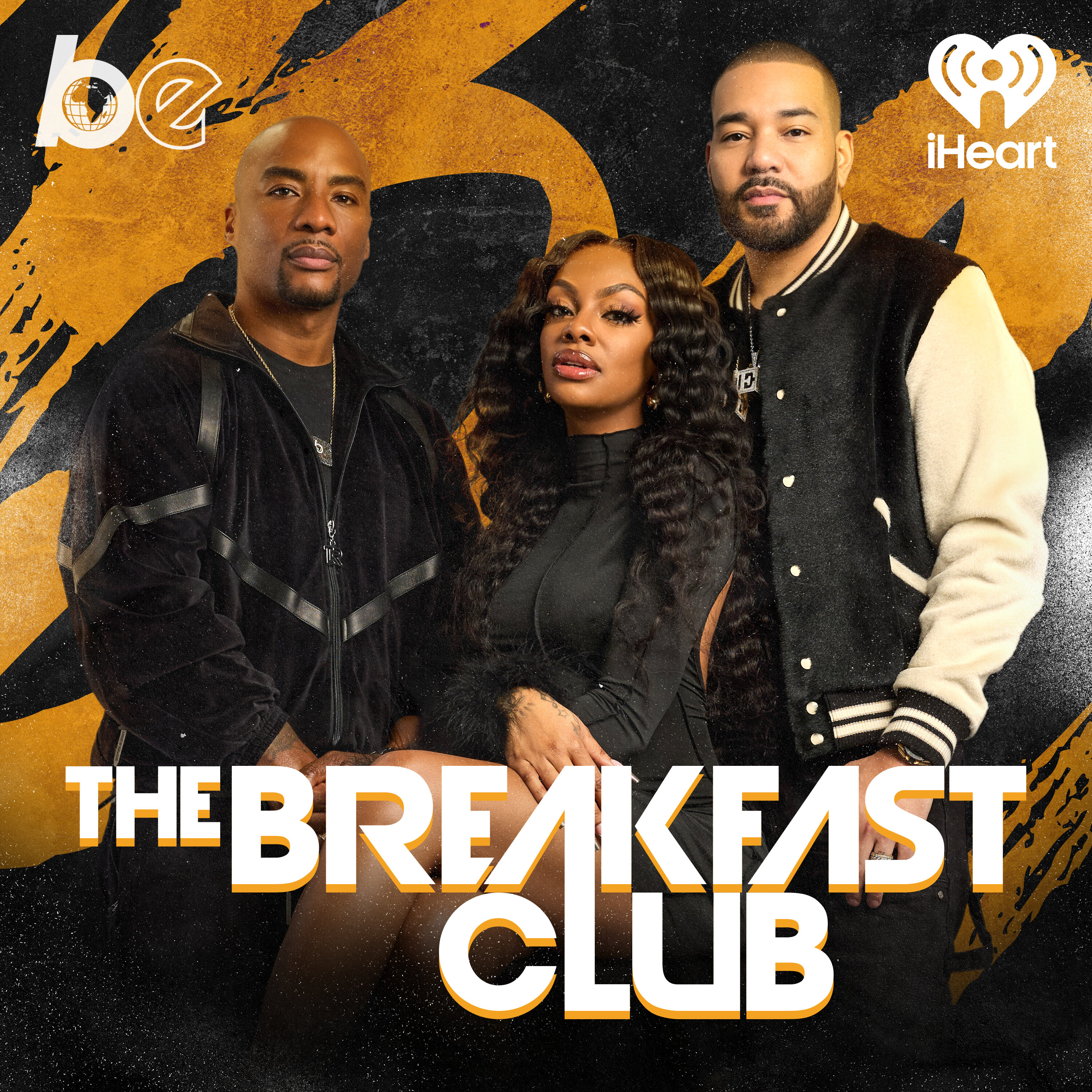
The Breakfast Club
INTERVIEW: Jermaine Dupri Talks 'Magic City: An American Fantasy,' New Album, Billboard, Mariah Carey + More
01:01:33
Loading summary
Transcript272 lines
- [00:00]
Morgan Wood
This is an iHeart podcast.
- [00:04]
State Farm Agent (Commercial Voice)
This weekend, one of the homers mentioned he closed on a new crib. While everyone's asking about a housewarming, you're asking the real questions, like who is his State Farm agent? See, homeownership is one thing, but the right coverage is the real game changer. It's how you protect your legacy. A State Farm agent can help you with finding the right coverage for your new place and even help you file a claim over the phone, in person, online or on the app. They're ready to help you and they don't drop the ball. You know what I mean? Like a good neighbor, State Farm is there.
- [00:36]
Morgan Wood
The best kind of help is the kind you don't have to ask for. Like your friend pulling up on a moving day with a truck speaker and.
- [00:42]
WashablesOfSofas Commercial Voice
Snacks ready to go.
- [00:44]
Morgan Wood
Well, that's the energy you get with AT&T's new guarantee. If there's ever a network interruption, they make it right by giving you credit for a full day of service. Proactively credit for Fiber downtime lasting 20 minutes or more or wireless downtime lasting 60 minutes or more caused by a single incident impacting 10 or more towers. Restrictions and exclusions apply. See att.com guaranty for full details. AT&T connecting Changes Everything It's Morgan Wood from the Black Information Network. Many in this world are pushing lies, fostering hate and dividing our children. Others in this world refuse to let that stand. Meet four of the others Pastor Dumasani, Washington, Dr. Brandy Schubatinsky, artist Tamir Peretz and black Israeli Arab student activist Tamer Masouddin. 4 Voices of Truth Loudly crushing propaganda. Join them and me because truth matters.
- [01:36]
WashablesOfSofas Commercial Voice
There's nothing like sinking into luxury. At washablesofas.com, you'll find the Annabe sofa which combines ultimate comfort and design at an affordable price. And get this, it's the only sofa that's fully machine washable from top to bottom. Starting at only $699, the stain resistant performance fabric slipcovers and cloud like frame duvet can go straight into your wash. Perfect for anyone with kids, pets or anyone who loves an easy to clean spotless sofa. With a modular design and changeable slipcovers, you can customize your sofa to fit any space and style. Whether you need a single chair, loveseat or a luxuriously large sectional, Annabe has you covered. Visit washablesofas.com to upgrade your home. Right now you can shop up to 60% off store wide with a 30 day money back guarantee. Shop now@washablesofas.com Add a little to your life. Offers are subject to change and certain restrictions may apply.
- [02:36]
Jermaine Dupree (JD)
Hold up.
- [02:38]
Charlamagne Tha God
Every day I wake up.
- [02:39]
Jermaine Dupree (JD)
Wake your ass up. The Breakfast Club. Y' all finished or y' all done?
- [02:43]
DJ Envy
Morning, everybody. It's DJ Envied Jess. Hilarious. Charlamagne Tha God. We are the Breakfast Club. We got a special guest in the building.
- [02:51]
Charlamagne Tha God
Yes, indeed.
- [02:51]
Jermaine Dupree (JD)
J.D. jermaine Dupree. What's happening?
- [02:54]
DJ Envy
How you feeling?
- [02:54]
Charlamagne Tha God
He looking at the wall.
- [02:55]
Jermaine Dupree (JD)
I'm looking at the wall.
- [02:57]
DJ Envy
We ain't got JD on the wall.
- [02:58]
Jermaine Dupree (JD)
Oh, I don't know. Yeah, I don't think. I don't think I made the wall. That's all right.
- [03:05]
DJ Envy
Damn. We ain't got JD on the wall.
- [03:06]
Jermaine Dupree (JD)
Yeah. Y' all ain't got me up there.
- [03:08]
Charlamagne Tha God
Well, no, see, the wall represents, like, iconic Breakfast Club moments. Not that you haven't given us great interviews.
- [03:15]
Jermaine Dupree (JD)
I haven't had a.
- [03:16]
Charlamagne Tha God
You know what I'm saying?
- [03:17]
Jermaine Dupree (JD)
You have had some. You know, you never stormed out the studio. I'm out of that. I'm out of that conversation.
- [03:29]
Charlamagne Tha God
But you have always coming in and gave us. Giving us great conversation, man. And I've been enjoying the Magic City docu series.
- [03:35]
Jermaine Dupree (JD)
Thank you.
- [03:36]
Charlamagne Tha God
And it got me to thinking about, like, just Atlanta. Like, in Atlanta's had a lot of different runs as far as music is concerned. But what is Atlanta culture exactly?
- [03:46]
Jermaine Dupree (JD)
Is it this.
- [03:47]
Charlamagne Tha God
Is it the strip clubs?
- [03:48]
Jermaine Dupree (JD)
Yeah. 100. That. That's one of the things skating, you know? And, you know, I think, like, it's a bunch of different things, like the bass music and a bunch of different things, but we haven't. We've never really highlighted these things the way I guess I'm trying to do and make sure that people understand that that's what it is. Because I think, like, people think, like, even with the strip club situation, it was me and whoever else was promoting this from a long time ago, just black people trying to promote strip clubs. And you learn from the documentary that this. This was a law that was passed in the city and might be more states in the, you know, south, that nudity was something that they opened the floodgates and made it a business. Right? So even me growing up, I never realized why it was so many strip clubs in Atlanta. It was a strip club damn near every corner or in every hood in Atlanta. And I never understood. I just thought we was just a strip club place. But when you look at this documentary, you start going outside and looking at all the Other places, like in Florida and all these other places, you're like, oh, this. It's a law that was passed, right? And I used to come to like New York when we used to do things in wherever. I go to other cities and be like, man, why these cities ain't popping like Atlanta with the strip clubs. And the law is a real law that gave us the entryway to just have this going. So there, that's an Atlanta thing, you know.
- [05:19]
DJ Envy
Is Magic City the biggest strip club and the most recognized strip club in the US to you what you think? What's your thoughts on it?
- [05:27]
Jermaine Dupree (JD)
Nah, I think, I mean, I think it's been, it's been a couple, you know, over the years. I think Magic is in the top three, of course, but like booby trapping, Miami.
- [05:40]
Charlamagne Tha God
King of diamonds.
- [05:41]
Jermaine Dupree (JD)
King of Diamonds. When I mean, you know, Miami's always had, you know, I mean, they've always had these trip clubs, turnover. And I think V live. V Live, I think that's Houston.
- [05:50]
Charlamagne Tha God
Houston.
- [05:51]
Jermaine Dupree (JD)
So I think Houston, there's a couple of places that's got. But I don't think Houston can get naked though. That's the thing. It's like we talking about nudity. As far as strip clubs is Miami. And Miami, I think they do topless in Houston.
- [06:02]
DJ Envy
But yeah, Atlanta was nudity. Nudity, yeah.
- [06:04]
Charlamagne Tha God
So what made you want to Atlanta need that infrastructure now? Because that's what. When I think about Magic City, I know people look at it as just a titty ball, but when I'm watching the daca, even just growing up, I think of it as infrastructure. This is one place where people went to break records.
- [06:18]
Jermaine Dupree (JD)
That's the thing. Like I was going to answer your question. The reason why I wanted to do it is because, you know, we don't talk about the places that actually helped us get to where we are. You know what I mean? That part of hip hop stopped a long time ago. Like when you watch like Wild Style, right? When there's a person that's not from New York, I watch Wild Style. You can see like how Grandmaster cast them, what they was doing to become and made what made hip hop turn into what it was here in New York. And in the later years of hip hop, what shows or anything show kids how we got, you know what I mean, how we got to where we are. And I think that, you know, it's important for black establishments to show like it's a 40 year old black establishment. The owner went to jail, they tried to sell his property, he took it back over. And now it's back popping. And now he got a TV show like that's American Dream, you know? You know what I mean? Like, regardless of whatever good or bad, it's a black American dream that we don't ever really be talking about.
- [07:26]
Charlamagne Tha God
Does Atlanta need that infrastructure now?
- [07:27]
Jermaine Dupree (JD)
Huh?
- [07:28]
Charlamagne Tha God
Does it need it now?
- [07:29]
Jermaine Dupree (JD)
Yeah, 100%. I mean, we need it more than any. Everybody. I mean, not just Atlanta, like a bunch of cities need to. It's probably a bunch of other cities that's got like 40 to 50 year old black establishments that I don't, that I don't even know about.
- [07:41]
DJ Envy
What do you think ruined strip clubs? Cause at one time there was a strip club in every city. They were always big. There was 15 in Atlanta, there was 10 in New York. What do you think ruined the strip club safety?
- [07:53]
Jermaine Dupree (JD)
Right? That. I think that's why Magic stands out so much. Because you can go in Magic with all your jury on, you can go on Magic and be the biggest star in the world and be standing next to the biggest criminal in the world, but whatever would happen somewhere else ain't getting ready to happen in Magic. And you know, I mean, and I say that proudly because even me, I go to Magic without security, like. Cause the security in there going to take care of me. Like they like if they was working for me. And I feel like it's the safest club in Atlanta. So I feel like that, I feel like the safety of strip clubs and how Magic ran the club, strip club etiquette, I think that is, that, that's what killed strip clubs for the most.
- [08:35]
DJ Envy
Part now also, I noticed, you know, growing up when we used to go to strip clubs, you go with a couple dollars, right? And you would, you will be fine all night. That's totally changed.
- [08:43]
Jermaine Dupree (JD)
No, no, that's not, that's not, that's just your mental. Okay, right. That's just people's mental space. Right? Because I go to a club now and you know, I don't. If, if the, if Magic City's like overly crowded, I'll go stand by the bar and I might spend 500 to $1,000 that, that, you know. And by the way, J.D.
- [09:05]
DJ Envy
That'S a lot of money. I was talking about $100 J.D.
- [09:08]
Jermaine Dupree (JD)
At the bar. I'm just saying, let me put this in perspective so everybody understand what's happening. The other night when Chris Brown was in Atlanta, they spent $200,000 in Magic City. So my little 500 to a thousand over there in that Corner is like $100, man. Look at his face.
- [09:29]
Charlamagne Tha God
Because I hear when people say those numbers, and I'm like, I don't believe that.
- [09:32]
Jermaine Dupree (JD)
No, I swear to God.
- [09:34]
Charlamagne Tha God
200,000.
- [09:35]
Jermaine Dupree (JD)
On God. A hundred went to Chris, right?
- [09:39]
DJ Envy
I've seen people order 100, 000 singles.
- [09:41]
Jermaine Dupree (JD)
Yeah, I mean, 100 went to Chris, Without a doubt. And Magic. In Magic, they go. When you. When you order the money, they bring a Magic City bag for you. Backpack.
- [09:50]
Charlamagne Tha God
I got one.
- [09:51]
Jermaine Dupree (JD)
So the backpack had a hundred in it. Jada, Waiter, y' all know J, she got about a dub, right? I think maybe more P from QC. I think he ordered 40 right then. And then, you know, that's. That's 160 right there. You know what I'm saying? Chris by himself had 100. That's what I'm saying. So if you start splitting it up, I think Bow wow probably got 10 or 15, 20. You were 200 fast.
- [10:19]
Charlamagne Tha God
So when you was in the. Back in the day with bmf, how much did you see them spend?
- [10:22]
Jermaine Dupree (JD)
At one point on my album, I have a conversation with Meech, and he says he spent $600,000 one night.
- [10:29]
Charlamagne Tha God
That's insanity.
- [10:30]
DJ Envy
That's crazy.
- [10:31]
Charlamagne Tha God
What's the most you spend? And now you was in there with Janet. What did you spend?
- [10:34]
Jermaine Dupree (JD)
I mean, I had a limit. Like, when everybody heard me say I spent $10,000, that was my limit. So once I got to that 10, I wasn't trying. But by the way, I'm not in there trying to compete. I always felt like, you know, at one point in time, when BMF came or when BMF grew, because I've been in the club with Meech for a long time before BMF was a crew like that. And we used to be at the gentleman's club back in. When you watched the episode where Magic supposedly was burnt down or whatever, and everybody went to the gentleman's club. That's back in the period of time when I actually met Meech. And Meech didn't have the crew. The crew of people with him. And we was in the gentleman's club. And in the gentleman's club, it wasn't about. It wasn't. It was like what he's saying. We wasn't really throwing the money. We was just, like, giving the girls the money, Right? And that's. That's where I. That's where the whole confusion about who started throwing the money came from, because I start. I started doing this in Money in a Thing video. And I know people want to say they did it and did it. Well, you find a video that came out before money anything where you see rappers throwing money like this, right? And that I never had a, like, it wasn't about me trying to challenge nobody. It got to, it got to be like when meeting them crew came and it was like, oh, damn, they throwing more money we gotta throw. It became like a money war. I was never, I was never part of that.
- [11:59]
Charlamagne Tha God
I was thinking about you too, man, watching the documentary, because especially thinking about everything that's going on in Atlanta now. Did you purpose. Because you was outside, you was outside connected with everybody. Did you purposely stay away from rappers that were two in the street?
- [12:12]
Jermaine Dupree (JD)
Nah, I just, I'm not, I'm not a street guy like that. I mean, I mean, I'm like, I, I, I'm a real hip hop person, right? A purist basically. Right. And I don't believe that you should be rapping about that you don't actually do. Right. I've been that guy, right. If you ain't in the jury and you ain't did it, don't talk about it. If you ain't fly, you won't be getting. Then don't be making raps about it. Right? And I never had no reason to talk about me selling no dough. That ain't, that just ain't been my life, right. I ain't come up like that.
- [12:43]
Charlamagne Tha God
What about signing artists that I have.
- [12:46]
Jermaine Dupree (JD)
Signed artists like that? I mean, Brat smoke more weed than damn near Snoop Dogg. But, you know, I mean, it wasn't like, it wasn't from a drug dealer perspective. It's from an actual stoner perspective. Right. I just think the perspective of how we, I never was trying to sell, like I said, selling, selling drugs. But I mean, you know, all the artists I think, damn, they're talking about, I mean, the Franchise Boys, you know what I mean? White Tea is about doughboys, like every, all of that, all the music, I just think it's, it's also camouflaged in beats that make you want to dance where you're not paying attention to it. It's not this dark, I'm gonna kill you type of music.
- [13:23]
Charlamagne Tha God
You know, that was the other thing about Magic City too. Why are script clubs, why are you able to break records in strip clubs, but not like in the regular club? In the regular club, you got to play the records that keep the party going. Yeah, but in the strip club, you can try new shit. Why is that?
- [13:35]
Jermaine Dupree (JD)
Because in any lounge setting, music is just played, right? It's just like, almost like Getting on the elevator. When you get on the elevator, you don't care what the music is. They playing all kind of music in the elevator. Especially when you go like the Vegas. You hear all kind of stuff and you're like, you might listen, you might not. You having a conversation. It's the same way if it's. It's ultimately, it's for a DJ to pay attention. If he play a record and y' all over there talking and then all of a sudden somebody start moving. You can see at that point, this was not forced, right? And I feel like that's the most organic thing that we still have left in the music business. It's like, organically, I didn't pay you to listen to my song, or ain't nobody come over there over promote you to listen to my song. You just heard it and you like, damn, who was that? Who was that? That's like quavo or something, you know? You know, you could see the emotion on people trying to figure out what it is. Or you see somebody in there. Shazam. The song. This is actual real time.
- [14:35]
DJ Envy
At one time, were women banned from the strip club? I used to remember because I thought they would be charged.
- [14:41]
Jermaine Dupree (JD)
No, it was a one. It was a period of time where non dancing females look down on dances. And the gentleman's club was a gentleman's club. It wasn't no women in the gentleman's club. That's what it was called. And that's how we. That was our spot, right? But then these ladies start figuring out, these guys are going to having fun, they eating and they not calling us. They're not coming home. We want them to come home. What the hell is going on in this club? And then once, like I said, even like me with Janet, she wanted to go so bad. And I'm like, I'm just in there having fun, kicking it with my guys, eating, blah, blah, blah. And it was like multiple times where I was like, I'm. I'm not going. I'm not going to. And then when I take her in there, she's like, oh, oh, I thought y' all was in here. I'm like, I don't know what y' all thought we was in here doing, but they, they, they thought it was something else prior to them going. And enough of them started going, and they start realizing, like, girl, they don't be doing nothing in there. They end up having a good time. If you are able to just party and not pay attention to the girls being naked, then you should be able to have a good time with your man or your friend or whoever that's in there. So I, I think that started right, that that situation started and then guys start realizing like they didn't have to lie to their girls either. Cuz ain't nobody having sex in Magic City, you know what I mean? They got other clubs where that might be going on. But Magic City is a full on show. Right. It's no way for you to be in there, you know what I mean? Doing that in that club and people not see you with nothing. So that's not what happened. That's not what's happening in that club.
- [16:18]
Charlamagne Tha God
The other thing about Magic City, just watching the doc you Atlanta used to pride itself on having a unique sound.
- [16:25]
Jermaine Dupree (JD)
Yeah.
- [16:25]
Charlamagne Tha God
Now a lot of folks say Atlanta music just kind of like blends into the main screen. Do you feel like the city's lost this identity or it's just a natural evolution?
- [16:34]
Jermaine Dupree (JD)
No, I was trying to figure out how we, how we talk about this because I don't want people to get this misconstrued about me saying. Because I'm not saying anything about what's going on with Thug, but what's happening with Thug is almost making people believe that that's just, that's all of Atlanta. Right. Meanwhile, Atlanta has a subculture of these female rappers right now with Pluto, YK Bankroll, Nia Barnaby. And they have a real thing going, they have a real motion going and they have a real movement going that is being ignored. Like right when they said, I saw people saying it's no song of the summer, Wim Whammy in Atlanta was the song of the summer.
- [17:21]
Charlamagne Tha God
That's Pluto, right?
- [17:21]
Jermaine Dupree (JD)
Yeah.
- [17:22]
DJ Envy
Not just Atlanta though.
- [17:23]
Jermaine Dupree (JD)
You know what I mean? That's, that's the song of the summer. But for, for some reason, and it's the first time this ever happened to me in Atlanta. So I'm, I'm seeing, I'm trying to figure out why, but this is the first time that anybody else that's in the press, they're stealing all of the energy away from all of the artists that's out there. Like we got Belly Gang, Kush, we got Suave, we got all these new artists that's hot. Even like J J got a hot new record with Sierra Earth Gang.
- [17:51]
Charlamagne Tha God
And that's the label fault though.
- [17:52]
Jermaine Dupree (JD)
No, no, no, I love that record. It's. It's not the label fault. It's actually, it's actually the media that all of the new artists claim that they don't want to deal with by saying they don't want gatekeepers. The media is acting like gatekeepers. And all they're talking about, all these little podcast guys, all. All they talking about is thug. If you want to talk about that and that's what you got going, then cool. But don't say, this is Atlanta. Atlanta fell off. And you ain't mentioning these girls. You know what I mean? And you ain't mentioning Belly, and you ain't mentioning Jed new album. And you ain't like. Because that's that. Now you. Now you deterring the energy that we out here putting out and making it seem like this is the only thing that's happening in Atlanta. And Atlanta never been like that.
- [18:36]
Charlamagne Tha God
That's a great conversation. You opening up. Because I'm sitting there thinking, like, back in the day, we had artists who had big records, and you maybe didn't know the artist yet, but at some point, those dots connected. Like, you know, White Tees, Franchise Boy, all of that stuff. But then eventually you knew who the group was. Yeah, I think that's the disconnect. Like, you might hear the record but not know who the artist is. Connected.
- [18:56]
Jermaine Dupree (JD)
Well, I mean, they gotta. They gotta work harder. But at the same time, it's like I said, it's still. Mainstream media is promoting this as Ratlana. Like, that's not. That's not. That's not where I live at. You know what I mean? And like I said, these girls, I'm just looking at these girls. And I manage Bankroll Naya, and just me coming into helping her with her career, what attracted me to it is that they doing this in a hip hop way. This. They using TikTok and whatever things means that they got to get what they want and actually really creating a thing in hip hop. And the only thing that's missing is mainstream media paying attention to it.
- [19:41]
Charlamagne Tha God
I think that takes sometimes people to run the circuit. Like, everybody talks about the clips, right? And they're like, yo, the clips had. It's one of the most genius rollouts. I'm like, that wasn't a genius rollout. It was just a rollout. That's what artists used to do.
- [19:54]
Jermaine Dupree (JD)
It's a rollout.
- [19:55]
Charlamagne Tha God
So I think sometimes it takes somebody like you to say, nah, we going on the circuit.
- [19:58]
DJ Envy
But here's the thing with the Franchise boys, right? You took the Franchise boys out on the road, right? You went from market to market, city to city. You spoke to DJ to DJ until it connected.
- [20:08]
Charlamagne Tha God
So somebody got to do that with an eye, and it got to Be you because you Jay.
- [20:11]
Jermaine Dupree (JD)
People make my artist, but I get you.
- [20:13]
DJ Envy
Same thing with J I D J. Like, he has to get out there. And people like, they know his music, but do they know his face as much? Same thing with Pluto. I love the fact that Pluto is out. She's out and about. She came on the Breakfast Club. She's doing podcasts. She's starting to see her face outside of her music, but we don't see that a lot anymore. And with the thing I was going to ask you, what's going on with Atlanta? I've never seen Atlanta in a place where it seems like it's been so much against each other, because Atlanta is usually the place where everybody fucks with each other. Everybody sees each other at the club, everybody sees each other. Magic City, you see everybody together. Whether they on good terms or not, they're together. And I've never seen Atlanta in a place where it seems like they're not connected.
- [20:49]
Jermaine Dupree (JD)
But that's what I'm saying. If we put the. I mean, you're right, both sides, but if we put the eyes on these girls. They're demonstrating what you're talking about. They making records to each other. They making songs. They putting out records every weekend. It's one record with Bunnabe and yk, it might be bankroll night the next weekend. This person they putting. They're showing that they cool. They kicking it. They not beefing. Even though YK and. And Pluto kind of split, but they still out here. They moving in a motion that. That shows the love that. What you talking about. Atlanta was prior. And that's really what I wanted to do with my album is just get back to that and just put people in spaces that I didn't. That I haven't seen people doing. So when I put like J Money and. And Sean Paul on the same record, that's what I was trying to do is like. Cause that is how I. That's how I grew up seeing Atlanta.
- [21:42]
Charlamagne Tha God
But people got to make the rounds that these niggas ain't Beyonce.
- [21:45]
Jermaine Dupree (JD)
Yeah.
- [21:45]
Charlamagne Tha God
Somebody like to drop music with no promotion. No.
- [21:47]
Jermaine Dupree (JD)
Nobody's Beyonce. Let's. Let's put that out there. Everybody got to stop doing that.
- [21:51]
Charlamagne Tha God
Yes.
- [21:52]
Jermaine Dupree (JD)
In the music business, everybody got to stop doing that. I say that every time album come out. Like, I don't understand what it. What. What you think you gonna get by not giving.
- [22:01]
Charlamagne Tha God
Yes. And once again, I go back to the clips. The Clips OG Rap Group showed everybody what you supposed to do when you got a project coming out Go work all the rooms. Like, you can't just put your shit online and expect people to come to you.
- [22:14]
DJ Envy
Yeah, for sure they did. They did. They were out on the street and performed in the middle of Brooklyn at a block party. They went to the car show, they went to concerts, they did radio, they did podcasts. They did everything they was to get those numbers, and it showed.
- [22:31]
Charlamagne Tha God
I saw these memes going around about the VMAs this past weekend, this week, and everybody was like, yo, this. It was like this meme saying, this is how I feel watching the VMAs, you know, less and less people every year. And that's not because you getting older. It's because a lot of these people just ain't running the circuit. Well, like everybody you just named, only person I know faces Pluto.
- [22:50]
Jermaine Dupree (JD)
Yeah, I mean, but the VMAs, I went and I. And I was gonna tweet while I was there, but I was like, I'm not gonna do because I might get in trouble and like, turn into something else. But black culture is what is driving the Internet when it comes to music, right? It ain't enough black culture at the VMAs for where the culture is from this interviewing space, right? And I think that's a, that's a disconnect that you see at the VMAs. And so. So a lot of the artists don't know if they should go because they, they don't know, you know what I mean? Because it's being front loaded with like people like Paris Hilton. And I mean, you know, they put Lotto and what's her name, yeah, Ice Spice on there. But that's what I'm saying. It's still like. It's not. It's like, let's forget about the under, the down low people. That's really coming up. I thought Buster should have got what he got, but we should have saw somebody new, you know, I mean, Jid, Sierra, you know, I mean, they could have easily performed, though. I just don't think that. I just don't think people are actually from the mainstream perspective of paying attention to this groundswell of music that's happening.
- [24:03]
Charlamagne Tha God
And then what do you do? Cause I know for a fact that first time I heard you that I'm like, yo, this skate record goes with Sierra and Earth Game. When. When you're a Jid and you're telling the label, this is the record, but the label saying, nah, let's go with something else. But then the label ain't servicing nothing to radio yeah. You know what I'm saying?
- [24:22]
Jermaine Dupree (JD)
I mean, when you got a. You know, like. Like envy knows you seen it. You got to bring these labels to what's going on. That ain't never been a non practice. Right when we had never scared. It was super bowl weekend in Atlanta. I flew everybody to Atlanta. And my mindset was when everybody leave, everybody gonna leave here saying Bone Crusher is the biggest record they heard in Atlanta. People left Atlanta and they were saying that Bone Crusher record is the big. When everybody got back to New York, that was what was happening in the office. Can you send me this Bone Crusher record? What's up with that Bone Crusher artist? Blah, blah, blah. You always been. That's always been part of the practice. I don't know why people think that these things change. You have to. None of these people know, you know, I mean, like, nobody skates, right? Nobody's. These older people that's in these labels, they not skating. So how do they know that it's a. A skating thing going on in Atlanta? 3. Three days out of the week, what night is popping? They're not even trying to go. They just thinking about music. But we are actually selling culture inside our records. And we actually doing what we talk. It's like selling drugs. If you talk about the drug rappers. That's why so many of them going to jail. Cause it's actually real life.
- [25:36]
Charlamagne Tha God
What skating rink was it? Cascades. Would that be the equivalent of Magic City for the skating rinks in Atlanta.
- [25:42]
Jermaine Dupree (JD)
On the west side? But it's a skating rink on every side. Like where I'm from, we had sparkles and we had. And we got Skate Town. But I think, like, when we shot the video for Jid is at Golden Glide. That's on the east side. So all of, like, each side of Atlanta, they got skating rinks.
- [25:57]
Charlamagne Tha God
Did they break records in the skate rings?
- [25:58]
Jermaine Dupree (JD)
Yeah, 100%.
- [25:59]
Charlamagne Tha God
Okay.
- [25:59]
Jermaine Dupree (JD)
Okay. Yeah. I think I want to say that the first time I ever heard the Jacques hit that he had was at the Skating Ring. And it was on like a. Cause they do know the crazy part about it is like R and B records, they do slow skate or they do couple skate. And they don't play no ghetto music. When they do that. They actually play whatever the ballad is. Right? So I'm sure, like right now, the Chris Brown record probably going crazy in this game. I haven't been in the last, you know, last couple of months, but I'm sure it goes crazy when they do the couples skate and that Definitely breaks music.
- [26:34]
Charlamagne Tha God
You produce skate.
- [26:35]
Jermaine Dupree (JD)
No, no, I'm saying, I'm just saying these are time I hear records.
- [26:39]
Charlamagne Tha God
Oh, got you. No, I'm saying you didn't produce the ghost. Okay, okay, gotcha.
- [26:42]
DJ Envy
I wanted to ask, you know, we had Coach K up here about a week ago. He was saying that the industry is missing A and rs, right? And we talk about it a lot. Do you still think that we need somebody to develop these artists, to help develop these artists?
- [26:54]
Jermaine Dupree (JD)
100%. But the A RS need somebody to develop them. You know what I mean? Like, you know what I mean? No, that's the truth. Cause the problem is that the A R's is acting more like babysitters. And they scared to tell the artist like, that shit ain't. That ain't hot, and. Cause they know if they tell them, the artist might smack shit out of them all. Or they might just. The artist might call the label and be like, y' all don't like him, right? So people trying to be friends with people as opposed to, like, giving them creative criticism, and it's not, it's not helping the music. You know what I mean? I, I, it's crazy because I was working with so many artists doing this album, and the artists come in the studio and they like, J.D. don't, don't just not produce me. Make me sound the best. So it's artists out here that want creative criticism. I just think it's from the People gotta get back to, like, making sure that that's their job. And when you see a person, they understand that that's what they supposed to get from you.
- [27:50]
DJ Envy
Every time, Every time I see you and I talk to you, I always ask you the same thing. I feel like you're one of those hip hop people that are underrated, right? That people forget about what you've done and the lineage you put out there and the people that you brought out. Do you always feel that way? And when do we. When does JD Tell his own story in a movie form where you talk about the beginning? The artist you popped the A Rs. You, you birthed the producers, you birthed the sound you brought out. When does that happen? Because people don't necessarily forget, even to this day.
- [28:21]
Jermaine Dupree (JD)
Sometimes I'm like, dan, JD did that one too. Yeah, Yeah. I mean, I don't know, man. You know, I can't. I was thinking about this on the way up here today. I was like, I'm gonna see what type, what Charlemagne I get today. I'm gonna get the cool Charlemagne. I'm gonna get the, you know what I mean? With Charlemagne, I'm gonna get. But last time I was here, I told y', all, y' all weren't gonna have nobody come up here that would have a number one record in the same time that I did with the Money Long record, right? This time I'm here. And Billboard basically finally called me, I mean, named me the number one producer of the 21st century of hip hop and RB. So I feel like the tide is changing, you know what I mean? It just, it's like I saw Buster say something at his speech the other day. Like, it's timing, man. When God wants you to get your flowers, he gonna give them to you. You don't rush it. So I, I, I've just been sitting back, waiting. I feel like everything that you saying, it's gonna eventually come. Because at the end of the day, when you look at that list based on who I started with, ain't none of them even on the list. You know what I mean? Like, this a whole new list of people that I'm going against based on who the guys I came out with. So long as I just keep doing what I'm doing, I'm not. I mean, I think that is one of my, you know, most proud accomplishments, though, to make that list, because I feel like for the first time, people have to really, like, go and see why. And when you go see why, first of all, the list is not comprised of your heart and your stomach is comprised of who has the most number ones in the last 21st century. Them is facts. Like, that's what I was telling you last time we was up here. When you start dealing with the stats, you know, it's a different conversation. And I feel like if people start having to have that conversation, then, you know, the respect has to change at that point. I mean, I think I've seen people, like, completely mad about Beyonce being at number five on that list. But Beyonce actually produces these records. She's telling the other people in the room like this, what I want do a drop right here. Just, you know, I mean, that's production. So, you know what I mean?
- [30:15]
Charlamagne Tha God
Even with the Versus beats too, though.
- [30:17]
Jermaine Dupree (JD)
I mean, I've never been, but I'm sure, I'm sure.
- [30:19]
DJ Envy
But even with the Versus conversation, I remember the Versus conversation. And they played you, so I don't wanna say so little, but they made it seem like at the time, Puff was gonna wax you, right? And you start thinking about the amount of records you produced and the hits that you did the records that you writ, that you wrote. That's why you were so like, let's do this. Let's do this. I mean, I'm sure it will never happen, but is that the reason why you was like, I wanted. You wanted to do it so bad.
- [30:41]
Charlamagne Tha God
It was gonna happen.
- [30:42]
Jermaine Dupree (JD)
Yeah, Yeah, I did. I mean, and I want to do it here in New York because I wanted. You know, I feel like. I mean, I performed at the Tunnel. I done been in. I don't been in the storm of hip hop. So it ain't none of that. Don't none of that scare me right at the end of the day. And I feel like that's the only way at that time that people were gonna realize, like, oh, this it's crazy, right? Because if you. I can't keep saying it. You know what I'm saying? It is what it is at this point. If you ain't. You know, I saw somebody say, oh, yesterday when I said something about the female rappers, like I'm saying right now. And somebody comment and say, oh, now you want to say something good about female rappers? I'm like, damn, did I not get y' all to brat?
- [31:23]
DJ Envy
There's something special about folks who come through without being asked. Like your coworker surprising you with your favorite coffee just because. Or your friend handing you the aux cord the moment you get into the car. No debate, no fight, just positive vibes. That kind of love, it just hits different. And that's exactly the energy. AT&T is on with their new guarantee. If there's ever a network interruption, AT&T will proactively credit you for a full day of service. No calls, no. No emails, no jumping through hoops. It's just handled. It's like the universe saying, I got you. Except this time, it's not the stars aligning. It's your network. And let's be real, that connection is everything. Whether you're holding down the group chat, checking in on your parents, scrolling TikTok, your network's gotta come through. And if there's a problem, AT&T is on the case. No stress, no drama, just real backup when it counts. Credit for Fiber downtime lasting 20 minutes or more or wireless downtime lasting 60 minutes or more caused by a single incident impacting 10 or more towers. Restrictions and exclusions apply. See att.com guaranty for full details. AT&T. Connecting changes everything.
- [32:33]
Morgan Wood
It's Morgan Wood from the Black Information Network urging you to consider your source. Does your opinion come from truth or what you're being fed. Imagine being a black student activist in America with Israeli and Arab heritage. That's Tamer Masoudin. He's being told his reality is a lie, but he tirelessly shows up and speaks out in the unending fight against propaganda that attempts to erase him and his story. Don't allow it to close your mind. Followemasuddin on Instagram because truth matters.
- [33:03]
WashablesOfSofas Commercial Voice
Tired of spills and stains on your sofa? WashablesOfAs.com has your back. Featuring the Annabe Collection, the only designer sofa that's machine washable inside and out where designer quality meets budget friendly prices. That's right, sofas start at just $699. Enjoy a no risk experience with pet friendly stain resistant and changeable slipcovers made with performance fabrics. Experience cloud like comfort with high resilience foam that's hypoallergenic and never needs fluffing. The sturdy steel frame ensures longevity and the modular pieces can be rearranged anytime. Check out washablesofas.com and get up to 60% off your Anna Bay sofa backed by a 30 day satisfaction guarantee. If you're not absolutely in love, send it back for a full refund. No return, shipping or restocking fees. Every penny back. Upgrade now@washablesofas.com Offers are subject to change and certain restrictions may apply.
- [34:03]
State Farm Agent (Commercial Voice)
You've been working in the garage with your dad every week, Monday to Sunday, trying to get the old school up and running. Today, after all the hard work, y' all finally finished it. So you have that feeling of accomplishment. You did it. Then your dad throws you the keys. He says those three magic words, all yours, son. Yep. Same car that belonged to your grandpa and that your dad helped him fix. It's yours. Three generations right there, keeping the tradition alive. But if you ask dad to really keep the tradition going, you need to get insurance. And you already know you need to get State Farm. Because your agent, well, he gets tradition too. His dad was an agent, his grandpa too. So he gets you generation to generation. Remember to choose the agents that your family counted on. Like a good neighbor, State Farm is there.
- [34:58]
Jermaine Dupree (JD)
Like I have the ability to talk about female rappers more than anybody because I'm the one that took the chance to even try to see if it worked right. But people don't want to. They still want to fight it. Like, so I'm like, whatever. It is, what it is, what's the motivation?
- [35:13]
Charlamagne Tha God
One of the illest things I think about this list. When you look at this billboard list.
- [35:16]
DJ Envy
Name the list, name the top five. So people.
- [35:18]
Charlamagne Tha God
But I'm only going to name top two, but you number one. And then when he. I guess he was. That's your protege?
- [35:23]
Jermaine Dupree (JD)
Yeah.
- [35:23]
Charlamagne Tha God
Brian Michael Cox. Yeah.
- [35:26]
Jermaine Dupree (JD)
Yeah.
- [35:26]
Charlamagne Tha God
How did that make you feel?
- [35:28]
Jermaine Dupree (JD)
I mean, amazing, because I, you know, when you think about, like, what people say about, like, Michael Jordan and basketball, I always use these. They always talk about, like, you, you can only be the best unless if you can make other people better. Right. In any business. Right. I think that's the thing. Like, so, I mean, half of them songs that put Brian in there is the same songs that got me up there. So it's like we make each other better. So, I mean, that's. That's the focus that we have when we work and the records that we do together is just. That's the focus. We. We have a goal amongst us both. And if he was lower on that list, I'd be mad because I'm like, it ain't no way possible. You know what I mean? He been right there with me every step of the way.
- [36:08]
Charlamagne Tha God
And I think too, like, when I think about Mariah Carey getting, you know, the accolades she got the other night at the VMAs, I don't know if that happens without you. And what I mean by that is Mariah had a fantastic career, but that album was like a comeback album that kind of solidified her forever.
- [36:26]
Jermaine Dupree (JD)
I was talking to her about this yesterday and I was saying, like, it would have happened without me. But Mariah is. Listen, Mariah is such a New York hip hop person that she wants to gravitate towards the right as opposed to, like, promoting the Boys the Men record, which was no song. Her first song of the decade. Right. She ain't perform that song the other night, like, you know what I'm saying? Like, she got records that's bigger than the records I did that. She just like, yeah, you know, we getting ready to do this tonight. This what we going to do. I listen, I love it because I'm a part of it. But don't get it twisted. These songs is. You know what I mean? She got records that she could do that's like hero, you know, I mean, these songs, that's huge. That made her. Mariah has sold 30 million records before I even worked with her, you know what I'm saying?
- [37:20]
Charlamagne Tha God
Like that charm bracelet and then that. What was that. What was that movie called? I don't even remember.
- [37:25]
Jermaine Dupree (JD)
Sparkle.
- [37:26]
Charlamagne Tha God
It was a bad. It was dark for.
- [37:28]
Jermaine Dupree (JD)
Yeah, but one. One Black Eye Can't Kill You.
- [37:31]
Charlamagne Tha God
No, that's true. But then you came back with Emancipation of Mimi, and that's. That's a nuclear bomb. I mean, that's not a normal album. You know what I'm saying?
- [37:38]
Jermaine Dupree (JD)
I mean, yeah, I just. I. I always look at that like, I'm really. I can't take credit for Mariah. She's. She's who she is, and she was who she was before. I. You know, I'm. I'm just happy that she let me be a part of the ride.
- [37:49]
Charlamagne Tha God
I think that puts more pressure on you, though. And what I mean by that is when you're tasked with going in there with an iconic person already and creating something that gets them, you know, back seen the way that they were seen before that, you know, know, last flop, that says a lot that you was able to accomplish that then.
- [38:06]
Jermaine Dupree (JD)
It put pressure on me.
- [38:07]
Charlamagne Tha God
I would think so back then.
- [38:08]
Jermaine Dupree (JD)
Nah. Cause I don't think about it, like, you know, like, the thing about it is, when I go in the studio, people, I don't be like. I don't get caught up in what's happening in their life. And I think that that was what was going on in her life outside of the studio. I go in the studio and I'm like, I say this all the time when I. When I work with Aretha Franklin. She made me realize, like, listen, if you gonna be in here working and I'mma pay you, and we gonna let you get this credit, you better say what the you got to say. If I sound bad, if I don't even sound halfway good, she was like, tell me to do it again. And I'm like, I can't tell Aretha Franklin nothing like this Aretha Franklin. But the way she was talking to me was like, I flew you here to Detroit to cut my vocals. Damn. So what you gonna do? You gonna sit in here and just watch me or. If you. If that's. I'm going home. That's what she told me. She says, literally, I'm going home. That's what you're gonna do. And that's when I sat there for a minute. I'm like, you know what? I gotta do this. I just gotta be brutally honest with artists. And when it came to Emancipation of Mimi, we belong together. We made the song. Like, listen, Mariah, if you don't hit the note at this, at the end of the record, the record ain't gonna be what people want the record to be. They want you to. That's. That's what they want. We gotta give Them what they want. And it was like nobody else wanted to say this. I had to say it. And I had to be like, you know, if you don't like me for saying what is real, then why we in the room together?
- [39:29]
DJ Envy
What was one artist that didn't like you? Being brutally honest, I was like, nah, this is not for me.
- [39:34]
Jermaine Dupree (JD)
Nobody. I don't think nobody. I mean, I think everybody want. They don't want to address it, but when it's right, they like, oh, okay, you know. But a lot of them like, you know, Bow Wow. I didn't like, oh, I think they like me. Usher didn't like Bow Wow.
- [39:50]
DJ Envy
Seems like you wrestle with him every time you're in the studio. That's his bowser.
- [39:53]
Jermaine Dupree (JD)
But I'm saying Usher didn't like you make me wanna. And you have to sit there and be like, man, that's crazy. Why? What are you listening to that make you not like this song?
- [40:03]
DJ Envy
So what did you say to Mariah Carey when she didn't do the last note at the end, right? The note that everybody tries to sing. Did you call her back, be like, hey, hey, hey, hey, I need you to do the woo.
- [40:11]
Jermaine Dupree (JD)
Like how crazy is we had six hours to do We Belong Together. She came to Atlanta. We did everything in the song except for that note, right? The song was finished. And I kept samurai when you do the. You know, because she also was gonna sing her vocals when she came back. And I just kept saying, when you sing the vocals, make sure you end the song with this note. And it wasn't there, it wasn't in there. And it was just like you had to say it. I had to feel like I felt like I had to keep saying it before she left me because I wasn't gonna be there with her. And sometimes, you know, artists want to be cool and like Mariah is like a singer that don't. That can really sing but is. She's a rapper. She want to be like, she want to do rapper. So she don't actually be wanting to like show you how well she can sing no more. And I'm like, no, show these niggas. You could really sing. They just, they can't, by the way. So you have to do that. You have to tell her, cuz she'll get. She's a rapper. I told this, I told her this other night.
- [41:14]
DJ Envy
How many times, I just want to know how many times did she have to do that last note her?
- [41:18]
Jermaine Dupree (JD)
I don't think she had to do that. I mean, it don't take her long when she's, when she's in that mode. But just that last. Yeah, they don't take her one time. It don't take her long. Mariah's. She's. She's flawless when she want to be. But like I said, she's so New York. I'm telling you, like, the first time I went to work with Mariah, I came here. I ain't know what to expect. She walked in the studio and she laid a CD on the desk, and it was the Wu Tang Cream. And she was like, I want you to sample this. This what I'm singing over. And I'm like, nah, I'm not doing it. I'm not. Because I. I start thinking about, like, you already successful. You think I'm getting ready to be the. That's gonna put cream under you and make you. We not doing that. I'm not doing that. Right? But that I. I quickly learned who she was.
- [42:05]
Charlamagne Tha God
Like, somebody just told us that story. Who the hell was it?
- [42:07]
Jermaine Dupree (JD)
Like, she's. That's who she is.
- [42:08]
Charlamagne Tha God
No, somebody told us that story about Mariah wanted to sing over Cream.
- [42:11]
Jermaine Dupree (JD)
Who was it?
- [42:12]
Charlamagne Tha God
Mike literally just told us.
- [42:13]
Jermaine Dupree (JD)
Really? Yeah. I mean, that's, that's, that's. That's her thing. Like, right now, she put out a song where she's over Eric B for president. She's New York to the core.
- [42:22]
Charlamagne Tha God
What was it about the emancipation of Mimi that got her back to where she needed to be? Was it the freedom that maybe you provided? Because I saw the Brat telling this story about how Tommy Mottola got guns pulled on you because you let Mariah go to burn.
- [42:38]
Jermaine Dupree (JD)
I didn't let them do nothing. They pulled off and went on their own. But, yeah, so tell the story, because.
- [42:42]
DJ Envy
I don't know the story.
- [42:43]
Jermaine Dupree (JD)
Okay. So the first time I started working with Mariah, I decided to do Always Be My Baby remix, right? So I brought Escape and the Brat to her house that was out in upstate with her and Tommy. And this was the first time me, I started bringing my people around Mariah and I brought Brett. Her and Brett kicked it. They hit it off and she convinced Brat, or either Brett convinced her. Let's take a trip in the car, just me and you, and go to McDonald's or some old like that together. No security, left the ground without me knowing and showed up in the studio like, what? What's going on? I'm like, I seen motherfuckers running around like. And. And they always looking at me like, J.D. this show, this Your person, she done ran off with Mariah. And I'm like, what the fuck? Like, that was a crazy moment. This is my first time being there. This is my first time at her house. And I bring some niggas over. This was just like a story. You bring some niggas over to the house and this what happened. And I'm in the house like this. Like, I'm just trying to make a record, man. What the fuck is going on?
- [43:50]
DJ Envy
So you call the brat, like, where you at?
- [43:51]
Jermaine Dupree (JD)
Yeah, I called her. She's like, we just getting some fries. And I'm like, what? Why? Why? And she was saying that Mariah. Just like, at that period in time, Mariah was, you know, this was a different type of success life at this point.
- [44:04]
Charlamagne Tha God
Real celebrity.
- [44:05]
Jermaine Dupree (JD)
Yeah. She wasn't the artist that could go outside and go to McDonald's or. She wasn't even doing that. Like, she was sheltered in the house and she. She just wanted to get out. And Brat was her. Her person that was ready to go escape and do it.
- [44:17]
Charlamagne Tha God
That's crazy. So was it that level of freedom you provided her? That's what it's. Because the album called the Emancipation.
- [44:22]
Jermaine Dupree (JD)
Yeah. No, I just. I just think. I think I make Mariah comfortable, right? And I don't. I don't. I don't fake with her about the music that we should make. And I think that's what makes her feel free, you know, Free. Because I'm telling her, I'm telling anybody, if you sing, make singing records, man, like, hey, like, I get it, you want to rap, and I'm a rapper at heart, but I learned how to make music, and I learned through the success that I've had that these people want these records to sound like the records that they know the audience don't change, right? So I just have to keep beating that in people's minds and letting them know, like, listen, you might want to change your shit up, but the person that's listening, they want the new Mariah record to sound like the Mariah record that they heard before. And that's always a hard fight with artists.
- [45:13]
Charlamagne Tha God
Did you ever take her to Magic City?
- [45:15]
Jermaine Dupree (JD)
Yeah. No, no, no, no. She won't. She won't. She probably won't go to this. That's ain't. That ain't her. That ain't her. That ain't her bag.
- [45:21]
DJ Envy
Now back to Usher. You said Usher didn't like, Make. Make me wanna. Yeah, why not? What was the problem with that?
- [45:26]
Jermaine Dupree (JD)
I don't know.
- [45:26]
DJ Envy
And how'd you get him to. How'd you force him to finally do it?
- [45:29]
Jermaine Dupree (JD)
Well, I mean, I have to force him, but he also. He just let me know it wasn't like. That wasn't what he felt he should be coming with. At this point in time, Usher was still not sure where his career was gonna go. So he still cut the song, luckily. But if we was in that space right now, he not gonna cut the song right now. He ain't gonna be like, I don't fuck with that song right now.
- [45:50]
DJ Envy
He don't care if he don't like it.
- [45:51]
Jermaine Dupree (JD)
Nah, I'm not doing it. It's not even gonna get cut.
- [45:53]
Charlamagne Tha God
Even now, right now, I would trust you to.
- [45:55]
Jermaine Dupree (JD)
Nah, right? He gonna be like. Right now, I'll be like, yo, Usher, please cut this song. Usher, turn his phone off.
- [46:03]
Charlamagne Tha God
Like, when you look at this new generation of Atlanta rappers, do you feel they understand the history of the city sound, or is this all about what's hot right now?
- [46:11]
Jermaine Dupree (JD)
Well, I think they do, but I don't think they respect it from a level of why, how high you should be holding it, right? Because a lot of people in Atlanta still don't understand the how we even got to where we are, right? I did an interview the other day. I'm like, about no first of the month or something like that with Big Facts, right? And Salute to Big Fat and Bank was saying, you know, JD Niggas in Atlanta used to think you wanted to be from New York. And it's funny, because it wasn't that I wanted to be from New York. It's just, this is where hip hop lives, and this is where hip hop was at. And it wasn't hip hop nor no hip hop in Atlanta, right? It wasn't no place in Atlanta that even gave me what I felt was I was getting When I came to the city and I wasn't getting anything, I was treated like I wasn't even supposed to be here. But still, I was looking at people doing what I wanted to do, right? So I'm like, yo, we gotta get. We gotta figure out how to get this going. So he was telling me that when I did money in the thing that it felt like I wanted to be from New York as opposed. I also. I wanted to be the first nigga from Atlanta to make a record with a N from Brooklyn that everybody kept claiming was going to be who he came, who he became to be. And I don't think people understand that move as much as they want to try to make it seem like I Want to be from New York. I was trying to be the first person to push us forward and make sure that Atlanta exists the way it does in hip hop.
- [47:51]
DJ Envy
Did you have to pay ho for that record? How did that record come about money in a thing?
- [47:56]
Jermaine Dupree (JD)
I mean, it was my idea from the jump, and he took it and put it on his album once it started popping. So, you know, we just. It was just an even swap.
- [48:05]
Charlamagne Tha God
So who. Who. When you. When you talk, I love. I love these Atlanta stories because I really feel like Atlanta stories still hasn't been told the way it should have. That's why I'm glad y' all did the freaknik Doc. And y' all got the magic city Doc. When you think of Atlanta, who should really get the credit for introducing the world to Atlanta hip hop? Main Dupree, Outcast, Me.
- [48:24]
Jermaine Dupree (JD)
Outkast was calling. So. So Death trying to get signed. Like, I think. I think, you know, one of the things that. That we have to really start doing is in. In dealing with me, and that's where it goes. Like, people start moving the goal post is that Crisscross was the first rap group from Atlanta to sell over 2, 3, 4 million records. Point blank. Ain't no if and buts about it, right? But when we start having a conversation about Kris Kross, people start trying to make it seem like it's kitty rap, right? But then when I start saying something about me making a record, the start saying, j OG, it's a young man game. If it's a young man game, then give it to the young man who started the for the city, right? But when you ask for that credit, try to make it seem like, nah, nah, nah, nah, it can't be these kids. But that don't make sense, right? It don't. You one minute you, it's for the kids, then the next minute the kids. You don't want to give the kids the credit. And I think that's the biggest mistake in Atlanta hip hop is that niggas don't give Kris Kross the credit for pushing the door open. Like, TI Definitely says that he started rapping because he saw Kris Kross and he realized that he didn't have to be old, he didn't have to be 25 years old to make a record. He saw some little niggas from his hood making music, and he was like, I can do it, right? Even Killer Mike says the same thing. And I feel like, you know, you got a couple of people that's, like, these guys that say it, but the rest of the city, if you start having conversation about it, it's always a who. Who started it first. Kris Kross came out way before Outkast, you know what I'm saying? And they sold 8 million records the first album. You can't just not talk about that.
- [50:08]
Charlamagne Tha God
What's the biggest difference between being a music mogul in the 90s versus being one now? Because they don't look the same.
- [50:13]
Jermaine Dupree (JD)
Yeah, they don't look the same. And I think that the difference now is that it just ain't a bunch. That's what it is. That's the ultimate difference, because we all learned from everybody. I learned most of everything that I started doing from Russell. You know what I mean? Just seeing Russell Simmons do what he was doing. Andre Harrell, rest in peace, just everybody. You know, we had. We had books of people that we could look at and read they book damn near and be like, okay, if I'm gonna do it, I want to do it like this. If I'm gonna have this company, I'm gonna have it like this. We don't have that no more. Right? We don't have that no more. And I need it. You know what I'm saying? Even me, I need it. So it's therefore. It's like. I mean, at least I always used it. I might be that person that people look at at this point, but I'm saying, for the most part, we don't have these guys that's out here that you could actually look at and be like, okay, I want to have. I want to even like J. Prince. J. Prince was doing what he was doing in Houston. They not doing that no more in Houston. Right? So in Houston, don't even have nobody to, like, pattern what they doing off of nobody. They can talk about it, but you don't see nobody coming out of Houston. That's like the new J. Prince. Yeah, that's true. You know what I mean?
- [51:26]
Charlamagne Tha God
It's interesting, too, with Atlanta, because history always repeats itself. And you think about all the different sounds that have come out of Atlanta now. Like, I love Metro booming up, and the stuff you got on the. On the Magic City soundtrack sound like that, too. Why is that era, it seemed like coming back.
- [51:41]
Jermaine Dupree (JD)
Well, I mean, mine is because it's connected to the dot, right? I think Metronome was on to something that was just like. They felt like. Like I said, I don't know where these girls. What. What mindset these female rappers was in when they started, but they started taking these old records and remaking New records on top of them. So, like, all these Zaytoven beats, that's the Pluto song. When Miami was. Was a Zaytoven beat, Right. Like I said, the girl Bankroll Night that I work with, she got a bunch of these records that they. They. They're taking all of these older records and they put new records on there. So I think the feel of it, when they start, when you start seeing that, that feels like, okay, you know, everybody that make music always try to get into the tempo and what's gonna go with the next song. As a producer, I mean, that's what I do. So if you listening to, oh, I think they like me beat, and somebody come on with a new song. The. Your. Your next move is to damn near make a record that sound like lean with it, rock with it. It's just automatic because you can't just come with a song that you can't just blow by and be like, I ain't paying no attention to that tempo. Let's do something else. No, that ain't. That ain't never been hip hop, so I just think that it's just a wave. Like I said, these girls, they started, and I just feel like you seeing people just follow the wave.
- [52:58]
Charlamagne Tha God
It's gonna be interesting to see what that take me through their record.
- [53:01]
Jermaine Dupree (JD)
Yeah.
- [53:02]
Charlamagne Tha God
What that influences.
- [53:03]
Jermaine Dupree (JD)
Yeah. But I'm saying that's yk, though. Yeah. So, I mean, that's what I'm saying. It's like. It's just they wave and people just. They started it, you know?
- [53:13]
DJ Envy
Now, we talked about a lot of stuff that you've done in your history. What's left that Jermaine wants to do that he hasn't done yet, like. Cause you done did everything you didn't did docu series, you didn't did produce for every decade. What's left that you want to do that's like, this the last thing I want to do, or this is something I want to do.
- [53:29]
Jermaine Dupree (JD)
Just continue, man. I think that, like, there's a lot of stuff that I did that I didn't know what I was doing. Right? So, like, go back and do it in a way now that I know. Like, when I came up here and talked about the rap game, I didn't know what that show was going to be. I ain't know Lotto was going to come from that show. I ain't know. I don't know what was going to happen right now. I know now people know that show would be accepted, you know, and received so much better now because People, it.
- [53:56]
DJ Envy
Wasn'T accepted back then.
- [53:57]
Jermaine Dupree (JD)
Like.
- [53:58]
DJ Envy
Like, I think it would be now.
- [53:59]
Jermaine Dupree (JD)
Yeah, that's what I'm saying.
- [53:59]
DJ Envy
It's also proven, though.
- [54:00]
Jermaine Dupree (JD)
Yeah, it's just really just like. Like I said, a lot of the stuff is like, I'm the first to, like, step out here and see what's going on, and you don't even know what's happening. And once it worked, if you come back and do it again, it's like, oh, okay, now people with this. And they might do it. But that's a lot of the stuff. I just, you know, I just like. You know, like, even like the division I signed division, and the first album that I did with division, I jumped out here with a song called if I Get Caught. And, you know, their fan base was a little like, that ain't we. Don't fuck with that. Right? I was just trying to make records and get them guys popular because I felt like they. They too good to be such a box group. Um, and they also wanted that song. So I'm not gonna really just say I pushed it on em, but at the same time, I learned in that process, they got a fan base, right? And they make love music. And you can't come out with a group that make love music talking about, if I get caught cheating, that just is not gonna. It's gonna be a crash. So this new project, we put out two new records last week, and all I see is people online saying, this the division we wanted. This is what I'm talking about. You know, Joe Button was talking about it. So you just learn? I just learned. So I don't know, I feel like, you know, I started to look at the things that I. I feel like I'm not. I didn't know what I was doing totally. And then just come back and do it again and try to make it right. Right the way that I feel like it should have been the first time.
- [55:28]
Charlamagne Tha God
What's the hardest personal sacrifice you've made for your career?
- [55:32]
Jermaine Dupree (JD)
Life? I don't really have no life. I just be making music. You know what I mean? And I have people that tell me this all the time, like, J.D. you know, you don't really. You, my baby mothers be saying, it's like, you know, you. Your life is the music. All you do is care about the music. All you care about is putting out records. All you care about is doing what you're doing every day. And that's the truth. It is. That's what it is. I don't care about nothing else.
- [55:55]
Charlamagne Tha God
You don't enjoy the money, you don't go on vacation.
- [55:56]
Jermaine Dupree (JD)
I mean, that come along with it. But ain't, that's not, that's not a chase for me. Like, my chase is to be, you know, like what they said on the billboard, I get number one. I, I feel like, I feel like I finally did something by getting number one on that list.
- [56:10]
DJ Envy
But then it's never enough, cuz you.
- [56:11]
Jermaine Dupree (JD)
Want more now it's like, but it's, but it's also like fighting. It's like boxing. You gotta, you gotta. Can you number one, can you stay in that space? Right? You know what I'm saying? It's like watching Floyd and Tyson talk about they gonna fight. It's like Floyd retired, but he still want to be the, he want to be the best. You know what I'm saying? It's like, I'm not saying I'm retired. I'm, I'm out here. So I, I, I just know that, you know, like, I also know that the space in hip hop and R B that hasn't been touched. What I'm doing, going from 92 and being, becoming the number one producer of the 21st century in 2025 ain't been seen ever, Ever, right? So if you start doing that ain't never been seen, you don't have no reason. I don't have no reason to stop. I just got it, you know, Pray to God it don't stop, you know.
- [57:02]
Charlamagne Tha God
I mean, it's funny. I wonder if hip hop had limits. Jermaine Dupree. And what I mean by that is when people start talking about, yo, who's the greatest producers of all time, they'll start, you know, naming a bunch of people who do a lot of hip hop records, right? But you got to just say, Jermaine is a musician. If you, if you said Jermaine is just a musical producer, then I think the conversation is a little bit different.
- [57:22]
Jermaine Dupree (JD)
Yeah. You know what I mean? I mean, I, it's, it's hard, man, because I, I feel like I switch from people, I switch up on people so much. When I'm in R B mode, I'm not talking about no rap, right? I remember one time I came up here and I was so R B'd out and I wouldn't, I'm waving the flag for R B and I ain't talking about nothing rap. I think that confuses the podcast and the guys that usually talk to me about, they like, wait a minute, I thought this was money. Anything you was, you Know, I mean, Magic City, this niggas over here talking about he want to make division records, you know what I mean? I think that that, that throws the whole thing off because I do switch. I mean, that's how I have. That's the only way I can do it, that's the only way I can make it, is to get away from, you know, from one thing for a minute and go into that space and be 100% in that space.
- [58:13]
Charlamagne Tha God
Is there a media bias even towards the South? Cause I think about that with the producers and the artists. Because there's some artists from the south who should be getting mentioned as top lyricists all the time. There's some producers from the south who should be getting mentioned as top producers.
- [58:24]
Jermaine Dupree (JD)
I just think that. And I want to send Bank a shout out because I feel like his interview with Thug fantastic pushes, brilliant. Finally somebody in Atlanta to the forefront of hip hop media in the city of Atlanta. And I think it's taken 30 years for somebody in the city of Atlanta to be the person that you have to sit down and talk to. If you that guy in hip hop and he just made himself that person. If you ask, he killed it.
- [58:55]
Charlamagne Tha God
He killed it, man. I'm glad I said it on the air. Regional identity matters in Media 100 and everything. And Atlanta's been the hip hop capital for so long, but have never had that media salute to Grave street and all, but they've never had that person, you gotta go.
- [59:11]
Jermaine Dupree (JD)
And I think that's the problem. It's like every time somebody from Atlanta that's popped up, they always had to come to New York. And no disrespect, but I've been saying it should been somebody that did what he did with future Ludicrous. When t I got out of jail, we don't had so many artists that have so many stories or they missed the opportunity. Like what just happened with Thug because we don't have that person in the city. And that just. That goes to the culture like people should. Like, I just saw the magazine out there with you on the front cover of Variety. I never seen that before, right In Atlanta. I don't think young people read and see things like that to push them to say, you know what I want to do with Charlemagne doing, man, I want to do what Envy doing. He got car show. Like, they don't see that enough to distract them. All they see is JD Throwing money and this throwing money rapping. I'm gonna be a rapper. Nah, you ain't got to be no Rapper, you know what I mean? Bank getting ready to hit the.
- [60:09]
Charlamagne Tha God
Bank, absolutely.
- [60:10]
Jermaine Dupree (JD)
You know what I'm saying? Based on what he just did, that one interview, as far as I'm concerned, if he do what he got to do and he keep it at that level and the way he talked to him, it makes you gonna have people that really want to sit down and like, let you interview them same way you did.
- [60:24]
Charlamagne Tha God
And Big Facts has already been that platform to me.
- [60:26]
Jermaine Dupree (JD)
Yeah, right.
- [60:27]
Charlamagne Tha God
And then now to see bank doing the perspective with Banks. Yeah, I agree with you.
- [60:31]
Jermaine Dupree (JD)
But it took 30 years. That's what I'm saying. It took. It took 30 years for somebody to say, this what we need. I'm gonna do it like this, right? And I'm so. I'm really happy to see that. I feel like that's going to turn. That's going to change the city, because that's going. People, somebody gonna see that and they gonna create another one, right? And at that point, that world will open up. Because when I came here, I think the beginning of me talking about Magic City, I was like, yo, everybody in New York got a podcast. I mean, everywhere I went, everybody got a podcast, including them. Got one across the street in a little bar. Everybody. Fat Joe, I was going to all of them. I mean, Carmelo, no matter. In Brooklyn, it's a podcast everywhere. And I was just like, this ain't this. This bug ain't hit Atlanta yet.
- [61:17]
Charlamagne Tha God
Nah, they got him in Atlanta because you got Big Facts, you got bank, you got 85 south shows in Atlanta, you got Paul Mind podcast based out of Atlanta. That's four.
- [61:26]
Jermaine Dupree (JD)
Y' all got about 20 out there. You know what I mean? You know what I mean? It's just. And they moving. Y' all got 20 out here. That's moving. I'm just saying, these guys that you like, the 85 South Show, I think that's probably the closest next. But after that, it ain't no real. Like, ain't nobody you got to talk to.
- [61:43]
Charlamagne Tha God
Paul Minds is big. You should sit down.
- [61:45]
Jermaine Dupree (JD)
But you ain't got to talk to him. That's all I'm saying. I'm just talking about as far as, like, if you one of these people, I feel like we don't have. We ain't had nobody that you have to talk to. Like, if they was like, call me, call the record come. They like Joe Jermaine, who you want to have a in depth conversation with your name, your name gonna come up and then who's the competitor to Charlemagne in Atlanta?
- [62:10]
DJ Envy
From Atlanta too. You know, they're from Houston, but they're based in Atlanta.
- [62:12]
Charlamagne Tha God
Right.
- [62:13]
Jermaine Dupree (JD)
So I just feel like, I feel like bank put himself in the category I agree to get.
- [62:17]
DJ Envy
He did. Yeah.
- [62:18]
Jermaine Dupree (JD)
You know, the Gucci mans, all of these people that we want to hear.
- [62:22]
Charlamagne Tha God
Calling bank right now.
- [62:23]
Jermaine Dupree (JD)
Yeah.
- [62:23]
Charlamagne Tha God
Gunna should be calling bank like, yo, I need to come sit down with you and just to read. Not saying reply, but, you know, I.
- [62:30]
Jermaine Dupree (JD)
Mean, but it ain't even like we've.
- [62:31]
DJ Envy
Never heard his side. We've never heard him talk.
- [62:33]
Jermaine Dupree (JD)
It's just like I said, he just made it where like Oprah Winfrey, like, you want to watch it, you want to hear it. And he's not going to hold back on the questions. And he's creditable in that category to where you can't run no bullshit on him. That's right. Is he going to let you know you running some.
- [62:52]
DJ Envy
That's what I love. He wasn't afraid to push back.
- [62:55]
Jermaine Dupree (JD)
Nah. But I mean, but he don't have no. That's him. You know what I'm saying? He wanted. He the guy that told me, when I said he's like, jd, we thought you, you want, you want to be from New York. That's who told me that. Right. And I'm like, nah, I wasn't trying to be from New York. I'm trying to just push my music. And I just feel like, like I said, I applaud him on that interview. He did it.
- [63:13]
Charlamagne Tha God
Fantastic. I got two more questions. What's the one misconception about JD that you wish people would let go of?
- [63:21]
Jermaine Dupree (JD)
That I'm anything like any of these other people that we talk about. I don't do none of the people talking about they got a case with Kris Kross. I don't do none of that shit. All that people, I don't. I ain't got time for all that. I make music, right? If you want to talk about music, then that's what we talk about. If you want to talk about all this other that's going on in the world, I'm not your guy for that. You talking about free calls, freak offs, whatever you want to call it, like, not free. Cause I think like, you know, like, you know, they got like transporting kids and all of this type of shit going on out here now. And just I feel like because we have seen so many people do and get in trouble for things, you know, it's like, well, JD Part of that system too.
- [64:06]
DJ Envy
Jd, I ain't never hear your name in no Bullshit.
- [64:08]
Jermaine Dupree (JD)
Nah, but I'm saying, like, I never hear your name in no bullshit. I mean, you know, and I've been.
- [64:11]
DJ Envy
Around you a long time. I ain't never seen no B.S.
- [64:13]
Jermaine Dupree (JD)
But I'm just. What I'm saying, I'm not. I don't have no reason to be doing that. Like, I don't have no reason to do it. And I think a lot of people don't understand. Like, a lot of my success, I was with Janet. You know what I'm saying? Like, I had. I was the first nigga to be out here doing that besides Bobby and Whitney, you know what I mean? Me and Janet was together before Jay and Ho. I mean, J and B actually really announced it. So I was kind of, like, pushed to the side, like a boyfriend type of dude that was like, just making music. So I don't. I don't know. I just think. I think that's the one. I think people just. They want me to be in that shit, but I'm not going in that direction.
- [64:50]
Charlamagne Tha God
Yeah, I mean, you wanted a few. It seems like, yo, you Jay Z. Like, y', all, planes are landing with the wheels out.
- [64:57]
Jermaine Dupree (JD)
100 people.
- [64:58]
Charlamagne Tha God
Planes did not land with the wheels.
- [65:00]
Jermaine Dupree (JD)
I mean. Well, I had this conversation with Chad, because Chad Ellie. Shout out to Chad Ellie. That's my best friend. And we've been friends since I was 12, 13. And we was talking about the list, the Billboard list. And we started out in the garage. I used to live with him in Brooklyn Eastern Parkway. And we was. We used to make. You know, we go buy records, and we ain't always doing. We just trying to make beats, and we ain't had no drum machines. We just used to use our imagination. And I was telling him about it the other night. I was like, yo, we got a toast. I'm number one producer, right? And he was like, man, just sitting here thinking about it made me want to cry because it's like, what we went through. For me to even be in that space, I don't think people even realize. So it's just like, all I focus on is that, man, just trying to be. I'm trying to be the top of the game, and I made it. I'm just trying to stay in that space.
- [65:56]
Charlamagne Tha God
When your name is mentioned 50 years from now, what's the one record or one artist? You want to define your legacy?
- [66:05]
Jermaine Dupree (JD)
I don't know who the artist is. Somebody great. I mean, I think. You know, I think, like, watching Mariah get Vanguard Award and her performing in that piece, two of records that I did. I think that means. That means a lot, you know, I mean, like you. Almost like you saying, it's like my records are loud enough to make people damn near believe that I had something to do with her success. And that's a. That's a. That's a. To me, that's a mean accomplishment because I didn't have anything to do with her becoming who she is.
- [66:37]
Charlamagne Tha God
No, that's not true. That's not true. I mean, because it's a second wave.
- [66:41]
Jermaine Dupree (JD)
Yeah. But I'm saying, I think. I think I might have made more black people like her. Yes, but she's still Mariah Carey.
- [66:48]
Charlamagne Tha God
Yeah, but it says something when you. To me, I mean.
- [66:50]
Jermaine Dupree (JD)
I mean, I get it. I get it. And that's Patient.
- [66:53]
Charlamagne Tha God
Mimi is Mariah Carey's best album.
- [66:55]
DJ Envy
Absolutely.
- [66:55]
Charlamagne Tha God
That's probably the definitive album of her whole career. That's her Thriller. It is.
- [67:00]
Jermaine Dupree (JD)
I don't know. I don't know.
- [67:02]
DJ Envy
Well, J, I know you got to run.
- [67:03]
Jermaine Dupree (JD)
Well, yeah. I mean, before I go, I got an album. I think my album's coming out on Friday. I got. Yeah, I think because I've been. I had a lot of sample clearance issues. It was supposed to come out last Friday to go with the doc, but I'm hoping it comes out this Friday because this is the last episode of Magic City this Friday. So we trying to make sure the album comes out, and I'm supposed to turn it in by 4 o'. Clock. So that's what my running is.
- [67:26]
DJ Envy
All right.
- [67:27]
Jermaine Dupree (JD)
That's what my phone is doing. Right.
- [67:28]
DJ Envy
All right, well, JD Jermaine Dupree, make sure you check out the Magic City doc and, of course, the album. We appreciate you always for joining us.
- [67:34]
Jermaine Dupree (JD)
Thank you.
- [67:34]
DJ Envy
It's the Breakfast Club.
- [67:35]
Jermaine Dupree (JD)
It's JD hold up.
- [67:37]
Charlamagne Tha God
Every day I wake up.
- [67:39]
Jermaine Dupree (JD)
Wake your ass up. The Breakfast Club.
- [67:41]
Charlamagne Tha God
Y' all finished or y' all done?
- [67:44]
State Farm Agent (Commercial Voice)
This weekend, one of the homies mentioned he closed on a new crib. While everyone's asking about a housewarming, you're asking the real questions, like, who is his State Farm agent? See, homeownership is one thing, but the right coverage is the real game changer. It's how you protect your legacy. A State Farm agent can help you with finding the right coverage for your new place and even help you file a claim over the phone, in person, online, or on the app. They're ready to help you, and they don't drop the ball. You know what I mean? Like a good neighbor. State farm is there Alabama A&M University.
- [68:18]
Jermaine Dupree (JD)
One of the Nation's fastest growing HBCUs invites you to start your journey to an advanced degree 100% online. Our flexible MBA program features eight week courses and live instruction from renowned faculty. And now launching our online PhD in social work, designed to prepare leaders to tackle society's biggest challenges. At Alabama A and M, we don't wait for the future, we build it. Accessible, affordable, empowering. Explore our hbcu@aamu.edu Online Alabama A&M University Start here. Go anywhere.
- [68:48]
Morgan Wood
It's Morgan Wood from the Black Information Network. Many in this world are pushing lies, fostering hate and dividing our children. Others in this world refuse to let that stand. Meet four of the others Pastor Dumasani Washington, Dr. Brandy Shuvatinsky, artist Tamir Peretz and black Israeli Arab student activist Tamer Masouddin. 4 Voices of Truth loudly crushing propaganda. Join them and me because truth matters.
- [69:14]
WashablesOfSofas Commercial Voice
Time for a sofa upgrade? Visit washablesofas.com and discover Anna Bay where designer style meets place Budget friendly prices with sofas starting at $699. Annabe brings you the ultimate in furniture innovation with a modular design that allows you to rearrange your space effortlessly. Perfect for both small and large spaces, Anibe is the only machine washable sofa inside and out. Say goodbye to stains and messes with liquid and stain resistant fabrics that make cleaning easy. Liquid simply slides right off. Designed for custom comfort, our high high resilience foam lets you choose between a sink in feel or a supportive memory foam blend. Plus our pet friendly stain resistant fabrics ensure your sofa stays beautiful for years. Don't compromise quality for price. Visit washablesofas.com to upgrade your living space today with no risk returns and a 30 day money back guarantee. Get up to 60% off plus free shipping and free returns. Shop now@washablesofas.com all offers are subject to change and certain restrictions may apply.
- [70:14]
Morgan Wood
This is an iHeart podcast.