← The Breakfast Club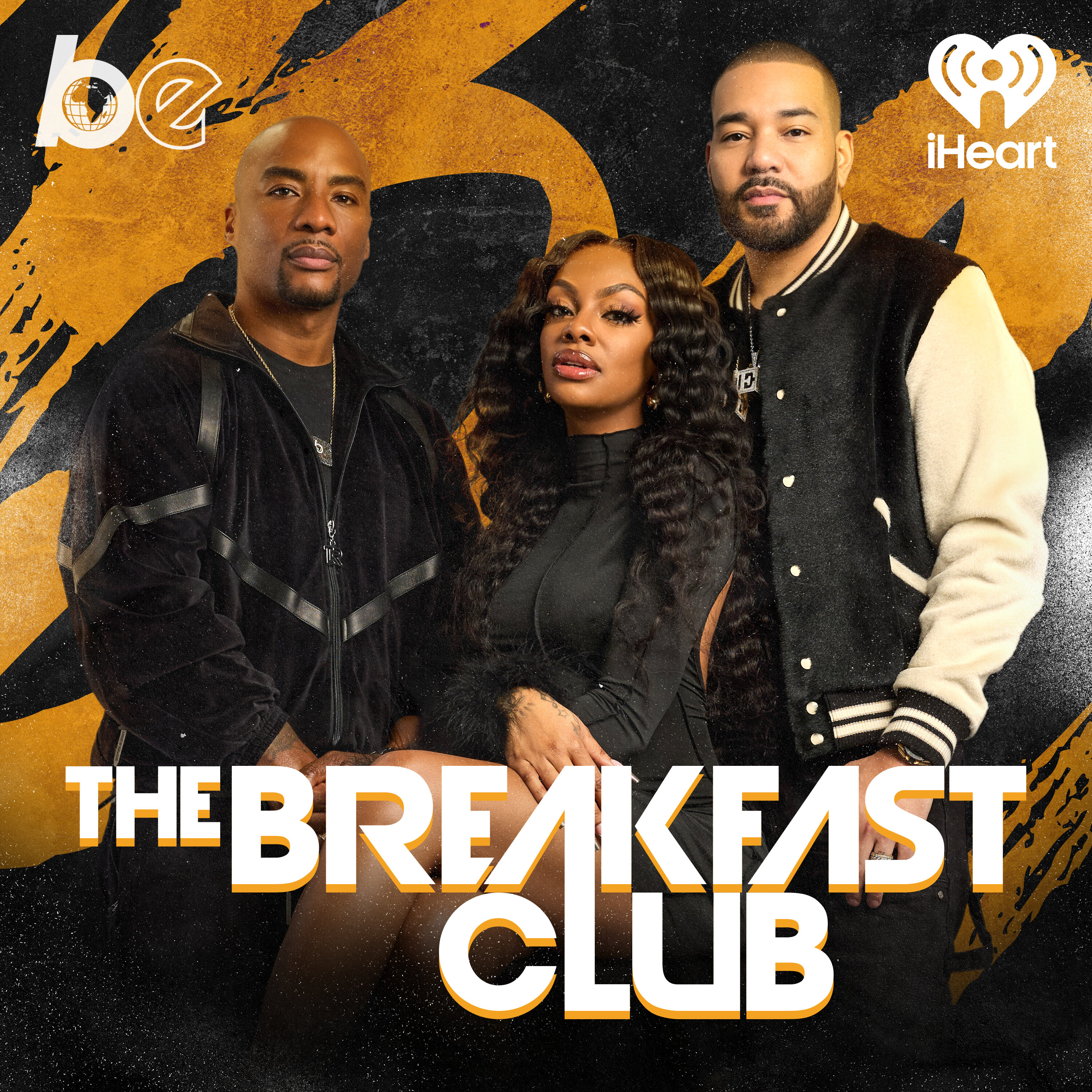
The Breakfast Club
INTERVIEW: Ronda Rousey Talks 'Expecting the Unexpected,' UFC Career; Stardom, Motherhood + More
00:47:38
Loading summary
Transcript265 lines
- [00:00]
Host 1
This is an I heart podcast.
- [00:05]
Smart Water Advertiser
Morning spin class, walking the dog, hiking the trail. What helps you restore with an active lifestyle? Smart Water Alkaline with antioxidant. From that stretch before sunrise to your last email of the day, your body's always moving. Smart Water Alkaline helps you refresh and restore with a pure, crisp taste. 9.5 pH and added antioxidant so you're ready for whatever's next. 9.5 plus pH antioxidant. Smart. Visit DrinkSmartWater.com to learn more.
- [00:36]
Johnny Knoxville
Johnny Knoxville here. Check out Crimeless Hillbilly Heist, my new true crime podcast from Smartless Media, Campside media and big money players. It's the true story of the almost perfect crime and the nimrods who almost pulled it off. It was kind of like the perfect.
- [00:52]
Ronda Rousey
Storm in a sewer.
- [00:53]
Host 2
That was dumb. Do not not follow my example.
- [00:58]
Johnny Knoxville
Listen to Crimeless Hillbilly Heist on the iHeartRadio app, Apple Podcasts, or wherever you get your podcast.
- [01:07]
Ed Helms
Hey, it's Ed Helms, host of Snafu, my podcast about history's greatest screw ups. On our new season, we're bringing you a new snafu every single episode.
- [01:17]
Ronda Rousey
32 lost nuclear weapons. You're like, wait, stop. What?
- [01:21]
Ed Helms
Yeah, it's gonna be a whole lot of history, a whole lot of funny, and a whole lot of fabulous guests. Paul Scheer, Angela and Jenna, Nick Kroll, Jordan Klepper. Listen to season four of SNAFU with Ed Helms on the iHeartRadio app, Apple Podcasts, or wherever you get your podcasts.
- [01:38]
Hell in Heaven Narrator
Two rich young Americans move to the Costa Rican jungle to start over. But one of them will end up dead and the other tried for murder three times. It starts with a dream, a nature reserve and a spectacular new home. But little by little, they lose it.
- [01:54]
Host 2
They actually lose it.
- [01:55]
Hell in Heaven Narrator
They sort of went nuts until one night, everything spins out of control. Listen to hell in Heaven on the iHeartRadio app, Apple Podcasts, or wherever you get your podcasts.
- [02:14]
Host 2
Every day I wake up. Wake your ass up. The Breakfast Club.
- [02:18]
Ronda Rousey
You all finish or y' all done?
- [02:20]
Host 2
Yep. It's the world's most dangerous morning show, the Breakfast Club. Charlamagne, the God. DJ Envy and Jess aren't in today, but Lauren LaRosa is here. And we got a special guest, a legend who made the MMA mainstream. Ms. Ronda Rousey is here.
- [02:31]
Ronda Rousey
Thank you for having me.
- [02:32]
Host 2
Good morning. How you feeling?
- [02:33]
Ronda Rousey
Fantastic. I mean, it's a little bit early.
- [02:35]
Host 2
But, you know, you don't get up this early.
- [02:37]
Ronda Rousey
I mean, my kids get me up this early. I don't get up this early on my own, but I haven't had a choice in a long time.
- [02:43]
Host 2
Absolutely. Well, you got a comic book out, a graphic novel called Expecting the Unexpected. What made you want to step into the comic book world?
- [02:52]
Ronda Rousey
You know what? I. It wasn't like a conscious decision. It was more of like, I really wanted to be able to tell the story, and I just kind of became obsessed with it. And once I wrote the first draft of it and then like an 11 hour thumb typing, I, like, in my notes, binge, I just became obsessed with refining the story and getting it out there. And once the idea of making it into a graphic novel came, it came up. It was like I couldn't stop. And, and I have a little bit of an obsessive personality when it comes to, like, pursuing goals. And here we are. And there's a physical copy right here.
- [03:28]
Host 2
Absolutely.
- [03:29]
Host 1
I feel like people have always looked at you and everything that you've done is kind of like a mythical, like, story. Ish. Even your name is like, if you've never even, like, watched a fight, you know, Ronda Rousey, what have been moments for you in your career where you're like, oh, wow.
- [03:43]
Ronda Rousey
Like, like, this is happening and this is actually happening.
- [03:46]
Host 1
Yeah.
- [03:46]
Ronda Rousey
Oh, God. Well, I think when I first won the UFC title, I was like, it was one of those moments where, like, don't quote that video from that kid that just woke up from dental surgery and I had to do it, you know, so that was one of those. It's like, this is real life, you know, Joe Rogan's like, what's your impression? I'm like, I need to quote the dentist kid. And that was, that was one of them. But there's been quite a few where I've been like, I, I just feel like I'm just watching somebody else's experience. It's making me believe in, like, simulation theory, kind of, you know, like, ooh, if I got to pick anyone's lifetime to live, oh, I'm going to pick the Ronda Rousey lifetime. I'm going to live that. We're a room of perfection.
- [04:28]
Host 2
Jesus.
- [04:28]
Ronda Rousey
See?
- [04:30]
Host 2
Gosh. But so you would, you would pick it over and over, what you're saying?
- [04:34]
Ronda Rousey
I don't know. I, like, I, I. The life I've lived is so interesting. I'm like, man, I feel like if I had to, like, select someone's lifetime to live, I'm like, oh, I want to pick the Ronda rous lifetime, you know, and try and live that because it's been so ridiculous. I don't know, like sometimes, like, I can't even believe it's happening.
- [04:51]
Host 2
You were the first woman to sign with the ufc, right? You put a woman's MMA on the map. When you look back, what do you think your real legacy is? Is it the wins or the walls you broke down?
- [05:03]
Ronda Rousey
I think it's giving women in combat sports a career, and that didn't exist before. You know, I won an Olympic medal and came home and was like, maybe I'll be a cocktail waitress. You was nothing you could do.
- [05:15]
Host 2
Yeah. Wow.
- [05:16]
Ronda Rousey
And so now it's really leaked over, not just from mma, but into, you know, boxing and pro wrestling, that women are really making like, you know, record breaking paydays and stuff like that, and actually able to make a living in career from. From combat sports, which I feel like, you know, I had a big part of that.
- [05:35]
Host 2
Yeah, I never thought about that. I mean, I read, you know, Don Staley's book Uncommon Favor, and it was kind of a similar story. You have this, like, amazing career in college, or you go off to the Olympics and you. You win a medal, but then it's just like, it's like you come home and it's like, okay, what am I supposed to do now? I've done everything that they told me I was supposed to do, but then what's the next phase of my life look like? That's got to be like a mind for women, right?
- [05:55]
Ronda Rousey
I mean, for everybody. It's like, you call it like post Olympic depression and that you just spend your whole life going after this one goal and you tell yourself, if I achieve this one thing, it'll make me so happy that that happiness will leak over into the rest of my life and I'll just be happy forever because I did this one thing. I mean, how could you not be if you won the Olympics or whatever, and then you go and achieve that goal and you're happy for a little bit, and then, you know, you return to the rest of your life and you realize that your happiness isn't a collection of accomplishments, it's a lifestyle. And you know, a lot of times that what you build up that accomplishment to be and what it will do for you is, you know, not. Not exactly what you expected, but is that.
- [06:35]
Host 1
Is there a hard balance for you of every moment is like, oh, my God, I got to do this so well, because it may not happen again because you, you've been the first doing so much within this space is there like a pressure of. You feel like, okay, things are just happening as they should, but also, what if I don't get this chance again? What if I don't get this opportunity again? Because they, they weren't, they weren't out there in the beginning?
- [06:57]
Ronda Rousey
I mean, yeah, that, that, that pressure, I think exists all the time. And it's not just that, like in one thing that you do, but if you fail once, then everything that you've accomplished before that really, you know, gets wiped away. It means nothing. My mom had a saying that you're only as good as your last fight. And you know what I mean? Like, what have you done lately? Kind of a thing. And yeah, and yeah, it's, I think every, every one of time that you come to that, that situation, those high pressure situations, it's the, it doesn't get any less or any easier, but I guess you get more, more confident in your ability to deal with it. I used to get really scared of my own nerves, you know, and like when my, my heart would beat really fast or something if I was like a little kid and I was about to have like a fight or match or something, and I would get like, oh, what if I get tired because I've been nervous for so long, My heart's been beating for so long and I would get nervous about the fact that I was nervous. And then eventually you, you get in that situation and you succeed enough times that you realize, okay, this is what happens to my body before I do something great. And I, my heart could beat like this all day long and I'll still be able to have enough, you know, endurance to, to keep going. And so I started thinking of like that feeling and that fear is kind of not something to be scared of, but like, it's more of like the revving of my engine, you know, before, before I take off.
- [08:23]
Host 2
I've heard you speak about, you know, you know, after, after losses, you spoke about like being in a dark mental space and having like, I guess an identity crisis. What did those moments teach you about yourself worth beyond just winning and losing?
- [08:37]
Ronda Rousey
Well, I think when, when I lost, it wasn't just, oh, I lost a fight, you know, because people would be like, oh, how could you feel, get that depressed about just losing a fight? It's not that big of a deal. I was like, of course it's not that big of a deal to you because you've never been in that situation. But to more of like, I knew my fighting career was over and Yeah, I knew because I'd been dealing with. I just had like a lot of like, neurological issues that I've been dealing with that I hadn't been able to tell anyone about. Because you're the champ, you can't let anyone know that you have any weakness. You know, if anything, like people thinking I have no weakness, that like, that does a lot of the work for me, you know, up front. And so kind of portraying that was really important and not letting anyone know what was, what was going on with me. So when it finally caught up to me, I like, I knew that it was over and I didn't really want to own, you know, accept it. And it was like that kind of identity crisis. If I'm not a fighter, who am I? And you're so like, especially if you're into your, your expertise and you're, you're so obsessed with it for so long and you just become that fraction of your personality, you know, and you forget of who you are outside of it. And then suddenly it was like ripped away from me and I didn't know who I was if I wasn't a fighter. And not just a fighter, but a champion.
- [09:58]
Host 2
Do you believe elite athletes are conditioned to suppress vulnerability?
- [10:03]
Ronda Rousey
I mean, yeah, you kind of have to, especially like in a, like a contact sport. But I think anybody that is in a, in a high pressure situation, that's, that just comes with it.
- [10:14]
Host 2
But you got to think when you walk in that ring, there's a chance you could lose, right? Like it is.
- [10:20]
Ronda Rousey
I mean, that's why you're in there. Otherwise it'd be pro wrestling, you know, and that's, that's part of it. That's like part of what I think brings the best out of me. You know, some people, they, they, they, they do better in low pressure situations. You know, they try to make it not such a big deal and that's when they're their best, when they can really relax like that. And I just realized I'm the kind of person that needs that, that pressure. You know, I fight above myself under, under pressure. So it's not exactly enjoyable, but it brings the best out of me.
- [10:53]
Host 2
Yeah, I think that's a present, vulnerable, suppressing vulnerability eventually breaks you down. Because I'm a person that deals with like really bad anxiety, right. So I'm going to therapy for it for a long, long, long time. But I think that Ryan Holiday, who I love, I love stoicism, he all, you know, you gotta remember like, one day you're going to die, right? Like, and that gives you just a sense of freedom, knowing that you wake up in the every day and just live your best because anything could happen. This could potentially be your last day. I would feel like if you go in there going to the ring all the time, thinking that you, you know, you're suppressing your vulnerability, eventually it could just break you down mentally outside the ring.
- [11:30]
Ronda Rousey
I, I think if you don't take any time away from it and if it's constant and non stop, and I think that's one of the, one of the things that I, I didn't do was I didn't take any time away. And you know, there's, if, if you're holding up basically the whole company at that point, you know, and I like took a blood oath to Dana. Like, you, you sign me and I will be your girl. Anything that you need. I don't know if I can swear on here, but it gets to a point where you, if you're trying to be everything to everyone, you're not going to have much, much left for yourself. And I, you're in that mind space of like, oh, I want to be a champion. And you can't admit any weakness and you can't ever speak up and say, like, you know what, I need a rest. You know, I need a moment to not, to not be on all the time. And it's, I don't know, it's kind of hard. Like you can't really be in a place where you have no weakness, you know, to admit to yourself that you have no weaknesses and then at the same time be like, hey, I need a break.
- [12:37]
Host 2
The baddest woman on the planet needs a break sometimes.
- [12:39]
Ronda Rousey
Baddest woman on the planet needs to fucking sit.
- [12:42]
Host 1
But what do you do in those breaks? So like you said, you, you talked about not knowing who you were if, you know, your career was taken away from you and having to discover that who are you outside of this? And what do you do when you need those breaks?
- [12:53]
Ronda Rousey
I, I think you need to. Well, what I found was I had to find something else outside of that that, you know, I could be passionate about and find, find value in. And that's what brought me into pro wrestling and the wwe. And that's what, you know, brought me into writing comics and stuff like that and being a writer and seeing things that like, you know, a lot of people, all they want to see me do is hurt other people, you know, and that's where they see that my, my value is in, you know, is in fighting people and, and I had to try and look for something in myself that other people weren't. Weren't asking for. And that's kind of what this whole journey of becoming, you know, a writer has been of, like, I. Nobody asked me to do a comic. Nobody was expecting me to do a comic. No one's expecting me to make a good comic. But it was something that I just kind of became obsessed with and it mattered to me, and I willed it into reality, and I'm so, so proud of it. And yeah, it might not be like the. It might not be winning the Nobel Prize in literature or anything like that, but it really means a lot to me personally. And I think that's something that I needed to find outside of. I don't know, just kind of like that achievement hunting kind of mentality of like, I'm not trying to achieve something to convince myself or everyone else how awesome I am. I'm trying to achieve something because I find it personally fulfilling to me, which is a huge pivot, you know.
- [14:27]
Host 2
Do you see the comic book as a evolution or escape?
- [14:31]
Ronda Rousey
Ooh, I think it is an escape in a way. You know, I think a lot of time you say you deal with, like, a lot of anxiety and stuff. I had had a lot of problems with, like, intruding, intrusive thoughts and stuff like that, and not being able to direct where my own. My own thoughts would go. And so whenever I found myself going down, like, kind of like a destructive, like, path with whatever I was thinking about, I would purposefully direct my mind back to what. What I was doing creatively, you know, when writing the story or something like that. And so if I started, like, picking at myself mentally, you know what I mean? Like, just picking at your own scabs of your brain.
- [15:07]
Host 2
Absolutely.
- [15:08]
Ronda Rousey
And being like, you know what? Stop that. Like, slap my own hand and be like, okay, what. What's going on with your. Your story? How can you make this better? How can I make this line of dialogue land better? How. How can what's not working in this part? And so this, this comic was kind of my way to kind of take all of that destructive mental energy and put it towards something that. That is creative.
- [15:29]
Host 1
I notice on the COVID of the book, She's With Child, which I think is a great play on the baddest woman on the planet, because it's like, you know, we see you in the ring, but also like, you know, women talk about the superpower that you get when you become a mom. So talk about choosing to have, you know, that as the COVID art for the comic.
- [15:47]
Host 2
What, so those are guns?
- [15:51]
Ronda Rousey
Well, I guess, like, how this started, it was strange. Well, I. It was the go home before WrestleMania where I was meant. I was set to be the first ever women's main event with Becky lynch and Charlotte Flair. And in true WWE design, I mean, fashion, it was about like seven o'. Clock. The. The doors had already opened in the arena and Vince had torn apart the whole script of the day, and we didn't know what the hell we were going to do. And we were about to be out.
- [16:18]
Host 2
In the arena for WrestleMania.
- [16:20]
Host 1
Improv.
- [16:21]
Ronda Rousey
Yeah. For the last show before WrestleMania, it's the go home for WrestleMania. But the match for WrestleMania we put together the night before, they're not that. That still not that planning that much. So I was kind of like freaking out and Paul Heyman pulled me aside and I think he was just trying to, like, get me to stop being less nervous and thinking about something else. And he was saying, what kind of movie do you want to star in? I'm like, what do you what? And he was like, what kind of movie would you want to star in? And I never thought about that because I'd been a little spoiled brat waiting for someone just to hand me my green lit dream project already ready to go. And I didn't realize until that moment, like, I don't know, what is the role that I could play better than anybody else could. And I'm not Meryl Streep. I don't have a huge range, but a very narrow range. I can, I can hit it like a bullet. You know what I mean? So I was thinking, okay, what would be. I've always wanted to do like a martial arts film. And what would be a character only I could do? And I was thinking that, like, my favorite martial arts films are usually like going from point A to point B. Like the raid, you're going from the bottom of the building to the top of the building. And so I was like, okay, well, maybe the chick is pregnant and she, you know, everyone's trying to kill her. So she's trying to get rid of the baby because it's not safe and she has to fight her way to the abortion clinic. And by the time she gets there, she's, you know, had all these like, you know, close calls with the baby on the way that by the time she gets there, you know, like, she's gone through this. This whole journey of whether she wants to become a mother or not. She kind of like has to find.
- [17:56]
Host 2
You get Aborted before you even get to the clinic.
- [17:58]
Ronda Rousey
Yeah. So all of the close calls making her realize, you know, how much she wants to keep it. And I guess it was kind of confronting my own insecurities about becoming a mom and bringing a baby into a hostile world and thinking, like, am I capable of raising a person and keeping them safe in this kind of world? And so, and there's so many, like, women that like, get pregnant and then not only don't have anyone to help, they just don't have anyone to help them. And it's really scary. And no one really thinks about that journey from when you find out you're pregnant to when you decide you're going to be a mom. And so this is kind of like her journey going through that. Well, you know, everyone's trying to kill her. So basically it's like, you know, like when Die Hard came out, like everything was Die Hard. It was like Die Hard on a boat, Die Hard on a bus was like everything else. So this is like John Wick. John Wick on the way to the abortion clinic. But, you know, it's also a romantic comedy. So it's like, I like to say it's like John Wick meets Knocked Up.
- [19:01]
Host 2
That's so interesting because you're a fighter, right? So I, but, but you didn't feel like you were a natural protector.
- [19:10]
Ronda Rousey
I mean, I feel like I'm a natural protector, but I also have my, my own insecurities of like, you know, am I good enough to be somebody's mom? Because that's like, I don't know, it's, it's a huge task and a huge role to have in somebody's life. I mean, think about how influential your mother has been on you.
- [19:30]
Host 2
Absolutely.
- [19:30]
Ronda Rousey
And my mom is, you know, she's, she's a legend. Like my mom. She got a perfect score on the SATs at 16, graduated college at 19. She was working as a single mother engineer in the 80s while she was getting her PhD and won the world championships in judo. All at the same time. Like. Yeah. And I'm like, I, I only got my ged. Oh man, I don't know if I could do this. And you know, she's just like this, the super, super mom. And I, I, I don't know. I don't know if I had my own insecurities, if I could take up that, that mantle or not. And so I don't know. This is like a funny kind of exploration of, of all of that. And obviously it's like my husband is in it and everything. And. Yeah, it's. I. I still am writing it. I'm still obsessed with it. I've already written the sequel to it.
- [20:24]
Host 2
Wow.
- [20:24]
Ronda Rousey
I know. I can't stop. And no one's asking. No one's asked me to do it. You know, it's the kind of thing like, after I put my babies down, I'll. I'll set up and keep writing and just thinking about it all the time. And this is, like. I don't know, this is, like my baby and something that I just comes entirely from me and hasn't been demanded from. From anybody else. But hopefully other people will demand more.
- [20:46]
Host 2
When you think about people's, well, superheroes, origin stories, right. They either come from, like, pain, power, or purpose. So which one of those best describes your personal journey?
- [20:55]
Ronda Rousey
My personal journey? Oh, God. I guess it started out as pain and then became power and then morphed into purpose. I think I had my own phases with it, but, yeah, I think it started as, you know, I lost my dad really young, and I just needed an outlet. And fighting was. Well, judo is what I started with. And that. That really became, like, great, great way to be able to. To vent all of the. Everything that I couldn't say. I also had a speech disorder growing up. I couldn't really speak, and so it was just a great way to communicate, and it was everything that I needed.
- [21:33]
Host 2
You remember the first time you had to defend yourself?
- [21:35]
Ronda Rousey
That I had to defend myself, like, in an actual confrontation.
- [21:38]
Host 2
Just your first fight period.
- [21:40]
Ronda Rousey
Oh, God. Some kid, like, grabbed me by the throat, and I, like, tossed him onto the ground, but, like, asphalt on the back of his head. Bam. Yeah. And then. Then the bell rung, so we all had to go to class.
- [21:55]
Host 1
What age was this?
- [21:56]
Ronda Rousey
Or was this great? Sixth grade. And. And then the kid was so embarrassed that I guess he was, like, bleeding down the back of his head and didn't say anything. And then the teacher found out that he was bleeding down the back of his head and. Yeah, then it all came out that, you know, Rhonda tossed me in the back of my head, and then I had to do community service for a week. I never got away with a fight. I've never gotten away with a fight. Everyone, he always has these stories about, oh, yeah, I got this fight. This isn't that. Like, how are people getting away with fights? I've never, ever actually, nowadays with this phone.
- [22:28]
Host 2
Everybody got their phones out.
- [22:29]
Ronda Rousey
Yeah. I don't know.
- [22:31]
Host 2
But did that give you a rep back then, though? Like, did people see it that they're like, oh, Rhonda just slammed the. Out this kid?
- [22:36]
Ronda Rousey
I mean, kind of I was like, really muscular as, like, you know, at that age, but it was the kind of thing I got teased up about a lot. And so I was always, like, trying to cover it up with, like, baggy clothing and. And things like that. But it was like, a thing. Yeah, like, oh, yeah, Rhonda's. Rhonda's jacked. Or Rhonda's. Rhonda's really strong or something like that. But it was kind of like something I got teased for more.
- [22:58]
Host 2
So when did you embrace it?
- [22:59]
Ronda Rousey
When did I embrace it? Oh, God. I think I'm in my mid-20s when I realized I was sexy. Wait a minute. I look great? Yeah, it was kind of about. I think it was when I was switching over from judo into mma and I had. I. I knew that there was a window there, but I had to play up the, you know, the. The sex appeal to be able to bring people to look at the. The value, I think, that there was in women's fighting. And so I had to kind of step up and be that person and. And embody that. That confidence. And I kind of had to fake it until. Until I made it. And that was basically it. You know, you have to pretend to sleep before you get to sleep. So I. I was like, whatever, I'm gonna try and dress up and see. I. I used to get, like, so self conscious about even putting makeup on, even trying and. Or, like, trying to dress up or anything like that, and I just kind of, like, bit the bullet and put myself out there. And then I actually started to be like, well, you know what? I actually really happy with how I look and in things like that and. And everything kind of came from that.
- [24:10]
Host 1
I saw Dana White say somewhere recently because, you know, fans want you to come back, and he was asked about it, and he was talking about how. How good you look right now, like, how ripped you are right now. And people see you posting these videos on your Instagram and all the things. What. So what is there? Like, what's happening? Are we going to see what's happening return somewhere? Because these videos you're posting, it'd be like, oh, just having lunch with my friend, and you're like, in the ring, like, it's so casual in the caption.
- [24:35]
Ronda Rousey
Yeah, well, I. I have a. I have a cage in my garage. It's not like I went anywhere. I really did, like, mosey on out there and, like, that's how you post it.
- [24:43]
Host 1
I'm like, my friends, come on in this video. Yeah, the one where your baby was sitting and watching you. I thought that was so cute too.
- [24:50]
Ronda Rousey
It's. It's really awesome that like, I get to be like a kind of a spoiled brat now. Of like, I just want to build a cage in my backyard.
- [24:56]
Smart Water Advertiser
The first thing you notice about small water? The pure, crisp taste. Every sip feels like a reset, whether you're racing through the airport, getting ready for a night out, or just claiming a moment of peace on the couch. Smart Water is vapor distilled with electrolytes added for taste. A smart way to keep hydrated no matter where life takes you. Morning commute, brunch with friends, errand run is there for all of it. Pure, crisp and refreshingly simple. And let's be honest, Smart Water is as easy on the eyes as it is on the taste buds. That sleek bottle, it matches that new bag you just got. Like they were meant to be together. Wherever you're headed, Smart Water fits right in, keeping you refreshed, confident, and just.
- [25:36]
Ronda Rousey
A little more well.
- [25:38]
Smart Water Advertiser
Smart, Smart water purity you taste, hydration you feel. Visit drinksmartwater.com to learn more.
- [25:46]
WashablesOfSofas Advertiser
Tired of spills and stains on your sofa? WashablesOfAs.com has your back. Featuring the Annabe Collection, the only designer sofa that's machine washable inside and out. Where designer quality meets budget friendly prices. That's right, sofas start at just $699. Enjoy a no risk experience with pet friendly stain resistant and changeable slipcovers made with performance fabrics. Experience cloud like comfort with high resilience foam that's hypoallergenic and never needs fluffing. The sturdy steel frame ensures longevity and the modular pieces can be rearranged anytime. Check out washablesofas.com and get up to 60% off your Anna Bay sofa backed by a 30 day satisfaction guarantee. If you're not absolutely in love, send it back for a full refund. No return, shipping or restocking fees. Every penny back Upgrade now@washablesofas.com Offers are subject to change and certain restrictions may apply.
- [26:47]
Ed Helms
Hey, it's Ed Helms. And welcome back to snafu, my podcast about history's greatest screw ups. On our new season, we're bringing you a new SNAFU Every single episode.
- [26:58]
Ronda Rousey
32 Lost Nuclear Weapons you're like, wait, stop. What?
- [27:02]
Host 2
Ernie Shackleton sounds like a solid 70s.
- [27:05]
Ed Helms
Basketball player who still wore knee pads. Yes, it's gonna be a whole lot of history A whole lot of funny and a whole lot of guests. The great Paul Scheer made me feel good. I'm like, oh, wow, Angela and Jenna, I am so psyched you're here.
- [27:20]
WashablesOfSofas Advertiser
What was that like for you to.
- [27:22]
Ronda Rousey
Soft launch into the show?
- [27:24]
Ed Helms
Sorry, Jenna. I'll be asking the questions today.
- [27:28]
Ronda Rousey
I forgot whose podcast we were doing.
- [27:31]
Ed Helms
Nick Kroll. I hope this story is good enough to get you to toss that sandwich. So let's, let's see how it goes. Listen to season four of SNAFU with Ed Helms on the iHeartRadio app, Apple Podcasts or wherever you get your podcasts.
- [27:51]
Ronda Rousey
All I know is what I've been told. And that's a half truth is a whole lie.
- [27:56]
Graves County Narrator
For almost a decade, the murder of an 18 year old girl from a small town in Graves County, Kentucky went unsolved until a local homemaker, a journalist and a handful of girls came forward with a story.
- [28:11]
Ronda Rousey
I'm telling you, we know Quincy killed her.
- [28:14]
Graves County Narrator
We know a story that law enforcement used to convict six people and that got the citizen investigator on national tv.
- [28:23]
Ronda Rousey
Through sheer persistence and nerve, this Kentucky.
- [28:26]
Johnny Knoxville
Housewife helped give justice to Jessica Curran.
- [28:30]
Graves County Narrator
My name is Maggie Freeling. I'm a Pulitzer Prize winning journalist producer and I wouldn't be here if the truth were that easy to find.
- [28:40]
Host 2
I did not know her and I did not kill her or rape or burn or any of that other stuff.
- [28:44]
Smart Water Advertiser
That y' all said.
- [28:46]
Ronda Rousey
They literally made me say that I.
- [28:47]
Host 1
Took a match and struck and threw it on her.
- [28:49]
Ronda Rousey
They made me say that I poured.
- [28:50]
Smart Water Advertiser
Gas on her.
- [28:53]
Graves County Narrator
From lava for good. This is Graves County, a show about just how far our legal system will go in order to find someone to blame.
- [29:04]
Host 2
America, y' all better wake the hell up. Bad things happens to good people in small towns.
- [29:13]
Graves County Narrator
Listen to Graves county in the Bone Valley feed on the iHeartRadio app, Apple Podcasts, or wherever you get your podcasts. And to binge the entire season ad free, subscribe to Lava for Good plus on Apple Podcasts.
- [29:34]
Ronda Rousey
Or bring my friends over and do some karate, you know, and yeah, I'm just having fun with it again. And it got to a point where I feel like it kind of got hijacked from me and I was fighting and training for, for reasons other than my own. And I think it's after having my last baby, it just being pregnant is tough. You know, I, it felt like I was like handicapped just compared to being finely tuned athletic machine. Right. You know, I feel like I can do anything to suddenly like if I Did a forward role. I think I would throw my back out. And so that's kind of where it just started of, like, I just wanted to get that my. My bodily identity back from just being a vessel for creating another person. Yeah, and this. Get that. That freedom of movement back. And so then, yeah, I started training and MMA again, because I feel like when I kind of lost that identity as being a fighter, it. I think it, like, broke my heart too much to be anywhere near it because I love it so much. And so I kind of went to the extreme of, like, I don't want to train. I don't want to do anything at all. And it actually was a friend of mine who. One of my coaches, who. He was like, oh, well, I really want to get my black belt in judo. Can you, like, help me get my black belt? And I'm like, all right. And so I had a couple mats in my garage, so you would come over, I'd show him some judo. And then, then I started, like, getting, like, enjoying it, you know, again. And then, you know, he does, like, wrestling and jiu jitsu and stuff. So, like, oh, you know, let's. Let's roll around a little bit. Let's do that. And then my strength conditioning coach had been coming, you know, throughout the years, and, like, why don't you hold some. Some paddles for me and hit some mitts and stuff like that. And then. So it just kind of came from a place of just joy, and I just want to do it just because I enjoy it instead of, this is what I feel obligated to do, or, you know, this is what I'm being coerced to be doing for. For one reason or another. And so. And. And it's what my body really wants, you know, it's what I've been training to do my whole life. And I just feel healthier and. And better. And I. I want to train again. I. It makes me happy. And it's really funny that, like, I'm training and everyone's like, so, what are you. What are you training for? What are you doing? And I'm like, for my. My own joy. Is that. Is that bad?
- [32:01]
Host 2
They see you training, but they automatically think you want to come back.
- [32:04]
Ronda Rousey
I mean, I. I mean, I. They're like, well, you look so good. I'm like, well, because I'm the greatest ever. Like, of course this is what I. This is what happens when I train. You know, I look great, sor. And don't have to, like, have a plan for world domination. In mind. But, you know, Mike Tyson coming back and being the biggest fight of last year, it just kind of proves that I don't think anyone's ever really done.
- [32:27]
Host 2
It's weird though, right? Like, do you think the public is addicted to watching people so called fall? Because, I mean, the reality of the situation is you only lost two fights, but the media made it seem like it was just completely over, you could never win again. Like, did you, you think you let the media get to you more than anything?
- [32:44]
Ronda Rousey
No, it was more of like, what I was dealing with personally and, and physically. I'd had so many concussions since I was a kid, and they were getting progressively worse and worse, and I was getting concussion symptoms easier and easier. And it got to the point where, like, any kind of impact at all, I was basically like losing my vision.
- [33:08]
Host 1
Wow.
- [33:08]
Ronda Rousey
And I actually recently got some really great news about that because Dana had me. You want to be part of like, this long term fighter study they're doing for like, neurological, you know, everything. And so he sent me to the Cleveland Clinic to get checked out. And, and the, the doctor there, he was like the first person to actually give me good news because. Yeah, because a lot of times it's just like neurologically you're like, oh, well, you're just going to deteriorate forever and it's just going to get worse and worse and there's nothing you can do about it. That's just what they always told you. And he, he said that I used to get migraines as a kid. And he told me that people that get migraines, for some reason, it's easier for them to get concussions. And what he thinks is happening is the more concussions I got, the easier it was for an impact to set off a migraine. And he thinks that because my brain looks better than it should. And so he thinks what's happening is I haven't had as many concussions as I think, and that a lot of times when I'm getting hit, I'm not experiencing concussion symptoms, it's migraine symptoms. So he says, because you can have a migraine without a headache, so what's happening is I get hit and then I lose a big chunk of my vision. Basically, it's like I can't see. And when I, like, lose my depth perception and my ability to track moving objects or, like, think quickly. So I'm like, oh, I'm knocked out, I'm out of my feet. He's like, because you're not stumbling around. He's Like, I don't think it's a concussion. I think it's what you're. What's happening is you're getting a migraine. And so. And so it's got to the point where, like, I. I can't fight safely because if I get hit, I basically can go blind.
- [35:02]
Host 1
Oh, wow.
- [35:03]
Ronda Rousey
And. But the thing is, there's things I can also do about it, so I'm, like, trying to address it, like, nutritionally and. And things like that. But. But yeah, it's. It's kind of nuts because I thought. I thought I'm like, okay, well, I'm just gonna get CTE any day now, you know? And he was like, yeah, I finally got some good news of, like, maybe there. There's something you can do about it. And it's not a, you know, the nail on the coffin of your. Of. Of being able to be able to fight. So that's some actually great news, but I don't know what I'm gonna do with that.
- [35:36]
Host 2
I would do nothing. Like, what's the point? You ain't caught in 10 years. Like, you don't got.
- [35:39]
Host 1
I don't think it sounds like you kind of are like. I mean, not that you have anything to prove, but it sounds like just in case you want to get back into it, you're doing everything to make sure you're safe to do.
- [35:49]
Ronda Rousey
So. Yeah, I mean, I. I'm. I'm trying out what they're trying to do, you know, I'm trying to, like, nutritionally be. Address things and stuff like that. But I also. It's like, yeah, what's the point of going out and taking head impacts to see if it, like, if it works or not. Right?
- [36:04]
Host 2
You know, unless you can fight like a YouTuber. Like, maybe it's a female YouTuber that wants to get it popping. I don't know. Like, other than that, like, why.
- [36:12]
Host 1
How scared were you? Because there were fans that were saying that the retirement was, like, abrupt, and in hearing all this, it's like, I mean, yeah, but how scared were you once you started, like, when you felt that loss of vision and, you know, all these things are happening, your body is changing.
- [36:28]
Ronda Rousey
I mean, it's just. It's more. I mean, I don't know if you can go into, like, scared, because that's kind of not like, the headspace that you're in when you're out there. It's just more of, like, disabled and, like, trying not to panic and not.
- [36:43]
Host 1
Even in the moment in the ring, though, just like, in life of like, like, I want to be healthy, I want to be okay. And I'm, I'm experiencing these things I've never experienced before that are making me take a step back. Like, what was your personal conversation with yourself about? This is not okay. Like, I'm not okay.
- [37:00]
Ronda Rousey
Well, personally, I, I was more worried about the long term effects. You know, like, everyone knows that Ali is the greatest, but everyone knows what happened to Muhammad Ali. You know, like I, and that's, I think every fighter's fear is you don't know when you've taken one hit too many until, you know, decades later. And so that, that was more of what I was worried about than how it was affecting me in the fights itself. It was more of I didn't want to keep fighting if I couldn't keep fighting at the highest level. And when dealing with that, I didn't know how that would be possible. And I'm also a representative for the whole sport. So, like, if I'm not doing well physically, then people would be like, oh, women shouldn't do MMA because that's what, what will happen to you.
- [37:48]
Host 1
Right?
- [37:48]
Ronda Rousey
You know, so I have to kind of think about that, that aging gracefully is actually pretty important for, for the sport, because I represent the sport.
- [37:57]
Host 2
It's just, it's just interesting because like, you know, you even think about somebody like Mike Tyson, he's lost multiple fights. God bless the dead. Muhammad Ali lost multiple fights. You know, somebody like Izzy, we love Izzy, we love all of them, but they've lost multiple fights. You lost two fights. So why, like, why, why is it different when they lose multiple fights and still get held as the greatest ever, but you lose a couple fights and people act like it's the end of the world, it's over, she's done, she's finished.
- [38:21]
Ronda Rousey
Well, what do you think the difference is? I don't know. That you're a woman. Oh, oh, I didn't say it.
- [38:29]
Host 2
It's true though.
- [38:30]
Host 1
I mean, I saw headlines when you decided to walk away after those fights. People were talking about this changing the trajectory of your career. Like those fights single handedly changed the trajectory of your career.
- [38:39]
Host 2
Nobody even took into consideration all the other things that you're telling us now. Like, yeah, mental issues, it could be physical issues. It's just, it was, it literally felt like it's over. No longer the baddest woman on the planet. Done.
- [38:51]
Ronda Rousey
I mean, I didn't want to like, go out. I don't want people to think I was making excuses, you know, so I was just like, what's the point?
- [39:01]
Host 1
Do you feel like people threw you away in a sense?
- [39:06]
Ronda Rousey
I mean, I don't know. Like, it's not really what I've concerned myself with. I think it, like, it really taught me to like, separate public perception from my self perception, which I think is the best thing that, that I got out of it, you know, And I think that's like a trap that a lot of people fall down, that they're trying to constantly keep that, that, that fame at a certain level because they feel like if that goes down, then their self worth goes down. And that's kind of like taught me of like, you know what? I actually didn't enjoy being that famous. You know what I mean? Like, not being able to do normal stuff and go to the grocery store and go to a restaurant or even be in the line, in and out, drive through. I mean, it was crazy for a while. I remember once I was in the. In the line for In N Out to get, you know, animal fries. Yeah. Not even in the store in the car, and someone noticed me in the, in the car and like a whole mobile flooring around the car, you know, with my kids in there and everything like that. And, and yeah, I couldn't go into a restaurant without everybody standing up and lining up at the table or go to the grocery store. And I, I kind of realized that, like, I don't think that anybody would want to be that famous unless, you know, there's something wrong with them. Like, I. I enjoy being able to live a normal life, and I've like, entered into that, like, nostalgia phase where people are like, oh, yeah, I remember you. You know, it's so. It's like, it's so great to see you again kind of a thing. And instead of being like an event, you know, to people. And so, yeah, I think it kind of made me realize that, that that lifestyle actually wasn't really something that I personally wanted. It maybe it's something that, like, you know, fanned my ego, but it didn't, like, you know, feed my soul kind of a thing. Like, I want to just be. Be with my kids and be with my family and not have to be, like, going through the back doors of everywhere for the rest of my life.
- [41:03]
Host 2
So you're definitely not fighting at the UFC event at the White House because.
- [41:06]
Host 1
People think you are. They think that that is the next one coming.
- [41:09]
Ronda Rousey
It's so funny. I literally said that I wasn't. Yeah, they're like, that's exactly what you would say. If you were. But I had a baby, like, nine months ago. I'm still walking it off, you know.
- [41:22]
Host 1
Did you receive an actual, like, invite? Because you never specifically said if you got an invite or not. People assume you didn't, because we know.
- [41:29]
Ronda Rousey
I'm sure I have an open invitation at all times.
- [41:33]
Host 1
You know what I think is interesting? Like, I know Dana White, like, in everything that he's doing and at the White House and stuff like that. Like, a lot of people, I remember Elon Musk and people were, like, destroying the Teslas and all that because they didn't like the fact that he was, like, so involved with politics and all these things. But it hasn't affected Dana White and his business. Why do you think that that is?
- [41:54]
Ronda Rousey
Probably because the people that he's selling to is a very different group. You know what I mean? UFC fans and Tesla fans are that. That Venn diagram is not a circle.
- [42:08]
Host 1
Stark difference. But yeah.
- [42:10]
Ronda Rousey
Yeah.
- [42:11]
Host 2
How has motherhood changed your relationship with competition and ego?
- [42:16]
Ronda Rousey
Oh, God, I don't know. I guess I won't know until my kids start competing in something, you know? But my own competition, my own ego, I think. I don't know. I think it's a great effect on my own ego because I was just getting tired of myself. I don't know if this is, like, one of my niche, one of my random, like, deep cut movie references, but remember in Jerry Maguire with Kush, the guy he was representing and he was asking how his day was, and he'd been at a press conference all day, and he said he was so tired of talking about himself, and he got Kush Lash.
- [42:56]
Host 2
Absolutely.
- [42:56]
Ronda Rousey
He's like, kushlash. Kushlash. I had a big time Kush Lash. I was tired of my fucking self. I don't want to talk about myself anymore. We focus on my own shit. And so I think the great. One of the. One of the great things about being a mom is, like, I'm not the focus in the center anymore. Yeah.
- [43:14]
Host 2
It's not about you.
- [43:15]
Ronda Rousey
Yeah. Yeah. And so I think that that's one of the great things it did for. For my ego is I'm not ruminating over my own crap. You know, I am dealing with actual crap.
- [43:30]
Host 2
So do you think, like, true confidence comes from, I guess, being dominance or surrender?
- [43:36]
Ronda Rousey
It's confidence come from dominance.
- [43:38]
Host 2
True dominance.
- [43:39]
Ronda Rousey
True dominance or true confidence?
- [43:44]
Host 2
Confidence. I'm sorry. True confidence? Yes. You think true confidence comes from dominance or surrender?
- [43:49]
Ronda Rousey
Oh, God. I think it comes from experience. You know, my mom had a saying that Winning is a habit. And I think that the experience of being through something and knowing that you're capable, I think that's where that confidence comes from. And I think that's something that. That's missing a lot in MMA today is that a lot of people are coming in and that's their first sport they haven't had, you know, competition steerings and something else where they have that. That confidence from having hundreds of matches, doing something else.
- [44:26]
Host 2
Okay.
- [44:27]
Ronda Rousey
Yeah. So, like, that's where a lot of my confidence came from, was I'd been in hundreds and thousands of matches, and that. That experience of I. I am in these scary situations, but when I'm in these scary situations, I do my best. That's where a lot of that confidence comes from.
- [44:45]
Host 2
What does peace look like for Ronda Rousey today?
- [44:48]
Ronda Rousey
Peace. Oh, man. I want to go. Well, my younger. My youngest son is. He just committed to Boise and.
- [44:57]
Host 2
Congratulations.
- [44:58]
Ronda Rousey
Yeah. And so we're going to be moving to Hawaii, and I'm gonna go, you know, wrinkle under the sun in paradise and bang out some babies. And that is. That's, that's, that's. That's my piece.
- [45:11]
Host 1
I love that.
- [45:12]
Ronda Rousey
Yeah.
- [45:13]
Host 1
That you're at that place in life. A lot of times when you have such a big career as a woman, it. You don't always get to this place of, like, peace, where that can be your piece, where it's like family.
- [45:22]
Ronda Rousey
Yeah.
- [45:22]
Host 1
You have to settle for other things.
- [45:24]
Ronda Rousey
Well, I think, like, my mom, she. She got married and had kids really young, and she always told us, like, don't get married young, and don't get married young means don't have kids young.
- [45:34]
Host 1
Why not?
- [45:36]
Ronda Rousey
Well, she. I think she felt pressured at a young age. She got married at, like, 19, and, you know, Catholic upbringing, felt like she was living in sin and had to. Had to marry the guy. You know what I mean? And so I think you just. You're still getting to know yourself at that age, and you're not gonna. I think you're lucky if you find the one, because otherwise it's like, how are you going to know what you're going to want for the rest of your life if you don't even know who you are? And so she always told us to make sure that we wait. And so I'm really glad that I waited and I got. Wanted all my career stuff to be done up front so then I could just focus on. On my kids, because I saw my mom having three jobs and raising us and, you know, just doing Doing everything on expert level because having kids makes everything expert level. And I want to do the career on easy level. And then do, you know, momming on easy level, which I think no such thing though. Yeah, well, it's easy level compared to having three jobs and being a mom, you know, but having three jobs of being a mom compared to like, I can just focus on being a mom and if I need someone to help me like clean the house or something like that, or help me like watch the kids, I'm not like, I have the means to do it, you know, and that's what my mom wanted for us. Is she. I think she didn't want us to have to be working three jobs and have our kids at the same time and have it be as difficult as it was for her. You know, she wants every generation to have it easier than the one before that. And so that was kind of like now, now it's like, oh, I've done it all and I can go, I can do, I can mom real hard right now and I can just focus on that and not worry about it.
- [47:22]
Host 2
And you know, you talked about writing the sequel to Expect the Unexpected. Do you see storytelling as a new form of healing for you?
- [47:28]
Ronda Rousey
Yeah, I, I think that's, that's a really great way to put it and why I got into it. I didn't get into comics to be the, the next great comic book writer. Like, this is something that like really feeds my soul and makes me happy and I'm just obsessed with it and I can't walk away from it and I can't stop doing it. And I'm just really lucky to be in a situation where I can find people like the, you know, the guys at AWA that, that I can use my name to even just get them to read it and get, you know, Axel Alonzo is a former like, you know, editor in chief at Marvel. To like look at my script and, and help me out with it and get, get like set like a dream team of people to make this is as good as possible. And you know, I'm able to do that because of the other things that I accomplished before. But I'm also not going to try and just like, you know, coast, coast on that. I want this to be able to exceed every expectation because, you know, I'm not really good at half assing things. I want, if I want to make a, like a graphic novel, I'll make the best graphic novel I can make and make the best universe possible and make it the best sequel Possible and, and if possible, like make it into, like make it into a film, make it into whatever series.
- [48:41]
Host 2
Yeah.
- [48:41]
Ronda Rousey
Create something out of nothing, out of just your mind. I think that, that, that's incredible. Especially when everything that I've done that people really value has been so physical. To be able to do something cerebral like this is. It's really valuable to me.
- [48:55]
Host 2
So what still drives you now? Legacy? Love? Something Diva?
- [49:00]
Ronda Rousey
Oh, I don't know. I guess, I guess love. I'm very much in love with my amazing husband and my amazing kids and yeah, it's. I think trying to find things that are self fulfilling instead of looking for that fulfillment outside of myself is been the real lesson that I've gleaned from, from all of this and real happiness, you know, and it's, it's really nice to be able to kind of like, I don't know, separate myself from that. Having to feel like I'm, I have to like perform my life for people watching and just be like, you know what? I'm really happy not, not posting anything for four weeks on end instead of being like, oh, what's going to be like my post today? How do I make sure that people know that I'm, I'm doing stuff and looking good and you know, still in the mix or something like that. And it was otherwise being like, why? I really don't want to think about it. Me and my husband, we all got all new phones for when we moved to Hawaii and we're just going to have to start over again and not have, you know, we'll have our work phone with all of our stuff and stuff on it, but have something with no social media, no anything, you know, just give the number to people that are close to us and then once a day go and check the work phone and check everything out instead of just being like mentally stuck in this.
- [50:16]
Host 2
Like, that's an amazing.
- [50:17]
Host 1
Yeah, you. I was just like, I can't wait till I get to that point in career where I can just be like, you know what? That was cute. Yes. Start over a fresh phone laid on the beach. Little Mai Tai.
- [50:27]
Ronda Rousey
Yep, exactly. Oh yeah. It's so close I can taste it.
- [50:32]
Host 1
You know, So I really believe you not getting back in the ring now. After talking to you at first, I was like, it's no way. Cause you posting these videos. But now after talking to you, I mean, if you would, I'd be confused because you're so happy right now.
- [50:41]
Ronda Rousey
Oh, thank you. Thank you.
- [50:42]
Host 1
They seem happy anyway.
- [50:43]
Ronda Rousey
Yeah, if, if I, if I Would it wouldn't be in a place to like where I'm trying to patch up my happiness and try to like find an antidote for it. I think that's what. What it was before of like, oh, if I get this fight, if I win this, then I'll be happy. You know, I, I think like if it would come from an entirely different space. If it ever. If it ever came at all, that might happen.
- [51:05]
Host 1
Okay.
- [51:07]
Ronda Rousey
Like I said Mike Tyson, you can never say never. Now look at this.
- [51:11]
Host 2
Shitty gets though. Like he like, oh, you come out.
- [51:13]
Ronda Rousey
There and you fight shitty guy. You got $20 million. Some.
- [51:18]
Host 2
Once again, it's for whatever reason. You're right. It is agenda thing. You just got to tell it what it is. Agenda thing. Because it's just different for them. Like they can come out there, fight the YouTubers. Nobody says, oh, it's a trash ass fight. Nobody says, you just collecting a check. Like it's. And he still gets touted as the baddest man on the planet.
- [51:34]
Ronda Rousey
Baddest man on the planet. 108 million views. Yes. Fudgeing, comment, whatever you want. That's the most watched fight of all time. And he was almost 60. Yeah, like, that's that and his. That's how much his legacy means, how much his name. His name means, you know, like that, that. That was really inspiring to me personally to, to. To see, to see him do that.
- [51:56]
Host 2
We need a popular female YouTuber to turn MMA fighter real quick. All right. That's real quick.
- [52:01]
Smart Water Advertiser
Who's the who?
- [52:02]
Host 2
Who is who is it?
- [52:03]
Ronda Rousey
Jenna Marbles. I'm coming for you.
- [52:06]
Host 1
Demolish her. Jenna, stay right there in front of that camera to welcome.
- [52:10]
Host 2
Let's get the money up. Netflix. That'll be a quick little late.
- [52:12]
Host 1
You know who Jenna Marvels is?
- [52:14]
Host 2
No.
- [52:14]
Host 1
She don't need to be in the ring with Ronda Romeo.
- [52:16]
Ronda Rousey
No, I. I love her. I love her.
- [52:17]
Host 1
Please keep getting like house tours and all those.
- [52:20]
Ronda Rousey
Who you think, Eli, you pewdiepie.
- [52:25]
Host 2
Who you think, Eli Cran Rock versus Ronda Rousey. What we doing? Netflix?
- [52:30]
Hell in Heaven Narrator
Zeus.
- [52:30]
Host 1
What's up, Zeus Bread though.
- [52:33]
Host 2
Prashan Rock versus Ronda Rousey. Everybody will tune in to watch that.
- [52:39]
Host 1
Ronda Rousey. Do you know who Chrisean Rock is?
- [52:42]
Ronda Rousey
Am I aging myself by saying, no, you're not.
- [52:45]
Host 1
No, you're not. I promise you there are people of all ages that may not be into the Chrisean rock of things.
- [52:52]
Host 2
She's younger than you and she can scrap. But I got more money on you. Yeah, but everybody will tune in. For that.
- [52:57]
Ronda Rousey
Okay.
- [52:57]
Host 2
Yes. Chrisean Rock versus Ronda Rousey. Dana White. What's up, Netflix. What's up, Zeus? What's up? Let's make that happen. I will come out and host it, get it on all the I Heart stations.
- [53:08]
Ronda Rousey
Promoted.
- [53:09]
Host 2
Crazy.
- [53:09]
Host 1
I love Chrisean crazy.
- [53:11]
Host 2
Chrisean Rock versus Ronda Rousey. I'm putting everything on Ronda. What's up, Chris?
- [53:16]
Host 1
Sean Got Heart.
- [53:18]
Host 2
That's the matchup.
- [53:19]
Host 1
Yeah.
- [53:19]
Host 2
You with it. If we can make it happen.
- [53:20]
Ronda Rousey
Well, what.
- [53:21]
Host 1
What's.
- [53:21]
Ronda Rousey
What's, like, log line. Like, who is just in blueface?
- [53:29]
Host 1
You know who blueface is. Bust down Tatiana.
- [53:31]
Ronda Rousey
No, listen, Ms. Rachel is, like, my whole universe right now. I would not fight. She's beautiful.
- [53:42]
Host 2
She fights. She's known for, like, fighting. Like, street fighting.
- [53:44]
Host 1
She's recently got to God, though.
- [53:46]
Host 2
She recently got you guys. She's 25. She's got a couple kids. This could be the matchup. I don't know.
- [53:52]
Ronda Rousey
She found God. I had to go, like, hit up Azalea Banks or something. Damn. Oh, my God.
- [53:57]
Host 2
Now we talking. Prashan Rock versus Azalea Banks. Oh, my gosh. What are we doing so great?
- [54:04]
Host 1
Because Azalea Banks actually has great.
- [54:05]
Host 2
Ronda Rousey versus Asia Azalea Banks. What we doing?
- [54:08]
Host 1
I'm there.
- [54:09]
Host 2
What we doing?
- [54:09]
Ronda Rousey
I'd walk out to her song just.
- [54:13]
Host 2
We gotta make this happen. It's Ronda Rousey. Expecting the Unexpected is available now. Thank you for joining us.
- [54:18]
Ronda Rousey
Thank you for having me. It was a great time.
- [54:20]
Host 2
Absolutely. It's the Breakfast Club. Every day I wake up. Wake your ass up. The Breakfast Club.
- [54:26]
Ronda Rousey
You all finish or y' all done?
- [54:29]
Johnny Knoxville
Johnny Knoxville here. Check out Crimeless Hillbilly Heist, my new true crime podcast. From Smartless Media, Campside Media, and big money players, it's the true story of the almost perfect crime and the nimrods who almost pulled it off. It was kind of like the perfect.
- [54:45]
Ronda Rousey
Storm in a sewer.
- [54:46]
Host 2
That was dumb. Do not follow my example.
- [54:51]
Johnny Knoxville
Listen to Crimeless Hillbilly Heist on the I Heart radio app, Apple Podcasts, or wherever you get your podcasts.
- [54:59]
Ed Helms
Hey, it's Ed Helms, host of Snafu, my podcast about history's greatest screw ups. On our new season, we're bringing you a new snafu. Every single episode.
- [55:10]
Ronda Rousey
32 lost nuclear weapons. You're like, wait, stop. What?
- [55:14]
Host 2
Yeah.
- [55:14]
Ed Helms
It's gonna be a whole lot of history, a whole lot of funny, and a whole lot of fabulous guests.
- [55:19]
Ronda Rousey
Paul.
- [55:19]
Ed Helms
Paul Shear, Angela and Jenna, Nick Kroll, Jordan Klepper. Listen to season four of SNAFU with Ed Helms on the iHeartRadio app, Apple Podcasts or wherever you get your podcasts.
- [55:31]
Hell in Heaven Narrator
Two rich young Americans move to the Costa Rican jungle to start over, but one of them will end up dead and the other tried for murder three times. It starts with a dream, a nature reserve and a spectacular new home. But little. Little by little, they lose it.
- [55:47]
Host 2
They actually lose it.
- [55:48]
Ronda Rousey
They sort of went nuts.
- [55:49]
Hell in Heaven Narrator
Until one night, everything spins out of control. Listen to Hell in Heaven on the iHeartRadio app, Apple Podcasts or wherever you get your podcasts.
- [56:08]
Graves County Narrator
The murder of an 18 year old girl in Graves County, Kentucky went unsolved for years until a local housewife, a journalist and a handful of girls came forward with a story.
- [56:22]
Ronda Rousey
America, y' all better wake the hell up.
- [56:24]
Host 2
Bad things happens to good people in small towns.
- [56:34]
Graves County Narrator
Listen to Graves county on the iHeartRadio app, Apple Podcasts or wherever you get your podcasts. And to binge the entire season ad free. Subscribe to Lava for Good plus on Apple Podcasts.
- [56:47]
Host 1
This is an iHeart podcast.