
Podcast
The Brief with Maya Plentz
Hosted by Maya Plentz · EN
Hear first hand from the diplomats, tech executives, investors, UN and EU officials that are changing the world through dialogue and are using emerging technologies for good.
theunbrief.substack.com
theunbrief.substack.com
26episodes
Episodes
Newest firstAll episodes
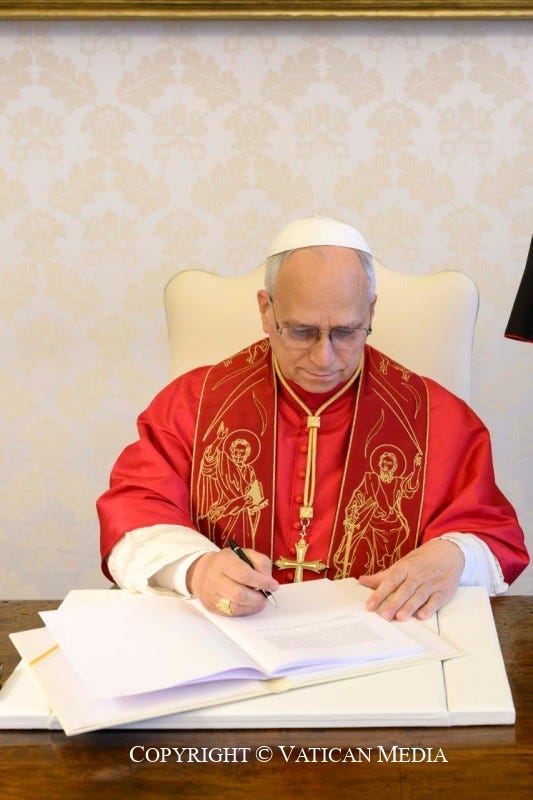
Vaticano: A Questão Moral da IA | Brasil: Entrevista com Embaixador Eugenio Vargas Garcia Sobre Soberania de Dados na Era da IA
Jun 100:35:03Tap to summarizeSOBRE O THE BRIEFO THE BRIEF foi criado para tornar o multilateralismo, a diplomacia, as políticas de tecnologia e a governança global mais fáceis de acompanhar — com contexto, entrevistas e análises feitas com as pessoas que estão moldando essa agenda. As nossas entrevistas destacam diplomatas, funcionários das Nações Unidas, servidores internacionais, economistas, líderes em tecnologia, cientistas, figuras culturais e especialistas em políticas públicas que atuam em Genebra, Nova York, Bruxelas e além.Se você está nos lendo pela primeira vez, comece aqui:Assista às entrevistas e vídeos do THE BRIEF no YouTube:https://youtube.com/@The_Policy_Brief/videosExplore todo o arquivo do Substack:https://theunbrief.substack.com/archiveOuça os episódios do podcast THE BRIEF no Substack:https://theunbrief.substack.com/podcastEntre as publicações recentes e de arquivo estão coberturas sobre a escolha do novo Secretário-Geral da ONU, governança da inteligência artificial, cibersegurança, crises humanitárias, clima, comércio, diplomacia, diplomacia cultural e entrevistas com representantes do sistema ONU, OMC, UIT, UNICEF, Paris Peace Forum, GESDA, além de líderes globais da diplomacia, negócios, ciência e artes.O THE BRIEF é independente, baseado em Genebra, e focado nas questões que moldam a cooperação internacional em um momento em que o sistema multilateral enfrenta crescente pressão.Assine, assista, ouça e compartilhe com colegas que acompanham diplomacia, relações internacionais, Nações Unidas, políticas de tecnologia e governança global.#THEBRIEF #Diplomacia #Multilateralismo #GovernançaGlobal #PolíticaTecnológica #GovernançaDaIA #Genebra #PolíticaExterna #RelaçõesInternacionaisVaticano: IA Deve Servir Para o Desenvolvimento Econômico Global e Incluir as Pessoas Mais Vulneráveis A encíclica Magnifica Humanitas, a primeira do Papa Leão XIV, coloca a questão do futuro da humanidade, a justiça social, e o avanço econômico dos países em desenvolvimento na era da inteligência artificial. O documento parte da ideia de que a humanidade está diante de uma escolha moral: construir uma nova “torre de Babel”, marcada por poder, uniformização, lucro e dominação tecnológica, ou reconstruir uma “Jerusalém” simbólica, baseada em responsabilidade comum, dignidade humana, justiça e comunhão. A tese principal é que a tecnologia não é neutra. Ela carrega os interesses de quem a concebe, financia, regula e utiliza. O documento afirma que a IA deve ser julgada à luz da dignidade humana, do bem comum, da justiça social, da subsidiariedade e da solidariedade. A encíclica critica a concentração de infraestrutura digital, dados, plataformas e capacidade computacional nas mãos de poucos atores privados globais, porque isso pode gerar novas formas de dependência, exclusão, manipulação e desigualdade. Esta encíclica trata da IA como transformação histórica comparável à questão de política industrial e às tensões entre capital e trabalho levantadas pelo Papa Leo XIII na sua encíclica Rerum Novarum, publicada em maio de 1891.Participação da AnthropicChristopher Olah, cofundador da Anthropic e chefe de pesquisa em interpretabilidade de IA, foi um dos palestrantes oficiais na apresentação da encíclica, ao lado de cardeais, teólogos e acadêmicos. Vatican PressA função pública de Olah foi a de interlocutor técnico e moralmente significativa: um representante de uma empresa líder em IA que reconheceu, diante do Vaticano, que os laboratórios de fronteira operam sob pressões comerciais, geopolíticas e pessoais que podem entrar em conflito com o bem comum. Olah destacou três desafios: a responsabilidade diante dos pobres e da desigualdade global; a necessidade de repensar o florescimento humano e familiar num mundo mediado por IA; e o discernimento ético dos próprios criadores de modelos de IA. EWTN VaticanA importância da Anthropic, portanto, é simbólica e estratégica. O Vaticano não convidou apenas reguladores ou teólogos; colocou no centro do lançamento um ator de dentro da indústria de IA. Isso reforça a mensagem da encíclica: a governança da IA não pode ser deixada apenas aos laboratórios, aos mercados ou aos Estados, mas precisa envolver comunidades religiosas, sociedade civil, governos, pesquisadores, educadores e pessoas afetadas pela tecnologia. Oficialmente, a encíclica foi assinada em 15 de maio de 2026, no 135º aniversário da promulgação de Rerum Novarum, do Papa Leo XIII em 15 de maio de 1891, e apresentada em 25 de maio de 2026, na Aula do Sínodo, na presença do Papa Leo XIV. Leão XIV afirmou que Magnifica Humanitas “nasceu da escuta”: escuta de cientistas e engenheiros, líderes políticos, servidores públicos, pais, professores, vítimas de exclusão algorítmica e preocupações com armas autônomas. Essa explicação oficial enquadra o processo de criação como um exercício de escuta pastoral, teológica e social, não como um relatório técnico. Qual é a função de uma encíclicaUma encíclica é uma carta papal de alto peso doutrinal e pastoral. Não é um simples artigo de opinião, nem um regulamento técnico. A sua função é orientar a Igreja — e “todas as pessoas de boa vontade” — sobre temas morais, espirituais, sociais e políticos relevantes para uma época.No caso de Magnifica Humanitas, a função é inserir a IA dentro da tradição da doutrina de justiça social da Igreja. O próprio documento afirma que não pretende oferecer um tratado técnico sobre IA, mas inserir critérios essenciais de discernimento moral e social no discurso global.Em linguagem prática: a encíclica não diz qual algoritmo usar, que lei específica aprovar ou qual arquitetura técnica adotar. Ela oferece uma moldura normativa: dignidade humana, responsabilidade, transparência, controle público, justiça social, paz, proteção dos vulneráveis e oposição à lógica de dominação tecnológica.Houve antes uma encíclica focada em tecnologia?Não exatamente neste formato. Houveram encíclicas sociais anteriores que trataram de transformações técnicas, econômicas e industriais, mas Magnifica Humanitas parece ser a primeira encíclica papal dedicada de forma sistemática à inteligência artificial. O antecedente mais importante é Rerum Novarum de Leão XIII, de 1891, que respondeu à questão operária e à transformação industrial. Laudato si’, de Francisco, também criticou o “paradigma tecnocrático” e abordou ciência, tecnologia e ecologia, mas não era uma encíclica especificamente sobre IA. A própria Magnifica Humanitas cita documentos anteriores recentes sobre IA, incluindo a nota Antiqua et nova de 2025, mensagens de Francisco sobre IA e comunicações, e discursos sobre IA no G7, mas esses não eram encíclicas centradas exclusivamente no tema.A força política do documento está em deslocar a discussão sobre IA de um debate de inovação para um debate de poder. A encíclica não se limita a perguntar se a IA será eficiente, produtiva ou competitiva. Ela pergunta: quem controla essa tecnologia, quem lucra com ela, quem fica vulnerável, quem é excluído e que tipo de humanidade está sendo construída.A presença de Christopher Olah, da Anthropic, torna o lançamento mais relevante porque dá ao texto uma ponte direta com a indústria de IA de fronteira. Mas também cria tensão: a encíclica critica justamente o poder concentrado de atores privados transnacionais, enquanto convida um líder de uma dessas empresas para validar a necessidade de discernimento externo. Essa tensão é provavelmente deliberada.O Vaticano está dizendo que a IA não pode ser governada sem os seus criadores, mas tampouco pode ser governada apenas por eles.Assine a THE BRIEFPara saber mais:Vaticano: Papa Leão XIV provoca debate público sobre inteligência artificialEmbora outros Papas já tenham feito referências ao impacto da tecnologia sobre a humanidade, esta é a primeira encíclica que aborda a inteligência artificial de forma direta e sistemática.Alguns dos principais precedentes são:João Paulo II — Redemptor Hominis, 1979.João Paulo II perg...
Transcribe →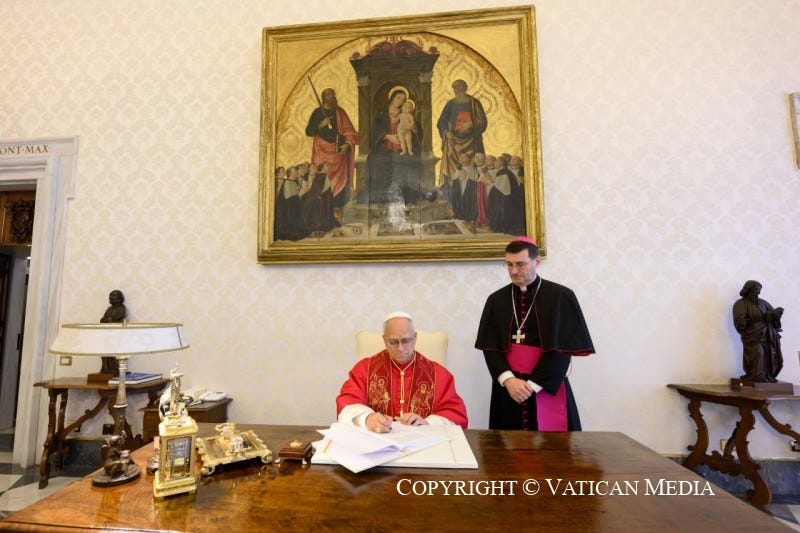
Vatican: Pope Leo XIV Stirs Debate on AI and Social Justice | ITU: Making AI in Healthcare Safe
Jun 100:19:14Tap to summarizeABOUT THE BRIEFTHE BRIEF was created to make multilateralism, diplomacy, technology policy, and global governance easier to follow — with context, interviews, and analysis from the people shaping the agenda.Our interviews showcase diplomats, UN officials, international civil servants, economists, technology leaders, scientists, cultural figures, and policy experts working in Geneva, New York, Brussels and beyond.If you are new to THE BRIEF, start here:Watch THE BRIEF interviews and videos on YouTube:https://youtube.com/@The_Policy_Brief/videosBrowse the full Substack archive:https://theunbrief.substack.com/archiveListen to THE BRIEF podcast episodes on Substack:https://theunbrief.substack.com/podcastSelected recent and archive posts include coverage of the UN Secretary-General race, AI governance, cybersecurity, humanitarian response, climate, trade, diplomacy, cultural diplomacy, and interviews with figures from the UN system, WTO, ITU, UNICEF, Paris Peace Forum, GESDA, diplomacy, business, science and the arts.THE BRIEF is independent, Geneva-based, and focused on the issues shaping international cooperation at a time when the multilateral system is under pressure.Subscribe, watch, listen, and share with colleagues who follow diplomacy, international affairs, the United Nations, technology policy, and global governance.#THEBRIEF #UnitedNations #Diplomacy #Multilateralism #GlobalGovernance #TechPolicy #AIgovernance #Geneva #ForeignPolicy #InternationalAffairsVatican: Pope Leo XIV Stirs Public Debate on AIAI Must Serve Global Economic DevelopmentThe encyclical Magnifica Humanitas, the first by Pope Leo XIV, addresses the future of humanity, social justice, and the economic advancement of developing countries in the era of artificial intelligence.The document starts from the premise that humanity faces a moral choice: to build a new Tower of Babel, marked by power, uniformity, profit, and technological domination, or to rebuild a symbolic Jerusalem, based on shared responsibility, human dignity, justice, and communion.Its central argument is that technology is not neutral.It carries the interests of those who design, finance, regulate, and use it.AI must be developed according to principles of human dignity, foster the common good, social justice, and solidarity.The encyclical criticizes the concentration of digital infrastructure, data, platforms, and computing power in the hands of a small number of global private actors because this can create new forms of dependency, exclusion, manipulation, and inequality.This encyclical treats AI as a historic transformation comparable to industrial policy questions and the tensions between capital and labor raised by Pope Leo XIII in his encyclical Rerum Novarum, published in May 1891.Participation of AnthropicChristopher Olah, co-founder of Anthropic and head of AI interpretability research, was one of the official speakers at the presentation of the encyclical, alongside cardinals, theologians, and academics.Olah highlighted three challenges: responsibility toward the poor and global inequality; the need to rethink human and family flourishing in a world mediated by AI; and ethical discernment among the creators of AI models themselves.Officially, the encyclical was signed on 15 May 2026, the 135th anniversary of Pope Leo XIII’s promulgation of Rerum Novarum on 15 May 1891, and presented on 25 May 2026 in the Synod Hall, in the presence of Pope Leo XIV.Leo XIV stated that Magnifica Humanitas “was born from listening”: listening to scientists and engineers, political leaders, public servants, parents, teachers, victims of algorithmic exclusion, and concerns surrounding autonomous weapons.What is the function of an encyclical?An encyclical is a papal letter carrying substantial doctrinal and pastoral weight.It is not simply an opinion article or a technical regulation.Its purpose is to guide the Church — and all people of goodwill — on moral, spiritual, social, and political issues relevant to a given era.In the case of Magnifica Humanitas, its role is to place AI within the tradition of the Church’s social justice doctrine.The document itself states that it does not intend to offer a technical treatise on AI but rather to introduce essential moral and social criteria for discernment into the global discussion.In practical terms: the encyclical does not say which algorithm to use, which law should be adopted, or which technical architecture should be implemented.It provides a normative framework: human dignity, responsibility, transparency, public oversight, social justice, peace, protection of vulnerable populations, and opposition to the logic of technological domination.Has there been a technology-focused encyclical before?Not exactly in this format.There have been previous social encyclicals addressing technical, economic, and industrial transformations, but Magnifica Humanitas appears to be the first papal encyclical dedicated systematically to artificial intelligence.The most important precedent is Rerum Novarum by Pope Leo XIII in 1891, which responded to labor issues and industrial transformation.Laudato Si’ by Pope Francis also criticized the “technocratic paradigm” and addressed science, technology, and ecology, but it was not specifically focused on AI.Magnifica Humanitas itself references recent AI-related documents, including the 2025 note Antiqua et Nova, messages from Pope Francis on AI and communications, and speeches on AI delivered at the G7. However, these were not encyclicals exclusively centered on the topic.The political force of the document lies in shifting the AI discussion from innovation to power.The encyclical does not merely ask whether AI will be efficient, productive, or competitive.It asks: who controls this technology, who profits from it, who becomes vulnerable, who is excluded, and what kind of humanity is being built.Christopher Olah’s presence from Anthropic makes the launch more relevant because it creates a direct bridge with the frontier AI industry.The Vatican is signaling that AI cannot be governed without its creators — but neither can it be governed only by them.While other Popes had previously made references to technology’s impact on humanity, this is the first encyclical that addresses technology in a direct and systematic way.Some of the predecessors are:John Paul II — Redemptor Hominis, 1979.This is probably the strongest earlier example. John Paul II explicitly asked whether technological progress was matched by moral and spiritual progress, and whether humanity was being elevated or degraded by its own technical achievements.He linked technology to domination, exploitation, imperialism, and the risk that material progress could be used against human dignity. This makes Redemptor Hominis an important precursor to later Catholic teaching on technology and the human person. Link to encyclical in the Vatican site.Benedict XVI — Caritas in Veritate, 2009.Benedict XVI treated technology within the broader question of “integral human development.” His concern was that development cannot be reduced to economic growth, efficiency, or material progress; it must include the moral, spiritual and social dimensions of the person.This is very close to the logic later used in debates on AI: technology must serve the whole human person, not replace human judgment or reduce human beings to data, productivity, or utility. Link to document on the Vatican website.Francis — Laudato Si’, 2015.This is the most important recent precedent. Francis did not write an encyclical “on technology” as such, but he made the technocratic paradigm central to his critique of modern civilization.He warned against a worldview in which technological and economic power are treated as if they automatically produce truth, goodness and progress. In Laudate Deum, he later summarized that critique again, saying that the technocratic paradigm reflec...
Transcribe →
Vaticano: A Questão Moral da IA | Brasil: Entrevista com Embaixador Eugenio Vargas Garcia Sobre Soberania de Dados na Era da IA
May 3100:34:40Tap to summarizeSOBRE O THE BRIEFO THE BRIEF foi criado para tornar o multilateralismo, a diplomacia, as políticas de tecnologia e a governança global mais fáceis de acompanhar — com contexto, entrevistas e análises feitas com as pessoas que estão moldando essa agenda. As nossas entrevistas destacam diplomatas, funcionários das Nações Unidas, servidores internacionais, economistas, líderes em tecnologia, cientistas, figuras culturais e especialistas em políticas públicas que atuam em Genebra, Nova York, Bruxelas e além.Se você está nos lendo pela primeira vez, comece aqui:Assista às entrevistas e vídeos do THE BRIEF no YouTube:https://youtube.com/@The_Policy_Brief/videosExplore todo o arquivo do Substack:https://theunbrief.substack.com/archiveOuça os episódios do podcast THE BRIEF no Substack:https://theunbrief.substack.com/podcastEntre as publicações recentes e de arquivo estão coberturas sobre a escolha do novo Secretário-Geral da ONU, governança da inteligência artificial, cibersegurança, crises humanitárias, clima, comércio, diplomacia, diplomacia cultural e entrevistas com representantes do sistema ONU, OMC, UIT, UNICEF, Paris Peace Forum, GESDA, além de líderes globais da diplomacia, negócios, ciência e artes.O THE BRIEF é independente, baseado em Genebra, e focado nas questões que moldam a cooperação internacional em um momento em que o sistema multilateral enfrenta crescente pressão.Assine, assista, ouça e compartilhe com colegas que acompanham diplomacia, relações internacionais, Nações Unidas, políticas de tecnologia e governança global.#THEBRIEF #Diplomacia #Multilateralismo #GovernançaGlobal #PolíticaTecnológica #GovernançaDaIA #Genebra #PolíticaExterna #RelaçõesInternacionaisVaticano: IA Deve Servir Para o Desenvolvimento Econômico Global e Incluir as Pessoas Mais Vulneráveis A encíclica Magnifica Humanitas, a primeira do Papa Leão XIV, coloca a questão do futuro da humanidade, a justiça social, e o avanço econômico dos países em desenvolvimento na era da inteligência artificial. O documento parte da ideia de que a humanidade está diante de uma escolha moral: construir uma nova “torre de Babel”, marcada por poder, uniformização, lucro e dominação tecnológica, ou reconstruir uma “Jerusalém” simbólica, baseada em responsabilidade comum, dignidade humana, justiça e comunhão. A tese principal é que a tecnologia não é neutra. Ela carrega os interesses de quem a concebe, financia, regula e utiliza. O documento afirma que a IA deve ser julgada à luz da dignidade humana, do bem comum, da justiça social, da subsidiariedade e da solidariedade. A encíclica critica a concentração de infraestrutura digital, dados, plataformas e capacidade computacional nas mãos de poucos atores privados globais, porque isso pode gerar novas formas de dependência, exclusão, manipulação e desigualdade. Esta encíclica trata da IA como transformação histórica comparável à questão de política industrial e às tensões entre capital e trabalho levantadas pelo Papa Leo XIII na sua encíclica Rerum Novarum, publicada em maio de 1891.Participação da AnthropicChristopher Olah, cofundador da Anthropic e chefe de pesquisa em interpretabilidade de IA, foi um dos palestrantes oficiais na apresentação da encíclica, ao lado de cardeais, teólogos e acadêmicos. Vatican PressA função pública de Olah foi a de interlocutor técnico e moralmente significativa: um representante de uma empresa líder em IA que reconheceu, diante do Vaticano, que os laboratórios de fronteira operam sob pressões comerciais, geopolíticas e pessoais que podem entrar em conflito com o bem comum. Olah destacou três desafios: a responsabilidade diante dos pobres e da desigualdade global; a necessidade de repensar o florescimento humano e familiar num mundo mediado por IA; e o discernimento ético dos próprios criadores de modelos de IA. EWTN VaticanA importância da Anthropic, portanto, é simbólica e estratégica. O Vaticano não convidou apenas reguladores ou teólogos; colocou no centro do lançamento um ator de dentro da indústria de IA. Isso reforça a mensagem da encíclica: a governança da IA não pode ser deixada apenas aos laboratórios, aos mercados ou aos Estados, mas precisa envolver comunidades religiosas, sociedade civil, governos, pesquisadores, educadores e pessoas afetadas pela tecnologia. Oficialmente, a encíclica foi assinada em 15 de maio de 2026, no 135º aniversário da promulgação de Rerum Novarum, do Papa Leo XIII em 15 de maio de 1891, e apresentada em 25 de maio de 2026, na Aula do Sínodo, na presença do Papa Leo XIV. Leão XIV afirmou que Magnifica Humanitas “nasceu da escuta”: escuta de cientistas e engenheiros, líderes políticos, servidores públicos, pais, professores, vítimas de exclusão algorítmica e preocupações com armas autônomas. Essa explicação oficial enquadra o processo de criação como um exercício de escuta pastoral, teológica e social, não como um relatório técnico. Qual é a função de uma encíclicaUma encíclica é uma carta papal de alto peso doutrinal e pastoral. Não é um simples artigo de opinião, nem um regulamento técnico. A sua função é orientar a Igreja — e “todas as pessoas de boa vontade” — sobre temas morais, espirituais, sociais e políticos relevantes para uma época.No caso de Magnifica Humanitas, a função é inserir a IA dentro da tradição da doutrina de justiça social da Igreja. O próprio documento afirma que não pretende oferecer um tratado técnico sobre IA, mas inserir critérios essenciais de discernimento moral e social no discurso global.Em linguagem prática: a encíclica não diz qual algoritmo usar, que lei específica aprovar ou qual arquitetura técnica adotar. Ela oferece uma moldura normativa: dignidade humana, responsabilidade, transparência, controle público, justiça social, paz, proteção dos vulneráveis e oposição à lógica de dominação tecnológica.Houve antes uma encíclica focada em tecnologia?Não exatamente neste formato. Houveram encíclicas sociais anteriores que trataram de transformações técnicas, econômicas e industriais, mas Magnifica Humanitas parece ser a primeira encíclica papal dedicada de forma sistemática à inteligência artificial. O antecedente mais importante é Rerum Novarum de Leão XIII, de 1891, que respondeu à questão operária e à transformação industrial. Laudato si’, de Francisco, também criticou o “paradigma tecnocrático” e abordou ciência, tecnologia e ecologia, mas não era uma encíclica especificamente sobre IA. A própria Magnifica Humanitas cita documentos anteriores recentes sobre IA, incluindo a nota Antiqua et nova de 2025, mensagens de Francisco sobre IA e comunicações, e discursos sobre IA no G7, mas esses não eram encíclicas centradas exclusivamente no tema.A força política do documento está em deslocar a discussão sobre IA de um debate de inovação para um debate de poder. A encíclica não se limita a perguntar se a IA será eficiente, produtiva ou competitiva. Ela pergunta: quem controla essa tecnologia, quem lucra com ela, quem fica vulnerável, quem é excluído e que tipo de humanidade está sendo construída.A presença de Christopher Olah, da Anthropic, torna o lançamento mais relevante porque dá ao texto uma ponte direta com a indústria de IA de fronteira. Mas também cria tensão: a encíclica critica justamente o poder concentrado de atores privados transnacionais, enquanto convida um líder de uma dessas empresas para validar a necessidade de discernimento externo. Essa tensão é provavelmente deliberada.O Vaticano está dizendo que a IA não pode ser governada sem os seus criadores, mas tampouco pode ser governada apenas por eles.Assine a THE BRIEFPara saber mais:Vaticano: Papa Leão XIV provoca debate público sobre inteligência artificialEmbora outros Papas já tenham feito referências ao impacto da tecnologia sobre a humanidade, esta é a primeira encíclica que aborda a inteligência artificial de forma direta e sistemática.Alguns dos principais precedentes são:João Paulo II — Redemptor Hominis, 1979.João Paulo II perg...
Transcribe →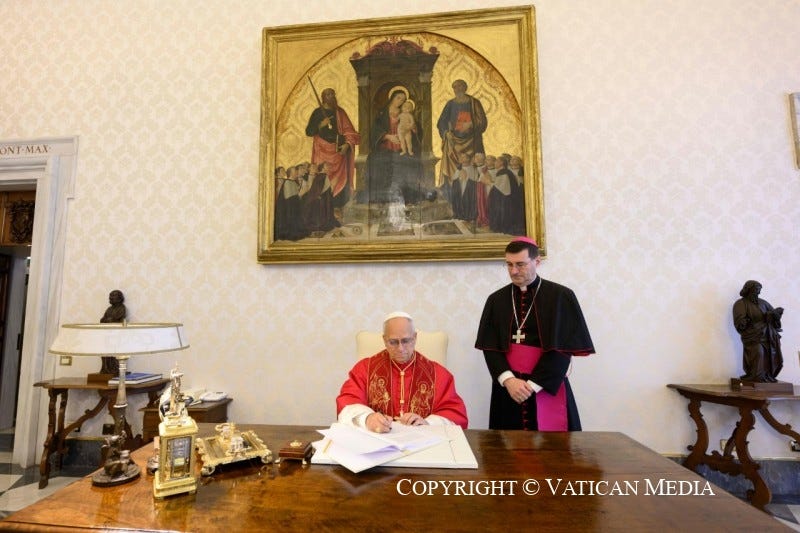
Vatican: Pope Leo XIV Stirs Debate on AI and Social Justice | ITU: Making AI in Healthcare Safe
May 3100:19:14Tap to summarizeABOUT THE BRIEFTHE BRIEF was created to make multilateralism, diplomacy, technology policy, and global governance easier to follow — with context, interviews, and analysis from the people shaping the agenda.Our interviews showcase diplomats, UN officials, international civil servants, economists, technology leaders, scientists, cultural figures, and policy experts working in Geneva, New York, Brussels and beyond.If you are new to THE BRIEF, start here:Watch THE BRIEF interviews and videos on YouTube:https://youtube.com/@The_Policy_Brief/videosBrowse the full Substack archive:https://theunbrief.substack.com/archiveListen to THE BRIEF podcast episodes on Substack:https://theunbrief.substack.com/podcastSelected recent and archive posts include coverage of the UN Secretary-General race, AI governance, cybersecurity, humanitarian response, climate, trade, diplomacy, cultural diplomacy, and interviews with figures from the UN system, WTO, ITU, UNICEF, Paris Peace Forum, GESDA, diplomacy, business, science and the arts.THE BRIEF is independent, Geneva-based, and focused on the issues shaping international cooperation at a time when the multilateral system is under pressure.Subscribe, watch, listen, and share with colleagues who follow diplomacy, international affairs, the United Nations, technology policy, and global governance.#THEBRIEF #UnitedNations #Diplomacy #Multilateralism #GlobalGovernance #TechPolicy #AIgovernance #Geneva #ForeignPolicy #InternationalAffairsVatican: Pope Leo XIV Stirs Public Debate on AIAI Must Serve Global Economic DevelopmentThe encyclical Magnifica Humanitas, the first by Pope Leo XIV, addresses the future of humanity, social justice, and the economic advancement of developing countries in the era of artificial intelligence.The document starts from the premise that humanity faces a moral choice: to build a new Tower of Babel, marked by power, uniformity, profit, and technological domination, or to rebuild a symbolic Jerusalem, based on shared responsibility, human dignity, justice, and communion.Its central argument is that technology is not neutral.It carries the interests of those who design, finance, regulate, and use it.AI must be developed according to principles of human dignity, foster the common good, social justice, and solidarity.The encyclical criticizes the concentration of digital infrastructure, data, platforms, and computing power in the hands of a small number of global private actors because this can create new forms of dependency, exclusion, manipulation, and inequality.This encyclical treats AI as a historic transformation comparable to industrial policy questions and the tensions between capital and labor raised by Pope Leo XIII in his encyclical Rerum Novarum, published in May 1891.Participation of AnthropicChristopher Olah, co-founder of Anthropic and head of AI interpretability research, was one of the official speakers at the presentation of the encyclical, alongside cardinals, theologians, and academics.Olah highlighted three challenges: responsibility toward the poor and global inequality; the need to rethink human and family flourishing in a world mediated by AI; and ethical discernment among the creators of AI models themselves.Officially, the encyclical was signed on 15 May 2026, the 135th anniversary of Pope Leo XIII’s promulgation of Rerum Novarum on 15 May 1891, and presented on 25 May 2026 in the Synod Hall, in the presence of Pope Leo XIV.Leo XIV stated that Magnifica Humanitas “was born from listening”: listening to scientists and engineers, political leaders, public servants, parents, teachers, victims of algorithmic exclusion, and concerns surrounding autonomous weapons.What is the function of an encyclical?An encyclical is a papal letter carrying substantial doctrinal and pastoral weight.It is not simply an opinion article or a technical regulation.Its purpose is to guide the Church — and all people of goodwill — on moral, spiritual, social, and political issues relevant to a given era.In the case of Magnifica Humanitas, its role is to place AI within the tradition of the Church’s social justice doctrine.The document itself states that it does not intend to offer a technical treatise on AI but rather to introduce essential moral and social criteria for discernment into the global discussion.In practical terms: the encyclical does not say which algorithm to use, which law should be adopted, or which technical architecture should be implemented.It provides a normative framework: human dignity, responsibility, transparency, public oversight, social justice, peace, protection of vulnerable populations, and opposition to the logic of technological domination.Has there been a technology-focused encyclical before?Not exactly in this format.There have been previous social encyclicals addressing technical, economic, and industrial transformations, but Magnifica Humanitas appears to be the first papal encyclical dedicated systematically to artificial intelligence.The most important precedent is Rerum Novarum by Pope Leo XIII in 1891, which responded to labor issues and industrial transformation.Laudato Si’ by Pope Francis also criticized the “technocratic paradigm” and addressed science, technology, and ecology, but it was not specifically focused on AI.Magnifica Humanitas itself references recent AI-related documents, including the 2025 note Antiqua et Nova, messages from Pope Francis on AI and communications, and speeches on AI delivered at the G7. However, these were not encyclicals exclusively centered on the topic.The political force of the document lies in shifting the AI discussion from innovation to power.The encyclical does not merely ask whether AI will be efficient, productive, or competitive.It asks: who controls this technology, who profits from it, who becomes vulnerable, who is excluded, and what kind of humanity is being built.Christopher Olah’s presence from Anthropic makes the launch more relevant because it creates a direct bridge with the frontier AI industry.The Vatican is signaling that AI cannot be governed without its creators — but neither can it be governed only by them.While other Popes had previously made references to technology’s impact on humanity, this is the first encyclical that addresses technology in a direct and systematic way.Some of the predecessors are:John Paul II — Redemptor Hominis, 1979.This is probably the strongest earlier example. John Paul II explicitly asked whether technological progress was matched by moral and spiritual progress, and whether humanity was being elevated or degraded by its own technical achievements.He linked technology to domination, exploitation, imperialism, and the risk that material progress could be used against human dignity. This makes Redemptor Hominis an important precursor to later Catholic teaching on technology and the human person. Link to encyclical in the Vatican site.Benedict XVI — Caritas in Veritate, 2009.Benedict XVI treated technology within the broader question of “integral human development.” His concern was that development cannot be reduced to economic growth, efficiency, or material progress; it must include the moral, spiritual and social dimensions of the person.This is very close to the logic later used in debates on AI: technology must serve the whole human person, not replace human judgment or reduce human beings to data, productivity, or utility. Link to document on the Vatican website.Francis — Laudato Si’, 2015.This is the most important recent precedent. Francis did not write an encyclical “on technology” as such, but he made the technocratic paradigm central to his critique of modern civilization.He warned against a worldview in which technological and economic power are treated as if they automatically produce truth, goodness and progress. In Laudate Deum, he later summarized that critique again, saying that the technocratic paradigm reflec...
Transcribe →
Week Ahead: Macron and Rafael Grossi to Host Nuclear Energy Summit in Paris | Interview with Former Ambassador of Ireland to Washington
Mar 900:19:30Tap to summarizeListen to my Interview with Ambassador Daniel Mulhall on Ireland’s Soft Power*Interview recorded on the 27 of February 2026, via Zoom.Ambassador Daniel Mulhall is a retired Irish diplomat and author, born in Waterford, who joined Ireland’s Department of Foreign Affairs in 1978.Over a 44-year diplomatic career, he served in New Delhi, Vienna, Brussels and Edinburgh, and later as Ambassador to Malaysia (also accredited to Thailand, Laos and Vietnam), Germany, the United Kingdom, and the United States (2017–2022).He held senior roles in Dublin as Press Spokesman and Director-General for European Affairs, and was part of the Irish Government delegation in the negotiations that culminated in the 1998 Good Friday Agreement.Alongside statecraft, Mulhall has consistently treated Irish writing as a tool of cultural diplomacy—profiling Ireland through writers such as W.B. Yeats and James Joyce in speeches, events and public engagements.He has written and lectured widely on Irish literature, including Joyce-focused work shaped by his years of diplomatic travel, and has published two books, Ulysses: A Reader’s Odyssey (2022) and Pilgrim Soul: W.B. Yeats and the Ireland of his Time(2023).International Women’s Day Listen to my interview with Joanne Wilson, former Deputy to the Director, Radiocommunication Bureau, at the International Telecommunication Union, and a strong supporter of women in the sciences. Joanne Wilson was Deputy to the Director of the ITU Radiocommunication Bureau, and one of the key figures helping steer global discussions on spectrum, satellite coordination and the governance frameworks that underpin modern communications. At the ITU, she has also become a visible advocate for stronger participation by women in radiocommunications and STEM, arguing that the sector cannot afford to leave talent on the sidelines. Joanne Wilson is an electrical engineer and was a senior leader at the International Telecommunication Union. She served as Deputy to the Director of the ITU Radiocommunication Bureau and Chief of the Informatics, Administration and Publications Department, where she led preparations for major ITU radiocommunication conferences.Her career spans more than 35 years in telecommunications, including over 30 years of engagement with the ITU system, and includes work at NASA, the U.S. space agency. Wilson was also the Executive and Plenary Secretary of the 2019 and 2023 World Radiocommunication Conferences. She was the first woman engineer appointed as Deputy to the Director of the Radiocommunication Bureau. She has been an outspoken supporter of gender equality in science and engineering, calling attention to the underrepresentation of women in radiocommunications and backing initiatives and networks aimed at improving women’s participation in the field. Wilson has played a central role in the technical and institutional architecture behind global spectrum policy. She has also emerged as a strong voice for women’s participation in STEM and radiocommunications, pressing for a more inclusive sector at a time of rapid technological change. Nuclear Energy Summit to be Held in Paris IAEA initiatives focus on women’s participation in the nuclear fieldThe second Nuclear Energy Summit will be held in Paris on the 10th March 2026, hosted by the Government of France in cooperation with the International Atomic Energy Agency (IAEA). President Emmanuel Macron and Rafael Grossi, Director General of the International Atomic Energy Agency, will speak.Ahead of the summit, the French Ministry for Europe and Foreign Affairs is organizing a public-facing event on Sunday, 8 March, at the Cité des Sciences. The ministry says the afternoon programme is designed to make nuclear issues more accessible to the public and, on International Women’s Day, to highlight the importance of gender parity in the sector. The 8th March event also aligns with Rafael Grossi’s record on gender parity at the IAEA. Upon taking office, Grossi introduced a policy aimed at achieving gender parity across the Agency’s Professional and higher categories by 2025, as the General Service category was already mostly staffed by women. At the end of 2019, women represented 30.44% of staff in those categories and 31.25% of senior management. By the end of 2024, women had reached 50% of the Professional and higher categories and 48% of senior management positions. Today that number stands at 52%. Talk about real, tangible, progress.Rafael Grossi is the strongest candidate for the post of UN Secretary General. Those numbers, accomplished in record time, show real commitment to gender parity and equal pay in the slow moving UN. How many heads of agency can say the same? Grossi also launched or backed several IAEA initiatives focused on women’s participation in the nuclear field. The Marie Skłodowska-Curie Fellowship Programme, launched in 2020, had 760 fellows from 129 Member States by the end of 2024; 320 had completed their studies and 167 had progressed to internships facilitated by the Agency. The Women in Nuclear Security Initiative was launched in March 2021. The Lise Meitner Programme, launched in 2023, had supported about 80 women from 38 countries by early March 2026. Women in Nuclear awarded him the 2025 Changemaker of Distinction Award.The meeting comes as the IAEA says global momentum behind nuclear power continues to grow. In September 2025, the Agency raised its projections for nuclear expansion for the fifth consecutive year, estimating in its high-case scenario that global nuclear capacity could rise from 377 GW(e) at the end of 2024 to 992 GW(e) by 2050. The Paris summit’s plenary discussions will focus on three core tracks: regional developments and strategies for nuclear energy, financing models for deployment at scale, and innovation in future nuclear technologies. The round tables will address tripling nuclear energy, global fuel-supply security, spent-fuel and waste management, and the development of supply chains and skills needed for safe construction and operation. How to Achieve Gender Parity and Support Women’s Career Advancement?Set a target, change recruitment measures, build a pipeline, support careers.At the IAEA, Rafael Grossi did not treat gender parity as a side conversation for commemorative dates. Early in his tenure, he set a concrete objective: 50 per cent women and 50 per cent men in the Agency’s professional and higher categories by 2025. At that point, women represented less than 30 per cent of those posts. By September 2024, that share had climbed above 48 per cent, and IAEA achieved parity. But the initiative was not only about staff gender parity in Vienna. In 2020, Grossi launched the Marie Skłodowska-Curie Fellowship Programme to help more women enter nuclear science and technology through graduate scholarships and internship opportunities. It was designed to widen the pipeline into a field where women had long been underrepresented. By March 2026, the programme had supported 860 women from 135 Member States studying across 79 countries. He then moved from entry to advancement. On 8 March 2023, Grossi launched the Lise Meitner Programme, aimed at early- and mid-career women professionals, with a focus on technical skills, leadership development and career progression. By March 2026, it had supported 80 women from 38 countries across six professional visits. The broader effort also extended into nuclear security through the Women in Nuclear Security Initiative, created to advance gender equality in that field and support women already working in it. The story of Grossi’s gender parity agenda at the IAEA is therefore less about rhetoric than institutional design: set a target, change recruitment measures, build a pipeline, support careers, and make representation a measure of organizational strength rather than symbolism. That is the track record the IAEA itself now associates with his leadership. #France #IAEA #RafaelGrossi #JoanneWilson #ITU #Paris #NuclearSummit This is a public episode. If you'd like to discuss this with other subscribers or get access to bonus episodes, visit theunbrief.substack.com/subscribe
Transcribe →
Week in Review | Ukraine Enters Fifth Year of War | UN Human Rights Chief Warns Against Normalizing Conflict | Torture Victims Must Have a New Way of Claiming Reparations
Mar 600:05:29Tap to summarizeTHE WEEK IN REVIEWHuman Rights CouncilUN Torture Expert Puts Sharper Focus on What Happens After Abuse is DocumentedAt a Geneva press conference on 3 March, Alice Jill Edwards, the UN Special Rapporteur on torture and other cruel, inhuman or degrading treatment or punishment, presented her report on a “Charter of Rights of Victims and Survivors of Torture.” The report shifts attention from the prohibition of torture alone to the rights, protection and recognition owed to those who have endured it.The report suggests a survivor-centred intervention at a time when accountability debates are increasingly expected to deliver not only legal condemnation but also meaningful redress. It places victims and survivors more squarely within the architecture of implementation, not just documentation.This is an effort to articulate a rights-based framework for people subjected to torture and other cruel, inhuman or degrading treatment or punishment, and to push states and institutions to think more concretely about obligations toward rehabilitation, dignity, remedy and recognition.The report adds weight to a broader trend within the UN human rights system: a move toward survivor-informed policy language and a sharper focus on what happens after abuse is documented.Listen to her intervention at the UN Human Rights Council:Watch her intervention:Thank you for reading THE BRIEF. To support our work consider becoming a paid subscriber. This is a public episode. If you'd like to discuss this with other subscribers or get access to bonus episodes, visit theunbrief.substack.com/subscribe
Transcribe →
Histoire de la Diplomatie | French Edition | Cultural Diplomacy
Feb 200:14:25Tap to summarizeHistoire de la Diplomatie Française Dans la géographie politique française, Meudon occupe une position singulière : à l’ombre de Château de Versailles et aux portes de Paris, sur un relief dominant la Seine, la ville a longtemps servi de “seconde scène” du pouvoir. Elle n’est pas seulement un décor de villégiature aristocratique : son histoire croise directement celle de la diplomatie d’État, au moment où la France invente (ou, du moins, systématise) ses instruments de puissance — résidences, courtisans, réseaux de négociateurs, et production administrative.Le premier lien fort entre Meudon et la diplomatie moderne passe par un nom aujourd’hui moins connu du grand public mais central au XVIIe siècle : Abel Servien. C’est l’un des négociateurs français de la paix de Westphalie, l’ensemble de traités de 1648 qui met fin à la guerre de Trente Ans et consolide l’émergence d’un nouvel ordre européen fondé sur des compromis juridiques et territoriaux. Les Archives diplomatiques rappellent qu’à Münster et Osnabrück, la France participe à la construction d’un système international durable qui remodèle l’Europe. Or, quelques années après cette séquence fondatrice, Abel Servien acquiert Meudon (1654), ancrant physiquement, sur ces hauteurs, une figure directement associée à la naissance de la diplomatie de congrès. Meudon devient ainsi, très tôt, un territoire où s’inscrivent dans la pierre les trajectoires des bâtisseurs de l’État négociateur.Sous Louis XIV, cette articulation entre résidence et pouvoir franchit un seuil : la monarchie absolutiste transforme l’espace en instrument politique. À Meudon, l’épisode le plus emblématique est celui du Le Grand Dauphin, héritier de la Couronne. Le site prend alors une dimension quasi institutionnelle : il devient “son” château, un lieu où s’organisent sociabilités, patronages, et circuits d’influence parallèles à Versailles. Le Grand Dauphin y mène de grands travaux et confie notamment des aménagements à Hardouin-Mansart, signe que Meudon est intégré à l’architecture politique du règne. Le Château de Versailles souligne un fait à forte portée symbolique : Le Grand Dauphin meurt à Meudon en avril 1711, au cœur même de ce dispositif résidentiel qui devait incarner la continuité dynastique. Dans une monarchie où la succession et les alliances sont des paramètres diplomatiques majeurs, la résidence de l’héritier n’est jamais neutre : elle est un théâtre où se fabriquent réputations, coalitions et accès au souverain.Ce système ne fonctionne pas sans une machine administrative et financière. Ici, la figure de Jean-Baptiste Colbert est incontournable : au-delà du cliché du “grand argentier”, Jean-Baptiste Colbert incarne l’État organisateur — commerce, marine, industrie, sciences — c’est-à-dire la base matérielle d’une politique de puissance. Le Château de Versailles rappelle l’ampleur de ses charges et son rôle dans le développement de la Marine royale et l’essor des sciences, briques essentielles d’une influence extérieure durable. Meudon, comme Versailles, s’inscrit dans cette même grammaire : le prestige résidentiel, l’art, les collections, les jardins et les travaux ne sont pas seulement du décor, mais une forme de langage diplomatique interne et externe — la mise en scène d’un État capable de mobiliser ressources, talents et savoir-faire.Au XVIIIe siècle, Meudon continue de servir de laboratoire d’influence, mais avec d’autres acteurs et une autre tonalité : celle du “gouvernement de cour” où l’accès et l’intimité comptent autant que les fonctions. C’est ici que s’insère Madame de Pompadour, dont l’empreinte sur Meudon passe notamment par le château de Bellevue, conçu comme résidence de plaisance et espace de réception. Ce lieu n’est pas qu’une fantaisie architecturale : il illustre la manière dont une favorite, devenue confidente, peut créer des espaces de décision “hors protocole”, capables de peser sur certaines affaires politiques. Plus directement encore, des travaux historiques sur “Pompadour and Diplomacy” documentent des rencontres diplomatiques à Bellevue, dans le cadre plus souple des jardins et pavillons, loin des rigidités officielles. Autrement dit : Meudon devient, via Bellevue, un nœud discret où se rencontrent conversation, influence et négociation — une diplomatie de l’ombre, adossée au paysage.Il faut replacer cette dynamique dans un temps long : celui qui va de Westphalie à l’Europe “classique” des congrès et alliances. Westphalie n’est pas “une affaire de Meudon” au sens géographique strict (les traités sont négociés en Allemagne), mais Meudon se relie à cet héritage par deux lignes : d’abord par Abel Servien, négociateur puis propriétaire ; ensuite par la consolidation, sous Louis XIV, d’un État qui comprend que la diplomatie est aussi une affaire de dispositifs — résidences, cérémonial, patronage, et centralisation administrative. Sur ce point, les synthèses historiques rappellent que Westphalie (1648) clôt un cycle de guerres majeures et installe un cadre de négociation qui marque durablement l’Europe. Meudon, dans la proximité immédiate de Versailles, devient l’un des espaces où ce nouvel art de gouverner — entre représentation, secret, et administration — se matérialise.Enfin, Meudon ne s’arrête pas à l’Ancien Régime. Son patrimoine technique et scientifique prolonge, autrement, la logique d’influence : l’industrialisation, l’aéronautique, la culture scientifique et la mise en récit du progrès. Le Hangar Y, construit à partir d’éléments liés à l’Exposition universelle de 1878, rappelle que Meudon s’inscrit aussi dans la diplomatie de l’innovation et des expositions, ces vitrines internationales où les États se comparent et se projettent. (Ce n’est plus la diplomatie des traités et des favorites, mais celle des technologies, des réseaux et de la réputation.En somme, Meudon agit comme un condensé : un lieu où se superposent la diplomatie des négociateurs (Westphalie et Abel Servien), la diplomatie dynastique (le Le Grand Dauphin et son château), la diplomatie de cour (Madame de Pompadour à Bellevue), et la diplomatie de puissance matérielle (l’État colbertien et, plus tard, l’imaginaire industriel et scientifique).L’intérêt est précisément là : lire Meudon non comme une simple banlieue patrimoniale, mais comme un poste d’observation sur la fabrication française de l’influence — celle qui se joue autant dans les salons et les jardins que dans les traités et les administrations.THE BRIEF is supported by paid subscribers. Become a paid subscriber.Interview with the Maire de Meudon, Denis LargheroDenis Larghero est maire de Meudon, une ville dont l’histoire est étroitement liée aux dynamiques du pouvoir et, par ricochet, à la diplomatie française. Située aux portes de Paris et dans l’orbite de Versailles, Meudon a longtemps été un espace stratégique où se sont croisés résidence, influence et décision politique, notamment à l’époque moderne. Dès les XVIe et XVIIe siècles, ce territoire s’inscrit dans l’environnement des grandes familles, des cercles de cour et des réseaux administratifs qui structurent l’action extérieure du royaume, avant de prendre une place plus nette au XVIIe siècle avec la présence d’acteurs associés à la naissance de la diplomatie de congrès et à la consolidation de l’État (puis, sous l’Ancien Régime, avec l’installation de figures proches du pouvoir et la fonction de “contre-scène” de Versailles). Cette continuité se prolonge, sous d’autres formes, jusqu’à aujourd’hui : Meudon demeure un point de contact entre patrimoine institutionnel, attractivité territoriale et projection d’image, dans une région-capitale où se concentrent administrations, ambassades, grandes entreprises, lieux de mémoire et scènes internationales. Dans cette perspective, la ville incarne un fil historique — celui d’une France qui a toujours articulé architecture du pouvoir, réseaux d’influence et capacité à peser sur l’ordre européen — et qui continue, au présent, de faire de son patrimoine et de son positionnement géographique un levier de rayonnement.Sur Denis LargheroSon parcours est étroitement lié à la vie politique des Hauts-de-Seine, où il est également conseiller départemental du canton de Meudon et, au sein du Conseil départemental des Hauts-de-Seine, 5e vice-président en charge de l’attractivité du territoire et du développement numérique. Né en novembre 1968, Denis Larghero s’est formé aux disciplines juridiques et à la science politique : il est indiqué comme licencié en droit public et titulaire d’une maîtrise ainsi que d’un DEA en science politique. Avant d’accéder à la fonction de maire, il occupe des responsabilités au sein de l’équipe municipale, notamment comme adjoint délégué à la culture et au développement numérique, ce qui éclaire deux axes récurrents de son positionnement : d’une part, la valorisation de l’offre culturelle et patrimoniale comme levier d’identité urbaine et d’attractivité ; d’autre part, l’accélération de la transformation numérique de la collectivité (services aux usagers, modernisation des outils de gestion, innovation territoriale). À l’échelle départementale, ses attributions officiellement mentionnées (attractivité du territoire et développement numérique) le placent à l’interface de sujets à forte visibilité : promotion économique, image territoriale, politiques d’innovation, et articulation avec les dynamiques métropolitaines.Son ancrage territorial est souvent décrit comme double : solidement implanté dans l’ouest parisien et conservant un lien marqué avec l’Aveyron, dont il est originaire, notamment à travers des attaches patrimoniales et familiales. Cette dimension « hor...
Transcribe →
From the Archives | The Digital Transformation of Government Institutions in Sub-Saharan Africa
Jul 31, 202500:23:58Tap to summarizeIn this editionIan Richards on Digital Government This is a public episode. If you'd like to discuss this with other subscribers or get access to bonus episodes, visit theunbrief.substack.com/subscribe
Transcribe →
From the Archives | UNICEF: Learning Passport Initiative Supports Teachers and Students Inclusion in the Digital Economy in Developing Countries, Refugee Camps, and Post-Conflict Zones
Jun 19, 202500:00:30Tap to summarizeUNICEF and Microsoft Partner-upThe UN Brief interviewed Mac Glovinsky to speak about the Learning Passport, a partnership with Microsoft and Cambridge University to accelerate onboarding of children and adolescents in the digital economy, through educational tools.Glovinsky is the Principal Global Program Manager of the Learning Passport, and is based at the UN headquarters in New York. The Learning Passport is an educational tool that allows for learning on-and-offline. They have rolled-out at post-conflict areas, and in developing countries, helping children to continue their education and allowing them to carry their curriculum wherever they are, as they will eventually move out of refugee camps and thanks to these tools will be able to continue their studies at the appropriate grade level.These are one of the many ways that new technologies are supporting the continuity of education in what are very trying situations for these children and their families.We cover emerging technologies and how they impact international cooperation. Subscribe to The UN Brief for exclusive interviews with UN officials, diplomats, business leaders and academics for insights in the digital transformation of multilateral organizations, and the emerging technologies that are impacting international cooperation.Subscribers have:1. Early access to exclusive content, videos and podcasts, with insights and analysis of current affairs topics.2. Invitation to talks (virtual now) with the key players in Foreign Policy and Tech.3. Participation in round-tables on the future of multilateralism.4. A monthly update, closed to members-only, video call to discuss trends with diplomats, academics, government, and tech leaders.And much more to come in the coming months. Stay tuned. Looking forward to interacting with you all,Maya PlentzEditor in ChiefSubscribe to our newsletter This is a public episode. If you'd like to discuss this with other subscribers or get access to bonus episodes, visit theunbrief.substack.com/subscribe
Transcribe →
Weekend Edition | Bourgogne in the Spotlight | Maison Louis Picamelot | More VivaTech | Looking for a Job? There is a Cybersecurity Talent Shortage | Presented by EVO Green Village
Jun 15, 202500:01:03Tap to summarizeOn this edition:* A weekend in Bourgogne.* Discover the history of Cremant de Bourgogne.* Sustainability in wine production. THE BRIEF is a reader-supported publication. To receive new posts and support my work, consider becoming a paid subscriber.Bourgogne in the SpotlightPondering what to do during the sweltering days of Summer in Geneva? No vacation time left? I suggest you go visit Bourgogne and discover its many food and wine offers. It is paradise for very affordable high-quality wines to wines for special occasions and to, above all, educating your senses.Did you know that Bourgogne wines that can be kept for several years are also a good investment? As an asset class Burgundy wines beat some traditional categories, not to say the investment in pleasure, as the British wine critic Steven Spurrier used to say. “Fine wine is also an investment in pleasure.”We had the pleasure of visiting three wine producers from the region last month.Keep your eyes pricked for the stories and interviews with the winemakers that are representing the best of sustainability and quality from the region at a global scale.Wines from Bourgogne are becoming better known in Brazil, this past month the BIVB, the Bureau Interprofessionel des Vins de Bourgogne, visited Brazil for the first time.Their latest research shows growing exports to the region, in fine restaurants, and by the recommendations of experts in gastronomy. Pairing the delightful Cremant de Bourgogne with Brazilian exquisite seafood and prime-cut barbecues is becoming a thing, with importers realizing the price/quality value and its potential with consumers and restaurateurs alike.In a country where prosecco and champagne reign supreme, given its tropical weather, as a refreshing, celebratory drink, and increasingly in cocktails by renowned bartenders at the Copacabana Palace and Fasano’s (the French architect Philippe Starck designed luxury hotel) Cremant de Bourgogne has already a market in Brazil expecting bubbly happiness drinks, that just needs to be developed to gain market share.One of our visits was to the Maison Louis Picamelot.We interviewed Louis Picamelot’s grandson, now producer and CEO of the Maison, Philippe Chautard. This is a public episode. If you'd like to discuss this with other subscribers or get access to bonus episodes, visit theunbrief.substack.com/subscribe
Transcribe →