
Podcast
The Bullvine Daily Brief
Hosted by The Bullvine · EN
Every article from TheBullvine.com — read aloud so you can keep up with dairy while you're milking, hauling, or driving fence. Daily dispatches on genetics, milk economics, herd management, policy, and the stories the trade press won't touch. No fluff, no PR, no filler — just our journalism in your ears.
New articles go live in audio within hours of publication. Subscribe and the day's Bullvine comes with you.
136episodes
Episodes
Newest firstAll episodes
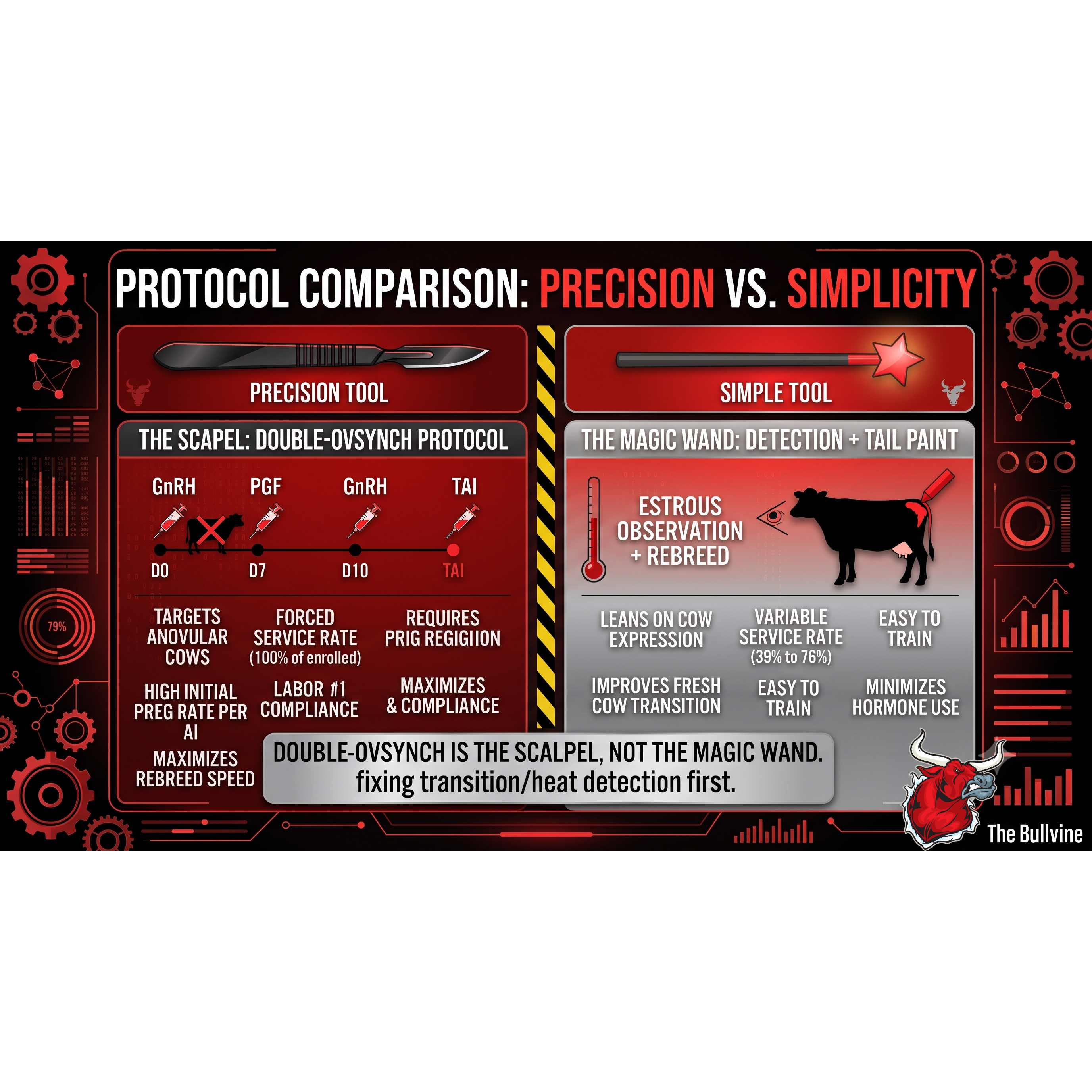
E617 The 18% Trap: One Pregnancy Rate, Two Completely Different Diseases
3w ago00:26:56Tap to summarizeTwo herds hit an 18% 21-day pregnancy rate for completely opposite reasons — and the manager watching conception rate can't tell which battle he's fighting.One herd is missing heats. The other is missing pregnancies. The Bullvine Podcast breaks the 21-day pregnancy rate into its two hidden levers — service rate and conception rate — and shows why the fix for one herd is the exact wrong move for the other. Get it wrong and you spend on hormones a cow will never answer.What You'll LearnWhy conception rate answers the wrong question about your herdHow two herds at 18% can need completely opposite fixesWhere to pull the real numbers in DairyComp and PCDARTWhen Double-Ovsynch earns its keep — and when it's just dressing up a close-up-pen problemWhat a six-point pregnancy rate gain is worth: $18 to $36 per cow per yearThe 30-day repro audit that costs nothing to runSplit your 18% and the diagnosis gets clean: service rate under 50% means fix heat detection first — more hormones won't breed cows that never get bred. Conception rate under 30% points to transition and body condition, not protocols. On Lauber's 2026 numbers, a move from 22% to 28% is worth roughly $9,000 to $18,000 a year in a 500-cow herd. Same number on the screen, very different checkbook decision.Full article and sources: https://www.thebullvine.com/farm-economics-management/21-day-pregnancy-rate-two-herds/ Subscribe for straight-talking dairy analysis. Share this with a producer who needs it.
Transcribe →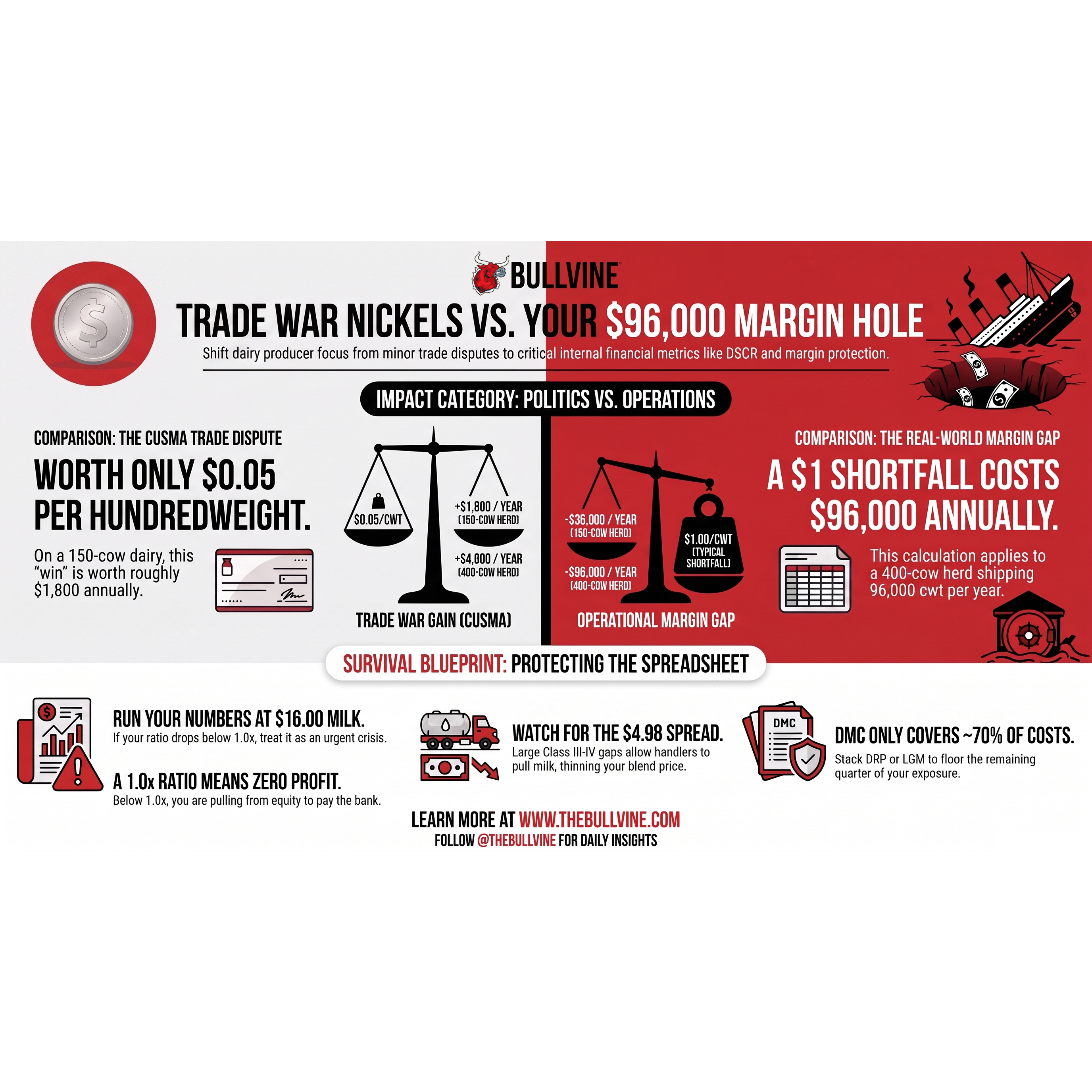
E616 The 5¢ TRQ Fight vs. a $96,000 Hole in Your Milk Check
3w ago00:38:29Tap to summarizeThe CUSMA dairy fight is worth about a nickel per hundredweight. A $4.98 class spread and your debt-coverage ratio are what actually decide if you're still milking in 2030.The Bullvine Podcast lines up the political nickel against a real cost structure: total economic cost hit $23.56/cwt in 2024 against a $21.63 net milk price, and USDA forecasts $20.70 milk for 2026. North Dakota went from 1,810 dairy farms to 23. It wasn't the border — it was depooling, thin blend prices, and lenders who saw the DSCR before the family did.What you'll learn:Why the $200M CUSMA claim shrinks to a nickel per cwt once you do the mathHow a $4.98 Class III–IV spread lets handlers depool and thin your blend priceWhat a $1/cwt shortfall costs a 400-cow herd — roughly $96,000 a yearWhy a sub-1.0× DSCR means your lender already sees trouble you haven't namedA four-step survival plan: stress-test, audit pooling, layer coverage, set an exit floorWhy this episode matters: With 2026 milk forecast near $20.70 and economic cost above $23, the gap is measured in dollars, not the nickel the trade fight might return. Cornell's 2024 data shows the lowest-profit farms running just 0.36× debt coverage. The farms that get restructuring room walk in with a stress test at $16 milk and a plan — not hope. This episode hands you the math to run before your banker runs it for you.Full article and sources: thebullvine.com Subscribe for straight-talking dairy analysis. Share this with a producer who needs it.
Transcribe →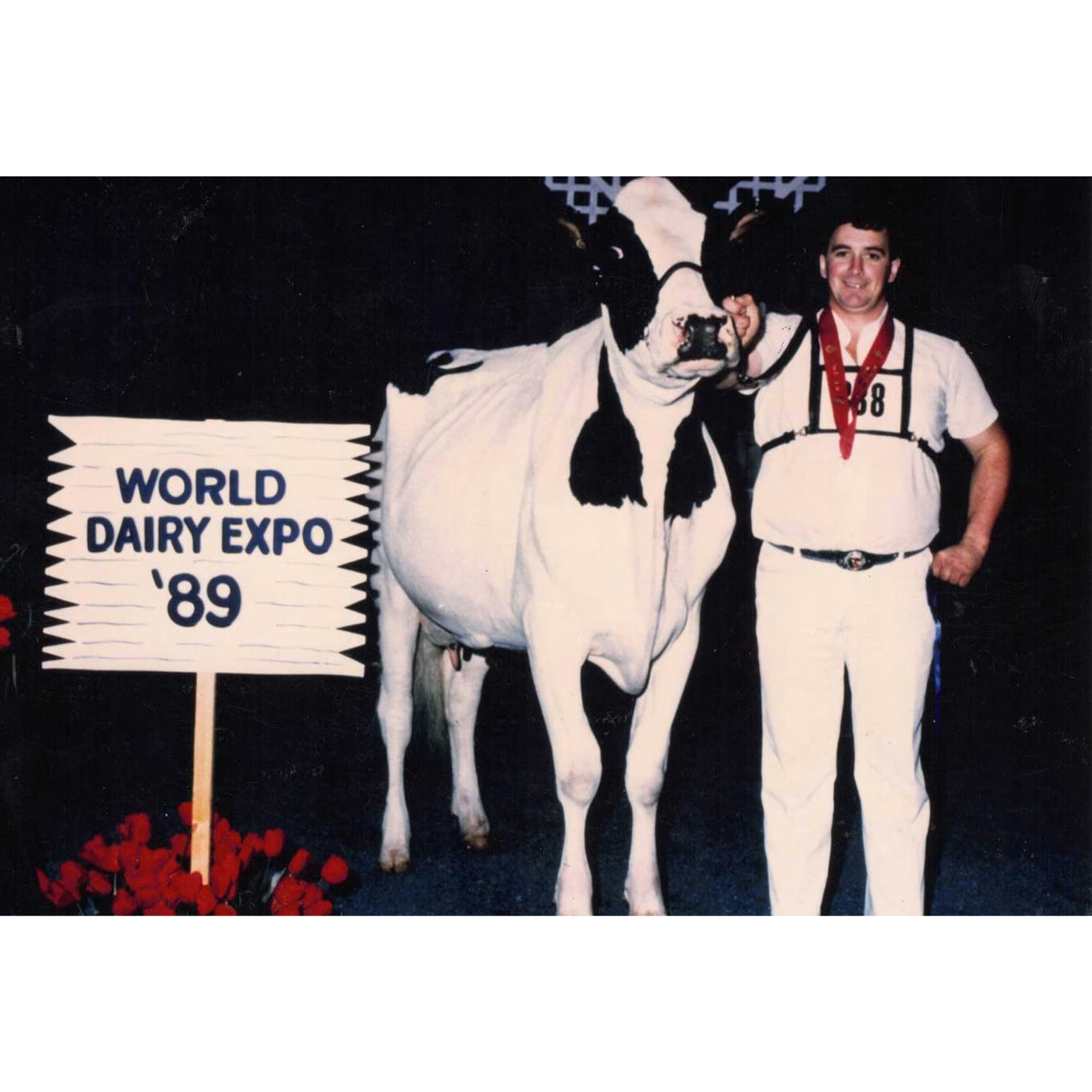
E615 Why Cow Family Beats a +3000 GTPI Calf: The $12,000 Embryo Math Every Breeder Should Run
3w ago00:29:53Tap to summarizeFour millionaire sires from one cow. That's the Comestar Laurie Sheik record — and the reason a genomic number still can't outrank a proven maternal line.The Bullvine Podcast traces the maternal dynasties that built the modern Holstein breed and asks the question most breeders won't: does a legendary cow family still beat a genomic index? From Laurie Sheik's four millionaire sons to Glenridge Citation Roxy EX-97 and Regancrest-PR Barbie, the pattern holds — the best families keep compounding value long after the index that ranked their contemporaries is forgotten.What You'll LearnHow one cow, Laurie Sheik, produced four millionaire sires — and why that's never been matchedWhy a proven maternal line still outperforms a single genomic scoreWhat Glenridge Citation Roxy EX-97 proves about longevity and lasting valueHow Regancrest-PR Barbie won inside the genomic system, not against itWhere real, durable genetic value actually comes from in a breeding programGenomics promised to replace pedigree with a number. The dynasty cows say otherwise. Laurie Sheik's descendants reached 43 countries and over a million doses of semen — value that stacked across generations, not one flashy proof. For any breeder deciding which heifers deserve a stall, the lesson is direct: the depth of the cow family behind an animal still drives the return.Full article and sources: https://www.thebullvine.com/genetics-breeding/cow-family-breeding-embryo-math/ Subscribe for straight-talking dairy analysis. Share this with a producer who needs it.
Transcribe →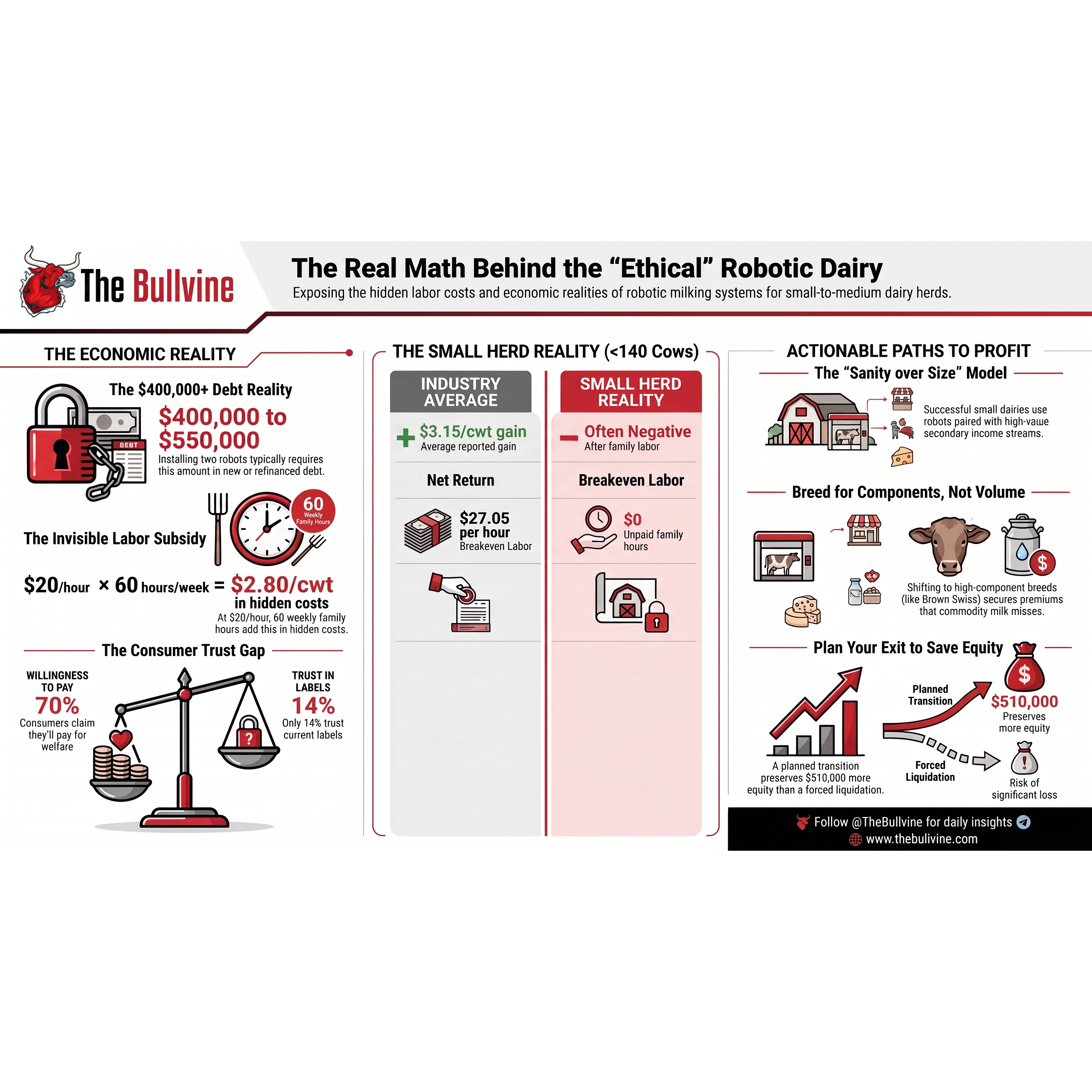
E614 The Hidden Labor Bill That Makes “Ethical Robot Dairies” Pencil — And Who’s Quietly Paying It
3w ago00:31:28Tap to summarizeOnly 28% of robot adopters hit the production gains needed to profit — yet 86% recommend the system. The math and the marketing don't match.The Bullvine Podcast tears into the small "ethical" robot dairy: 100 cows, 2 robots, a calm barn, and a business that often only balances because family labor works for free. We run the real cost per cwt, the $400K capital gap dealers gloss over, and the 61-120 cow "dead zone" where profitability actually drops. If robots are your plan, listen before you sign the quote.What you'll learn:Why robots are a labor solution, not a profitability solutionHow the 61-120 cow range shows decreased profitability with robotsWhy real installed cost runs closer to $400K, not the dealer's $300KWhat the "unpaid family hours" really cost your true price per cwtWhy milking in a robot barn runs about $2.13/cwt vs $1.08 in a parlorThe premium a processor must pay for the welfare story to pay for itselfRobot marketing conflates quality of life with profit — they are different claims. With 2026 all-milk prices projected near $18.95/cwt against small-herd costs of $28+/cwt, a 100-cow commodity dairy doesn't become sustainable just because cows milk themselves. This is the barn math before a six-figure commitment, not after.Full article and sources: https://www.thebullvine.com/management/robotic-milking/robotic-milking-roi-ethical-dairy/ Subscribe for straight-talking dairy analysis. Share this with a producer who needs it.
Transcribe →
E613 The $134,000 Hole You Can’t See: Why “We Paid Our Bills” Is the Most Expensive Sentence in Dairy
3w ago00:21:41Tap to summarizeA 70-cow dairy did everything right last year — healthy cows, full tank, every bill paid — and still lost about $237,000 without ever feeling it. Here's where the money went.The Bullvine Podcast runs the barn math nobody wants to see. At $16.92 per cwt for Class III milk against Cornell's $31 cost of production, the commodity small dairy doesn't pencil out. We break down why the milk check hides the loss, how the 2025 Federal Order change quietly pulled 92 cents per cwt, and the three honest paths open to any small operation today.What You'll LearnWhy "we paid our bills" is the most expensive sentence in dairyHow a profitable-looking farm bleeds six figures a year in equityWhy the $20.70 all-milk forecast isn't the check you actually cashWhat 40 cows and a cheese vat change about the math — and what they don'tWhen exiting with equity beats a heroic rebrandThe one 30-day number that tells you which path you're onThe structural data is brutal: US licensed dairy herds fell 63% from 2004 to 2024 while production climbed, and the 20 to 49 cow class vanished fastest. The under-50-cow herd spends $42.71 per cwt to make milk; the 2,000-plus herd spends $19.14. That $23 gap isn't a rough patch you outwork — it's built into scale. This episode turns that reality into a decision you can make on your own operation.Full article and sources: https://www.thebullvine.com/farm-economics-management/small-dairy-cost-of-production/ Subscribe for straight-talking dairy analysis. Share this with a producer who needs it.
Transcribe →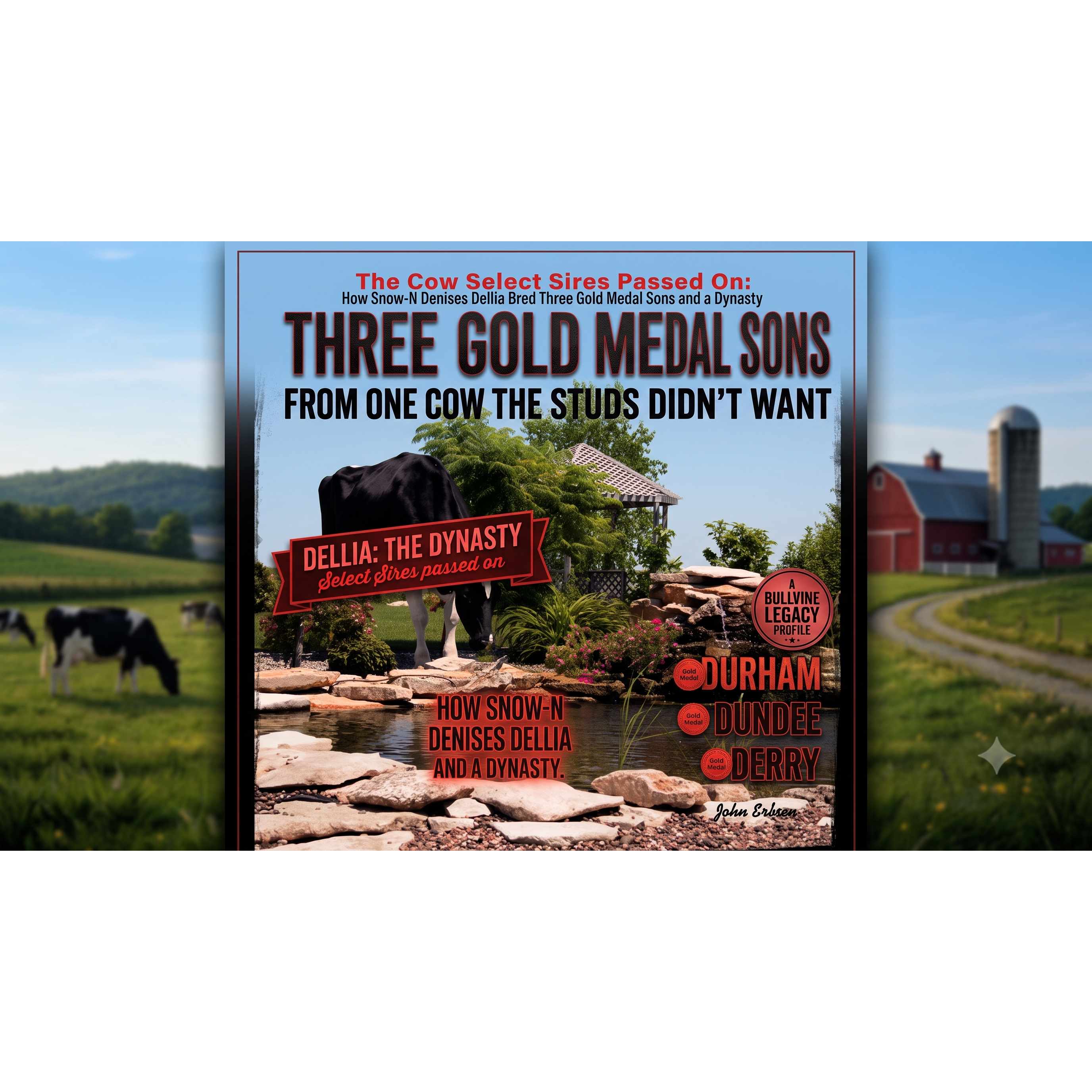
E612 Three Gold Medal Sons From One Cow the Studs Didn’t Want
4w ago00:49:11Tap to summarizeRain-soaked West Salem, Wisconsin, 1989. A breeder named Frank Regan looks up, sees a tall black cow move through the show gate, and can't stop thinking about her. What he didn't know: Select Sires had already passed on her. Her two-year-old milk didn't clear their index. This is the story of how a home-bred cow from the Wisconsin coulees — no franchise money, no famous address — went on to throw three Gold Medal sons and build one of the most consequential Holstein families of the modern era. The eye beat the formula.Key Moments• How two donated straws of Bell semen, won at a barn meeting, set a dynasty in motion• Why Select Sires screened her out — and what their PTA-milk cutoff couldn't see• The night before the show: a warning, a plate of doubt at the Country Kitchen, and four bales of hay• The grand championship — and the three gallons of sand that nearly killed her two months later• How Durham, Dundee, and Derry — three Gold Medal sons by three different sires — stamped Holsteins on two continents• The one thing that set Dellia apart from every contemporary she stood beside: she handed it downYou've seen these names in pedigrees. Regancrest Elton Durham. Regancrest Dundee. You may not have known they trace to a jet-black cow in a 35-head tie-stall near Sparta, and to a breeder patiently swinging his matings between strength and dairy until the pieces clicked. Dellia's influence didn't stop when the genomic era arrived — the sound feet and legs, the stable, trouble-free udders, the durability that keeps a cow milking an extra lactation are the same functional traits breeders still chase on today's proof sheets.Read the full written profile — with photos of Dellia, her dam Snow-N Dorys Denise, and her champion daughter Darlene — at https://www.thebullvine.com/donor-profile/three-gold-medal-sons-from-one-cow-the-studs-didnt-want/, alongside our related histories of Glenridge Citation Roxy and the mothers who built the breed. Subscribe so you never miss a history episode, and share this one with someone who'd know those names in a pedigree.
Transcribe →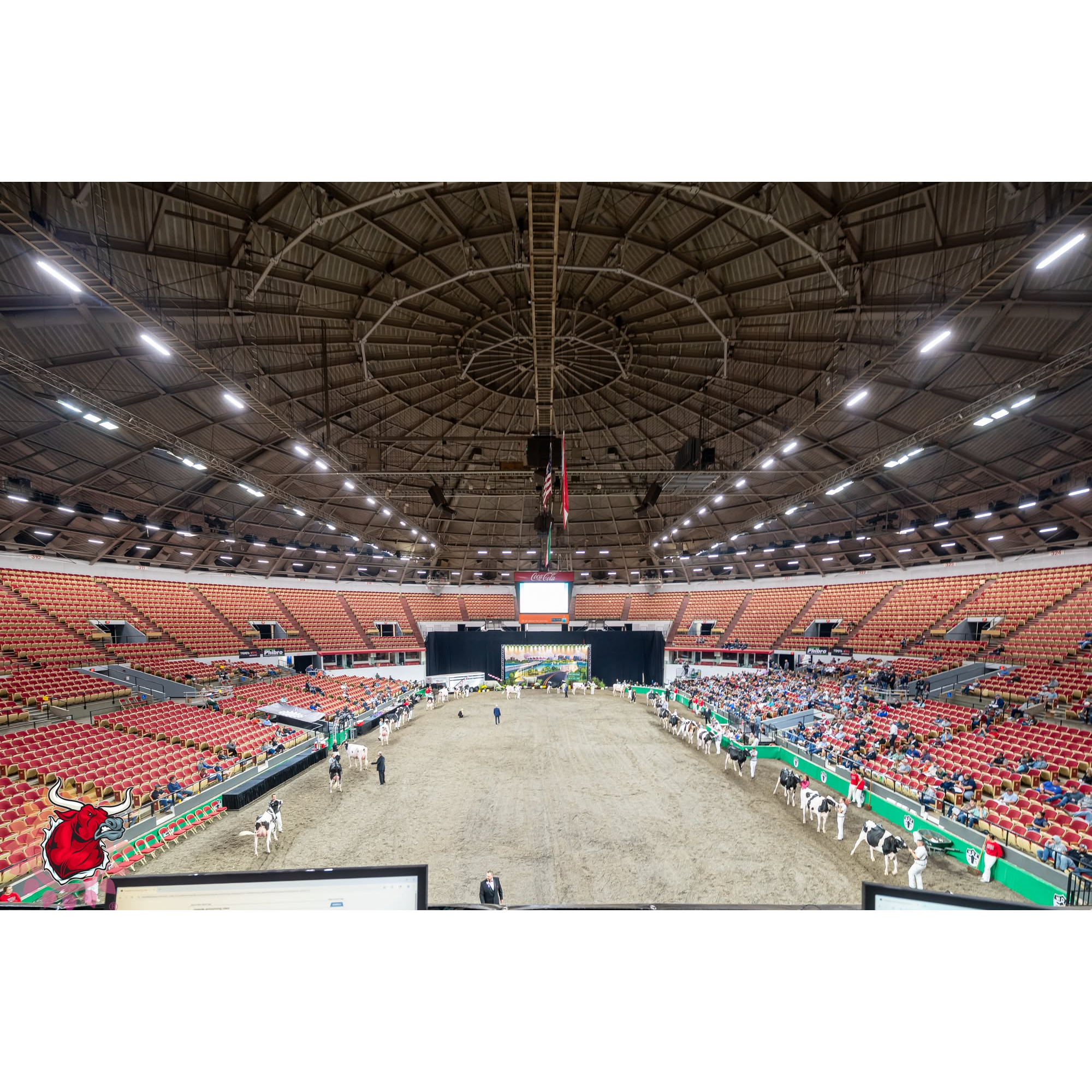
E611 77,204 to 51,525: The World Dairy Expo Conversation We Need to Have
4w ago00:36:50Tap to summarizePicture the lights coming up over the Madison Coliseum. Your heart is hammering against your ribs before your heifer even hits the gate, and the iconic colored shavings stretch out like the most important stage in the entire dairy universe. For one week, it is exactly that. But beneath the glamour of the supreme champion spotlight, a quiet crisis is unfolding. While the cattle on the tanbark have never been more magnificent, one-third of the global audience has walked away, and nearly half of the trade show floor has vanished into thin air. This is the story of an active bleed happening in plain sight—and it will fundamentally challenge how you view the survival of our industry's greatest traditions.The Story You'll HearThe arithmetic that should stop every breeder cold: Inside the sobering reality of a 33% attendance collapse and what it means when the waiting list for exhibitors completely evaporates.Why the cattle didn't fail us: A look at the families who kept their end of the bargain, hauling elite genetics to the ring while the crowd around them cratered.The coffee shop excuse that falls flat: Dismantling the myth of farm consolidation to reveal why large commercial operations actually need precision technology more than ever.When the rest of the world turned the lights on: How overseas shows are creating theatrical rock-concert spectacles, and what happens when an iconic dairy event treats its exhibition like an afterthought.Four bold fixes to reclaim the stage: A blueprint for modernizing lead data, rebuilding the youth pipeline, and capturing the underground genetic economy before it leaves the grounds.This episode isn't a technical breakdown of breeding indexes or barn design—it is a raw look at the cultural and economic heartbeat of the elite dairy world. At its center is an uncompromised defense of the show ring, balanced against a fierce critique of the complacency surrounding it. Whether you are a multi-generation master breeder who lives for the tanbark, a commercial operator looking for the next leap in ag tech, or an allied industry professional evaluating your marketing ROI, this conversation matters. It bridges the gap between traditional show-ring passion and cold, hard corporate reality, exposing how structural changes can quietly erode the institutions we love if nobody has the courage to say the numbers out loud.Don't let this conversation die in the barn aisles. Hit subscribe to stay locked into The Bullvine Podcast, and visit https://www.thebullvine.com/show-reports/world-dairy-expo/world-dairy-expo-attendance-decline/ to read the full analytical breakdown, explore our 4-pillar industry commentary, and access related resources. If you have an perspective on the future of our industry's major exhibitions, connect with us on social media and voice your view.
Transcribe →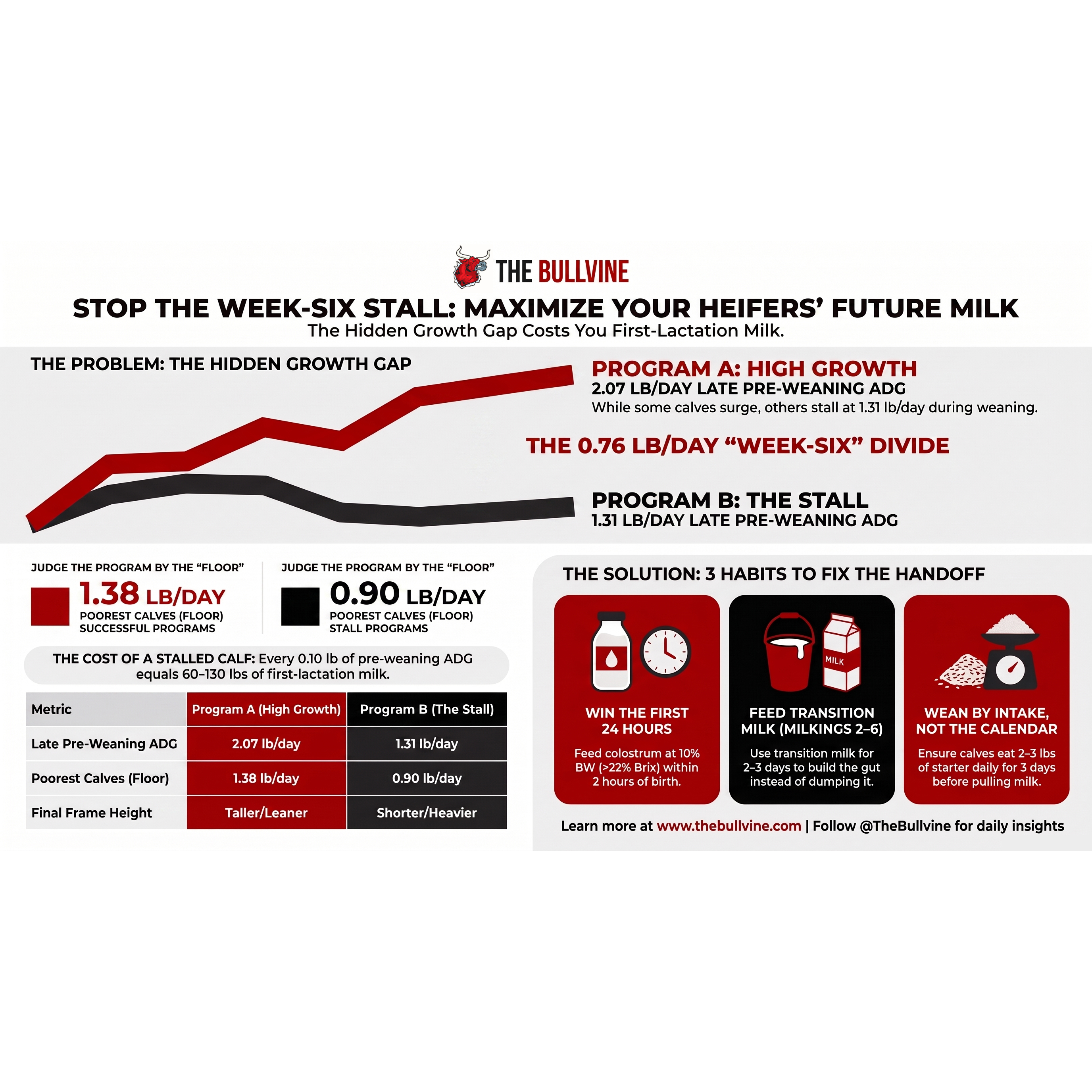
E610 1.38 vs 0.90: The Calf Number That Predicts Your Worst Heifers
4w ago00:24:19Tap to summarizeYour average calf will lie to you. Your bottom tier won't. One farm's poorest calves gained 1.38 lb/day on one program and 0.90 on another — same barn, same week.That gap is the week-six stall, and most farms never put a number on it. The Bullvine Podcast breaks down a 39-calf comparison of two commercial calf programs: 1.73 vs 1.39 lb/day overall, 2.07 vs 1.31 in the late pre-weaning phase. A 0.34 lb/day edge projects to roughly 205 to 440 pounds more first-lactation milk per heifer — before you buy new genetics or a new barn.What you'll learn:Why the week-six handoff, not the calf, stalls your growth curveHow the stall gets set in the first 24 hours through colostrumWhy starter intake — not milk — builds the rumen for weaningWhat 0.34 lb/day is worth at $21/cwt across 100 replacementsThe four blunt questions that expose your own weaning planWhy intake-plus-age beats weaning by the calendarWhy this matters: Heifer raising is the second-largest expense on most U.S. dairies at $2.65 to $3.15 a day, and a stalled calf bills you twice — a softer first lactation plus extra rearing days before she calves. Read your bottom tier, not your average, and the fix costs management, not capital. One caveat the source is honest about: this is a single-farm report, not a controlled multi-herd trial, so treat the size of the gap as directional.Full article and sources: https://www.thebullvine.com/farm-economics-management/pre-weaning-average-daily-gain-calf-stall/ Subscribe for straight-talking dairy analysis. Share this with a producer who needs it.
Transcribe →
E609 The Best Dairy Business School Isn’t a School — It’s the Judging Ring
4w ago00:23:07Tap to summarizeA nervous 19-year-old defends a snap decision on four strange cows in under two minutes. That two-minute speech is worth more than a semester of lectures.Dairy loses 38.8% of its workforce a year, at $15,000 to $25,000 a head — and it's underfunding the one proven pipeline that builds people who can communicate, decide under pressure, and stay. This episode of The Bullvine Podcast makes the case that dairy cattle judging is the industry's best-kept leadership program, and traces where the ring's alumni actually end up.What You'll LearnWhy oral reasons train the exact skills a lender meeting demandsHow one judging-trained hire can offset a full turnover eventWhy "blue-ribbon kids" matter more than blue ribbonsWhat the Canadian youth model gets right that most programs missWhy fewer, bigger farms need managers the ring already buildsHow judging alumni end up at Zoetis, Select Sires, and ever.agTurnover on a 10-person dairy can bleed $60,000 to $100,000 a year, a lot of it from hiring people who can't communicate or make a call. A century-old contest already produces those people — yet colleges are cutting teams as the workforce gap widens. The barn math says one retained hire pays for a lot of contest entry fees.Full article and sources: https://www.thebullvine.com/farm-economics-management/dairy-cattle-judging-business-school/ Subscribe for straight-talking dairy analysis. Share this with a producer who needs it.
Transcribe →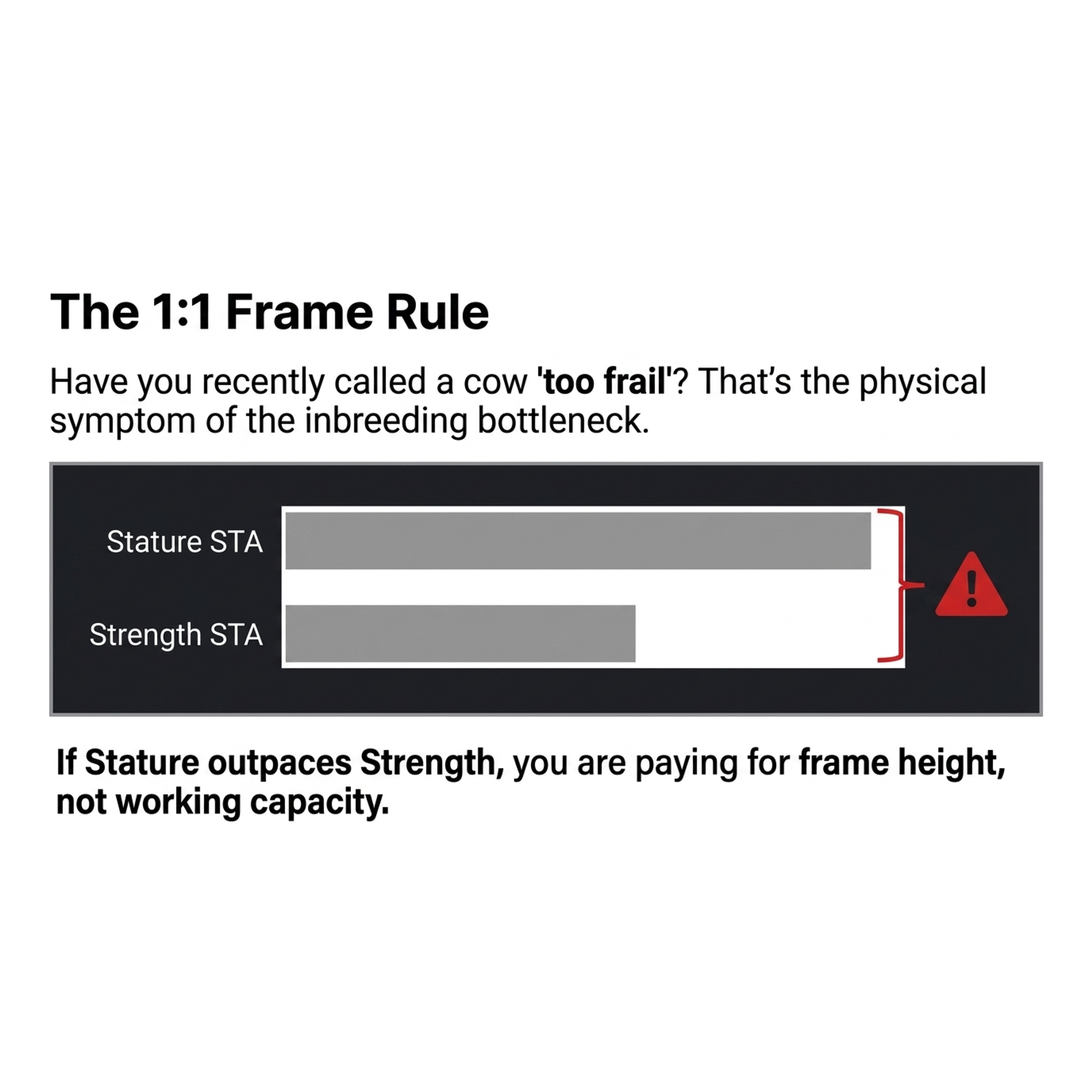
E608 Dairy Strength, Not Height: The Proof Rule Hiding in Every Holstein Pedigree
Jul 600:27:28Tap to summarizeCanadian Holstein heifers just crossed 9.99% inbreeding — the highest of any major breed — and it's quietly dragging money off every cow while your index looks the other way.The Bullvine Podcast breaks down the inbreeding tax: roughly $44 per cow for every 1% over baseline in lifetime drag, plus $60 to $100 per cow, per lactation in the herds carrying the most. Net Merit and TPI don't penalize it — that math lives entirely in your matings. We cover why it's happening, and the one linear rule that separates real dairy strength from expensive frailty.What You'll LearnWhy 99.84% of active Holstein AI bulls trace back to just two 1960s grandfathersHow a 5-point inbreeding jump costs a cow 92 kg milk and 65 days of productive lifeThe 1:1 Frame Rule — if Stature STA beats Strength STA, you're buying height, not cowWhy your index won't manage inbreeding, and what actually doesThe 3-step audit to run before your next semen orderInbreeding depression doesn't send an invoice — it shows up as the cow that won't settle, the calf that never thrives, the good one that leaves early. At 9.99% and climbing roughly three times faster in the genomic era, the drift compounds silently. This episode turns it into barn math you can act on: know your herd number, set a mating ceiling, and check strength against stature before you order.Listen & Connect Full article and sources: https://www.thebullvine.com/genetics-breeding/holstein-inbreeding-999-strength-stature/ Subscribe for straight-talking dairy analysis. Share this with a producer who needs it.
Transcribe →