Podcast
The Burning of the Midnight Amp
Hosted by Frode, Trond & Chris · EN
Three Norwegian music enthusiasts delve into the rich tapestry of albums spanning genres and eras. Discover the stories behind the recordings, the artists who crafted them, and the tales their tracks tell.
Connect with us on
Instagram: @burningmidnightamp
Facebook: @midnightamp
Email: burningmidnightamp@gmail.com
16episodes
Episodes
Newest firstAll episodes
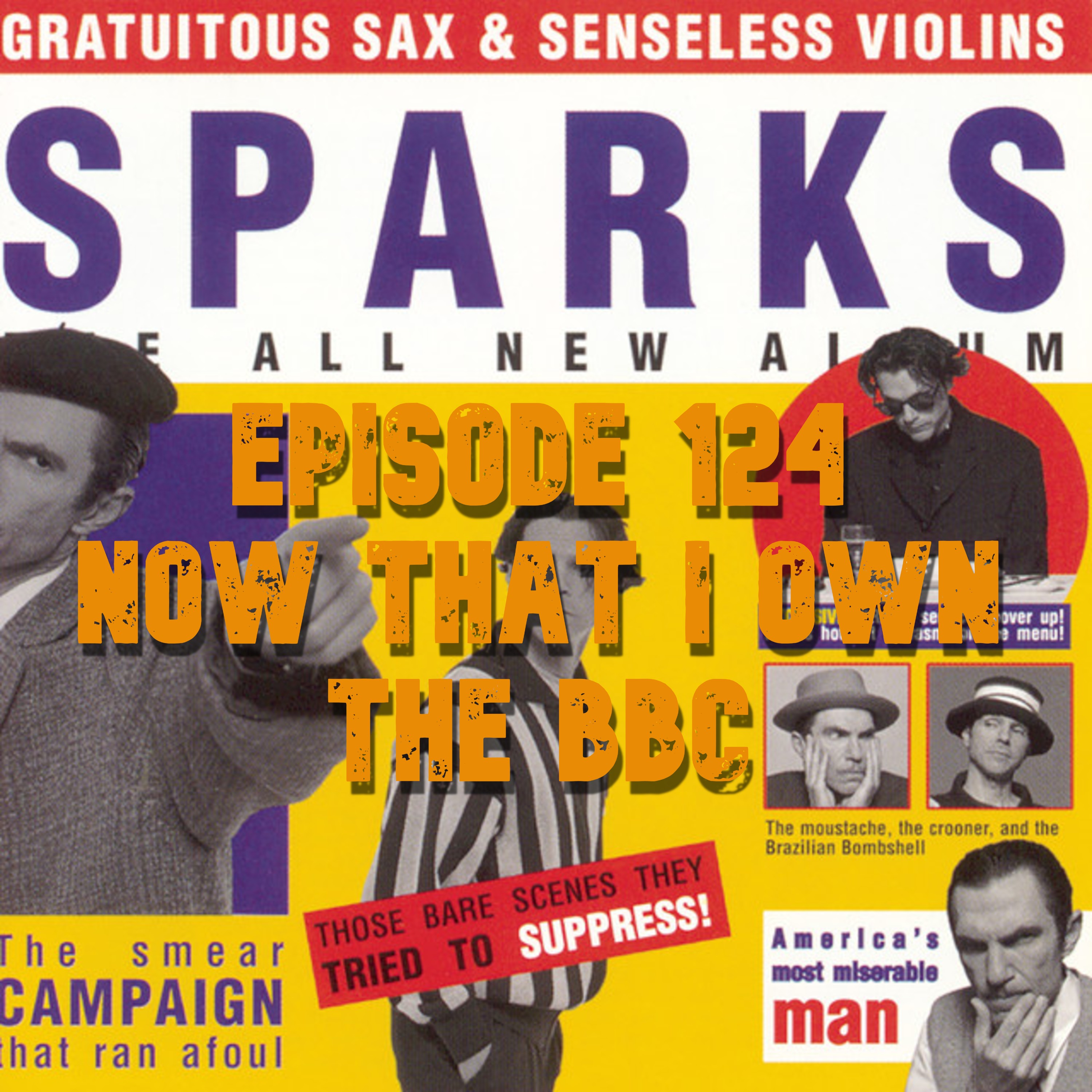
124: Sparks - Gratuitous Sax and Senseless (1994) - Now That I Own the BBC
2w ago00:18:50Tap to summarizeSparks take one of their most absurd ideas and somehow turn it into an irresistibly catchy pop song. In this episode, we explore "Now That I Own the BBC," a playful satire built around the unlikely premise of accidentally buying Britain's national broadcaster for five pounds.We discuss the song's infectious 90s Europop sound, its tongue-in-cheek lyrics, the many remixes it inspired, and the wonderfully surreal music video. We also compare the bright, upbeat album version with Ron Mael's much darker spoken-word reading of the lyrics, revealing a completely different side to one of the album's most entertaining singles.
Transcribe →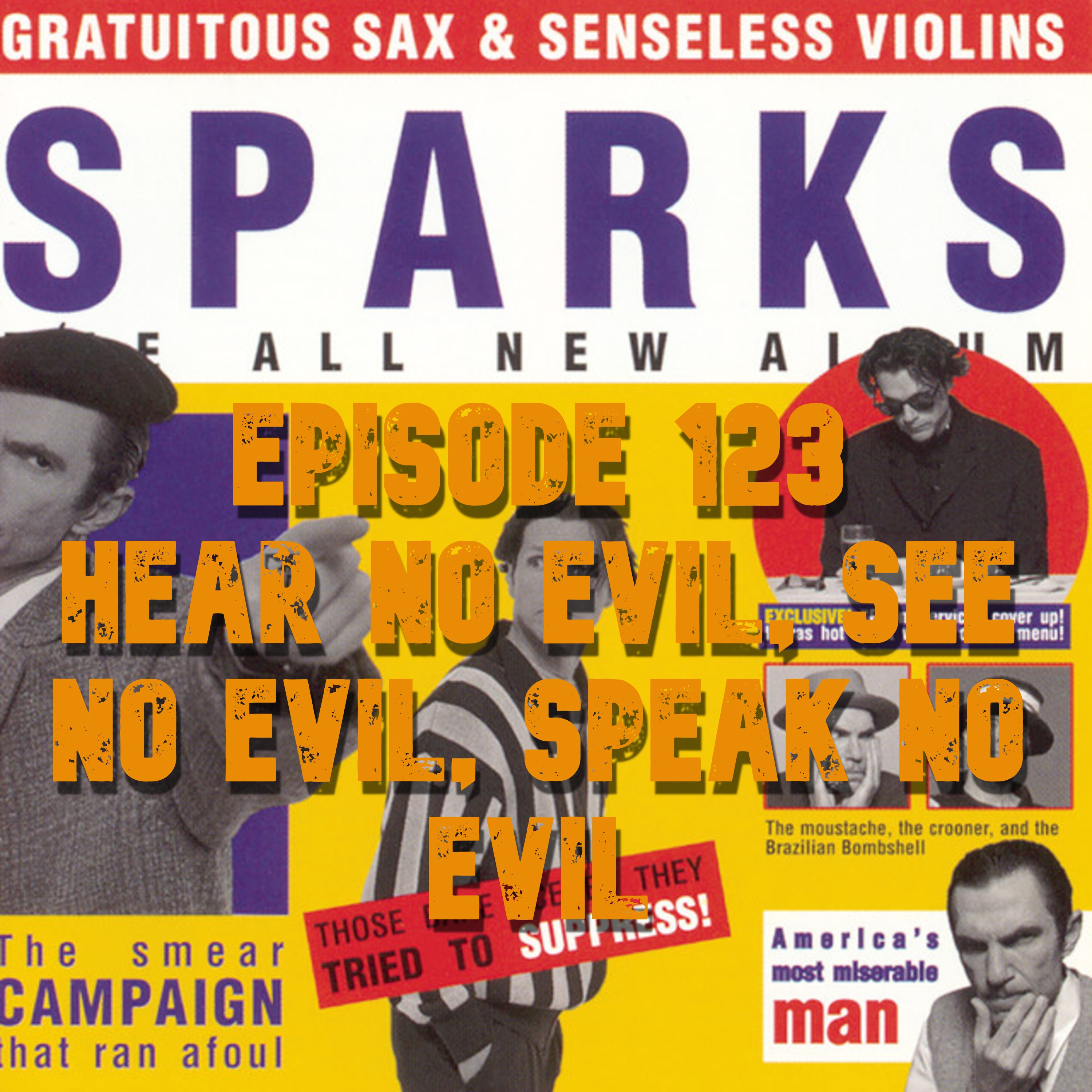
123: Sparks - Gratuitous Sax and Senseless (1994) - Hear No Evil, See No Evil, Speak No Evil
3w ago00:08:38Tap to summarizeSparks close out Side A of Gratuitous Sax & Senseless Violins with one of the album's most atmospheric and rewarding deep cuts. In this episode, we explore "Hear No Evil, See No Evil, Speak No Evil", a song that blends hypnotic trip-hop grooves, intricate electronic production and one of Russell Mael's most impressive vocal performances.We discuss the song's striking production, its dark historical references to Hillary Clinton, Madame Mao and Cleopatra, the subtle rap-inspired delivery, and why this overlooked album track deserves far more attention than it has received. A hidden gem from one of Sparks' strongest albums.
Transcribe →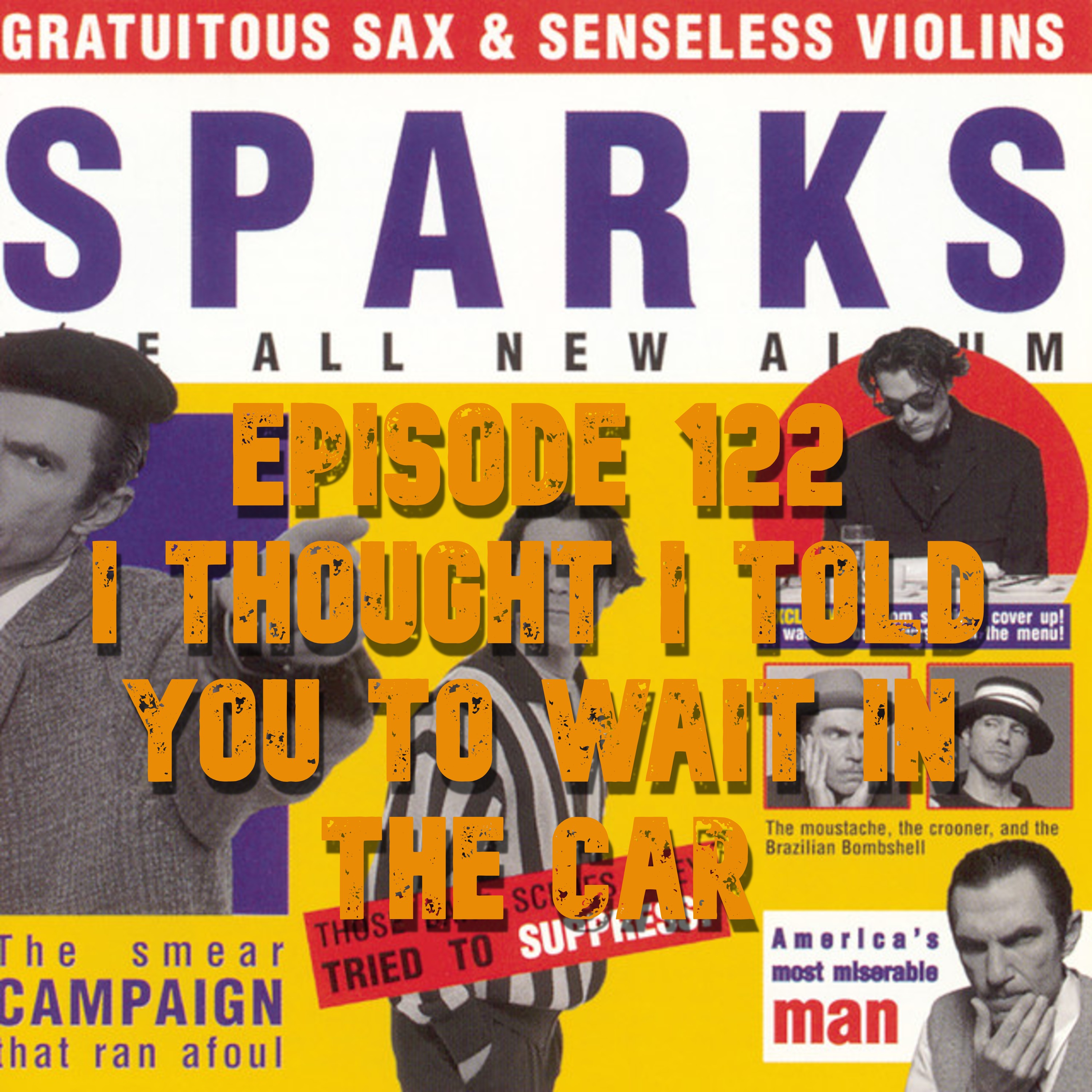
122: Sparks - Gratuitous Sax and Senseless (1994) - I Thought I Told You To Wait in the Car
3w ago00:11:52Tap to summarizeSparks take one of their most delightfully bizarre detours with "I Thought I Told You to Wait in the Car." Mixing operatic vocals, pounding electronic beats and Middle Eastern-inspired textures, the result is unlike almost anything else in their catalogue—and yet unmistakably Sparks.In this episode, we discuss why this unlikely combination somehow works, Chris' memorable "caviar and chocolate" analogy, the song's wonderfully absurd lyrics, and one of the album's most adventurous deep cuts. We also revisit a rare live performance from 1995 and ask whether this strange musical experiment is pure genius or simply gloriously eccentric.
Transcribe →
121: Sparks - Gratuitous Sax and Senseless (1994) - Frankly, Scarlett, I Don't Give a Damn
4w ago00:13:12Tap to summarizeAfter the high-energy rush of the album's opening singles, Sparks take a sharp turn with one of the most atmospheric tracks on Gratuitous Sax & Senseless Violins. In this episode, we explore "Frankly, Scarlett, I Don't Give a Damn", a hypnotic blend of cinematic storytelling, layered vocals, and subtle electronic textures.Inspired by one of the most famous movie quotes of all time, the song transforms Gone with the Wind into something unmistakably Sparks. We discuss its haunting production, the unusual vocal arrangements, the literary references, and why this overlooked album track has become one of our personal favourites on the record.
Transcribe →120: Sparks - Gratuitous Sax and Senseless (1994) - (When I Kiss You) I Hear Charlie Parker Playing
Jul 700:16:19Tap to summarizeSparks keep the momentum going with one of the standout singles from Gratuitous Sax & Senseless Violins. In this episode, we dive into "When I Kiss You (I Hear Charlie Parker Playing)", a fast-paced, euphoric slice of 90s synth-pop that combines Pet Shop Boys-style production with unmistakably Sparks lyrics.We discuss the song's whirlwind energy, its references to Charlie Parker, Frank Lloyd Wright and Tennessee Williams, the many remixes it inspired, and why it became one of the defining singles from Sparks' 90s resurgence. Along the way, we also explore its stylish music video and some fascinating alternative versions that show just how versatile the song really is.
Transcribe →
119: Sparks - Gratuitous Sax and Senseless (1994) - When Do I Get to Sing "My Way"
Jul 300:27:46Tap to summarizeSparks are back—and so is one of the defining songs of their entire career.In this episode, we discuss "When Do I Get to Sing My Way?", the breakthrough single from Gratuitous Sax & Senseless Violins and the song that finally gave the Mael brothers the recognition they had been chasing for years. We explore why it became such a pivotal moment in the band's history, the autobiographical themes behind the lyrics, its chart success across Europe, the many remixes and cover versions it inspired, and the striking music video that perfectly captures the song's bittersweet message.A true Sparks classic—and one of the highlights of their remarkable catalogue.
Transcribe →
118: Sparks - Gratuitous Sax and Senseless (1994) - Gratuitous Sax
Jun 3000:07:18Tap to summarizeIn this episode, we begin our journey through Sparks’ 1994 comeback album Gratuitous Sax & Senseless Violins with its brief but memorable opening vignette, “Gratuitous Sax.”Though lasting less than a minute, the track serves as both a playful title pun and a statement of intent, linking the band’s 1990s reinvention to the wit and theatricality that had always defined Sparks. We discuss its connections to earlier albums, its role as an album prologue, and how such a small piece manages to encapsulate the Mael brothers’ distinctive sense of humor.A short track, a short episode—but an intriguing doorway into one of the most celebrated periods of the Sparks catalogue.
Transcribe →
117: Sparks - National Crime Awareness Week (1993)
Jun 2600:17:31Tap to summarizeBefore Gratuitous Sax & Senseless Violins arrived in 1994, Sparks gave fans a first glimpse of their new direction with the standalone single “National Crime Awareness Week.” Released in late 1993 and later associated with the album’s era, the song marked the duo’s return after years spent on abandoned film projects, soundtrack work, and life away from the spotlight.In this episode, we explore how a track originally connected to the film Unlawful Entry became the bridge between the lost years of the late 1980s and Sparks’ remarkable 1990s comeback. We discuss the role of Scottish dance act Finitribe in reshaping the song, the rise of remix culture, and the first signs of the electronic, club-oriented sound that would define the next phase of the Mael brothers’ career.Musically, “National Crime Awareness Week” is unlike anything Sparks had released before: part dance track, part dark comedy, and entirely built around one of Ron Mael’s wonderfully absurd concepts. Along the way, we also touch on the song’s many remixes, its connection to Psycho, the accompanying music video, and how it paved the way for the success of Gratuitous Sax & Senseless Violins.A curious, quirky, and distinctly Sparks-like detour into early-90s electronic music — and the first step toward one of the band’s most celebrated comebacks.
Transcribe →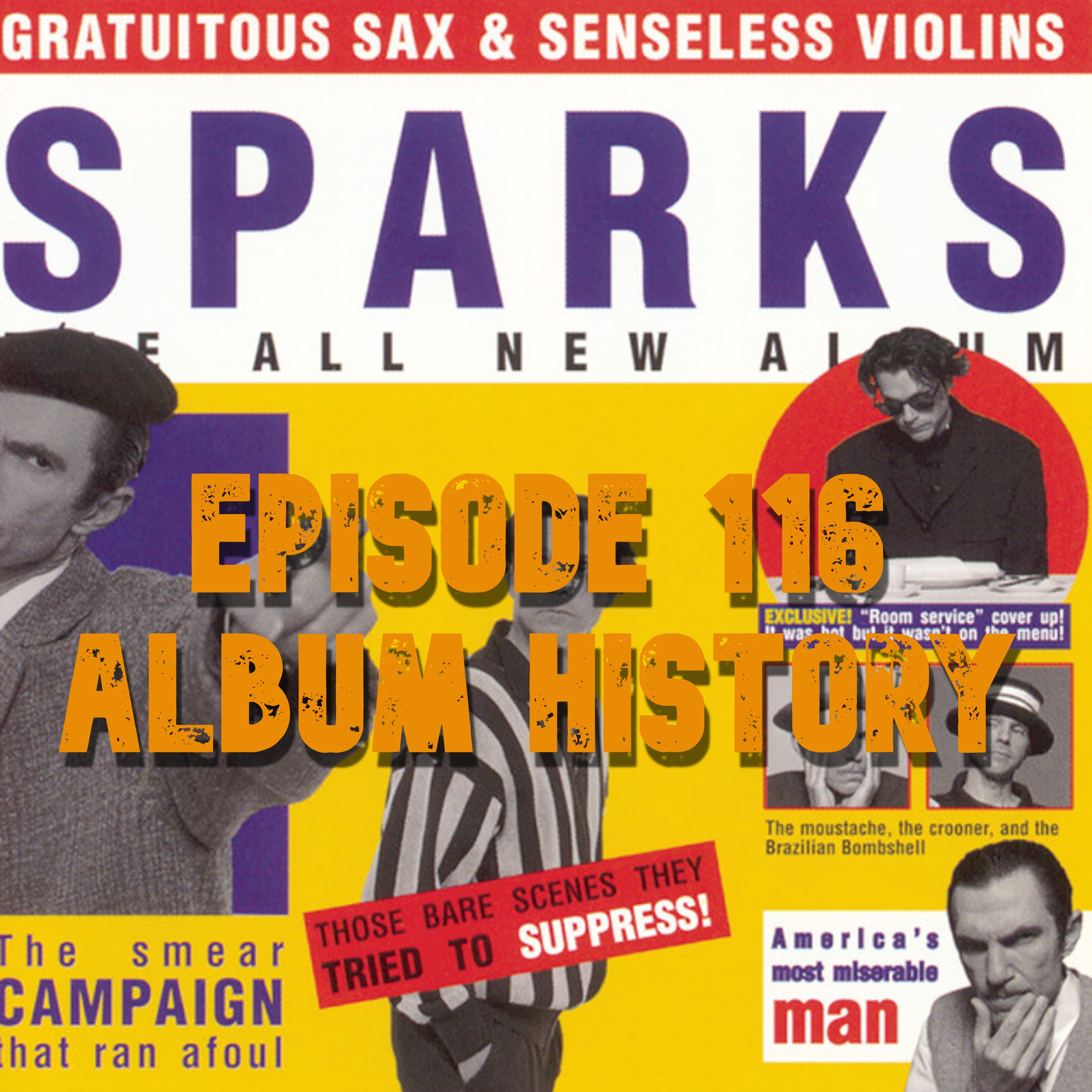
116: Sparks - Gratuitous Sax and Senseless Violins - Album history
Jun 2300:52:23Tap to summarizeAfter six years away from the album format, Sparks returned in 1994 with Gratuitous Sax & Senseless Violins — an album that would reignite their career and introduce them to a whole new audience.In this episode, we explore the story behind one of the most important comebacks in the band's history. Following the commercial struggles of the late 1980s, Ron and Russell Mael spent years developing the ill-fated Mai, the Psychic Girl film project, wondering whether their musical future was slipping away. Yet while the brothers were largely absent from the spotlight, a new generation of artists — from Morrissey to Depeche Mode and Pet Shop Boys — openly acknowledged Sparks' influence.We follow the road back: the abandoned collaborations, the rise of remix culture, the breakthrough of National Crime Awareness Week, the German label that believed in them, and the creation of an album that fused contemporary dance music with unmistakably Sparks-like wit and lyrical ambition. Along the way we discuss the changing musical landscape of the early 1990s, the band's surprising return to touring, the arrival of drummer Christy Hayden, and how songs like When Do I Get to Sing "My Way", When I Kiss You (I Hear Charlie Parker Playing) and Now That I Own the BBC helped Sparks find success once again.By the mid-1990s, Sparks were no longer chasing trends — they were proving that they could thrive in a musical world that had finally caught up with them.In this episode, we dive into the history of Gratuitous Sax & Senseless Violins and the remarkable comeback that set the stage for the next chapter of the Sparks story.
Transcribe →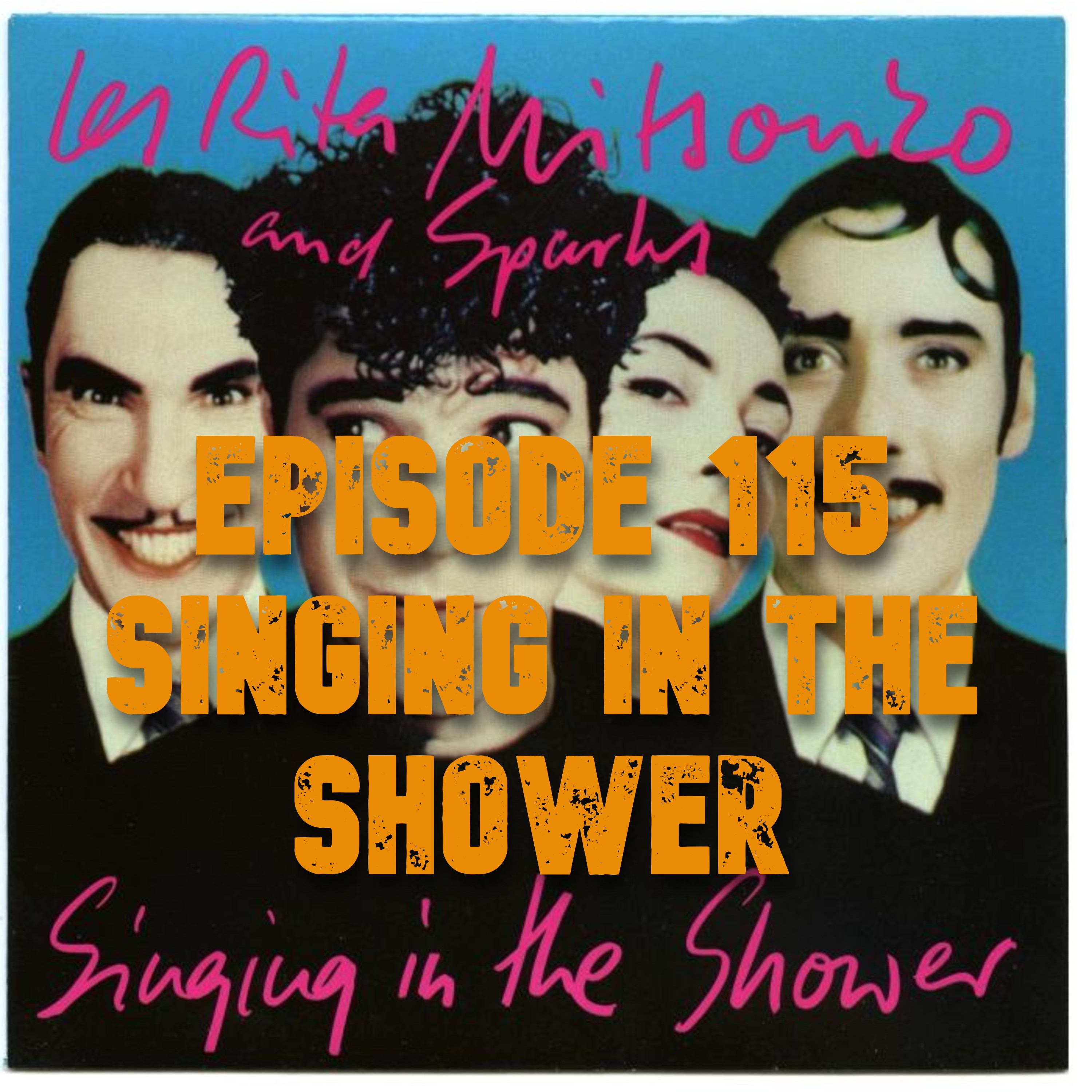
115: Sparks & Les Rita Mitsouko - Singing in the Shower (1988)
Jun 900:09:21Tap to summarizeBefore Sparks move into the 90s, we stop by their 1988 collaboration with French duo Les Rita Mitsouko. “Singing in the Shower” brings Ron and Russell together with Catherine Ringer and Fred Chichin, Tony Visconti producing, and a bathroom full of sharp, playful pop energy.We talk about how naturally the two bands fit together, the song’s infectious chorus, its French chart success, the crowded shower video, and Ron’s later tribute to Catherine and the late Fred Chichin.
Transcribe →