Podcast
The Burning of the Midnight Amp
Hosted by Frode, Trond & Chris · EN
Three Norwegian music enthusiasts delve into the rich tapestry of albums spanning genres and eras. Discover the stories behind the recordings, the artists who crafted them, and the tales their tracks tell.
Connect with us on
Instagram: @burningmidnightamp
Facebook: @midnightamp
Email: burningmidnightamp@gmail.com
20episodes
Episodes
Newest firstAll episodes
118: Sparks - Gratuitous Sax and Senseless (1994) - Gratuitous Sax
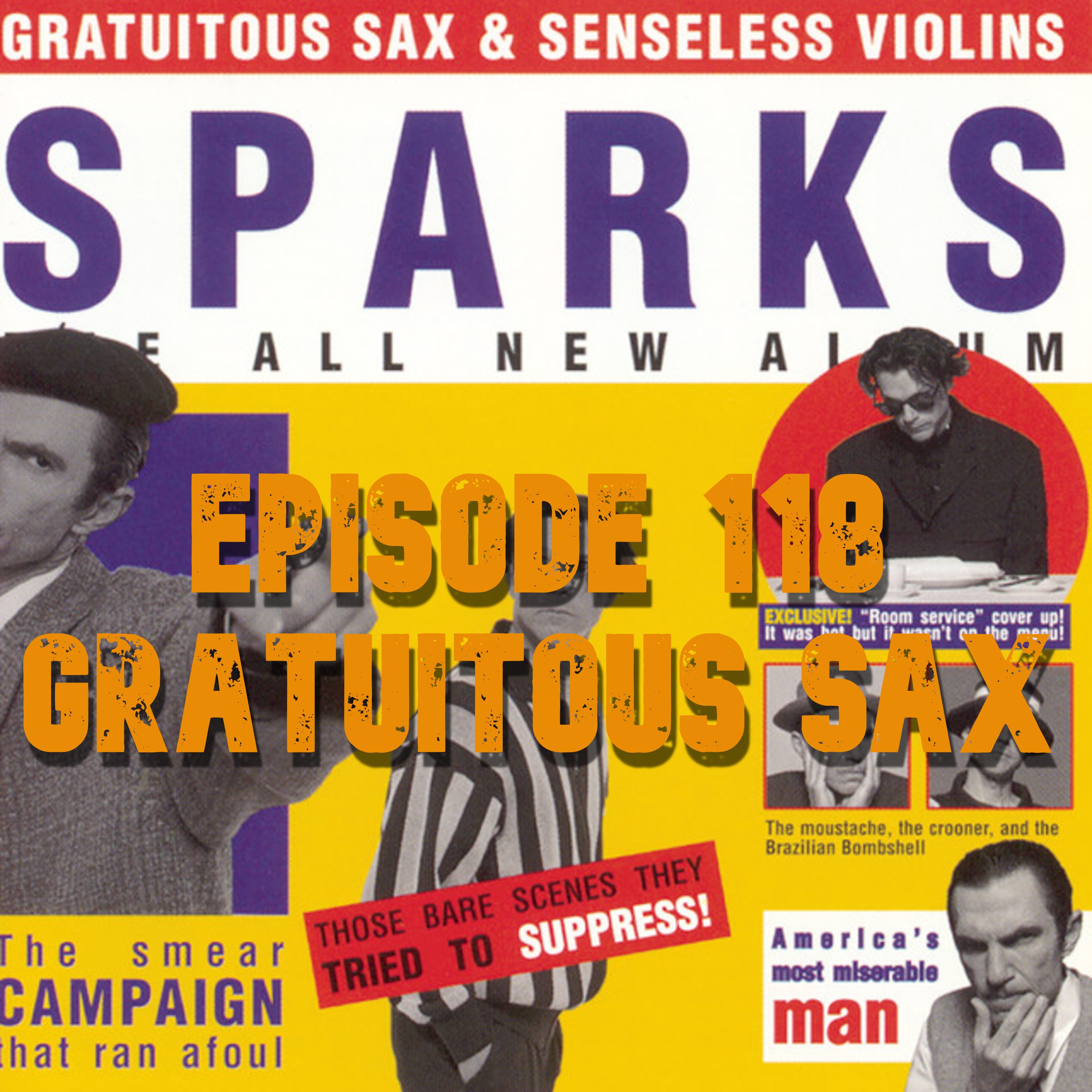
Jun 3000:07:18Tap to summarizeIn this episode, we begin our journey through Sparks’ 1994 comeback album Gratuitous Sax & Senseless Violins with its brief but memorable opening vignette, “Gratuitous Sax.”Though lasting less than a minute, the track serves as both a playful title pun and a statement of intent, linking the band’s 1990s reinvention to the wit and theatricality that had always defined Sparks. We discuss its connections to earlier albums, its role as an album prologue, and how such a small piece manages to encapsulate the Mael brothers’ distinctive sense of humor.A short track, a short episode—but an intriguing doorway into one of the most celebrated periods of the Sparks catalogue.
Transcribe →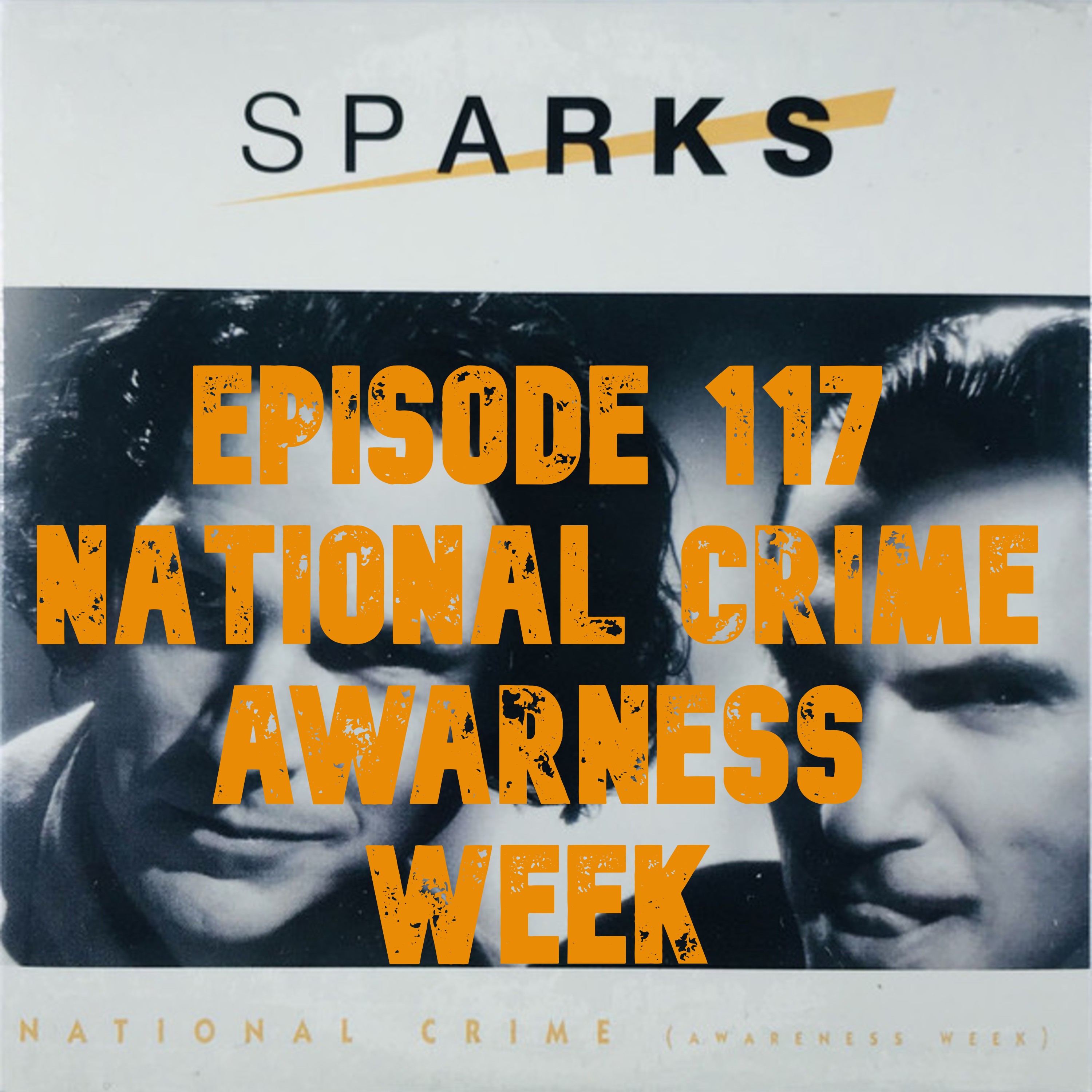
117: Sparks - National Crime Awareness Week (1993)
Jun 2600:17:31Tap to summarizeBefore Gratuitous Sax & Senseless Violins arrived in 1994, Sparks gave fans a first glimpse of their new direction with the standalone single “National Crime Awareness Week.” Released in late 1993 and later associated with the album’s era, the song marked the duo’s return after years spent on abandoned film projects, soundtrack work, and life away from the spotlight.In this episode, we explore how a track originally connected to the film Unlawful Entry became the bridge between the lost years of the late 1980s and Sparks’ remarkable 1990s comeback. We discuss the role of Scottish dance act Finitribe in reshaping the song, the rise of remix culture, and the first signs of the electronic, club-oriented sound that would define the next phase of the Mael brothers’ career.Musically, “National Crime Awareness Week” is unlike anything Sparks had released before: part dance track, part dark comedy, and entirely built around one of Ron Mael’s wonderfully absurd concepts. Along the way, we also touch on the song’s many remixes, its connection to Psycho, the accompanying music video, and how it paved the way for the success of Gratuitous Sax & Senseless Violins.A curious, quirky, and distinctly Sparks-like detour into early-90s electronic music — and the first step toward one of the band’s most celebrated comebacks.
Transcribe →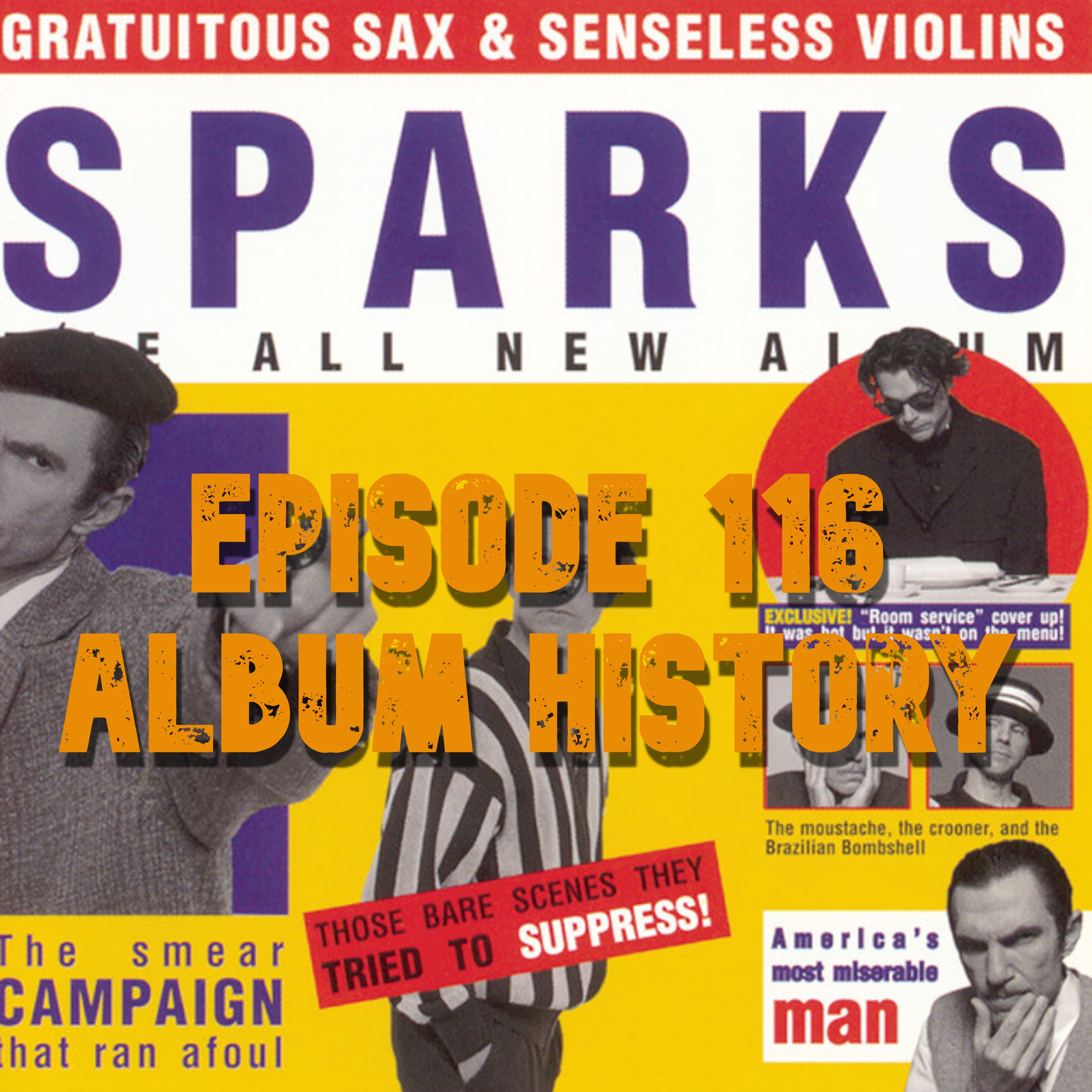
116: Sparks - Gratuitous Sax and Senseless Violins - Album history
Jun 2300:52:23Tap to summarizeAfter six years away from the album format, Sparks returned in 1994 with Gratuitous Sax & Senseless Violins — an album that would reignite their career and introduce them to a whole new audience.In this episode, we explore the story behind one of the most important comebacks in the band's history. Following the commercial struggles of the late 1980s, Ron and Russell Mael spent years developing the ill-fated Mai, the Psychic Girl film project, wondering whether their musical future was slipping away. Yet while the brothers were largely absent from the spotlight, a new generation of artists — from Morrissey to Depeche Mode and Pet Shop Boys — openly acknowledged Sparks' influence.We follow the road back: the abandoned collaborations, the rise of remix culture, the breakthrough of National Crime Awareness Week, the German label that believed in them, and the creation of an album that fused contemporary dance music with unmistakably Sparks-like wit and lyrical ambition. Along the way we discuss the changing musical landscape of the early 1990s, the band's surprising return to touring, the arrival of drummer Christy Hayden, and how songs like When Do I Get to Sing "My Way", When I Kiss You (I Hear Charlie Parker Playing) and Now That I Own the BBC helped Sparks find success once again.By the mid-1990s, Sparks were no longer chasing trends — they were proving that they could thrive in a musical world that had finally caught up with them.In this episode, we dive into the history of Gratuitous Sax & Senseless Violins and the remarkable comeback that set the stage for the next chapter of the Sparks story.
Transcribe →
115: Sparks & Les Rita Mitsouko - Singing in the Shower (1988)
Jun 900:09:21Tap to summarizeBefore Sparks move into the 90s, we stop by their 1988 collaboration with French duo Les Rita Mitsouko. “Singing in the Shower” brings Ron and Russell together with Catherine Ringer and Fred Chichin, Tony Visconti producing, and a bathroom full of sharp, playful pop energy.We talk about how naturally the two bands fit together, the song’s infectious chorus, its French chart success, the crowded shower video, and Ron’s later tribute to Catherine and the late Fred Chichin.
Transcribe →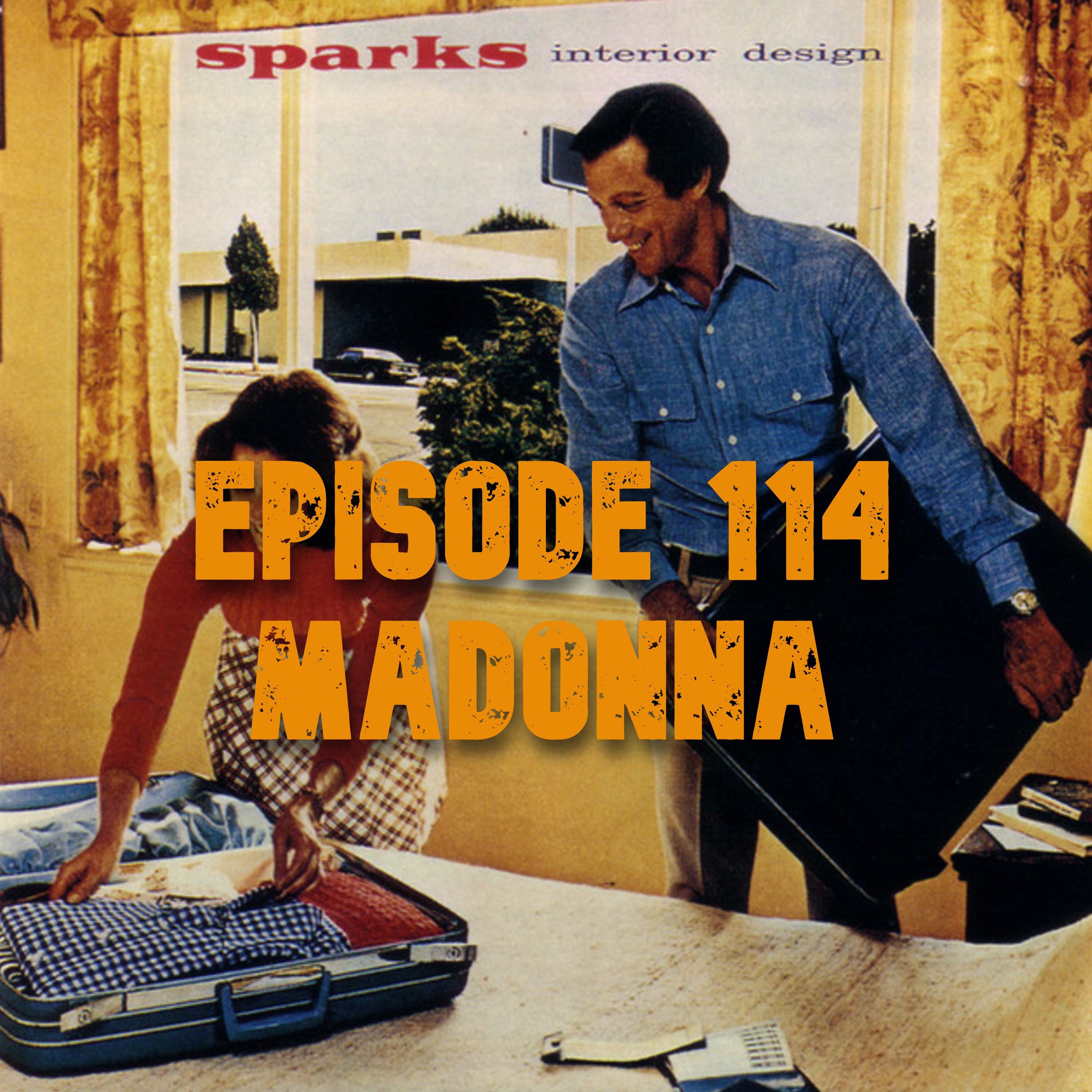
114: Sparks - Interior Design (1988) - Madonna
Jun 500:15:03Tap to summarizeInterior Design ends with “Madonna” — and if the album has often felt more sincere and polished than expected, this is Sparks snapping back into full storytelling mode.Built around a spoken-word encounter with the most famous pop star on earth, the song is funny, strange, and oddly poignant. It imagines Sparks brushing up against the kind of fame that had largely passed them by in the late 80s — a fantasy limousine ride with someone who had the champagne they never quite received.We also take stock of the album as a whole: far stronger, more consistent, and more carefully crafted than its reputation suggests. Interior Design may not have the obvious mountain-top classics of some Sparks albums, but it has very few weak spots — and “Madonna” is a perfect, bittersweet closing joke.
Transcribe →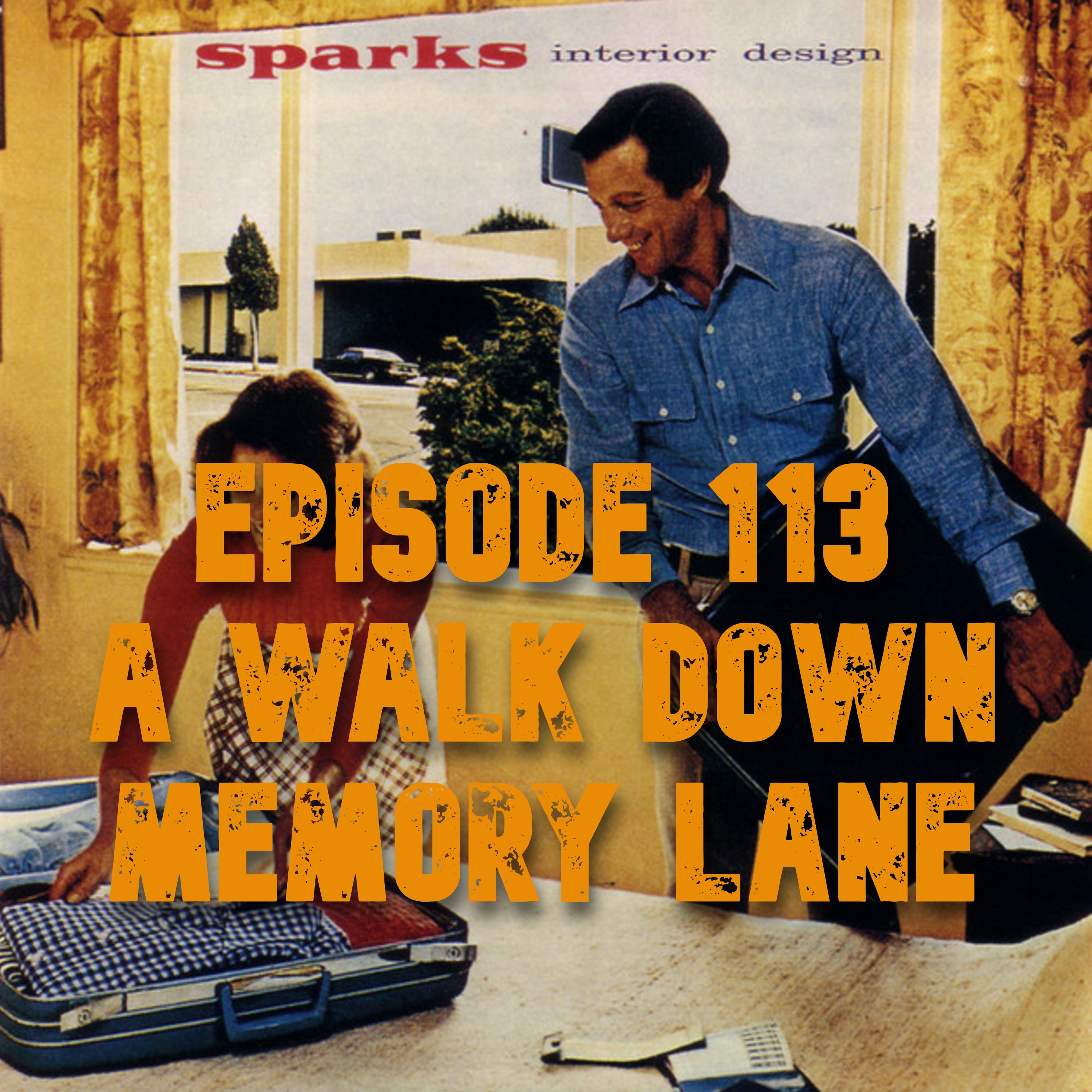
113: Sparks - Interior Design (1988) - A Walk Down Memory Lane
Jun 200:09:47Tap to summarize“A Walk Down Memory Lane” continues the late-album run of Interior Design with another slow-building, atmospheric highlight. It sits somewhere between a ballad and a mid-tempo groove, driven by a steady rhythm while the arrangement gradually fills out around it.We talk about how effective that structure is — a simple foundation that builds layer by layer, creating a warm, immersive sound. Russell’s vocal delivery is particularly striking here, packing a lot of words into tight melodic phrases while still sounding effortless.Lyrically, this is one of the album’s more reflective moments. Beneath the nostalgic title lies something more bittersweet — missed chances, unrealised success, and a sense of looking back at what might have been. Lines like “we all expected champagne, but it never did come” suggest a subtle, possibly self-referential look at Sparks’ own career at this point.It’s another example of how Interior Design leans more sincere than ironic — something that sets it apart in their catalogue.
Transcribe →
112: Sparks - Interior Design (1988) - Stop Me If You Heard This Before
May 2900:05:52Tap to summarize“Stop Me If You’ve Heard This Before” keeps Interior Design on its surprisingly strong run — another slick, catchy late-80s track that leans into a funky, synth-driven groove with a punchy bassline straight out of the era.We talk about how consistent the album feels at this point. Even if this isn’t the most original Sparks composition, it’s undeniably effective: a great chorus, tight production, and that unmistakable 80s sheen. It’s also another perfect “night driving” track — something this album does unusually well.Lyrically, it carries a familiar Sparks twist on relationships — jealousy, suspicion, and a hint of humor (“out gyrating with someone else”), delivered with just enough irony to keep it from feeling straightforward.Not a standout in isolation, perhaps, but part of what makes Interior Design work: there are no real weak links, just a string of solid, well-crafted songs.
Transcribe →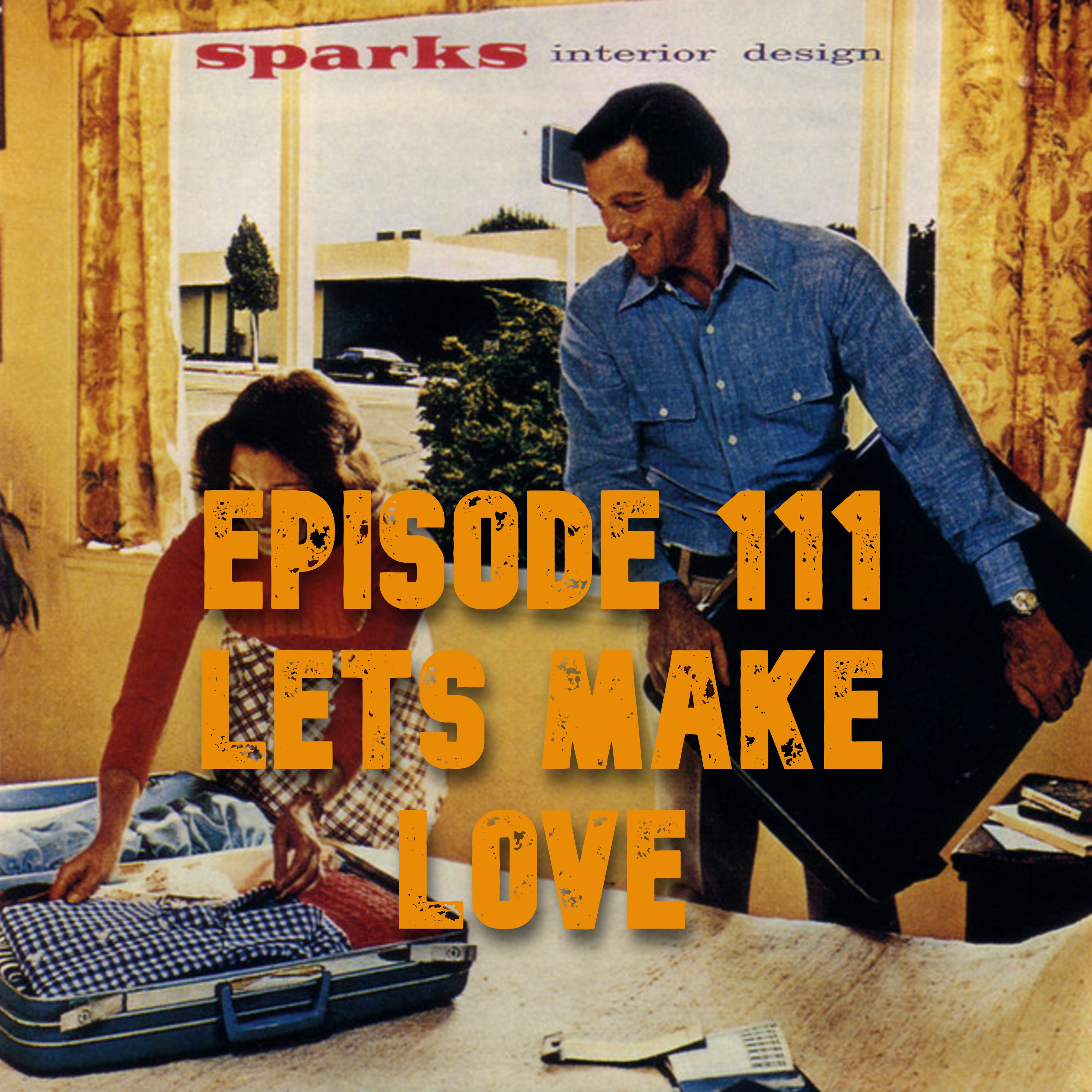
111: Sparks - Interior Design (1988) - Let's Make Love
May 2600:05:52Tap to summarize“Let’s Make Love” is another quiet highlight from Interior Design — a warm, tropical-feeling ballad that makes the album’s gentler side feel unexpectedly strong. It’s slow, soft, and almost sunset-coloured, with programmed percussion that gives it a relaxed, slightly exotic sway.We talk about how beautifully put together it is: Russell’s vocal melody keeps lifting at the end of the lines, the chords have a lovely emotional pull, and the arrangement adds just enough detail without overcrowding the song. It sits near “You Got a Hold of My Heart” in mood, but feels more fully realised and more naturally charming.Another deep cut, but a gorgeous one — and proof that Interior Design works surprisingly well as a late-night driving album.
Transcribe →
110: Sparks - Interior Design (1988) - The Toughest Girl in Town
May 2200:19:28Tap to summarize“The Toughest Girl in Town” opens side B of Interior Design with one of the album’s real growers. The title might suggest something louder or tougher, but the track is surprisingly warm, patient, and almost triumphant, building slowly from a sparse opening into a bright, layered arrangement.We talk about how sincere this one feels by Sparks standards. The lyric is unusually generous, even admiring, and the music matches it with a light, bubbling atmosphere — somewhere between 80s movie glow, synth-pop balladry, and the warmer side of acts like The Blue Nile.The song also has a curious afterlife. Long dormant, it was revived live by Sparks in 2023, likely after being covered by The Immediate Family — a supergroup of legendary LA session musicians who heard it, loved it, and turned it into a guitar-rich, Tom Petty-like rock version. It’s a rare case of an obscure late-80s Sparks track finding a second life decades later.
Transcribe →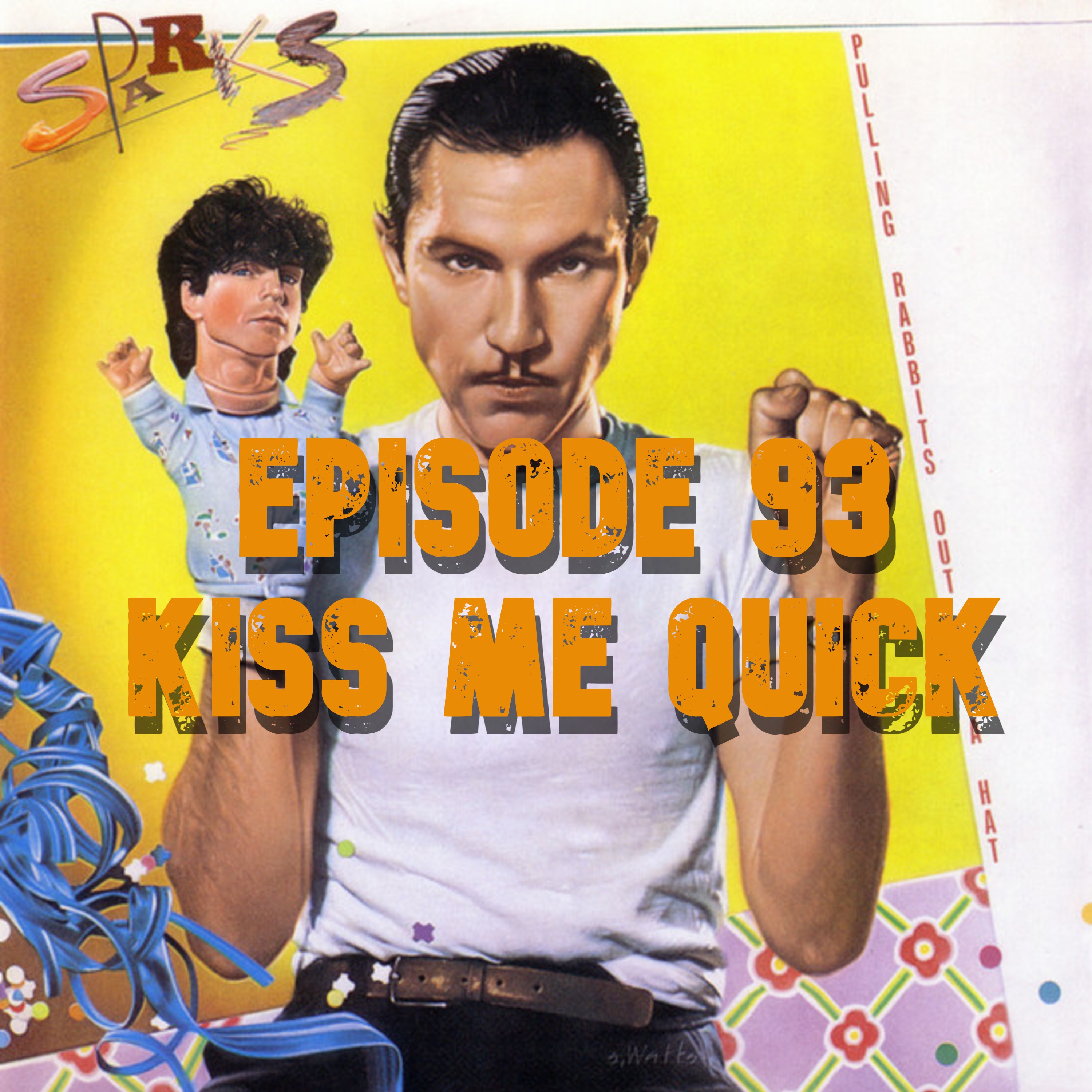
093: Sparks - Pulling Rabbits Out of a Hat (1984) - Kiss Me Quick
Mar 31Tap to summarizeBy the time we reach “Kiss Me Quick,” side B of Pulling Rabbits Out of a Hat has set the bar fairly low — which makes this track stand out all the more. Suddenly, there’s atmosphere, groove, and a sense that Sparks are actually enjoying the 80s studio palette rather than fighting it.The verses and production hint at something sleek and nocturnal: crisp bass, soft funk guitar, and a smooth, almost Bryan Ferry / late-night Miami TV-show mood. It’s one of the rare moments on side B where the arrangement feels considered and stylish, and where the band’s inventiveness briefly re-emerges. The problem, once again, is the chorus — serviceable, but flat, and never quite delivering on the promise of the build-up.Lyrically, it’s lighter and less biting than classic Sparks, but there are still flashes of Ron Mael’s voice in lines about “foreign words,” “complimentary lies,” and caffeine-charged romance. Nothing brilliant, nothing embarrassing — just enough personality to keep it interesting. Even the slightly absurd jungle drums during “jungle fever” feel oddly endearing rather than irritating.Originally relegated to B-side status, “Kiss Me Quick” also received a 12-inch club mix that leans even harder into its smooth, Ferry-adjacent vibe. Not a lost classic, but easily one of the stronger moments on side B — and a reminder that this album’s frustrations often come down to unrealised potential rather than a lack of ideas.
Transcribe →