← The Business of Fashion Podcast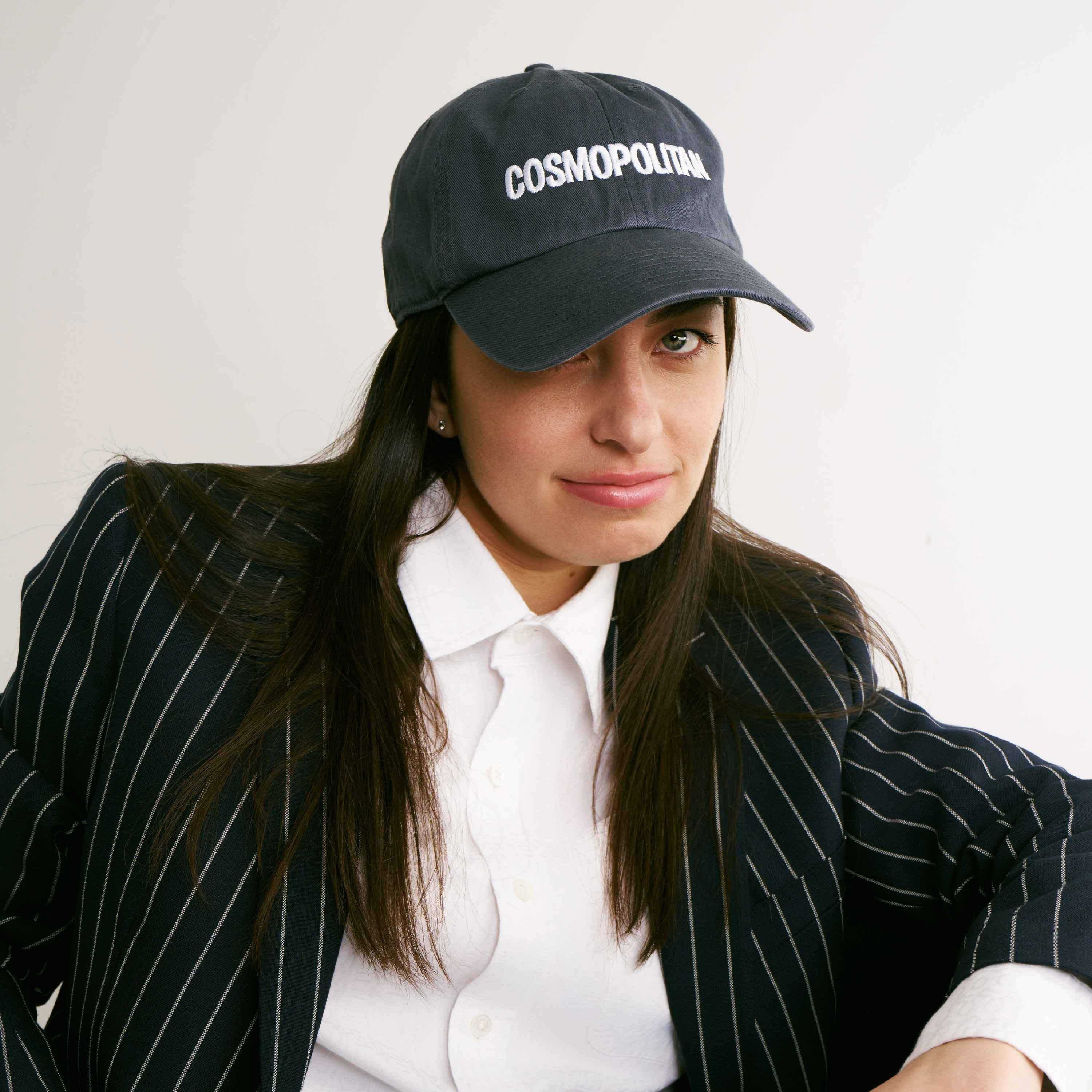
The Business of Fashion Podcast
How Willa Bennett Is Reimagining Magazines for a Social-First Generation
00:40:49
Cosmopolitan and Seventeen’s editor-in-chief Willa Bennett joins Imran Amed to unpack what young audiences actually want from media today.
Loading summary
Transcript214 lines
- [00:00]
Imran Ahmed
Foreign.
- [00:04]
Podcast Host/Announcer
Hi, this is Imran Ahmed, founder and CEO of the Business of Fashion. Welcome to the BoF Podcast. It's Friday, January 16th. Willa Bennett is the editor in chief of Cosmopolitan and 17, two of the most influential legacy media brands now being reimagined for a social first creator driven era. Willa grew up in Los Angeles, trained as a ballerina, and studied journalism at Sarah Lawrence before building a standout media career at Bustle Digital Group, GQ and HeisMobiety. Along the way, she's helped to redefine how youth culture is covered not by chasing everything, but by sharpening point of view, taste and authority. This week on the BoF podcast, Willa and I talk about what young audiences actually want from media today. We why curation matters more than ever and how she's refocusing Cosmo and 17 creatively, culturally and commercially for the next generation.
- [01:08]
Willa Bennett
This generation actually has access to so much online, but that also means that, like, there is a real hunger for curation and real curation, not performative curation and real taste.
- [01:21]
Podcast Host/Announcer
Here's Willa Bennett on the BoF podcast.
- [01:27]
Interviewer/Co-host
Willa Bennett, welcome to the BoF podcast.
- [01:31]
Willa Bennett
Thank you. I'm very, very excited to be here. Love the pod.
- [01:36]
Interviewer/Co-host
Glad you like the pod.
- [01:37]
Imran Ahmed
Now you're on the pod.
- [01:38]
Willa Bennett
Very cool.
- [01:39]
Interviewer/Co-host
We have a lot to discuss. When you and I met at the BOF 500 gala, you were very excited.
- [01:47]
Imran Ahmed
About your inclusion in our annual index. And it, you know, as I said.
- [01:52]
Interviewer/Co-host
To you on the day, it was.
- [01:53]
Imran Ahmed
So well deserved because you've had such an incredible career. And the more I read about you in preparing for this interview, the more I appreciated just how much you've grown.
- [02:05]
Interviewer/Co-host
And contributed to the wonderful, challenging world of fashion media that both you and.
- [02:11]
Imran Ahmed
I know very, very well.
- [02:13]
Interviewer/Co-host
But before we get into all of.
- [02:14]
Imran Ahmed
The dynamics around how challenging the fashion media space is today, we need to start with your entree into this world.
- [02:26]
Interviewer/Co-host
And like your, your early creative impulses, growing up in la, training as a ballerina, studying journalism at Sarah Lawrence. Like, talk a little bit about your formative years and how they led you.
- [02:45]
Imran Ahmed
To take an interest in the world of media.
- [02:47]
Willa Bennett
Yes, that sounds amazing. I was so happy to finally meet you. I've also watched your work and I, you know, when I was, when I was working at Heist and Biote, I always thought BoF was always doing such, such, such an incredible job covering the landscape and keeping up with it and its ups and downs. So, yeah, I was very excited to meet you, very excited to be there. And that room is just so surreal. You, like, walk in and you're like, wow. There's people from designers like Connor who have had such an incredible year, who now is one of my really good friends to Alice Kasani casually walking through. And I think the juxtapositions of all these different voices is just. There's no other room like it. So I was very excited to be there. I told Simone Rocha that I would love for her to make my wedding dress one day so I might get a wedding dress out of it. So very, very, very cool.
- [03:38]
Imran Ahmed
Amazing.
- [03:39]
Interviewer/Co-host
Well, you never know. You membership has its privileges, as they say, right?
- [03:45]
Willa Bennett
Incredible. Yes.
- [03:46]
Imran Ahmed
Yeah.
- [03:47]
Interviewer/Co-host
But tell us about LA and growing up.
- [03:49]
Willa Bennett
Yeah, okay. So, yeah, I grew up in Los Angeles, as you eloquently said. And I think what was interesting about it is, like, I'm still close with a lot of my best friends there, but I was really the one in my friends group who was really curious about fashion. And it wasn't even, like, at that point in my life, something I thought I would maybe do professionally, because I didn't really know what that meant. And I knew I couldn't sew, and I. I knew I couldn't. I didn't want to go into marketing. So I saw these magazines and I was like, wow. It really combines my love of fashion and my curiosity for fashion with writing. And I think as I grew up and went to college, I realized that, like, I really did have this obsession with men's fashion that I didn't really know what to do with. And so sometimes, you know, in my journalism classes, it would send me, you know, all the way to the city from Sarah Lawrence to, like, interview a menswear designer for, like, three hours and write ten pages on. And. And then I would look at GQ and Esquire and the men's fashion publications at that time, honestly, high snobiety, business and fashion. And I would be like, where are these long profiles going? And there was this disconnect for me at Sarah Lawrence that I became really, really, really vocal about. And I was like, hey, the type of journalism you're teaching me, I'm not actually seeing in the industry that I'm about to enter.
- [05:11]
Interviewer/Co-host
Why do you think that disconnect existed? Is it this whole ivory tower, academia, like, disconnected from reality thing, or is it something else?
- [05:20]
Willa Bennett
I felt like in the specific classes I was in, the specific program I was in, two things. Like, one, they really, like, did foster curiosity, so they would really be like, you should fight back. What's missing. So they were really like making you think outside what they were teaching us. But also at the same time, social media was blowing up and none of these magazines were taking Instagram quite as seriously. And I loved fashion magazines. I had them in my dorm room. I actually remember like always having them in my dorm room and people being like, these still exist. Like you still buy these. And I was just so obsessed with them. Like to me it was like so important who was on the COVID of a magazine. And when a new editor took over, I would like run to. It was like a magazine store or cvs, honestly, near my college town and like go and buy them. And that was so fascinating to me. And my friends were like, how do you know who the editor is? And it was just something. It was like sport for me. I was just so, I was so in it. I was so fascinated by it, I was so curious. But it actually drove me for my senior thesis to go to my advisor and basically propose that I would go to a middle school for a month and talk to them about magazines. And so I really like spent a month of my senior year in college in this middle school and just pretending to be a teenager nonetheless. And I really talked to them about Teen Vogue, about Glossier, these brands at the time that were so interesting, high snobiety, all these brands and be like, where are you reaching them? And that's kind of where I was drawn to, like Snapchat, Instagram and obviously like YouTube, I mean, is still huge. A lot of these platforms are still huge. But at the time I was really drawn to them. And that is kind of what led me in my first job at Seventeen magazine, to really be like, hey to my boss, like, can I post the COVID on Instagram? And she was like, yeah, sure. Like no one's going to, no one's going to see it.
- [07:04]
Interviewer/Co-host
They weren't thinking about that even just wasn't the priority.
- [07:07]
Willa Bennett
There weren't advertisers there yet. You couldn't monetize it. It was truly just like something they let an entry level person do because why not?
- [07:15]
Interviewer/Co-host
What year was that?
- [07:16]
Willa Bennett
So I graduated in 2013. So it was 2013.
- [07:20]
Imran Ahmed
Wow.
- [07:20]
Willa Bennett
I got my job two weeks after graduation from a cold email. And my day job at 17 was to really put in articles in the CMS. I spent most of my days like truly in the cms, called Patty at the time. And I would copy and paste articles and I basically got that down to a science so I could do it between, like, it was like a 9 to 6. And then I would go meet all the fashion editors, basically. And I had this love for fashion, so I was so curious about it. And it was really when I started to see the industry. I think as a college student, you have a lot of ideas of what fashion is and what the industry's like, but you don't really understand it until you really just go in headfirst. And I even remember, like, some of my first fashion shows. I was, like, blown away. I was like, wow. Like, this is not what I imagined because it is so different in those rooms. And I really give that first role at 17 a lot of credit for just being able to let me grow. And because 17 is such a nimble brand and it was. It was such a small team. It was like everyone needed help. So they were, like, so honored to, like, bring me to a fashion show or show me inside the fashion closet. It wasn't really precious, which I think more and more it kind of has had to be. But, yeah, it was a different time.
- [08:35]
Interviewer/Co-host
So what surprised you the most about.
- [08:38]
Imran Ahmed
How things were on the inside versus.
- [08:42]
Interviewer/Co-host
How you perceived them from the outside?
- [08:46]
Willa Bennett
I think that people were on their phones so much. Genuinely, I think, like, I had dreamed about being in those rooms for so long that when I got there, I was like, why is no one talking to each other? Why is everyone glued to their phones? And, like, keep in mind, this was, like, the height of influencers. So everyone was trying to get those influencers to the show. So, like, I remember, like, walking around being like, why is everyone looking at their phones and not talking to each other? And then the fact that, like, the designer wasn't wandering about before the show also continued to surprise me. Like, as I became, you know, more indebted and, like, into the industry and understood, it was like, I was just like, wait, you're. It felt like surprising to me that people were just there to take content. And this is coming from someone who, like, loves social media more than life itself. Like, that still surprises me. And I now I've gone to quite a few shows and, you know, I think about moments in my life that, like, will forever be so special. Like, Dries last show that recently happened, and I looked around and, like, truly no one was on their phone. So I think it does happen. And I remember, like, tearing up in that moment because, you know, I was looking around and I was like, wow, this is such an end of an era. It was just this moment where I was like, wow, like, I made it to this Dries show. Like, it was so, so, so special, but so interesting. It was like the kind of opposite where it felt so real and it felt so, like, you know, were you there when they dropped the disco ball? Everyone gasped. Like, and that's.
- [10:10]
Interviewer/Co-host
I remember that silver.
- [10:12]
Willa Bennett
Yeah.
- [10:13]
Interviewer/Co-host
Like, flaking. Beautiful thing on the floor that just.
- [10:18]
Imran Ahmed
Got more and more destroyed as people walked.
- [10:20]
Interviewer/Co-host
I mean, it was.
- [10:21]
Imran Ahmed
It was beautiful.
- [10:22]
Interviewer/Co-host
Okay, but back to 17.
- [10:24]
Willa Bennett
Yes.
- [10:26]
Interviewer/Co-host
So you're in this world, you know.
- [10:27]
Imran Ahmed
You'Re this, like, freshly minted person.
- [10:29]
Interviewer/Co-host
Like, what was the moment where you realized, like, was there a story you wrote while you were there or something that you did that was like, ah.
- [10:38]
Imran Ahmed
Yeah, like, this is my thing.
- [10:41]
Interviewer/Co-host
This is gonna be my career.
- [10:42]
Imran Ahmed
I've, you know, I broke in and.
- [10:45]
Interviewer/Co-host
Like, what was the moment where you're.
- [10:46]
Imran Ahmed
Like, okay, this is. This is what I'm gonna do?
- [10:49]
Willa Bennett
I'm not gonna lie. It probably, like, took a while. Like, it was. It was not instant. I wanted to be in the world, but it wasn't like I saw a path necessarily. And I. I believed in it so deeply. But I don't know, I feel like every year, like, every headline is like, the media industry is so disrupted. And like, when the first time that happens to you as, like, a college grad, like, you've graduated, like, a year ago, you're like, oh, my God, this is the worst year ever to be graduating. And I think that's so relatable for people graduating right now, where it feels like there's, like, so few jobs. But it took me some time. I'm not going to lie. I think it was really, you know, from there I went to Bustle Digital Group, and I. I really, like, dived into brands like Elite Daily and Bustle and Nylon. And then from there, I went to gq. And I think it was really gq, where I got my voice and things started to click. I think I was able to take my, like, love and understanding of social media and fashion, but also combine it with, like, this audience. And also my first love was men's fashion. So I felt like I really, like, understood how to talk about it, and I had a deep respect for it. That felt so exciting. But, you know, I think, like, if I really think to my career of, like, moments where I'm like, this makes sense, I think was putting Billie Eilish on my first cover of High Snob. Like, that moment, to me, like, the morning that went live and I watched this new world discover high snobiety through this story I wrote about her wearing menswear I think that that's one where I was like, okay, like, I have something to say, and it's so clear. And then I think to Brenda Saga Macaulay Culkin on my first cover of Cosmo, that, to me too, where, like, it was almost not about celebrity and it was really about their story as being in a relationship and putting their love on the COVID At this publication that has historically stood for love, I think more. It's like, specific editorials stand out more than maybe like, a moment. And I'm sure you relate to this, like, running brands, like, you know, every day has its ups and downs, but there are editorials where you're like, that was right for this brand.
- [12:55]
Imran Ahmed
You know, it's interesting that you. You.
- [12:57]
Interviewer/Co-host
You called out the Billie Eilish moment.
- [12:59]
Imran Ahmed
Cause that sounded like it was really personal for you as well, because, you know, you've identified as a queer woman wearing, in quotation marks, men's clothes. Cause, like, we believe that clothing shouldn't be gendered. But for the sake of this conversation.
- [13:14]
Interviewer/Co-host
Tell us about how that whole idea came together.
- [13:17]
Imran Ahmed
Why? And why was it so meaningful for you?
- [13:21]
Willa Bennett
It was so intuitive. I think a lot of great editorials, like, in retrospect, they're always, like, the most intuitive. And I often feel this way about magazine covers. Like, you know, it's sometimes tempting to put, like, the most famous person on the COVID but it's, like, really not about that anymore. It's really hard to get through. And for Billie, I mean, obviously she has such a huge, rich fandom, but what she stands for and what she's been able to do in terms of, like, personal style is just so unique and, I think, unmatched. So, yeah, I was the editor of High Snob. I was. I was really looking at their. Their past covers. I think that brand is such an important platform for young people and the way that company works, like, it stands for something so unique in fashion. And I really wanted to position it as a continued youth culture platform. And Billie was so intuitive. So I wrote a letter. I had written about her a couple times in the past. I had some sort of relationship with her where I really admired her style. And we had talked about it, and what was so cool and like, you literally can't make this up is like, I showed up to the shoot that day, and we were wearing the same thing, which I think is crazy. And every time I tell you, what are you wearing? It was just like a menswear out. It was, like, literally, like, black and white, but it was like to a T, like, striped shirt, like, every. It was so, so interesting to me. And as actually, I started the piece was like, not only, you know, was I. I felt so vulnerable, because any first cover is so vulnerable, but it was like she completely got it. She, like, drove herself to set. She came to a run through the night before she did a fitting. Like, she was so committed and so interested in what it meant for someone like her to be a face of menswear. But more than, like, the response, I think what signaled to me was successful about that editorial specifically is we put her in Simone Rocha and Matt Henson styled it, and one of the looks that, like, we ended up on was the Simone Rocha look. And she wore Simone Rocha to the Met gala. And when I have run into her since, she said it was because of that high snobiety cover. And to me, that is more of a metric of success than anything else, because it was like, we were able to pair this brand with someone like her. And, you know, I hope that helps Simone Roche's business, but I also hope it just put her in a different conversation and was really about them both matching their personal style.
- [15:45]
Interviewer/Co-host
So, as you've alluded to, you've had.
- [15:47]
Imran Ahmed
This quite prolific career for someone so.
- [15:51]
Interviewer/Co-host
Young, following 17 and then bustle and.
- [15:56]
Imran Ahmed
GQ and high snobiety and now full circle back at 17 and Cosmo. I'm curious, because you've mentioned the world youth culture already once or twice in this conversation. It's something that you hear a lot of magazines, media companies talk about, you know, days talks about youth culture and heist and body talks about youth culture, and ID talks about youth culture.
- [16:21]
Interviewer/Co-host
I'm curious, as someone who's worked at.
- [16:22]
Imran Ahmed
A few of these different publications, like.
- [16:24]
Interviewer/Co-host
What do you think young people are.
- [16:26]
Imran Ahmed
Looking for in media now when so much of their lives are dominated by social media, by their interactions with their friends directly on things like Snapchat.
- [16:39]
Interviewer/Co-host
What's the role of a media publication.
- [16:41]
Imran Ahmed
In the lives of, like, social media first young people?
- [16:46]
Willa Bennett
Yeah, I think something I really talk about a lot with my team is, like, we can't be everything for everyone. Like, this generation actually has access to so much online. But that also means that, like, there is a real hunger for curation and real curation, not performative curation and real taste. And I think that has been such a guiding force for Cosmo for so long. I mean, I even think back to building our 60th anniversary issue, which had Margaret Quealy on the COVID in this Versace dress. And like, I think a lot of people really understood the new direction of Cosmo. Cause they were like, wow, like we are honoring our legacy, but we also are a place that young people can trust when it comes to love and relationships. And we've tried to make that very, very, very clear this year. And then in terms of fashion, I think what I am constantly inspired by with young people is the way that they will still engage with luxury, but they'll also do that with, you know, baggy jeans from Depop at the same time. And I think that juxtaposition just creatively is so interesting to me and something that we really try to echo here. So, you know, I think about like Brenda and Mac on the COVID there was an Hermes blanket, there was a Bodhi sweater, but there also was an American Apparel crop top. And that to me feels reminiscent or a closer version where we're still aspirational. Obviously I wouldn't say every 17 year old has an Hermes blanket. But you know, if they're going to buy that Hermes blanket, you know, it doesn't mean that they're going to be in head to toe Hermes too. And you know, that's just something I really see more and more from young people when I'm walking around or you know, I have two young sisters and when I talk to their friends and you know, really investigate their lives too. But it's just, I think more and more young people are really looking for tastemakers in that way. And I, I don't think it's influencers personally.
- [18:36]
Interviewer/Co-host
Do you think? Because there's quite a, like a big.
- [18:40]
Imran Ahmed
Question in the luxury market right now about what the relationship.
- [18:46]
Interviewer/Co-host
Is between big.
- [18:48]
Imran Ahmed
Luxury brands and young people.
- [18:50]
Interviewer/Co-host
You know, I was reading something today.
- [18:53]
Imran Ahmed
I forget where, talking about how the new Gucci, Demna's Gucci is resonating with young people in the way that Coach is really resonating with young people now. And like Coach is obviously positioned differently in the market than Gucci.
- [19:05]
Interviewer/Co-host
But I don't know, I get the feeling that, I don't know, I, you.
- [19:09]
Imran Ahmed
Know, when I have a 15 year old niece and a 13 year old nephew and I spent some time with them over Christmas, like it doesn't even come up. Like, you know, my sister cares about.
- [19:19]
Interviewer/Co-host
It, but you know, do you think that new generation of young people that.
- [19:23]
Imran Ahmed
Are reading 17 and reading Cosmo and some of these other publications, do you think they actually even care about luxury brands?
- [19:32]
Willa Bennett
I think there always is going to be smaller communities of people. It won't be forever and luxury isn't for everyone, but I think there's always going to be people. I think Coach is actually such a incredible example. Like that tabby bag I feel like really resonates with younger, younger demographics and something I continue to see. And I think that's because like obviously of the Bella Hadid moment where she's wearing it. But they also have been very strategic with their marketing around that product. And I think that's such a great.
- [19:59]
Interviewer/Co-host
The Summer I Turned Pretty and all.
- [20:01]
Imran Ahmed
Of that stuff too. Right?
- [20:03]
Willa Bennett
Yeah. It takes young people really seriously. It's. It's really. Yeah. Summer I Turn Pretty is a great example. Like that show does have a young cult following. And working with Lola, the star of it was such a way into that demographic. We did a editorial in partnership with Coach around like our Z stars which is basically like up and coming Gen Zers. It's a partnership with UTA next gen and we really look at Gen Z curators and we did a big spread with this K pop group Babymonster that we identified really early on was someone we wanted to cover editorially. And I think what was so interesting in that editorial is on the list was Nickelandria from Love island and it started a whole wave on X basically talking about like the significance of a brand like Coach paying attention to stars on Love Island. And some young people even went so far as like to Photoshop fake ads. And I think when you're paying attention to young people and putting in the right way, I think there is stuff to be gained. I think new Gucci has also really interesting because I think, you know, there is a very clear community and I think people want to be part of that. It's cool. And so I think if nothing else for our readers at Cosmo, I think we want to also create and cultivate that community. And hopefully we put luxury items here and there and we work with luxury advertisers here and there. But they're coming to us because we can position it to this younger audience in a, in a real way.
- [21:35]
Imran Ahmed
Just now you're referring to influencers and you were saying that you know, maybe young people aren't as interested in influencers as they are in celebrity. Yeah.
- [21:46]
Interviewer/Co-host
I'm just wondering what like in the.
- [21:48]
Imran Ahmed
Mix of all of these different voices that can influence a young person and like the way they think about and engage with luxury brands and media, like.
- [21:59]
Interviewer/Co-host
What'S the role of so called legacy.
- [22:03]
Imran Ahmed
Brands like Cosmopolitan, which as you said, you know, it's a 60 year old media brand. This is not it's not like a newfangled brand or a 17, which has been around for a long time as well.
- [22:14]
Interviewer/Co-host
Like, what's the role of these legacy.
- [22:17]
Imran Ahmed
Media brands in the cacophony of voices that are available to young people today?
- [22:22]
Willa Bennett
Yeah, what I always say is we curate the influencers. Like, it's about having the right type of influencers. I mean, I think because we stand for love and relationships, it really. It really makes sense to me that Al Cooper was on her cover at some point. Like, that, to me, really makes sense. She speaks directly about this to a slightly different audience than Cosmo, but there's definitely some overlap. But, you know, then I think there's moments where, like, putting Dochi on the COVID is so exciting because it's like she. We actually put her on the COVID We booked her right before she blew up on Tiny Desk. And, like, we were so obsessed with her. And so I think people can also come to Cosmo to, like, learn about new people and stay ahead of the curve. But I think there's a real need for young people to have some sort of, like, authoritative voice, whether that be in fashion or in their love lives. And I think that is something that Cosmo does do really well, and I think that is the purpose. I think I see more and more. I mean, there's headlines about, you know, these legacy brands having these comebacks. And I think a lot of it is when you lean into your legacy, but also reposition it for the next generation. And I think it's not about getting a bunch of influencers together in a room and calling in an event. I think it's really about curating the right people, the influencers that are both, like, relevant to your space, but also really show up in your brand and contribute. And maybe that's like a writer, maybe that's a stylist. But I think there's different ways in.
- [23:50]
Imran Ahmed
That's so interesting that you say it.
- [23:52]
Interviewer/Co-host
Starts with the authority, because in a.
- [23:54]
Imran Ahmed
Way, that's what magazines have always been about.
- [23:58]
Interviewer/Co-host
Like, when I used to, like, Open Details or GQ growing up, I mean, for me, they were like real curators.
- [24:06]
Imran Ahmed
They were real.
- [24:07]
Interviewer/Co-host
Like, they were informing me about things.
- [24:10]
Imran Ahmed
That someone growing up in Calgary, Canada, far away from, like, the big city.
- [24:15]
Interviewer/Co-host
It just gave me a window into this world.
- [24:17]
Imran Ahmed
I didn't have anyone to give me those kinds of recommendations.
- [24:20]
Interviewer/Co-host
And in a way, I guess the.
- [24:23]
Imran Ahmed
Rationale for magazines like pmo, Seventeen, or Cosmo isn't so different. It's just that there's a lot more competition and a lot more noise.
- [24:31]
Interviewer/Co-host
So it's about being signal versus noise.
- [24:35]
Imran Ahmed
It's about being really authoritative and leaning.
- [24:37]
Interviewer/Co-host
Into the legacy and authority of what.
- [24:40]
Imran Ahmed
Your publication is about.
- [24:42]
Willa Bennett
Yeah. And going back to what, like, why did I love Cosmo so much growing up? That was actually one of the first meetings we had here, one of my first weeks. We all sat in a room and we were like, why do we all love this brand? And let's return to that feeling and that initial instinct we all had when we discovered Cosmo when we were younger and let's try to bring that back. And again, like I've said this so many times, like Cosmo didn't need a rebrand. Like, this is the most powerful, one of the most powerful brands for young people historically. It was just really needed to refocus. And I think the last year and a half now have really been about refocusing, refining, infusing voice. I think Brandon Tan, who I hired, he was actually one of my first hires, has really did a fantastic job narrowing our fashion POV and both incorporating the way young people shop, but also emerging designers. I like to say we're a huge Gabe Gordon fan now because I'm finding that Gabe Gordon's making to a lot of shoots. Connor, who was on the BoF list, incredible year for him. He's had an absolutely incredible year. But that was someone we were really early on and was in many of our first shoots. So it's about the, about both the Conners and also the Hermes's and the coaches and the. Even like the Gantz and the. Yeah, I think it's about all of it and cultivating it with real curation and thought.
- [26:11]
Podcast Host/Announcer
We'll be right back with more on the BoF podcast.
- [26:20]
Shopify Advertiser
The start of a new year has this rare kind of clarity that reminds you that nothing changes unless you decide to. If you've been sitting on a business idea, 2026 is your clean slate. This is the moment to stop planning and start building. And the smartest way to take that first real step is launching your business with Shopify. Shopify gives you everything you need to sell online and in person. Millions of entrepreneurs have already made the leap from household names to people launching their very first product. Build your dream store with hundreds of customizable templates. Set up fast with AI tools that write product descriptions, headlines and help you polish product photos. And when you're ready to market, Shopify has built in tools to create email and social campaigns that reach customers wherever they scroll. As your business grows, Shopify scales with you handling more orders, new markets, and everything you manage from one dashboard in 2026. Stop waiting and start selling with Shopify. Sign up for your $1 per month trial and start selling today at shopify.com BOFPodcast. Go to shopify.com BOFPodcast that's shopify.com BOFPodcast Hear your first this new year with Shopify by your side.
- [27:38]
Raj
Hey, it's Raj and Noah, and we're back with a new season of Am I Doing It Wrong? The show that explores the all too human anxieties we have about trying to get our lives right.
- [27:46]
Noah
Because we're still doing a lot of stuff wrong.
- [27:48]
Raj
But who isn't? That's why each week we're talking about the topics that we could all use a little helping hit with. Whether it's making new friends as an adult, managing our emotions, or even dreaming.
- [27:57]
Noah
We'Ll be talking to experts in their fields who are definitely doing things right. So the rest of us can be a bit wiser and a lot better equipped to handle whatever life throws at us.
- [28:06]
Raj
Subscribe now and listen to new episodes of Am I Doing It Wrong? Dropping every Thursday starting January 1st, wherever you get your podcasts.
- [28:13]
Noah
And for the first time ever, we're going to have full video episodes on YouTube. Because as long as there are things to get wrong and we're gonna be right here to help you do them better.
- [28:22]
Podcast Host/Announcer
Love y'.
- [28:22]
Interviewer/Co-host
All.
- [28:22]
Nordstrom Rack Advertiser
New New Year, new gear. Thousands of fresh active styles are at Nordstrom Rack stores now. Save on top brands like Nike, Puma and free people starting at just $35.
- [28:35]
Willa Bennett
How did I not know Rack has Adidas?
- [28:37]
Imran Ahmed
Cause there's always something new.
- [28:38]
Nordstrom Rack Advertiser
Plus, join the Nordy Club to shop new arrivals first, unlock exclusive discounts and more. Great brands, great prices. That's why you Rack.
- [28:57]
Interviewer/Co-host
So, I mean, let's talk a little.
- [28:58]
Imran Ahmed
Bit about the media landscape because without.
- [29:00]
Interviewer/Co-host
Being super doom and gloom about it. And I totally agree with you that.
- [29:04]
Imran Ahmed
Every year there's headlines saying the media.
- [29:07]
Interviewer/Co-host
Industry is disrupted, everything's falling apart. But this feels like a particularly challenging.
- [29:14]
Imran Ahmed
Moment, both with the rise of AI and like plummeting traffic to lots of websites, probably including Cosmo in 17, but also the rise of influencers and creators as these voices in the market. And also just a really challenging fashion market, you know, for advertisers and whatnot.
- [29:36]
Interviewer/Co-host
Like, how are you as the leader.
- [29:39]
Imran Ahmed
Of these media brands? How are you navigating all of this?
- [29:43]
Willa Bennett
I think the exciting part of it for us right now and just like, as a consumer of magazines is like, we're seeing, like, real editorials again. I feel like for a minute there, and, you know, the different publications I was working at too, were guilty that guilty of this. But, like, we all were chasing scale, scale, scale, scale, scale to no end. And a lot of them are successful, Some of them weren't. But now it's like, we all get to really return to, like, the power of editorials. And, like, what is the purpose and the, the goal of a magazine or an editorial or photo shoot. And so that has been interesting. I even think, like, the last couple magazine covers that have come out in the past couple months have been, like, really experimental again. Bigger budgets, like, just really, really, they feel bigger. And I don't know, I think there's a direct correlation. Maybe this is, like, too extreme, but I think there is a direct correlation to the pressure kind of being off traffic in a way. That being said, I feel very lucky because Cosmos traffic is pretty stable and we have pretty healthy people returning to the website. But I think what's exciting is I come from social, and social has been a huge priority for me. So it really has been about growing our social. I feel very lucky. We're, like, up 500% year over year just in views on Instagram alone. And, like, that prioritization of social has been really, really, really important and very crucial to our success even in the past year and a half. But at the same time, I mean, we're going to have to see, I think in the luxury market, we've seen so much change. I'm really excited for this year because I think most of the buzzy debuts are, like, settling down. And now it's like, can they actually sell products? And I'm very excited to watch that. I'm really excited to watch, like, which influencers who tapped and like, what actually results in revenue. I have my guesses, but, like, I'm just excited. And like, again, as someone who, like, loves watching this and it's my sport, I personally am, like, this year I think will be really informative.
- [31:45]
Imran Ahmed
Definitely. I mean, it's been really, really cool to start seeing the original ideas that we saw on runways in September and October start rolling into the store. Because, like, for me, the magic doesn't only come from the concept. It comes from how you translate that concept into something people can buy into and totally.
- [32:05]
Willa Bennett
And what sells.
- [32:06]
Interviewer/Co-host
Yeah, exactly.
- [32:07]
Imran Ahmed
And, like, let's see what happens, you know, like, that's, you know, a big part of what is going to make some of these Debuts in quotation marks. Work or not work.
- [32:17]
Interviewer/Co-host
What about your.
- [32:18]
Imran Ahmed
Like, how do you navigate the commercial editorial divide nowadays? You know, once upon a time, there was this, like, very clear, you know, division between editorial and commercial. And, like, now we see a lot more integration, a lot more communication between those departments.
- [32:33]
Interviewer/Co-host
Like, how do you.
- [32:35]
Imran Ahmed
How do you deal with that in your role?
- [32:37]
Willa Bennett
I think I have a very clear vision of, like, what Cosmo and 17 both are. And when there's commercial partners that come in and, like, elevate that and make it bigger, like, I'm always thrilled. An example of that is this, like, Coach partnership we did where it was, like, this list that we already wanted to do. BabyMonster, a group that we already wanted to shoot, and just having them part of it made it so much bigger. And I think it's like, if anything, when they're right, they're right. Another example is, like, we worked with Elf on Blind Date. That was a video series where I'm blindfolded. I go on a blind date with a celebrity. I have to guess who it is in real time. And that was something I was really curious about in terms of, like, dating content in you on YouTube and video and podcasting. And that was just something I was watching really closely and wanted to find my way into. And then, you know, when a partner comes in and is equally interested and excited to build it with you, that's incredible. But I do still say no to advertisers. If it's not a right fit, it's not a right fit. Again, like, we are speaking to you.
- [33:38]
Interviewer/Co-host
So you get involved. Like, you. You still have the wherewithal, veto rights.
- [33:44]
Imran Ahmed
Or whatever you want to call it, to be able to be like, no, that's just not a good fit.
- [33:47]
Willa Bennett
Yeah. Especially if it's something like an editorial project like Blind Date or Coach. Like, those only worked because those brands were so, like, right for our brands. We cover Coach all the time. We love Coach. Our audience loves Coach. It just makes sense. But, yeah, I think that would be really different with a different type of advertiser. So that part excites me. I think also something I learned at High Snap IIT is, like, how it exciting it was to work with brands. Like, again, like, I am a consumer of all these brands. Like, I. I am so curious. And, like, I genuinely just love the industry. And I think some of my favorite memories, they were actually talking to David about how exciting, like, different brands and designers were. And I will tell you now, like, Grace taking over Hermes is so cool. And Exciting. Like as a consumer I have opinions. So like, if anything, like I want to talk to the brands. So that part doesn't scare me. And that part, if anything, is like one of the perks of the job. Like how cool that I can talk to Elf directly about what I'm seeing in the audiences and go back and forth. But yeah, that being said, we won't do anything that's not right for the brand and we have to be really honest about who we are because I mean, there's a difference between branded content that is not for that audience and real integration. And we're figuring out in real time, like what this means. And obviously there are growing pains and there's, you know, things we're figuring out, but I personally think I hope to do more of that. I think it's so exciting.
- [35:20]
Interviewer/Co-host
So imagine, Willa, you were a young.
- [35:23]
Imran Ahmed
Journalism student at Sarah Lawrence studying today.
- [35:27]
Interviewer/Co-host
And who knows, maybe they're still teaching.
- [35:30]
Imran Ahmed
Them over there to write really long in depth features.
- [35:33]
Interviewer/Co-host
Who knows?
- [35:33]
Willa Bennett
I hope not.
- [35:34]
Interviewer/Co-host
But what, what would you advise? You know, it's a, it's a real. Would you advise someone to go into the media industry now, given all the challenges and if so, what would you advise them to do? How do you advise young people to kind of really prepare for a resilient.
- [35:53]
Imran Ahmed
Long term career in journalism?
- [35:55]
Willa Bennett
I tell everyone, and I would say this for to, to a journalist major, like use all the platforms now, like get on substack, use your Instagram, use your Twitter, like use these ways to get your voice out and really cultivate your voice. Because I mean, I look at the people I follow just as a consumer myself and someone who pays attention to good writers or even just like brands and like I like distinct POVs, like why else would you follow someone? And I think as we figure out what this new era is like and the new challenges of like all the things you mentioned in fashion but also journalism, I think it'll be even more important to have a very distinct point of view. I think substack is so interesting. I mean I'm like, obviously I don't need to tell you this, but I don't know, I just think some of the writing on there, like sometimes I'm like, this needs an edit, but other times I'm like, how cool that this 17 year old in Minnesota is like saying their POV on Demna's Gucci. Like, that is so cool. And here I am reading it in New York that I feel like I hadn't figured out how to do as A. A writer or someone who consumed content in college, Like, I just didn't. I was like obsessed with LiveJournal, MySpace, but there was no way my posts were reaching an editor in New York. And I think that is so interesting to see. And so I would say use all your platforms.
- [37:17]
Imran Ahmed
Yeah, for sure. I mean, I mean I started writing.
- [37:19]
Interviewer/Co-host
BoF on a TypePad blog, which eventually.
- [37:22]
Imran Ahmed
Became a WordPress blog. I mean, if BoF were starting today, it would probably start on Substack.
- [37:28]
Willa Bennett
Yeah.
- [37:28]
Imran Ahmed
You know that that platform wasn't available.
- [37:31]
Interviewer/Co-host
To me back then. But like, I agree with you.
- [37:33]
Imran Ahmed
Like, and it's partly like get on all the platforms, but it's partly just write. Write as much as you can. Create as much content as you can. Because it is one of those things that, that 10,000 hours rule.
- [37:48]
Interviewer/Co-host
Like, the more you do it, the.
- [37:49]
Imran Ahmed
Better you become, the more comfortable you become with it, you find your, your voice, you know.
- [37:54]
Interviewer/Co-host
And I think the challenge with Substack.
- [37:57]
Imran Ahmed
Is really that there are literally millions and millions of substacks.
- [38:04]
Interviewer/Co-host
And so to really, really stand out.
- [38:08]
Imran Ahmed
And succeed and build a long term.
- [38:09]
Interviewer/Co-host
Career, you need to do more than.
- [38:11]
Imran Ahmed
Just get on all the platforms. You have to find a voice in from yourself that is really going to stand out from all the other stuff out there. And that's hard.
- [38:21]
Willa Bennett
Yeah. And do it regularly. But I will say the algorithm, I'm always impressed by how good it's getting on Substack. I think like even I was speaking at a school the other day and I was, I asked them at the end of class, I was like, so who's on Substack? Who's on Instagram? And they all raised their hand and this, this one writer, which I thought was such an interesting take, was like, there's all these studies that say Gen Z doesn't read. But let me tell you, Substack, like, because of like stub stack going up, I'll tell you, like, I am reading more than ever and, and you can argue about your thoughts on that. But it did start this really interesting discussion among these college students of like writing journalism. Blog posts. Like that has had a resurgence and their words, not mine, like a lot of that is happening on Substack. And I even noticed, like after this conversation, I'm sure I open my substack on my phone and it will say something about Demna's Gucci because we brought it up three times. It really is smart in like a scary way. And so it's feeding me posts that are interesting for Cosmo and That, to me, is, like, just fascinating.
- [39:20]
Interviewer/Co-host
Okay, so a sub stack is listening. They're listening to everything.
- [39:24]
Willa Bennett
It's pretty scary, honestly.
- [39:25]
Interviewer/Co-host
You know what? I asked a techie person about why.
- [39:29]
Imran Ahmed
That feels like that happens sometimes, and they said it's actually not anyone listening. It's just that the algorithm has really understood you.
- [39:37]
Podcast Host/Announcer
Really?
- [39:38]
Interviewer/Co-host
So they're not listening? Yeah, yeah. I mean, that's a whole conversation for another time.
- [39:45]
Imran Ahmed
But I have to say, algorithms just generally are getting smarter and smarter. I mean, my thing is all heated rivalry right now. And, like, that just happened pretty quickly, so.
- [39:55]
Willa Bennett
But I think that even is such a cool story and something so cool that happened in culture recently because, you know, it was this book, it was the script that, like, everyone initially said no to. And then in the final hour, HBO took it and barely added much to it from. Based on my knowledge of that industry, which I will say is limited. I don't know too much about what goes on at hbo, but that blew up.
- [40:23]
Interviewer/Co-host
Well, you're missing a really important element here, actually, because actually it was a Canadian crave tv.
- [40:28]
Willa Bennett
Yeah.
- [40:29]
Interviewer/Co-host
Streaming network crave. That actually greenlit it and HBO bought it once it was already done.
- [40:36]
Willa Bennett
Yeah. And that, to me, is so interesting because that is, like, the power of, like, get your story out there. Just get it made. And it found its audience. And even watching how the fashion industry has embraced both of them, it's been so interesting. Like, they went straight to a Chanel dinner was their first appearance in fashion. When was the last time a celebrity that came up through young people in this way went straight to Chanel? I was, like, blown away, Loewe. Totally. But Chanel.
- [41:05]
Imran Ahmed
Yeah.
- [41:06]
Interviewer/Co-host
Well, I mean, Chanel just happened to be doing that dinner in la, so.
- [41:10]
Imran Ahmed
I guess they got Connor there.
- [41:12]
Interviewer/Co-host
But, like, you know, Armani and Saint Laurent dressed them for the Golden Globe.
- [41:15]
Imran Ahmed
Like, they're really getting, like, a list treatment.
- [41:17]
Interviewer/Co-host
They went from complete unknowns to kind.
- [41:22]
Imran Ahmed
Of a list treatment in a very short space of time.
- [41:26]
Interviewer/Co-host
And I guess, as you say, it's a really good example of how if you create something that feels very, very, like, special and something that's missing, it.
- [41:37]
Imran Ahmed
Can go from nothing to something. You know, Alex Cooper and the Call Her Daddy podcast that you referenced earlier, that's another example of something that's just.
- [41:44]
Interviewer/Co-host
Like, really stood out. And I think in a very, very.
- [41:48]
Imran Ahmed
Noisy media environment, having that singular voice and resonance is really, really important.
- [41:55]
Willa Bennett
Yeah. I think that. That both of those examples, Alex Cooper and Heated rivalry are such, like, incredible examples of exactly what you said. That, like, you can stand out, you can, you can, like, break through again. You just need to make sure it's, like, special and real. And yeah, honestly, both of those examples were both at the Golden Globes, which is really interesting.
- [42:18]
Interviewer/Co-host
Well, Willa, thank you so much.
- [42:19]
Willa Bennett
Thank you so much for our little chat.
- [42:21]
Imran Ahmed
That was really nice. And it's always nice to meet another fashion media nerd, because I feel like we keep talking for a very, very long time, but hopefully we'll have a chance to do it in person at some point soon. Congratulations on a really incredible and remarkable trajectory.
- [42:42]
Willa Bennett
Thank you.
- [42:43]
Interviewer/Co-host
And I wish you all the best.
- [42:45]
Imran Ahmed
With, you know, everything you're doing at Cosmo in 17. And I'm sure, I'm sure this is just the beginning. And hopefully when we're both a bit older and wiser, we can sit down.
- [42:56]
Interviewer/Co-host
And reflect on the glory days when.
- [42:58]
Imran Ahmed
AI and the plummeting luxury market came to threaten fashion media. And somehow we found a way to shine through it.
- [43:06]
Interviewer/Co-host
Yes.
- [43:06]
Willa Bennett
Thank you so much. And thank you so much for having me. It was such a great combo.
- [43:11]
Podcast Host/Announcer
The BoF podcast is edited and produced by Olivia Davies and Eric Brea.
- [43:23]
Raj
Hey, it's Raj and Noah. And we're back with a new season of Am I Doing It Wrong? The show that explores the all too human anxieties we have about trying to get our lives right.
- [43:31]
Noah
Because we're still doing a lot of stuff wrong.
- [43:33]
Raj
But who isn't? That's why each week we're talking about the topics that we could all use a little helping hit with. Whether it's making new friends as an adult, managing our emotions, or even dreaming.
- [43:42]
Noah
We'Ll be talking to experts in their fields who are definitely doing things right. So the rest of us can be a bit wiser and a lot better equipped to handle whatever life threatening throws at us.
- [43:51]
Raj
Subscribe now and listen to new episodes of Am I Doing It Wrong? Dropping every Thursday starting January 1st, wherever you get your podcasts.
- [43:58]
Noah
And for the first time ever, we're going to have full video episodes on YouTube. Because as long as there are things to get wrong, we're going to be right here to help you do them better.
- [44:07]
Podcast Host/Announcer
Love y'.
- [44:07]
Shopify Advertiser
All.
- [44:08]
Comcast Business Advertiser
Comcast business helps retailers become seamlessly restocking frictionless paying favorite shopping destinations. It's how nationwide restaurants become touchscreen ordering quick serving eateries and how hospitals become the patient scanning data, managing healthcare facilities that we all depend on. With leading networking and connectivity, advanced cybersecurity and expert partnership, Comcast business is powering the engine of modern business. Powering possibilities. Restriction supply.