← The Business of Fashion Podcast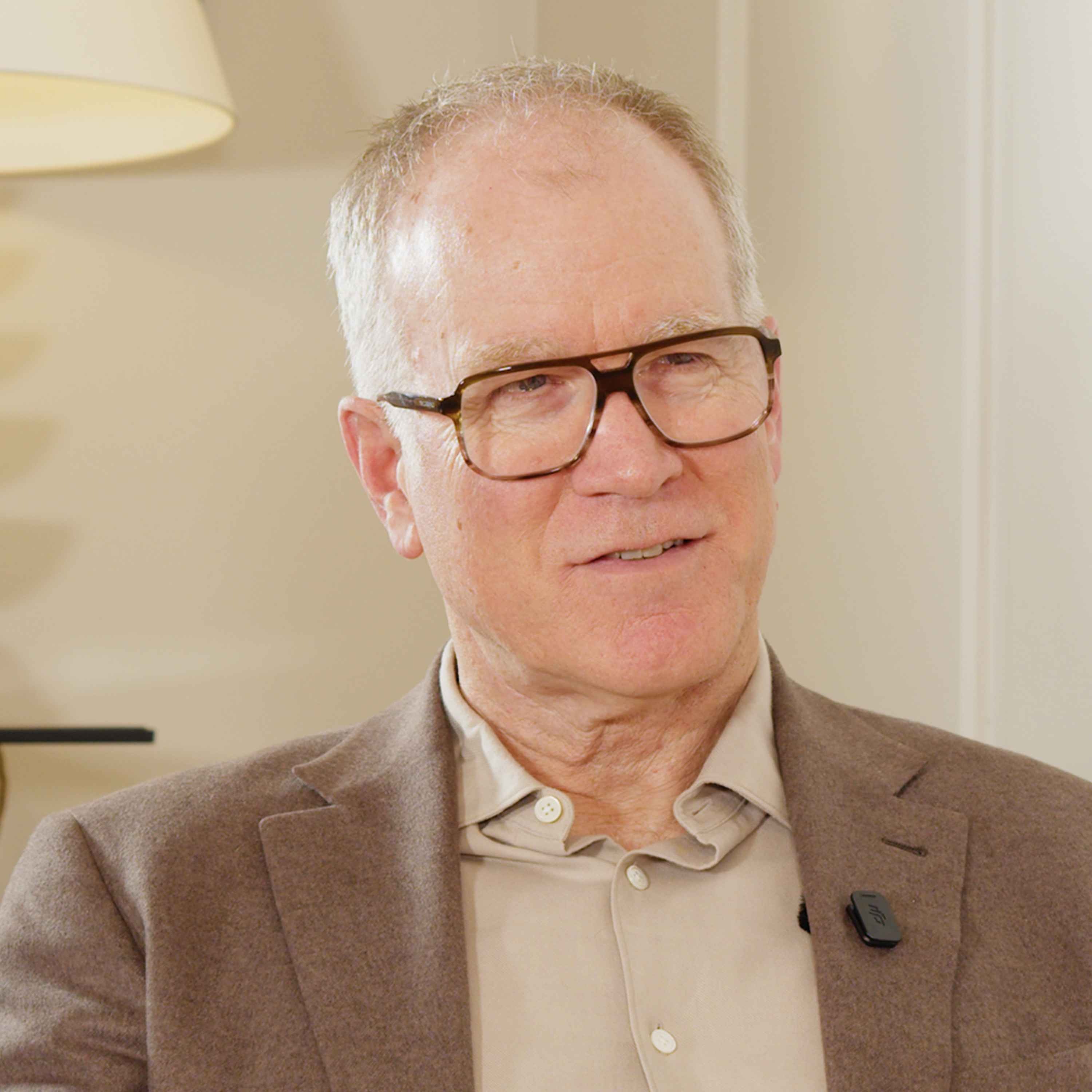
The Business of Fashion Podcast
Pete Nordstrom on the Enduring Power of Retail’s ‘Best Mousetrap’
00:53:23
Nordstrom’s co-CEO and president joins Imran Amed to discuss the retailer’s 125-year history, why he believes the department store model still works and how taking the company private is shaping the company’s next chapter.
Loading summary
Transcript110 lines
- [00:00]
Pete Nordstrom
Foreign
- [00:04]
Imran Ahmed
Hi, this is Imran Ahmed, founder
- [00:06]
BoF Podcast Host
and CEO of the Business of Fashion.
- [00:08]
Imran Ahmed
Welcome to the BoF Podcast. It's Friday, March 6th. This year marks the 125th anniversary of Nordstrom, a company that began as a small shoe store in Seattle, founded by a Swedish immigrant and has grown into a $16 billion retail juggernaut. At a moment when the American department store sector is under enormous pressure. With bankruptcies, consolidation and changing consumer behavior reshaping the landscape, Nordstrom has taken a different path. Last year, the Nordstrom family partnered with Mexican retailer Liverpool to take the company private, a move Pete Nordstrom says allows the business to move faster and focus on the long term. Pete began working in the Nordstrom stockroom at age 12 and has held roles across merchandising, buying and store management before becoming co president alongside his brothers. Pete remains sanguine about Nordstrom and the
- [01:09]
BoF Podcast Host
future of department stores.
- [01:11]
Pete Nordstrom
It's the best mousetrap we've got the ability to have a curated breadth of offer. We have the ecosystem of online that's integrated with the store. And then there's scale. If you're big enough, you can be the first call for those brands. You can create enough scale and leverage to make your digital business profitable. We think we offer a good solution for a modern customer and how they shop.
- [01:38]
Imran Ahmed
This week on the BOF Podcast, Pete Nordstrom joins me to Discuss the company's 125 year history, why he believes the department store model still works, and how taking the company private is shaping Nordstrom's next chapter. Here's Pete Nordstrom on the BOF podcast.
- [01:57]
BoF Podcast Host
Pete Nordstrom, welcome to the BOF Podcast.
- [02:01]
Pete Nordstrom
Thank you for having me.
- [02:02]
BoF Podcast Host
It's such a pleasure. Because I know you have your own podcast, which I've listened to on occasion. And I've been trying to figure out when's the right moment for us to have you on. And this feels like a really good moment for two reasons. One, it's the 125th anniversary of Nordstrom.
- [02:22]
Pete Nordstrom
Congratulations. Thank you.
- [02:24]
BoF Podcast Host
And two, there is a lot of conversation in the industry right now about department stores, their role in our industry, their role in customers lives. And so I want to cover all of that today in a short period of time.
- [02:39]
Pete Nordstrom
Sure, let's get into it.
- [02:40]
BoF Podcast Host
But I want to start with Nordstrom as a family business. And for people listening in Jakarta or Johannesburg or Jaipur in India who aren't familiar with the storied history of Nordstrom, can you just tell us very briefly, like the history of the company that bears your name and the name of some of your family members.
- [03:05]
Pete Nordstrom
Well, like I said, It's 125 years old, which. Just because you're old doesn't mean you're good. I mean, we've talked a lot about. There's a difference between being a heritage company and a company with heritage. And I think for us, and this is grounded really in the. The culture that the companies always has, trying to be a modern and relevant place. So leverage that heritage in a way that allows us to go into the future and evolve. So the. The business was started by my great grandfather, who's a Swedish immigrant. It was kind of the typical American immigrant story, you know, came to this country at 16 years old with, I don't know, 20 bucks in his pocket or something. He basically worked his way across the country.
- [03:44]
BoF Podcast Host
Not this country, though. Right. Because we're in France.
- [03:46]
Pete Nordstrom
Yeah, I should say it. We are in France right now. He came to the US to be more specific. Yeah. And he worked across the US Doing manual labor stuff. I mean, he couldn't speak English. He didn't have any education, so he was. He was a logger and did kind of manual work. And he ended up from Sweden to Seattle. Yeah, he was. He was raised on a farm.
- [04:09]
BoF Podcast Host
Yeah.
- [04:11]
Pete Nordstrom
And I think he felt like there was. There was no future for him other than 10 in the farm. And I don't think that was very exciting to him. I think he had a few siblings and stuff. It was like, yeah, I need to go. And it was just, again, it was a. The typical US Immigrant story. Willing to work hard and make his way. And so he's doing manual labor kinds of stuff. And he ends up on the West Coast, I think, in California doing logging. And then at that time, the Alaska gold rush, the Klondike gold rush was on. I think he read about in the paper, says, well, I'm gonna go do that. So he ends up getting to Seattle and getting provisions and stuff and getting on a boat and going up to the Klondike. He had one. He was there a couple years. He had one. Winner was so harsh. He had to eat his horse. I mean, you know, it was rough. Wow. And. But he ended up getting part of a claim that ended up being a fairly significant claim. But I think his take on the whole thing was $13,000, which in those days, a claim, meaning a claim to a gold. You know, they. They. They found gold in one spot. I think what happens is, like, you stake a claim for the area, the finite area where they found it, and whatever Comes from that, you get it. So I think he was part of it and he sold his part anyway.
- [05:28]
BoF Podcast Host
He got $13,000, which is like hitting the jackpot.
- [05:31]
Pete Nordstrom
Well, I think for him that was a big deal until he bought a small farm, got married. There was another Swedish immigrant there he knew who was a shoe cobbler. And he says we should start a shoe store. My great grandfather knew nothing about shoes other than, well, people need shoes. That seems like a good business, like, you know, has some longevity to it, some consistency to it. And they started a small shoe store in Seattle and it was called Wallen in Nordstrom. And it was that way for, I don't know, 10, 15 years. And then he bought out his partner and then he had three sons and a daughter. His three sons wanted to get into the business. And I think this time they maybe had two stores in Seattle area sons bought out the business because this is like during the Depression, so that was tough. But there's three of them. So they needed more stores to be able to sustain them. They grew that business from, you know, the, I think it was the late 20s through, like, you know, the early 60s into what was in the 50s. It was the largest independent shoe store in the country was in Seattle, and it was Nordstrom.
- [06:43]
BoF Podcast Host
Only shoes.
- [06:44]
Pete Nordstrom
Only shoes. We were only in shoes for the first 60 some odd years of our existence. And, you know, they had a handful of stores around the Seattle area. I think they had a handful of stores in Portland, Oregon, still not a really big business. They bought an apparel company of which there were two stores. I think it was Seattle and Portland. It was called Best Apparel. And that was in the mid-60s. And then that's when my dad's generation started getting involved. And so, you know, there's four of them. There's more ambition. They wanted to be more than just the great shoe store in the Seattle area. Okay, they had the apparel. The. The second generation Nordstrom's, of which there were three, wanted to retire, but everything they had was in the business. And the business wasn't big enough to support them in the retirement. And then the people in the business. And so the choice was either they're going to sell the business or they're going to take it public so, you know, they can create some equity. And my dad and his generation decided to take the company public. And that was 1971. And. And then just there was all kinds of growth from there, and it was really organic growth just across the country. It's like, okay, will build a store. The next town Away from Portland or Seattle, and they just started expanding gradually. The first big move they have is they built a store in 1978 at South Coast Plaza in California. That was the first, like, okay, now we're in the big time here. We're in California. And I remember that. Sixteen years old, I remember being at that store opening and how nervous my dad and his cousins were because it was a big bet. And on the opening day in those days, they used to do like a ribbon cutting and stuff. And so the mayor of the town was there, and the press was there, and there's a ribbon. And so there's this little presentation happening before the store opens. But there was no one else there. And so some of them went into the store and said, all employees come out and act like you're the crowd. And so Bear is getting a lot of applause, a lot of enthusiasm for this. They cut the ribbon, the doors went up, Everyone goes inside and goes to their department. And there they were. And I remember it started slow. There weren't many people coming in first thing in the morning. But of course, the day it got really busy, and it was pretty much an instant success. And so that became the catalyst for, like, we can expand this. And if you think about mall culture and retailing in the 70s and 80s and 90s, it was like there was new malls being developed. They needed anchor stores. We were kind of like the new sexy store. And they just went across the country, and that was the whole growth plan. I mean, there was only one way of doing business then. There was people that made wholesale products. There was retailers that sold them, and they sold them in physical stores. It was. There was one play to run, and my dad and their generation, they deserve a lot of credit. Took a lot of guts to grow the business, but there was kind of a blueprint for what that would look like. And they're the ones that really established this idea that the point of differentiation had a lot to do with service, which has become a big part of what our reputation is and focus on the customer. And then that took it, you know, really, until we came along. I mean, I started selling shoes when I was 16 years old. I was in the stock room when I was 12. It was a summer job.
- [10:17]
BoF Podcast Host
Was it inevitable that you would join, like. Or did, you know, did you make a decision at some. Because it's, you know, that's like, I don't know, maybe give us a little bit about what it's like to grow up in a family business and, like, kind of navigating this choice as a young person about how much, how much of your identity and your professional kind of purpose gets linked into your family business and how much of it is like, well, no, I want to do my own thing. Like, I love what my family's built.
- [10:48]
Pete Nordstrom
But it's a great question. Well, when I was young, I mean, I think most young people aren't like, young boys are like, I want to be a retailer. I mean, that wasn't what I was thinking about. I really like sports and I'm tall and I played basketball. If you would ask the 12 year old Pete Nordstrom what he was going to do, I would have said, I'm going to be a professional basketball player. Because those are big dreams and ambitions that young people have. I like basketball. I was pretty good at it, but I wasn't good enough at it to get paid. And that became clear as I got older that I started thinking, I don't know really what I want to do. But I worked there during the summers because it was the job I could get. And my dad thought it was important that we worked. He goes, I'm not going to buy you guys a car in turn 16, I'm just buying you something. You want to earn money, here's an opportunity for you to do it. So I went where I could get a job and it was a good job. You know, a teenager working in a store like ours and you know, selling, selling shoes. And so when I turned 16, I was able to buy a kind of crummy car. But that's okay. It's great for me. And so it was a, it was a means to an end at that point. There was no expectation from our family that you need to start doing this because you're training yourself to be the president or CEO. That never came up ever. My dad and mom were like, just wanted us to be accountable people that worked hard and were productive.
- [12:11]
BoF Podcast Host
Yeah.
- [12:12]
Pete Nordstrom
So both my brothers and I, we all ended up in the business. But again, even if you'd asked me when I was probably 19, 20 years old, I don't know that I would have told you I was going to. I would have probably said I was going to be in business of some sort, but I didn't know what that meant. I went to the University of Washington. I was an English major. What am I gonna do with that? But I was working at the company still during the summers and by the time I was 21 or so, I thought, there's an opportunity here. I mean, I admire my dad. I saw what he was able to do. I felt like he had a good life and he enjoyed what he was doing. And I like my family, I wasn't like, you know, I can't work with these people. That was appealing to me. And both my brothers were on a similar track. So that. That seemed appealing again. There was growth, there was things happening, there was opportunity. I knew that if I did it, I had a chance to do something with it, but I had to do it and I had to get started. I knew myself well enough that if I didn't get started, if I kind of screwed around for a few years, I might never. Because it's hard work, I might never get back into it. And I just started and I decided that anything that's a bigger job, anything that's a new job, they offered to me, I'm going to take it. I'm just going to go. And so, you know, my career trajectory. And I was an assistant manager in a shoe department, and I was a manager in a shoe department. I was a buyer in shoes. I got an opportunity to go to California. I was a buyer down there. I came back. I was a merchandiser for shoes for multiple stores for women's shoes. I became a store manager. It felt like every couple years I had a new job. And then I had an opportunity to go to California. I was in Orange county, where south coast is, and I was the regional manager in that area. And then, you know, now it's in the mid-90s, and my dad and their generation, they're starting to talk about when they might want to retire and what have you. And at this point, there was myself, my two brothers and I had three cousins. And we're all pretty similar in age, all guys. And they decided to make us co presidents of the company. I mean, I'm 36 of you. Six of us. I mean, I'm 35, 36 years old. Wow. And I thought, well, I've had a ton of experience. I know what I'm doing. You know, looking back on it, that was kind of a bold step. I mean, we were all within a couple years of age. And so the idea is my dad and his cousins became like, on the board. They were more like in the chairs of the board. And they hired a president or CEO. The company was the first non Nordstrom CEO, but he had the unenviable task of kind of being caught in a Nordstrom sandwich. I mean, his bosses were our dads. And then there's us. You know, our dads thought we were pretty great. I Don't know how great the CEO thought we were. And then the business started to have a lot of challenges and our responsibilities, they would give us different responsibilities, but we all had a merchandising area. So like say I had women's apparel or something and they gave us a region. Let's say I had Southern California and they gave us an operational area. Let's say I had HR and we would, we would change that up occasionally. But the six of us had to work as a group. And as you can imagine, it was cumbersome. A little top heavy company at that time. And, and then business started to get tough.
- [15:43]
BoF Podcast Host
What were the challenges that you, you alluded to right now? Like what was give us a sense of what was happening in the market.
- [15:48]
Pete Nordstrom
Why I, we had kind of, we'd gotten to a size and a scale where it was difficult for us to create leverage in the business because everything was done in a very decentralized way. We didn't have systems. You know, when you get bigger, what you, you do is you scale and create leverage. We just, we had to spend a lot of money to get bigger. We get more and more people.
- [16:10]
BoF Podcast Host
So while your revenues were growing, your cost base was growing as well.
- [16:13]
Pete Nordstrom
We, we were an attractive stock because we had growth, but our profitability was just kind of okay. And it was just everything was in the name of sales, Sales, sales, sales more, you know, grow, grow, grow. And that served us really well for a long time. But we were at this time, we're now kind of bumping into. Well, we're, we're in most of the markets in the US we're pretty sizable company now.
- [16:38]
BoF Podcast Host
What year is this?
- [16:39]
Pete Nordstrom
This is like late 90s.
- [16:43]
BoF Podcast Host
Okay. So pre E Commerce.
- [16:45]
Pete Nordstrom
Yeah, it's just starting to bubble up. And so you could tell there was opportunities to grow, but the business had to evolve. And so when I talked before about there was only one way of doing business. There were brands that were retailers, that were customers, that were stores. Now what you're seeing is the emergence of verticals. So brands became retailers. So they're selling direct, they're starting to sell direct to customers. And then you had the verticals, like the gaps and stuff. And so all of a sudden department stores didn't have the same, there wasn't the same need for a department store. That was before. There was more competition, I'd say there was more choices for customers, how to buy things.
- [17:23]
BoF Podcast Host
Yeah, this idea of the department store being the one stop shop where you could find multiple different brands across multiple different product Categories. All of a sudden you have shopping malls.
- [17:34]
Pete Nordstrom
Yeah. And you could still do that, but you had choices. Right. I mean, you didn't have to go to an apartment store. So it, the. That put pressure, I think, on the business, and I don't. I think there were just the natural growing pains of a company that had a really successful arc and then kind of bumping into a maturity, which you see all businesses have. They have to figure out, evolve. So this is kind of a long story. So the person that was the CEO ended up getting taken out of his job. So, you know, and we're a public company, so there's no entitlement program just because your name's Nordstrom, you get to have the job. So the board was like, okay, we got to go find a CEO, and my dad and his cousins are on the board, but they don't completely control it because we didn't have like voting shares or something that gave us majority. It was just, it was common equity for everybody. And I think at that time, you know, or my family maybe owned in the high 30s, mid-30s, percentage of the company. So I remember my dad and those guys, they were interviewing different people. You know, the person from Macy's, the person from Neimarcus, the person from Saks, all these different people. And they were bringing them through. And at one point, and then my cousins, so there were six of us, a couple of cousins said, I don't want to do this anymore. So then it ends up getting narrowed down where it's really just me and my two brothers. And. And this was all kind of happened naturally. Nothing bad happened. There was no big dust up. People quit on their own accord, which actually worked out great. There was no drama really, as far as that went. But then they, we said, well, we'd like the opportunity to run the company.
- [19:15]
BoF Podcast Host
You and your two brothers.
- [19:16]
Pete Nordstrom
Yeah. And the board's like, yeah, I don't know about that. And then they, they finally said, okay. And so they talked and says, we're not going for this co thing. Like your, your dad's generation, they were all like co presidents, and we're not going for that. So someone's got to be in charge. And, and so they put Blake, Eric and myself, they said, you're going to have this opportunity. But I want to be clear about something. First of all, you're not entitled to be here because what your name is, if it doesn't go well, you'll be gone. So if that. You don't like that, now's the time for us to get clear about. But that's how this is going to go. And I didn't. We found that as kind of like motivating, not as a bad thing. You know, we were like, yeah, we're going to get this thing going. And so we sat in a room. I couldn't have taken more, about 10 minutes. And Blake, you're the oldest case, so you're going to be the interface of the board. You're going to be the president. Pete, you're the guy that's mostly been involved with merchandising stuff. So you're the merchant guy. Eric, you got stores. Okay, that was our. And we did that, that, that was that way for 10 years or so probably. But we did operate as a team. We, we had different titles, but the way we operated and I think if you ask anyone, the company is like, well, I don't know, they're. They're kind of interchangeable in terms of.
- [20:30]
BoF Podcast Host
So according to the board, you all had these clear responsibilities. But when it came to the.
- [20:34]
Pete Nordstrom
And we did have direct reports that lined up that way. But I think in terms strategically of how decisions were made, we were, we were a group.
- [20:42]
BoF Podcast Host
And in that 10 year period, what changes or strategic shifts did you and your two brothers enact to deal with? You know, that 10 years, from the late 90s to the early massive aughts. Late aughts. That was a big change.
- [21:00]
Pete Nordstrom
Yeah, all the online stuff came on board, so we had to. And there was no blueprint for any of this stuff for any company. So we had to figure out how to get the company healthy. And a lot of that just had to do with creating some clarity and focus around the differentiating factors. And you know, I talked about service before and that was. We really leaned into that. We, we tried. I mean, I. Running merchandising, I talked a lot about. We want to be as well known for merchandise as we offer service, which was a good rallying cry for the merchandising division. So we, we had our thing going, but then we had to figure out the online deal. And I think, luckily we decided to try to do an integrated approach to how online works. You remember back in those days, people say, okay, we're going to create the online division, then we're going to spin it off. Early on, we started to have one view of inventory. And so the access across both those channels online and stores was seamless, which made it kind of seamless for customers too. It allowed us to expand into that frontier of online in a way. I think that was better for customers. It didn't feel cumbersome. As cumbersome perhaps as it would have at other places. But that was just pretty much luck. No one knew.
- [22:12]
BoF Podcast Host
Well, it's kind of logical from a customer perspective, it's Nordstrom. Like, I don't care if I'm dealing with Nordstrom online or Nordstrom in Seattle or Nordstrom in South Coast Plaza. Like, for me, it's Nordstrom. So to try to separate those two things, even from a customer perspective felt I never really understood the strategy to do that. But then also thinking about having a shared inventory, all of that we know now is really important. Because you want that inventory.
- [22:42]
Pete Nordstrom
Yeah. I just don't want to pretend like we knew something other people didn't. I mean, we did have the center of gravity around. However this works for the customer is what should drive those strategic decisions. I think to your point, customer doesn't care about all this back of the house stuff. They just want what they want and they want it to be convenient and seamless. So that drove our decision making and we did well. We continue to grow and expand. And I can't remember how much the business was when we started. It was maybe a $5 billion business. It's a $16 billion business now. So we, we figured out, even though we didn't have a big Runway about more full line stores, we. We did have this online part of it, and then we had the rack part of it too, which is this whole story about how this all works together. But we had an ecosystem of how it all worked and we did pretty well. And so after several years of doing that job, as I described it, we were all named co presidents and we all did equal pay. And we had, at least in the view of the public, and the board is like, okay, these guys are equals. And that was a great run too. We, and I'm, you know, I love my brothers and it was super gratifying working with them. And we got along well. And we're different people, but we figured out how to, you know, three of us was better than one of us and we could leverage that. We could divide and conquer in a lot of ways. That was helpful. Yeah. And none of us were trying. There was no, there was no competition. It wasn't like, I'm fighting for the CEO job and I'm gonna show up these guys. I'm better than that guy. We, we trusted each other because we needed each other. And that's the way it went. And then my brother, my older brother died unexpectedly a few Years ago. And that created a moment for us. And I think, you know, for the board, they kind of felt like, well, Blake's the guy. He's the guy we interact with most. I don't know about Pete and Eric. We might have to go outside and get some other leadership. So we kind of had to go sell ourselves all over again. And then, you know, the future department stores looks kind of tough. And, you know, we're a public company. And when you're a public company, your market cap or market value has a lot to do with the sector you're in. So we may have had good results or whatever, but we're still considered a department store. And you would know this. The multiple of department services kind of less and less and less and more pressure because it didn't have that growth arc anymore. You know, when we were a young company, we were growing like crazy because you're opening stores. Yeah. And now it's like, well, now what are these guys going to do? They've got all these existential threats just because, again, how competition has changed, how online is changing. We went through that few years. Well, physical stores aren't going to be around anymore. It's like a bunch of dinosaurs trying to run a department store. It's all going online. Well, you know, so we're trying to figure that out and navigate it. And then we ended up this place where, you know, the best mousetrap probably is the omniview of where it's a seamless thing, where all the different touch points were there for a customer. And that's how we saw it. And I think that created a vehicle or avenue for us to go and build. And so, you know, Eric and I are running it, but the stock price was low. We had tried to take the company private before, but we couldn't quite get it across the finish line. It was expensive. We needed private equity money in there. That creates risk because you got debt. There's all that. It's complicated. And we said, we don't have to do this. So it ended up not happening. But a couple years ago, it's like, our stock price is low. Our family owns a third of this. We don't have to borrow a lot of money to buy it. I mean, and we. We knew what our cash flow projections looked like. They looked good. It just wasn't a sexy business for people to invest in as a stock.
- [26:42]
BoF Podcast Host
Like, so you need to find the right partner.
- [26:44]
Pete Nordstrom
Well, yeah. I mean, we couldn't do it on ourselves because everything our family had was in the business, it wasn't like we've got this big family foundation with a whole bunch of money and like, let's come in and just buy. That's not how it was. We started thinking about we need a partner. We had considered private equity people. We, we went to the board and said, we think we'd like to try to do this and let's do this out in the open so it's not like a surprise attack or something. It's like. Right. And the board said, okay. I said, but as a result of that, we're going to vet every choice. Selling it, buying it, merging strategically with the whole thing.
- [27:20]
BoF Podcast Host
Like we're evaluating our strategic.
- [27:21]
Pete Nordstrom
Strategic. You got it. Yeah. And we never really said that literally, but that's exactly what we did. And I think for us to have any credibility with the board, we had to have an openness to all of it. So, you know, taking a company private is a complicated process. And I think what's important for us is we didn't have to do this. I mean, I've only ever worked at a public company and if that's the way it was going to be for the rest of my career, that's okay. I think we saw an opportunity to do something for the long term health of the company, but it was important that we did the process right. Right. And again, if, if it wasn't right for us and if it wasn't right for the shareholders, we shouldn't do it. And I think where it all ended up was great. I mean, we got pushed hard to a higher price than we wanted to pay. And you know, I, I think the board felt like they had a. And rightly so, responsibly do the best they could for the shareholders. And I, I think what history is going to show is that that turned out to be a good situation for everyone, a good outcome for everyone. So then it came along. Where Liverpool, which is a big department store out of Mexico that's family run. Very similar to U.S. values. Yeah, I mean, we didn't know these people particularly well. We'd met them over the years, but they approached us and said, would you mind if we invested in your company? We said, well, sure, that's fine. But like, is there some motive or other agenda here? And they said, no, we just. He says, we're in the retail business, We're a business in Mexico. It's nice to diversify and get your money out of Mexico. And so we generate a lot of cash, we'd like to invest something. We understand we Think you guys are undervalued. We think you're a best in class retailer in the world. We'd like to invest in you. And so we said, well, do you guys want to run it or do you want to, are you trying to buy the whole thing or, you know, they said, no, we don't want to run it, we don't want to buy the whole thing. We're not interested in buying it if you're not going to work it, we don't want to run it. We, we got our own thing we're doing here. We're just looking for an investment angle for the excess cash for our business and our family. And so we were able to work out with them that we'd be 51%, maybe 49. So I think one of the things people have misunderstood about us going private and them being an investor is they're an investor, it's not a merger. Most companies, they merge. And the first thing is, okay, we're going to have back of the house synergies. We're going to be able to, that's,
- [29:53]
BoF Podcast Host
we're going to like combine teams and reduce costs and all those management consultant
- [29:59]
Pete Nordstrom
words which you could only imagine across border be next to possible anyway, but we have none of that. But there's natural things that come along, I think that's fine. But they have no expectation of it. We don't necessarily either. And so we were able to figure out a deal that worked for them, worked for us. And then we proposed a price, we made an offer, and as those things go, the offer gets rejected immediately. And so we went as far as we could and the board went as far as they could. It was exactly a textbook way of how these things should go. And then finally, you know, they voted to accept that. And then the, the shareholders overwhelmingly approved that. And it happened and it was so weird. And this was last spring. We're on a conference call. I don't, you know, all these different lawyers and bankers and, and then they said, okay, here's the vote of the shareholders, here's the deal, okay, congratulations, north of you guys own the company. Goodbye. And there's like, is that it? I mean, we own the company? Like, yeah, we own the company.
- [31:02]
BoF Podcast Host
We often talk in our industry about the impact of public market expectations on the way companies are run. And if you look at some of the big conglomerates like LVMH and Kering and the way those businesses are scrutinized, even newer companies like Farfetch'd when it was growing and like the way or Burberry. Like the markets just really are so focused on like quarter by quarter growth metrics around revenue and profit. And you know, I can see a certain value in that because there's an
- [31:42]
Pete Nordstrom
accountability that comes with that, of course.
- [31:45]
BoF Podcast Host
But the luxury industry, the retail industry, you know, an industry now that has sustained a business with your name on it for 125 years. It's also great to have think long term.
- [31:57]
Pete Nordstrom
True.
- [31:58]
BoF Podcast Host
So is it true Pete, that when a business is taken private that you feel now that you and your brother, when you think about the decisions you're making, are you feeling like you can take a much longer term perspective now that the investment analysts and public markets aren't breathing down your throat?
- [32:17]
Pete Nordstrom
I think we always took a long term view but I think what's changed is the clarity, the focus that you can bring with this. There's not multiple agendas to serve, there's one agenda to serve. And when you're a public company there's all these different expectations that go with it that aren't always about the core business. If you have customers, you have products, you're trying to sell them, you're trying to sustain something here. So I think it's just provided clarity and with that goes speed and ease of decision making. We don't have to run through real cumbersome processes to make strategic decisions. I mean it's literally my brother and I and my cousin Jamie's like, what do you want to do? Let's do this. Okay. And then we do the one and you know, we'll have a, a weekly call or monthly call with our friends at Liverpool and say hey, we think we want to do this. What do you think? That sounds good.
- [33:08]
BoF Podcast Host
They trust you.
- [33:09]
Pete Nordstrom
Well yeah, I mean it's like they, yeah, I mean it's nice to be able to bounce things off them because they're retailers and they have a, they have an informed opinion about stuff that has value. But at the end of the day they invested us because they trust and believe in us. And that's worked out. I mean it's early days but it's worked out really well. And so our business has been really good. We, we just came off the best share we've had probably in 12 years. But it's not because we were private. I mean customers don't care. They don't know what that is. I mean we're going to, we have this podcast, we're describing kind of the whole process. Most that's kind of an academic thing that's behind the scenes, customers just want to show up someplace and get what they want. Yeah. Have good value and good experience. And so our business is better not because of the trap things, necessarily that, but because of, I think, the way we're able to lean in with more energy and focus around customers in that proposition.
- [34:04]
BoF Podcast Host
So that is an amazing segue because, you know, you've mentioned service a couple of times at being kind of the core of Nordstrom's success for 125 years. I just want to break that down a little bit because if you talk to customers, they say the same thing. It's like there's something about the way the company is running where the customer is really at the center, which is probably why, although you don't want to take credit for the decision to keep the one inventory and one face of the customer.
- [34:39]
Pete Nordstrom
Well, we'll take credit for it. But a lot of it was luck
- [34:43]
BoF Podcast Host
that thinking of the customer first. If you were going to explain it in a Harvard Business School case study, which I'm sure there will be one. And if there isn't one already, what is that Nordstrom customer service motto? I think of companies like Four Seasons, you know, these like customers, these companies where the. There's almost like a manifesto around the way the customer or the guest is treated. Can you just encapsulate that for us?
- [35:18]
Pete Nordstrom
Well, again, I think if you approach the business from a merchant point of view, I think that becomes a little clearer, more obvious. You know, we were raised in this business selling shoes and doing all that and having that experience. It informs every decision you make. We don't come at it from an academic point of view or like a finance point of view, or we're trying to create a lot of financial gymnastics to create some other outcome. That's just not what we know how to do. So, I mean, I think the purity and. And clarity of our focus on what makes us a successful retailer is perhaps different. If you look at most people we compete with, they may be run by a real estate person or a finance person, or they've been sold and bought or whatever. They've merged, they've consolidated. We don't have those things. I would say what's clear to us based on, and this is based on experience, is that we don't determine what good service is. Customers do. And there's. It's hubris to feel like if we're sitting there and we define what good service is, and if you think about just in our lifetime of how the business has evolved, good service was measured 25 years ago by the most high touch thing you can imagine. You mentioned something like Four Seasons. That's a very high touch. You know, quality experience. That's very human. But if you ask customers about what they value in service, it's changed over this last 25 years. There was always polls about who's the best service provider and we were always on these lists. But we noticed our name started to go down the list. We're still on it, but all of a sudden you saw all these digital people, Netflix, Amazon. People like that are up at the top. And so why is that? Because customers value speed and convenience and the high tips. So our thing is like, we've gotta be able to do all these things. We can't say, oh, that whole speed and convenience thing is not what we do, because that's not important. What's important to us is what customers value. And so our ability to be able to flex into whatever the customer need state is, is what's going to ultimately make us successful. I mean, if you come into our store and say, look, I don't have time for a big high touch thing. I just need to buy a gift for my mom, she likes this thing. I know what it is, I'm going to buy it, I want to go. That's one thing. Or if you come into our store and say, oh my God, I've gained 35 pounds and I'm going to my high school reunion or something, I need something new to wear. I mean, I need to try some stuff on. I need some input and some help with this. That's a different thing. But it's all. It just, it's. Customers have different need states at different times, and if we can meet them where they're, where they are, then we're onto something here. So I think our ability to approach it with more humility about how good service is defined and that the customer makes that choice and not us is liberating and then creates clarity.
- [38:21]
BoF Podcast Host
Your other competitors are independent retailers. I know we think about Nordstrom alongside Sachs and even Marcus and Bloomingdale's and, you know, other, other department stores. But there are a whole host of independent retailers which actually, that's where I love to shop nowadays because I go in there and I feel, yes, speed and convenience and all of that stuff is important, but I also like something that feels personal, human curated and special.
- [38:56]
Pete Nordstrom
So give me an example when you talk about. So like, retailers that you like.
- [39:02]
BoF Podcast Host
There's a retailer in. Oh, no, you're asking me the Questions?
- [39:05]
Pete Nordstrom
I love it.
- [39:07]
BoF Podcast Host
There's a store called Mukimu in London on Chiltern Street.
- [39:11]
Pete Nordstrom
Okay.
- [39:12]
BoF Podcast Host
And they recently incredibly well curated by a very, very highly respected woman named Maria Lemos, who actually had a showroom of young brands and has with an incredible eye. Right. Because when I go to a store, I want to discover new things too. I want to find things. Like, for me, retail is an experience of, yes, shopping and transaction, but also discovery and inspiration.
- [39:36]
Pete Nordstrom
Sure.
- [39:37]
BoF Podcast Host
And so when I walk into. Mukimu has opened a new men's store in just down the street from the original store. And I walked in there recently and I was like, wow, I've missed this kind of experience. Because the challenge with a lot of department stores, frankly, is you go in and it's the same brands and it's the same type of merchandising and the same adjacencies and the whole. They can feel a little interchangeable.
- [40:02]
Pete Nordstrom
Sure.
- [40:02]
BoF Podcast Host
So how does. How does Nordstrom compete with that special experience?
- [40:07]
Pete Nordstrom
That's a great question. Well, first of all, it's not easy because you're right, the best stuff's kind of the best stuff. And so there is going to be a lot of common things there. But there's a difference between what happens online, what happens in a store. In a store, you have to have an edited thing. It's not an endless aisle because you can't fit. Fit everything in there. And our stores aren't giant, but online selection is really king. You kind of do need the msi, so you have to figure out how to do both. I think curation is really important, but it's all part of a recipe that there's. There's a lot of ingredients go with that. I mean, there's. There's the service element, there's the curation element. You know, there's the speed and convenience element there. There's all those things that go in there together. I. I think for us to answer your question more specifically, and you use these words, but there's a balance of relevance and inspiration. Relevance would be the stuff you would expect to find at a department store. Like, look, I need underwear. Or like, you know, I need to buy a pair of jeans or something. I know these guys have this stuff. I can get it. The inspiration is the discovery part of it, where you had no intention of buying that sweater, but you saw it and like, that's awesome. I want to try that on. Or someone maybe recommended or suggested or brought it into you, the dressing room. That's where the magic really happens. And we need to be able to do both. Well, we need to be a dependable, relevant, modern place, but we also have to be a place that has discovery. So it forces us and our merchandising teams to continue to evolve and keep going. And if we look at the top 10 brands 10, 12 years ago, they're pretty different than today. Things do change.
- [41:47]
BoF Podcast Host
What are the top brands today?
- [41:49]
Pete Nordstrom
Our top brands? Yeah. I guess I can say that we're. We're a private company now. Number one brand I shared Norseme was Chanel, but that includes beauty. The majority of that's fashion, but beauty's a sizable, sizable chunk of it. What's our number two brand? Last year, I think it was Ugg. And we sell so many Uggs during holiday time, it's kind of remarkable. Number three might be Nike. Our own label is in there.
- [42:24]
BoF Podcast Host
It's an interesting mix, Right? Chanel, Uggs and Nike. You kind of get a sense that you're catering to a customer that has so many different needs.
- [42:32]
Pete Nordstrom
I mean, you've got brands like Vince would be in the top 10 still, but so is Christian Louboutin. I mean, like. And I think to your point, it's how a modern person lives. Very few people dress head to toe in one brand or even one price point. They have different. They mix and match things. And if we went and looked at people's closets, you would see a pair of Nikes, and you might see a Chanel handbag, and you might see a Vince jacket, and you might see a Christian Dior shoe or something. Like, we. We can kind of uniquely do that. The pure play luxury guys can't really do that. I mean, on running is a top five brand for us. And, you know, that's because we're locked into the zeitgeist of what's happening, not only from a performance aspect of what an athletic shoe is, but when you walk around airports like I do, a lot of people weren't on running shoes, and not because they're running a marathon. I mean, they're comfortable and they like them. And so I think for us just to be connected to how customers see things and what a modern person's closet looks like and how we can be the best solution for that is what's going to work.
- [43:44]
BoF Podcast Host
Imagine you were still a public company and you had to explain to the public markets why you still believe in department stores. And I ask this because the narrative around American department stores is quite negative at the moment.
- [44:05]
Pete Nordstrom
Right.
- [44:05]
BoF Podcast Host
You know, with the closure of Barney's the crisis at Saks Global with the post merger integration, that didn't work. And not enough cost savings in too many locations. Poor vendor relationships, declining reputation.
- [44:23]
Pete Nordstrom
They may have had enough cost savings, they didn't have enough sales. That was part of the problem.
- [44:26]
BoF Podcast Host
That was also the issue. Right. So like, I mean it's, I think they're still trying to get the cost savings in there, but the reputation issues that they have, which they are working on. But there are success stories alongside, I think very strong Nordstrom business like Bloomingdale's is ascendant.
- [44:47]
Pete Nordstrom
They're good.
- [44:47]
BoF Podcast Host
What is your business case for the department store in this landscape when there's so much change, where the customer behavior is changing, where things are moving online, where direct to consumer is rising. Why do you still believe in department stores?
- [45:01]
Pete Nordstrom
It's the best mousetrap. We've got the ability to have a curated breadth of offer. We have the ecosystem of online that's integrated with the store. We have an off price division where, you know, there's a, there's a practical exhaust element to that. Things that we don't sell in the full price Nordstrom banner ends up there. It's a more efficient way of being able to liquidate. Every brand we work with has stuff they can't sell and so they have exhaust too. They'd probably rather sell it to us than someone they don't do a full price business with. I say that all the time to brands like, you know, if you're gonna sell stuff to TJ Maxx, they don't do anything for your full price brand. We do sell it to us.
- [45:48]
BoF Podcast Host
Yeah.
- [45:49]
Pete Nordstrom
And I go, oh yeah, that makes sense. And so, and then there's scale. If you're big enough, you can be the first call for those brands. You can create enough scale and leverage to make your digital business profitable. We can do that. That's, I guess how I would pitch. Our thing is that we think we offer a good solution for a modern customer and how they shop. I'd say the other thing is we're largely a house of brands and people love the hot brand. And if we have the discipline to stay focused on that and present that to customers and offer that to them, that's a pretty evergreen formula that's appealing. We just have to have discipline on how we do it and we have to evolve. And we can't just buy more what we bought last year. We may have to buy differently. And that's not easy. We make stakes. I don't, I mean, I, It's It's. It's not an easy business, but it's doable. And I. And I do think our orientation to it and our approach creates some competitive advantages for us. I mean, those people you talk about, I mean, we've competed with all those guys forever. And it's. It's strange for me to see Barney's not around anymore. Sachs or Neymar's bankrupt. That's. That's strange for me to see. And that's not. It's not great for us because you think about most of the malls that we're in, those guys are there too. And if that creates a hole, like all of a sudden we're at a mall by ourself, that's not good. You want to be a mall where there's a lot going on, there's a lot of activity and a lot of choices for customers. That's a good thing. So, I don't know. We're just trying to. It's a humbling business. We're just trying to do our thing every given day. We make plenty of mistakes and stuff, but we stick with it. I think we show a lot of urgency and being earnest about just being in it every day and doing our best.
- [47:51]
BoF Podcast Host
Well, congratulations. Because it's, you know, it's a real feat to kind of navigate these challenging waters. Before we conclude. Imagine today you were advising a future Nordstrom. I don't know if you have kids
- [48:14]
Pete Nordstrom
or the next generation. Yeah, my kids are 14 and 15 years old, so. Yes. Okay, I can imagine.
- [48:19]
BoF Podcast Host
Yeah, so, like, imagine. Imagine they were thinking about someday joining the family business.
- [48:23]
Pete Nordstrom
Okay.
- [48:24]
BoF Podcast Host
Or imagine it was someone, some other young person who has some kind of inner spark when it comes to retail? What advice do you have to offer to those young people who are thinking about a career in retail? Like, what is it going to take to be successful in the next 20 years?
- [48:45]
Pete Nordstrom
Well, retail probably like a lot of businesses, but this is what I know because it's all I've really ever done. You're valuable as a retailer because you've had experiences. And I think sometimes what young people don't see very clearly is they want to be able to get from wherever they are to, like, you know, I want Pete Nordstrom's job, or I want Yumi Shin's job, or, you know, Olivia Kim's job or something. That seems really kind of exciting. But the reason any of the three of us would be effective is because we have experiences, we've done things. So my advice to young people is, you gotta go out and have experiences. And there's really not a shortcut to it. I mean, you're valuable to a company because you've done things and things that have worked and things that haven't worked. And different categories, different. A broader perspective, I mean a real narrow perspective is not helpful. And then, and I tell like students all the time, they don't like hearing this. I said, you know, no one's ever going to ask you about your grade point average again. Once you get done with college, they're going to want to know about what jobs you've done and how that's gone and talk about your experiences. So you got to go have experiences. So that's kind of the advice. And I also think that young people put a lot of pressure on themselves to. I only want to have a job that fulfills my total life's ambitions and hopes and dreams. That puts a lot of pressure on your job. I think it's possible to have a job that's fulfilling and you enjoy it, but it also enables other parts of your life that you can have interest and do things. It's okay. I really like my job, but I have other interests and things that I do, which makes me a more well rounded person, having a family. And I think that ultimately probably makes me more effective in my job. But I just encourage people to, you gotta start and you gotta start doing things and you'll find what works. And part of it is, does this work for me personally? Does the culture of this place resonate with me personally? And then there's like the money and there's, but there's all those different things that matter and people just have to figure that out. And the only way to do it is to get in there, start working. That's great advice. People don't like hearing that, but it's like, yeah, but how do I have your job? Like, well, it's really gonna, you gotta go touch a few bases out there.
- [51:03]
BoF Podcast Host
You know, I think young people sometimes think because we're in this like instant gratification culture where everything moves quickly. The value of experience, the value of multiple experience, the judgment that you develop because of that experience and the exposure you have to so many other people that help to inform your experience and that, you know, mentor you and shape you, like that makes you valuable, you know. So I think that's, that's excellent.
- [51:31]
Pete Nordstrom
I mean, you think about your time doing what you've done. You've talked to a lot of people, you've done a lot of things, you've seen a lot of things happen. It informs. It just informs your worldview and your ability to actually add value to what it is that you guys do at business fashion, because you have experience and you have a point of view. Yeah. I enjoy reading your publication. I think it's well informed. I think it kind of. It finds the right balance, not being too nerdy about insider fashiony stuff, but there's also a business perspective to it. I think there's a customer perspective of why this stuff matters to people. I think you guys are really good at it.
- [52:09]
BoF Podcast Host
Well, thank you. We have an excellent team, all of whom are working very, very hard. But, Pete, thank you so much for sharing that story. I didn't know a lot of that story before we sat down today, and I've long been an admirer of Nordstrom, but now I can get a little bit more insight into how it all happened. So congratulations on the anniversary, and I look forward to toasting you on Saturday in celebration.
- [52:36]
Pete Nordstrom
Well, I appreciate it. You're a patient listener. It was kind of a long story, but we're proud of what we've accomplished. But more than anything else, and I think it's. It's been revealed a little bit this, you know, this season here in Paris and Milan is. There's a lot of opportunity out there, and that's really motivating and interesting to us. Like, it's a great time for us to be Nordstrom. There's market share to be gained. I think we can be a more important partner to brands in the US and we're here for it.
- [53:05]
BoF Podcast Host
Well, good luck.
- [53:06]
Pete Nordstrom
Thank you, foreign.
- [53:26]
Hayden
Howdy ho, and welcome to Fantasy Fan Fellas. I'm Hayden, producer of the Fantasy Fangirls podcast and your resident lover of all things Sanderson.
- [53:34]
Stephen
And I'm Stephen, your bookish Internet goofball, but you can call me the Smash Daddy.
- [53:38]
Hayden
And we are currently deep diving Brandon Sanderson's fantasy epic Mistborn. But here's the catch. Steven here has not read Mistborn before.
- [53:47]
Stephen
That's right.
- [53:47]
Pete Nordstrom
Hey. Hey.
- [53:48]
Stephen
So each week, you'll get my unfiltered raw reactions to every single chapter.
- [53:52]
Hayden
And along the way, we'll do character deep dives, magic explainers, and Steven will even try to guess what's next. Spoiler alert. He'll be wrong.
- [53:59]
Stephen
Newsflash. I'm never wrong. Episodes come out every Wednesday, and you can find Fantasy Fan Fellas wherever you get your podcast.
- [54:06]
Tommy John Advertiser
Guys, it's no use putting it off. The best time for an underwear refresh is now Tommy John. Underwear is designed for a perfect fit that stays put all day. There's zero chafe, thanks to four times more stretch than competing brands. And their innovative horizontal quick draw fly is a game changer. With over 30 million pairs sold, there are thousands of men out there more comfortable than you. Don't settle for less. Go to tommyjohn.com today for 25% off your first first order with code comfort. That's TommyJohn comfort. Tommy John Comfort perfected.