← The Business of Fashion Podcast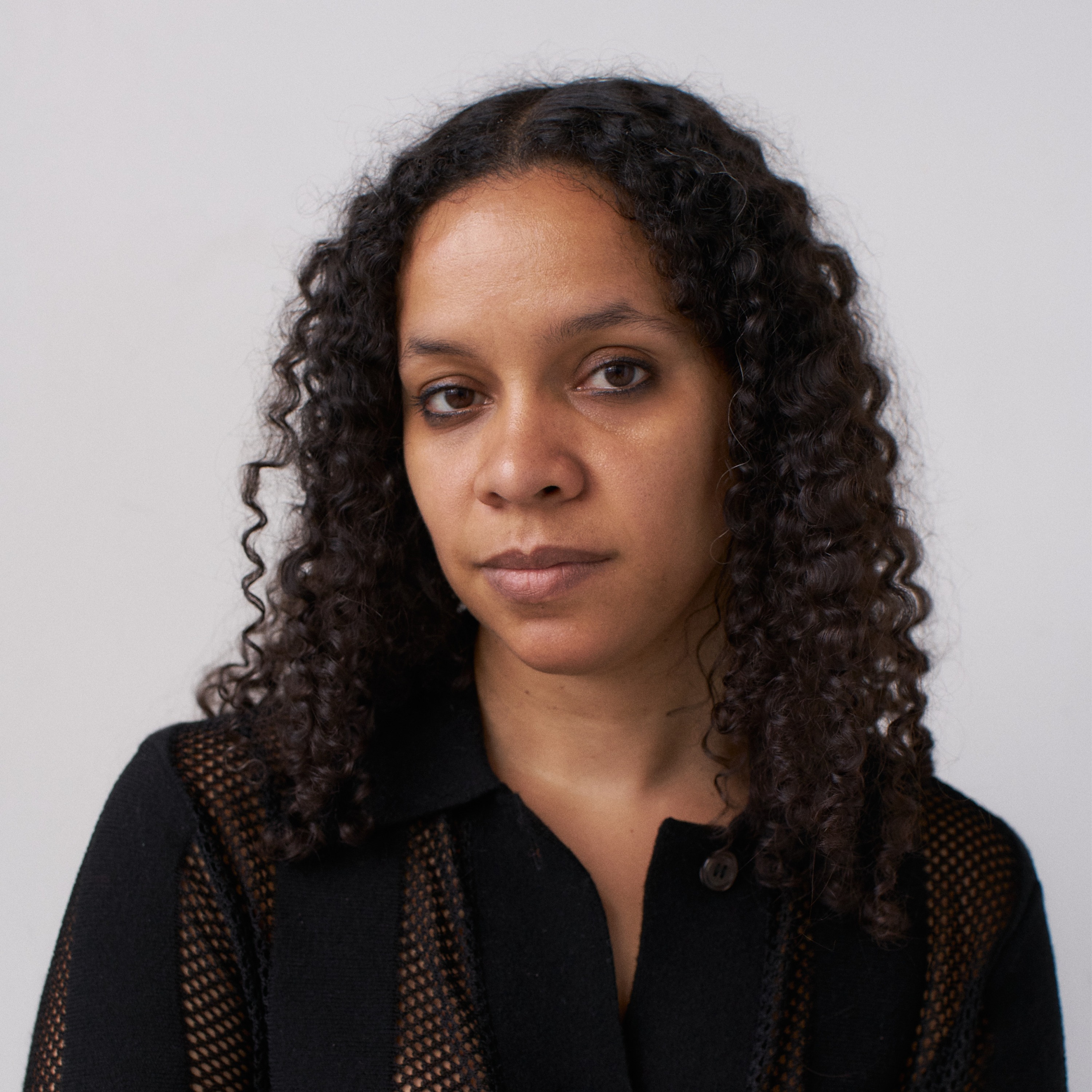
The Business of Fashion Podcast
Rachel Scott on the Sensuality of Craft
00:35:54
Designer Rachel Scott discusses redefining craft as a sensual experience with her brand Diotima, and advocating for a more inclusive, class-conscious fashion industry.
Loading summary
Transcript99 lines
- [00:00]
Rachel Scott
Foreign.
- [00:04]
Imran Ahmed
Hi, this is Imran Ahmed, founder and CEO of the Business of Fashion. Welcome to the BoF podcast. It's Friday, July 4th. Rachel Scott, founder of Diotima, has built a reputation for bringing a nuanced portrayal of Caribbean culture to the global fashion stage. Drawing on her Jamaican heritage and global experience, Rachel seeks to foreground overlooked craft traditions and champion a narrative that moves beyond exoticized tropes.
- [00:35]
Rachel Scott
Craft doesn't have an aesthetic. Like, craft is, like, technique and execution. There are endless possibilities. And I think what I really thought about was, like, on a conceptual level, like, I think that craft is maybe very. The most intimate form of fashion, like, because it is made by hand. Like, there is this, like, energy exchange almost. So I kept thinking about intimacy and, like, sensuality. And just this week on the BoF.
- [01:01]
Imran Ahmed
Podcast, I sit down with Rachel to discuss how she is redefining the narrative of craft in fashion while advocating for a more inclusive design industry. Here's Rachel Scott on the BoF podcast. Rachel Scott, welcome to the BoF podcast.
- [01:21]
Rachel Scott
Thank you for having me, Imran.
- [01:22]
Imran Ahmed
It's really nice to talk to you. I've been an admirer of your work from afar and. And so curious to hear about the genesis of this brand that's so beautiful and so rooted in craft, which is something I think more and more people appreciate. But I really want to start with your earliest memories of growing up in Jamaica. And if fashion was at all part of those memories. I mean, what was it like? I've never been to Jamaica. Really? Oh, my gosh.
- [01:55]
Rachel Scott
You have to go. You have to go. But when I'm there, of course I'd love that. No, I mean, girl, growing up in Jamaica was incredible. I grew up in Kingston in the 80s and 90s. The thing about Jamaica, if you go, what you'll notice is that you hear music literally everywhere. It's like a very musical country. You know, it's like reggae, dancehall, but it's just everywhere. And so, you know, it's kind of idyllic. You know, you. Like, when you'd leave school, you go home, you go outside, you pick a mango in the tree. Like, it was really great. You'd go to the beach on the weekends. You'd go up into the mountains and find a river my mother never allowed us to have. Like, what's the game? Nintendo. We never had Nintendo. See, I don't even know what it's called.
- [02:37]
Imran Ahmed
No video games at all, so. Really, like a child in nature, right?
- [02:42]
Rachel Scott
Yeah. Even though I was in Kingston.
- [02:43]
Imran Ahmed
Okay.
- [02:44]
Rachel Scott
And my mother, she was a flight attendant, but she also had a small boutique in Kingston. So I think I kind of always had this idea that clothes was something interesting and something to think about in a serious way. And my dad used to design furniture and so when I was young, I could never say I was bored. So my mother would be like, fine, something else to do. And so I would take like little pieces of fabric and go into the trees and like embroider for fun. And yeah, it was just. Yeah, that was really lovely. And I would always dress up in my mother's clothes, which it was the 80s, so. And it was Jamaica, so it was extravagance. Lots of like lurex and shoulders and body and sequins and. And then when I was a teenager, I started going to parties when I.
- [03:29]
Imran Ahmed
Was like 13 because that's what you do in Jamaica.
- [03:32]
Rachel Scott
That's what you do. Yeah, you go out, you go to parties. And when. Oh like I would come home at 4 or 5 o' clock in the morning as like a 15 year old. My dad was awake.
- [03:43]
Imran Ahmed
I'm sure he was awake. Just hoping you would get home safely. But I want to rewind to something you said earlier when you said you were a young girl. You were already doing embroidery back then. I mean, I know that and I've been reading that doilies and that kind of whole style of things, like very much part of the culture. So like, are you literally learning to do that stuff as a young girl?
- [04:08]
Rachel Scott
So I didn't, I did not learn crochet when I was younger. And I think that's just like. Because like my mother didn't know her parents had died when she was young. I wasn't really close to my dad's mom and so I never learned how to do it. But it was everywhere I went, like everyone's house, there was doilies everywhere, starched, like on dressing tables, dining tables, in the bathroom, like toilet paper roll covers, which I think is hilarious. So I didn't know that, but I did. My mother would buy me all these craft books and every time she traveled and it was like how to do figure drawing, how to embroider, how to do needlework. And so I would just like try and learn every single thing. And it was always craft based. So I think she really instilled that in me. And yeah, by the time I was a teenager when I was going out, I would need a new outfit every week and there wasn't like a mall or anything like that, so I would have to make my own outfit. So I would do that every week. Whether they were proper clothes is a different story. There were mostly, like, little scraps that kind of, like, were almost skirts, but not really the triangle tops.
- [05:15]
Imran Ahmed
So when did this kind of passing interest in making your own clothes turn into something more concrete where you thought about going into fashion and then. Yeah, growing up in Jamaica, I mean, how do you even go about doing that?
- [05:31]
Rachel Scott
Yeah, this was when print was still, you know, very much alive and well. There was this one pharmacy near my house that had international magazines, and so I would go there and I would buy everything I could, like, all the Vogues. I remember being obsessed with Italian Vogue when I was younger, and that's when I started to really take it seriously. At first I thought I was going to do interior design, and I think because of my dad, I'm really close to my dad. But then I started realizing how interesting clothes were and the world of that. So when I was getting ready to go to university, obviously there's no. Well, there is a fashion program now at the art school, but there wasn't back then. But there also wasn't the strongest arts education or the most widespread arts education in Jamaica at the time. So I decided that I needed to get, like, as full of an education as possible. So I left and went to liberal arts school to study language and to study arts because I was worried that if I went straight into fashion school, I would miss a lot of opportunity just. Just to, like, catch up with everybody else. You know, education in Jamaica is great, but it's very focused on more traditional fields like medicine and law and much more serious.
- [06:48]
Imran Ahmed
So where was this liberal arts school that you went to and why did you choose that school?
- [06:53]
Rachel Scott
I chose that school because I got a scholarship. It was Colgate University. So it was upstate New York. It was a really good school, but it was very isolated. And, you know, I know I'm from Jamaica, but I'm from the capital. And going to, like, upstate New York in rural upstate New York was a big culture shock.
- [07:11]
Imran Ahmed
Obviously, no parties till four in the morning in upstate New York.
- [07:16]
Rachel Scott
I was like, these parties are not good. They have no idea. No. So I would go down to the end. My best friend was from the city, and so we would go down. She's still my best friend. She actually works with me. And so we'd go down to the city as much as we could, and. And then I started doing, like, summers. I would live with her and then do, like, a course at fit and then I did an internship at Vogue, and I realized that I definitely wanted to be on the design side of fashion. I did like a summer program at CSM and I just kept doing internships. I did one at, like a bridal company in London. I can't remember what they're called. So I knew, like, I needed to get a formal education. So when I graduated, I ended up going to Milan and studying at Istituto Marangoni.
- [08:01]
Imran Ahmed
That's cool, because you're kind of getting already at a very early stage in your life, a really global perspective, not just on culture, but also on fashion. So when you're thinking about America and Europe, like, what were the things that you discovered about fashion in Europe that was different from how it was in the US?
- [08:25]
Rachel Scott
I mean, they're both so interesting to me. Still are. I think there is a formality and a seriousness in Europe and then there's like a real casual coolness about America. But then also my mother, she was a flight attendant, right? So she would also take me all over the world. So when I was younger, she would just take me out to school, put me on the jump seat back in the day when you could do that. And when I was younger, she was kind of adamant not to take us to Europe because she was like, that's easy. So she would take us to Asia, and we spent a lot of time going to Thailand and Hong Kong and just traveling around there and South America a little bit. Like, I went to Brazil and Mexico a few times. So I think I already had this, like, grounding of a global perspective. And I think that's also kind of the reason I studied language. I've been obsessed with language since I was young, and I think it's really because of that kind of exposure. And then I started thinking about clothes as language, especially because I was seeing these different perspectives and these different approaches to dressing.
- [09:28]
Imran Ahmed
So your first full time experience in the industry was to work at other companies? Right. So, like, one of the big decisions a lot of designers have to make is that do they want to venture out on their own from the beginning or do they want to go work somewhere else first?
- [09:46]
Rachel Scott
That's a very luxurious perspective and question to be able to ask. Yeah, I did not have that option. You know, I was on a visa. I wasn't even legally able to start a business anywhere. I had to work because there wasn't a fashion brand in Jamaica. And so if I wanted to grow and get experience, I had to work because I wouldn't be able to stay in Europe or live in the States otherwise. So that was the obvious next step. And so I'd gotten an internship at Costume Nacional. When I finished with Marangoni and the team there was really incredible. And my direct boss was Danish, I remember, and she didn't speak much Italian or, like, fantastic Italian. And I actually picked this up quickly because I'd studied French before. And so I ended up, like, becoming her assistant. And then at the time, there wasn't pre collections. It was just starting. It was, like, mid-2000s, so there wasn't this idea of, like, a pre collection and show collection. And so there was a commercial offering, and then there was, like, the show offering. And we focused on the show, which was so fun. And there was some of the team from back in the 90s, because this is early 2000s, back in the, like, heyday in the 90s, that had left and were, like, some German designers, and they would come in for the show, and that's when we would do the most insane, like, experimentation with material. It was mostly, like, materiality, like, doing fabric manipulation and doing crazy things with embellishments. I remember, like, spray painting this insane tuxedo blaze, like, jacket, neon yellow, the day before a show and being like, oh, my God, this thing cost thousands of dollars. What if I fuck it up?
- [11:26]
Imran Ahmed
Yeah. I mean, I remember enocapasta. I mean, that was such a defining brand of that time in Milan. It's kind of sad. It's. It's not around anymore. So after that, you went back to the US Right?
- [11:38]
Rachel Scott
So I got kicked out of Italy.
- [11:41]
Imran Ahmed
Okay.
- [11:42]
Rachel Scott
And I couldn't decide. I didn't know what to do because I was. I'd been away now almost eight years from home. So I went to London for a second just, like, to interview. I interviewed with Phoebe when she was hiring her team for Celine. She said I had nice sketches.
- [12:00]
Imran Ahmed
That must have been an amazing meeting.
- [12:02]
Rachel Scott
It was very cool. But I needed a visa. Like, there was no chance. I was an assistant level. I needed a visa. There was no chance. I interviewed with Sarah Burton. It was a year before Alexander McQueen passed away. And I just remember. So it's actually full circle because I met her the other day at the Met gala, and I was like, oh, my God, I met you 20 years ago. But, yeah. So I ended up having to leave, and I went back home, and I was like, maybe I'll start a brand now. So this must have been. It was the end of 2009, I think. Yeah. So I started thinking about this idea of, like, the Caribbean basin as, like, a region, so not just the islands but, like, also Central and South America. And having, like, I already then was, like, thinking about the framework for the brand and, like, thinking about craft and, like, shared cultural heritage and what that meant. And because my mother had been traveling to Brazil a lot for her boutique, I was, like, thinking about manufacturers there. But I didn't feel ready and I felt kind of scared to be in Jamaica. And it was definitely going to be like a colloquial. Like, it was not going to be international. It was going to be very local. And this same friend of mine from Colgate was like, why don't you just come to New York? I'll buy a ticket, but if you come, you have to send your resume out. And so I did. And then I got a job at J. Mendel, and so I moved to New York.
- [13:17]
Imran Ahmed
Amazing. I mean, what strikes me in the way that you seem to make decisions is, like, you have to be very practical about things. But you've always been thinking about this brand, right? You've always been germinating it in your head in some way.
- [13:34]
Rachel Scott
So, yeah.
- [13:35]
Imran Ahmed
What was the moment when you. When you realized you were ready to start the brand?
- [13:41]
Rachel Scott
Well, it was definitely a pandemic, existential crisis, because I, you know, I'd worked for many people for a long time. My last job, I'd been there for almost like eight and a half years, but. And I'd been thinking about it, and I'd even talked to my boss at the time about doing it. And fashion just takes over your life, especially if you're a designer. That's like all you do, all you think about. It's all your time. You work all the time. And so there's never a moment of reflection. And, you know, I know how expensive it is, and I just never. I never even thought it was possible. And then the pandemic happened and I was still working. I hadn't lost my job or anything, but I had this separation from going into the studio for a few months. And I had, like, this really delightful work life balance where I would start at 9 and close the laptop at 6. It was amazing. But then I had all this time to think, and I was like, what am I doing? At the time, I was late Thursdays. I'm like, where am I going? What is it for? Who does it serve? So I think I just really started having these. These questions. And then I started having this, like, feeling this urgent feeling that I had to do something. And, like, if I didn't do this thing for myself that, like, I wasn't gonna make it like somehow I would not survive not doing something. And so, yeah, that's when it happened.
- [15:03]
Imran Ahmed
And this idea of doing something rooted in the Caribbean. Yeah, that was a common thread through all of your ideation over the years. Talk to me about what you think the fashion industry, or maybe the world at large doesn't understand about what a place like Jamaica can offer creatively, culturally, from a craft perspective.
- [15:27]
Rachel Scott
Yeah, it's so complicated. You know, I think people think about Jamaica and the Caribbean in such a. Like, it's very exoticized. It's very much rooted in, like, you know, the colonial history of it. And, you know, the Caribbean is not a serious place, and it's just beaches and, you know, and I think I really had a problem with that. And, like, just from a cultural perspective of how we were portrayed. And I had seen many moments in history, like, even from, like, Dior with the red, yellow, green bags. And I was like, every time I saw the Caribbean reference, it just felt like everything was a trope. And I really had. I took issue with that. And I felt like there needed to be a different perspective just from this cultural level, one that felt more true to me. And I think there's no way to actually reference a culture without being nostalgic. I think you always have to present something new. You can't just be like, this is a culture, because it's not. It's not a static thing. You know, it's always changing. But at least I thought it could come from a perspective that was from the Caribbean. But then I also remember, and I think this is very much because of my experience at costume. I did all of the embroidery and embellishments in India. And I remember even then that's just like mid 2000s, and nobody spoke about that. It was always, like, made in Europe, made in Italy. And, like, of course that has its value. And there are things that I absolutely want to make in Italy and do, like footwear, for example. But I think that India is and has always been the leader and expert in embroidery. And I just felt like it was unfair that this wasn't talked about in a. In a more public or respected way back in the day. This is a new thing of talking about this, I think. And I remember when I was working there, that there were some techniques that we would do in India that I remember seeing in Jamaica. And I was like, wait, this is really interesting. There is this, like, kind of global knowledge of something, but why is it that only one place gets this value and nowhere else? Like, is it Respected, you know. And so it became kind of my mission to try and find a way to present a very informal understanding of craft. It's not like a formalized industry in any way, but I know the knowledge exists. And it's like it's an oral tradition that exists that I wanted to find a way to elevate and like, present to the world. And I thought, like, yeah, that should also be a part of my mission.
- [17:47]
Imran Ahmed
That's such a great sense of purpose and intention behind what you're doing, but doing it in practice, making it really happen. Like, how did you go from that kernel of an idea to the hard grind of figuring out how to make it happen?
- [18:05]
Rachel Scott
Well, when I started, I was like, I had no idea if anything was going to happen. So it was just kind of playing around, honestly. And I had met some women, and at the moment it's just crochet that I do in Jamaica. And I'd met some women that had like craft shops and they were really lovely and so I would just develop with them. And then my first collection, I ended up getting a few orders and it was in the crochet, obviously, so I had to figure out how to produce it. And my mother, I have to say, did a lot of the groundwork because she's there. And the two of us kind of just worked with a group of. We started meeting other women through some of the women we'd already known. And then we came across a group, like a little craft co op basically, of women who like, teach each other skills. And that I had actually met with them like 15 years prior when I was thinking about it. And so we just started meeting all these ladies across the island. And then my mother really, like, kept on top of them. And I realized though, that obviously it's handmade and there's like limitations to speed. And also they've never worked on a fashion calendar. So I had to figure out a way to diversify the product offering in a way that allowed for this level of attention to craft and elevating craft in a way that didn't feel, I don't know, staid or old fashioned or not sexy. And so I started thinking about other crafts I was interested in. And there was this manufacturer in India that I had worked with for a long time and really loved working with them. And so we started developing other things. So even, like, it wasn't necessarily like embellishments and beading, but it was a loss of thread work. And I was connecting seams of shirts and tailoring. And then I was doing fully fashioned knitwear, also china. And then I was like, well, they have the capability to do embellishments on knitwear, so maybe I do that there. And so I just started finding other techniques and the places where they're, like, really experts in there and just making sure that this focus on craft was everywhere. And I did the math the other day, And I think 65% of the collection has handmade in some way.
- [20:09]
Imran Ahmed
Wow. I mean, I think it really speaks to that 10 or so years of experience that you had in other places, especially in Italy, where they. I mean, I agree with you, by the way, that there is this unfortunate, still ongoing tendency to do things in other places and not credit the people who make them. But, you know, there is such a long history of making and, you know, the craft in Italy is obviously, you know, itself incredible. Right. And so that experience with sourcing and all of the work that you were doing when you were at costume, it really came in handy.
- [20:43]
Rachel Scott
Absolutely.
- [20:43]
Imran Ahmed
When you're building your own thing. Right. Because you don't just need to look or think about your own backyard. Like, having that familiarity with all of the possibilities of craft in other parts of the world was really helpful.
- [20:54]
Rachel Scott
Exactly. Absolutely. And also all of my experiences after that, because when I was at Mandel, I was focused again on the gowns, which was, you know, embellished or, like, lots of fabric manipulation. And then I left that and went into contemporary because I was looking for a work life balance. But that was interesting because I'd never thought about the customer. So I think it's like all of these different experiences kind of like built my foundation of how I work.
- [21:21]
Imran Ahmed
We'll be right back with more on the BoF podcast.
- [21:28]
C
Hey, guys, it's Hannah from Giggly Squad. You know, I love beauty, and that's why I go to Sephora. It's not just shopping. It's like a glam experience. The beauty advisors actually get beauty, unlike those big box stores, and they give me all the advice I need. And I love going with the products you can only find at Sephora, like my new favorite Kayali fragrance, my perfect shade of Haus Labs foundation, and finally, restocked my Lineage lip mask, all with the help of real experts. Oh, and if you haven't tried day shampoo, go try it. It's a game changer. Sephora isn't just a store. It's the beauty destination.
- [22:02]
Rachel Scott
Go.
- [22:02]
C
You'll thank me later.
- [22:04]
D
We all have that piece. You know, the one, the thing that's so you. You've basically become known for it. And if you don't have yours yet, you'll find it on ebay. Let me put you on fashionistas. Ebay is where you'll find those. One of a kind. Can't stop researching. Stay up dreaming about pieces again and again. I'm talking that Miu Miu off the Runway red leather bomber, the Custo Barcelona top with the cowboy on it, or that Patagonia fleece in the 2017 colorway. All these finds are on ebay and they even offer millions of main character pieces backed by authenticity guarantee. Ebay is the place for pre loved and vintage fashion. EBay, things people love.
- [22:50]
Imran Ahmed
So what's the breakthrough moment where you realize that maybe this little business that I'm building, it's going to work? And I don't mean the CFDA prizes and all that stuff. I mean like that real instinct that you're getting feedback from the market that's positive because you can win as many prizes as you can. But if people aren't buying the clothes, ultimately it doesn't work.
- [23:16]
Rachel Scott
I mean, I think the prizes came after the wholesale accounts, you know, and I'm really so grateful to some of the early adopters, you know, like Bergdorf Goodman. They were one of my first accounts. I think they were like my third season. And you have to note, like my first season was January 21st, was the wholesale appointments, because it was pre fall 21 and it was virtual and people bought it without having seen anything in person, you know, and then I think it was someone like Essence picked us up pretty early. I'm not there anymore, but I was there. And then Moda came early and Bergdorfs and MacMullen, Sharon McMullen also came early. And I think because of their kind of belief in the brand and support, I was like, okay, well, I guess this is real. Now I have to leave my job and work on this.
- [24:06]
Imran Ahmed
So wait, you were doing all of this while you were still having the day job?
- [24:10]
Rachel Scott
Yeah, it was crazy.
- [24:11]
Imran Ahmed
Wow. Okay, so you decide that you're ready to make the real plunge.
- [24:15]
Rachel Scott
Yeah.
- [24:15]
Imran Ahmed
Back to the practical matters, like how do you finance the requirements to grow a business from scratch?
- [24:22]
Rachel Scott
Well, I had like a little bit of savings, which was not a lot in the scheme of fashion, very little. And I used that to start. And I was just like, the only way this is going to be possible is if I get deposit, because the production has to pay for itself. So I was pretty strict about deposits back then, and we've been lucky to work with really have, you know, really great partnerships. And that's basically how it happened. But then it gets more complicated the bigger the orders. And so that's why I started doing these competitions, to find capital, essentially.
- [24:57]
Imran Ahmed
Yeah.
- [24:58]
Rachel Scott
For the business.
- [24:59]
Imran Ahmed
It's funny, I was in Milan earlier this week at the Camera de la Moda Fashion Trust because they were giving out some grants and I was talking to some people about just, you know, I used to think there were way too many fashion prizes in our industry. But given the state of the industry now and how challenging things are, like, designers are really, you know, it sounds like this was the case for you as well. Like, those can really be a lifeline.
- [25:26]
Rachel Scott
Absolutely.
- [25:26]
Imran Ahmed
As you're trying to like find the working capital to finance all that production in advance.
- [25:32]
Rachel Scott
Yeah, absolutely. And I think some people are, you know, I don't know, I guess it may be it's just like a level of privilege that I don't really have. But some people are like, oh, I can't do all these prizes. It doesn't look good. And I'm like, I actually don't care. Somehow the bills have to get paid. So. But I think I've done them all now. I don't think there are any left.
- [25:53]
Imran Ahmed
Well, you, you have won a number of really impressive prizes, but. But I guess those are not a permanent solution to growing and financing a business. So as you have been navigating the last year or so when things have become really challenging with some of the retailers that you work with, you mentioned Bergdorf Goodman. I was in Milan and the designers there were complaining to me that they're not getting paid. We obviously all know about the issues at Saks, you know, and you know, it's not just a Bergdorf Sachs knee issue. This is like, it's everywhere, a fairly long standing, widespread issue about poor payments. So first of all, have you managed to continue to finance your business by getting deposits in advance? And are people actually paying on time?
- [26:41]
Rachel Scott
People aren't paying on time. Definitely not. And I mean, it's like you said, it's widespread. It's not like specific to one account. And that has been extremely challenging. I think that's why I continue to do these competitions and find opportunities for grants, because it's like no strings kind of funding. But yeah, I'm looking into other options for how to bring capital into the business. I haven't yet explored investment, but I've been looking into other avenues. Whether it's collaborations or things like that. My focus is really going to be to build out the DTC components of the business because it's a really tiny part of the business, and it's so important, obviously, for margins and a health business. But that's just been challenging because it does take capital to build us out. So, yeah, it's really an urgent need for us to build that portion of the business.
- [27:31]
Imran Ahmed
Okay, so let's. Let's talk back to some of the, like, brand building part of what you're doing, because, you know, as I said at the beginning, just looking at what you do, the imagery, there's just this, like, I don't even know what right. The right words are to use it, and I don't like using the word elevate because, you know, craft itself is beautiful, but you have.
- [27:54]
Rachel Scott
It's elevated. Yeah, yeah.
- [27:55]
Imran Ahmed
It just feels like if you're going to take the kind of craft that you work with in different parts of the world and offer it to a global fashion industry, there has to be some process of making it feel so desirable, so beautiful, so sophisticated, which you've done. So how do you navigate that? Like, when you're working with craftspeople, there must be this kind of exchange with them around, like, how you get the result you want that you know, that the market will respond to.
- [28:26]
Rachel Scott
I mean, I think it's an approach from my perspective, because I think that for a long time, craft has, like, had a. Like, people associated a. Like, an aesthetic to craft, and craft doesn't have an aesthetic. Like, craft is like technique and execution. It's like knowledge. It's not. It doesn't have its own aesthetic. You can do with crochet anything, and, like, you want it. It's like there are endless possibilities. And I think what I really thought about was, like, just, like, on a conceptual level, like, I think that craft is maybe very. The most intimate form of fashion, like, because it is made by hand. Like, there is this, like, energy exchange almost. So I. I kept thinking about intimacy and, like, sensuality and desire and really, these people. It's not that I had to impart any. Any, like, requirements to them on. On it being elevated. The work, as you said, is elevated. And. But it's more like, how do I utilize these techniques in a way that does not feel crafty? You know, it's not them. I think it's really designers that have that responsibility. And I think I thought about, like, combinations of things, like tailoring with crochet, for example. I think I thought about embroidery in a way that wasn't, like, bohemian or, like, super decorative. Sometimes it's more about texture. Sometimes it's again about, like, the sensuality of, like, what's exposed, what's revealed and how it's done, or things that are complete and things that are coming undone. Like, I think a lot about, like, what these techniques can allow me to do in silhouettes, basically, and the exchange.
- [29:59]
Imran Ahmed
With the artisans and the craftspeople. You know, one of the other things that I think is sometimes not understood is resident within those people is boundless creativity.
- [30:12]
Rachel Scott
Absolutely.
- [30:12]
Imran Ahmed
So, so much, you know, back to this notion of, like, the. In a way, the colonization of fashion. And if we wanted to talk about the decolonization of fashion, I think part of that is crediting artists and artisans and craftspeople with their own creativity. Because in any process where you're working with, even if it's a factory, a Made in Italy factory, there's just the people you're working with, they are creative as well.
- [30:38]
Rachel Scott
Absolutely.
- [30:39]
Imran Ahmed
That dialogue is so misunderstood, I think, by a lot of people. How do you go about doing that? What's that process?
- [30:48]
Rachel Scott
Yeah, because for me, I think this is like. And this is a problem with fashion in general. It's like this idea of the creative genius, and it's usually a man, usually a white man, and it's like the dictatorship of their points of view. But actually that's. It's not at all what happens in reality. Like, every single collection involves tens, maybe sometimes hundreds of people. For me, I have an openness that I think is important. So I can go in and say I want to do something, but. But it really is a dialogue. And it's like, well, this is better because of this, or I think this is more interesting because of this. And if you're open to it, I think you can make more interesting things. I think oftentimes fashion wants to just force ideas onto people or onto techniques. I just don't think that's the way to do it, and I don't think it's reality. So I try to be as collaborative as possible. Also, because I don't have a design team, so that is kind of my design team.
- [31:42]
Imran Ahmed
So you're doing it all on your own and work with the craftspeople, basically.
- [31:46]
Rachel Scott
Yeah. Yeah.
- [31:47]
Imran Ahmed
Amazing. Well, that's even more powerful in a way, because you have such a direct relationship with them. You're not like, outsourcing that to some assistant. You're the person in direct dialogue with them, which is cool.
- [32:00]
Rachel Scott
Yeah, totally. I mean, I need some help. But.
- [32:05]
Imran Ahmed
So speaking of which, I mean, if you're not raising money right now and I know as a black entrepreneur, a woman entrepreneur, that's particularly challenging. Like, how are you feeling about navigating this? Like, as the business becomes more and more important, as it continues to grow? What's that been like for you?
- [32:23]
Rachel Scott
Yeah, I've just been trying to find other opportunities. It's not that I'm against fundraising. I just wasn't sure that I was ready for it at this exact moment. I think that could change in six months, but it's almost like a scrappy bootstrap kind of way of doing things. I think about utilizing the resources I do have, like my studio and how I can build dtc, not just on E Comm, but through private appointments and client. I think there's a lot of power there, and I do think that there's an audience. Right. And I just have to tap into that some more. But again, yeah, I've been having conversations around collaborations and things like that, which, you know, there are other people in this industry I respect who have done that, and I've seen them be successful with that. Last week, I met with Martine Rose when I was in London, and, you know, she spoke a lot about that and how it helped, and that was really helpful for me to hear and listen to that. There are other ways. You know, it's not just vc. You can do it other ways.
- [33:23]
Imran Ahmed
Absolutely. So what are you most proud of at this stage since launching Dear Tima?
- [33:31]
Rachel Scott
Maybe showing, hopefully showing a new perspective of the Caribbean and I think, like, adding to a conversation on craft in a way that's more sensual. I think that maybe is my signature, I hope, and I think that comes across. So I want to keep doing that.
- [33:45]
Imran Ahmed
I love that idea of the sensuality of craft, because you're right, people don't often see associate craft with something that's sensual. Did you land on that in the process of building the company?
- [34:00]
Rachel Scott
Yeah, absolutely. I think I didn't think about it that way so much before. I mean, I have had respect, so much respect for it always. And I do think that comes out of my time in Italy. But, you know, I would do things with the crochet that was really unusual. Like, I would take these doilies and I would just drape them directly on the body and the way it would just, like, mold to the body and hold and like. And then I started thinking about the mesh that I would add the crystals to and how that was almost a sensual experience in wearing it. And then I was like, actually, this is quite. You know, I would receive the production of the crochet and I just like, I would open the box and I would like feel this energy, you know, And I thought there is spirit and there is like this something that's imparted from the person making it to the person wearing it. And that's very intimate.
- [34:51]
Imran Ahmed
That's a beautiful notion. So there's probably other people out there who are looking at what you've done and thinking, wow, I'd love to do that. What advice do you have to offer to some young woman from the Caribbean or elsewhere who's looking to find her, her path into fashion?
- [35:13]
Rachel Scott
Yeah, I mean, I think like, there's this idea of young and emerging that is really just old now. We don't need to think about that. And I don't think people need to look like fashion is really crazy because someone that's really small and doesn't have a lot of resources is being judged on the same level as someone from a conglomerate. And so you just have to realize that you don't have to abide by these notions of when you should do something, how you should do it, like the way you should do it. I think you should just wait till you're ready and, and find your way.
- [35:47]
Imran Ahmed
That's great advice. I'd like to double click a little bit on what you said about the notion of young and emerging as being outdated. What do you mean?
- [35:56]
Rachel Scott
Well, so for example, the LVMH prize, you can't enter after 4C, which is so crazy to me. It's like, again, like I didn't have the option to start a brand at 22. I think it's a very classic classist idea. It's more than ageist, it's classist. So I think we have to realize that we don't live in an even world and young does not mean better. I think there is something beautiful to experience and knowledge and confidence in that experience. I think, of course, that doesn't mean that young is a problem, but I think emerging is maybe more interesting than young. I don't think we have to assign age.
- [36:33]
Imran Ahmed
Yeah, Redefining what emerging means. I mean, it's not about where you are in your life, it's about where you are in your business.
- [36:41]
Rachel Scott
Exactly. And I Also, as a 41 year old, feel younger than I was at 31, so.
- [36:49]
Imran Ahmed
Well, cheers to that. And Rachel, thank you. Thank you for your time and for sharing your story. It's really beautiful what you're building. I can't wait to see how it develops. And yeah, congratulations. I'm really, really impressed with it.
- [37:04]
Rachel Scott
Thank you so much. I really appreciate it.
- [37:07]
Imran Ahmed
The BoF podcast is edited and produced by Olivia Davies and Eric Brea.
- [37:19]
Rachel Scott
If you're listening to this, you're ready ready to join the Industrial Intelligence generation. A generation defined not by age, but by a shared mindset to connect teams, accelerate efficiency and drive innovation.
- [37:35]
C
Using the power of Aviva software to.
- [37:38]
Rachel Scott
Reshape industries, turning real time insights into real world growth. Discover our stories@industrialintelligence.com join Generation I.
- [37:49]
C
Hey guys, it's Hannah from Gigli Squad. You know, I love beauty and that's why I go to Sephora. It's not just shopping, it's like a glam experience. The beauty advisors actually get beau unlike those big box stores and they give me all the advice I need. And I love going with the products you can only find at Sephora, like my new favorite Kayali fragrance, my perfect shade of Haus Labs foundation, and finally restocked my Lineage lip mask. All with the help of real experts. Oh, and if you haven't tried Day shampoo, go try it. It's a game changer. Sephora isn't just a store, it's the beauty destination.
- [38:23]
Rachel Scott
Go.
- [38:23]
C
You'll thank me later.