← The Business of Fashion Podcast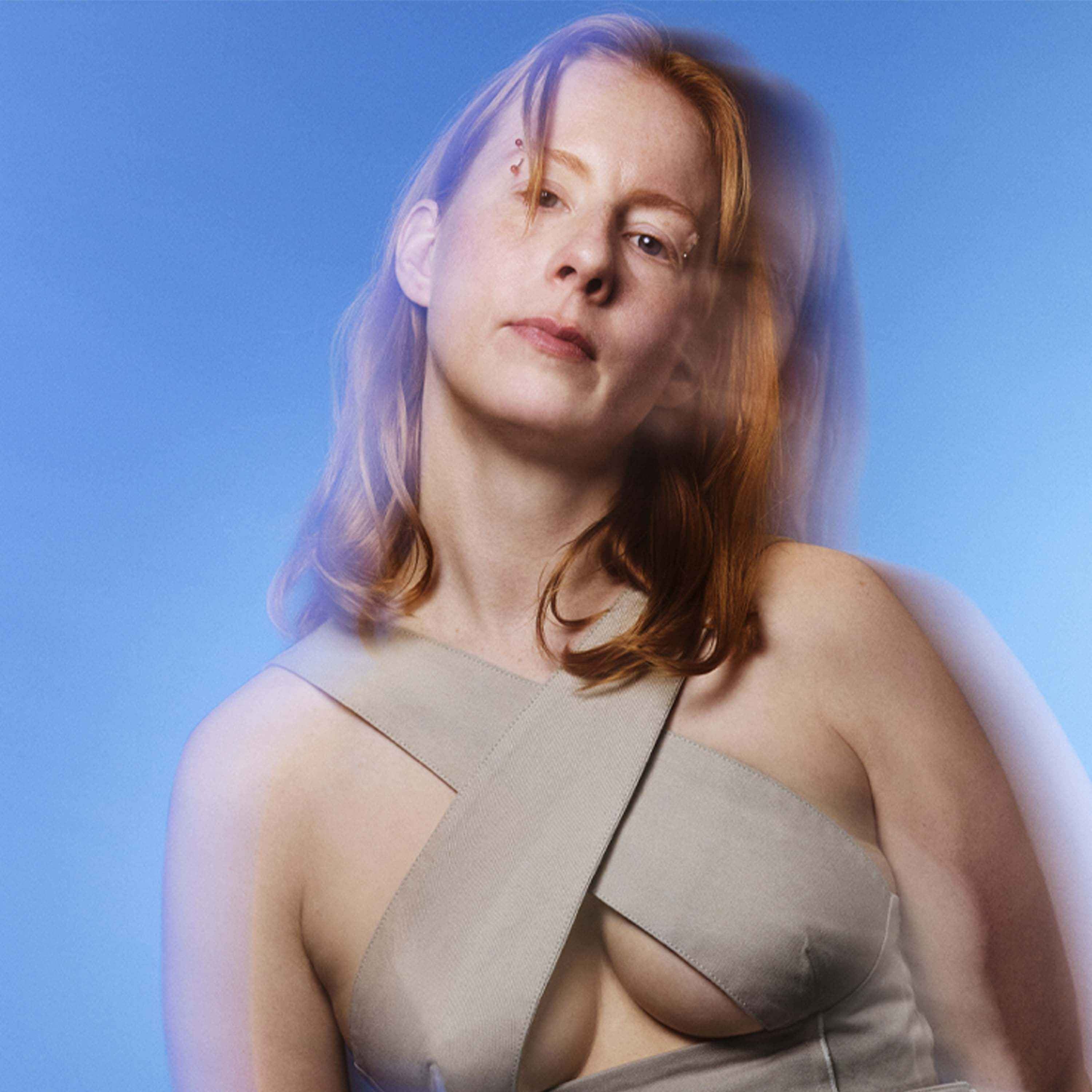
The Business of Fashion Podcast
Sinéad O’Dwyer: ‘The Glorification of Vulnerability in Fashion Is Really Bizarre’
00:40:19
The Irish designer speaks with Imran Amed about her practice which centres on diverse bodies and finding practical, sustainable routes to market through direct-to-consumer, bespoke clients and carefully chosen retail partners.
Loading summary
Transcript64 lines
- [00:00]
Sinead O'Dwyer
Foreign.
- [00:05]
Imran Ahmed
Hi, this is Imran Ahmed, founder and CEO of the Business of Fashion. Welcome to the BoF podcast. It's Friday, October 24th. Irish designer Sinead O'Dwyer grew up in a household of creative entrepreneurs. Her father was a silversmith and a sculptor, her mother was a music educator, and her grandmother knit and sewed uniforms until the age of 14. There were no screens in her home, not even a tv. Instead, she was encouraged to read, to craft and spend time outdoors. After studying in the Netherlands and a formative stint in the fashion industry, she developed a critical stance on the industry's narrow body ideals.
- [00:49]
Sinead O'Dwyer
I saw quite a lot of models who were visibly ill and I was really struck by that. And, yeah, that was something that felt really insane to me, that on the Runway they look, you know, so pulled together and like, actually behind the scenes, there's like, so many emotional struggles happening, I suppose, like, if. If you are not the beginning point of the garment, if you have a totally different shape, then most likely the garment isn't going to look like the photo. I don't think people really understand, like, the fit model for a brand is so important.
- [01:21]
Imran Ahmed
This week on the BoF podcast, I sit down with Sinead to discuss her practice and finding practical, sustainable routes to market through direct to consumer bespoke clients and carefully chosen retail partners. Here's Sinead O'Dwyer on the BoF podcast. Sinead O'Dwyers, welcome to the BOF Podcast.
- [01:45]
Sinead O'Dwyer
Thank you for having me.
- [01:47]
Imran Ahmed
It's a nice sunny day here in London and I've been thinking about you a lot, actually, since we met in Paris a few weeks back at the brunch that we held for new BoF 500 members. And you and I had a little conversation about the dress that you had designed for yourself. And it got me even more curious about you and your process and the way you approach design. But before we get into those fine details, I want to talk a little bit about growing up in Tullamore in Ireland. Where is that exactly? What was it like growing up there?
- [02:28]
Sinead O'Dwyer
It's the Midlands in Ireland, so the landscape is, like, quite bog like, bog like.
- [02:36]
Imran Ahmed
So tell me, what, like, for people who don't know what a bog is?
- [02:40]
Sinead O'Dwyer
Well, a bog is where, like, over thousands of years, trees have fallen and created this, like, dense peat. And then. Yeah, so it's a very rich soil and fertile. Fertile? Well, it's not fertile, it's rich. So it's cut for turf. So, like, for, for, like, burning, though actually, that's now illegal. So, yeah, I'm from the countryside, but not, not like extremely rural. But yeah, like, I was always outside. We like always like on a farm. Like one of my best friends, Laura had a farm. So we spent a lot of time cycling between people's houses, being outside.
- [03:16]
Imran Ahmed
So growing up in a place like that, as a creative person, like, where did you find your outlets? What were the things that kind of sparked that creativity for you?
- [03:29]
Sinead O'Dwyer
Well, definitely. So my grandmother, who passed away two years ago, she was like an amazing hand knitter, iron knitting and then all sorts of other. Just knitting of everything. She also made dolls, she made quilts. She made all of our school uniforms, actually, because my mom wanted to have like natural fibrous uniforms. So as much as school is allowed, she knit our jumpers when we were really small and made our shirts. And like, she made my communion dress, she made my confirmation outfit like this. She made my mom's wedding dress. So like, I learned to sew when I was really, really small from her and learned to like make lots of stuff. And also my dad is a silversmith and a sculptor and then my mom's a musician. So I think I like, grew up around like a lot of creativity. And also I suppose both of them being very entrepreneurial. Like, how do you. I suppose the question of how do you make money as a creative person? So my mom was like a music educator her whole life as well. She taught music in Tullamore. She started her own music school. So this sort of like combination of like creativity and entrepreneurial spirit is probably something I really grew up around. I think, like also being in the countryside, like, I was always outside building something, making something. And also my parents were really like. I'd say they're like a bit eccentric away and. And didn't have a television. We didn't have a television until.
- [04:49]
Imran Ahmed
At all.
- [04:50]
Sinead O'Dwyer
At all. We didn't have a television at all until I think I was 14. My mom rented a monitor and we rented like a DVD player. So they. I remember, like, occasionally we would rent this monitor. And then after a while, like maybe by the time I was 16 or 17, we got a television. So, like 17, I think we had a television, but with four channels, because the Irish channels are just four. And now they have like a television. They watch television. But when I was younger that was like.
- [05:19]
Imran Ahmed
But that's kind of amazing, right? Because it probably really impacted the way you see the world. You know, so many young people, especially now I know my niece and nephew and my, my sister's always trying to like ration their Screen time. Right. Because if you just let them to their own devices, they would be watching a TV or looking at their mobile or on their computer or their iPad all the time. But to grow up screen free.
- [05:45]
Sinead O'Dwyer
Yeah.
- [05:46]
Imran Ahmed
How do you think that impacted you?
- [05:48]
Sinead O'Dwyer
Maybe I think about that sometimes because I moved to New York when I was 23, and that's, like, the first time I had, like, a phone where I could, like, use the Internet, which I think is kind of crazy. Like, and I think now I'm, like, obsessed with my phone. So. Yeah, I do think about that all the time. I mean, I definitely. I mean, I read constantly, and actually, funnily enough, I feel like. Then we went to the library. I was just, like, always reading because that was my tv, basically. So I was always trying to find books that were kind of like tv. So I read, like, a lot of tragedy books when I was a child, and at one point, my parents realized that I was reading, like, books that were for much older people that were like. Like actually basically just TV in a book. Like Sweet Valley High. Yeah, like, and all those. And Sweet Valley University. And then they were like, okay, this is, like, actually about, like, sex and murder. So.
- [06:35]
Imran Ahmed
Okay, so in the midst of all of this, you know, the trashy TV books.
- [06:40]
Sinead O'Dwyer
Yeah.
- [06:41]
Imran Ahmed
The lack of screens and the bogs, where did the fashion thing come from? It sounds like you made some. You learned to make some clothes from your grandmother. But, you know, making clothes and deciding to study fashion are two completely different things.
- [06:56]
Sinead O'Dwyer
I think there was a really clear moment for me. I think I first became really interested in dance as a. As a sort of a medium of expression when I saw the film Centre Stage, actually, and I was like, oh, my God. And then when I was, like, 12 or 13, there was a Isabella Blow Philip Tracy exhibition in Dublin, and my dad brought me. And I remember seeing, like, McQueen's work for the first time and seeing the Philip Tracy ship hat. And, like, also there was a video accompanying it with Naomi Campbell walking with. With the hat, and she's pretending to be drunk or falling over. And it was just kind of this iconic video which was so theatrical. And I think I was like, wow, this is amazing. And then I kind of understood from that moment the link between sort of fashion or clothing, rather, and emotions. And in a way, in my mind, I linked that to dance. The sort of the movement of the body, the emotion. And then I became really obsessed with fashion as a medium because I started researching, obviously, the McQueen shows in general. And of course, at that time, there were so, you know, there was so much performance art in. In those shows, so I was, like, really interested. And then, like, dance and fashion. I think actually immediately that summer, it was the summer before I went to secondary school, started making all these, like, enormous hats, which is kind of funny. So, yeah, I think that that was that moment that I kind of connected those two things together. And then from that point on, I was like, I'd like to study either dance or fashion.
- [08:28]
Imran Ahmed
And you eventually did that, of course, because you studied at the RCA and you studied in the Netherlands. I'm curious, because you formed and have become known for this kind of idea of radical inclusion. And you and I spent a bit of time talking about this in Paris with your approach to pattern cutting and casting and sizing. Like, at what point in the journey did you go from looking at fashion as this kind of, like, incredible medium for expression and characters and creativity to becoming more critical about the way fashion projects imagery around the ideal body shape?
- [09:12]
Sinead O'Dwyer
Yeah. So I studied in the Netherlands. After my ba, I went to work as a trainee and kind of increasingly felt a bit, like, detached from the industry because I was really loving all the people I was meeting on the teams. I loved all the designers I worked for. I loved the seamstresses. I loved the making and the creativity and the whole process. And I loved getting to see how the business actually worked within the company. And that was something I really got to see. And I really saw before the show how tiny the models really were. And actually, I saw quite a lot of models who were visibly ill, and I was really struck by that. And, yeah, that was something that felt really insane to me, that on the Runway, they look, you know, so pulled together and, like, beautiful. And that's all the imagery the world is seeing. But then actually, behind the scenes, there's, like, so many emotional struggles happening. There's not much eating. And it was, like, quite a weird contradiction to be, like, dressing people and then also hearing those insecurities and seeing that. And then on the Runway, this, like, image of power and beauty and, like, sort of, that really struck me.
- [10:24]
Imran Ahmed
It seems, like, quite jarring, right, to be going from this. The reality of what an individual might be struggling with in order to then walk out onto the Runway and project this image of strength and. And glamour and power, as you say. Wow. I never quite thought of it that way.
- [10:45]
Sinead O'Dwyer
Yeah, because I was, like, dressing models in the styling cupboard and helping with all those different parts. So I was seeing people coming in for casting and waiting and hoping to get a look, which is common, I suppose, across industry. And just kind of seeing that vulnerability and then that sort of, like, glorification almost of vulnerability was, like, really bizarre. But I still didn't actually link it to myself, weirdly. So I heard about Zoe Broach, actually in New York. I met someone who told me about her and was like, you need to meet Zoe Broach. You need to just speak to her. And then I was like, I'm just going to apply for this master's, despite the fact that I had no savings or no plan how I would even do a master's. But I just thought, I'll just apply. And I ended up getting an interview and meeting her. And in the interview, I was like, wow, I just had the best conversation. I just, like, loved speaking to her. And she just had the idea of fashion education as not necessarily being about learning how to create a great collection that would get you a job, but more like, how do you be, like a fashion practitioner and how do you then do the masters? That helps you get to a point where you figured out how you want to contribute in general and not just sort of as a fashion designer, but like, yeah, like, to the thinking of fashion, I suppose, and to potential change. And I thought that was, like, such a revelation for me.
- [12:06]
Imran Ahmed
Was that really different from the school you studied at in the Netherlands in terms of the way they approached fashion?
- [12:12]
Sinead O'Dwyer
I think it's probably different to other fashion mas because I think, like, bas are. Yeah, you're learning. You don't know anything, so you're learning pattern coding. You're learning how to make and build a collection. You're learning to think about a concept. When you get to your ma, ideally, you already know how to have a concept, make a thing, do a pattern. So it's like, well, why are you doing an ma? And for me, because I was finding things I saw in industry so challenging. I was like, I need a space to, like, unravel what I actually want to contribute. So I had never had the ambition or the idea that I would ever have a brand. Actually, that was really not it. It was more like coming from a place of confusion of like, oh, I love this industry. I love craft, I love fashion, I love the stories, I love the people on the teams I love making. But there's like this weird thing in the industry not. Not only related to the brand I was working at, but just overall, where luxury is, like, obsessed with. With some beauty ideals that are really harmful for the overall general public, also people who aren't buying luxury. So I was Going to this MA with a sense of confusion. But meeting Zoe, I wouldn't have done an MA without Zoe, because meeting Zoe showed me that, oh, you don't do. You don't have to do an MA to learn how to do, like, a really nice collection. You can go to do an MA to be like, how. How do I want to contribute? So. But actually, it was during my ma, it's a very long story, that I actually first realized that I had an eating disorder and had had one, I suppose, for. Since I was very, very young. But I hadn't really connected it because I was like, oh, I'm just. Of course, I'm always trying to be thinner. Of course, I'm always measuring, of course, because that's where I'm supposed to be smaller. And I think, you know, that sort of, like, obsessive thinking had started when I was probably, like, 11, even without.
- [13:49]
Imran Ahmed
Access to television and all of those things.
- [13:51]
Sinead O'Dwyer
Yeah, just the idea that you should be smaller. Like, I have such strong memories of like. Of, like, buying size six when I was in size six, just to have size six and, like, just to have an object that was, I mean, like, just crazy things like that. Like, always buying sizes that were the wrong thing and being uncomfortable, even when I was really small. And then, you know, it got worse and better over different points in my life. But during my ma, I think I was really encouraged to think a lot more deeply about, like, what. But what is. What do you want to make work about? Because I came into my MA with, like, ideas of this and that. And I remember really being challenged, like, is that really what your work is going to be about? And then, like, I met my now wife in New York before I left. And I think in our relationship, I also, like, came up against that with her because I had, like, some very odd eating habits. And I was always comparing, and it was just like, I was like, oh, this is very odd behavior for me. And now that I'm, like, looking at the system and how clothing is made and how it makes people. People feel, I'm starting to recognize how much has impacted me. And, like, then during my ma, I became really focused on the idea of trying to educate, like, people, not necessarily in luxury, but also just people in general about how patterns are made and how brands do have, like, a base pattern and a base model. And I think I remember ever since I was younger being like, oh, seeing the picture of someone wearing something and I put it on and being, like, always disappointed. Like, oh, I don't look like that, like, I never look like the picture. Like, why do I never look like the picture picture? And so I started, like, interviewing friends and family about this. Ideas, experiences of trying on clothing, of how they relate to clothing and their body. And for me, naturally, yeah, I wanted to critique the usage of sort of, like, these standardized patterns to create garments. And so I wanted to create my own beginning point. So I started life casting again, friends and family and making silicon casts. And that's sort of. My MA project wasn't really clothing. It was more these cast works, which are now the primary research for all my work now.
- [15:54]
Imran Ahmed
And the goal of the cast work was to kind of expand and understand the kind of diversity of body types that exist in real life.
- [16:05]
Sinead O'Dwyer
So it was like. It was many things. It was kind of to do with the idea that. Trying to get people to visualize the idea that when you are wearing a garment, you are actually wearing sort of an imprint of another person's body. So I suppose, like, if. If you are not the beginning point of the garment, if you have a totally different shape, then most likely the garment isn't gonna look like the photo or, like, look. So it was kind of this idea of, like, that clothing is sort of perceived as being maybe more for everyone than it is. And, like, I don't think people really understand, like, the fit model for a brand is so important. And the shape and like, if it's a slightly shorter person or more petite or, like, has, like, a larger chest, it really affects all the patterns in the brand. And, like. And just in general. And of course, straight size has become the standard, even in fast fashion, like, or depending on, you know, like, I don't know, H and M, Scandinavian. So, like, there's like, this sort of clothing will fit people better depending on where it's been made. Who's. All those different ideas, I think, are totally missed by the general public. So I was kind of like. But it was also part of a conversation with the people I was live casting, giving them an object, which is their body, to start these conversations. So we would have these conversations, which ended up being a book that in the end, it was a zine, which was a combination of portraits of the cast of the people and the interviews with them. And then lastly, and more importantly for me now is they are the beginning point of all. The idea that I wanted to make patterns from a new beginning point because we're still using patterns that were like blocks that were created with formulas from a long time ago and with kind of a body ideal in mind. So to create new through my own gaze as a woman, also as a lesbian to how can I choose what I think is beautiful and then cut for that and then work from there to try and make things a bit more general or create within the collection more items that could fit more people.
- [18:16]
Imran Ahmed
We'll be right back with more on the BoF podcast.
- [18:25]
Podcast Advertisers
AI agents are everywhere, automating tasks and making decisions at machine speed. But agents make mistakes. Just one rogue agent can do big damage before you even notice. Rubrik Agent Cloud is the only platform that helps you monitor agents, set guardrails and rewind mistakes so you can unleash agents, not risk. Accelerate your AI transformation@rubrik.com that's R U B R-I K.com and now a next level moment from ATT Business. Say you've sent out a gigantic shipment of pillows and they need to be there in time for International Sleep day. You've got AT and T5G so you're fully confident, but the vendor isn't responding. And International Sleep Day is tomorrow. Luckily, AT&T. AT&T 5G lets you deal with any issues with ease. So the pillows will get delivered and everyone can sleep soundly, especially you. AT&T 5G requires a compatible plan and device coverage not available everywhere. Learn more@att.com 5G Network.
- [19:30]
Imran Ahmed
So it's one thing to make that the focus of your study. It's a completely different thing to say, oh, okay, I'm going to turn this into a real enterprise. And I know you had those entrepreneurial lessons or exposure from your parents who managed to translate their creativity into a way of, you know, building something that could sustain a living, that transition from the RCA into the real world. Like, how did you, how did you go about making that leap?
- [20:04]
Sinead O'Dwyer
I definitely didn't plan to. Again, I didn't graduate and think I'm going to have a brand at all.
- [20:10]
Imran Ahmed
Okay.
- [20:10]
Sinead O'Dwyer
I suppose the work I was making had got some interest and I did a project on Granary with Sharna Osborne and I, like started doing stuff that was more sitting within, like an art practice slash fashion world. But you know, since I hadn't actually been making any clothes with this process during my ma like a few things, but nothing, nothing really. Like the main work that I did over the two years was learning to fiberglass mill, make life cast, making these cast pieces. So there was a huge step to clothing. So I didn't really start. I think I graduated in 2018 and then I sold my first collection in 2021 after the pandemic? I believe so, yeah. There was, like, definitely some years of, like, confusion of, like, searching, still not necessarily thinking. I just kind of graduated as, like, maybe like, a fashion practitioner, someone who was interested in this idea and thinking about, well, where does this idea go? How do I want to contribute? But I was really interested in how can we integrate inclusive design into luxury? Because systematically, it doesn't currently work. But that's what I'm sort of, like, really fascinated by.
- [21:21]
Imran Ahmed
So because you've been thinking about this so much, I'm curious about where you think the system gets in the way. What are the systematic issues that need to be addressed that help us to overcome this challenge? I mean, the idea of different body shapes and different body sizes has been in the conversation around fashion, you know, for at least a decade. Right. But when I. When I think back to this past season gone by, and I don't know if it's the Ozempic effect or, you know, GLP ones or. Or if it's just a trend thing, but it seems to me like the industry hasn't really changed. It maybe has even gone backward in the. In the past few seasons about thinness. And. And it's not even just about thinness. It's about having only one type of body that the industry caters to. So my question to you, as someone who's kind of made this her life's work, as it were, is, like, what are the systematic issues? Like, what needs to be addressed?
- [22:33]
Sinead O'Dwyer
I think, like, I have tried to come at this in quite a few different ways since I started with New Gen for spring, summer 23. And then I did six shows in a row where each show is like, this is the new. Where I'm gonna come at this. And, like, each show had, you know, so I've tried a lot of different things. And so from my experience, I would say there are so many things. Of course, there's misogyny, fatphobia, etc. But if we remove that and just discuss, like, practically speaking, what I think is difficult is that luxury, like, the difference between, say, like, high street and luxury, some of the difference is the quantity. And so I suppose the reason for luxury being sort of like, more expensive and more special, the techniques, so the price point, you know, there's the capacity within luxury space. You have a customer who's willing to pay, say, £900 for a dress you can create in a more luxurious way in terms of, like, your techniques and all those things. But what seems to be the how it works is that, like, Stores, you get a smaller quantity and you're doing a lot more styles. So the scope for having more sizes is just really reduced.
- [23:49]
Imran Ahmed
Well, let me just add something in there for you to think about too, because I know I posed a very challenging question and don't want to put you on the spot, but theoretically, because luxury is higher priced and because it's not necessarily made in the same mass quantities as high street fashion or mass fashion, we could tailor or adjust or create more adapted versions of clothing for individuals. Which is kind of how, you know, in the so called olden days when you know, people had clothes tailored specifically for them, that was part of the way the kind of the highest end of the fashion industry worked. And in certain parts of the world that's still very common. You know, if you go to India or I, you know, did a conversation with a, another designer last week who told me that, you know, she grew up and everything was custom tailored for her. Growing up in Kenya, I mean, there's certain parts of the world where clothes are made for your body. I think perhaps one of the issues with the luxury and this is actually not made in small quantities. You know, it's made in, you know, maybe not the same quantities as the high street, but you know, you're talking about thousands, maybe tens of thousands of the same look or the same style being made. Yes. You know, of exceptional materials with, you know, certain levels of technique and, and whatnot. So it's like luxury is not rare or precious anymore. It's just, it's made in very, very, very large numbers.
- [25:33]
Sinead O'Dwyer
Yeah. The first main point I suppose I'll make is that there isn't a lot of developed curve luxury customer. So for instance, I've been selling extended sizing for several years and in different stores have invested in a larger size range. But that doesn't mean that it sold well. In fact it hasn't. And in general, of course, as a new brand, I don't sell like, you know, I'm not going to be on the, you know, like you have. It takes a long time to develop your customer overall. But I think one issue is that there isn't a super developed luxury customer that's plus size like proportionately to the sort of smaller size one. And that makes sense because if luxury is sort of constantly advertising a smaller body and then the sort of luxury clientele is being like marketed to in this way, like be smaller, I think that's sort of like. Yeah, that's why example has been so popular. So there's that issue so if a store does buy more extended size range, they don't necessarily have that customer coming to their store to look because that customer knows they're excluded from that store. That customer is already like, oh, I don't shop there.
- [26:44]
Imran Ahmed
Right. And even if they bought an extended sizing run from you, most of the other brands are offering an extended sizing run. So you have a rail somewhere in the store and that customer might not even know that they're being catered for because that whole channel has excluded them.
- [27:02]
Sinead O'Dwyer
For the longest time.
- [27:03]
Imran Ahmed
Exactly.
- [27:03]
Sinead O'Dwyer
So I think that's like the first thing that I find like a really big barrier, which is why I agree with you with sort of more tailored garments. That's kind of what I've come around to. I started off being like, yeah, I'm selling, I'm selling my extended size rings in the stretch garments on Essence. I was like, this is amazing. And then I was like selling my extended size range on stretch and also tailored garments on brown. So I was like, this is great. But then like, I was like, oh. But I actually do see though people are buying the curve sizes now over time on sale. Like, it's like, you know, you need to, it takes time for people to discover what you're doing. So that's fair enough. But like, people are not necessarily going on certain websites looking for a size 20 because they know they can't get size 20 there and they also may not, you know, so that's been kind of one main barrier. Like I think it will take many years to develop the trust in the customer because like you're like in a system which has been like really excluding most people above size 14, then there's a lot of trust also. And there's also like, it doesn't feel nice to be seen sort of not be thought of and not be perceived as important. So you're maybe also just not interested then. So that's definitely the first barrier found. So for me now more of my investment is in like I used to be really like trying to get stores to buy the extended sizes. Now I'll do that to a certain point, but I'm also just more focused on me being able to buy my extended sizes and then also doing more bespoke made to order direct to consumer, which is like what you said and trying to use my margin to offer the made to order in the same price as the ready to wear. So I think that is the way forward ultimately. Also in terms of sustainability, I think the conversation around sustainability and, and extended sizing is like really similar because wholesaling is so, so challenging, especially for small businesses. And there's no room for error in wholesaling, which means there's kind of no room for you spending all that extra money on extended sizing. Because to do it properly, you need to have like around 4, 4 sample sizes per style, which means you need to sell less styles to that retailer which they don't want because they want a broader range of things. So I think I've started to cater to each store a bit more individually in that way and accept that some stores are just not going to go with the extended sizing and that's fine. And then what I take on as wholesale just needs to support what I'm trying to do for the sort of people I cater to that I actually know. I'm trying to focus more on the customers I really know who come back to buy the 16 every season and make sure that I have what they may need. There's a lot of conversation around sort of this like huge untapped market, which is like, I suppose people above size 12 who'd like to buy a luxury, which is like, very true. But then there has to be the investment in that community from the stores, from wholesalers, from the brands in order to gain that trust, in order to gain that customer. It's not so easy as just putting some curve models on the Runway and being like, oh, like give us your trust. Like, that's not going to happen. Exactly.
- [30:13]
Imran Ahmed
And I think if a certain community of customers has been excluded for the industry for such a long time, there's going to be, have to be sustained investment in recapturing the trust and interest of those customers over a sustained period of time. It's not going to happen overnight.
- [30:32]
Sinead O'Dwyer
Exactly. And I think that's like the real challenge. But then why is that not happening? And that's to do with these embedded ideas of what is beauty, Like Eurocentric ideas, like misogynistic ideas, fatphobia. Those are the reasons why that sustained effort isn't happening. So that's like the tension. That's what makes it like very challenging. And that's why I think ultimately I have, after trying lots of ways really, and especially because the current economy decided to be really focused on like the, through my E commerce, like having MIC standard sizing so that I can be in control over how I'm outreaching to my customer. Because I have gained like, maybe industry hasn't, but I've gained trust from people. So when I have a pop up, I will get People who've wanted to buy something coming because they have, you know, I suppose I've been doing runways for three years, which is not, you know, 10 years, but it's enough it show. I've shown that I really care, and I do really care, and I don't always get it right. And I absolutely make a lot of mistakes as a new brand. But I think that that's my beginning point now is like, maybe less focusing on the extended sizing in the realm of wholesale. Though I do have currently extended sizing on Zalando, which is great, but more like, where do I have trust? Who do I know that I love? How can I think about them and create events where they can come and try more often? And actually, this is the first year where I've had an E Commerce, which is surprising because I should have had it earlier, but I couldn't afford to buy my extended sizing because I couldn't afford. Because if you're buying, you know, two sizes of every style, you can just add a few bits to your E Commerce. Like a few years ago, but I wanted to offer at least size 6 to 24. I offered to shops size 6 to 30, but I wanted to offer size 6 to 24, at least on my E Commerce. So then that. That's 12 sizes, I think. So it just becomes more expensive because you're buying 12 pieces of every style, which is very. Like, small brands usually buy like three to five or even sometimes two. So that's kind of been a complication. So I'm currently working on building my E commerce community now because I also wasn't offering that myself, so.
- [32:50]
Imran Ahmed
So that's interesting. So, like, that's one major barrier. The other barrier, which you've alluded to earlier, is just the image that's projected by the industry. You know, I've had a chance to chat with people like Ashley Graham and Paloma Elsasser and other models that have kind of really, kind of shared with me that they will be invited to go and walk in a show and, you know, the designer will make a garment for them, and then that garment's never available in the store, you know, so, like, it becomes more about the. The projection of the image of being size inclusive. But maybe for the reasons you're mentioning, those garments never get produced. So I'm just wondering.
- [33:39]
Sinead O'Dwyer
Well, because people have to care. Like, there has to be an investment in the whole industry to be like, hey, we actually care about this and we're gonna. I mean, you will lose a bit of money at first because you have to invest in that customer and be like, hi. Like we actually want to cater for you, we respect you, we want to have you in the store buying your size or we want you to do a direct order. Like. But I think there's a real lack of empathy in fashion industry when it comes to this topic. And like when it comes to like these really famous models who are like super well respected, there's that respect when it comes to actually a customer. I just feel like there's, there's not that many people in the industry who really who have the power who, who care enough to like to work on this because it has to be like a collective thing.
- [34:25]
Imran Ahmed
So you mentioned a couple of retailers that Essence Browns. I mean those are two retailers that have been facing challenges recently. I mean, yeah, and this is probably not just as a designer focusing on inclusive sizing, but just as an emerging designer generally. Like, how has it been for you navigating the turmoil, ripping through the wholesale sector in fashion?
- [34:51]
Sinead O'Dwyer
Yeah, I mean wholesale I've always found very challenging because of also my techniques are very handmade. And yeah. So my largest retailer now is Zalando. So they've actually bought size 6 to 24, which is really exciting. So that's a positive thing in terms of sizing. But I definitely see especially because of how I like to work and the people I want to design for and also how I build my garments that direct to consumer is very interesting to me. But also working with smaller stores which have a really tight selection, also know their customer really well. I think that's like overall the way forward, like less quantity for more smaller stores, more of a personal investment from my side and pop ups and customer facing events. I do a lot of bespoke. So that's a really important part of my business. I think it's similar to what you're saying about this sort of tailored approach. I feel like the beginning of me selling it was still a moment where you were getting these huge orders from these online retailers and then you were like, was like, this is how, this is what I have to do. Okay. And then I have to do the extended sizing within this huge thing even though there's no physical store, so no one can try that. So it kind of makes no sense.
- [36:07]
Imran Ahmed
And then you're measured to these like unreasonable expectations around sell through and all of that stuff and it just, it doesn't work.
- [36:13]
Sinead O'Dwyer
It doesn't work. And like also like if you are trying to get this new size 20 customer to come on like this online retailer that has Nothing else, size 20, they're not going to buy a 900 pound dress without trying it when they already know that they've never been able to buy anything in that store before. So it's like very. It became like that all of that doesn't work together. Like wholesaling, online, extended sizing. It just became like something I kept trying different ways every season of making it work. I mean I was interested in this Orlando customer because they have like a range of price points they would have. And they already had, they had a curve section. I don't. It's not like it's on a huge curve section, but I was like, oh, they've already got a customer coming to this store, so that's already positive. Whereas I've never worked with an online retailer that had any sort of curve customer who would be regularly visiting the online store. So that was a positive thing. But yeah, I think it's kind of like having like lots of different strategies which are like, for me it's bespoke, direct consumer pop ups. Super important for me because of the trying on. A lot of my garments are very fitted. So you do like, there's a stretch ones but there's also like ones that are quite specific so you want to try your size. And then more like I just launched on H. Lorenzo. So like having that like shops which have. Have a very particular audience and that particular customer they're buying for, trying to kind of work with people who also know who their customer is. So you're also just not making clothing that you feel like is just going into the abyss and you're like, who is going to buy that? Yeah. So I think especially because at the moment things are quite precarious, keeping it really close to myself, trying to have as much of a personal relationship as I can because that feels more stable because then you really know who the person is buying the clothes.
- [37:57]
Imran Ahmed
It's so much to manage. Right. You know, I'm curious, as someone who's so clear about her mission and who's also very creative and who understands that she needs to take that mission and her creativity and somehow sustain it in a business, what do you find the most challenging?
- [38:22]
Sinead O'Dwyer
To be frank, cash flow.
- [38:24]
Imran Ahmed
Well, that's the eternal answer. That's the right answer. Yeah. I mean cash flow is so complicated. Yeah.
- [38:32]
Sinead O'Dwyer
And like managing different terms and. Yeah. I just feel like when you start a business you are new for so long because it takes over so many years until you figure out like your internal system and like Your way of keeping. Yes, that. Strategizing. And I don't have a business partner, so. And I am. I've. I can really see in myself my flaws, that I'm very creative and I. I am illogical sometimes when it comes to, like, certain choices and decisions. And I. I would say that is the most challenging.
- [39:06]
Imran Ahmed
So what. What advice do you have? There's so many people who are inspired by what you do. You know, I can see it and hear it in the reactions online and, you know, in conversations with people. So for young designers out there who are maybe just cottoning onto their mission or focus or purpose in terms of channeling their creativity, what advice do you have to those. Those people as they kind of make their first forays into this very challenging industry?
- [39:41]
Sinead O'Dwyer
I suppose, like, I mean, it's a cliche, but just really stay true to yourself because, I mean, there's. It's such a subjective industry and, like, you just need to figure out, like, where you want to contribute and, like, what. What your interest is and grow from there. Yeah, there's so many ways about being part of the fashion industry, which is. It's such an exciting industry. There's so many roles, and so many of them are creative and interesting business. And it's. I think that the most important thing for me was that I noticed when I wasn't happy with something and I tried to, like, switch. That's probably the most important thing. And I think also the thing I love the most about fashion, actually, is really that it is so much about a team. And I think for me, I'm very much a team person. I don't want to be a solo person. So that's what I love about this industry, that there's so many hands going to making everything. So, like, being part of that is so rewarding.
- [40:44]
Imran Ahmed
So, yeah, that's good advice and thank you for what you do because it's so important and it's so valuable to our industry to have voices and contributions like yours. And I'm really grateful for the time we spent together because, yeah, as I mentioned, I'd been curious about you for a while, but then especially when after our brief chat in Paris a few weeks ago. So I'm glad we got to expand on that.
- [41:10]
Sinead O'Dwyer
Amazing. Thank you so much. It's been so good chatting today.
- [41:14]
Imran Ahmed
The BoF podcast is edited and produced by Olivia Davies and Eric Brea.
- [41:27]
Podcast Advertisers
AI agents are everywhere, automating tasks and making decisions at machine speed. But agents make mistakes. Just one rogue agent can do big damage before you even notice Rubrik Agent Cloud is the only platform that helps you monitor agents, set guardrails and rewind mistakes so you can unleash agents, not risk. Accelerate your AI transformation@rubrik.com that's R U B R-I K.com Hey, I'm Paige Desorbo.
- [41:58]
Sinead O'Dwyer
And I'm always thinking about underwear. I'm Hannah Berner and I'm also thinking about underwear, but I prefer full coverage. I like to call them my granny panties. Actually, I never think about underwear. That's the magic of Tommy John. Same. They're so light and so comfy. And if it's not comfortable, I'm not wearing it. And the bras? Soft, supportive and actually breathable. Yes. Lord knows the girls need to breathe. Also, I need my PJs to breathe and be buttery, soft and stretchy enough for my dramatic tossing and turning at night. That's why I live in my Tommy John pajamas. Plus, they're so cute because they fit perfectly. Put yourself on to Tommy John. Upgrade your drawer with Tommy John. Save 25% for a limited time at tommyjohn.com comfort See site for details.