← The Business of Fashion Podcast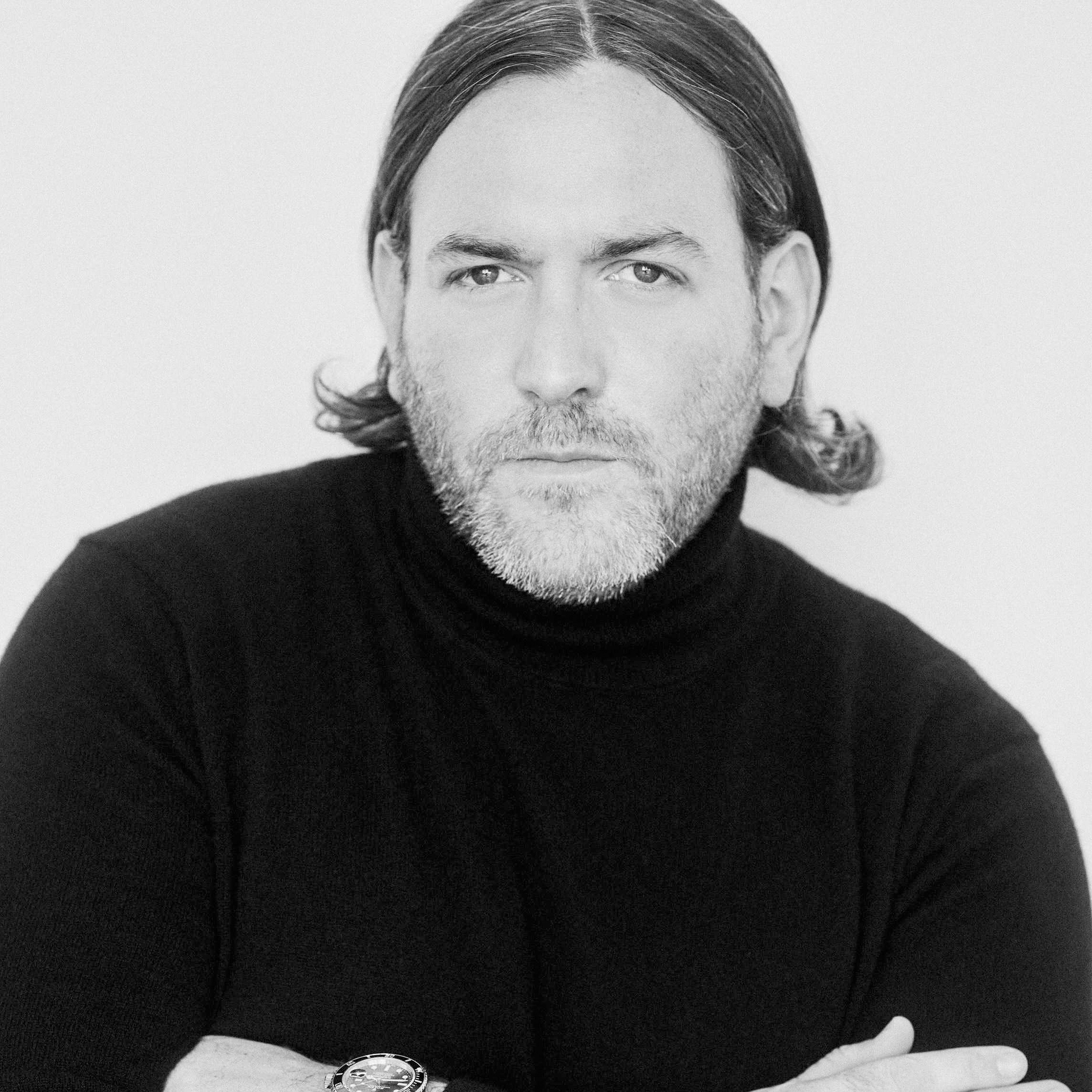
The Business of Fashion Podcast
Thom Bettridge Says Viral Magazine Covers Are Only Sugar Highs
00:46:24
The editor-in-chief of newly-relaunched i-D joins BoF founder and editor-in-chief Imran Amed to discuss the purpose of magazines in the digital age and why we’re shifting from an attention era to retention era.
Loading summary
Transcript101 lines
- [00:00]
Imran Ahmed
Foreign Hi, this is Imran Ahmed, founder and CEO of the Business of Fashion. Welcome to the BoF Podcast. It's Friday, March 21st. ID Magazine was founded in 1980 by Terry and Tricia Jones, pioneering a new kind of fashion storytelling that mixed street style with high fashion and always with an eye and a wink to the future. The magazine has had its ups and downs and in 2023 fell victim to the bankruptcy of Vice, which had acquired ID from its founders in 2012. Enter Karlie Kloss and her burgeoning media company, Bedford Media, which has plans to revitalize ID under new editor in chief Tom Bettridge, who has experience at O32C, interview, high snobiety and Essence. Now, Tom is on a mission to re establish ID as a cultural institution for a new generation, one that values community over clicks and retention over viral attention.
- [01:08]
Tom Betteridge
I've worked on viral covers and they can do so much for your exposure as like a small brand, but at the end of the day, it's really like a sugar high that famous person's fans are there to see the person they like. And actually what I've learned is that, like, not that many of them actually, like, stick around, but I like this idea of making the magazine about the magazine rather than about who's on it necessarily.
- [01:37]
Imran Ahmed
This week on the BoF podcast, Tom and I talk about his journey to ID and what it takes to relaunch an iconic title for a new era. Here's Tom Betteridge. The BoF Podcast. Tom Beid, welcome to the BoF Podcast and to our offices here on Charlotte street in London. We just moved in here a few months ago, so you're the first podcast guest to sit here.
- [02:07]
Tom Betteridge
I can report. It looks really nice.
- [02:08]
Imran Ahmed
Thank you. We're still moving in, so there's still lots of things to do, but we're happy with our new home. As a fellow editor in chief of a media company, I'm really looking forward to this conversation. And I obviously want to dive into all things id, but thought we should spend a little bit of time on the journey that brought you here. I'm curious why, how and why you ended up in fashion media in the first place. Like, what was it that first attracted you to this industry?
- [02:45]
Tom Betteridge
It's interesting. I feel like, in a way, I was always very attracted to creating magazines and media, and then fashion was kind of the place where that was happening in the most interesting way. The first magazine I ever made was actually when I was in college. I was the editor of the philosophy.
- [03:04]
Imran Ahmed
Magazine you studied philosophy, right?
- [03:06]
Tom Betteridge
Yeah, I studied philosophy. So then I always had this interest in making magazines. So I volunteered to make like the department's magazine and I got hooked on in. I started making magazines for other departments and like, it almost became like the real thing I was studying besides what I was actually studying in school. But the fashion aspect of it, I think that's just where I feel like the heat and energy was when I was leaving school.
- [03:31]
Imran Ahmed
So what year was that?
- [03:34]
Tom Betteridge
So I Left school in 2012. So it was kind of like post 2008 recession, and a lot of people were like, heralding the death of magazines and media and all this stuff. And I feel like someone asked me recently about that and I was saying I feel like every year since I started, people have been predicting the death of publishing, but it's still around more than ever.
- [03:58]
Imran Ahmed
Why do you think it endures? What is it about? I mean, clearly this is a space you've been interested in for a really long time. So I guess two parts to my question, like, why does your interest in magazines and media endure and why do you think the industry endures, notwithstanding all of the doomsayers saying that it's the end of magazines?
- [04:24]
Tom Betteridge
Well, you know, I think that part of the reason why people predict the end of magazines is they're like, okay, everyone is their own publishing platform now, right, through social media or whatever. But I think, you know, there's so much noise, especially now with like, AI and how, like, you know, people are publishing slop, quote unquote, like on social media. Like, you need a voice that can kind of make sense of things and canonize things and help decide what's important and what's relevant, you know, and so I think actually, like, since I started, I feel like that curatorial voice has become like, even more important than ever because we're so overstimulated as a culture and, like, unsure what to prioritize sometimes.
- [05:08]
Imran Ahmed
Yeah, I mean, that's been the role of editors since magazines were first invented, which is to provide a point of view. Right. So you started, I guess, your first, like, senior editorial role in A magazine was at 032C. You know, did you live in Berlin and do the whole thing?
- [05:28]
Tom Betteridge
I. I did the whole thing, yeah. I moved to Berlin for that job. And it was great because I think, you know, at 032C, we were a small team. So, like, everyone was like the butcher, the baker, the candlestick maker, you know, like, I was posting stuff on social media, writing the newsletter, you know, and I think it's good to get your hands on everything, especially early on in your career. It was also a really interesting time because, like, the year after I joined, like, we started creating the Merch line. And so, like, part of my job became sort of, like, marketing this, like, new idea of, like, a magazine having this, like, commercial arm, which was, like, really interesting and influential for, like, things I would do later in my career.
- [06:13]
Imran Ahmed
Ultimately, I don't think that Merch line endured or worked out over the long term. Right. So what were the lessons you took away from marrying a magazine with Merch?
- [06:25]
Tom Betteridge
Well, it's interesting because it's. I mean, they. They still show at Paris, and, like, they. They have, like, a really strong audience for the clothing that they do. But I think what was quite interesting was that something that that project taught me was that magazines, at the end of the day, are almost about building a community. You know, maybe there's like, the 5 million people you reach on social media, but actually, the audience that really matters from a sort of community perspective is, like, the 5,000 people who would buy a T shirt. And so thinking on those kinds of terms was really interesting. Cause I think coming up in media, you're trained to look at raw impressions rather than who you're talking to, how invested they are in you beyond reading something.
- [07:10]
Imran Ahmed
Yeah, I mean, I think the idea of cultivating readers who love a publication so much that they'll walk around the streets with it either emblazoned on a ball cap or a T shirt or, like, the New Yorker on a tote, like, that's just somehow showing that media brands play such an important role in people finding their tribe and identifying with specific editorial point of view. So how would you describe the O32C point of view?
- [07:50]
Tom Betteridge
You know, the motto of the magazine when I was there was it was called a Manual for Freedom, Research, and Creativity. And so, in a way, even though it was a fashion magazine, it was almost as much about the people kind of creating culture behind the scenes. Like, one of the stories that really inspired me when I first started there was they. They did this incredible profile a couple years before I started about Steven Meisel, and it was kind of like, the only thing you could really read about Steven Meisel at that point.
- [08:21]
Imran Ahmed
Did he participate in the story?
- [08:23]
Tom Betteridge
He didn't, but they interviewed, like, every single model.
- [08:25]
Imran Ahmed
Because he doesn't talk to anybody, right?
- [08:27]
Tom Betteridge
No, exactly. So they did an oral history of, like, everyone but him.
- [08:30]
Imran Ahmed
Right.
- [08:30]
Tom Betteridge
And that idea of, like, you know, almost like, turning the lens back on how things are made, I think Is. Was really relevant, especially at the time, because I feel like nowadays, like young people, they all want to become creative directors, you know, and so they're interested in how these things are made. But I think at the time, it almost was like, wait, why are you talking about the photographer, not the models?
- [08:52]
Imran Ahmed
Yeah. So then you moved on to interview, which, unlike O32C, relatively new publication like Interview is steeped in this, like, really deep cultural history. And I guess there's. There was, like, a predefined format about how everything works there. Like, what. What was. What was it like stepping into, like, a quite mythical publication?
- [09:20]
Tom Betteridge
It was so much fun. And it was also such an honor, I think. Like, you know, in addition to philosophy, I also studied art history. And so I grew up being obsessed with Andy Warhol and, like, his cultural output. And so I think the idea of being in dialogue with that legacy, like, off the bat, was, like, fascinating. But then I started studying the early issues and stuff. It was. It was so interesting to see the way that he almost used Interview as a tool to, like, interact with popular culture directly. You know, like, there's this really great interview that he did with Burt Reynolds. And you could almost tell when Andy's, like, doing the interview that he's basically doing the interview because he just wanted to meet Burt Reynolds.
- [10:03]
Imran Ahmed
Isn't that why we all interview people sometimes? Because I'm guilty of that too. There's just someone I'm fascinated by, you.
- [10:09]
Tom Betteridge
Know, and that was kind of how we almost, like, re cultivated the DNA of the magazine was to really think about this collective fascination we have with fame and to think about, like, how that Warholian thing is almost refracted onto today, you know, so it's like, what would Andy Warhol think of TikTok? Like, what would he think of OnlyFans? Like, what would he think of this? That and the other thing, I think became a really great thought experiment to work from.
- [10:37]
Imran Ahmed
And how was the formula of selecting the interviewee and the interviewer? I mean, I once was lucky to be interviewed by Diane von Furstenberg for Interview. And it goes down to this day as, like, one of my favorite moments, you know, when. When I was on the other side of the table, as it were. Plus, they took a really cool picture. But, you know, how did you guys think about pairing people up?
- [11:03]
Tom Betteridge
It's really funny. It's not an exact science. So I think in some cases we ask people, like, who do you want to interview you? And they'll come back with someone like that. We never would have thought of. And it's like, perfect. You know, for example, like, when we did the RuPaul cover, we asked RuPaul, like, who do you want to interview you? And he said, judge Judy. Because I've been watching Judge Judy every day for, like, 30 years or something. Wow. And, like, you know, I would never think to be like, oh, yeah, like, judge Judy should do the interview. But, like, you know, so oftentimes the talent would come up with really great ideas. And then sometimes we would want to use things as a chance to almost, like, tease out certain themes, you know. So, for example, like, when we did Terry Mugler, we had him interviewed by one of his muses. And so this idea of the designer and the muse is so Tippy Hedren interviewed him, which was really great.
- [11:58]
Imran Ahmed
Well, as an editorial construct, I find it so interesting because when we're commissioning stories or brainstorming Ideas here at BoF, we're really focused on the subject. But this is really interesting because you can focus on both the subject and the interviewer to create that kind of editorial magic, which I think is really cool. So, okay, then you went on to, like, a digital first publication, you know, heist nobility whose founder kind of like me, you know, started writing a blog and turned it into, like, a really widely read publication. You know, what was it like to work in, like, that purely digital setting?
- [12:39]
Tom Betteridge
It was incredible. I mean, like, I learned so much, especially working directly with David, you know, because, as you said, like, the first five years of that publication was just him posting on a blog. And so, like, I was really fascinated by working at this fast pace, working in dialogue with the news cycle, having a bigger audience. And I think at the same time, like, the brand had reached this point where they had become kind of interchangeable with hypebeast. And so we wanted to almost turn the brand into, like, a kind of new legacy publication, you know, and to, like, give it a really great print magazine to, like, you know, they had never really done stories with, like, celebrities before, and they never really commanded a huge voice in terms of, like, op EDS and things like that. And so, like, I think, like, in a way, a lot of that project was about creating this. Almost like, what would a legacy publication for this new generation of fashion consumer look like was was kind of the. The central paradigm of the project, in a way.
- [13:45]
Imran Ahmed
Got it. Did you find the pace challenging in any way? Because you went from this kind of O32C was like, twice a year, I think print publication, and then interview was probably more frequent but also largely print focused publication. Then all of a sudden you're in this like digital avalanche.
- [14:05]
Tom Betteridge
Yeah. The story I always tell is my first day at high snobiety. I got there like 8:30. The admin gave me my laptop and by the time I set up my laptop in 45 minutes we had already published 12 stories. And that was new to me. Right. Because I think like even at Interview we were doing six print magazines a year, you know, and so that was like. And we obviously had a website, but it wasn't working at that kind of pace. And I think it was really great from a leadership perspective because at a certain point you realize like, I can't top edit every single one of these pieces, you know, like, I have to cultivate a team that is going to do great work even when I'm not directly touching it, you know. And so I think that was for me like personally like the big growth thing, you know, like learning how to almost be like more of a coach than like an editor of editors, you know.
- [14:59]
Imran Ahmed
Yeah. I mean it changes the whole game when you can't get into every single story, which you would do in a print publication. Right. You probably look at everything and like you think about the whole package together. You think about an issue and you think about how it all fits together and you write an editor's letter and like part of your role is to like explain the issue to your readers. Whereas in the always on nonstop digital stream of content places like High Somayati, it's more about a point of view over this constant stream of stuff and you just really need to shape that point of view and it's going to adapt and change and you know, with, with what's happening in the world because it's really about capturing the zeitgeist, you know, it's like what's happening today.
- [15:46]
Tom Betteridge
Yeah.
- [15:47]
Imran Ahmed
What do you think gets lost operating at a pace like that? And what do you think are the added benefits of working so quickly?
- [15:57]
Tom Betteridge
You know, it's a really good question because I think that for me as someone who came from print, I was mostly learning all the benefits of working quickly, you know, and this idea of really being in dialogue with the news, because I think something we learned very quickly was that if something was happening in the world, we would find our own way of talking about it. And I started thinking about this idea that I talk about with my team all the time is like the digital water cooler, you know, like what's that thing people are talking about today? And like how do we either lead that discussion or become a part of it in our own weird way or whatever. And so there's a lot of learning there. And I think as far as what you lose, I think in a way that's like, that was kind of what I was there to add was like, you know, longer form pieces, pieces that are more addressing what it all means because, like, I think that that's the piece that you kind of like lose when you're following like every single update that's happening.
- [16:56]
Imran Ahmed
So then, Tom, you made the slightly surprising decision to go to the other side, as it were, and up to Essence, the kind of really youth focused E commerce retailer in Montreal. What prompted that decision? Because, you know, when you're working in like a pure editorial environment, you're given a lot of creative freedom around what you choose to write about. And there's no specific commercial objective really, other than to make sure lots of people are reading and buying the magazine so that you can reach advertisers and make money that way. Like, to make the decision to go work on the content side of an E commerce retailer is a pretty significant shift.
- [17:40]
Tom Betteridge
Yeah, it was really interesting because the way I first encountered essence was that when I was at 032C, Joerg Koch, the editor of O3.2C and I, we were, we were consulting at Essence and helping them build like the early version of their editorial platform. And it was a really eye opening project because, you know, Essence, it's a very data led company, but one that strongly believes in creativity. And so we'd actually, through looking at some of the customer data, learned that by virtue of just people reading stuff on the site, they became better customers monetarily.
- [18:20]
Imran Ahmed
So it was educational in a way.
- [18:23]
Tom Betteridge
It was fascinating because, you know, I thought that doing content to make money on E Comm would be like, okay, let me do a listicle about like 10 great sweaters and then people click on the sweaters or whatever. But actually what really worked was if you just made great content, you then kind of became part of someone's digital diet in a way that built loyalty with the brand. The metaphor I would use a lot with my editors, there was like thinking about like a hotel with like a great coffee shop, you know, because even if you don't ever stay in the hotel, or maybe like you only stay there when your mom is visiting or whatever, if a hotel is a great coffee shop, you're there every day getting a cup of coffee. And it creates this kind of scene around the brand.
- [19:07]
Imran Ahmed
So the content at Essence was Like the coffee shop.
- [19:10]
Tom Betteridge
Exactly. Because even if you're a voracious shopper, right, you don't buy a Rick Owens jacket every day, but you could like something on our social media every day. You could read an article on our website every week. And then all of a sudden ESSENCE is just kind of like how your filter for fashion. And that was really fascinating for me because I think also, like, going back to this idea about doom and gloom around media and publishing, like, I was like, are all editors like me going to work for a brand one day and be like doing this new version of marketing? You know, like, it was a really interesting proposition to kind of like be in the sort of early phases of this. And so I was fascinated from that sort of like consulting project back in the day. And so when I joined, you know, I really wanted to sort of apply the things I've been doing in a publishing context into like a business context.
- [20:05]
Imran Ahmed
As it was a data led company. Did they measure you by any specific metrics? Like what, what did they care about?
- [20:13]
Tom Betteridge
So we would use like the metrics that everyone uses. But I think what was like the most interesting was that you could see the way that customers who were going on article pages, how they would behave on the rest of the site. And so that became like a really interesting thing because you'd see like, hey, if you're a reader of our content, you're like, you know, say, three times more likely to buy something that month or things like that. And so there was a lot of ways in which, like we were merging commercial data with audience data that was like, really fascinating and complex as well. Like some of these, like, algorithms, like, I don't even understand them, I just got reports about them.
- [20:54]
Imran Ahmed
But yeah, I think you can intuitively understand that the more time someone spends reading your content or hanging out in the coffee shop, the more likely they are to pick something up or think of ESSENCE first when they're looking for something because they build this relationship with the brand through the publication. But what were the drawbacks of having a kind of kind of commercial link?
- [21:22]
Tom Betteridge
For me, one of the challenges is that brands just move a bit slower than publications do because there's just more things to consider legally things to consider as far as like the infrastructure of the website and things like that. And so going back to that high symbiote thing, like, I miss being able to publish like multiple things a day. Whereas, like, in essence, I think like, operationally it was just like too hard to do that. You know, I mean, for example, like, we were translating everything we were doing into five languages, you know, and so that. That adds, like, a sort of, like, step. So I think, like, I would say, like, the thing I missed it most about publishing was, like, the pace of it more than anything else.
- [22:02]
Imran Ahmed
So is that what brought you to id?
- [22:06]
Tom Betteridge
Yeah, I mean, kind of. It was funny, like, with id, because I totally wasn't job hunting when they. When they reached out to me.
- [22:14]
Imran Ahmed
Did Carly call you herself?
- [22:16]
Tom Betteridge
One of Carly's business partners called me, and then I had a meeting in person with Carly and her business partners, and I was really sold by them, to be honest.
- [22:25]
Imran Ahmed
So what was the vision that was sold to you?
- [22:27]
Tom Betteridge
It was about really creating not just like a media platform, but a cultural institution, you know, And I think that I was really impressed by the respect that they had for what the magazine was. And, like, you know, they also, like, they have a great relationship with Terry Jones. And I think this idea of kind of, like, seeing beyond the immediate, like, idea of clicks or, like, you know, these kind of, like, media vanity metrics and more just about, like, okay, like, if you build a voice that matters in culture, like, the revenue can kind of come downstream of that. And, you know, that's something that I think a lot of editors are, like, arguing with their business counterparts with at magazines, you know, so to hear that way of looking at things coming from the business people, I was like, oh, wow. Like, this is, like, a really great potential gig for me.
- [23:23]
Imran Ahmed
Well, maybe for some of our listeners who aren't familiar with the history of id, can you just share, like, you've now been there for a while? Like, what do you think people need to understand about the legacy that Trisha and Terry Jones left behind, their role that ID played in fashion and. And the impact it had as a cultural institution?
- [23:50]
Tom Betteridge
Well, you know, ID was founded in 1980 by, like, Terry and Tricia Jones. And for me, the biggest impact it had was that it had this, like, fierce independence. And, you know, it approached fashion, but it did so from a sort of lens in which fashion is almost a tool that you're using to almost, like, define a future aesthetic for the world. One of the issues that I was really fascinated BY from, like, 1994, when I first went to the ID archive, was this issue. It's called, like, the network issue. And, like, in the Editor's Letter, there's this thing where it's like. So there's this thing called the Internet, and 40 million people are using it, but, like, is it relevant? Are they all nerds? Are they all like just people on forums and like. And it was really trying to almost like digest this, like, emerging culture, like, through the lens of being a style magazine in such a fascinating way. You know, like in a way that you don't think of a style magazine even necessarily being inherently qualified to do it.
- [24:53]
Imran Ahmed
So that's actually a really interesting question for a style magazine to be asking itself. And I think that's what's interesting about id, which is like, as you said, it takes the idea of fashion and style as an entry point into other things and whether they were right or wrong about what the Internet eventually became. It was a really interesting question to ask quite early on, because I remember in 1994, I was living in Montreal. I was at McGill University, and I had my first email address, bjz4musicbee, McGill CA and I just, I remember being one of those nerds, like, trying to figure out, like, what this thing was, you know, how it was going to work, and dialing up on Mosaic or something from a dial up modem at home that made all those funny noises. And I think anyone who's curious was wondering, like, well, what's this going to become? So the fact that they were asking themselves that question back then, I think that's quite interesting. I guess the other thing that ID really became known for was that wink, you know, and for people who aren't familiar with it, you know, every ID cover has kind of one eye covered in some way, or, you know, the eye is closed or it's covered with a hand. Like, do you know the backstory about the wink?
- [26:12]
Tom Betteridge
You know, it's funny. I don't specifically know the backstory about the wink itself, but I think, you know, something that's really fascinating about ID is, you know, like, Terry himself was an art director and, like, had a really strong relationship with typography. And so even the logo itself being like an emoji for a wink, like, there's something so futuristic about that idea of being like, okay, we're gonna name our magazine an emoji, like before emojis even exist yet, you know. And so I think there was this kind of like, sense of like, playfulness that like always permeated the magazine and this idea of like, okay, like on the COVID like, everyone's gonna wink. There was a lot of, like, inside jokes, like they would sometimes like put people's nicknames in the masthead or things like that. So there was this sense of playfulness that I always really enjoyed about the magazine.
- [27:03]
Imran Ahmed
So Carly and her business partner sell their vision to you. You have this understanding of the legacy that Trisha and Terry created and some of the quirks and elements like the wink and other humorous elements that kind of make it feel different and interesting in the media landscape. Back then, you know, I'm sure they asked you to kind of think through, like, well, what would be your strategy for bringing this magazine into the current day while respecting that legacy? Like, what was your pitch to them?
- [27:40]
Tom Betteridge
A big part of the pitch was about, and it came from the legacy of idea as well, is thinking of fashion as a, as a medium and a context, but not the subject of the magazine. You know, and that was something that was really interesting about ID was that it was looking out at like, who are the cool kids at parties, like, who are the new musicians who are like the people on the street who like look interesting, you know. And so even though it was a big part of the fashion system, like the lens was always reflected out onto the world. And so I think that when I look at a lot of magazines today, it's like a lot of biannual fashion magazines. Like they almost look like portfolio work for brand campaigns more than they look like entertainment or periodicals, you know. And so I really wanted to make a magazine that was a fashion magazine about the rest of the world.
- [28:34]
Imran Ahmed
And I see that because if you look at the other biannuals, the business model that they're using, a lot of them now is, and quite successfully, some of them is they'll do like a 20 page editorial which a brand pays for, but the brand does it because they get a creative output that's different from what the brand could create on its own. Commissioning a photographer and coming up with an idea or concept for a campaign. So you get these like quite impactful and interesting campaign images. Like, I think what Katie Grant does that perfect. It's like those images are really, really impactful. I think some of the greatest and most interesting images. But it sounds like what you're trying to do is it's not about the brand portfolio, it's about using fashion as this kind of medium, as you say. So what's the business model that underpins that for ID going forward?
- [29:30]
Tom Betteridge
The business model, I think, you know, it revolves around obviously classic things like print advertising, but then advertising. I think what's interesting about ID is that it also has like, it has a really big online presence compared to similar magazines as far as like social media and our website. And so like digital projects are like a big part of like a lot of the partnerships that we're developing and things like that. And then also looking at the history of the publication also being like one that did like great events and things like, you know, like looking at like experiential opportunities as well, you know. So it really has kind of. Even though print, I think was a big focus of our relaunch, I think it's part of like a much bigger picture.
- [30:16]
Imran Ahmed
We'll be right back with more on the BoF podcast.
- [30:23]
Ad Voice
It's 2025 and you're wondering how can I make this year different? How can I turn my business idea into reality? Shopify is how Shopify makes it easy to launch your brand, get your first sale, and manage everything from shipping to payments all in one place. Don't wait. Start building today and make 2025 the year your idea becomes a reality. With Shopify, your first sale is closer than you think. Established in 2025 has a nice ring to it, doesn't it? Sign up for your $1 per month trial period at shopify.combof all lowercase go to shopify.combof to start selling with Shopify today. Shopify.combof.
- [31:07]
Ryan Reynolds here from Mint Mobile with a message for everyone paying Big wireless way too much. Please, for the love of everything good in this world, stop with Mint. You can get premium wireless for just $15 a month. Of course, if you enjoy overpaying. No judgments. But that's weird. Okay, one judgment anyway, give it a try@mintmobile.com Switch upfront payment of $45 for.
- [31:30]
3 month plan equivalent to $15 per month required Intro Rate First 3 full.
- [31:33]
Tom Betteridge
Price plan options available, taxes and fees extra.
- [31:35]
Ad Voice
See full terms@mintmobile.com this cold and flu season, Instacart is here to help deliver all of your sick day essentials, whether you're in prevention mode and need vitamins, hand sanitizer and that lemon tea your Nana swears by. Or you're in healing mode and need medicine, soup and a lot more tissues. Simply download the Instacart app and get sick day supplies that reinvigorate or relieve. Delivered in as fast as 30 minutes. Plus enjoy. Zero dollar delivery fees on first three orders excludes restaurant orders, Service fees and terms apply.
- [32:14]
Imran Ahmed
So let's talk about the first issue, the relaunch. What were you trying to accomplish with this first issue? Like there's so many things at play. It's the first issue of a relaunch of a magazine that kind of went quiet for a few seasons. You're trying to do this like multi pronged approach with not just a print magazine, but something that animates the same voice digitally. You want experiential elements. Like how did you strategize this beginning?
- [32:42]
Tom Betteridge
We were trying to do a lot of different things at once. But in one of my early discussions with Carly, one of the ideas we landed on was about this idea of really making ID what it was, but in the context of today. And so I looked a lot at the archive and like the storytelling and the art direction and based on that, really wanted to make something that really didn't look like a lot of magazines. Because I think that a lot of magazines nowadays have this almost kind of like very clean kind of art book feel to them. And I wanted to make something that felt messy and chaotic and like almost the way you feel when you're scrolling the Internet, more than the way you feel when you're reading a print publication. And then I think beyond that, you know, a big focus of ours was this idea of the unknown, you know, which was the title of the issue, it's called the Unknown Issue. And really looking at a legacy of id, like platforming artists and celebrities like before anyone else did, and like this idea of supporting emerging culture and like this kind of mystery of like, you know, what are things going to become after they're in the magazine.
- [33:58]
Imran Ahmed
So one of the things you did was you had this like massive casting campaign for your first cover star, Enza. Corey, tell us about Enza and why and how you chose her.
- [34:12]
Tom Betteridge
So, yeah, so we did the casting call with Jennifer Vendetti, who amongst many other things is famous for like creating the cast of Euphoria. And you know, we got over 800 video submissions from 18 year olds like around America. And that in itself was like a fascinating anthropological journey that I could talk about for hours.
- [34:33]
Imran Ahmed
Did you look at all 800?
- [34:35]
Tom Betteridge
I didn't, but I looked at, I think like 130 or something. So like, I spent like a good day like looking through like kind of the top ones.
- [34:42]
Imran Ahmed
And what were you looking for?
- [34:44]
Tom Betteridge
You know, I was really looking for someone who obviously had like the kind of like charisma and gravitas to like be on the COVID of a magazine. You know, that was almost like the measuring stick, like the barrier for entry. But then I think beyond that, like, we really wanted to find someone who like almost like encapsulates the present moment, you know, and feels almost like a representative of our time in a way. Because I think that's really what makes like when you look back at like other stars who came out of obscurity. Like, they, they felt monumental because even if you didn't know who they were, you felt like they almost like encapsulated the zeitgeist we were living in, you know. And so I think when we encountered Enza, you know, it's a. It clicked immediately because you have this woman who's like an actress at school. Like, she's, you know, she works at the local movie theater because she loves movies so much that like, she wants to spend like her after school time, like watching. Sneaking around the movie theater and watching movies, like she's a trans woman living in like a Republican state in the United States, like when all these really ugly politics are happening right now, you know. And so in a way, like, in addition to being a really incredible person, it almost felt like her life was telling a story of what it means to live today.
- [36:09]
Imran Ahmed
It's interesting because, like, when you look at the fashion media landscape now, the way most publications think about their covers is finding a celebrity with a massive following to get their fandom to engage, which results in wide amplification and visibility of that coverage. So the metric, you know, that are going after, you know, I talked to Vanessa Kingori when she was at Conde and asked about this. She said, you know, our goal is to create cultural moments while dropping those covers and to remember under Edward Enenful's tenure there, like some of those, the Rihanna cover and the, you know, there was just like one cover after another that would create it become news on the BBC. But you guys are going completely different route, which is you're putting someone that you put this on the digital channels, like no one knows who this person is. With a view of that, thinking back to that coffee shop and creating a conversation. How do you create a conversation around a subject that nobody knows? And make that Essence coffee shop, now the ID coffee shop, an interesting place to be.
- [37:17]
Tom Betteridge
It's great that you made that connection because in a way, a lot of that decision was motivated by some of those earlier experiences in the E Comm World at O3.2C. Because I'd spend a lot of time like on the sort of magazine celebrity carousel. I've worked on viral covers and they can do so much for your exposure as like a small brand. But at the end of the day, it's really like a sugar high that famous person's fans are there to see the person they like. And actually what I've learned is that like, not that many of them actually like stick around you know, and, like, not that many of them, you know, to go back to, like, the O3, 2C conversation are the type of people who would buy a T shirt with the magazine's name on it or whatever. They would buy a T shirt with the celebrity's name on it. So I think, in a way, like, really building a community around the magazine. Like, obviously, like, fame will be part of the magazine. And we actually did two other covers with very famous people. But I like this idea of making the magazine about the magazine rather than about who's on it necessarily.
- [38:25]
Imran Ahmed
Right. And the thing that I think really got people talking on the Internet wasn't the COVID It was the launch dinner you had during Paris Fashion Week, when you managed to get Rick Owens and Michelle Lammy to host it at their house. And asap, Rocky shows up. How did you do that?
- [38:47]
Tom Betteridge
Honestly, a lot of it was really ID magic, because we did a really great story with Rick that Stef Yatka wrote, and it's a real holistic retrospective of his work because he has this amazing museum show coming up in Paris. And we learned in that process, actually, that his first solo feature about the brand was NID in 2002.
- [39:14]
Imran Ahmed
Oh, amazing.
- [39:15]
Tom Betteridge
And we actually unearthed the, like, original spread that he was in. And actually, like, the picture from that original spread is, like, in the museum show. And so there was a kind of, like, familial ness to the way that evolved. And then the dinner itself also had a bit of that vibe. Like, I remember, like, Rick ran into Carly, and he was like, hey, like, I remember when you were in my show and you were 15 years old and your mom had to come to the fitting. And so there was all these kind of loops being closed. You know, Edward Enfil, who was the fashion director at id, like, very early in his career was there, you know, photographers from the early id, like Wolfgang Tilghmans, Jurgen Teller were there. So there was almost like this kind of amazing, like, alumni association effect that really propelled things forward.
- [40:03]
Imran Ahmed
That's wonderful. And asap.
- [40:07]
Tom Betteridge
I actually don't know how he ended up there. I think Michelle attacks.
- [40:10]
Imran Ahmed
I was seeing it on my feed a lot, you know, and that's. That's. I just thought it was. And your editorial team was talking about it, and people were raising it. So clearly, I wasn't the only one. Okay, so, Tom, where do you go from here? Like, what's the plan?
- [40:25]
Tom Betteridge
The plan is to make more great magazines. I think, in a way, this first issue of the magazine is almost like an aesthetic and Sort of editorial prototype that we're now bringing to life online. You know, even through things as simple as like redoing all of our social media graphics, redoing the way the website looks like, you know, we also want to move into like, more like doing things on YouTube or with podcasts and like really kind of expanding the, the breadth and the scope based on like this kind of initial thesis statement. So that's like going to be the big mission for the rest of the year.
- [41:01]
Imran Ahmed
What's the biggest challenge?
- [41:03]
Tom Betteridge
You know, to me, the biggest challenge is, is to constantly cut through the noise and to really retain a focus on what really matters in culture right now. Going back to early in the conversation, like when you're moving at the pace of the Internet, you can kind of get distracted really easily, you know. And so I think like, in a way, like, our main goal is to kind of like, figure out the why of all these things we're experiencing and like, really make that relevant to like the community that's reading us.
- [41:37]
Imran Ahmed
It's also a really competitive space like that youth media space, you know, not just high snobiety and hypebeast, but also Dazed and like, there's so many publications with some of, with shorter legacy, but really big digital footprints. Some with like incredible legacy like Dazed. And everyone's kind of competing not just for the same readers opening up their own coffee shops, but also for the same advertisers and partners and sponsors to like make it all work from a business standpoint.
- [42:13]
Tom Betteridge
Yeah, I mean, in some ways it's there, there is a competitive aspect to it. I'm a firm believer that like a rising tide raises all ships in that sense. Because I think that to me, the reason that this space we're working in has grown is that more people care about fashion than they did 12 years ago. When I started in the industry. There's a really great story that Kim Jones once told me that he was walking on the street in Chinatown with Kate Moss and a bunch of like teenage boys started walking towards them and he was like, oh, like they're all going to harass Kate or whatever. And the kids went up to them and they were like, hey, you're the Dior menswear designer. And it was like a group of like, you know, 16 year old kids, like, shopping for shoes or whatever. And this idea that like, you know, when I was 16, like, I didn't know, like Galliano was the designer at Dior. Like, I was interested in other stuff, you know, and so I think it's really interesting now that, like, how much the space has grown. And so to me, it's like, I'm more interested in, like, growing the pie than, like, fighting over, like, a shrinking pie with other publications.
- [43:30]
Imran Ahmed
That is absolutely true that, you know, fashion has become this kind of wider pillar in culture. But I actually think because of the way so many people consume content, editorial, whatever you want to call it, on TikTok, on Instagram, on other social channels, you know, we're not just competing for people's eyeballs about fashion. You know, fashion intersects with sport, intersects with film, intersects with all of my personal interests in a single feed. And so really being able to engage people in an endless stream of content is, like, really, really hard.
- [44:10]
Tom Betteridge
Yeah. And I think there was, you know, the way I often talk about fashion and the way it's been changing in the past couple of years is that I think there was this reckoning, whether it was conscious or not in the industry, that this, like, arms race for virality wasn't really serving brands, you know, because if you look back to, like, Fashion Week, like, late Pandemic, it's like everyone was going for, like, the biggest parlor trick they could, and it was all about, like, creating a kind of, like, watershed digital moment. But I think the reality is, is that you can create this huge, like, wave of eyeballs, but then, like, are these people actually gonna buy what you're selling, you know, or are they gonna get distracted and, like, be interested in, like, whatever brand is, like, the next online parlor trick? And so.
- [44:59]
Imran Ahmed
Or they just stick, like, a really famous K pop, Thai, Afrobeats, whatever celebrity or a stack of them in the front row, and just, like, compete for how much attention they can garner from the fandoms of those stars. But, you know, it takes me back to the same lesson that you said about coffee shop. Like, are people actually coming to hang out? And do they want to. Do you want to put that brand on their body in some way? Or are they just there for the fan and then do they just take off?
- [45:29]
Tom Betteridge
Yeah. And so I think we're kind of moving from this, like, attention era to, like, a retention era where, like, I think it feels like a lot of the smarter brands are, like, figuring out how to, like, build a narrative that people are invested in. Build, like, a group of shoppers that follow the brand closely. I mean, like, I think Rick himself is a great example of it. Like, he's developed this almost, like, this cult of people who, like, really wear his clothes, really follow what he's doing. Like, they go to the shows, you know, and like, I think like more and more people are realizing that that's like a more successful strategy. And I think print actually like has a really important role in that because in a way, like, you know, print magazine isn't competing with a K pop group in terms of eyeballs, but with a magazine like ID or like O3.2C or any great biannual publication, there's a really strong self selected group that you're speaking to through it that I think in a way when I talk to brands about media plans, that's what they're interested in more than the raw gross impressions, metrics or things like that.
- [46:43]
Imran Ahmed
That's the holy grail. Okay, final question. Young people interested in media, interested in being an editor or art director or playing others some other role in this space, like what advice or guidance do you have to offer them on how to succeed in a really, really interesting, dynamic, but very complicated, challenging environment.
- [47:10]
Tom Betteridge
I think the best advice I can give is just to try and get as much experience as you possibly can. Even the experiences that I got in college making magazines or doing freelance work when I got out of college just to kind of like pay my rent. Like it built like a body of knowledge that made it so much easier to be in my first magazine job and be able to like really run with it, you know, even if it means just like making your own fanzine or something. Like just start getting in the habit of making stuff and then I think that really contributes to anything you'll do in the future.
- [47:49]
Imran Ahmed
Thank you, Tom. Best of luck with all things id. I really look forward to seeing how it develops. And as a media nerd, I really enjoyed that chat. So thank you.
- [48:00]
Tom Betteridge
Thank you. It was a great chat. I love the questions.
- [48:04]
Imran Ahmed
The BoF podcast is edited and produced by Olivia Davies and Eric Brea.
- [48:16]
Ad Voice
You just realized your business needed to hire someone yesterday. How can you find amazing candidates fast? Easy. Just use Indeed. Stop struggling to get your job post seen on other job sites with Indeed sponsored jobs. Your post jumps to the top of the page for your relevant candidates so you can reach the people you want faster. According to INDEED data, sponsored jobs posted directly on indeed have 45% more applications than non sponsored jobs. Don't wait any longer. Speed up your hiring right now with Indeed. And listeners of this show will get a $75 sponsored job credit. To get your jobs more visibility@ Indeed.com podkatz13 just go to Indeed.com podkatz13 right now and support our show by saying you heard about Indeed on this podcast. Terms and conditions apply. Hiring indeed is all you need.
- [49:15]
Do you remember the brand that popped up while you were scrolling your social feed? No, but I bet you remember who sponsors your favorite podcast. That's because 74% of listeners recall the brands they hear when listening to podcasts. If you want your business to be top of mind, podcast advertising with Acast is the way to go. Book your campaign today by visiting go.acast.com ads.