← The Business of Fashion Podcast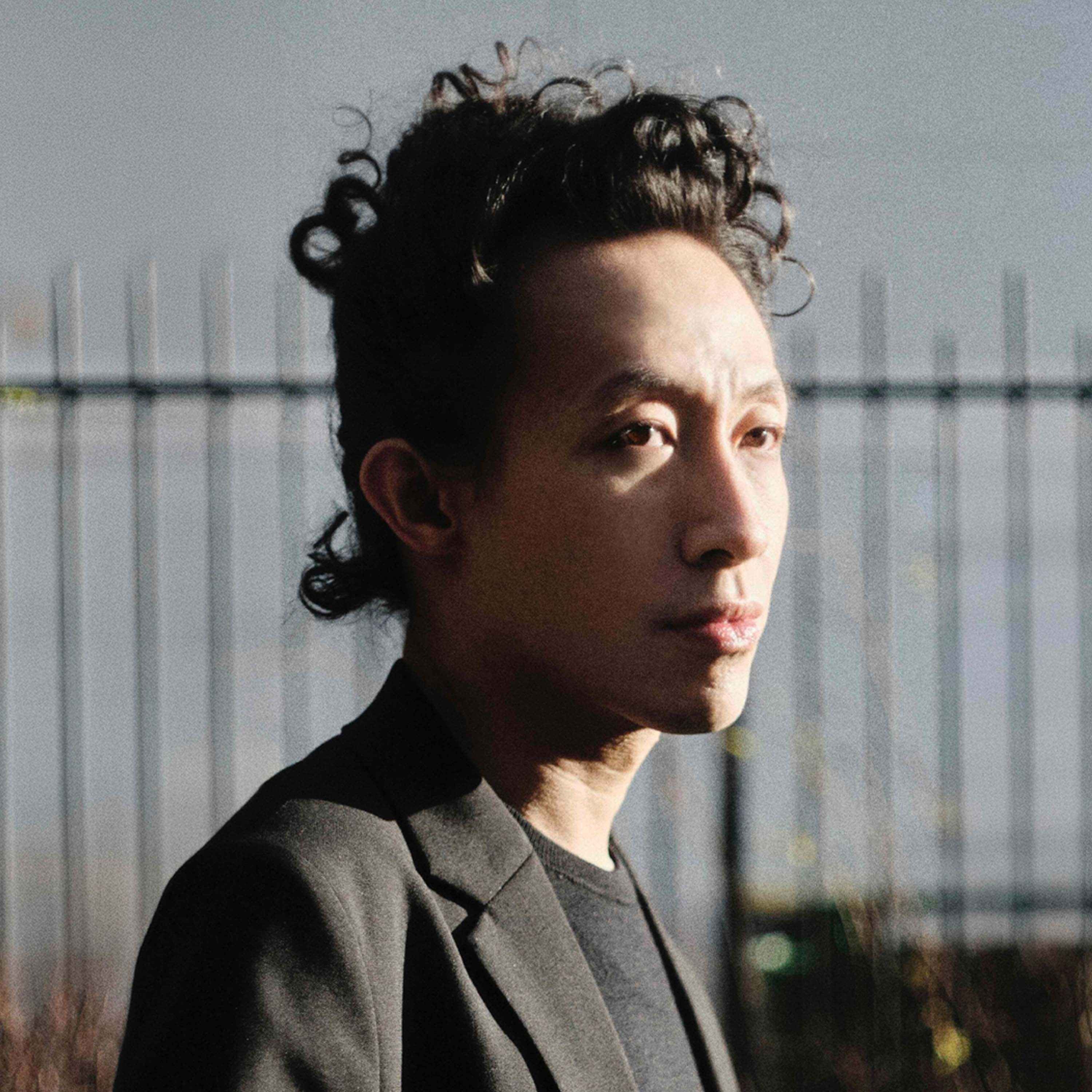
The Business of Fashion Podcast
Why Robert Wun Ditched the Wholesale Model for Bespoke Creations
00:48:42
The Hong Kong–born, London-based designer joins BoF founder Imran Amed to discuss his path from Hong Kong to London to Paris Couture Week and how he’s building a client-first business that protects creativity while staying commercially viable.
Loading summary
Transcript189 lines
- [00:00]
Podcast Host (Ad Read)
Foreign.
- [00:04]
Imran Ahmed
Hi, this is Imran Ahmed, founder and CEO of the business of Fashion. Welcome to the BOF podcast. It's Friday, November 7th. Soon after sharing his graduate work from the London College of Fashion Online, Hong Kong born Robert Wun was approached by Joyce Boutique to buy his collection. So began the journey. Like so many other independent designers who found navigating the wholesale model challenging. So during the pandemic, Robert pivoted to serving clients with one off customized designs with couture level pricing.
- [00:40]
Robert Wun
At that point I wanted to start making collection that makes sense to me. I realized that in order for me to have a strong business model in a wholesale or growing a brand, this is not the time yet. I can't do this all by myself. But if the brand needs to make sense from now on, everything I create needs to have a responsibility not only for myself, but also for the message that I'm trying to relay to people. And I remember releasing it simply on Instagram. Dojo show, nothing physical. The attraction it got and the clients we got from that as well, that people relate to that story, they feel connected to the work and they love the pieces.
- [01:19]
Imran Ahmed
This week on the BoF podcast, I sit down with Robert to discuss his path from Hong Kong to London to Paris Couture Week and how he's building a client first business that protects his creativity while while staying commercially viable. Here's Robert Wun on the BoF podcast. Robert Wun, welcome to the BoF offices and welcome to the BoF podcast.
- [01:45]
Robert Wun
Thank you for having me. I was telling your colleague how grand the entrance looks like. It feels like a hotel.
- [01:50]
Imran Ahmed
It's not that grand.
- [01:51]
Robert Wun
It's very grand.
- [01:52]
Imran Ahmed
It's not that grand. We only recently moved in here earlier this year. I feel like we're still, we're so busy. I feel like we're just, we're still trying to set everything up, so.
- [02:03]
Robert Wun
But it's beautiful. Thank you for having me.
- [02:05]
Imran Ahmed
Yeah, it's lovely to have you here. So we have a lot to discuss. I'm sure. You know we at BoF have been following your trajectory for quite some time. You have quite a lot of fans here on the team. But I want to start with your life growing up in Hong Kong.
- [02:23]
Robert Wun
Okay.
- [02:24]
Imran Ahmed
And I understand that traditional academics and athletics and all this stuff that maybe young people in Hong Kong are pushed towards, that wasn't really your jam growing up.
- [02:36]
Robert Wun
No, quite the opposite. Right. I think what happened was I think there's a traditional expectation which I think it came with many different types of culture as well. Growing up and in Hong Kong, obviously, with that traditional expectation, when they have a kid, they wish them to be a doctor, a vet even, to be honest, just anything that actually makes sense, that you will be called a professional and have a very good, stable income. So when you lean more towards anything else, especially in the creative field, which is almost. Is existing, you know, I think in the culture, but it's not considered something that would be safe, or you can call it a profession or any types of things. So growing up, you always kind of have that pressure, no matter from my indirect family members or from the school or from the education system itself. Right. So, yeah, I think with that in mind, it's kind of crazy how stubborn I got because of that, you know.
- [03:35]
Imran Ahmed
Was stubborn in what way?
- [03:37]
Robert Wun
I just knew that I wouldn't be able to get to anywhere they wish that I would have gone to. Right.
- [03:43]
Imran Ahmed
How did you know that from a young age, like, how did you just. You had this conviction.
- [03:47]
Robert Wun
So I think my direct family actually gave me the least amount of pressure if, like. Because I think they grew up watching me. Like, my mom still had drawings, you know, from a four inkjet paper like that, that I used to draw one every night before I went to sleep. You know, it would be sea creatures, animals in the zoo, or even firefighters putting a fire in a building. You know, all sorts of imaginative stuff. So I start really drawing, like around a year and a half and two years old, and I drew every night.
- [04:15]
Imran Ahmed
So it was so innate in you. Your immediate family could observe this, but the pressure came from extended family, from academics, from all of that.
- [04:25]
Robert Wun
That's very true. That's exactly it. Because my mom's side have quite a big family. You know, she has nine siblings, so there's a lot of cousins. And, you know, when there's cousins, there's comparisons, right?
- [04:37]
Imran Ahmed
Competition.
- [04:38]
Robert Wun
You always got this aunt here and there. That is a bit shady. During Chinese New Year, you know, maybe you should draw a bit less and study a bit more. Right? Like, stuff like that. But I think I'm very grateful for my family because they always kind of like, it's not that they didn't push, you know, they wish that I could be a biologist because of my pure interest in nature when I was young. But they didn't force me to change my, you know, projectory per se. They kind of encouraged me and neutral me towards that too. And that's why they sent me to London, you know, when they knew that, okay, that's exactly what you want to pursue for your future.
- [05:11]
Imran Ahmed
The Interesting thing is, you know, Hong Kong has been a contributor to global culture, global creative culture, in really interesting ways. So if you think about those contributions to global culture from Hong Kong to the world, like who are the people that you would point to?
- [05:32]
Robert Wun
Wong Kar Wai, of course. Right. And people that have worked with him from that extent. There's already a lot. Right. There's Zhangshu Ping as well, and musicians. We have like so many that actually, like back then, Hong Kong is almost a symbol of cultural leadership when it comes to Asia. I remember when I was growing up, it was already kind of the end of that era, if I remember correctly. I mean, Wong Kawa is still making incredible movies, but it's going to take him like 8, 10 years to release one, you know, at that point. But when I remember, I met some Japanese friends from overseas that was visiting Hong Kong. They told me all these names that they knew about, you know, or their parents would knew about as well. All the way from Japan or even from Korea. That was the point when I realized how significant it was. And then when I got to London, I found out even more that Jean Paul Gaultier used to design costume even for an artist called Zhang Kuo. You know, I don't remember his English name, but his last name is Zhang. He used to have a custom piece for his concert in Hong Kong from Jean Paul Gaultier and himself.
- [06:42]
Podcast Guest or Co-host (Casual Commentator)
So.
- [06:42]
Robert Wun
So I think you always got this idea that how creative was so powerful, no matter on music, in the movie, in the cinema, leading culture wise. But I think what changed is just a shift of culture and economic power, I think. Right. Like, I think when the city itself and when the economy itself start focusing on different things, where it's more profitable in a shorter term and easier to understand. And I think the reach of, you know, where China is getting really close with Hong Kong and the two start merging more closely together, economic wise. I think that also made the city feel that, okay, we need to change our trajectory into something maybe more direct financially perhaps than I think art and culture is a sense of investment and patience. Right.
- [07:31]
Imran Ahmed
Well, I guess a real pivot point was clearly the reunification with China.
- [07:35]
Robert Wun
Yeah.
- [07:36]
Imran Ahmed
And then more recently, I think Covid has really dramatically changed the city.
- [07:41]
Robert Wun
Yes. I think now the creative scene in mainland China is pretty powerful and it's incredible. So sometimes I look at that from afar. And also me being in London for now, 17, going 18 years now, next year, I've seen how things can change, Right. Like how the creative scenes and talents that will be impacted by the way no matter on the political aspect and the economical aspect as well, that would change things, which is a shame. But I kind of always believe that, you know, when there's a challenge, there's an opportunity, you know. So sometimes the most, the roughest, most beautiful diamond came from. Right. The hardest of pressure.
- [08:20]
Imran Ahmed
Speaking of London, you know, you mentioned just now that your parents decided to send you to London. Was that because they saw more of an opportunity or a path for you here?
- [08:33]
Robert Wun
Yeah, absolutely. I think it's just a very aware that a creative career or a creative study wouldn't be the same in Hong Kong versus in London, which London is very known for their creative education, especially in fashion. So it just became quite an easy decision for them, you know, and we always kind of got family here as well, you know, so it doesn't feel like it's such a big drastic thing for them to say like, oh, let's send Robert away. So it was an easy decision.
- [09:06]
Imran Ahmed
So when you were deciding to pursue fashion education, why LCF and what was it like for you? Did it meet with your expectations?
- [09:16]
Robert Wun
I mean I came here with no structure or understanding at all. With what? London College of Fashion Central, Saint Martins, Westminster. I have no bloody clue, like at all. I didn't understand any of it. So I kind of just went for an interview with UAL and I showed.
- [09:39]
Imran Ahmed
Them which stands for People who don't Know. That's the University of Arts, London.
- [09:43]
Robert Wun
Yeah, so it's basically the branch that has all the university we have just mentioned as well by the time apparently I applied. I remember the interviewer told me that like oh, CSM already closed the application for the bas. But CSM will be a good choice if you don't mind doing another foundation or you can. I can already include you in the LCF already, you know that you can start BA in a few months. And I remember as an Asian person, I was just, I'm not going to waste another year time like, you know. And then in my head it also just feels like I believe in a good education, a good environment, but I don't have this. Only later I found out when I got into university I can see the whole idea about what it meant to come from Sandra St. Martin's and what it meant to come from non culture fashion and this very toxic comparison in my opinion. I've learned that, oh, there is this situation going on where people always assume if you're successful after you graduate, you must be from csm, you know, and then letter would be a different case. For example, so yeah, I just went into it with no concept. That's how I ended up in lsef, which I'm very grateful for because I actually got the time and the techniques to, you know, with the incredible teacher that actually showed me how to make things.
- [10:58]
Imran Ahmed
And womenswear, it was always going to be womenswear. Like it was never.
- [11:02]
Robert Wun
I think so. I think so. I think there's just more. I have more interest in that experimental field. I mean, I love tailoring, but in my head I was like, you can do that with women's too, right? So I just felt men's is so tailoring orientated. And also that was like what, like 2009 to 2012, that span of year. Like menswear is not as expand vocabulary wise as of nowadays scene.
- [11:28]
Imran Ahmed
So I guess when Jonathan Anderson graduated from LCF maybe a few years after you did, and he started doing all that experimentation in menswear, that really was the beginning of a shift in focus too.
- [11:43]
Robert Wun
Yeah, I think so too. I think there was this idea he definitely started an incredible way of perceiving menswear. And I remember going to Liberty to saw some of his work as well as selling at Liberty. It was so experimental, which you did not expect to be seen in the menswear section. But I think that's what got people excited. Right?
- [12:05]
Imran Ahmed
I mean, the guy's got infinite ideas. Well, I think we should just put to rest this idea that if you're successful in fashion, you come from CSM because both you and Jonathan and countless other designers graduated from lcf and the industry lore has it that you were discovered by Joyce. Yeah. For people who don't know what Joyce the person and Joyce the boutique means in Hong Kong, like tell us a little bit about that. And then how did she find you?
- [12:40]
Robert Wun
What is so beautiful? Since we started a conversation, right, about how incredible Hong Kong was back then, Joyce was, I like if I remember correctly, was the first buying store of luxury and designer clothing in whole of East Asia, even before Japan from Joyce Ma herself that founded it. And when I graduated, obviously always as someone that grew up in Hong Kong. And then when you knew that you're interested in fashion, you will always walk past the Joyce boutique. And I think one of the biggest difference between Joyce and other store is how many new designers and innovation they're trying to push in a market that not necessarily is the most open minded of consumers, let's say. So that itself took courage and also is a stable of what it was. Right. Like Joyce Boutique is really something and also Joyce Ma herself is an icon, to be honest. So I remember sawing a photo on the Internet that Joyce Ma went to Jose Van Noten's show, the last one that he would design for his own brand. And then friends that I used to know in Hong Kong that worked at Joyce told me that. Yes, because she's the one that introduced, you know, just Van Noten to the entire Asian market. Like she's the first one to actually buy him and sell him, sell his work in Hong Kong. I was like, that's phenomenal. So that kind of is how I started too, I suppose, you know, it was in 2000, I mean, so that's.
- [14:05]
Imran Ahmed
Incredible because yeah, this really, really important, influential someone you consider an icon of, you know, luxury retail in Asia discovers you like. So tell us exactly what happened.
- [14:21]
Robert Wun
I think it was Michael Mog, which used to be the head of buyer for Joyce, you know, which I think he has always been. We never really met, you know, but we always got mutual friends in between, you know, especially Hong Kong is so small and there's only a handful of people that study fashion or be in the fashion industry. So when I graduated the collection, I mean, it didn't even get into the press show. So that's also a very important note to have. I didn't get into it. So I just released the photos on my social media and then Michael got in touch that they want to do a pop up, you know, and see if I'm interested in doing it right.
- [14:55]
Imran Ahmed
Away, just off the social media.
- [14:57]
Robert Wun
That graduation year was quite intense, you know, with also another expectation from graduate students that you need to be in the press show. Yeah.
- [15:05]
Imran Ahmed
So what, how did you feel when you found out you weren't in the press show?
- [15:08]
Robert Wun
I went to basically binge sushi eating. I remember that night with a friend of mine.
- [15:16]
Imran Ahmed
Sushi as your comfort food?
- [15:19]
Robert Wun
No, it was our original plan that night to go and have sushi regardless. Right. And then I remember we got the email that basically we didn't expect that email that day. It was on the weekend we got the email from the school director to say these are the names that's going to be on the press show. And obviously I read through it and I wasn't in it. And I don't think I'm that sad, but I'm a bit like, you know, you're obviously a bit frustrated. Right. So I told my friend that, well, we're still going to have sushi, but let's go to some like, you know, like all you can eat style Right. So we changed the restaurant and I ate quite a lot. Don't feel great, you know, the next day. But then, yeah, like that was what happened. But still, somehow the collection still managed to get to a few places. You know, it got us the first Hunger Games, the Mockingjay Part 1 collaboration. You know, where the costume team got in touch with us the that they would love a few looks for the Hunger Games movie production. Lady Gaga also already bought two pairs of shoes from our graduate collection and she wore one for the Ellen show. I think she wore one when she was coming to London for a press tour. And also Joyce Petit that actually first introduced us to the market. And also Michael kind enough to teach me how the pricing system works as well, because I have no idea how to price my pieces from my graduate collection. And he kind of introduced me to the system. Like the level of work that you produce and the idea of craftsmanship. You can go as high as that. You don't need to look at other people when they do manufacturing and wholesales, which they have a more pleasing and attractive price point. So I remember that conversation very deeply because it never really got into my mind in my headspace about how to even price my work. What is it worth?
- [16:58]
Imran Ahmed
Yeah, they don't really teach you that at fashion school, do they?
- [17:01]
Robert Wun
I think that is exactly one of the main things that should be reconsidered.
- [17:06]
Imran Ahmed
You know, it's interesting because you kind of pulled into two different worlds simultaneously. It seems like you're pulled into this like wholesale driven model, which is how Joyce works. And there's this whole like how many times you mark up the manufacturing cost to get the wholesale price and then how many times they mark up the wholesale price to get the retail price. And kind of learning all that. And it sounds like you're also getting pulled into this world where you have like these unique one off pieces for people like Lady Gaga for a film like the Hunger Games. And you pursued this for a while. So how did that go for you? Like, you know, the, the wholesale business.
- [17:45]
Robert Wun
Terrible I would say, right. Like barely surviving. I think it took me like what, like the first three and a half, four years was like what, one, two, maybe if I'm lucky. I got four stalkers every season and I got like this little studio that I have around Dalston area. And then it's just always been by myself and one person, right. That I have paid her in freelancing fee, basically.
- [18:09]
Imran Ahmed
So you were making the clothes by yourself with this person?
- [18:12]
Robert Wun
No, we also work with manufacturer. I Think we had someone in Spain and then we had someone in mainland China too. But we never really met the moq, the minimum order of quantity, you know. So like even a factory that we work with in all those years, they kind of just doing us a favor, to be honest. And our pieces are not exactly the easiest to make as well. We're no T shirt or special A line dress designer. So it was a very tough few years for me, you know. And what is very full circle now looking back is actually how I started now as explaining to you was very one off was very based on the idea of custom and customization and how I am right now ending up back into that same, you know. Yeah.
- [18:59]
Imran Ahmed
You did a pivot right around Covid and you started. I'm just going to do one off special pieces. In a way. When you were young and doing those one illustration every evening.
- [19:09]
Robert Wun
Yes.
- [19:09]
Imran Ahmed
It's like you're creating one garment for one customer.
- [19:14]
Robert Wun
Yeah.
- [19:15]
Imran Ahmed
At a time. Which is kind of like a couture model. Not exactly.
- [19:19]
Robert Wun
Yeah.
- [19:20]
Imran Ahmed
What were the factors that pushed you towards this customization, you know, one off model. Why does it work for you?
- [19:28]
Robert Wun
It would be one is instinct. Because it's Covid. I remember when Covid happened. Things are already a little bit better for us, I think in wholesale, you know. But that won't happen anymore because there's no. There's travel ban. People are not even allowed to go to work. Paris Fashion Week was put on hold so that you can't even think of a showroom or meeting buyers there. So that just gave me a very powerful moment to kind of reset everything because it's still two persons team back then, but we have moved already to a more, you know, efficient space. And then both me and my assistant back then, we live so close to the studio and we are allowed to go to work as long as we don't take any public transport, you know. And we're both walkable distance. So I remember walking to the office with the whole street empty. Everyone is locked out. The building is pretty much empty for a good three, four months. They say that maybe it's time for us to just do what we are meant to do, you know, without worrying about the business, without worrying about meeting the bias anymore. Then let's use this most challenging time ever to create something maybe is the most honest. I think that's one thing. It's almost like an instinct. And my grandmother passed away by the end of COVID So I think the second thing that leads to that was emotion. I remember when that happened, that was the time when we were about to release that collection called Armor and I was still shooting it through my iPhone in my studio kitchen, white background. And then we just put a black fabric on the floor. We painted a little cone to hide the LED light so I can create that sunset feeling that was in my head, you know. And it was two friends who were my model when I shot it with my iPhone. Probably iPhone X or iPhone 11 back then. @ that point I want to start making collection. That makes sense to me. You know, I realized that in order for me to have a strong business model in a wholesale or growing a brand, this is not the time yet. I am not. I can't do this all by myself. But if the brand needs to make sense and for me to sacrifice all these years to leave my family not being by their side, to come all the way in London to chase my dream from now on, everything I create needs to have a responsibility not only for myself, but also for the message that I'm trying to relay to people. And I think that really puts in that kind of push in me to really do something that is no longer for other people to understand for me to make money, but simply something to communicate, to be honest. And I think that really changes the whole sense of me, of how I see my work. And I remember releasing it simply on Instagram dojo, nothing physical. The attraction it got and the clients we got from that as well. That people relate to that story, they feel connected to the work and they love the pieces really just shows me even more the power of genuinity and honesty in the industry. And maybe that's also what people were felt it craving. Maybe after the whole Covid and put everything in pause.
- [22:32]
Imran Ahmed
We'll be right back with more the BOF podcast.
- [22:37]
Podcast Host (Ad Read)
It's that time of the year again. Everyone knows that the holidays can become overwhelming quickly. So the sooner you get things done, the better. For both shoppers and businesses. The best time to score great deals during the holidays is Black Friday Cyber Monday weekend. Whether you're an established business or someone who's going to experience their first Black Friday Cyber Monday this year, you know that the most important thing you need is a platform that can handle everything that is about to be thrown at you. You don't want to find that your inventory is off as orders keep streaming in, or that your point of sale system just can't keep up with all your requests, many from new customers who are buying your products for the first time. You need to make sure that Your tools and platform are ready for anything that comes your way during the busiest weekend of the year and that's why you need Shopify. Shopify is the commerce platform behind millions of businesses around the world and 10% of all e commerce in the US. From household names to entrepreneurs who will be participating in the first Black Friday Cyber Monday this year, don't have time to spend hours poring over every little detail? Shopify has thousands of templates and tools to help streamline website creation, making sure that your website isn't just esthetically pleasing but functional at the same time. You can also stress less knowing that Shopify's award winning customer support team is on standby 24. 7 to help with any issues that arise, allowing you to get back to business as fast as possible. If you want to give customers the best experience possible this holiday season, you need Shopify this Black Friday. Join the thousands of new entrepreneurs hearing for the first time with Shopify. Sign up for your free trial today@shopify.com BOF that's shopify.com BOF go to shopify.com BOF and make this Black Friday one to remember.
- [24:35]
Medikaite Brand Voice (Ad Read)
Discover your secret weapon for younger looking skin from Medicaid, a clinically proven British skincare brand known for age defying results. Collagen is key to visibly firmer, smoother and younger looking skin. As we age, our bodies naturally produce less collagen and the existing collagen we do have breaks down. Here's where Medicaite's new Advanced Pro Collagen plus Peptide Cream comes in. Formulated with advanced actives that help stimulate the skin's natural collagen production, Medicaite's Advanced Pro Collagen plus Peptide Cream is an anti wrinkle moisturizer clinically proven to visibly improve skin firmness, elasticity and reduce the appearance of deep set wrinkles. Visit Medikaite US that's M E D I K and the number 8 US to discover more. Use code podcast20 to save 20% off your order.
- [25:33]
Babbel Brand Voice (Ad Read)
If you've used Babbel, you would Babbel's conversation based technique teaches you useful words and phrases to get you speaking quickly about the things you actually talk about in the real world. With lessons handcrafted by over 200 language experts and voiced by real native speakers, Babbel is like having a private tutor in your pocket. Start speaking with Babbel today. Get up to 55% off your Babbel. Subscribe subscription right now at Babbel.com acast spelled B A B-B-E-L.com acast rules and restrictions may apply.
- [26:12]
Imran Ahmed
It's interesting that LCF didn't select you to be in the press show, but that led to Joyce and a couple of other opportunities also. You were never part of the London fashion system.
- [26:25]
Robert Wun
Yeah.
- [26:25]
Imran Ahmed
You weren't part of New gen. You weren't part of all, you know, the BFC programs and all of those. You weren't part of London Fashion Week.
- [26:33]
Robert Wun
No. Yeah.
- [26:33]
Imran Ahmed
And so when you were making this decision to kind of pivot to couture, it was also because, you know, in a way you were based in London but you weren't part of the British fashion scene.
- [26:44]
Robert Wun
Yeah.
- [26:45]
Imran Ahmed
Why is that?
- [26:46]
Robert Wun
I don't know. That would be the best answer. I have applied for everything like everyone else does. I assume any program you can imagine that is available for young graduates or young designers that is independent. I have tried to the extent that I got the email that told me that you have already been over the business for four years so you are no longer eligible to apply. So it got to those points really, you know, so I just never lucky enough to be part of any of the programs or under any of their umbrella or supporting system that London hat to offer.
- [27:24]
Imran Ahmed
You know, it might have been in hindsight a blessing in disguise because were you part of one of those programs, it would have kind of co opted you into this system where there was like a really formulaic way of saying like how a brand is successful is building a wholesale business and having a certain number of stockists and every season it grows and you just didn't fit any of that criteria. But imagine if you had been in that system and then Covid happened, you would have. I mean Covid was so challenging for so many of the emerging fashion businesses in London that were part of that system. And I think London, London fashion really hasn't really recovered from COVID You know, the independent brands here are still dealing with the impact of that and then the downfall of like Farfetch and Matches and all of these wholesale accounts. And in a way your independent one off couture approach is like been, you know, really, really effective in this kind of environment.
- [28:24]
Robert Wun
Like I mentioned, you know, I always really believe that whenever there is an obstacle or a challenge is an opportunity. So exactly like what you said. I think obviously it's difficult as a designer based in London when you don't really get any visibility or support. You literally just have yourself and your faith, right. Like to believe that you, you're doing what you love. So just focus Right. You know, but still you are always being put in the comparison of about, okay, well, but like he started about the same time as you and they already done like how many shows in London Fashion weekend. So you always got this kind of a weird warp sense of how you determine success. And like you said, I think the blessing is also I've been trained to not listen to so many of what other people's success looks like or what other people's business model looks like or who likes what because of what. And if you celebrate wal, who support who, because these are the things that if it's for use for you, if it's not for you, you fixated or you've been compared yourself to it, you're just blocking your own journey. I mean, I still think supporting system is so important. I can't say that I lead to all this way is purely 100% because of my own determination. I mean, I am grateful for the Federation in Paris and also the Civil war.
- [29:38]
Imran Ahmed
Well, let's talk about that. Because the Federation and I mean, and the ANDAM prize was really a big moment for you and interesting to me that it took a prize in Paris to recognize what you were doing. Cause perhaps your approach and the way you think about fashion, the way you approach your stuff, is a better fit for how parts of the French system think about fashion, which obviously has this couture model. So the ANDAM prize leads to Bruno Pavlovsky. Bruno Pavlovski helps to lead, I'm sure, and opens a door to haute couture calendar. I mean, to go from, you know, studio in Dalston in East London to Paris couture.
- [30:20]
Robert Wun
That was my first BoF interview.
- [30:22]
Imran Ahmed
I remember that. I remember that. I think Susie Bubble did that. Right.
- [30:26]
Robert Wun
Dalston to play Sven Dawn. Yeah.
- [30:28]
Imran Ahmed
I mean, that's like, it's kind of amazing. So first, let's talk about andam. You've been rejected by so many of these institutional prizes. Why did you apply for Anda?
- [30:39]
Robert Wun
Oh, this one is beautiful. Because I actually didn't apply.
- [30:43]
Imran Ahmed
You didn't apply?
- [30:44]
Robert Wun
I got an email that they asked me would I consider applying. And obviously I was like, I would love to. You know, so I applied and then I got in on that year, which is, I believe, 2022. Yeah. And when they announced a shortlist of people, I was like, I remember at that point we already have three people in the team. You know, it's not just me and one, but there's three of us. I remember telling that look at all of them, like it's incredible. Like, everyone is very known, established, you know, they have a few million turnover every year. And then we are here, like, What? Like around 2, 300, you know, so I remember the day we got on Eurostar to go to Paris. I told my team that, like, our only mission is not to embarrass ourselves in this room full of this incredible jewelries of CEOs, and that's it, you know. And then after I present, we, I'm with the other designers, the shortlist designers, and they all start sharing experience of how it went inside the jewelry room, how many questions they got. And I found out that I got the most questions out of everyone. And. And then later, through also other juries, we talking after the award ceremony, they realized that I've learned that actually because I'm the one that is least about making money. More about. Actually, one sentence that apparently I said that really touches everyone is I simply is someone that wants to do what I love to do for the rest of my life until I cannot. And that apparently makes a lot of sense to them when they felt like they had been only hearing designers that they have this crazy ambition about 10 million next year, 20 million the year after. And here comes a guy just walks in and simply someone that wants to create.
- [32:24]
Imran Ahmed
You know what? I am sure that those designers that were giving, handing out all those figures were saying what they thought those people wanted to hear, because, I mean, I can't even remember who was in the same year as you, but I've been on that jury before and, you know, like, sitting on those fashion juries is always such a pleasure, such an honor and so inspiring for me, because people like you and people like any of those designers that would have made it into that competition, to that stage, like, they've worked so hard. They have. Like, it's so competitive, this industry, and it takes so much dedication and resilience and grit and perseverance.
- [33:07]
Robert Wun
Yeah.
- [33:09]
Imran Ahmed
To even make it there, you know, But I think they were probably saying what they thought people wanted to hear because, you know, any designer, most of the designers I know are really motivated by just doing something I agree. They love. They love to do, you know.
- [33:23]
Robert Wun
Absolutely.
- [33:24]
Imran Ahmed
The good designers, they're the ones who. They just want to create.
- [33:28]
Robert Wun
Absolutely.
- [33:29]
Imran Ahmed
Yeah.
- [33:30]
Robert Wun
There's a question about scalability. I think that's why the grand prize went to bottle, you know, and then I won the special prize. And when they announced, when Bruno announced my name that I won the special prize, I was all the way at the back of the hall Having a drink. So it took me, like, a good three, four minutes to even got on stage because I wasn't expecting to win. So they have to wait for me. And I got there and I was like, oh, my God. So sorry, guys, because was all the way at the back. And then one of the jury told me, you know, in the plaza after we already announced the award, he mentioned that, like, it was the longest debate they ever need to have. You know, they were very split in two between me and Botter. You know, they normally can already decide the winner in 15 to 20 minutes maximum, and this time it took them 45 to 50 minutes, you know, and because, you know, one side really wants you to win, and other side really.
- [34:25]
Imran Ahmed
Wants bottle to win, I've definitely been on juries where that happens. But in the case between you and Botter, both excellent brands.
- [34:32]
Robert Wun
I love them so much.
- [34:34]
Imran Ahmed
What they do is so special.
- [34:36]
Robert Wun
And I completely agree with that jury point, you know, because they are such a mature business with a model and also on their portfolio that they have done sneakers, sportswear, experimental wear, menswear, womenswear, experimentation. Absolutely. I completely get it.
- [34:51]
Imran Ahmed
But great that the jury chose you both for two different prizes. So tell me what. Then they assign you, Bruno Pavlovski, head of fashion for Chanel, the big man himself, to be your mentor. What was the best advice that he gave you?
- [35:06]
Robert Wun
He told me, advice is useless. That's the best advice.
- [35:11]
Imran Ahmed
That's what he said.
- [35:12]
Robert Wun
He said, like, we are here to make things happen. I remember the first meeting scheduled was actually during Paris Fashion Week. It was at the beginning of October or something. Went there and then got into his office with a few of the ladies from Chanel, you know, sitting in this roundtable, in this room, and he told me, what do you think we're going to do here? That's the first thing he actually asked me. And I said, well, I think the mentorship program is meant to me sharing some ideas and thoughts about how my business can grow, and I would love to have your advice. And his advice is, my advice to you is, advice is useless. Talk is cheap. We're here to make things happen. Tell me where you want to go, and I'm going to make it happen.
- [35:49]
Imran Ahmed
Wow. So what did he do?
- [35:50]
Robert Wun
I said, maybe. I was a bit shocked by that response. So it took me maybe a pause. And I did mention that I think I am ready for a physical show, because that's actually one thing that was close to nine years already, you know, that I haven't actually done at all, you know, no presentation, no physical show. So I felt like with the grand money, with the support that now I gained in Paris, maybe it's time for me to do a show in Paris. And he was like, oh, have you got the collection together that I can have a look? So I showed it to him on my iPad and that word couture came up. Yeah. So he felt this is couture.
- [36:25]
Imran Ahmed
How did that feel? Take yourself back.
- [36:28]
Robert Wun
I questioned it. My big response was really like, literally. And he was like, yes. Do you think anything else? I was like, well, because I have a lot of respect for that word. But obviously coming from you, you know, it feels like a stamp of approval. I assume. So just fast forward. That was the point. That before he even announced that he's going to be the chairman of the board too. And then I met the federation the next day, that they also felt like I should be in couture simply for the reason that the ready to wear calendar is a bit of a war zone of marketing warfare. So they felt young designers have been drowning in that calendar.
- [37:06]
Imran Ahmed
It's true. Right. There's a bit more breathing room on the couture calendar, but also your approach.
- [37:13]
Robert Wun
Yeah.
- [37:14]
Imran Ahmed
Your fantastical designs, the characters you create, the incredible volumes, the. The whole emotion of what you do is much better fit for Couture Week.
- [37:26]
Robert Wun
As they also see it. So they advise me to move ahead. You need to get a sponsorship letter. Who do you know that can give you a sponsorship letter within the board? I was like, well, the closest one I know is Bruno. And I was like, oh, but Bruno don't really do that. So I still asked and I got it. And then fast forward. By the time they have the meeting to decide who can join the control calendar where they will have a meeting. I think that was already first week of November or mid of November even, to be honest. And I just got the call at 9, like 8am London time. It was like 9am in Paris time. And I just woke up and they told me that I got all the votes. So it's a unanimous voting situation. So you have a show in January, so that.
- [38:13]
Imran Ahmed
Exactly, exactly, exactly. So this is your first ever fashion show since your. Because you didn't get to do the press show at all at lcf.
- [38:23]
Robert Wun
No, Charlotte.
- [38:24]
Imran Ahmed
So your first ever show is an on schedule show at Paris Couture Week.
- [38:28]
Robert Wun
Yeah.
- [38:29]
Imran Ahmed
Oh my God.
- [38:29]
Robert Wun
And I have no context what to do. So I immediately need to learn, okay, who's the PR who does the production, how. How to make the collection like everything in less than two months time.
- [38:41]
Imran Ahmed
That must have been a very stressful two months.
- [38:43]
Robert Wun
Absolutely. Absolutely. I think that's why the collection is called for fear. Because when I was going through so much stress, I was remembering that I then let that be the idea itself of what the collection is. You know, what if the worst thing that could ever happen to the most expensive garments ever made is the inspiration itself? Hence links to the emotion that I was feeling. The stress, the anticipation and all that. Yeah.
- [39:08]
Imran Ahmed
So now that you've set, you know, you've been showing at Couture Week now for a few years. How has that changed the way your business works? And like, what are you thinking in terms of the model that you have? Because your clothes are now popping up in lots of places. I even saw a couple of looks pop up at the BoF500 gala. But how are you making it work from the business side?
- [39:29]
Robert Wun
We are very lucky that especially a brand that is so independent and small, we are able to grow to a very decent size now. We are a team of almost 11 and 12 of us now. And it's a very healthy business model for us. For now especially. We turn from not making any profit at all to actually start making profit in the past, since last year.
- [39:50]
Imran Ahmed
Congratulations.
- [39:51]
Robert Wun
Which is for me, it's a little win, you know, and we are still growing, you know, so it's a very good thing. You know, we're almost doubling in terms of turnover as well by the end of this year and next year. We had the busiest year ever scheduled too, with many collaborations lining up and launching that we've been working in the past year too.
- [40:10]
Imran Ahmed
Anything you can tell us about now?
- [40:12]
Robert Wun
I think they wouldn't mind because some of the region already released. We have a Johnnie Walker collab that we've been working for a year and a half, you know, which is not just a link name, but it's a whole design project.
- [40:21]
Imran Ahmed
So linked to Chinese New Year.
- [40:23]
Robert Wun
That's correct.
- [40:24]
Imran Ahmed
Because they just did a whole bunch of stuff with Diwali and they asked Rahul Mishra to design a bottle and stuff.
- [40:29]
Robert Wun
Exactly. That's beautiful. So I think it's similar in context, but we started that project, we start making that project for that since last year, October. So it took them a long time to put it. Because it's the first time they also do something that is not just graphics and drawing. It's actually a physical thing.
- [40:48]
Imran Ahmed
I saw that with the other.
- [40:51]
Robert Wun
There must be a press release or something.
- [40:53]
Imran Ahmed
There must be. I didn't read it. I don't get them. No one sent it to me. But it's. That's.
- [40:57]
Robert Wun
You will get one from me.
- [40:58]
Imran Ahmed
Okay, well, so like there's collaborations and stuff is growing. But what about the core clients? Like, do you have a regular clientele now?
- [41:08]
Robert Wun
We do. We're very lucky. And I also love our clients time base in that sense of. I think we have also changed a bit from our first couture collection where we have only maybe a handful, maybe 11 couture clients. And then we didn't do a show that same year. And then when we did the show the year after, we did three shows altogether in that year. And by the mid of that show, when we did the time collection, we suddenly have a very interesting portfolio of client that pops up. So now we have up to like 41 of those couture clients, you know, and 30 of them are regulars.
- [41:41]
Imran Ahmed
And can you tell me, just for my. Just to satiate my curiosity, one of those couture garments. I know how much the really big houses charge for them. How much does it cost a client to buy one of your.
- [41:53]
Robert Wun
Our average for those couture clients order range will be around 45 to 60,000, you know.
- [41:59]
Imran Ahmed
Wow.
- [42:00]
Robert Wun
Yeah. Pounds. Is that a lot?
- [42:04]
Imran Ahmed
No, it's. Well, it's a lot of money for a. A single garment. I know why people invest in that, but I don't know any other designers of your generation.
- [42:15]
Robert Wun
Yeah.
- [42:15]
Imran Ahmed
Working at that level.
- [42:18]
Robert Wun
Yeah, yeah, I'm aware of it. I totally am. I think what is interesting, where I was leading up to our portfolio of clients is our strongest market is actually in the States, in the usa and they're mainly from New York and la, and they are millennials like myself. And they have started a wonderful business. They're successful and they have this opportunity to buy something that maybe not so old school, maybe on their special day on their wedding that they want something that is truly connecting to them. A lot of them are also Asian Americans as well.
- [42:52]
Imran Ahmed
So they relate to your heritage.
- [42:53]
Robert Wun
I think so. You know, I think at least 35 to 40% of them when we do the portfolio are Asian Americans too. So we also have a huge portfolio of art collectors, you know, all the way from Germany, from Switzerland, from London, from New York, you know, from China, that they simply just want to buy our pieces for collectible purposes, you know.
- [43:16]
Imran Ahmed
And why do you think they're coming to you and not going to Dior or Chanel or.
- [43:24]
Robert Wun
I think they do too.
- [43:25]
Imran Ahmed
Yeah.
- [43:26]
Robert Wun
I remember a few of them showed me their system would share with us, their client's portfolio, what they have been ordering so that we have an understanding of what the client would like in terms of modification. So I think they have. But I think maybe what we do really intrigue them is we started a whole narrative about what couture can be. I think there is this excitement behind when a couture brand that is not really doing something just to make you look like you're supposed to go to a ball. You're supposed to look, you know, rich and wealthy, but there's a story and an aspect behind it. And I think there's a very powerful modernity behind that aspect of actually coming out and not trying to just tell you how rich this look. Yeah. Because this is a Chanel, this is a Dior, but actually where the story comes from, and the designer that has a voice behind it too. And I think that's why there's a lot of millennial clients that we've gained. And also worth mentioning, a lot of gay couples as well. You know, I think because there's not many couture house that actually do menswear, and we have been known to do very experimental menswear.
- [44:34]
Imran Ahmed
I saw Wisdom K in one of your looks at the 500 gala.
- [44:38]
Robert Wun
Yeah, I love Wisdom. Don't I fucking love him. I don't know if I should swear. You can cut.
- [44:43]
Imran Ahmed
You can see. This is a. This is not a PG 13.
- [44:48]
Robert Wun
Okay. That's amazing.
- [44:49]
Imran Ahmed
Yeah. No, fantastic. I mean, men's. More of the big brands are getting into men's couture as well. I think Balenciaga was doing a bit of.
- [44:56]
Robert Wun
Balenciaga is doing a lot, I think, back then. Valentino as well, you know, from. From. From Pierre Paolo. So I think where we ended up is just that we also have this narrative that really connected to the gay couple when they want to get married and they want this idea of what they would imagine their wedding looks like, and we somehow become the one that they also related to the most, you know?
- [45:21]
Imran Ahmed
And do you always start with something that you've shown on the catwalk, or will you also do something that's completely from scratch based on an idea or a story someone tells you?
- [45:33]
Robert Wun
For the clients, there will always be modification, because what we provide also is they came already with something they have in mind, which came from our collection, and they start sharing with us.
- [45:44]
Imran Ahmed
And then you adapt that.
- [45:45]
Robert Wun
Exactly. They start sharing with us about. I really love this. And the wedding theme is about this. And I have this connection with pearls, for example, And I want to See where we can ending up imagining something in that world for them. But that obviously comes in a different range of servers. You also have clients like the art collectors that just want exactly what they have seen on the Runway into the archive. And then you have clients that actually wants to wear them and they want to, you know, be a bit more modified for their needs, you know, for the event or for the occasion. They have to. And, you know, that's what we do, you know, as a couture business.
- [46:20]
Imran Ahmed
Yeah, that's really impressive. I mean, I think when I think back to some of the designers I used to advise, or even though Bruno says I shouldn't give advice, but, you know, their entire wholesale order for a season would be 45,000.
- [46:36]
Robert Wun
Oh, yeah.
- [46:36]
Imran Ahmed
Or 60,000.
- [46:38]
Robert Wun
I know I'm wearing that because the first one I've shared, which is with Alex from lvmh, you know, he's from the sustainable group, like on the Nona Source side of things. When they said, oh, where did you go just now? I was like, oh, I just met a client, you know, so. And he asked me how did it go? I was like, it went well. So they already paid the first deposit. So he's curious because he never really, you know, worked with couture too. And I told him, like, the gown that we sold was £125,000, you know, and he was. That was literally a wholesale for an entire year for a brand.
- [47:13]
Imran Ahmed
Yeah.
- [47:13]
Robert Wun
And that was when I was a bit more aware about how lucky it is to be in that position and how grateful I am as well. But also, I think, because I didn't just come out from nowhere. Right. Like, as many people know that I've been around struggling to fit into a certain system or trying to like you, but we basically.
- [47:35]
Imran Ahmed
I think what's really admirable and really inspiring about your story is the system didn't fit you and you didn't fit into the system, so you created your own way of doing things. And it just so happens to fit into another system, which is a very specialized, very specific world. But it enables you to really focus on going back to that quote about just doing what you love, you know, the thing that won over the jury at the Andam. And, you know, congratulations, Robert. Thank you. It's like a really.
- [48:07]
Robert Wun
Thank you.
- [48:08]
Imran Ahmed
Really beautiful story. So I always conclude these interviews with a little bit of advice, you know, for someone who.
- [48:15]
Robert Wun
I would love that.
- [48:16]
Imran Ahmed
I know Bruno says no advice, but, like, for someone that's like, wanting to express themselves creatively, like, you've so successfully done, but not really sure how to go about it. What advice do you offer to them?
- [48:31]
Robert Wun
I really want to set something different, you know, at this podcast here because I think people, I really appreciate people seeing me as someone that, oh, is stubborn and creative and somehow it's just not the right timing and somehow he still made it and keep on pursuing. Right. And to be successful. I really think that, yes, being creative. Love to be a creative. Being a creative as your, as your. As your career is a beautiful thing. It's a blessing, you know, but you can't ignore the reality of things, you know, because that comes hand to hand. Your creativity can't just come from the void and just say because you have this that you want to do, you have this you want to express, so you can ignore every factors of what's going on in the industry because then your message wouldn't have any substance. I always feel that what I do, although it's couture, although it's elaborative, it's avant garde, even some would consider it came from the understanding of I know exactly what the industry is looking like right now, who is doing what, and I have appreciation of all different business model. Therefore, I found the meaning of, in what I do, to be honest, to be powerful with the knowledge and the backbone of understanding why the industry, how it's moving forward and what I do, how much courage it takes and what it means for the moment right now. So my advice would be don't jump into this rabbit hole about, oh, yes, you're so creative, it's so difficult to make it and blame the world, blame the society, blame the system, you know, find where you are at, learn everything. I think my journey also shows people that, that I try to go into a wholesale system, I try to make it, and I did make a little bit of it, you know, and I understand where I felt, where my strength is at, where my weaknesses is at, you know, And I start realizing, okay, if one thing I need to do wholesale, I need to come in with a whole different plan. I need to have my manufacturer sorted, I need to get all my ducks in a row. I need to get the whole logistics completely understood and do it properly.
- [50:38]
Imran Ahmed
And you would have probably had to change your approach to creativity because it wouldn't have worked in wholesale.
- [50:43]
Robert Wun
Exactly.
- [50:43]
Imran Ahmed
And I'm really glad that what you did instead is you. You protected the source and purpose of your creativity and you found a model that worked around your creativity as opposed to sacrificing your creativity for a model.
- [50:58]
Robert Wun
I think that is beautifully said. But what I'm trying to say is your creativity is important and is close to you, but it doesn't mean that everything else is against you sometimes.
- [51:08]
Imran Ahmed
No. What I always say to designers is the creative side and the business side, they need each other. Without the business side, the creative side cannot exist.
- [51:18]
Robert Wun
Absolutely.
- [51:20]
Imran Ahmed
Without the creative side, the business has no power, no fuel, no energy.
- [51:29]
Robert Wun
Isn't that how fashion was born?
- [51:31]
Imran Ahmed
Yeah, we need both. I mean, that's why we are the business of fashion, you know, like that's the whole genesis of this completely, this whole thing. I mean, that's what's I think really interesting about this industry is how those two things fit together. And you know, your journey and your story is like really great evidence of that. So thank you for popping by bof.
- [51:49]
Robert Wun
Thank you for having me. Honestly, it's been a pleasure.
- [51:52]
Imran Ahmed
Likewise.
- [51:53]
Robert Wun
And honestly, being part of BoF 500 this year was a bucket list, you know.
- [51:58]
Imran Ahmed
Well, it was very well deserved. So congratulations.
- [52:00]
Robert Wun
Thank you for having me. Thank you.
- [52:05]
Imran Ahmed
The BoF podcast is edited and produced by Olivia Davies and Eric Brea.
- [52:18]
Medikaite Brand Voice (Ad Read)
Discover your secret weapon for younger looking skin from Medikaite, a clinically proven British skincare brand known for age defying results. Collagen is key to visibly firmer, smoother and younger looking skin. As we age, our bodies naturally produce less collagen and the existing collagen we do have breaks down. Here's where Medicaite's new Advanced Pro Collagen plus Peptide cream comes in. Formulated with advanced actives that help stimulate the skin's natural collagen production, Medicaite's Advanced Pro Collagen plus Peptide cream is an anti wrinkle moisturizer clinically proven to visibly improve skin firmness, elasticity and reduce the appearance of deep set wrinkles. Visit Medicaid U.S. that's Medik. And the number eight us. To discover more, use code podcast20 to save 20% off your order.
- [53:11]
Shark Beauty Brand Voice (Ad Read)
You know Hannah and I love a good bed rotting session, Reality TV snacks nearby. And now I've leveled up with my self care game with this Shark Beauty Cryoglow, the number one skincare facial device in the us.
- [53:23]
Podcast Guest or Co-host (Casual Commentator)
Wait, I'm obsessed with it. I've had it for a while actually and it's the only mask that combines high energy LEDs, infrared and under eye cooling. I really need this because nothing wakes me up in the morning. You could do four treatments in one. Better aging, skin clearing, skin sustain and my favorite the under eye revive with Insta Chill cold tech. You put it on and it just feels so good under your eyes. Like I actually feel like I got eight hours of sleep.
- [53:47]
Shark Beauty Brand Voice (Ad Read)
It's truly like a luxury spa moment. While you're literally horizontal. It's perfect for post workout Sunday scaries or when you just want to glow while rotting.
- [53:56]
Podcast Guest or Co-host (Casual Commentator)
To treat yourself to the number one LED beauty mask this holiday season, go to SharkNinja.com and use promo code Giggly Squad for 10% off your cryo glow. That's SharkNinja.com and use Promo code Giggly Squad for 10 percent off off your cryoGLOW.