
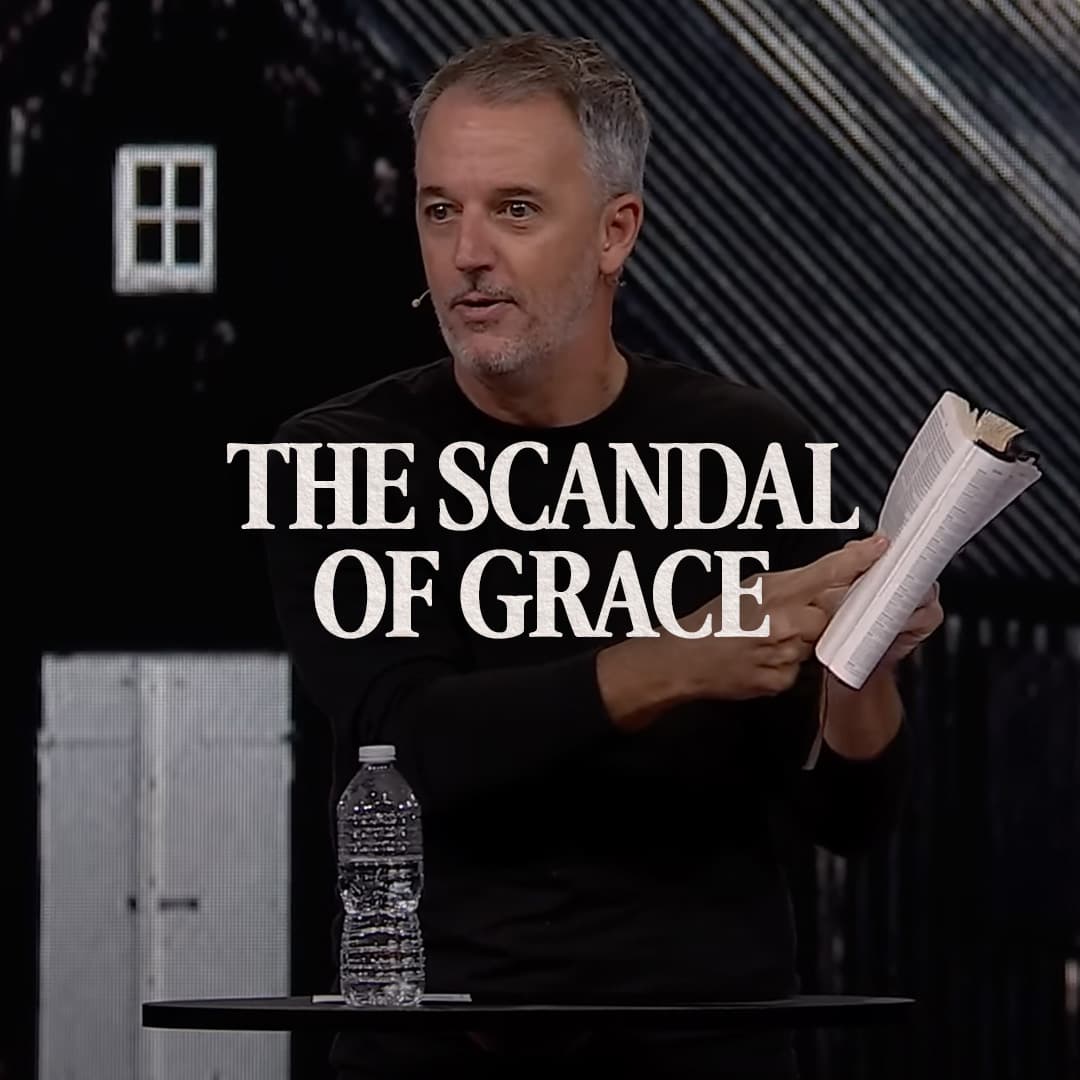
Podcast Summary: Amazing Grace - Worship is War: Week 5
Podcast: The Church of Eleven22
Host: The Church of Eleven22
Date: October 13, 2025
Overview
In this final episode of the Worship is War series, the focus is on the hymn "Amazing Grace." The host explores the radical and transformative nature of grace, both in the context of the hymn’s powerful history and in the way the Apostle Paul writes to the troubled church at Corinth. Through biblical exposition, storytelling, and personal reflection, the episode underscores how grace, rooted in God's character, is not just undeserved but “ill-deserved,” lavish, and available to all through Jesus.
Key Discussion Points & Insights
1. Series Recap and Introduction to “Amazing Grace”
[00:05 – 03:50]
- Overview of prior weeks’ classic hymns: “Because He Lives,” “It Is Well,” “How Great Thou Art,” “Come Thou Fount.”
- “Amazing Grace” is called the “hymn of all hymns”—the most sung and recorded song in history, with deep resonance across generations and cultures.
- Personal anecdote about singing hymns with the host's grandmother with dementia, illustrating the enduring impact of grace.
“She couldn’t remember what happened five minutes ago, but she could remember hymns that she learned 75 years ago.”
— Host [02:40]
2. John Newton’s Story: From Wretch to Witness
[03:50 – 10:40]
- Biography of John Newton: early brilliance, tragedy, rebellion, involvement in the transatlantic slave trade, eventual conversion, and ordination.
- Newton’s own words about his depravity and lostness:
"I not only sinned with a high hand, but I made it my study to tempt and seduce others upon every occasion."
— John Newton (read by host) [06:20] - Newton’s later influence on William Wilberforce and the abolition of the slave trade in England.
- The creation of “Amazing Grace” for a New Year’s Day sermon in 1773; its journey and adaptations across time.
3. What’s So Amazing About Grace?
[10:40 – 13:55]
- Challenge to cultural and religious misconceptions—grace often becomes “numb” or diluted by casual use.
- Key Insight: Grace is radical and countercultural; not just “letting off easy,” but something only God could conceive.
- Definition: “Grace is not weak. It’s not letting off easy. It’s not a license to sin. It’s not tame, it’s not docile.”
- Call for grace to “run wild” in the church and individual lives.
4. Biblical Foundations: 1 Corinthians 1
[13:55 – 18:00]
- Paul’s letter to a deeply broken Corinthian church, marked by factions, lawsuits, and shocking moral failures.
- Instead of condemnation, Paul begins with blessing:
“Grace to you and peace from God our Father and the Lord Jesus Christ.”
— Apostle Paul, 1 Corinthians 1:3 (read by host) [15:03] - Grace as the starting point—even for the most scandalous.
5. Nature and Origin of Grace
[18:00 – 22:30]
- All grace originates in God—He is the Headwaters, the Source.
- Old and New Testaments emphasize God’s gracious character (grace/favor used 253 times throughout).
- God’s grace is initiative-taking:
“God initiates. God goes first. God seeks, God finds.”
— Host [20:55] - Illustration with biblical narratives: creation, salvation history, the parables in Luke 15.
6. Grace Is a Gift—Unearned, Undeserved, Ill-Deserved
[22:30 – 31:10]
- Analogy: Cannot work for a Christmas gift—the gift is given, not earned.
- Personal story: a free fly-fishing trip as a model of grace received, not earned or paid for.
- Reminds that grace is free for us, but cost Jesus everything:
“Grace is free, but it isn’t cheap. It cost Jesus his life.”
— Host [25:11] - Grace given to the “ill-deserving”—those not just undeserving, but actively opposed to God (enemies in sin).
- Moving illustration: being welcomed and loved after running away at 15—a picture of ill-deserved kindness.
7. The Lavishness of God’s Grace
[31:10 – 36:15]
- Scriptural references to the magnitude of grace:
- James 4:5: “He gives more grace.”
- Romans 5:20: "Where sin abounds, grace abounds all the more."
- Ephesians 1:6-7: “His glorious grace, the riches of his grace.”
“Grace is not just given, it's lavished, super-abounded, overflowed, surpassing, glorious, and rich.”
— Host [33:20] - Addressing objections: Grace is not “just letting off the hook;” justice and grace meet at the cross.
- You don’t want “fair”—fair is wrath! We want the gift.
8. Transforming Power of Grace
[36:15 – 42:00]
- Grace transforms how we see and treat ourselves and others.
- Key list:
- Grace means we can stop earning and start gratefully receiving.
- Grace means we can stop pretending and be accepted.
- Grace means we can stop performing and have peace.
- And more—relating to repentance, forgiveness, presence, generosity, love, evangelism, suffering, humility, and purpose.
- Memorable encouragement:
“Grace means I can stop denying the pain and I can start suffering well.”
— Host [40:30]
9. The Fullness of Grace in Jesus
[42:00 – 45:00]
- Grace is always connected to Jesus—“Grace isn’t just a ‘what,’ it’s a ‘who.’ Grace has a name, and the name of grace is Jesus.”
- The sustaining, keeping, and finalizing power of grace (“It’s not just the ABCs, it’s the A to Z of Christian life.”).
- Assurance: Grace gets the last word—in Paul’s letter, in the Bible, and for us.
10. How to Receive Grace
[45:00 – End]
- Trust in Christ’s finished work: Christ earned, paid for, and gives grace freely.
- Grace is accessed by humble acceptance, not effort.
“The bridge of grace will bear your weight, brother. Thousands of big sinners have gone across.”
— Charles Spurgeon (quoted by host) [46:40] - Invitation to receive grace by faith, a prayer for salvation and for sustaining grace.
Notable Quotes & Memorable Moments
-
On John Newton’s transformation:
“I could not be forgiven… I not only sinned with a high hand, but made it my study to tempt and seduce others upon every occasion.” — John Newton [06:20]
-
On the helplessness of grace:
“If I could swim, I would. If I could save myself, I would. But I can’t. That’s what God does for us by His grace.” — Host [39:00]
-
On the meaning of grace:
“Grace means I can stop demanding, ‘I did it all, accept me,’ and start declaring, ‘Your grace did it all. Thank you.’” — Host [40:54]
-
On final assurance:
“The last word—grace gets the last word. Amen means let it be so. The last word is grace.” — Host [44:50]
Timestamps for Key Segments
- 00:05 – 03:50: Series overview, personal resonance of “Amazing Grace”
- 03:50 – 10:40: John Newton’s biography, the radical story behind the hymn
- 10:40 – 13:55: Defining grace—the cultural/religious dilution and recovery of its radical nature
- 13:55 – 18:00: 1 Corinthians: Paul opens with grace in a scandalous church
- 18:00 – 22:30: Nature, origin, and initiative of grace in Scripture
- 22:30 – 31:10: Grace as an unearned, ill-deserved, free gift; illustration stories
- 31:10 – 36:15: The wild, lavish, overflowing character of grace found in key scriptures
- 36:15 – 42:00: Grace’s transforming power—practical implications for life
- 42:00 – 45:00: Connecting grace to Jesus, assurance of grace’s sustaining force
- 45:00 – End: How grace is received, invitation to faith, closing application and prayer
Final Reflection
The episode culminates with a call to receive the wild, radical, and extravagant grace of God—whether for salvation or sustaining strength—and the reminder that in Jesus, grace always gets the last word. The congregation is invited to respond in worship, not as a routine, but as a testimony to the “most amazing thing there is.”