Podcast
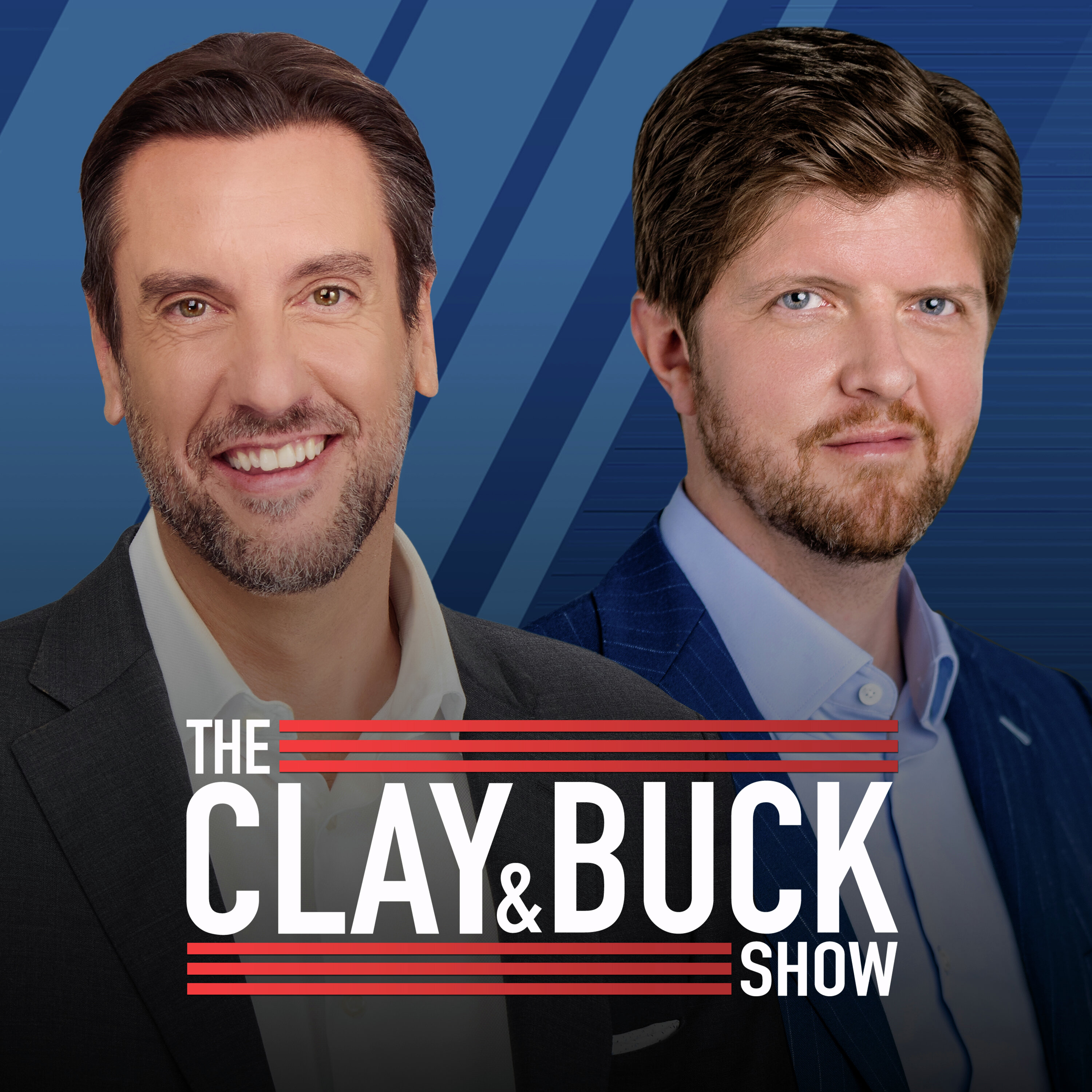
The Clay Travis and Buck Sexton Show
Hosted by iHeartPodcasts · EN
The Clay Travis and Buck Sexton Show. Clay Travis and Buck Sexton tackle the biggest stories in news, politics and current events with intelligence and humor. From the border crisis, to the madness of cancel culture and far-left missteps, Clay and Buck guide listeners through the latest headlines and hot topics with fun and entertaining conversations and opinions.
3,574episodes
Episodes
Newest firstAll episodes

The Karol Markowicz Show: Can America Recover? Josh Kraushaar on Politics, Journalism & Rising Antisemitism
2d ago00:20:16Summary readyFox News Radio political analyst and Jewish Insider Editor-in-Chief Josh Kraushaar joins The Karol Markowicz Show for an in-depth conversation about journalism, American politics, the rise of antisemitism, and why he remains optimistic about the country's future. Josh reflects on his career covering presidential campaigns and elections, explains how the media landscape has changed over the past three decades, and shares why understanding voters—not political elites—is the key to making sense of American politics. The conversation also explores the alarming rise of antisemitism following October 7, the changing relationship between American Jews and the Democratic Party, the role social media has played in fueling division, and why Josh believes history shows America has the resilience to recover from its current challenges.Follow Clay & Buck on YouTube: https://www.youtube.com/c/clayandbuckSee omnystudio.com/listener for privacy information.
Summary
Daily Review with Clay and Buck - Aug 5 2026
2d ago01:01:48Summary readyClay Travis and Buck Sexton discussed the rise of Democratic Socialists of America-backed candidates, like Abdul El-Sayed, the continued strength of progressive figures and movements, and what they see as increasing tension between moderate and far-left factions. They examined election trends in several states, reviewed primary results beyond Michigan, and debated how Democratic candidates could attempt to reposition themselves for general election voters. The conversation also explored polling accuracy, voter demographics, turnout considerations, and the importance of key swing states such as Michigan, Wisconsin, Pennsylvania, and Georgia in shaping future national elections. Clay and Buck take on the media criticism of Travis’s proposal, including discussion of a Minneapolis television commentator who accused him of using the challenge to mock women’s athletics. Clay and Buck rejected that criticism, arguing that their position is intended to defend women’s sports rather than diminish them. The hosts contended that acknowledging biological differences is the foundation for maintaining separate athletic competitions and argued that allowing biological males to compete in women’s leagues undermines competitive fairness. Throughout the hour, they repeatedly returned to the idea that the controversy reflects a larger national disagreement about gender identity, public policy, and the role of sports in cultural debates. A high-profile interview with Michigan Republican Senate nominee Mike Rogers following Democrat Abdul El-Sayed’s primary victory. Mike Rogers joined the program to outline his strategy for the general election, arguing that Michigan voters are looking for change after years of Democratic leadership. Rogers emphasized economic issues including manufacturing jobs, education performance, energy costs, housing affordability, and economic development, while portraying El-Sayed as far outside the political mainstream. The discussion centered on how Republicans can compete for independent voters, blue-collar workers, suburban voters, minority voters, and traditionally Democratic constituencies in a state expected to play a major role in determining the balance of power in Washington. Clay and Buck shifted to Tennessee politics with an interview featuring Johnny Garrett, a Republican candidate for Tennessee’s Sixth Congressional District. Garrett discussed his campaign message, support for President Trump’s agenda, low-tax and conservative governance, and efforts to bring what he described as successful Tennessee policies to Washington. The conversation also explored redistricting, election administration, border security, voting integrity, and the SAVE Act. Garrett argued for stricter election safeguards and highlighted Tennessee’s election systems as a model for the rest of the country. Make sure you never miss a second of the show by subscribing to the Clay Travis & Buck Sexton show podcast wherever you get your podcasts! ihr.fm/3InlkL8 For the latest updates from Clay & Buck, visit our website https://www.clayandbuck.com/ Connect with Clay Travis and Buck Sexton: X - https://x.com/clayandbuck FB - https://www.facebook.com/ClayandBuck/ IG - https://www.instagram.com/clayandbuck/ YouTube - https://www.youtube.com/c/clayandbuck Rumble - https://rumble.com/c/ClayandBuck TikTok - https://www.tiktok.com/@clayandbuck Follow Clay & Buck on YouTube: https://www.youtube.com/c/clayandbuckSee omnystudio.com/listener for privacy information.
Summary
Hour 1 - Michigan's Mamdani Wins
2d ago00:36:49Summary readyHour 1 of The Clay Travis & Buck Sexton Show focused heavily on the political ramifications of the Michigan Democratic Senate primary, broader Democratic Party trends heading into the 2026 midterms and 2028 presidential cycle, and the continued national debate surrounding men’s and women’s sports. Clay and Buck analyzed Abdul El-Sayed’s narrow victory over Haley Stevens in Michigan’s Democratic Senate primary, discussing what the result could mean for control of the U.S. Senate and the future direction of the Democratic Party. The hosts argued that the race reflects a growing influence of progressive and democratic socialist candidates within Democratic politics, citing recent primary outcomes in Michigan and other states as evidence of a broader leftward movement. They also examined Republican prospects in Michigan, including Senate candidate Mike Rogers and gubernatorial candidate John James, while debating whether El-Sayed’s progressive positions could create vulnerabilities in a statewide general election. A major theme throughout Hour 1 was the hosts’ assessment of Democratic Party strategy and ideology. Clay and Buck discussed the rise of Democratic Socialists of America-backed candidates, the continued strength of progressive figures and movements, and what they see as increasing tension between moderate and far-left factions. They examined election trends in several states, reviewed primary results beyond Michigan, and debated how Democratic candidates could attempt to reposition themselves for general election voters. The conversation also explored polling accuracy, voter demographics, turnout considerations, and the importance of key swing states such as Michigan, Wisconsin, Pennsylvania, and Georgia in shaping future national elections. The hosts spent considerable time examining Abdul El-Sayed’s past comments and policy positions, particularly regarding immigration enforcement, ICE, Israel, and Middle East-related issues. They debated how those positions could impact support among various voting blocs, including suburban, working-class, Black, and Jewish voters. Clay and Buck also discussed broader electoral themes such as cost-of-living concerns, voter motivation, political messaging, and whether ideological issues or economic issues will ultimately determine close races in critical battleground states. In addition to politics, Hour 1 featured discussion of Clay Travis’s increasingly viral challenge involving a proposed matchup between elite boys’ basketball players and WNBA athletes. Fresh off appearances on national television, including a heated exchange on Piers Morgan’s program, Clay defended his argument that biological differences explain the separation of men’s and women’s sports and suggested that top boys’ teams would be highly competitive against professional women’s teams. The hosts discussed public reaction to the controversy, media criticism, and the broader national conversation about fairness in athletics, gender differences in sports performance, and transgender participation in women’s sports. Clay teased upcoming reactions from critics and media figures who have challenged his position. The hour also included lighter moments, with Clay and Buck joking about social media algorithms, artificial intelligence-generated influencers, and the growing difficulty of distinguishing real online personalities from AI-created content. The conversation mixed political analysis, sports commentary, media criticism, and cultural observations, setting the stage for later interviews and continued debate on the biggest political and social issues shaping the national landscape. Make sure you never miss a second of the show by subscribing to the Clay Travis & Buck Sexton show podcast wherever you get your podcasts! ihr.fm/3InlkL8 For the latest updates from Clay & Buck, visit our website https://www.clayandbuck.com/ Connect with Clay Travis and Buck Sexton: X - https://x.com/clayandbuck FB - https://www.facebook.com/ClayandBuck/ IG - https://www.instagram.com/clayandbuck/ YouTube - https://www.youtube.com/c/clayandbuck Rumble - https://rumble.com/c/ClayandBuck TikTok - https://www.tiktok.com/@clayandbuckFollow Clay & Buck on YouTube: https://www.youtube.com/c/clayandbuckSee omnystudio.com/listener for privacy information.
Summary
Hour 2 - Clay's WNBA Bet Goes Viral
2d ago00:36:52Summary readyHour 2 of The Clay Travis & Buck Sexton Show centered almost entirely on the ongoing national debate over women’s sports, transgender athletes, and Clay Travis’s viral $10 million challenge proposing a game between the defending WNBA champion Las Vegas Aces and a top boys’ high school basketball team. The hosts discussed the widespread reaction to the challenge, which generated significant attention across sports media, political commentary, and social media platforms. Clay explained that the purpose of the challenge was to highlight what he views as the biological differences between male and female athletes and to illustrate why separate men’s and women’s sports leagues exist. The conversation examined athletic performance, competitive fairness, and the broader cultural and political implications of the gender debate in sports. A major segment focused on media criticism of Travis’s proposal, including discussion of a Minneapolis television commentator who accused him of using the challenge to mock women’s athletics. Clay and Buck rejected that criticism, arguing that their position is intended to defend women’s sports rather than diminish them. The hosts contended that acknowledging biological differences is the foundation for maintaining separate athletic competitions and argued that allowing biological males to compete in women’s leagues undermines competitive fairness. Throughout the hour, they repeatedly returned to the idea that the controversy reflects a larger national disagreement about gender identity, public policy, and the role of sports in cultural debates. The hosts also explored examples they believe demonstrate the competitive advantages of male athletes. They discussed stories involving boys’ teams competing against women’s teams, referenced historical exhibition and scrimmage results, and debated where the competitive line exists between elite female athletes and male athletes at various age levels. The conversation included discussion of a transgender basketball player competing in women’s professional basketball overseas, using that example to further debate the implications of transgender participation in women’s sports and whether leagues should adopt different eligibility standards. Another key topic was the growing number of public figures speaking out on the women’s sports issue. Clay and Buck highlighted comments from sports media personalities and commentators who have criticized policies allowing biological males to compete in women’s athletics. They argued that public opinion is shifting and suggested that more athletes, coaches, media members, and fans are becoming willing to openly challenge prevailing views on gender identity in sports. The hosts framed the issue as one involving honesty, biological reality, and trust in public institutions, asserting that debates over sports frequently reflect larger political and cultural conflicts. The hour also featured extensive listener interaction. Calls from parents, coaches, and youth sports participants focused on concerns about fairness, safety, scholarships, roster spots, and opportunities for female athletes. Several callers discussed the sacrifices made by young women pursuing athletic careers and expressed concern that biological males competing in women’s events could affect competitive outcomes. Clay and Buck examined the issue from the perspective of families involved in travel sports, high school athletics, collegiate recruiting, and elite competition, emphasizing how policy decisions can directly affect athletes and parents. The discussion expanded beyond competition itself to broader questions about women’s spaces, locker rooms, privacy concerns, and gender ideology. The hosts argued that debates over sports are part of a larger cultural conversation about sex, gender identity, and how institutions define categories traditionally separated by biological sex. They suggested that policies related to athletics, education, and public accommodations are increasingly interconnected and predicted that these issues will remain politically significant moving forward. Overall, Hour 2 was a deep dive into one of the most contentious issues in American culture and sports, combining media analysis, listener calls, viral social media controversy, commentary on the WNBA, discussions of transgender athlete participation, and broader debates over women’s rights, athletic fairness, youth sports, and the future of gender-related public policy. Make sure you never miss a second of the show by subscribing to the Clay Travis & Buck Sexton show podcast wherever you get your podcasts! ihr.fm/3InlkL8 For the latest updates from Clay & Buck, visit our website https://www.clayandbuck.com/ Connect with Clay Travis and Buck Sexton: X - https://x.com/clayandbuck FB - https://www.facebook.com/ClayandBuck/ IG - https://www.instagram.com/clayandbuck/ YouTube - https://www.youtube.com/c/clayandbuck Rumble - https://rumble.com/c/ClayandBuck TikTok - https://www.tiktok.com/@clayandbuckFollow Clay & Buck on YouTube: https://www.youtube.com/c/clayandbuckSee omnystudio.com/listener for privacy information.
Summary
It's a Numbers Game: Max Miller Scandal EXPLODES as GOP Fears Losing Ohio Seat
2d ago00:35:03Summary readyThe controversy surrounding Congressman Max Miller is escalating—and it could have major consequences for Republicans heading into the midterm elections. In this episode of It's a Numbers Game, Ryan Girdusky breaks down the latest developments in the Max Miller controversy, the political fallout surrounding his divorce and public allegations, and why Republicans are increasingly concerned about holding Ohio's 7th Congressional District. Ryan also analyzes new polling showing Ken Paxton trailing in the Texas Senate race despite Republicans leading nearly every other statewide contest, examines fresh early voting data from Florida, and discusses troubling developments for Republicans in North Carolina. EMAIL RYANFollow Clay & Buck on YouTube: https://www.youtube.com/c/clayandbuckSee omnystudio.com/listener for privacy information.
Summary
The Tudor Dixon Podcast: Why Socialism Is Winning Over Young Americans
2d ago00:36:30Summary readyWhy is socialism suddenly becoming popular again in America—and what are the real consequences if it succeeds? In this episode of The Tudor Dixon Podcast, Tudor sits down with Dr. Anne Bradley, professor of economics at the Institute of World Politics and Vice President of Academic Affairs at The Fund for American Studies, to examine the resurgence of democratic socialism and why so many young Americans are embracing it. The conversation explores why "free" government programs have become politically appealing, how envy and economic frustration fuel socialist movements, and why history repeatedly shows socialism leading to economic failure and government control. Tudor and Dr. Bradley also discuss the rise of crony capitalism, corporate welfare, regulatory barriers facing small businesses, and how government favoritism undermines entrepreneurship and opportunity. Drawing from history, economics, and Tudor's own experience running for governor of Michigan, they explain the difference between free-market capitalism and government-controlled economies—and why protecting opportunity matters more than ever.Follow Clay & Buck on YouTube: https://www.youtube.com/c/clayandbuckSee omnystudio.com/listener for privacy information.
Summary
David Rutherford Show: Ibogaine - Saving Navy SEALs, PTSD & The 88% Result
2d ago01:02:03Summary readyFor 15 years I've been trying to figure out how to stem the tide of suicides taking my teammates — and today's guest is on the front line of that fight. Jonathan Dickinson is the CEO and co-founder of Ambio Life Sciences, the world's leading ibogaine clinic, and this conversation gave me more genuine hope than anything I've encountered. What you'll hear: • David breaks down why he calls this the most meaningful episode in show history • Jonathan explains the Stanford study published in Nature Medicine — and the 88% reduction in PTSD symptoms • Why the "signature wound" of the GWOT era was brain damage misread as PTSD • What ibogaine actually restores: "a choice where you didn't have a choice before" • How Ambio protects a sacred Gabonese tradition while scaling from 4 patients a week to 40 • The April 2026 executive order that moved this medicine from the underground to the White House Jonathan Dickinson is a Mexico-licensed psychologist with 15+ years working with ibogaine in clinical and ceremonial contexts. His book, "Ibogaine and the Bicameral Mind," releases September 8 — preorder at jonathandickinson.ca. ✅ Sponsors: ☕️ Black Rifle Coffee: https://www.blackriflecoffee.com/ 🏫 Get coaching by David Rutherford: https://www.froglogicinstitute.com/🕘 Timestamps: 00:00 – Preview 00:30 – The Stanford study: what magnesium–ibogaine did to 30 operators 08:11 – It was never just PTSD: blast waves and the brain 14:08 – Addiction, agency, and "a choice where you didn't have a choice" 22:39 – Identity, transition & why people die when they retire 26:38 – Protecting the ritual while scaling 31:55 – Malta: Europe's first physician-led ibogaine clinic 34:57 – The executive order, new clinics & the risks 40:28 – Gabon, Bwiti & the Nagoya Protocol 44:24 – The bicameral mind, SSRI's, subjectivity 53:10 – Writing the book & stewarding the medicine 59:34 – How to support Ambio + book preorderFollow Clay & Buck on YouTube: https://www.youtube.com/c/clayandbuckSee omnystudio.com/listener for privacy information.
Summary
Nation States: The Axis of Aggressors and the Multi-Front Threat
2d ago00:23:24Summary readyA new national security warning argues that China, Russia, Iran, and North Korea are cooperating more closely than many Americans realize. Steve Yates examines the core findings of The Axis of Aggressors, outlining how military support, technology transfers, energy partnerships, and cyber coordination could create simultaneous crises that strain U.S. resources, alliances, and readiness. He explains why this matters for Main Street, from supply chains to energy costs and national security. Listen and consider what stronger deterrence, resilient supply chains, and capable alliances mean for America's future. Follow Nation States with Yates for clear, common-sense insights where Steve Yates serves as your personal national security advisor, breaking down world events in ways that matter to Main Street, not just Washington. Connect with the show at NationStatesYates@Gmail.com and follow on X @NSWithYates.Follow Clay & Buck on YouTube: https://www.youtube.com/c/clayandbuckSee omnystudio.com/listener for privacy information.
Summary
The Truth with Lisa Boothe: Jennifer Sey on the WNBA Gender Debate, Sophie Cunningham & Fauci's COVID Lies
3d ago00:24:30Summary readyFormer Levi's executive, XX-XY Athletics founder, and women's sports advocate Jennifer Sey joins The Truth with Lisa Boothe for a wide-ranging conversation on the cultural battles shaping America. Jennifer weighs in on the growing controversy surrounding transgender athletes in women's sports, explains why she believes the tide is finally turning, and discusses why WNBA star Sophie Cunningham has become a lightning rod for standing up for female athletes. She also breaks down the growing backlash against gender ideology in sports and why she believes more Americans are speaking out. The conversation then shifts to COVID-19, where Jennifer reflects on the personal and professional price she paid for opposing school closures and lockdowns. She reacts to the latest revelations surrounding Dr. Anthony Fauci, explains why many Americans still haven't received accountability for the pandemic response, and discusses what lessons—if any—the country has learned.Follow Clay & Buck on YouTube: https://www.youtube.com/c/clayandbuckSee omnystudio.com/listener for privacy information.
Summary
Verdict with Ted Cruz: The DNC is Broke-the DSA is Not, Fauci Shuts Up & Spain gets Invaded Week In Review
3d ago00:28:11Summary readyIn the opening segment, Ben and Ted discuss reports about the DNC’s finances and internal party tensions, including fundraising concerns and leadership challenges ahead of upcoming elections. The conversation focuses on what those developments could mean for Democratic political strategy and organization. Later, Cruz and Ferguson turn to newly discussed materials related to Anthony Fauci’s handling of COVID-19. They argue that diary entries, congressional testimony, school shutdown decisions, and debates over the origins of the coronavirus raise new questions about accountability, transparency, and public trust in government health officials. The episode concludes with a discussion about migration into Spain from Morocco. Cruz and Ferguson compare images from Spain to immigration challenges previously seen at the U.S. southern border and debate what those developments could mean for Europe and the United States. In this episode of Verdict with Ted Cruz, Senator Ted Cruz and Ben Ferguson review major political stories from the week, including the Democratic Party’s reported financial difficulties, ongoing debates surrounding Anthony Fauci’s COVID-era actions and testimony, and concerns about migration and border security in Spain and Europe. Topics Covered: Reports of financial strain and internal conflict within the Democratic National Committee DNC fundraising challenges and election-year political implications Anthony Fauci’s congressional testimony and newly discussed diary entries COVID-19 school shutdowns, public health decisions, and accountability debates Questions surrounding COVID-19 origins and gain-of-function research allegations Migration into Spain and comparisons to U.S. border security debates Ted Cruz and Ben Ferguson argue that financial instability within the Democratic Party, unresolved questions about COVID-era leadership, and migration pressures in Europe highlight broader concerns about government accountability and border security. The views and conclusions presented reflect the hosts’ analysis and commentary throughout the episode. Please Hit Subscribe to this podcast Right Now. Also Please Subscribe to the 47 Morning Update with Ben Ferguson and The Ben Ferguson Show Podcast Wherever You get You're Podcasts. And don't forget to follow the show on Social Media so you never miss a moment! Thanks for Listening YouTube: https://www.youtube.com/@VerdictwithTedCruz/ Facebook: https://www.facebook.com/verdictwithtedcruz X: https://x.com/tedcruz X: https://x.com/benfergusonshowFollow Clay & Buck on YouTube: https://www.youtube.com/c/clayandbuckSee omnystudio.com/listener for privacy information.
Summary