← The Clay Travis and Buck Sexton Show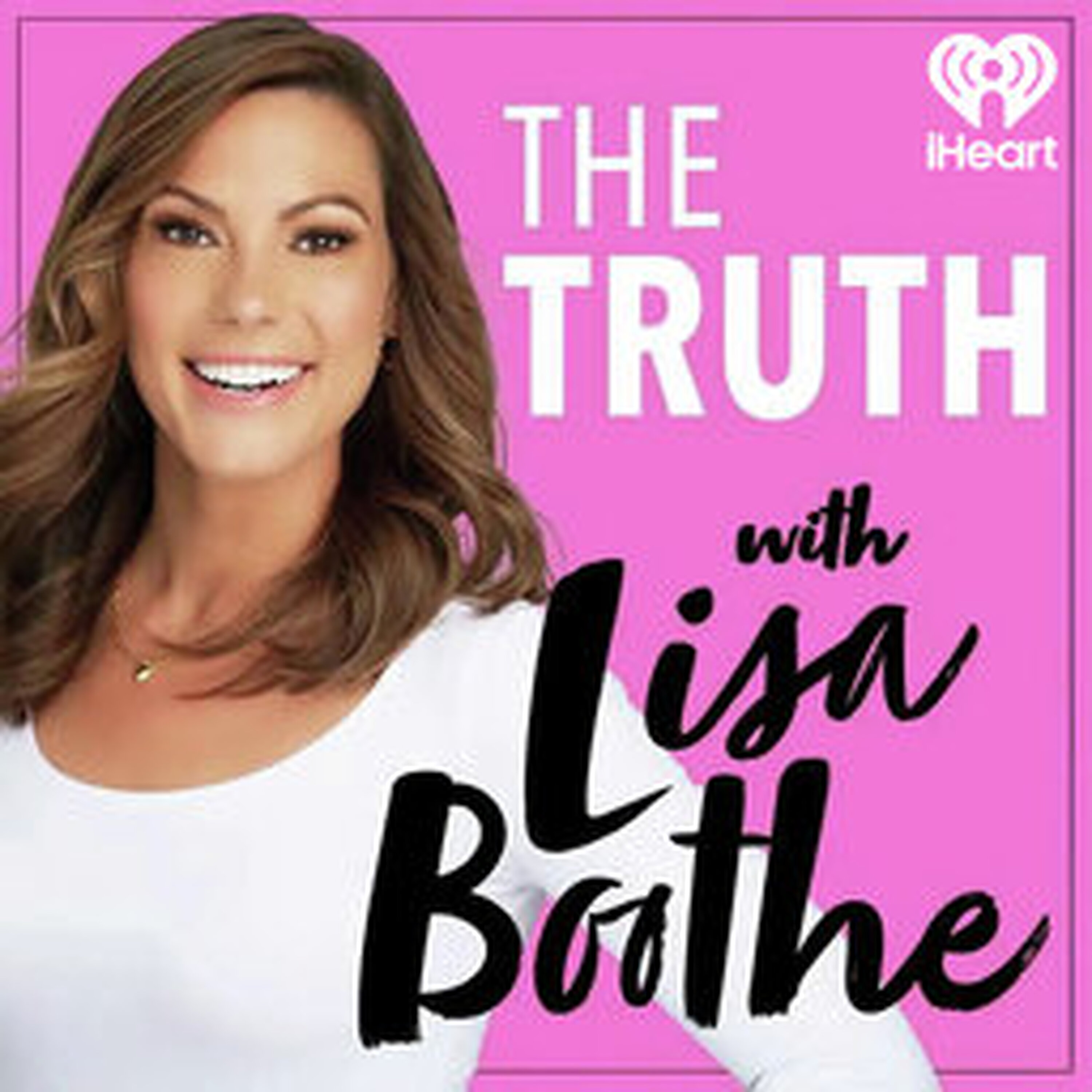
The Clay Travis and Buck Sexton Show
The Truth with Lisa Boothe: The Greatest Political Scandal? Unpacking the Truth Behind the Trump-Russia Probe with Jason Chaffetz
00:32:17
Loading summary
Transcript91 lines
- [00:00]
A
This is an I Heart Podcast.
- [00:02]
B
Guaranteed human.
- [00:04]
A
If you're over 50 and worried about your heart health, listen to this. A 16 year study of over 30,000 people found that Natto can, an ancient Japanese superfood, can help reduce heart attack risk and help improve cardiovascular health. Japan has the world's second longest life expectancy for a reason. They've used this powerful natural enzyme for thousands of years. Luma Nutrition has perfected a powerful Nattok formula made in the USA and third party tested for purity and quality. You can try nattokinase today for up to 40% off when you visit lumonutrition.com that's L U M a nutrition.comlumanutrition.com veteran owned, proudly made in the USA.
- [00:44]
B
Then the space hamster flew his hot.
- [00:46]
C
Air balloon all the way to the.
- [00:48]
B
Bottom of the ocean.
- [00:50]
D
Where did that story come from? Book Dream?
- [00:54]
C
Nope.
- [00:54]
D
It came from a conversation. Meet Meco Mini plus, the AI companion that co creates personalized story adventures with your child in real time. What color was the hamster's cape and what did he pack for lunch? Unlock your child's imagination. Discover Miko Mini plus and the magic of AI exclusively at Costco.
- [01:14]
C
Time for a sofa upgrade Introducing Anabe Sofas where designer style meets budget friendly prices. Every anibe sofa is modular allowing you to rearrange your space effortlessly. Perfect for both small and large spaces, Anabe is the only machine washable sofa inside and out. Say goodbye to stains and messes with liquid and stain resistant fabrics that make cleaning easy. Liquids simply slide right off. Designed for custom comfort, our high resilience foam lets you choose between a sink and feel or a supportive memory foam blend. Plus our pet friendly stain resistant fabrics ensure your sofa stays beautiful for years. Don't compromise quality for price. Visit washablesofas.com to upgrade your living space. Today. Sofas start at just $699 with no risk returns and a 30 day money back guarantee. Get early access to Black Friday now. The biggest sale of the year can save you up to 60% off plus free shipping and free returns. Shop now at washablesofas.com offers are subject to change and certain restrictions may apply.
- [02:15]
E
The only thing between you and your best self is a start button. This Black Friday Explore the world with NordicTrack from the peaks of Peru to the streets of Par, every workout moves you somewhere new with IFIT trainers leading the way. The equipment's amazing, smooth, quiet and those screens make it all feel real. Ready to start your next workout adventure with the number one treadmill brand in the U.S. shop NordicTrack.com for Black Friday savings. NordicTrack train anywhere. Explore everywhere.
- [02:45]
F
This is Jacob Goldstein from what's yous Problem? When you buy business software from lots of vendors, the costs add up and it gets complicated and confusing. Odoo solves this. It's a single company that sells a suite of enterprise apps that handles everything from accounting to inventory to sales. Odoo is all connected on a single platform in a simple and affordable way. You can save money without missing out on the features you need. Check out Odoo at O D O o dot com. That's O D O O do.
- [03:21]
B
Welcome to the Truth with Lisa Booth, where we get to the heart of the issues that matter to you today. I've got a friend and colleague on the show, Jason Shafetz. You know him from Fox News. He's also the former House oversight chairman as well. And we're going to dig into the recent documents that have been declassified and have been pushed out by the Trump administration, these explosive documents surrounding the Trump Russia probe. So we'll uncover the new revelations. We'll explore who launched the investigation and why, and then also examine President Obama's role. Also, was it Hillary Clinton who kicked this all off? Who spearheaded all of this with the Steele dossier? We'll talk about Hillary Clinton's role in this manufactured intelligence. Also, did the FBI ignore red flags about Russian disinformation and all this as well? We'll get to the bottom of that. So stay tuned for my friend and colleague Jason Schaffetz, who's going to bring us the truth about the botched Russia hoax. Well, Jason Schaffetz, it's great to have you on the show again, my friend. We kind of got into this when we were co hosting together recently on the big show. And so when I was thinking about a guest, I was like, Jason is the person for this. So I appreciate you making the time.
- [04:44]
G
Yeah. Hey, always anything for Lisa Booth. Are you kidding me?
- [04:48]
B
Well, be careful, be careful putting that out. You know, start to.
- [04:52]
G
Well, it's, it's, I've learned the hard way. So.
- [04:55]
B
Yeah, no, I'm just kidding. But okay. So, Jason, so basically, obviously there's like so much information being put out. And so I think it's like a little bit honestly confusing, but just I think people are kind of trying to figure out like what's new, what's not new, just sort of like sifting through it. And so that's kind of like the Point of the conversation I want to have with you is just sort of breaking it down and, you know, explaining it to both me and then the audience as well. So I guess let's start off kind of at the top with all the information that's been released so far. What's new that we didn't already know? Yeah.
- [05:33]
G
And let me preface new by saying it's a growing body of evidence that should have been uncovered and revealed. If you had actors that were playing by the rules and by the law, it should have come out years ago. So the Democrats are masters at playing this game saying, oh well, that's not new, so it's not worthy of listening to, but that's not true. And so the newest things that were foreshadowed by Tulsi Gabbard, the Director of National Intelligence, John Radcliffe, the CIA Director Cash Patel, has foreshadowed even more documents coming from this so called annex to the Durham report, these burn bags that were found, the, the startling evidence that is quote, unquote new is Hillary Clinton personally signing off on it, on this operation to, to, to delegitimize Donald Trump by drawing an association that was bogus, that was not true in relationship to Russia. And that comes out in emails from witnesses who say that's what happened. It's not Hillary Rod and Clinton saying, I, Hillary Rodham Clinton did this. So it's an allegation, but it's a serious one because it was the first hardcore firsthand account in writing that said HRC has approved this. Now I'm paraphrasing, but that's essentially the allegation. And this goes back to Debbie Wasserman Schultz, the Florida congresswoman, having interactions with people in George Soros orbit and foundations. But to say that that was something that she personally signed off and that they were good with moving forward. Another big one, which we had not heard or seen before, was the idea that Barack Obama as the President of the United states, December of 2016, was going to rewrite, in essence have them go back and rewrite the findings of the career officials within the intelligence communities to change the assessment. They believe that the Steele dossier, which was used as the predicate to spy on Americans and spy on Donald Trump's campaign and those in his orbit that that was discredited, didn't meet the standards of intelligence collection and therefore they didn't have the predicate to do the spying. And now that Donald Trump did the unthinkable, which was get elected, Donald Trump was going to be able to figure that out unless they went back and rewrote this, which happened a week or so before Donald Trump got his first presidential brief as the candidate elect, as the president elect in December of 2016. So that again, is new information, direct involvement by the President of the United States and again furthers this and this notion that he didn't want to have his whole presidency tainted by Hillary Clinton and her email scandal. And something that I was very involved in, that those are some of the biggest takeaway items and there's a lot more to it. But that's. Those are some of the newest things that just add fuel to the fire in this, what could be a, you know, quite a conspiracy.
- [09:08]
B
Who started it? Like, who initiated this whole, you know, spying on President Trump and, you know, kind of starting the idea that Trump was like in bed with Putin and the Russians.
- [09:25]
G
So the growing body of evidence seems to indicate, again, nothing has been proven, Nobody's, been, you know, prosecuted and convicted. But the growing amount of evidence is that Barack Obama did not want her. This email scandal with Hillary Clinton spinning out of control, and that Clinton's took $10 million out of their campaign to use that money through Mark Elias and his law firm. They checked it off as a, quote, unquote, legal expense, which I think has been ruled on now is it really wasn't a legal expense to push this money overseas to then come up with this fiction. It's not as if they said, hey, structure it just like this. It's hey, we've got to bloody up Donald Trump and create this proximity in this question in people's minds that Donald Trump has, is a, as a Russian puppet, you know, and, and so you start to see the players in there, and then you start to see the intelligence community. This is where it gets really nefarious, is when you have people like James Clapper, John Brennan, James Comey seemingly pawns in executing this, not fully investigating Hillary Clinton, not doing anything to get to the truth about her handling or mishandling of classified information. That's a whole nother thread or vein that we could go and talk about that I was very involved with. But they use this Steele dossier as the predicate to then go to the courts. And this is where I think there's the most vulnerability, if somebody's actually going to get prosecuted is the way this works is the cult. You hear this term the FISA court, right? Foreign Intelligence Surveillance act gave special police powers to. If somebody's overseas communicating with somebody in the United States, how do you deal with that? That's not a traditional warrant between two Americans with constitutional rights. So how do you do that? They came up with this FISA scheme under the Patriot act, which would actually allow them, the government, to put forward a document that goes to a judge, they call it a court, but it's really just a judge in a SCIF Secure Compartmental Information Facility. And the judge will look at that documentation and either grant or deny a warrant to surveil somebody. And it's like 99 point something percent of them get approved. At the very top of this little form, it says verified. Like they verified this information. And at least on some of the occasions, I believe it's James Comey who signed off on these applications to get warrants to spy on people in Trump's orbit. But the allegation is that they knew, or they should have known that the underlying predicate, the Steele dossier, was bogus, and therefore they lied to the court. And there are a lot of us that believe if you lie to the court, there should be consequences. If Lisa Booth lied to the court, if Joe Schmo out in Kansas City lied to the court, if, you know, Jennifer Jones out in, you know, Topeka, Kansas, lied to the court, she'd probably go to jail. She'd probably be, you know, there'd be repercussions. But though thus far there hasn't been any.
- [13:03]
B
And, and the irony is, I know Senator Grassley put this out, I think, in 2020, looking at some of the declassified footnotes and found that it was believed that some of the sources of Christopher Steele were tied to, like, the Kremlin. So, like, the irony is that in an effort to push the narrative that Trump was cozy with the Russians, they were pushing Russian disinformation from sources that were tied to the Kremlin.
- [13:44]
G
So part of what's kind of uncovered.
- [13:45]
B
Here, like, they were the ones working with the Russians.
- [13:49]
G
So part of what gives credence to some of the career officials who went and looked at this is somehow some way. We don't know how, but the US Government intelligence agency picked up on communiques that the Russians had, that the Russians had kind of tapped into what Hillary Clinton was doing. And they foreshadowed that Clinton would do just this, that she was going to come up with this scheme. They foreshadowed how they were going to execute on it, that Joe Biden, then his vice president, would be the very first to go out and make this allegation about Donald Trump and that it would roll from there. And they gave very Specific details and markers. And then when it started actually happening, the US Intelligence community looked at that and said, oh, my gosh, what the Clintons are doing is actually true and real because the Russians foreshadowed it. They must have an. It's kind of scary how good the Russians are in spying on us and our political leaders. They're the bad guys in this. But, you know, they foreshadowed exactly that Joe Biden would do this. And then the DNC happens in 22nd, you know, the Democratic National Convention. And then, you know, in 2016, sure enough, he goes out there and he's one of the first ones making these allegations, just like the Russians said that Clintons would do. So that is also new that the Russians had figured out Clinton's scheme and they thought it was. I mean, I think the underlying. And again, I haven't read every document of every line, but again, another allegation is that the Russians, ironically, really wanted Hillary Clinton to win because they had a lot more dirt on her than they did on Donald Trump. They didn't have anything on Donald Trump. He was. Didn't have much.
- [15:42]
B
I think, too, one thing that was always, I think, kind of demonstrates kind of like the collusion and the desire to work against Donald Trump and all this. This is that, like, the media couldn't publish the Steele dossier because they knew it was unverified and they couldn't verify the information in it. And so James Comey and Brennan and some of the other intel guys met with President Trump, then President Elect Trump, before he took office in 2017, and briefed him on the salacious details of the dossier. And then somehow that magically leaked. The fact that they met magically leaked to the media, which I think CNN then covered. And then it gave buzzfeed the hook to publish the dossier in full, which they couldn't publish previously because it was unverified, but because the meeting was leaked, that gave them the hook to then release the unverified dossier. And so it's like, pretty obvious that Comey, who has a history of leaking to the media, you know, basically set Trump up, juiced him up with the salacious details they knew to be false, and then gave, you know, it gave the green light to the media to then run with all this, you know, Clinton lies to begin with.
- [16:55]
G
Well, look, this is the CD side of why so many had.
- [16:58]
B
But that's accurate, right?
- [16:59]
G
All that, that. Oh, yeah, seedy concerns about James Comey and the way he did business. I mean, we had the Inspector General Michael Horowitz at the Department of Justice recommend prosecution of people who were leaking information, accepting gifts for information, doing things like that. And then, and then of, you know, James Comey engaging with a, somebody he had a long time relationship with who didn't have a security clearance, giving him information. You know, it's just they had a pattern of this. And I'm not talking about finding shells on a beach. I'm talking about some, you know, stuff that has security clearance issues. And so that's, and then Comey, you know, doing a variety of other things. I mean, how many times did I get a lecture from James Comey about, well, you know, you have to prove intent. Well, the proving of intent here on where Comer or Comey, Clapper and Brennan were going with this stuff is increasingly evident, particularly against Brennan who testified that he didn't use the Steele dossier to write the intelligence, but then has other testimony and other corroborating evidence that says he did. And so it's still to be played out. Everybody's innocent, tell proven guilty. But these are the, these are, this is why it continues to move forward and it's not behind us yet.
- [18:22]
B
We've got more with Jason Schaffetz, but first we've got to take a quick commercial break.
- [18:27]
A
If you're over 50 and worried about your heart health, listen to this. A 16 year study of over 3,000 people found that nitalkinase, an ancient Japanese superfood, could help reduce heart attack risk and help improve cardiovascular health. Japan has the world's second longest life expectancy for a reason. They've used this powerful natural enzyme for thousands of years. Lumen Nutrition has perfected a powerful Ninhalkinase formula made in the USA and third party tested for purity and quality. Buy your supplements from a source you can trust. Lumen Nutrition was founded by a former U.S. army officer and they are on a mission to provide the highest quality natural supplements made right here in the USA. You can try NatalieLinkinase today for up to 40% off when you visit lumanutrition.com that's L U M A nutrition.com lumanutrition.com veteran owned, proudly made in the USA.
- [19:20]
B
Shh.
- [19:20]
D
You won't believe what my new friend just told me about dinosaurs. Is your child having conversations you never imagined? Are they learning without realizing it? It's not a tablet. It's not a toy. It's Meco Mini plus the AI powered companion that turn turns curiosity into endless learning. Hear the future of Playtime Meet the extraordinary Meco Mini plus only at Costco.
- [19:48]
C
Tired of spills and stains on your sofa? Wash away your worries with Anabe. Anibe is the only machine washable sofa inside and out where designer quality meets budget friendly prices. That's right, sofas start at just $699. Enjoy a no risk experience with pet friendly stain resistant and changeable slipcovers made with performance fabric. Experience cloud like comfort with high resilience foam that's hypoallergenic and never needs fluffing. The sturdy steel frame ensures longevity and the modular pieces can be rearranged anytime. Shop washablesofas.com for early Black Friday savings up to 60% off site wide backed by a 30 day satisfaction guarantee. If you're not absolutely in love, send it back for a full refund. No return, shipping or restocking fees. Every penny back. Upgrade now@washablesofas.com Offers are subject to change and certain restrictions may apply.
- [20:49]
E
The only thing between you and your best self is a start button this Black Friday Explore the world with NordicTrack from the peaks of Peru to the streets of Paris, every workout moves you somewhere new with IFIT trainers leading the way. The equipment's amazing, smooth, quiet and those screens make it all feel real. Ready to start your next workout adventure with the number one treadmill brand in the U.S. shop NordicTrack.com for Black Friday savings. NordicTrack train anywhere. Explore everywhere.
- [21:19]
F
This is Jacob Goldstein from what's yous Problem? When you buy business software from lots of vendors, the costs add up and it gets complicated and confusing. Odoo solves this. It's a single company that sells a suite of enterprise apps that handles everything from accounting to inventory to sales. Odoo is all connected on a single platform in a simple and affordable way. You can save money without missing out on the features you need. Check out Odoo at O D O o dot com. That's O D O o dot com.
- [21:53]
B
So there's no doubt in your mind that Obama knew exactly what was happening and like basically spearheaded this whole thing?
- [22:02]
G
Well, the evidence is now showing that he did know and that he was not just informed, but an active player in making some key decisions. That that's pretty. I just feel lied to by him. You know, he always tried to put himself up as oh, we're a scandal free administration. No they weren't. I mean, I started by looking at the Fast and Furious scandal we started. We dove into the IRS scandal. They had their own set of other spying scandals with The Associated Press with James Rosen, Cheryl Atkinson still has some stuff that's in the courts. I mean, it just goes on and on with the Obamas and Clintons. It's just to suggest that Obama was this above it all, above the fray scandal, free, now this, that he had the intelligence community go back and rewrite history so that, oh, that Donald Trump would never catch wind of it. I mean, good. Just shoe leather work by, you know, the Tulsi Gabbards and John Ratcliffe's of the world to go find this. And now what Cash Patel and Dan Bongino are finding, I mean, that's just. There's still a lot more to come. All these burn bags, I mean, there's a lot more coming.
- [23:16]
B
Well, and the sad thing is, like, it ruined lives. And, you know, like Michael Pluto, who used to work for President Trump, you know, he had to liquidate his children's college funds just to pay for an attorney as he, you know, was subpoenaed and had to testify and, you know, had a lawyer up through all jail.
- [23:35]
G
You know, it's just people went to jail. And look, they almost pulled it off. They almost maligned Donald Trump enough to manipulate an election and put Hillary Clinton in there. They were, we were that close to having President Hillary Clinton in place. I mean, you remember the afternoon of the election, everybody thought she was going to win.
- [23:59]
B
Well, I think the only challenge in all this is that there's so many moving parts and it's so. It's kind of like convoluted.
- [24:08]
G
Right.
- [24:08]
B
And so I worry with the complexity of it, if that gets lost to the American people and they're like, you know what? This is just too much going on, you know, like, well, kind of write it off sort of thing.
- [24:20]
G
One of the ones that is culpable in saving democracy is the national media. I mean, intellectually not interested. It doesn't go to their narratives. How many people pulled off awards and Pulitzer Prizes doing all this work on this? I mean, did anybody apologize, do a retraction, provide, you know, turn their awards back in or had their awards revoked from the Pulitzer Committee? I mean, none. And that's what sickening because they were culpable. When Tulsi Gabbard stood up, was it last week before the or so and she stood up in the White House podium and was making these allegations about Barack Obama. Several of the people in the media there in the White House briefing room didn't even ask a question about that. They want to talk about a different topic. I mean, that's Just stunning. Absolutely stunning. If they had this information on anybody else, certainly Donald Trump, they would be all over it. But because it's Barack Obama, oh, heaven forbid we actually criticize him.
- [25:30]
B
I guess. What do you think's gonna happen? And then also, I think it's sort of hilarious because they. Well, not hilarious, terrible. But, you know, they went after Carter Page, but then, like, he was working, he was a CIA asset, so they were like spying on a gu who is actually actively working with the United States against the Russians. So it's like, you know, but.
- [25:51]
A
And then also.
- [25:52]
B
Yeah, yeah, go ahead.
- [25:53]
G
Two things. First of all, I hope America understands the opportunity cost in the loss that is Peter Strzok, Lisa Page. You know, they had really pivotal counterintelligence roles. So instead of actually going after maybe, I don't know, Chinese spies and the Sinaloa cartel and anybody else who's trying to dismantle the United States, they spent time on this hoax and that. How many thousands upon thousands of hours was spent perpetuating a hoax? There's that in terms of accountability. You know, people always said, oh, Jason, you do this and that, but you never arrested anybody, never prosecuted anybody. I said, well, you know, in Congress, they don't give you handcuffs, nor should they. My job is I can expose it. And to that degree, I think we did really well, as best we could, but we were lied to, even though these documents were under subpoena. And we have a system in government where you should have to comply with them and there should be consequences if there's going to be a consequence. My guess where there's the most vulnerability, particularly for James Comey, but others as well, is this FISA warrant. If you go to the court, sign your name saying it's verified, it's true. Hey, federal judge, I need to be able to spy on this person. And then they do. There has to be a consequence for lying to the court. I think the court under John Roberts, the Chief justice who oversees the FISA courts, has got to do something. And I think that the, I think that you're going to see the, hopefully the administration. But the thing that might happen before either one of those two do anything, is that Congress, when they get back from the recession, either under Chairman Grassley or Chairman Jordan, probably Grassley, is going to have hearings, and we're going to call up Comey, Brennan, Clapper, all those people will be called back up with this new information. And that'll be really interesting because the country will be focused on single issues. What did you do and not do. And that's tough when you've lied. At least the allegation previously to Congress. That's going to be must see tv.
- [28:08]
A
I don't remember.
- [28:08]
B
Did Biden pardon any of those people?
- [28:12]
G
It's a good question, Lisa.
- [28:13]
B
I don't remember off the top of my head.
- [28:16]
G
I think a lot of them thought that the statute of limitations had expired. But as John Ratcliffe and others have explained, if you, and Brett Tolman, great U.S. attorney, he's explained, if you're perpetuating a conspiracy, then you start anew on the five year statute of limitations. So they bring them up before Congress, they start testifying. That resets the clock again. So I think those guys will come up before Congress and they'll all plead the Fifth. That's, that's what I'm afraid of. But I think, I think they have no choice. I think that's what they're going to do. They're going to plead the Fifth.
- [28:56]
B
Well, and it's also, you know, basically all that the Trump administration is asking people to do is believe that people who previously lied to them and previously abused government did it with Trump as well. I mean, like Obama spied on Associated Press reporters, like Brennan spied on the Senate Intel Committee and you know, his own party, like Dianne Feinstein called him out for it because he was spying on them with the waterboarding investigations that the Senate Intel Committee that they were conducting. So it's like, and then Comey, like, has already admitted that he leaked FBI documents that he shouldn't have leaked to a professor buddy of his to then get it to them.
- [29:33]
A
Right.
- [29:33]
B
So, like, all these people have already, like, you know, I've committed and we're already aware who have, you know, been at bad actors in the past. But I guess, like, what would the consequences be? Will there be consequences? Because I think there's just this, like, general frustration. I know, I feel it myself, is it's like we find out that these people in D.C. whether it be members of Congress or what have you do bad things and then it just feels like there's never any accountability and then people keep doing it again, you know, like there's never been accountability for Covid and the lies were, you know, it's like, it just feels like it's like, you know, we call them out and then nothing happens. So, like, what could the consequences be? Do you think there will be any consequences?
- [30:15]
G
I'd like to say yes. I want to say absolutely. But I think unfortunately, the history that I have over the last 15 years, 16 years of this stuff is the answer is no. I mean, it's sad, it's wrong. I mean, take it, take it away from this whole thing. Republicans, Democrats, let's look at Butler. You have a President of the United States, a candidate for the presidency again gets shot, and not even a single person gets fired. Not even one. Like, they're not. It's just I'm so sick and tired of people being, you know, doing something fundamentally wrong, either inept or just totally abusing the system. There was a case a couple weeks ago where the Inspector General for the Federal for the Department of Justice had made a recommendation for prosecution of an FBI agent who was overseas using prostitutes on a regular basis and doing some other nefarious things, recommended for prosecution. And they didn't do anything. They dismissed it. Like, I can go, Lisa, I swear to you, I could sit here for 20 hours and list case after case after case. And it's frustrating me for you, I think through American people, people care about our country and I, I want them to be held accountable. But I, I, you know, I don't want to give up on that. But it is terribly frustrating.
- [31:47]
B
And even like on the Epstein stuff, like, I don't think Trump behaved in a way he shouldn't have with, you know, young girls or what have you, but it's also like, you know, they've kind of like over promised and under delivered, and it feels like they're not released in certain things. And it's sort of just, you know, I think that kind of raises more questions than just putting it out there.
- [32:11]
G
Well, I don't think that chapter is done yet.
- [32:13]
B
I mean.
- [32:14]
G
Yeah, yeah.
- [32:15]
B
What are your, what are your thoughts on it? Do you find it strange in the way, in the manner in which things have been released, or does that pretty much line up or know from your perspective as the former chairman of Oversight Committee, like, I don't know. What are your thoughts on all of it?
- [32:28]
G
Look, objectively, the Department of Justice said case closed. And then days later, the, the deputy Attorney general is down interviewing Jelaine Maxwell for two days. So I don't know what comes that I knew that. I believe it's August 11th. James Comer is going to be conducting a hearing or transcribed interview at the jail in Florida. That's going to be, Whoa, you know, what's she gonna say? I, I don't know. I, I'm just saying that that one hasn't fully played out yet. And I, I think there's an insatiable desire to hear a lot more about it. And, but I, this one is very newsworthy right now. When I say this one, the, you know, Brennan Clapper, Comey, Obama, Clinton, all that, it's just because there's new information and it's, you know, but it's the furtherance of something that has played out since, well, back in 2012 is really kind of where it started and now it's still playing itself out. And, but, you know, this is, so I told you how pessimistic I was. But I'm also optimistic because truth does have a way of prevailing and somehow, some way, the American people figure this out. And there, there may not be somebody in handcuffs for 20 years out in some gulag and you know, that we all hope for, but politically, Hillary Clinton didn't become the president. People figured it out not because of this scandal, but because they just figured it out. And the American people, I don't think will reward people who are so nefarious in their intent. It's just not the American way. And they'll reward the people who are the adults in the room and do the right thing, even though if their reputation and others, this cost the Trump family, I don't know, hundreds of millions of dollars and there are still people walking around thinking that they're Russian assets. They put Don, they put Donald Trump Jr. On the COVID of Time magazine and it said caught red handed. He had like one meeting for 20 minutes with somebody he'd never met before and they put him on the COVID of Time magazine. I think the people have figured out the national media, that's for sure.
- [34:44]
B
More with Jason on the other side of this break. If you're enjoying the podcast, please post to social media, send it to your friends. Appreciate when you guys do that. Stay tuned.
- [34:54]
A
If you're over 50 and worried about your heart health, listen to this. A 16 year study of over 3,000 people found that nitokinase, an ancient Japanese superfood, could help reduce heart attack risk and help improve cardiovascular health. Japan has the world's second longest life expectancy for a reason. They've used this powerful natural enzyme for thousands of years. Lumen Nutrition has perfected a powerful Nidalkinase formula made in the USA and third party tested for purity and quality. Buy your supplements from a source you can trust. Lumen Nutrition was founded by a former U.S. army officer and they are on a mission to provide the highest quality natural supplements made right here in the USA. You can try NatalieLinkinase today for up to 40% off when you visit lumonutrition.com that's L U M a nutrition.com lumanutrition.com Veteran owned, proudly made in the USA Shh.
- [35:47]
D
You won't believe what my new friend just told me about dinosaurs. Is your child having conversations you never imagined? Are they learning without realizing it? It's not a tablet. It's not a toy. It's Meco Mini plus, the AI powered companion that turns curiosity into endless learning. Hear the future of playtime. Meet the extraordinary Miko Mini plus.
- [36:13]
C
Only at Costco life gets messy spills, stains and kid chaos. But with anibe, cleaning up is easy. Our sofas are fully machine washable inside and out, so you never have to stress about messes again. Made with liquid and stain resistant fabrics, that means fewer stains and more peace of mind. Designed for real life, our sofas feature changeable fabric covers allowing you to refresh your style anytime. Need flexibility? Our modular design lets you rearrange your sofa effortlessly. Perfect for cozy apartments or spacious homes. Plus they're earth friendly and built to last. That's why over 200,000 happy customers have made the switch. Get early access to Black Friday pricing right now. Sofas started just $699. Visit washablesofas.com now and bring home a sofa made for life. That's washablesofas.com offers are subject to change and certain restrictions may apply.
- [37:16]
E
The only thing between you and your best self is a start button. This Black Friday Explore the world with NordicTrack from the peaks of Peru to the streets of Paris, every workout moves you somewhere new, with IFIT trainers leading the way. The equipment's amazing, smooth, quiet, and those screens make it all feel real. Ready to start your next workout adventure with the number one treadmill brand in the U.S. shop NordicTrack.com for Black Friday savings. NordicTrack train anywhere explore everywhere this is.
- [37:46]
F
Jacob Goldstein from what's yous Problem? When you buy business software from lots of vendors, the costs add up and it gets complicated and confusing. Odoo solves this. It's a single company that sells a suite of enterprise apps that handles everything from accounting to inventory to sales. Odoo is all connected on a single platform in a simple and affordable way. You can save money without missing out on the features you need. Check out odoo@odoo.com that's o d o o.com.
- [38:20]
B
Before we go, is there anything like I've missed that you kind of wanted to convey in all of this?
- [38:26]
G
There's one little side Side note here, that is really personal to me, and I'm probably too close to it, but back when Benghazi happened, I issued a letter of preservation. Preservation letter requires you to. To comply with the Federal Records Act. And. But it also, you have to keep all of your notes, your contemporaneous notes, thoughts, everything, because we have Fortnite Americans and we could never unearth all of these documents. Well, that was the quote, unquote, email scandal. And fast forward, we found out that Hillary had her own email system. She didn't use the government one. And that there was this highly classified information that was traversing through her email system, which is basically the same as getting an email system from Best Buy and setting it up at home. And so there was a few things that happened. We had this select committee on Benghazi chaired by Trey Gowdy. You had things like John Radcliffe and some key people on there. But Jim Jordan, during that hearing, asks Hillary Clinton, when they interviewed her under oath, was there any classified information on your computers? And she said, no, didn't send, nor did I receive any classified information. Fast forward to July of 2016. I'm conducting the hearing. I'm the chair with James Comey. And Trey Gowdy asks Comey if any classified information was found on Hillary Clinton's computer. And he said, yes. So then I asked Comey, have you. Has Hillary Clinton ever lied? And he said, cleverly, not to us. And I said, well, what about in her answer to. To Jim Jordan saying that there was no classified information? And he said, never looked at it. To which I said, I'm paraphrasing. Well, I didn't know you needed a permission slip. He said, yep, sure do. And so I said, all right, we'll issue a subpoena. All right, we'll issue this criminal referral, like, today. It took a day or two to get it to him, but we got it to him. I don't think they did anything with that. I would love to know what happened to that. And how come somebody can come lie to Congress on a pivotal point like classified information and have no consequence? And why did he say one thing and then say, but we never prosecute her? Like, again, I'm probably too close to that. But that, to me, is one of the strings that's still never been dealt with.
- [41:14]
B
Well, I don't know. Hopefully. I don't know if they'll release any information on that or, you know.
- [41:21]
G
But did you lie to the court? Did you sign your name testifying that it was verified? That gets to be some really serious stuff and hopefully if there's anything that'll probably, probably be the one where they actually can prosecute somebody.
- [41:37]
B
Jason Chaffetz he's got a new book, They're Coming for you. How deep state spies, NGOs and woke corporations plan to push you out of the Economy. We had them on recently about it and it's pretty terrifying. So it's a very interesting. So you want to go out and get it. Jason Shafetz thanks for coming on the show. Really appreciate your time. My friend.
- [41:56]
G
Always thanks Lisa.
- [41:58]
B
As Jason Chaffetz, friend and colleague, also the author of the new book They're Coming for you. How deep state spies, NGOs and war corporations plan to push you out of the Economy. Appreciate him for taking the time to come on the show. Appreciate you guys at home for listening every Tuesday and Thursday, but you can listen throughout the week. Also want to thank John Casio, my producer, for putting the show together. Until next time. Then the space hamster flew his hot.
- [42:26]
C
Air balloon all the way to the.
- [42:28]
B
Bottom of the ocean.
- [42:30]
D
Where did that story come from? Book Dream? Nope, it came from a conversation. Meet Mikomini, the AI companion that co creates personalized story adventure with your child in real time. What color was the hamster's cape and what did he pack for lunch? Unlock your child's imagination. Discover Miko Mini plus and the magic of AI Exclusively at Costco.
- [42:54]
E
The only thing between you and your best self is a start button this Black Friday Explore the world with NordicTrack. From the peaks of Peru to the streets of Paris, every workout moves you somewhere new with IFIT trainers leading the way. The equipment's amazing, smooth, quiet and those screens make it all feel real. Ready to start your next workout adventure with the number one treadmill brand in the U.S. shop NordicTrack.com for Black Friday savings. NordicTrack train anywhere explore everywhere.
- [43:24]
F
This is Jacob Goldstein from what's yous Problem? When you buy business software from lots of vendors, the costs add up and it gets complicated and confusing. Odoo solves this. It's a single company that sells a suite of enterprise apps that handles everything from accounting to inventory to sales. Odoo is all connected on a single platform in a simple and affordable way. You can save money without missing out on the features you need. Check out Odoo at o d o o.com that's o d o o.com bring.
- [43:57]
B
Incredible sound into every corner of your home this holiday with the new Whim Sound Smart Speaker. Get high resolution audio with a 1.8-inc. Touchscreen, smart control and modern design in one powerful speaker for just 299. From quiet mornings to lively holiday gatherings, WinSound makes every moment sound better and feel better too. Get the gift of the season for the music enthusiast in your life or for yourself. Whimsound Beautifully designed, effortlessly connected. Shop now at Amazon and search Whimsound. That's wiimsound.
- [44:27]
F
I already love same day delivery was shipped but it's so much better since I signed up for target's circle 360. Why? Because I no longer pay price markups from the material majority of stores through Shipt.
- [44:38]
G
Only a handful of alcohol retailers and items don't count.
- [44:41]
F
That means no markups on groceries, pet.
- [44:44]
G
Food, even home goods and makeup.
- [44:45]
F
So to recap, I have more time.
- [44:47]
B
To catch up on life while someone.
- [44:49]
G
Shops for me and I spend less. It's a win win.
- [44:53]
F
Order now@shipt.com 360 terms apply.
- [44:57]
A
This is an iHeart podcast.
- [45:00]
B
Guaranteed Human.