
Podcast
The Daily
Hosted by The New York Times One · EN
"This podcast is intended for educational purposes only. It does not constitute medical, legal, or financial advice. We strongly recommend you consult with a qualified professional before making any decisions based on the content of this program. Use of this information is at your own risk."
Hosted on Acast. See acast.com/privacy for more information.
10episodes
Episodes
Newest firstAll episodes

What We’ve Learned From 10 Days of War
Mar 1000:40:24Tap to summarizeWhat began as a relentless U.S.-Israeli military assault on Iran has turned into a wider crisis as the disruption of the world’s oil markets spreads beyond the Middle East.Eric Schmitt, a national security correspondent for The New York Times, discusses what we know about the players involved in the fighting.Guest: Eric Schmitt, a national security correspondent for The New York Times based in Washington.Background reading: War with Iran has become the world’s latest economic hazard.Follow updates on the fighting in the Middle East.Photo: Arash Khamooshi for The New York TimesFor more information on today’s episode, visit nytimes.com/thedaily. Transcripts of each episode will be made available by the next workday. Subscribe today at nytimes.com/podcasts or on Apple Podcasts and Spotify. You can also subscribe via your favorite podcast app here https://www.nytimes.com/activate-access/audio?source=p. For more podcasts and narrated articles, download The New York Times app at nytimes.com/app.Hosted by Simplecast, an AdsWizz company. See for information about our collection and use of personal data for advertising.Thank you for listening to this episode of Daily News. We've gathered all the additional resources, book For more updates and exclusive content, visit our official site: ➡️ 🚨[VIP ACCESS]🚨 Subscribe and leave a review! ➡️ SUBSCRIBECopyright Disclaimer: We are not the official Daily news or Spotify feed. All rights to the original content belong to their respective owners. This channel is sustained through dynamic ad insertion to offset AI processing, hosting, and transcription costs. Hosted on Acast. See acast.com/privacy for more information.
Transcribe →
Anthropic vs. the Pentagon: Inside the Battle Over A.I. Warfare
Mar 900:32:21Tap to summarizeIn recent weeks, the Defense Department has tussled with Anthropic over how its artificial intelligence could be used on classified systems. That fight became bitter and negotiations fell apart. And war in the Middle East has made it increasingly clear how much the U.S. military has been relying on A.I.Sheera Frenkel, who covers technology for The New York Times, explains the standoff and what it reveals about the future of warfare.Guest: Sheera Frenkel, a New York Times reporter who covers how technology affects our lives.Background reading: How talks between Anthropic and the Defense Department fell apart.Here is a guide to the Pentagon’s dance with Anthropic and OpenAI.Photo: Brendan Smialowski/Agence France-Presse — Getty ImagesFor more information on today’s episode, visit nytimes.com/thedaily. Transcripts of each episode will be made available by the next workday. Subscribe today at nytimes.com/podcasts or on Apple Podcasts and Spotify. You can also subscribe via your favorite podcast app here https://www.nytimes.com/activate-access/audio?source=podcatcher. For more podcasts and narrated articles, download The New York Times app at nytimes.com/app.Hosted by Simplecast, an AdsWizz company. See pcm.adswizz.com for information about our collection and use of personal data for advertising.Thank you for listening to this episode of Daily News. We've gathered all the additional resources, book For more updates and exclusive content, visit our official site: ➡️ 🚨[VIP ACCESS]🚨 Subscribe and leave a review! ➡️ SUBSCRIBECopyright Disclaimer: We are not the official Daily news or Spotify feed. All rights to the original content belong to their respective owners. This channel is sustained through dynamic ad insertion to offset AI processing, hosting, and transcription costs. Hosted on Acast. See acast.com/privacy for more information.
Transcribe →
Oscars 2026: Who Will Win, and Who Should Win?
Mar 800:38:52Tap to summarizeToday on “The Sunday Daily,” The Times’s chief movie critic, Manohla Dargis, talks with the “Daily” host Michael Barbaro about this year’s batch of Oscar nominees, which — according to her — are uncommonly good.They discuss the performances that Dargis believes deserve to win, the dark horses that might pull off upsets, and the ambitious films that give her hope for Hollywood’s future. On Today’s Episode:Manohla Dargis, Chief Film Critic for The New York Times. Background Reading:‘Hamnet’ | Anatomy of a SceneDelroy Lindo on ‘Sinners,’ Speaking Up and the Power of Affirmation Photo: A24; Warner Bros. Pictures; Sabrina Lantos/Sony Pictures ClassicsSubscribe today at nytimes.com/podcasts or on Apple Podcasts and Spotify. You can also subscribe via your favorite podcast app here https://www.nytimes.com/activate-access/audio?source=podcatcher. For more podcasts and narrated articles, download The New York Times app at nytimes.com/app.Hosted by Simplecast, an AdsWizz company. See pcm.adswizz.com for information about our collection and use of personal data for advertising.Thank you for listening to this episode of Daily News. We've gathered all the additional resources, book For more updates and exclusive content, visit our official site: ➡️ 🚨[VIP ACCESS]🚨 Subscribe and leave a review! ➡️ SUBSCRIBECopyright Disclaimer: We are not the official Daily news or Spotify feed. All rights to the original content belong to their respective owners. This channel is sustained through dynamic ad insertion to offset AI processing, hosting, and transcription costs. Hosted on Acast. See acast.com/privacy for more information.
Transcribe →
'The Interview': Rebecca Solnit Says the Left's Next Hero Is Already Here
Mar 700:41:19Tap to summarizeThe writer and activist on how political change happens and taking the long view.Thoughts? Email us at theinterview@nytimes.comWatch our show on YouTube: youtube.com/@TheInterviewPodcastFor transcripts and more, visit: nytimes.com/theinterviewSubscribe today at nytimes.com/podcasts or on Apple Podcasts and Spotify. You can also subscribe via your favorite podcast app here https://www.nytimes.com/activate-access/audio?source=podcatcher. For more podcasts and narrated articles, download The New York Times app at nytimes.com/app.Hosted by Simplecast, an AdsWizz company. See pcm.adswizz.com for information about our collection and use of personal data for advertising.Thank you for listening to this episode of Daily News. We've gathered all the additional resources, book For more updates and exclusive content, visit our official site: ➡️ 🚨[VIP ACCESS]🚨 Subscribe and leave a review! ➡️ SUBSCRIBECopyright Disclaimer: We are not the official Daily news or Spotify feed. All rights to the original content belong to their respective owners. This channel is sustained through dynamic ad insertion to offset AI processing, hosting, and transcription costs. Hosted on Acast. See acast.com/privacy for more information.
Transcribe →
The Firing of Kristi Noem
Mar 600:34:25Tap to summarizeOn Thursday, President Trump fired Kristi Noem, his secretary of homeland security, whose agency is at the center of his second-term agenda.Hamed Aleaziz, who covers the department, explains how Ms. Noem ended up losing the president’s trust. Guest: Hamed Aleaziz, who covers the Department of Homeland Security and immigration policy in the United States for The New York Times.Background reading: Bulletproof vests and Rolex watches: the rise and fall of Kristi Noem.Mr. Trump said he would replace Ms. Noem with an Oklahoma senator, Markwayne Mullin.Photo: Nicole Hester/USA Today Network, via ReutersFor more information on today’s episode, visit nytimes.com/thedaily. Transcripts of each episode will be made available by the next workday. Subscribe today at nytimes.com/podcasts or on Apple Podcasts and Spotify. You can also subscribe via your favorite podcast app here https://www.nytimes.com/activate-access/audio?source=podcatcher. For more podcasts and narrated articles, download The New York Times app at nytimes.com/app.Hosted by Simplecast, an AdsWizz company. See pcm.adswizz.com for information about our collection and use of personal data for advertising.Thank you for listening to this episode of Daily News. We've gathered all the additional resources, book For more updates and exclusive content, visit our official site: ➡️ 🚨[VIP ACCESS]🚨 Subscribe and leave a review! ➡️ SUBSCRIBECopyright Disclaimer: We are not the official Daily news or Spotify feed. All rights to the original content belong to their respective owners. This channel is sustained through dynamic ad insertion to offset AI processing, hosting, and transcription costs. Hosted on Acast. See acast.com/privacy for more information.
Transcribe →
Did Israel Push Trump Into War?
Mar 500:41:53Tap to summarizeThe U.S. decision to strike Iran was a victory for Israel, which had been pushing President Trump for months on the need to hit the country. Now, Israel’s role in spurring the operation has become a point of political tension.The New York Times journalists Mark Mazzetti and Ronen Bergman discuss what we know about the extraordinarily close cooperation between Israel and the United States.Guest:Mark Mazzetti, an investigative reporter for The New York Times in Washington, D.C., focusing on national security.Ronen Bergman, a staff writer for The New York Times Magazine in Tel Aviv.Background reading: How Mr. Trump decided to go to war.Photo: Tierney L. Cross/The New York TimesFor more information on today’s episode, visit nytimes.com/thedaily. Transcripts of each episode will be made available by the next workday. Subscribe today at nytimes.com/podcasts or on Apple Podcasts and Spotify. You can also subscribe via your favorite podcast app here https://www.nytimes.com/activate-access/audio?source=podcatcher. For more podcasts and narrated articles, download The New York Times app at nytimes.com/app.Hosted by Simplecast, an AdsWizz company. See pcm.adswizz.com for information about our collection and use of personal data for advertising.Thank you for listening to this episode of Daily News. We've gathered all the additional resources, book For more updates and exclusive content, visit our official site: ➡️ 🚨[VIP ACCESS]🚨 Subscribe and leave a review! ➡️ SUBSCRIBECopyright Disclaimer: We are not the official Daily news or Spotify feed. All rights to the original content belong to their respective owners. This channel is sustained through dynamic ad insertion to offset AI processing, hosting, and transcription costs. Hosted on Acast. See acast.com/privacy for more information.
Transcribe →
A New Media Empire
Mar 400:28:29Tap to summarizeThe bidding war between Paramount and Netflix over the acquisition of Warner Bros. Discovery appeared to come to a close last week, when Netflix backed out.The Times journalists Nicole Sperling, Lauren Hirsch and Jonathan Mahler discuss this Hollywood drama fit for the big screen, and why it could reshape our political and cultural landscape.Guest:Nicole Sperling, a New York Times reporter in Los Angeles, covering Hollywood and the streaming revolution.Lauren Hirsch, a New York Times reporter who covers the biggest stories on Wall Street, including mergers and acquisitions.Jonathan Mahler, a staff writer for The New York Times Magazine.Background reading: Paramount raised its bid for Warner Bros. Discovery last week.Netflix lost Warner Bros., but maybe that’s a good thing.Photo: Ricardo Nagaoka for The New York TimesFor more information on today’s episode, visit nytimes.com/thedaily. Transcripts of each episode will be made available by the next workday. Subscribe today at nytimes.com/podcasts or on Apple Podcasts and Spotify. You can also subscribe via your favorite podcast app here https://www.nytimes.com/activate-access/audio?source=podcatcher. For more podcasts and narrated articles, download The New York Times app at nytimes.com/app.Hosted by Simplecast, an AdsWizz company. See pcm.adswizz.com for information about our collection and use of personal data for advertising.Thank you for listening to this episode of Daily News. We've gathered all the additional resources, book For more updates and exclusive content, visit our official site: ➡️ 🚨[VIP ACCESS]🚨 Subscribe and leave a review! ➡️ SUBSCRIBECopyright Disclaimer: We are not the official Daily news or Spotify feed. All rights to the original content belong to their respective owners. This channel is sustained through dynamic ad insertion to offset AI processing, hosting, and transcription costs. Hosted on Acast. See acast.com/privacy for more information.
Transcribe →
The Midterms Begin With a Texas-Size Showdown
Mar 300:37:20Tap to summarizeDemocrats and Republicans will head to the polls in Texas today for an election that will send both parties a message about what voters want in Trump’s America.Shane Goldmacher, a national political correspondent for The New York Times, discusses the Senate primary that so many are watching.Guest: Shane Goldmacher, a national political correspondent for The New York Times.Background reading: The Texas Senate primary offers a test case for each party.The Republicans John Cornyn and Ken Paxton and the Democrats Jasmine Crockett and James Talarico are competing in bitter and expensive races.Photo: Haiyun Jiang/The New York Times; Aaron Schwartz, via Getty; Kenny Holston, via The New York Times; pool photo by Bob Daemmrich; Julio Cortez, via Associated PressFor more information on today’s episode, visit nytimes.com/thedaily. Transcripts of each episode will be made available by the next workday. Subscribe today at nytimes.com/podcasts or on Apple Podcasts and Spotify. You can also subscribe via your favorite podcast app here https://www.nytimes.com/activate-access/audio?source=podcatcher. For more podcasts and narrated articles, download The New York Times app at nytimes.com/app.Hosted by Simplecast, an AdsWizz company. See pcm.adswizz.com for information about our collection and use of personal data for advertising.Thank you for listening to this episode of Daily News. We've gathered all the additional resources, book For more updates and exclusive content, visit our official site: ➡️ 🚨[VIP ACCESS]🚨 Subscribe and leave a review! ➡️ SUBSCRIBECopyright Disclaimer: We are not the official Daily news or Spotify feed. All rights to the original content belong to their respective owners. This channel is sustained through dynamic ad insertion to offset AI processing, hosting, and transcription costs. Hosted on Acast. See acast.com/privacy for more information.
Transcribe →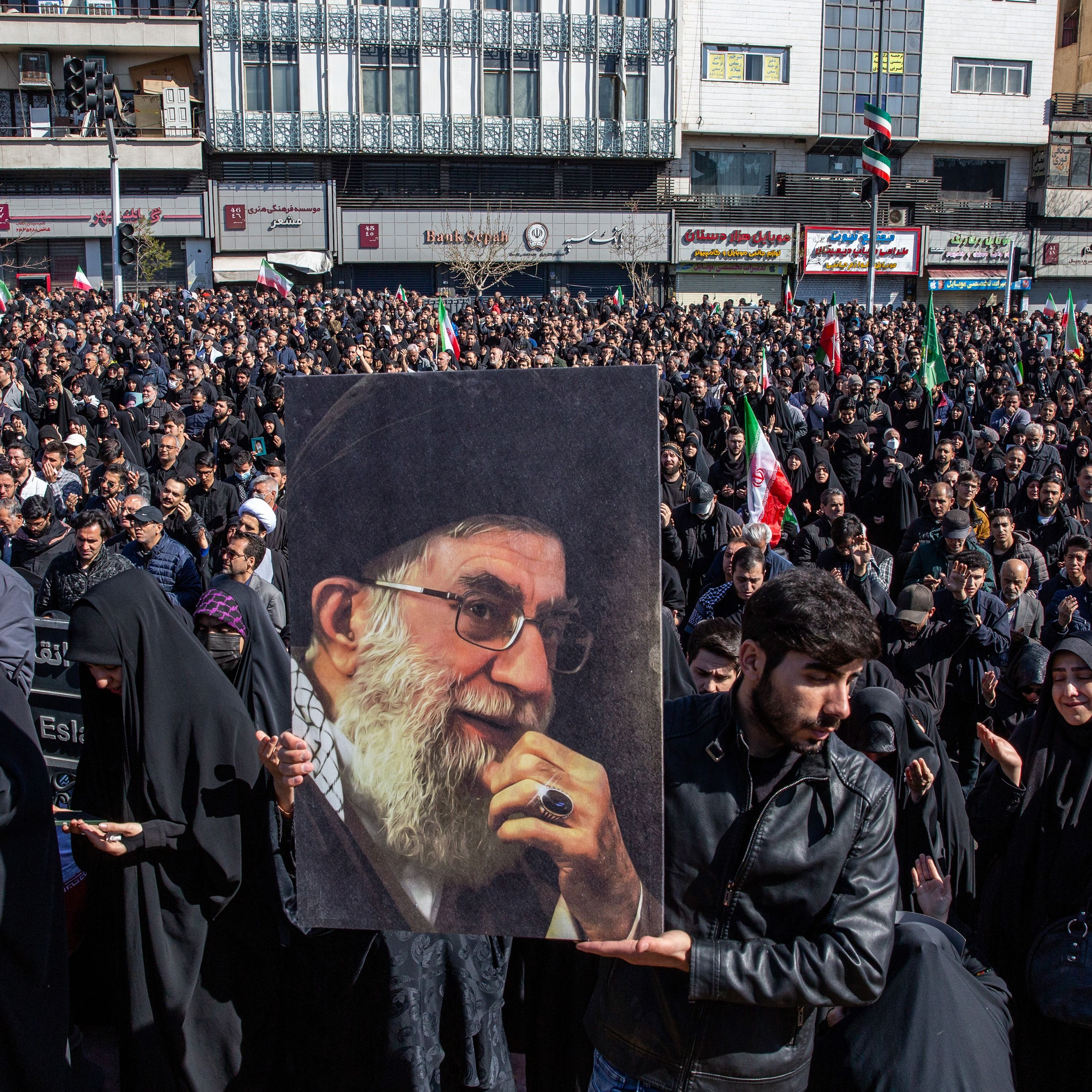
Celebration and Mourning: Inside an Iran at War
Mar 200:38:59Tap to summarizeThe United States and Israel continued to strike Iran with missiles for a second day on Sunday, destroying more power centers of the Iranian regime and, according to rights groups, bringing the civilian death toll over 100. Iran responded with retaliatory attacks.At the same time, all eyes were on the Iranian government and the millions of citizens who have long opposed it.Farnaz Fassihi, who covers Iran for The New York Times, brings us the view from a pivotal moment inside Iran.Guest: Farnaz Fassihi, the United Nations bureau chief for The New York Times. She also covers Iran and how countries around the world deal with conflicts in the Middle East.Background reading: Iranians took to the streets to celebrate the death of Ayatollah Ali Khamenei. Here is the latest on the war.Photo: Arash Khamooshi for The New York TimesFor more information on today’s episode, visit nytimes.com/thedaily. Transcripts of each episode will be made available by the next workday. Subscribe today at nytimes.com/podcasts or on Apple Podcasts and Spotify. You can also subscribe via your favorite podcast app here https://www.nytimes.com/activate-access/audio?source=podcatcher. For more podcasts and narrated articles, download The New York Times app at nytimes.com/app. Hosted by Simplecast, an AdsWizz company. See pcm.adswizz.com for information about our collection and use of personal data for advertising.Thank you for listening to this episode of Daily News. We've gathered all the additional resources, book For more updates and exclusive content, visit our official site: ➡️ 🚨[VIP ACCESS]🚨 Subscribe and leave a review! ➡️ SUBSCRIBECopyright Disclaimer: We are not the official Daily news or Spotify feed. All rights to the original content belong to their respective owners. This channel is sustained through dynamic ad insertion to offset AI processing, hosting, and transcription costs. Hosted on Acast. See acast.com/privacy for more information.
Transcribe →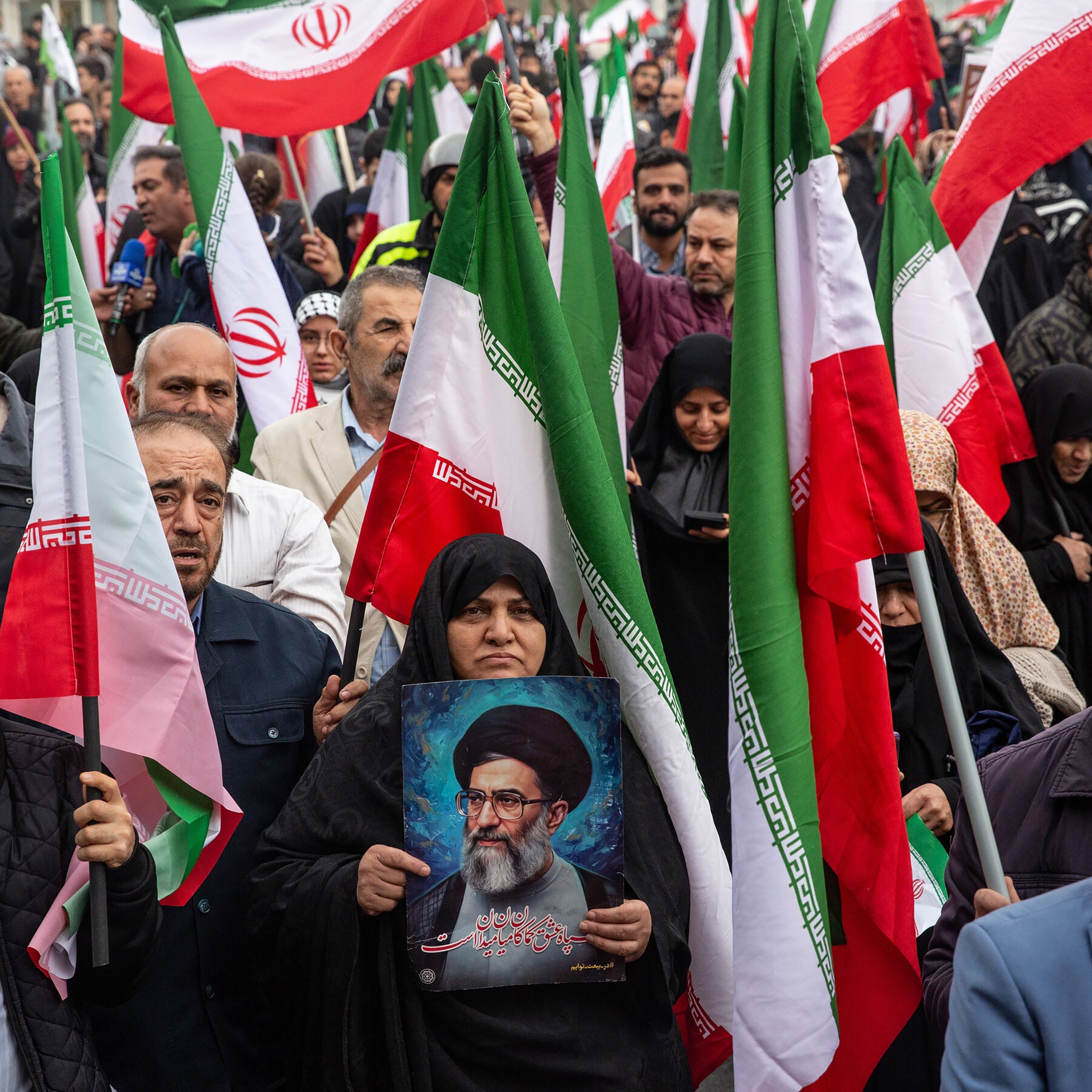
The U.S. and Israel Strike Iran
Mar 100:37:35Tap to summarizeThe United States and Israel on Saturday launched an attack against Iran, killing the nation’s supreme leader, Ayatollah Ali Khamenei, and, according to Iranian state media, several people in the country’s leadership structure.The New York Times journalists Mark Mazzetti and David E. Sanger explain what is next for Iran, and what these strikes threaten to unleash.Guest:Mark Mazzetti, an investigative reporter for The New York Times based in Washington, D.C.David E. Sanger, the White House and National Security Correspondent for The New York Times.Background reading: Here’s what to know about the U.S. attacks on Iran.Fact-checking President Trump’s justifications for attacking Iran.Photo: Arash Khamooshi for The New York TimesFor more information on today’s episode, visit nytimes.com/thedaily. Transcripts of each episode will be made available by the next workday. Subscribe today at nytimes.com/podcasts or on Apple Podcasts and Spotify. You can also subscribe via your favorite podcast app here https://www.nytimes.com/activate-access/audio?source=podcatcher. For more podcasts and narrated articles, download The New York Times app at nytimes.com/app.Thank you for listening to this episode of Daily News. We've gathered all the additional resources, book For more updates and exclusive content, visit our official site: ➡️ 🚨[VIP ACCESS]🚨 Subscribe and leave a review! ➡️ SUBSCRIBECopyright Disclaimer: We are not the official Daily news or Spotify feed. All rights to the original content belong to their respective owners. This channel is sustained through dynamic ad insertion to offset AI processing, hosting, and transcription costs. Hosted on Acast. See acast.com/privacy for more information.
Transcribe →