
Podcast
The Daily
Hosted by The New York Times · EN
This is what the news should sound like. The biggest stories of our time, told by the best journalists in the world. Hosted by Michael Barbaro, Rachel Abrams and Natalie Kitroeff. Twenty minutes a day, six days a week, ready by 6 a.m.
Subscribe today at nytimes.com/podcasts or on Apple Podcasts and Spotify. You can also subscribe via your favorite podcast app here https://www.nytimes.com/activate-access/audio?source=podcatcher.
2,946episodes
Episodes
Newest firstAll episodes

The Secret Spy Network Feeding Russia’s War Machine
Yesterday00:31:01Summary readyUkraine is running desperately low on interceptor missiles, leaving its cities and people nearly defenseless against Russian missile and drone attacks. How Russia has been able to sustain those attacks has been a mystery — until now. Today, Jane Bradley, a Britain-based investigative reporter for The New York Times, explains her investigation into the spy network that has allowed the Kremlin to keep this war going. Guest: Jane Bradley, a Britain-based investigative reporter for The New York Times. Background reading: A Russian spy who used the Aeroflot office in Tokyo to smuggle high-tech weapon components into Russia has left Japan after a Times report. Operating out of a Tokyo high-rise, a military intelligence unit takes advantage of Japan’s weak espionage laws to find the high-tech equipment that Russia needs to wage war. Photo: Chang W. Lee/The New York Times For more information on today’s episode, visit nytimes.com/thedaily. Transcripts of each episode will be made available by the next workday. Subscribe today at nytimes.com/podcasts or on Apple Podcasts and Spotify. You can also subscribe via your favorite podcast app here https://www.nytimes.com/activate-access/audio?source=podcatcher. For more podcasts and narrated articles, download The New York Times app at nytimes.com/app. Hosted by Simplecast, an AdsWizz company. See pcm.adswizz.com for information about our collection and use of personal data for advertising.
Summary
Are The Democratic Socialists Winning or Losing?
2d ago00:29:40Summary readyThis week, Francesca Hong, a democratic socialist running for governor in Wisconsin, suffered an upset after a double-digit lead in the polls. Last week, Dr. Abdul El-Sayed, a progressive, pulled off a stunning victory in Michigan against his well-funded opponent. Nate Cohn, the chief political analyst for The New York Times, makes sense of what happened in Wisconsin and Michigan, and what it might tell us about the future of the Democratic Party. Guest: Nate Cohn, the chief political analyst for The New York Times. Background reading: Dr. El-Sayed’s triumph against an establishment-backed candidate in Michigan was a big win for the left. Ms. Hong’s defeat in Wisconsin defied expectations and may have shown that the democratic socialist wave cannot reach beyond urban centers. Photo: Nick Hagen for The New York Times For more information on today’s episode, visit nytimes.com/thedaily. Transcripts of each episode will be made available by the next workday. Subscribe today at nytimes.com/podcasts or on Apple Podcasts and Spotify. You can also subscribe via your favorite podcast app here https://www.nytimes.com/activate-access/audio?source=podcatcher. For more podcasts and narrated articles, download The New York Times app at nytimes.com/app. Hosted by Simplecast, an AdsWizz company. See pcm.adswizz.com for information about our collection and use of personal data for advertising.
Summary
All the President’s Planes
3d ago00:23:37Summary readyWhen President Trump left Turkey, the White House said publicly that he was boarding the old Air Force One — but that plane was a decoy. In a highly elaborate escape plan prompted by a credible Iranian threat, Trump was secretly moved through a catering cart to a military aircraft, leaving passengers unknowingly flying on the decoy plane. Today, Maggie Haberman, a White House correspondent for The New York Times, details the operation’s risks and what it reveals about how seriously the administration views the danger to the president. Guest: Maggie Haberman, a White House correspondent for The New York Times. Background reading: President Trump hid in an airport catering container and was transported to a military jet for a secret flight out of country. Photo: Doug Mills/The New York Times For more information on today’s episode, visit nytimes.com/thedaily. Transcripts of each episode will be made available by the next workday. Subscribe today at nytimes.com/podcasts or on Apple Podcasts and Spotify. You can also subscribe via your favorite podcast app here https://www.nytimes.com/activate-access/audio?source=podcatcher. For more podcasts and narrated articles, download The New York Times app at nytimes.com/app. Hosted by Simplecast, an AdsWizz company. See pcm.adswizz.com for information about our collection and use of personal data for advertising.
Summary
The U.S. Missile Stockpile Is Dangerously Low
4d ago00:31:34Summary readyAs the fighting with Iran has dragged on, American forces have been burning through their weapons, creating a shortage of munitions that is leaving the United States and its allies in the region much more vulnerable. Today, Eric Schmitt, a national security correspondent for The New York Times, explains why Washington is running out of key missiles so quickly, and how the munitions shortage might affect the safety of U.S. troops and the Trump administration’s efforts to end the war. Guest: Eric Schmitt, a national security correspondent for The New York Times. Background reading: The war in Iran has depleted U.S. weapons stockpiles, resulting in a significant erosion of firepower. Photo: Martin Divisek/EPA, via Shutterstock For more information on today’s episode, visit nytimes.com/thedaily. Transcripts of each episode will be made available by the next workday. Subscribe today at nytimes.com/podcasts or on Apple Podcasts and Spotify. You can also subscribe via your favorite podcast app here https://www.nytimes.com/activate-access/audio?source=podcatcher. For more podcasts and narrated articles, download The New York Times app at nytimes.com/app. Hosted by Simplecast, an AdsWizz company. See pcm.adswizz.com for information about our collection and use of personal data for advertising.
Summary
Why Adults Are Getting Cancer at a Younger Age
5d ago00:27:59Summary readyFor years, cancer has been seen as a disease people mostly get when they’re older. That seems to be changing as more young people are getting cancer than ever before. Today, Nina Agrawal, a health reporter for The New York Times, explains what scientists are learning about the factors driving the rise and what it means for a generation of young cancer survivors. Guest: Nina Agrawal, a health reporter for The New York Times. Background reading: Hundreds of New York Times readers shared their experiences with early-onset cancers. Here are seven of their stories. Research is starting to offer clues about why more than a dozen types of cancer have increased among people under 50 in the past decade. Photo: Leah Nash for The New York Times For more information on today’s episode, visit nytimes.com/thedaily. Transcripts of each episode will be made available by the next workday. Subscribe today at nytimes.com/podcasts or on Apple Podcasts and Spotify. You can also subscribe via your favorite podcast app here https://www.nytimes.com/activate-access/audio?source=podcatcher. For more podcasts and narrated articles, download The New York Times app at nytimes.com/app. Hosted by Simplecast, an AdsWizz company. See pcm.adswizz.com for information about our collection and use of personal data for advertising.
Summary
Is 'Gentle Parenting' Ruining French Children?
6d ago00:39:00Summary ready“Traditional” French parenting is built on a foundation of firm boundaries, strictness and punishment for misbehavior. Within these rules, children are also allowed freedom and autonomy, which some say results in both well-behaved children and stress-free parents. In recent years, though, American-style “gentle” or “positive” parenting has gained a toehold in the country, unsettling decades of orthodoxy about the best way to raise a French child. It has prompted a fierce debate, with both sides accusing the other of being harmful. In today’s episode, Madeleine Schwartz, a journalist who lives in Paris, talks with Michael Barbaro about the dispute over parenting styles in France and what it says about the eternal search for the “right” way to raise children. On Today’s Episode: Madeleine Schwartz is a journalist and editor in Paris. Background Reading: Did American-Style ‘Gentle Parenting’ Spoil French Children? Art Credit: Illustration by Kimberly Elliott Subscribe today at nytimes.com/podcasts or on Apple Podcasts and Spotify. You can also subscribe via your favorite podcast app here https://www.nytimes.com/activate-access/audio?source=podcatcher. For more podcasts and narrated articles, download The New York Times app at nytimes.com/app. Hosted by Simplecast, an AdsWizz company. See pcm.adswizz.com for information about our collection and use of personal data for advertising.
Summary
Billy Strings Escaped the Darkness. He’s Playing to Not Go Back.
1w ago00:52:09Summary readyThe genre-straddling musician could have been lost to addiction and trauma. Instead he’s filling arenas. Thoughts? Email us at theinterview@nytimes.com Watch our show on YouTube: youtube.com/@TheInterviewPodcast For transcripts and more, visit: nytimes.com/theinterview Subscribe today at nytimes.com/podcasts or on Apple Podcasts and Spotify. You can also subscribe via your favorite podcast app here https://www.nytimes.com/activate-access/audio?source=podcatcher. For more podcasts and narrated articles, download The New York Times app at nytimes.com/app. Hosted by Simplecast, an AdsWizz company. See pcm.adswizz.com for information about our collection and use of personal data for advertising.
Summary
Is America’s Drinking Water the Next Front in the Iran War?
1w ago00:27:40Summary readyOver the past week, a growing number of municipalities across the United States have reported that their water systems were hacked. The Times has found that the attacks were most likely perpetrated by Iran. Today, Dustin Volz, a cybersecurity and intelligence correspondent for The New York Times, explains how the hacking exposes yearslong failed efforts to shore up vulnerabilities in U.S. infrastructure, and how Iran may be seeking a new kind of leverage that could extend the war’s reach to within U.S. borders and affect something as elemental as the water we drink. Guest: Dustin Volz, a cybersecurity and intelligence correspondent for The New York Times. Background reading: Federal and state officials are racing to address an assault on the nation’s water supply. Cyberattacks on water systems nationwide that affected Michigan and Minnesota also included at least five more states. Evidence points to Iranian involvement. Photo: Jenn Ackerman for The New York Times For more information on today’s episode, visit nytimes.com/thedaily. Transcripts of each episode will be made available by the next workday. Subscribe today at nytimes.com/podcasts or on Apple Podcasts and Spotify. You can also subscribe via your favorite podcast app here https://www.nytimes.com/activate-access/audio?source=podcatcher. For more podcasts and narrated articles, download The New York Times app at nytimes.com/app. Hosted by Simplecast, an AdsWizz company. See pcm.adswizz.com for information about our collection and use of personal data for advertising.
Summary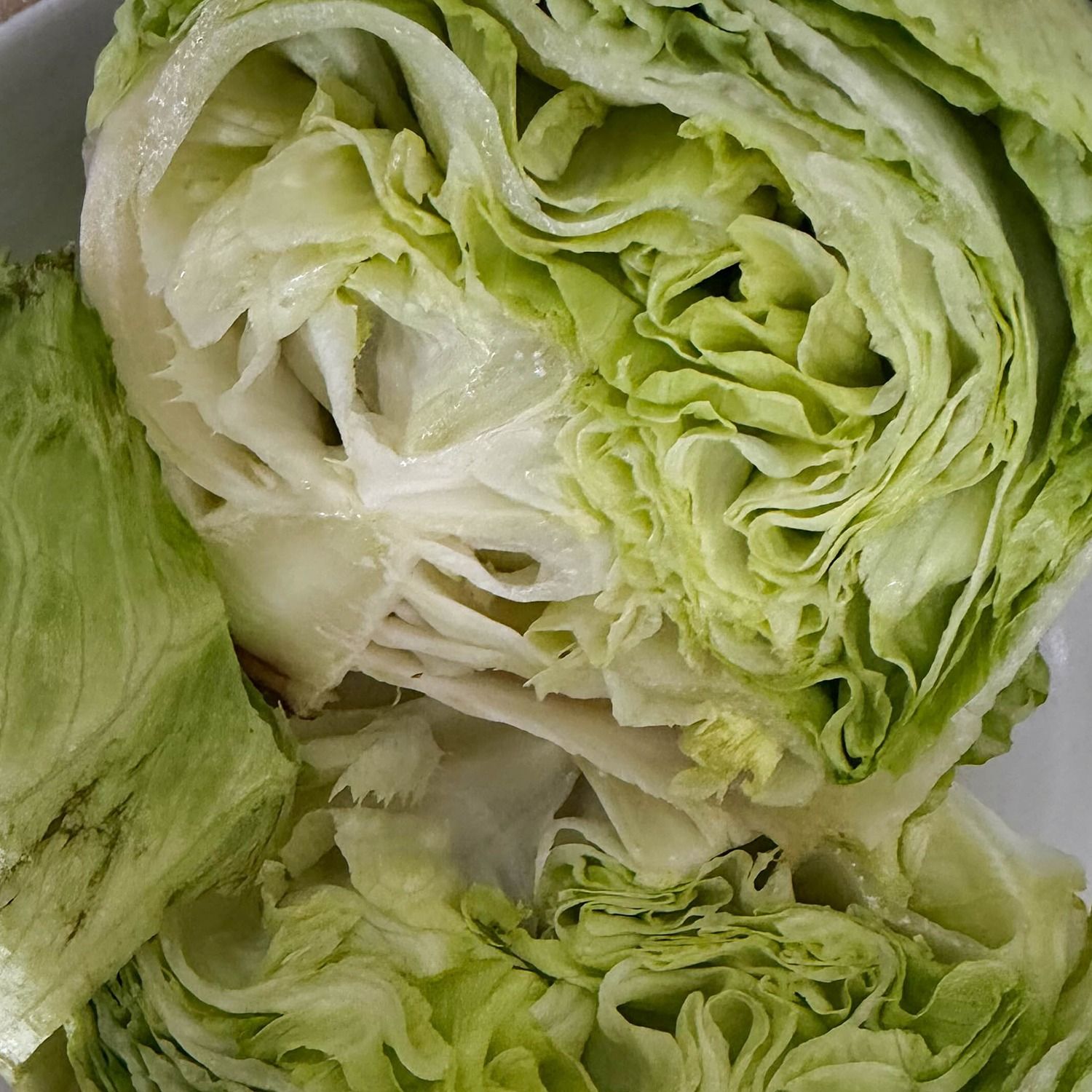
The Cyclospora Mystery: How Human Poop Got on So Much Lettuce
1w ago00:30:25Summary readyU.S. health officials linked six more states to what’s now the largest outbreak of cyclospora in American history — an outbreak that has contributed to at least two deaths, sickened thousands of people and left the rest of us increasingly scared of salad. Today, Christina Jewett and Caroline Hopkins Legaspi, two public health reporters who have covered the parasite for The New York Times, discuss what’s been learned about where it comes from, how it spread so quickly and why our food safety system seems to be powerless to stop it. Guest: Christina Jewett, covers the Food and Drug Administration for The New York Times. Caroline Hopkins Legaspi, a health reporter focusing on nutrition and sleep for The New York Times. Background reading: Taco Bell and the food distributor Sysco have pulled Taylor Farms lettuce from supply chains after it was linked to cyclosporiasis. The Centers for Disease Control and Prevention has linked six more states to the cyclospora outbreak associated with iceberg lettuce. Photo: Michelle V. Agins / The New York Times For more information on today’s episode, visit nytimes.com/thedaily. Transcripts of each episode will be made available by the next workday. Subscribe today at nytimes.com/podcasts or on Apple Podcasts and Spotify. You can also subscribe via your favorite podcast app here https://www.nytimes.com/activate-access/audio?source=podcatcher. For more podcasts and narrated articles, download The New York Times app at nytimes.com/app. Hosted by Simplecast, an AdsWizz company. See pcm.adswizz.com for information about our collection and use of personal data for advertising.
Summary
Arizona’s Food Stamp Crisis Is Coming for the Rest of the U.S.
1w ago00:31:09Summary readyThe United States is undergoing one of the biggest changes to its social safety net in recent history, with huge numbers of people getting dropped from the government’s food assistance program. Nowhere has this been more dramatic than in Arizona. Jason DeParle, who covers poverty for The New York Times, explains why so many people are suddenly losing access to this key benefit, and what implications it could have for the rest of the country. Guest: Jason DeParle, who writes about poverty in the United States for The New York Times. Background reading: Faced with piles of new paperwork, people are losing food stamps. Video: What Arizona reveals about the future of food stamps. Photo: Adriana Zehbrauskas for The New York Times For more information on today’s episode, visit nytimes.com/thedaily. Transcripts of each episode will be made available by the next workday. Subscribe today at nytimes.com/podcasts or on Apple Podcasts and Spotify. You can also subscribe via your favorite podcast app here https://www.nytimes.com/activate-access/audio?source=podcatcher. For more podcasts and narrated articles, download The New York Times app at nytimes.com/app. Hosted by Simplecast, an AdsWizz company. See pcm.adswizz.com for information about our collection and use of personal data for advertising.
Summary