
Podcast
The Daily
Hosted by The New York Times · EN
This is what the news should sound like. The biggest stories of our time, told by the best journalists in the world. Hosted by Michael Barbaro, Rachel Abrams and Natalie Kitroeff. Twenty minutes a day, six days a week, ready by 6 a.m.
Subscribe today at nytimes.com/podcasts or on Apple Podcasts and Spotify. You can also subscribe via your favorite podcast app here https://www.nytimes.com/activate-access/audio?source=podcatcher.
2,927episodes
Episodes
Newest firstAll episodes

Karl-Anthony Towns Knows the Knicks' Win Was Bigger Than Basketball
Yesterday00:39:24Summary readyNew York’s star center on playing for his mom, Patrick Ewing. generations of emotional fans — and himself. Thoughts? Email us at theinterview@nytimes.com Watch our show on YouTube: youtube.com/@TheInterviewPodcast For transcripts and more, visit: nytimes.com/theinterview Subscribe today at nytimes.com/podcasts or on Apple Podcasts and Spotify. You can also subscribe via your favorite podcast app here https://www.nytimes.com/activate-access/audio?source=podcatcher. For more podcasts and narrated articles, download The New York Times app at nytimes.com/app. Hosted by Simplecast, an AdsWizz company. See pcm.adswizz.com for information about our collection and use of personal data for advertising.
Summary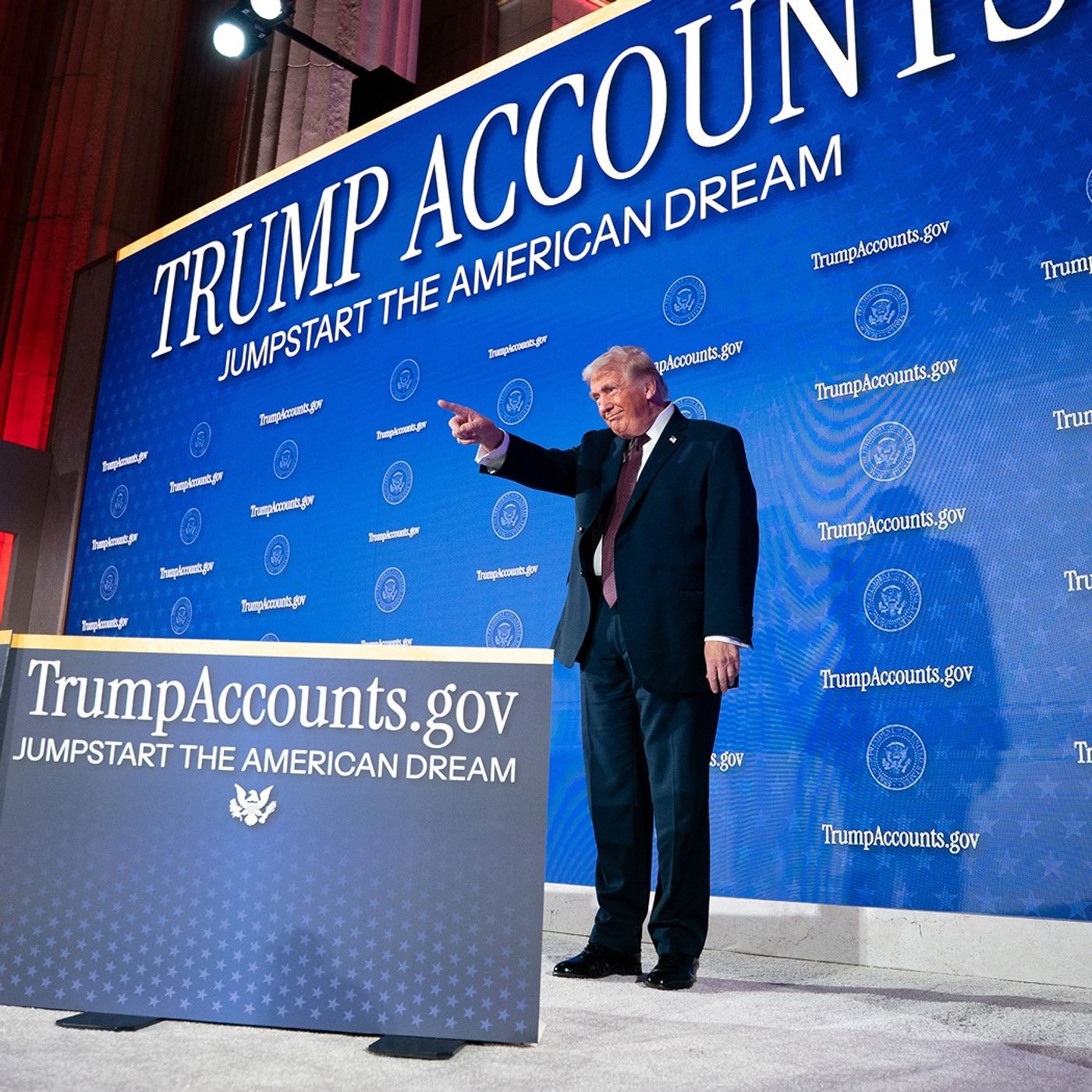
Could ‘Trump Accounts’ Actually Close the Wealth Gap?
2d ago00:31:19Summary readyThis month, President Trump announced the start of “Trump accounts,” an investment device that could eventually help address the nation’s wealth gap. Claire Cain Miller, who covers families and education for The New York Times, explains how these accounts work and why so many Americans have yet to sign up. Guest: Claire Cain Miller writes for The Upshot, which uses data and visuals to help explain the world. Background reading: Many children don’t have Trump accounts. Some are missing out on $1,000. Photo: Allison Robbert for The New York Times For more information on today’s episode, visit nytimes.com/thedaily. Transcripts of each episode will be made available by the next workday. Subscribe today at nytimes.com/podcasts or on Apple Podcasts and Spotify. You can also subscribe via your favorite podcast app here https://www.nytimes.com/activate-access/audio?source=podcatcher. For more podcasts and narrated articles, download The New York Times app at nytimes.com/app. Hosted by Simplecast, an AdsWizz company. See pcm.adswizz.com for information about our collection and use of personal data for advertising.
Summary
Why Is the U.S. Building the Saudi Nuclear Program While Destroying Iran’s?
3d ago00:25:26Summary readyThe United States signed a landmark deal on Wednesday that allows Saudi Arabia to develop a nuclear program. At the same time, President Trump is escalating the war in Iran, a conflict that the White House says aims to destroy the country’s nuclear capabilities. David E. Sanger, a national security correspondent for The New York Times, explains what Saudi Arabia and the United States are getting out of the deal. Guest: David E. Sanger, the White House and national security correspondent for The New York Times. Background reading: The United States signed a deal to help Saudi Arabia obtain nuclear power. With his latest threats, Mr. Trump has signaled to Iran that he is willing to escalate. Photo: Kenny Holston/The New York Times For more information on today’s episode, visit nytimes.com/thedaily. Transcripts of each episode will be made available by the next workday. Subscribe today at nytimes.com/podcasts or on Apple Podcasts and Spotify. You can also subscribe via your favorite podcast app here https://www.nytimes.com/activate-access/audio?source=podcatcher. For more podcasts and narrated articles, download The New York Times app at nytimes.com/app. Hosted by Simplecast, an AdsWizz company. See pcm.adswizz.com for information about our collection and use of personal data for advertising.
Summary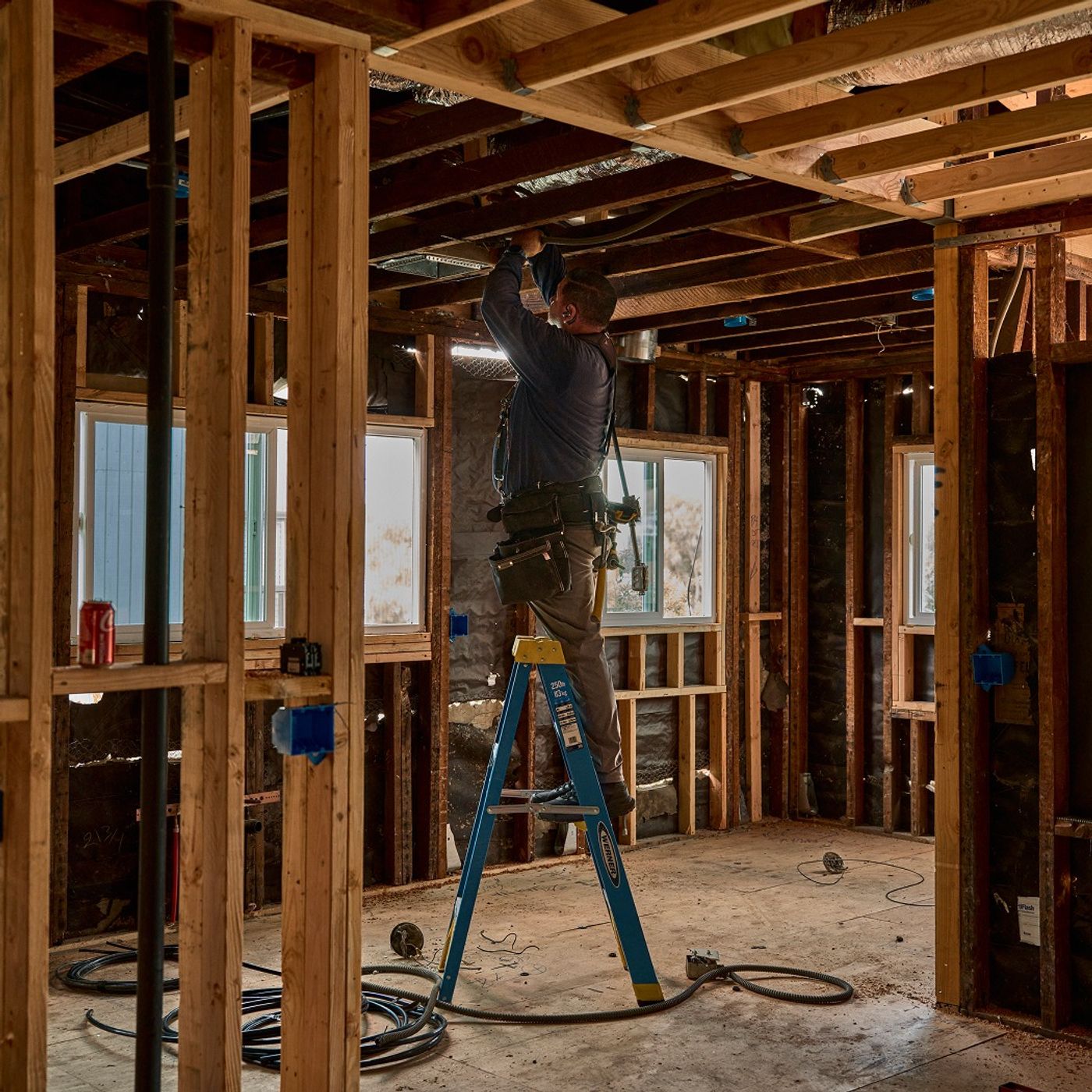
Trump’s Clashing Goals: More Housing, Fewer Immigrants
4d ago00:36:04Summary readyTo address the United States’ acute housing shortage, Congress recently passed a landmark piece of legislation designed to encourage the construction of new homes. The problem is that President Trump’s crackdown on immigration has taken aim at the work force required to build those homes. Ronda Kaysen, who covers housing for The New York Times, explains how the U.S. housing industry became so dependent on immigrant labor. Guest: Ronda Kaysen, a real estate reporter for The New York Times who covers the intersection of housing and society. Background reading: Where did all the American-born roofers go? Here’s what is in the housing bill that just became law. Photo: Philip Cheung for The New York Times For more information on today’s episode, visit nytimes.com/thedaily. Transcripts of each episode will be made available by the next workday. Subscribe today at nytimes.com/podcasts or on Apple Podcasts and Spotify. You can also subscribe via your favorite podcast app here https://www.nytimes.com/activate-access/audio?source=podcatcher. For more podcasts and narrated articles, download The New York Times app at nytimes.com/app. Hosted by Simplecast, an AdsWizz company. See pcm.adswizz.com for information about our collection and use of personal data for advertising.
Summary
As the Iran War Escalates, Is the U.S. Hiding Its Toll?
5d ago00:26:01Summary readyThe war in Iran has recently escalated in dangerous new ways, drawing in Bahrain, Kuwait and Saudi Arabia, as the Trump administration reeled from the Iranian killing of U.S. service members in Jordan. Eric Schmitt, a national security correspondent for The New York Times, discusses the latest attacks, and how they’ve coincided with a decision by the U.S. military to disclose less about the war. Guest: Eric Schmitt, a national security correspondent for The New York Times based in Washington. Background reading: The Pentagon has identified two U.S. soldiers who were killed in an Iranian attack in Jordan. The Pentagon withheld dozens of U.S. military injuries in the war in Iran. Read live updates on the war. Photo: Salwan Georges for The New York Times For more information on today’s episode, visit nytimes.com/thedaily. Transcripts of each episode will be made available by the next workday. Subscribe today at nytimes.com/podcasts or on Apple Podcasts and Spotify. You can also subscribe via your favorite podcast app here https://www.nytimes.com/activate-access/audio?source=podcatcher. For more podcasts and narrated articles, download The New York Times app at nytimes.com/app. Hosted by Simplecast, an AdsWizz company. See pcm.adswizz.com for information about our collection and use of personal data for advertising.
Summary
More Trump Tariffs Are Coming
6d ago00:40:27Summary readyAt a moment when inflation and affordability are on virtually everyone’s mind in America, Jamieson Greer, the U.S. trade representative, said the Trump administration was planning a new slate of tariffs. Ana Swanson, who covers international trade for The New York Times and spoke to Mr. Greer, explains why Greer thinks the policy has been a success. Guest: Ana Swanson covers trade and international economics for The New York Times. Background reading: Mr. Greer is the quiet architect of President Trump’s global trade war. Photo: Tierney L. Cross/The New York Times For more information on today’s episode, visit nytimes.com/thedaily. Transcripts of each episode will be made available by the next workday. Subscribe today at nytimes.com/podcasts or on Apple Podcasts and Spotify. You can also subscribe via your favorite podcast app here https://www.nytimes.com/activate-access/audio?source=podcatcher. For more podcasts and narrated articles, download The New York Times app at nytimes.com/app. Hosted by Simplecast, an AdsWizz company. See pcm.adswizz.com for information about our collection and use of personal data for advertising.
Summary
The World Cup Final Is Here
1w ago00:30:41Summary readyAfter a month of competition across North America and 103 matches, the 2026 World Cup is down to its final game. Spain and Argentina will meet this afternoon in a match expected to draw over one billion viewers around the world. Spain is hoping its well-oiled machine and young star can bring it its second World Cup win. Argentina is looking to Lionel Messi, its longtime star, to secure victory in what could be his last game at the World Cup. On today’s episode, Tariq Panja traces the road to this historic final and explains what to know before kickoff. Tariq Panja, a global sports correspondent for The New York Times.Background Reading Why Everyone Cares About This World Cup Subscribe today at nytimes.com/podcasts or on Apple Podcasts and Spotify. You can also subscribe via your favorite podcast app here https://www.nytimes.com/activate-access/audio?source=podcatcher. For more podcasts and narrated articles, download The New York Times app at nytimes.com/app. Hosted by Simplecast, an AdsWizz company. See pcm.adswizz.com for information about our collection and use of personal data for advertising.
Summary
Zohran Mamdani Knows He Has Political Capital. And He Intends to Spend It.
1w ago01:05:30Summary readyLulu Garcia-Navarro sits down for an interview with the mayor of New York City. Thoughts? Email us at theinterview@nytimes.com Watch our show on YouTube: youtube.com/@TheInterviewPodcast For transcripts and more, visit: nytimes.com/theinterview Subscribe today at nytimes.com/podcasts or on Apple Podcasts and Spotify. You can also subscribe via your favorite podcast app here https://www.nytimes.com/activate-access/audio?source=podcatcher. For more podcasts and narrated articles, download The New York Times app at nytimes.com/app. Hosted by Simplecast, an AdsWizz company. See pcm.adswizz.com for information about our collection and use of personal data for advertising.
Summary
The President, His Plane and the Press
1w ago00:29:01Summary readyLast Friday night, F.B.I. agents showed up at the homes of several New York Times journalists and summoned them to testify before a grand jury. The move was a response by the Trump administration to an article about the safety of the new Air Force One. Tyler Pager, one of the journalists, discusses the story and the subpoenas. Guest: Tyler Pager, a White House correspondent for The New York Times. Background reading: Several Times journalists were subpoenaed as Trump escalates pressure on the media. Officials said the new Air Force One plane lacks defensive countermeasures of previous model. Photo: Doug Mills/The New York Times For more information on today’s episode, visit nytimes.com/thedaily. Transcripts of each episode will be made available by the next workday. Subscribe today at nytimes.com/podcasts or on Apple Podcasts and Spotify. You can also subscribe via your favorite podcast app here https://www.nytimes.com/activate-access/audio?source=podcatcher. For more podcasts and narrated articles, download The New York Times app at nytimes.com/app. Hosted by Simplecast, an AdsWizz company. See pcm.adswizz.com for information about our collection and use of personal data for advertising.
Summary
ICE Ramps Back Up, With Deadly Results
1w ago00:25:27Summary readyTwo fatal shootings by federal immigration agents in Texas and Maine have put the spotlight back on the Trump administration’s deportation tactics. Hamed Aleaziz, who reports on immigration policy, explains how these killings signal a return to a more aggressive form of enforcement. Guest: Hamed Aleaziz, who covers the Department of Homeland Security and immigration policy in the United States for The New York Times. Background reading: The ICE killing in Houston put focus on a surge in immigration arrests. ICE was ordered to cease most vehicle stops after two killings in a week, but then President Trump demanded that the officers continue to stop vehicles. Photo: Meridith Kohut for The New York Times For more information on today’s episode, visit nytimes.com/thedaily. Transcripts of each episode will be made available by the next workday. Subscribe today at nytimes.com/podcasts or on Apple Podcasts and Spotify. You can also subscribe via your favorite podcast app here https://www.nytimes.com/activate-access/audio?source=podcatcher. For more podcasts and narrated articles, download The New York Times app at nytimes.com/app. Hosted by Simplecast, an AdsWizz company. See pcm.adswizz.com for information about our collection and use of personal data for advertising.
Summary