
Podcast
The Danger Zone (DZ)
Hosted by Paul Fordyce · EN
Paul conducts the guided tour at the Australian Armour and Artillery Museum, Cairns every Saturday at 10:30 am. Paul’s tour’s like what Carlsberg says about their beer, probably the best tour of an armour and artillery museum in the world. The Trip Advisor reviews of his Tour speak for themselves. This Podcast is like the Tour – only infinitely better. It looks at military history, in incredible detail, the likes of which you’ve never heard before. Never rushed – the topic is exhaustively covered in as many parts as are needed to do the topic full justice.
48episodes
Episodes
Newest firstAll episodes
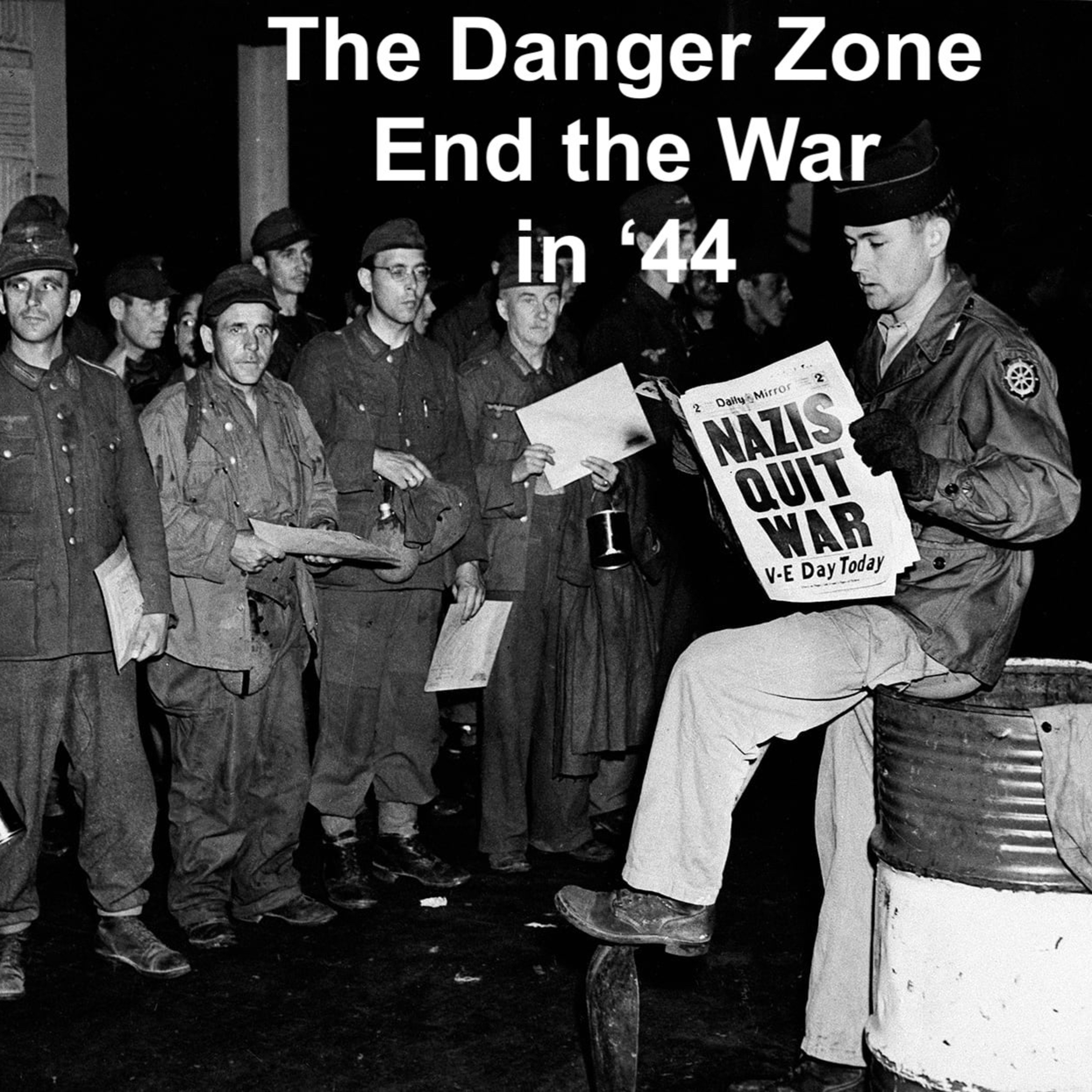
DZ Season 064 Part 51. End the War in 44 – Only Human – JCH Lee 13 – Told You So – Miracle on the Meuse.
2w ago00:25:26Tap to summarizeIn World War I, one of the great miracles happened on 24th August 1914, just weeks after the war began, to save the British Army from disaster – the Angels of Mons. Judging from Dunkirk, the British Army frequently needed a lot of divine intervention to save it.The Historic UK website gives this account of the miracle, which I’ve taken the liberty to edit for dramatic effect. This is the story it told:a British soldier recalling, while shooting during the Battle of Mons, his visits to a vegetarian restaurant in London where “he had once or twice eaten eccentric dishes of cutlets made of lentils and nuts that pretended to be steak”. He recalls that all the plates had an image of St George on them, with the Latin motto “Adsit Anglis Sanctus Georgius” (“May Saint George be a present help to the English”). The rifleman begins to mutter the phrase as he shoots.On experiencing a sudden electric shock in his body, he hears a great voice crying “Array, array, array!” Saint George has heeded his prayer for assistance, and arrived with “a long line of shapes, with a shining about them” who take aim and shoot arrows at the enemy. They are the spirits of archers who served at Agincourt. By the time the engagement is over, 10,000 of the enemy lie dead. The battle is an inexplicable success for the British that leaves the Germans wondering what deadly secret weapon their enemies had at their disposal.And now in World War II, thanks to the born again Christian General JCH Lee, as the Germans launched another attempt at world conquest, the Battle of the Bulge, divine intervention saved the American Army from disaster in the Miracle on the Meuse. A miracle that I would compare to the miracle of the loaves and the fishes that Jesus performed when he was delivering one of his sermons, as retold in Matthew 14:13-21 when Jesus fed 5,000 men, and an unspecified number of women and children, greater in number than 5,000 with just five loaves of bread and two fishes. Now I’m going to share with you that story that no historian has ever acknowledged.Tag words: Miracle on the Meuse; Angels of Mons; St George; Agincourt; World War II; General JCH Lee; Battle of the Bulge; Jesus; Matthew 14:13-21; the loaves and the fishes; Russell Weigley; General Bradley; First Army; General Aurand; Communications Zone; ComZ; General Smith; General Patton; Hank H Cox; The General Who Wore Six Stars; Beetle Smith; Eisenhower; Ardennes offensive; John Kennedy Ohl; General Somervell; Supplying the Troops; Reconversion; David Nelson; War Production Board;
Transcribe →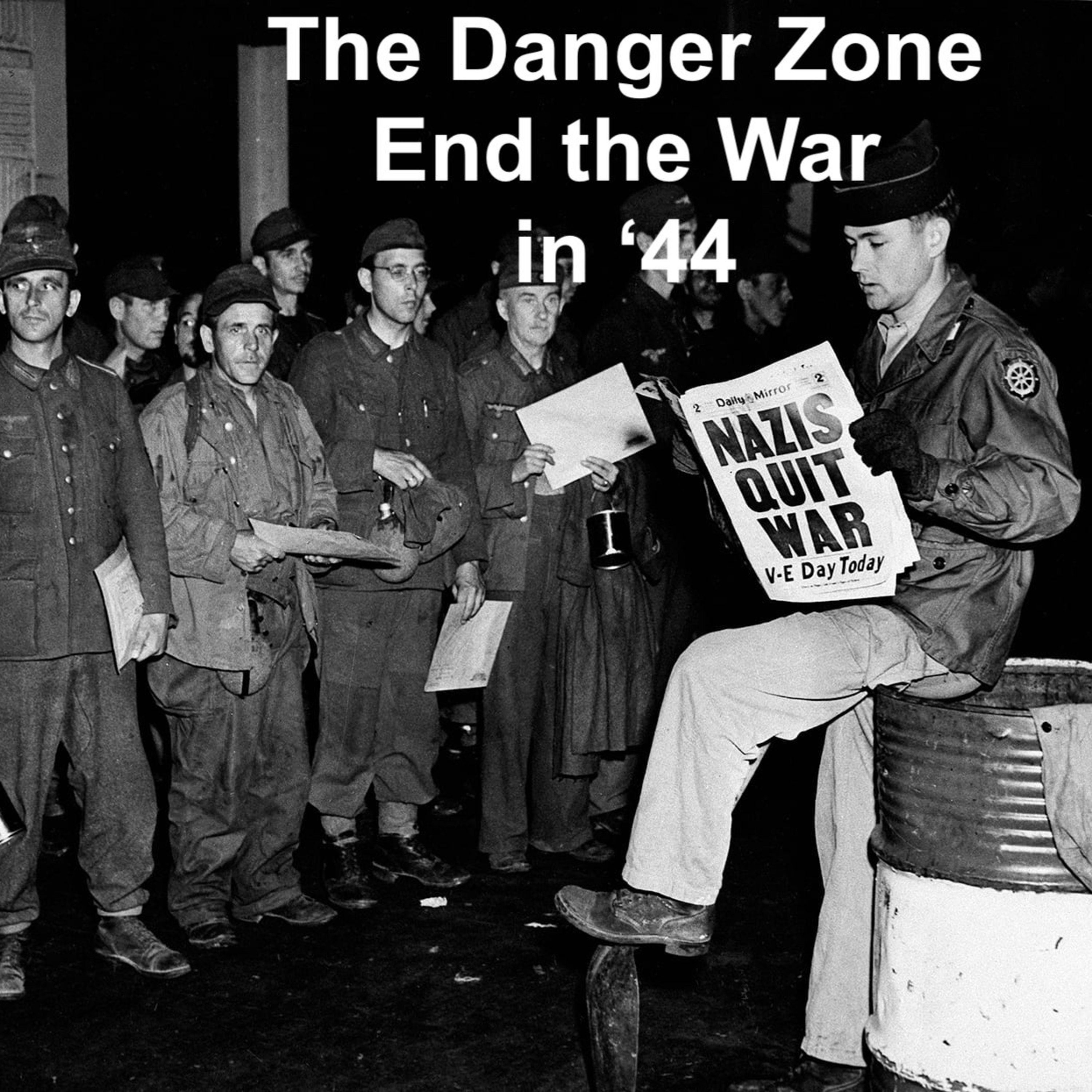
DZ Season 064 Part 50. End the War in 44 – Only Human – JCH Lee 12 – Trial By Combat.
3w ago00:28:12Tap to summarizeIn November, Major General Harold R. Bull, Eisenhower's G-3, had traveled to Washington at the head of a special mission to present the European Theater's emergency appeal for action to ease the persistent ammunition shortage. … Though Washington had remained consistently skeptical of Eisenhower's and his subordinates' laments, Moses's statistics were so compelling and unassailable, and Bull was a sufficiently prestigious and persuasive negotiator, that General Somervell and the War Department substantially conceded at last that a predicament existed. Having already admitted past mistakes to the extent of moving to create new production capacity, the War Department now agreed to all the expedients it could think of to replenish Eisenhower's arsenal until the increased production began to issue forth. …. Every feasible shortcut would be used to hasten the assembly of all components of ammunition on hand, to step up the December and January output. Similar shortcuts and special handling would hurry the delivery both of old stocks and new production to Europe. General Moses's autumn assessment had concluded that existing rates of fire would exhaust ammunition reserves by December 15 and force severe rationing thereafter. So wrote Russell Weigley in his book, Eisenhower’s Lieutenants.Weigley’s comments on Major General Harold Bull are surprising when contrasted to Carlo d’Este’s assessment in his biography of Eisenhower – Eisenhower: A Soldier’s Life:Not all of Smith and Eisenhower's choices were inspired. An example was the SHAEF G-3, Maj. Gen. Harold R. "Pinky" Bull, a humorless, unimaginative bureaucrat who was disliked with equal intensity by the Americans and the British.15 December was an auspicious date for General Moses to estimate that the Americans would exhaust their ammunition reserves because at dawn the next day, 16th December 1944, the Germans would launch their most powerful counter-offensive in World War II on the Western Front – the Battle of the Bulge.Tag words: Major General Harold R Bull; General Moses; Russell Weigley; Eisenhower’s Lieutenants; Carlo d’Este; Carlo d’Este; General Dwight D Eisenhower; Battle of the Bulge; American First Army; Nigel Hamilton; The Battles of Field Marshal Montgomery; Ralph Ingersoll; Monty; Field Marshal Montgomery; SHAEF; Hansen; Tom Bigland; General Omar N Bradley; Dominick Graham; Shelford Bidwell; Coalitions, Politicians and Generals; David Irving; The War Between the Generals; Brehon Somervell; Major-General William Kean; Karl Heinz Freiser; The Blitzkrieg Legend; Clausewitz; Karl Marx; Bedell Smith; General Spaatz; Hank H Cox; The General Who Wore Six Stars; ComZ; General JCH Lee;
Transcribe →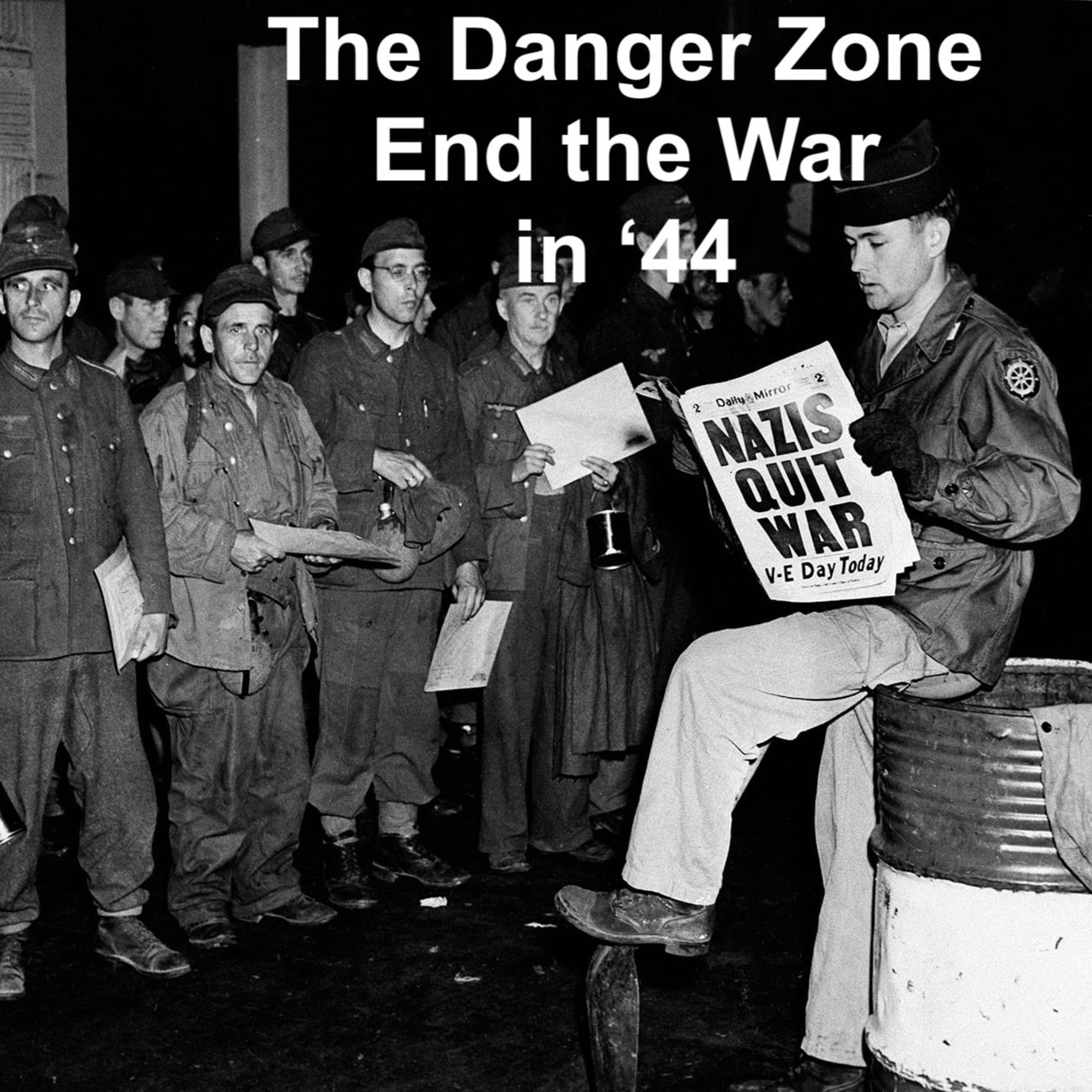
DZ Season 064 Part 49. End the War in 44 – Only Human – JCH Lee 11 – Told You So - Major-General Henry Aurand.
4w ago00:30:32Tap to summarizeMontgomery would have been staggered had he listened in at Lutes' final interview with Bedell Smith, who told him: `No one can say supply has failed. At the front it is OK.'Wrote Graham Dominick and Shelford Bidwell in their book Coalitions, Politicians and Generals. The Americans were concealing from the British what their true situation was, and that was not nothing because it was those same American Allies that were then on the receiving end of the incredibly powerful German Ardennes surprise offensive with problems that Montgomery could only guess at from what he or his liaison officers observed in the 1st and 9th US Armies that had been temporarily placed under his command.Tag words: Field Marshall Montgomery; Bedell Smith; Graham Dominick; Shelford Bidwell; Coalitions, Politicians and Generals; Ardennes offensive; ComZ; ammunition; Hank H Cox; The General Who Wore Six Stars; General JCH Lee; Bradley; Hodges; Patton; LeRoy Lutes; Henry Aurand; Lieutenant-General Robert Littlejohn; General Eisenhower; Somervell; Marshall; President Roosevelt; ETOUSA; General Sir Harold Alexander; OVERLORD; Brigadier-General Moses; ETO; SHAEF; John Kennedy Ohl; Supplying the Troops; Major General Harold R. Bull; Russell Weigley; Eisenhower’s Lieutenants;
Transcribe →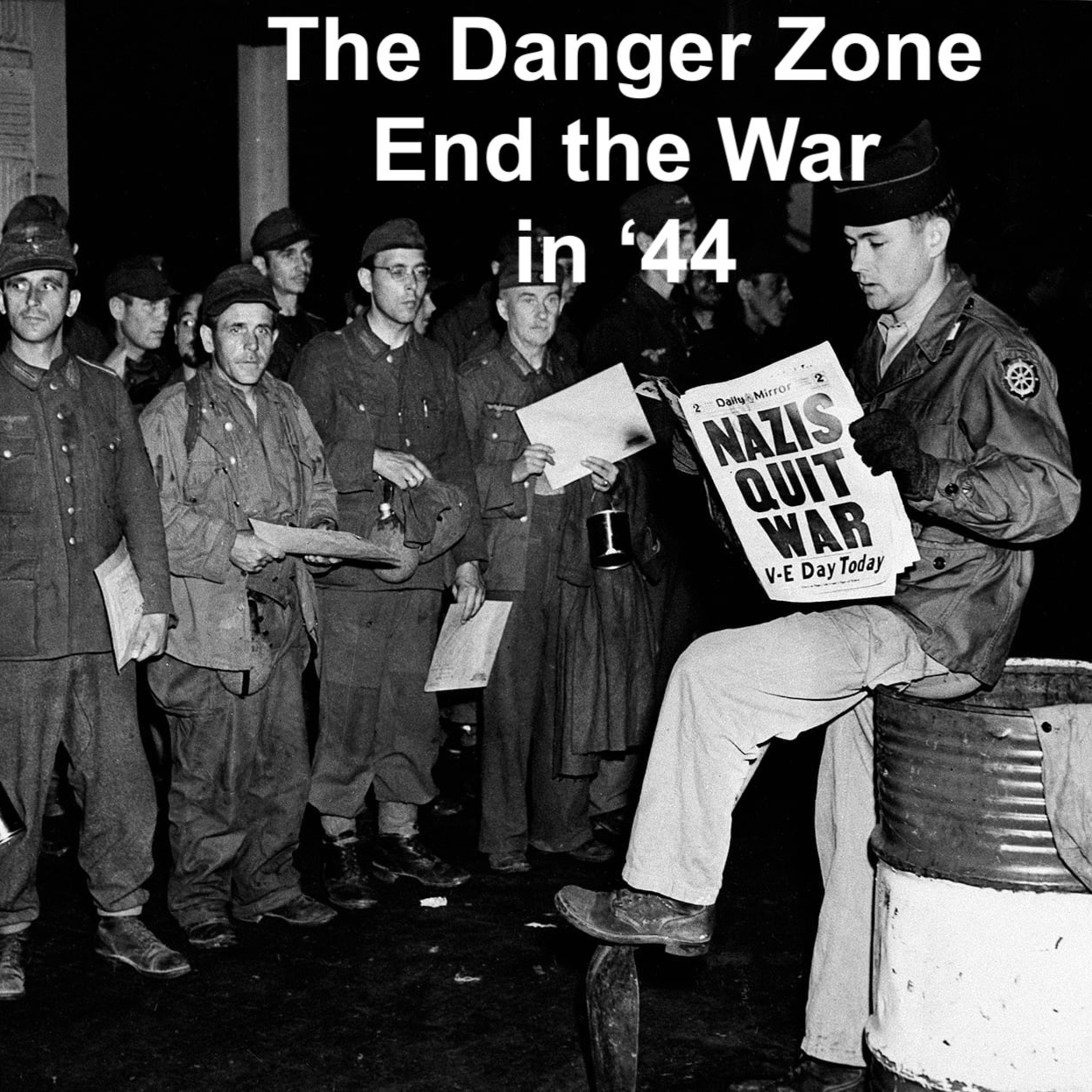
DZ Season 064 Part 48. End the War in 44 – Only Human – JCH Lee 10 – Kill that Supply Story – There’s a Presidential Election to be Won.
Jul 1500:28:08Tap to summarizeBradley, Patton and Hodges had rattled the cages of Somervell’s command in Washington about what they said were failures by General Lee’s ComZ to issue their armies with adequate supplies of ammunition. This was now blowing up in the press in the United States, and was getting dangerously close to putting Eisenhower’s job on the line – not the intended result. Bedell Smith first got rid of one of Somervell’s men, Aurand. Now his replacement had arrived at SHAEF headquarters – a second chance to get rid of Lee – but there was a huge danger – unthinkable to the Americans. Was there the need to appoint the ground forces commander that Field Marshall Montgomery had been unrelenting in pushing for.Tag words: Bradley; General Patton; Hodges; Lieutenant General Brehon Somervell; General Lee; ComZ; Eisenhower; Bedell Smith; Beetle Smith; Aurand; Major General LeRoy Lutes; Field Marshall Montgomery; Dominick Graham; Shelford Bidwell; Coalitions, Politicians and Generals; Everett Hughes; Hank H Cox; The General Who Wore Six Stars; DR Crosswell; SHAEF; General Sir Humfrey Gale; General George Marshall; David Irving; The War Between the Generals; LeRoy Lutes; John Kennedy Ohl; General Ewart G Plank; General Simpson;
Transcribe →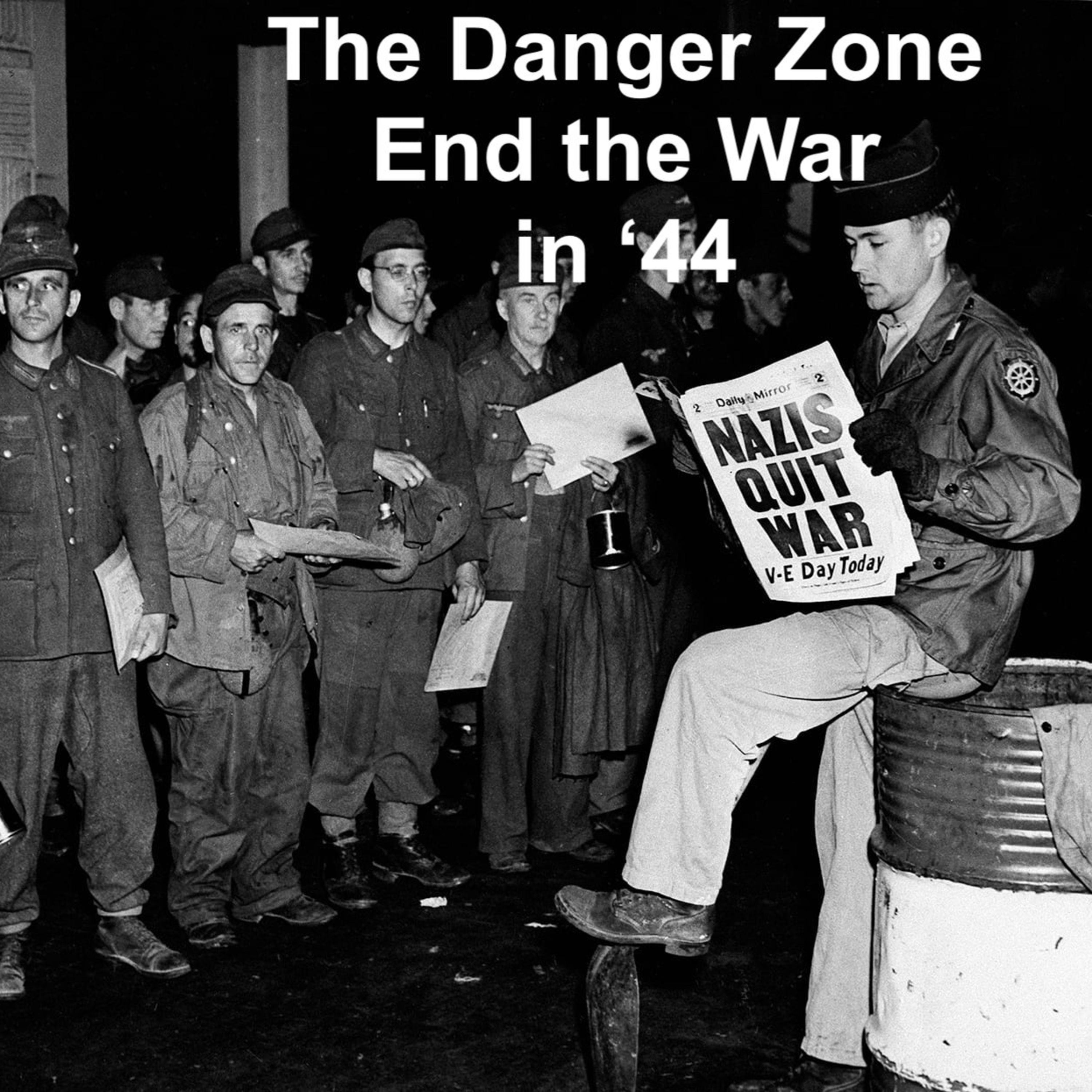
DZ Season 064 Part 47. End the War in 44 – Only Human – JCH Lee 9 – Shoot the Messenger.
Jul 800:23:42Tap to summarizeOn 9 March 1942 the US Army underwent its greatest organisational change. It implemented the wishes of General Marshall, the Army’s Chief of Staff. It was to give order to and clean up and simplify the command structure of the American Army at the very top. Only 3 men would report directly to Marshall. Lesley J. McNair was made the head of the Army Ground Forces. Henry Arnold was made the head of the Army Air Forces, and Brehon Somervell was made the head of logistics and everything else. These 4 men were as close to being the gods of the US Army as was possible.In late 1944, as a result of a seemingly never ending stream of complaints reaching Washington from the European Theatre of Operations about the shortage of critical ammunition supplies that were preventing the winning of the war in 1944, Somervell despatched one of his personal advisers to investigate and fix whatever, or whoever, was the problem. That man was Major-General Henry Aurand. He left America and landed at Orly airport at the end of October.Then about three weeks later this incredible thing happened, as described by David Irving in his book The War Between the Generals:On November 19, Bedell Smith sent for Aurand, received him coldly, and handed him a terse note that Hughes had written Smith that day. Aurand, it said, had expressed such vehement and indiscreet disapproval of the setup in Europe that he was unfit to be part of it."You will be sent back," said Smith, "in your permanent rank of colonel.""But what about my ammunition report?" asked Aurand."It is evident that you are prejudiced," Smith replied. "A more competent officer will do the job."What had just happened?Tag words: General Marshall; Brehon Somervell; European Theatre of Operations; ETO; General Henry Aurand; David Irving; The War Between the Generals; Bedell Smith; Eisenhower; Hank H Cox; The General Who Wore Six Stars; Dominick Graham; Shelford Bidwell; Coalitions, Politicians and Generals; COMZ; Brigadier General Raymond Moses; General JCH Lee; General Bradley; Ninth Army; General Simpson; General Hodges; General Patton; Carlo d’Este; Eisenhower – A Soldier’s Life; Major General Everett S Hughes; Kay Summersby; General Littlejohn; Sayler; ETOUSA; Twelfth Army Group; SHAEF;
Transcribe →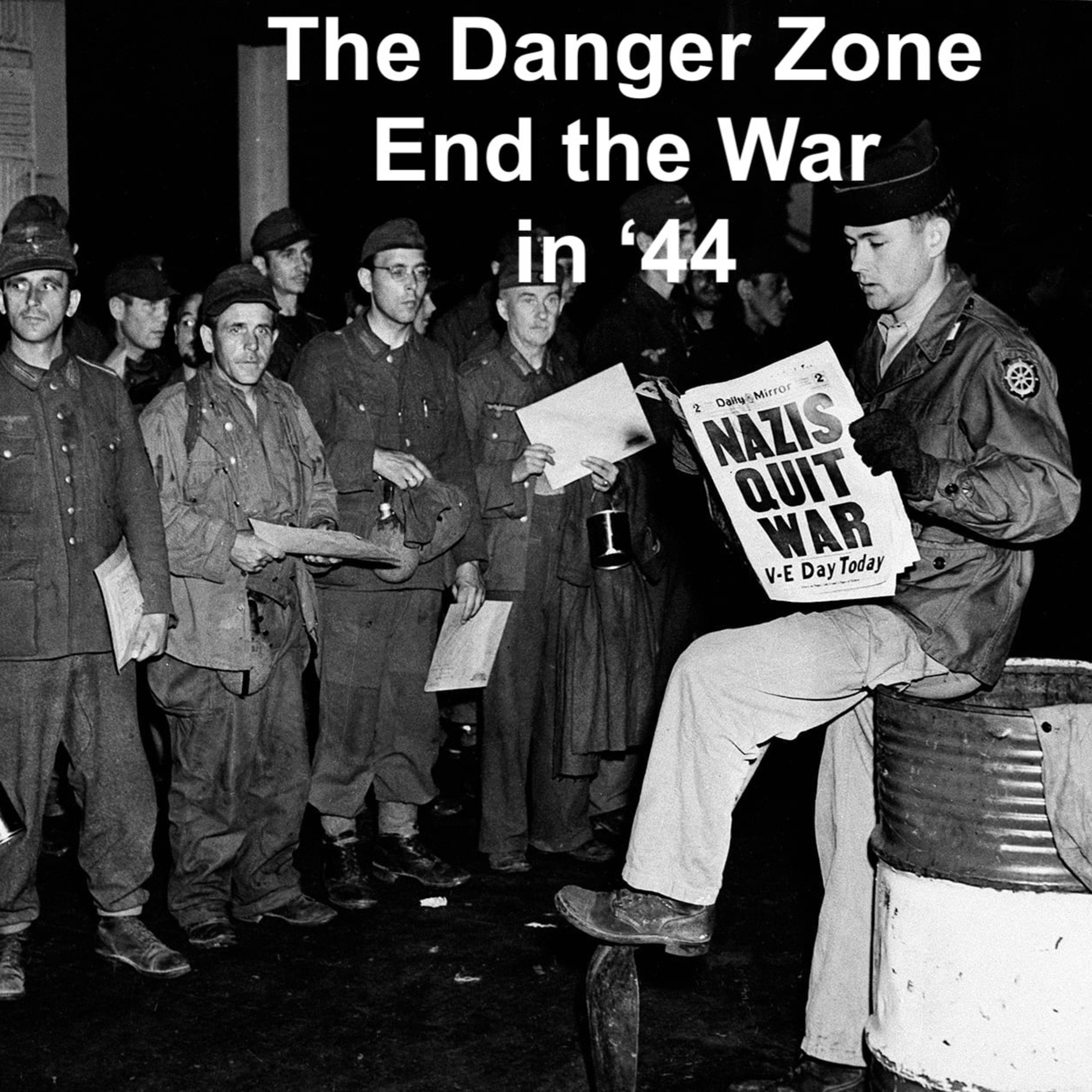
DZ Season 064 Part 46. End the War in 44 – Only Human – JCH Lee 8 – Praise the Lord and Pass the Ammunition – What Ammunition?
Jul 100:28:25Tap to summarize… if it became known that American logistics and American strategy had been instrumental in bringing the autumn campaign to a standstill and, what was more, prolonging the war, a political row would ensue just at the time of the presidential elections.…Back in Washington, when [Marshall] had set in train the investigation into logistics in the European Theatre of Operations … , he sent a signal to Brooke expressing his confidence that Eisenhower would be able to finish the war in 1944. Brooke wrote to Montgomery expressing his amazement:Discussed with planners the wonderful telegram from Marshall in which he seems to consider that if we really set our heart on it we ought to be able to finish the war before the end of the year.Despite that piece of Marshall window-dressing, Somervell had despatched Major-General Lucius Clay to sort out the Normandy Base Area and Major-General Henry Aurand to investigate the ammunition supply in France.So wrote Dominick Graham and Shelford Bidwell in their book Coalitions, Politicians and GeneralsTag words: General George Marshall; European Theatre of Operations; Major-General Henry Aurand; Dominick Graham; Shelford Bidwell; Coalitions, Politicians and Generals; Carlo d’Este; General Dwight D Eisenhower; Eisenhower – A Soldier’s Life; Russel Weigley; Eisenhower’s Lieutenants; Hank H Cox; The General Who Wore Six Stars; SHAEF; Martin Creveld; Supplying War; COMZ; General JCH Lee; Patton; POL; ammunition; David Irving; The War Between the Generals; Bradley; General Somervell; John Kennedy Ohl; Supplying the Troops; Beetle Smith;
Transcribe →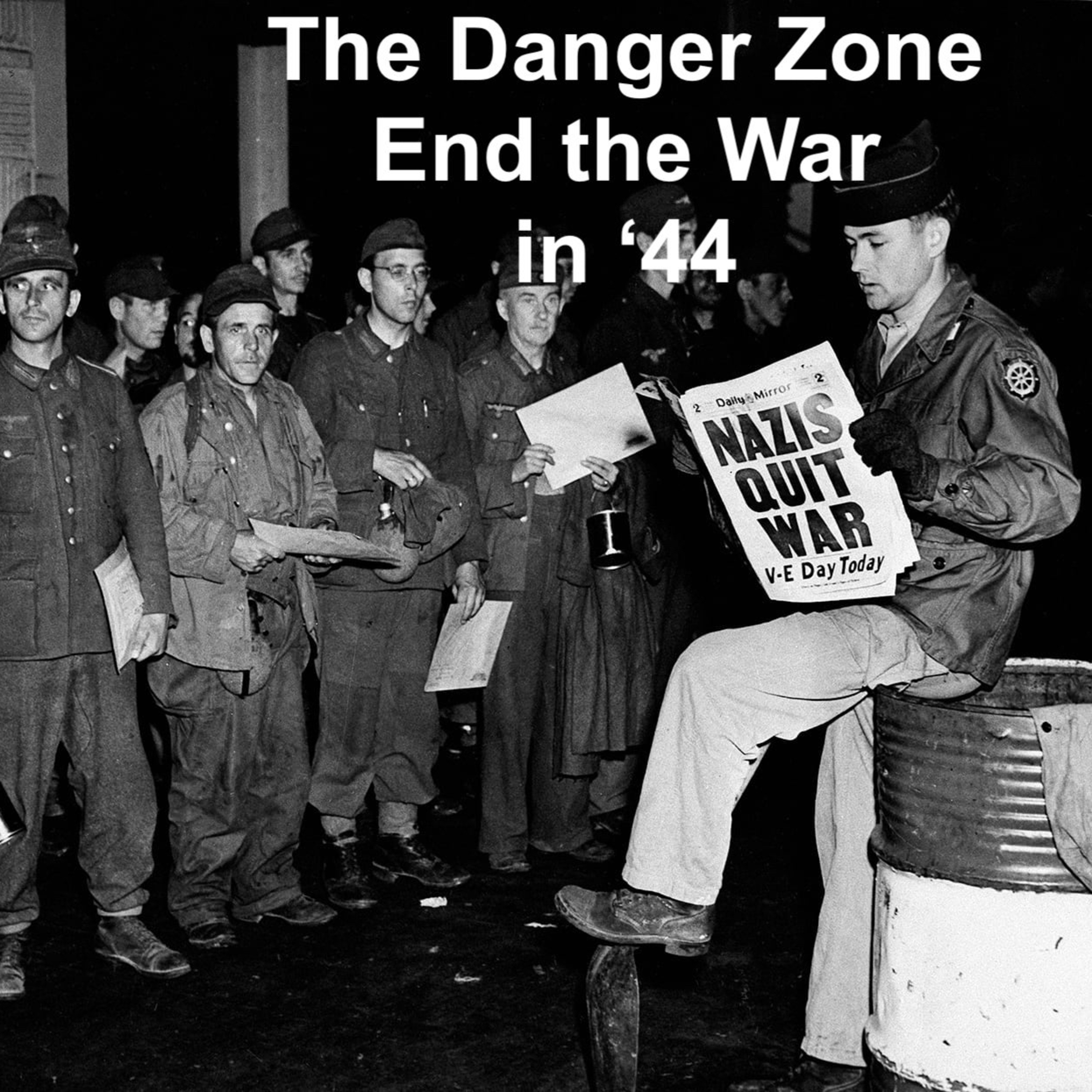
DZ Season 064 Part 45. End the War in 44 – Only Human – JCH Lee 7 – Cancelling General JCH Lee.
Jun 2400:26:51Tap to summarizeThe Normandy invasion was without doubt the most ambitious amphibious operation in military history, involving thousands of ships ferrying hundreds of thousands of men across a treacherous water passage against a hostile shore. There were serious concerns that it would be a disaster, and the logistics were the key element. Lee handled it superbly.Once the invasion of France was launched there was in fact a huge logjam of supplies piled up around Omaha Beach, and those supplies were not reaching the troops in combat. A major reason for this imbroglio was Bradley's repeated refusal to cede control of the beaches to Lee, as he was supposed to do. This recalcitrance kept the supply situation in flux much longer than should have been the case, to the detriment of the troops. The only reason offered by Bradley for this peculiar action was his personal distaste for Lee. It was unprofessional conduct to say the least.So wrote Hank H Cox in his biography of General JCH Lee, The General Who Wore Six Stars.Tag words: General JCH Lee; Hank H Cox; The General Who Wore Six Stars; Omar Bradley; General George Patton; D-Day invasion; Eisenhower; General Somervell; Beetle Smith; Carlo d’Este; Eisenhower – A Soldier’s Life; Marshall; Major General Charles H "Pete" Corlett; Kay Summersby; He Was My Boss; Winston Churchill; ComZ; Service of Supplies; SOS; General Devers; Operation Dragoon; DKR Crosswell; Hughes; Omaha; Utah; Seine River; Ernie Pyle; SHAEF; Normandy campaign; World War II; Cherbourg;
Transcribe →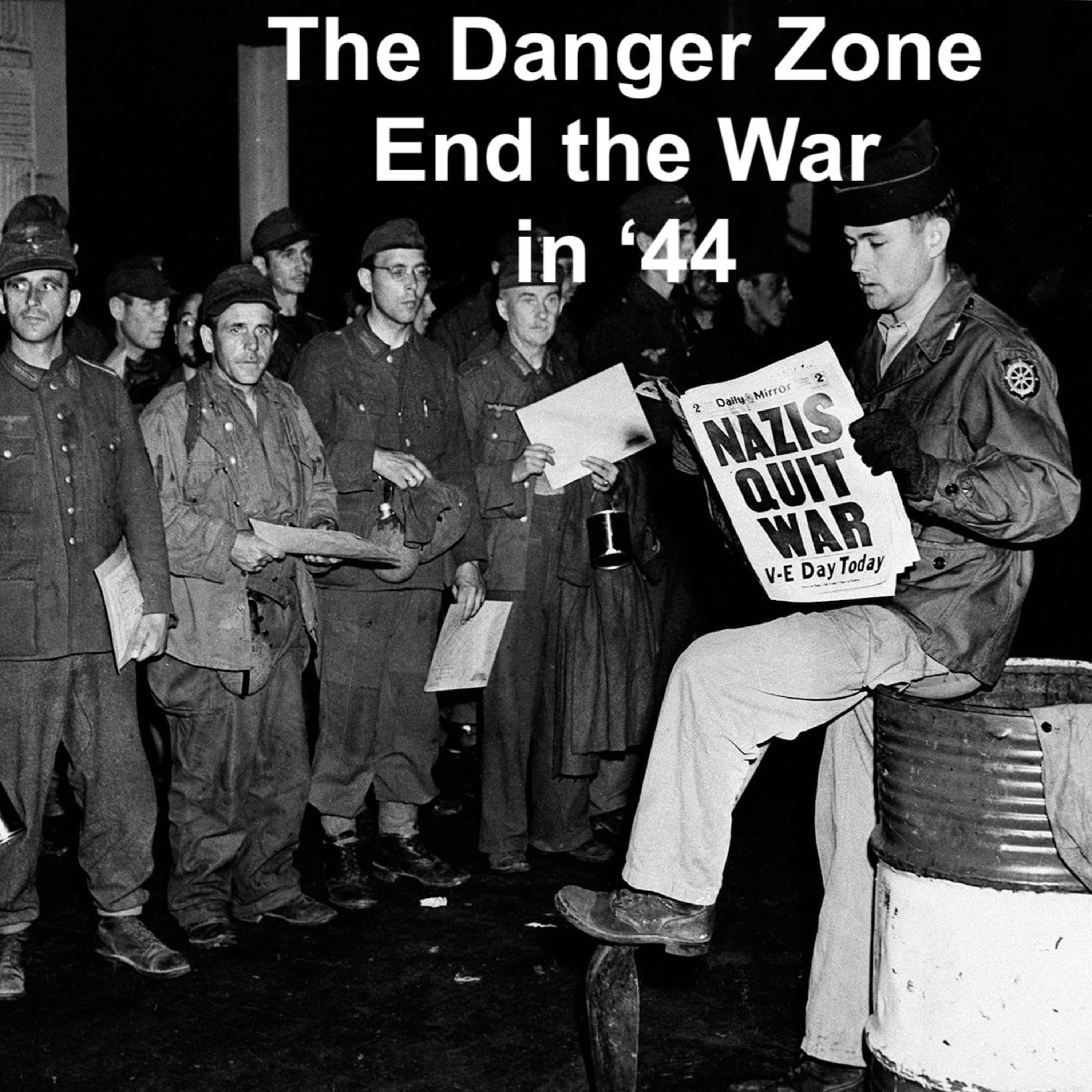
DZ Season 064 Part 44. End the War in 44 – Only Human – JCH Lee 6 – At Least Mussolini Got the Trains to Run on Time.
Jun 1700:35:14Tap to summarizeAfter Aurand [Colonel Henry S Aurand – a consultant to the US Army world logistic supply supremo, General Brehon Somervell] had delivered his report and taken command of the Normandy Base Section in December, he recorded that he despatched a train of PX (Post Exchange) goods for the front. A platoon of infantry, part at the rear and part at the front, was to ensure that at long halts and in shunting yards, agents of the black-market would not get on board and rifle the wagons. That train disappeared, troops and all, he said, and was never seen again. Aurand wrote that he had no doubt that the men had joined the growing number of deserters living on the black-market, where a packet of American cigarettes was worth … 200 [Francs]. The size of the deserter population was not something to be advertised, either. It may have been an open secret but anyone who arrived from outside and commented on it loudly and in public would be in trouble.This incident is recounted in the book Coalitions, Politicians and Generals by Dominick Graham and Shelford Bidwell.Tag words: Colonel Henry S Aurand; General Brehon Somervell; Coalitions, Politicians and Generals; Dominick Graham; Shelford Bidwell; General JCH Lee; Hank H Cox; The General Who Wore Six Stars; sos; Service of Supply; Rick Atkinson; The Guns at Last Light; Jesus Christ Himself; European Theater of Operations; ETO; Communications Zone; ComZ; General Dwight D. Eisenhower; Lt-General William Pagonis; Russell Weigley; Eisenhower’s Lieutenants; Red Ball Express; Carlo d’Este; Eisenhower A Soldier’s Life; Bradley; Patton; David Irving; The War Between the Generals; Bedell Smith; black market; pilfering; Prodigal wastage; railway system; Constipation; Major-General Appleton; SHAEF;
Transcribe →
DZ Season 064 Part 43. End the War in 44 – Only Human – JCH Lee 5 – Paris - And the Red Bull Express.
Jun 1000:28:33Tap to summarizeCarlo d’Este, in his biography of Eisenhower wrote:The only air plan that existed for Overlord in January 1944 vaguely proposed minimal measures for air support during a two-to-three-week period before D-Day in order to knock out coastal defenses and soften the way for the invasion force. When first briefed on air operations in January 1944, Eisenhower and Spaatz were shocked by Leigh-Mallory's prediction that it was still uncertain if the Allies would even gain air superiority before Overlord was launched.…. The gravest danger surrounded not the D-Day landings themselves but German reinforcements sped to Normandy to seal off the Allied beachhead with greater numbers of forces than the Allies could insert across the English Channel.What was the nature and dimension of this problem? And what does it have to do with General JCH Lee’s infuriatingly controversial decision to move his staff into Paris in August 1944?Tag words: Carlo d’Este; Eisenhower A Soldier’s Life; Overlord; D-Day; Eisenhower; Spaatz; Leigh-Mallory; General JCH Lee; Paris; Normandy; Hank H Cox; The General Who Wore Six Stars; Mulberries; GMC trucks; Russell Weigley; Eisenhower’s Lieutenants; Red Ball Express; Transportation Plan; SNCF; French national railway; Churchill; General Pierre Koenig; USSTAF; Bradley; A Soldier’s Story; Tom Clancy; SHAEF; 12th Army Group; Christopher C Gabel; The Lorraine Campaign; David Irving; The War Between the Generals; Everett Hughes; Dominick Graham; Shelford Bidwell; Coalitions, Politicians and Generals; rail; COMZ; Beetle Smith; Bedell Smith;
Transcribe →
DZ Season 064 Part 42. End the War in 44 – Only Human – JCH Lee 4 – Lee Always Had Paris.
Jun 300:28:16Tap to summarizeIn 1944/1945 General JCH Lee, was the Supremo of supply in the European Theatre of Operations under both Eisenhower, as the theatre commander, and under the great overlord of American logistics, General Brehon Somervell, who sat directly, alongside the Army commander and the Army Air Force commanders, under General Marshall, the Chief of Staff.There was no more a controversial figure in Eisenhower’s command than General Lee – no, not even George Patton. Stephen Ambrose, in his book Citizen Soldiers, wrote about what is probably Lee’s most villified exploit:Lee's best-known excess came . . . at the height of the supply crisis. Eisenhower had frequently expressed his view that no major headquarters should be located in or near the temptations of a large city, and had specifically reserved the hotels of Paris for the use of combat troops on leave. Lee nevertheless, and without Eisenhower's knowledge, moved his headquarters to Paris. His people requisitioned all the hotels previously occupied by the Germans, and took over schools and other large buildings. More than 8,000 officers and 21,000 men in sos (“the Service of Supply”) descended on the city in less than a week with tens of thousands more to follow. Parisians began to mutter that the U.S. Army demands were in excess of those made by the Germans.Was this a fair comment? It looks to be a pretty cut and dry point of view when you look at what many of the most respected historians wrote about this incident in Part 37 of this series, condemning Lee’s move.Tag words: General JCH Lee; Eisenhower; General Brehon Somervell; General Marshall; George Patton; Stephen Ambrose; Citizen Soldiers; Paris; sos; Service of Supply; Carlo d’Este; Geoffrey Perret; Raoul Nordling; Choltitz; FFI; de Gaulle; Major General Jacques Philippe Leclerc; French 2ndArmoured Division; Koenig; Bedell Smith; Hank H Cox; The General Who Wore Six Stars; President Roosevelt; FDR; Russell Weigley; Rommel; Dominic Graham; Shelford Bidwell; Coalitions, Politicians and Generals; SHAEF; Nigel Hamilton; The Battles of Field Marshal Montgomery; Montgomery; Alan Brooke; Is Paris burning; Bradley; Third Army;
Transcribe →