Podcast
The Dr Suzette Glasner Podcast
Hosted by Dr. Suzette Glasner · EN
Dr. Glasner is a clinical psychologist, addiction scientist, award-winning author, and Associate Professor of Psychiatry at UCLA in the David Geffen School of Medicine.
The Dr. Suzette Glasner podcast discusses the latest advances in addiction science, trends in alcohol and other substance use, misuse, and addiction across the lifespan, and how to use the science underlying addictive behaviors and the effects of substance use on the brain to shape our health behaviors and every day lives.
drglasner.substack.com
drglasner.substack.com
16episodes
Episodes
Newest firstAll episodes
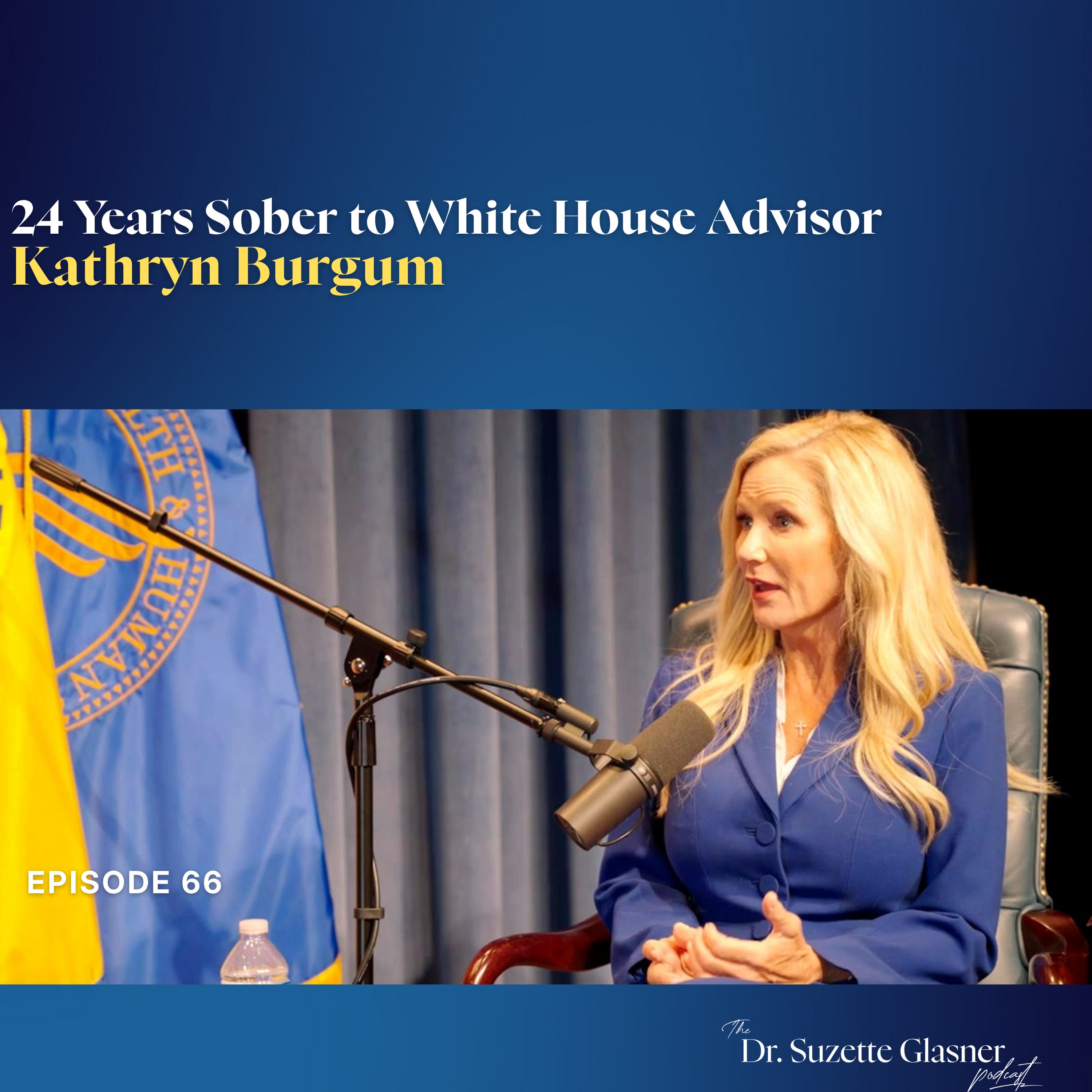
Ep. 66: Kathryn Burgum: 24 Years Sober to White House Advisor
1w ago01:05:17Tap to summarizeDr. Suzette Glasner sits down with Kathryn Burgum, White House Senior Advisor for Addiction Recovery and Co-Chair of the Great American Recovery Initiative, at the U.S. Department of Health and Human Services in Washington, D.C.Kathryn has been sober for 24 years. In this conversation, she shares her personal journey through alcohol addiction, undiagnosed depression, and years of relapse — and the moment that asking for help changed everything. She and Dr. Glasner talk about the role faith played in her recovery, why addiction should be treated as a chronic disease rather than a moral failing, the shame and stigma that keep people from seeking help, the case for peer recovery support specialists, and what she hopes the Great American Recovery Initiative will change for the next generation.You can watch the full episode here:Chapters:2:01 Kathryn Burgum’s Story: The Moment Everything Changed After Two Decades10:41 Faith, Gratitude, and the Research on Spirituality13:55 Depression, Relapse, and Staying Vigilant in Recovery21:26 The Case for Peer Recovery Support Specialists25:32 A White House With Personal Ties to Addiction — and the Birth of the Initiative35:49 Fixing a Fragmented, Stigmatized Treatment System45:18 What Success Looks Like, and the Cost of Inaction59:20 Turning Lived Experience Into Policy — and Her Message to Anyone Still StrugglingIf you or someone you know is struggling or in crisis, call or text 988 for immediate support. To find treatment for addiction in the United States, visit FindTreatment.gov.🔔 Follow/subscribe wherever you listen for weekly episodes on the psychology and neuroscience of mental health, addiction, and behavior. 📩 Send your questions or topic requests: AskDrGlasner@gmail.com 🧩 Learn more about Dr. Glasner: https://drglasner.com This is a public episode. If you would like to discuss this with other subscribers or get access to bonus episodes, visit drglasner.substack.com
Transcribe →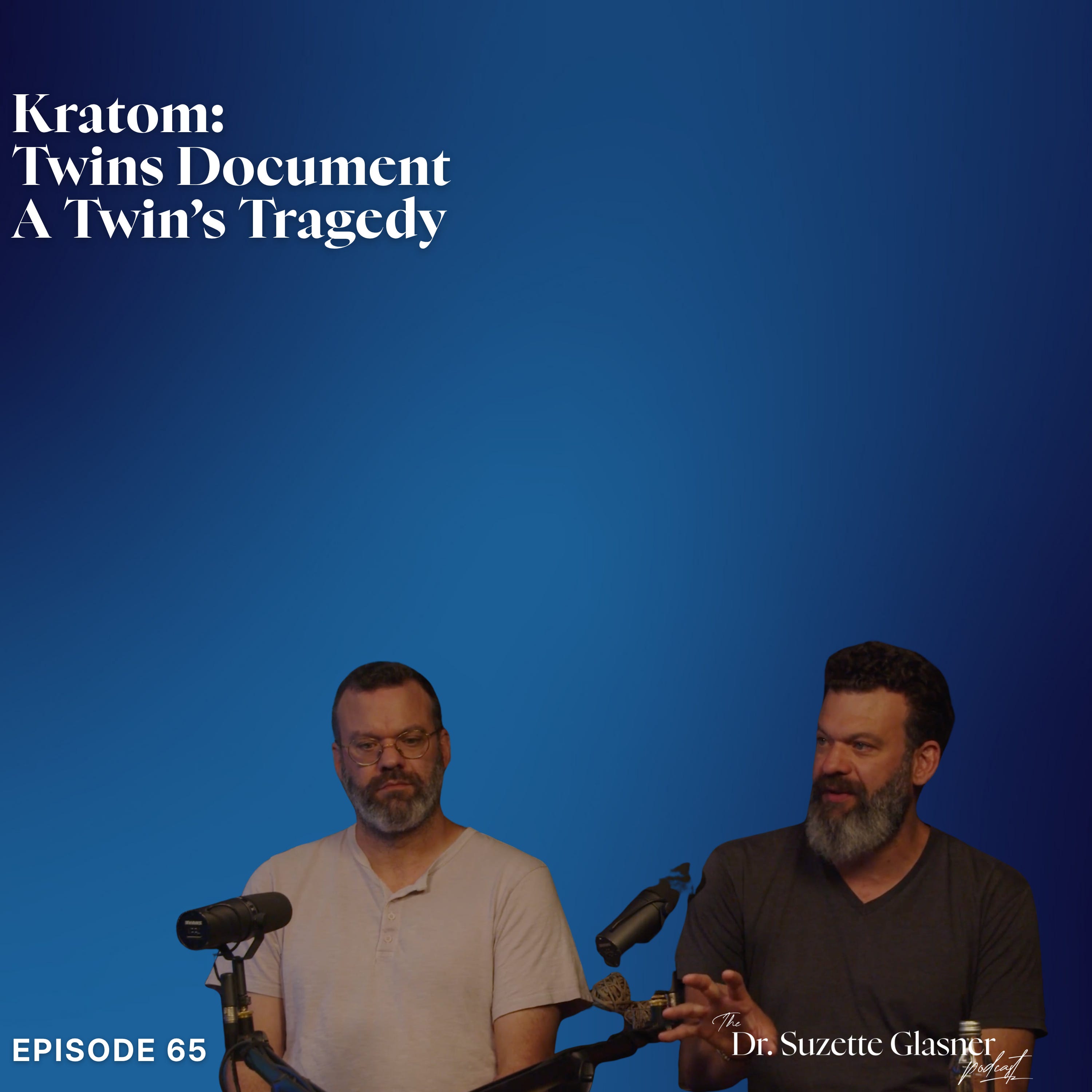
Kratom. A Twin's Death. Told by Twin Filmmakers.
2w ago01:00:19Tap to summarizeAfter several episodes deep in the policy side of the kratom story — the DEA’s action on 7-OH, the regulatory fight, and the science, this week, we delve into a heartbreaking true story told by documentarians - in their forthcoming film. Jason and Jamie Neese are twin brothers, and Emmy-nominated producers on Netflix’s The Umbrella Academy. Their new documentary, “Kratom: Side Effects May Include,” just had its world premiere at Dances With Films in New York and has since screened in Los Angeles. But before any of that, it started with a phone call and a story they couldn’t shake: Patti Wheeler had lost one of her twin sons to kratom. He died in his twin brother’s arms.As twins themselves, that detail hit Jason and Jamie differently than it might hit anyone else — and it’s a big part of why this conversation goes places most film-promotion interviews don’t. We talk about what it was like directing this project together as brothers, what surprised them most during production, and where they’ve landed on the policy fight now splitting the kratom industry, including their response to American Kratom Association figure Mac Haddow’s public claims about Patti’s motives.In this episode:– Growing up as twins, and directing a film together as adults– How making the film challenged their assumptions about addiction and stigma– Patti Wheeler’s story, and what it meant to hear it as twins themselves– Their take on kratom and concentrated 7-OH after making the film– The pushback from the kratom industry, and how they’ve responded– What they hope the film actually changesWatch or listen to the full conversation below: If you want to go deeper: watch the trailer for “Kratom: Side Effects May Include,” here: https://kratomsideeffectsmayinclude.comVisit Patti Wheeler’s nonprofit, A Beautiful Life Stolen: https://abeautifullifestolen.comIf you or someone you love is struggling with addiction: SAMHSA National Helpline, 1-800-662-4357.If this one lands for you, forward it to someone who’d want to hear it.🔔 Follow/subscribe wherever you listen for weekly episodes on the psychology and neuroscience of mental health, addiction, and behavior.📩 Send your questions or topic requests: AskDrGlasner@gmail.com🧩 Learn more about Dr. Glasner: https://drglasner.com#Kratom #KratomAwareness #7OH #AddictionScience #OpioidCrisis This is a public episode. If you would like to discuss this with other subscribers or get access to bonus episodes, visit drglasner.substack.com
Transcribe →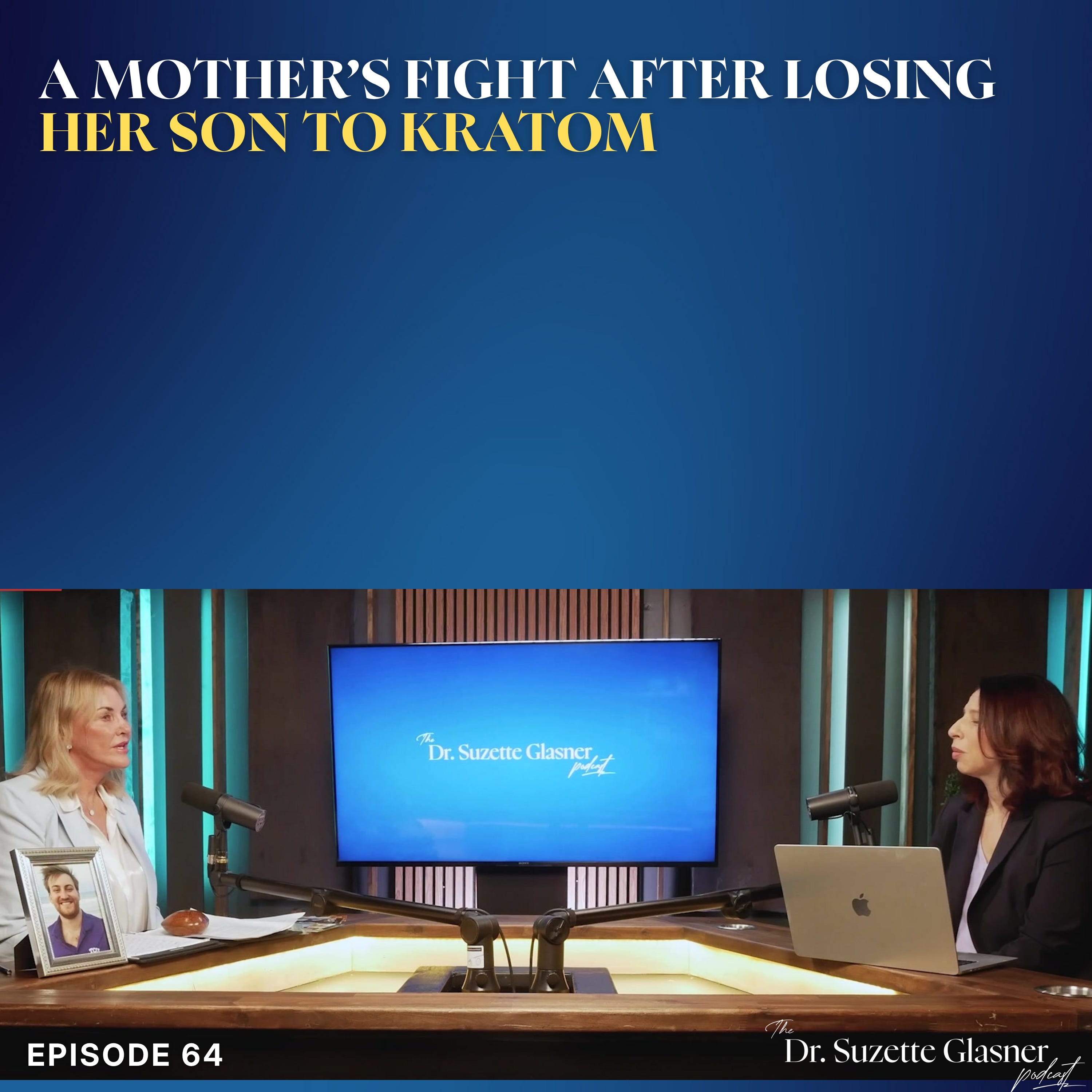
Ep. 64: A Mother's Fight After Losing Her Son to Kratom — Patti Wheeler
3w ago00:54:10Tap to summarizeEp. 64: A Mother’s Fight After Losing Her Son to Kratom — Patti WheelerPatti Wheeler spent fifteen years traveling the world as a flight attendant, then became a mother to twin sons, Gannon and Wyatt, and an author of the beloved Travels with Gannon & Wyatt book series. On October 25, 2022, everything changed: her son Wyatt, 27, died after taking kratom — in his twin brother’s arms. He’d turned to kratom as a way to stop drinking, with little or no awareness of the potential risks associated with its use.In this episode, clinical psychologist and addiction scientist Dr. Suzette Glasner talks with Patti about who Wyatt was before she lost him, and what the science actually says about kratom — its effects on the brain, its risks, and its potential benefits. Dr. Glasner and Patti also discuss how Patti turned unimaginable grief into action — executive producing the documentary Kratom: Side Effects May Include (directed by Jamie and Jason Neese of The Umbrella Academy) and founding the nonprofit A Beautiful Life Stolen — along with the political fight over regulating 7-OH and kratom extract, and what Patti wants every parent and lawmaker to understand.You can watch the full episode here:Chapters:2:16 Turning Grief Into Advocacy — and Facing the Backlash6:07 What Patti Wheeler Wishes She'd Known about Kratom10:17 Who Patti Was Before Kratom Changed Everything15:28 Wyatt's DUI and His First Brush With Kratom19:53 October 2022: The Warning Signs in Aspen26:37 The Smoke Shop, the Concentrate, and the Science of 7-OH33:49 The Night Wyatt Died41:19 The Toxicology Report: Setting the Record Straight45:13 The Regulatory Fight: What Should Happen to Kratom and 7-OH50:28 Becoming a Documentary Producer52:36 What Would Wyatt Say?Content note: this episode includes a detailed account of a child’s death and may be difficult for some listeners.Learn more / get involved: Documentary: Kratom: Side Effects May Include — kratomsideeffectsmayinclude.com Patti’s nonprofit: A Beautiful Life Stolen — abeautifullifestolen.com If you or someone you love is struggling with kratom dependence: SAMHSA National Helpline, 1-800-662-4357🔔 Follow/subscribe wherever you listen for weekly episodes on the psychology and neuroscience of mental health, addiction, and behavior. 📩 Send your questions or topic requests: AskDrGlasner@gmail.com 🧩 Learn more about Dr. Glasner: https://drglasner.com#Kratom #KratomAwareness #7OH #AddictionScience #OpioidCrisis This is a public episode. If you would like to discuss this with other subscribers or get access to bonus episodes, visit drglasner.substack.com
Transcribe →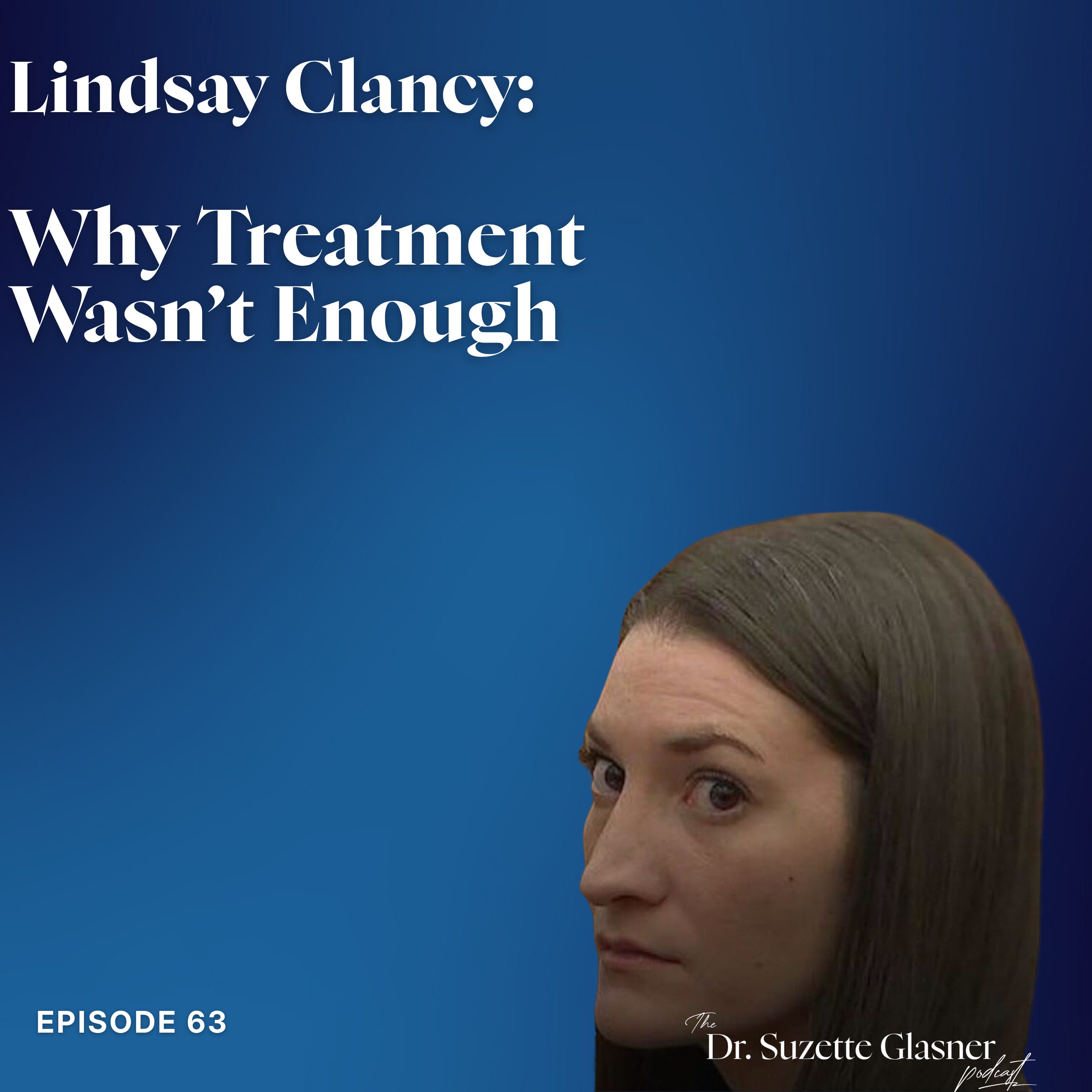
The Lindsay Clancy Trial: Why Treatment Wasn't Enough
4w ago00:17:20Tap to summarizeNearly half of people who die by suicide saw a healthcare provider in the month before their death. Many were already receiving treatment.That statistic challenges one of our most common assumptions about mental illness: that psychiatric tragedies happen because people never ask for help.The upcoming Lindsay Clancy trial raises an even more difficult question.What happens when someone is already receiving extensive psychiatric care—and a catastrophic psychiatric emergency still isn’t recognized?In this episode, Dr. Suzette Glasner—licensed clinical psychologist and scientist at UCLA—examines the Lindsay Clancy case through the lens of clinical psychology rather than true crime. Instead of asking whether Lindsay Clancy is guilty or innocent, she explores what this case may reveal about the limits of current psychiatric risk assessment.The episode examines the parallels between missed suicide risk and missed postpartum psychiatric emergencies, the critical differences between postpartum OCD and postpartum psychosis, why clinicians routinely screen for suicide but may not be trained to assess risk of harm to children, and the warning signs that families and healthcare professionals should recognize when a psychiatric emergency is unfolding.Watch the full episode here:Chapters0:00 Intro — A Statistic That Should Change How We Think About Psychiatric Tragedy1:12 Lindsay Clancy’s Mental Health Treatment Timeline3:27 Why Being in Treatment Doesn’t Always Mean Someone Is Safe6:00 The Blind Spot: Why Clinicians May Not Assess Risk to Children7:54 Understanding Filicide Risk in Postpartum Psychiatric Illness8:40 Postpartum OCD vs. Postpartum Psychosis: Why the Difference Matters10:54 What Families Should Watch For—and When to Seek Emergency Help13:28 The Lindsay Clancy Trial: The Insanity Defense Explained15:27 Why This Case Matters Beyond One Family📩 Questions or topic requests: AskDrGlasner@gmail.com🧩 More from Dr. Glasner: https://drglasner.com This is a public episode. If you would like to discuss this with other subscribers or get access to bonus episodes, visit drglasner.substack.com
Transcribe →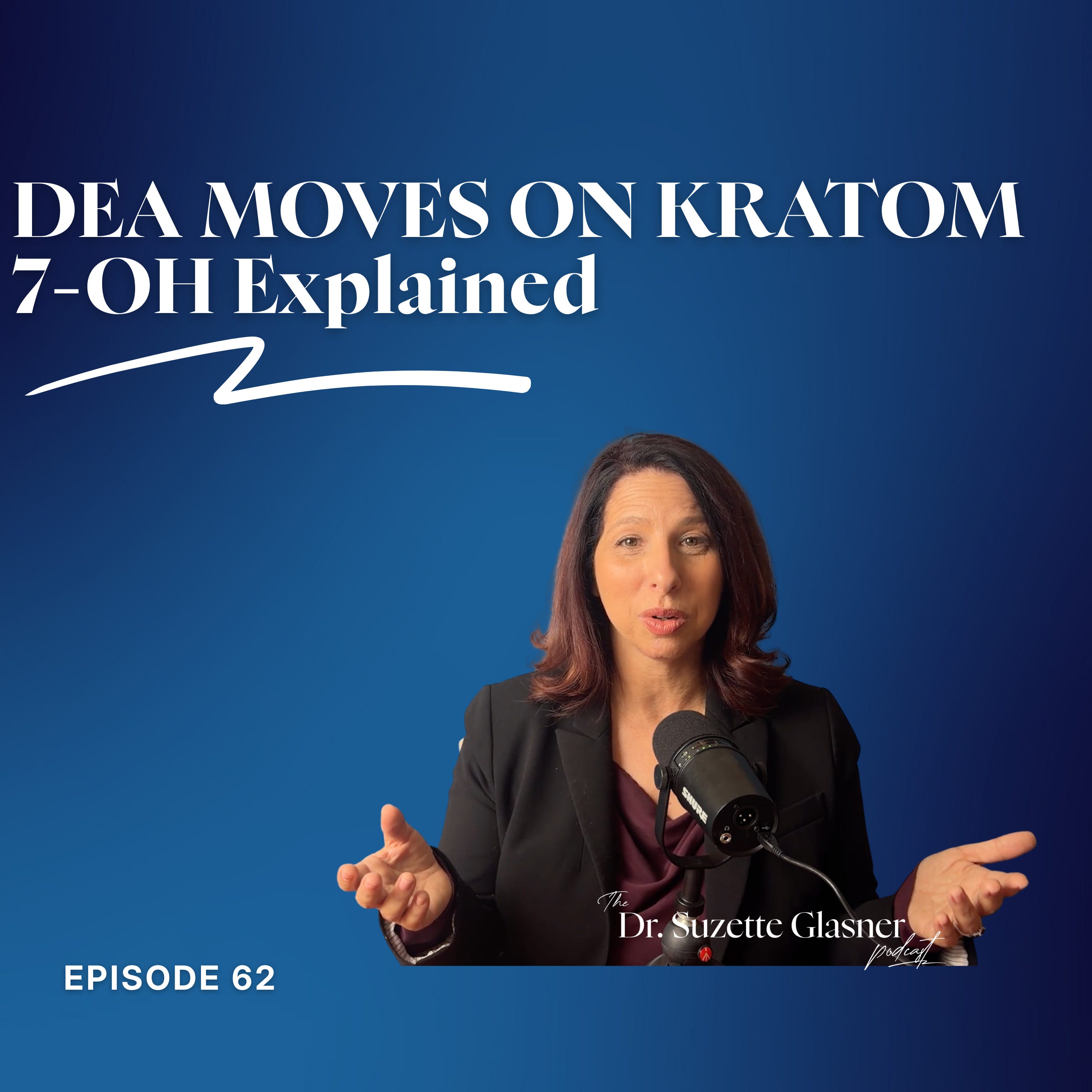
The DEA Just Moved to Schedule 7-OH — Here's What That Actually Means
Jul 1100:18:48Tap to summarizeThe DEA recently did something it tried and failed to do ten years ago: it moved to put a kratom-derived compound into Schedule I — the same category as heroin.In 2016, the DEA tried to ban kratom outright and had to walk the action back within six weeks after a massive public backlash. This time is different, and the details matter — they reveal something real about how we regulate substances that live in a gray zone between supplement, medicine, and drug of abuse.In this episode, Dr. Suzette Glasner — clinical psychologist and addiction scientist — breaks down what just happened with 7-hydroxymitragynine (7-OH), why regulators are treating it as an opioid, and what a decade of regulatory back-and-forth reveals about the limits of catching dangerous drugs before they cause harm. Watch the full episode here:Chapters: 0:00 Intro — Why This DEA Action Matters 1:19 Kratom vs. 7-OH — What’s Actually in These Products 3:59 The Pharmacology — Why 7-OH Acts Like a Potent Opioid 6:22 The 2016 DEA Failure and a Decade of Patchwork State Laws 10:27 How Drug Scheduling Actually Works (Schedule I Explained) 13:01 What the DEA’s New Notices of Intent Actually Do 14:24 Why the Kratom Industry Is Supporting This Action 14:51 The Caveat — Natural Leaf Kratom Isn’t Risk-Free Either 17:53 Recap and What to Watch For📩 Questions or topic requests: AskDrGlasner@gmail.com 🧩 More from Dr. Glasner: https://drglasner.com This is a public episode. If you would like to discuss this with other subscribers or get access to bonus episodes, visit drglasner.substack.com
Transcribe →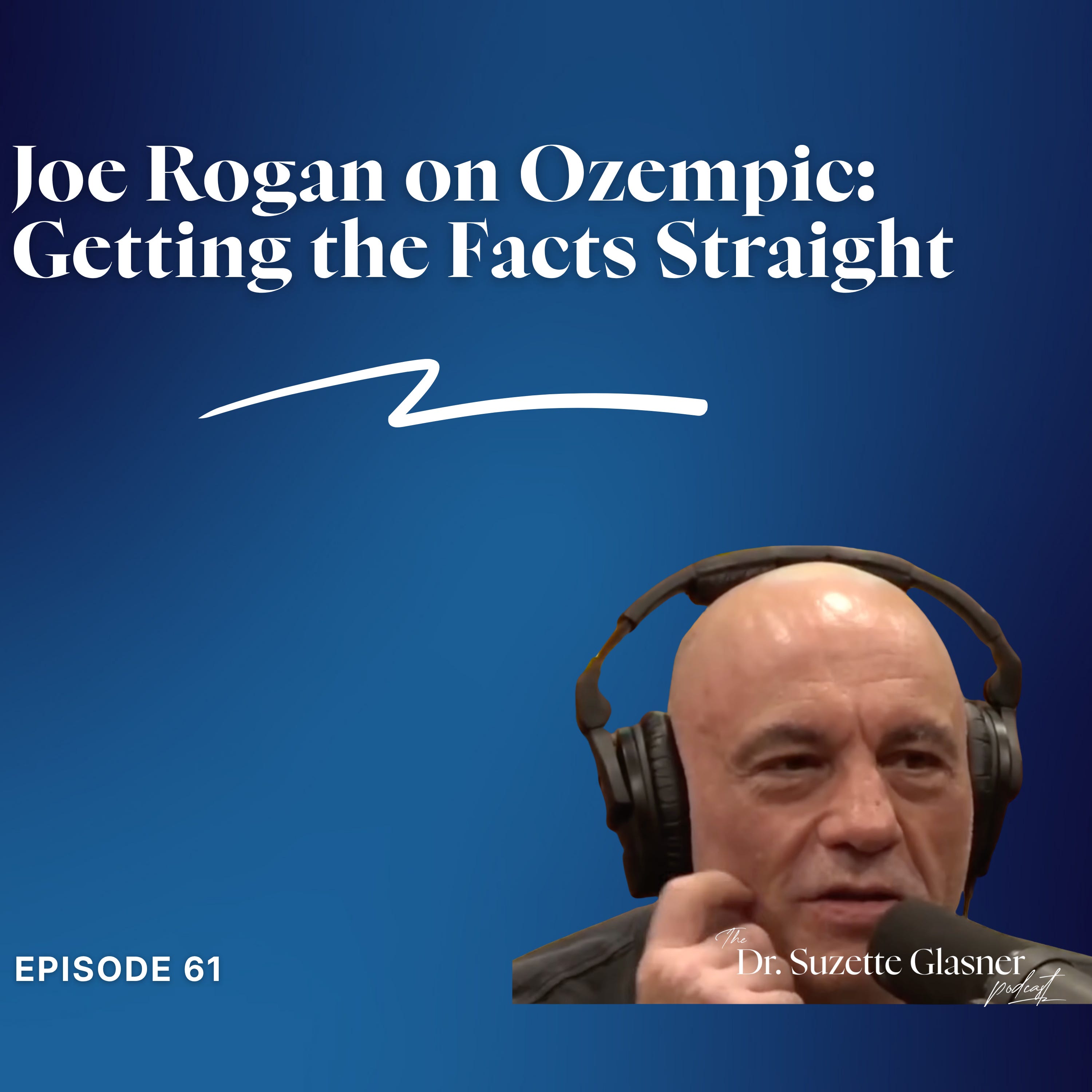
Ep. 61: Joe Rogan on Ozempic: Getting the Facts Straight
Jul 400:16:37Tap to summarizeJoe Rogan spent twenty minutes on Ozempic and GLP-1s recently. He said the drugs kill desire, that people fall out of love, that they treat addiction, that discipline alone would do the same job as the medication. Millions of listeners heard it as settled fact.Some of it holds up. Some of it doesn’t — and the gap between the two reveals a lot about how addiction, appetite, and reward actually work in the brain.In this episode, Dr. Suzette Glasner — clinical psychologist and addiction scientist — goes through Rogan’s biggest claims and checks them against the research. GLP-1s sit at the exact intersection of what she studies: appetite, reward, and behavior change. Watch the full episode here:In this episode:0:00 Intro — Why Look at Joe Rogan's Ozempic Claims1:20 Claim 1: "It Kills Your Desire" — GLP-1s, Mood, and Anhedonia6:21 Claim 2: Can GLP-1s Curb Addiction? (Alcohol, Smoking, Gambling)10:22 Claim 3: "Just Use Discipline" — Is Obesity a Willpower Problem?13:11 Claim 4: Why Weight Comes Back After Stopping GLP-1s14:48 Recap: What the Science Actually ShowsGLP-1s are reshaping addiction treatment and the way we think about weight, willpower, and what it means to struggle with your body. This episode is about what the research actually shows.📩 Questions or topic requests: AskDrGlasner@gmail.com 🧩 More about Dr. Glasner: https://drglasner.com This is a public episode. If you would like to discuss this with other subscribers or get access to bonus episodes, visit drglasner.substack.com
Transcribe →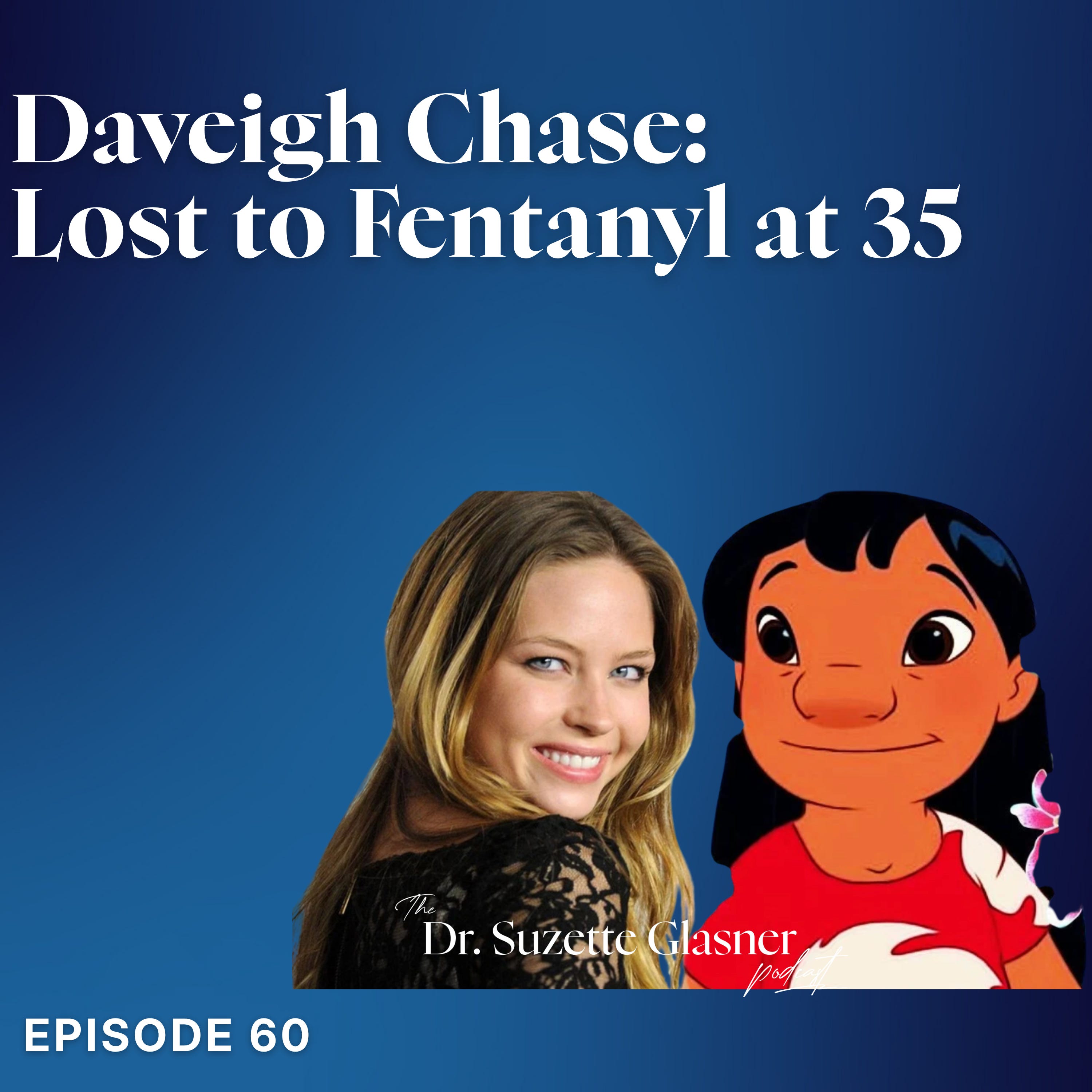
Ep. 60: Daveigh Chase - Lost to Fentanyl at 35
Jun 2600:15:17Tap to summarizeIn 2002, a twelve-year-old girl voiced one of the most beloved Disney characters of a generation. That same year, she terrified audiences in The Ring. Her name was Daveigh Chase, and for a moment, she was everywhere.Last month, she died in a Los Angeles hospital at 35 years old.The cause of death was sepsis — a bacterial infection that overwhelmed her body. She had been living near Skid Row, malnourished and without access to healthcare, after years of opioid dependence that began with a prescription after a back injury and eventually progressed to heroin and fentanyl. According to her family, she had been missing for nearly a decade.She was not a cautionary tale. She was a person with a treatable disease who didn’t receive adequate treatment.In Episode 60 of The Dr. Suzette Glasner Podcast, addiction scientist and clinical psychologist Dr. Suzette Glasner examines the forces that shaped Daveigh Chase’s story — and why it keeps repeating. From the specific psychological vulnerabilities that make child performers uniquely susceptible to addiction, to the way opioid dependence progresses from prescription use to fentanyl, to the homelessness-addiction spiral that claimed her life long before the infection did — Dr. Glasner walks through what the science actually tells us about how this happens and what it would take to intervene earlier. You can watch the full episode here:Daveigh Chase’s death wasn’t an overdose in the traditional sense. It was a body weakened by years of fentanyl use, malnutrition, and disconnection from care, exposed to an infection it couldn’t survive. That’s what dying from addiction often actually looks like — not a single moment, but a slow accumulation of harm that the healthcare system never found a way to interrupt.Dr. Glasner also addresses what families can do when someone they love seems unreachable — drawing on evidence-based approaches including CRAFT, harm reduction, and Housing First that don’t require waiting for rock bottom.Tylor Chase. Tyler Christopher. Daveigh Chase. The names change. The structure doesn’t. This episode is about why — and what we can do better.Resources mentioned in this episode:* CRAFT (Community Reinforcement and Family Training): smartrecovery.org* SAMHSA National Helpline: 1-800-662-4357 — free, confidential, 24/7* Al-Anon: al-anon.org* Naloxone locator: nextdistro.orgIf this episode resonated with you, please subscribe to The Dr. Suzette Glasner Podcast so you never miss a new episode — and consider leaving a review. It makes a real difference in helping others find the show.Have a question, a topic you’d like Dr. Glasner to cover, or a story you think deserves attention? Reach out at AskDrGlasner@gmail.com — she reads every message.🎧 Listen and subscribe: The Dr. Suzette Glasner Podcast / Dr. Suzette Glasner 🧩 Learn more: drglasner.com This is a public episode. If you would like to discuss this with other subscribers or get access to bonus episodes, visit drglasner.substack.com
Transcribe →
Cannabis, Anxiety & Depression: The Science Will Surprise You
Jun 2000:14:57Tap to summarizeIs Cannabis Good for Depression and Anxiety? What the Science Actually Says.Millions of Americans use cannabis to manage anxiety and depression. Perceived risk is at an all-time low. And yet — the clinical evidence tells a very different story than the cultural narrative.In this episode, clinical psychologist and addiction scientist Dr. Suzette Glasner breaks down three recent studies that every person using cannabis for mental health, every parent, and every clinician should know about. You can watch the full episode here: A 2026 study followed nearly half a million adolescents and found that individuals who used cannabis had more than double the risk of developing psychosis and bipolar disorder — with cannabis use preceding the diagnosis by almost two years. A Lancet Psychiatry review published the same year found no convincing evidence that cannabis effectively treats anxiety, depression, or PTSD — the conditions Americans most commonly say they use it for. And the potency problem: the cannabis on dispensary shelves today — flower at 15-20%+ THC, concentrates up to 90%. This matters because it directly impacts the risk of psychiatric and medical complications.Dr. Glasner also covers the conditions cannabis is FDA-approved to treat and why the answer surprises most people.In this episode:* Why perceived risk of cannabis has hit historic lows — and why that matters* What cannabis is actually FDA-approved to treat vs. what people use it for* The JAMA adolescent study: 463,000 teens followed over time* The Lancet review: examining evidence for cannabis as mental health treatment* Why potency matters🔔 Subscribe for weekly episodes on addiction science and mental health.📩 Questions or topic requests: AskDrGlasner@gmail.com🧩 drglasner.com This is a public episode. If you would like to discuss this with other subscribers or get access to bonus episodes, visit drglasner.substack.com
Transcribe →
Ep. 58 | Howie Mandel: OCD, Addiction, and the Nine-Year Gap
Jun 1400:19:23Tap to summarizeWhen Howie Mandel was a guest on the Howard Stern Show, he had a panic attack triggered by a door handle. He couldn’t bring himself to touch it. He tried to get someone else to open it — and when no one would, the OCD diagnosis he’d kept secret for decades slipped out on live radio, in front of millions of listeners.He thought he was off the air. He wasn’t.What happened next surprised him. A stranger stopped him on the street and said two words: I suffer from it too. That moment — realizing he wasn’t alone — changed his life.In this episode, clinical psychologist and addiction scientist Dr. Suzette Glasner use Mandel’s story as a window into what OCD actually is, why it takes an average of nine years to get the right help, and a connection that rarely gets named: the overlap between OCD and addiction. You can watch the full episode here:The OCD-Addiction ConnectionAlcohol. Cannabis. Whatever creates temporary relief from a brain that won’t stop. That is self-medication — and it is one of the most underrecognized consequences of untreated OCD.Mandel has spoken openly about his own use of alcohol and cannabis to cope, including during the COVID pandemic, when contamination-based OCD became almost unbearable. He is not an outlier. Twenty-five to forty percent of people with OCD misuse substances at some point in their lives — three to six times the general population’s risk.There’s one more piece of this that rarely makes it into the conversation: the role of family. Around 90 percent of families living with OCD accommodate it daily — repeating reassurances, spraying objects before they enter the house. Every act is driven by love. The research is consistent: the more accommodation, the more severe the OCD. Mandel’s wife Terry lived this for decades before drawing a clear, firm, loving line. The parallel to addiction enabling is direct — in both cases, absorbing the consequences of the condition delays the pressure that might otherwise drive someone toward help.The good news is that OCD is treatable. With ERP — Exposure and Response Prevention — 60 to 80 percent of people respond. People in recovery from OCD describe it the same way people in recovery from addiction do: not the absence of the thought, but the absence of its power.The nine-year gap doesn’t have to be your story.🔍 Episode Breakdown00:00 – Howie Mandel’s live-radio moment — and the stranger who changed everything 01:59 – Other public figures who’ve spoken out: Billy Bob Thornton, DiCaprio, Timberlake, Radcliffe 03:21 – What OCD actually is (and what it isn’t) 07:10 – The nine-year treatment gap - and why it exists08:49 – The OCD-addiction connection: the self-medication loop 10:44 – Family accommodation and why love can prolong suffering 14:54 – What actually works: ERP, medication, and NOCD 18:10 – Three things to take with you🧠 Key Takeaways* OCD is a neurobiological condition driven by intrusive thoughts and compulsive relief behaviors.* On average, nine years pass between onset and appropriate treatment, due to shame, misdiagnosis, and access barriers.* 25–40% of people with OCD misuse or are addicted to substances — self-medication that provides brief relief and worsens the cycle long-term.* Both conditions can and should be treated simultaneously — addressing one without the other significantly raises the risk of relapse.* ERP (Exposure and Response Prevention) produces a 60–80% response rate. Combined with medication, it’s the gold standard.Listen to Episode 58 now to hear Howie Mandel’s story.📩 Questions or topic suggestions? Email AskDrGlasner@gmail.com 🔗 Subscribe for evidence-based discussions on addiction, recovery, and mental health. This is a public episode. If you would like to discuss this with other subscribers or get access to bonus episodes, visit drglasner.substack.com
Transcribe →
Ep. 57: Mental Illness Is Now The World's Leading Cause of Disability
Jun 500:16:14Tap to summarizeIn this episode, Dr. Suzette Glasner examines a striking new finding from one of the largest health studies ever conducted: for the first time in recorded history, mental illness has become the leading cause of disability worldwide.Drawing on a major analysis published in The Lancet that tracked mental disorders across 204 countries from 1990 to 2023, Dr. Glasner explains what researchers found, why anxiety and depression are driving much of the increase, and what this shift tells us about the state of global mental health today.You can watch or listen to the full episode of The Dr. Suzette Glasner Podcast here:The study found that approximately 1.17 billion people—roughly one in seven people worldwide—were living with a diagnosable mental disorder in 2023. Mental illness has now surpassed low back pain and other physical health conditions as the leading cause of years lived with disability, marking a profound change in the global burden of disease.Dr. Glasner explores why adolescents, particularly those between the ages of 15 and 19, are experiencing the sharpest increases in anxiety and depression. She reviews the evidence surrounding smartphones and social media, sleep deprivation, the lasting effects of the COVID-19 pandemic, and the complex relationship between mental health and substance use. She also discusses psychologist Jonathan Haidt’s widely debated book The Anxious Generation and what current research supports—and does not yet support—about the role of technology in the youth mental health crisis.Most importantly, Dr. Glasner highlights five evidence-based strategies that can help reduce the risk of anxiety and depression in young people, including improving sleep, increasing physical activity, strengthening in-person social connections, delaying substance use, and recognizing early warning signs before problems become more severe.If you’re a parent, educator, healthcare professional, or simply someone trying to better understand the growing mental health challenges facing young people today, this episode provides a clear, science-based overview of one of the most important public health findings of the decade.Thank you for being here and being part of this community.⸻Have a question about today’s episode? Or a question you’d like me to cover in a future episode?Email: askdrglasner@gmail.com This is a public episode. If you would like to discuss this with other subscribers or get access to bonus episodes, visit drglasner.substack.com
Transcribe →