← The Everyday Millionaire and Mindset Matters Podcast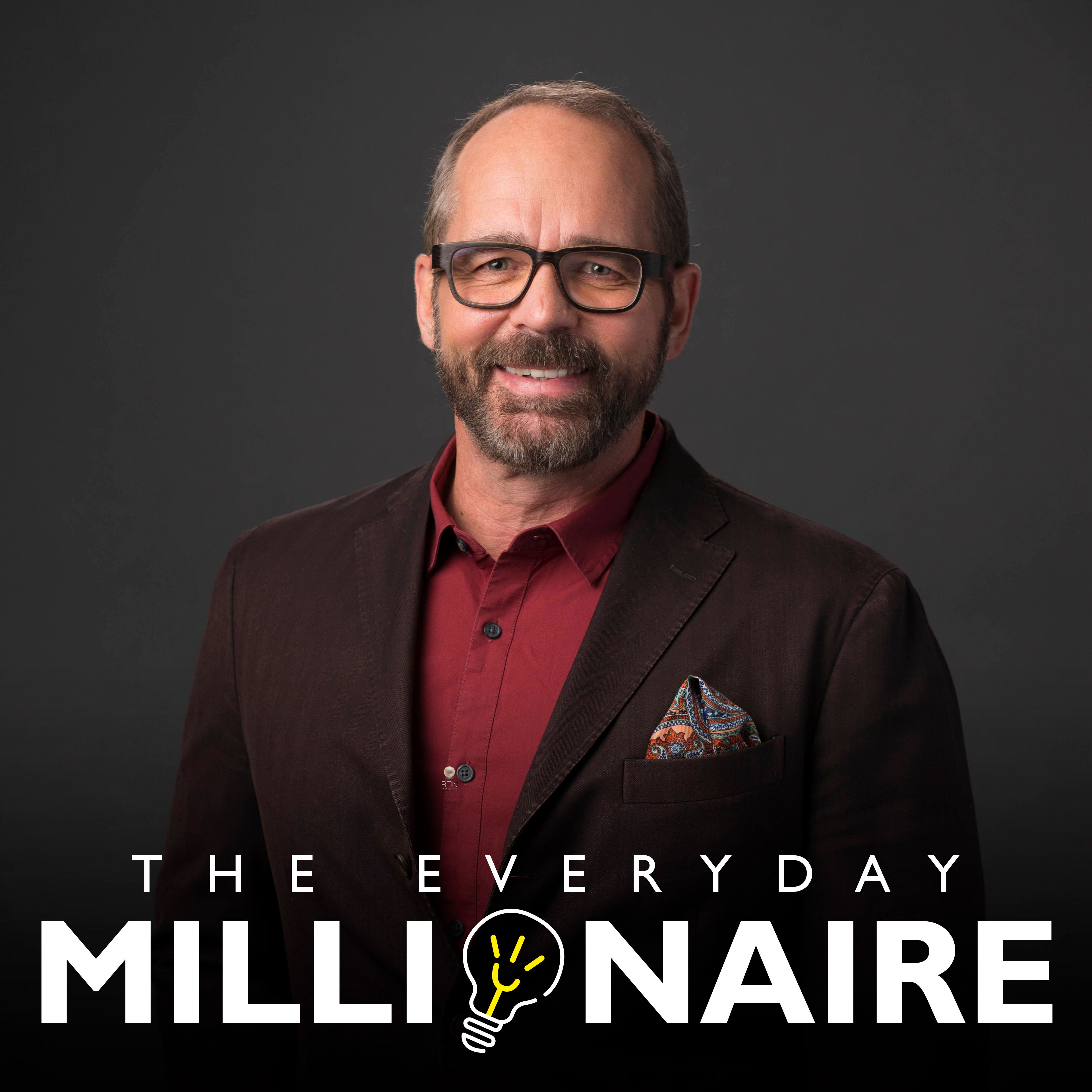
The Everyday Millionaire and Mindset Matters Podcast
TEDM – Jeremy Delk – Failing His Way to Success (Episode 217)
01:14:32
Loading summary
Transcript82 lines
- [00:00]
Jeremy Delk
Foreign.
- [00:04]
Patrick Francie
Hi there and welcome to the Everyday Millionaire podcast. My name is Patrick Francie and I am your host. And I want to begin by saying thank you for listening. On this show I am having conversations with seemingly ordinary individuals who have achieved some amazing and extraordinary results in both their life and business. My intention is to inspire and help you learn and grow by having my guests share their journey from how they face and overcome their challenges, but also how they celebrate their many wins. And now let's get on with this show and have a conversation with today's guest. My guest, Jeremy Delk is a true disruptor. A serial entrepreneur whose journey from small town roots to massive success is anything but ordinary. He was born in Bardstown, Kentucky and Jeremy was raised in a blue collar home, but dreamed far beyond it. By age 16, he was day trading. By 19, he was making tens of thousands of dollars a day. And then he lost it all just as fast. The brutal tech bubble crash didn't break him, it actually built him. And Jeremy rebounded and landed a job as one of Fidelity's youngest institutional brokers before walking away to build his own empire. Today, as founder of Delk Enterprises, he's built and exited companies across biotech, consumer brands, tech and even far more than all of that, he has generated hundreds of millions in revenue and created hundreds of high paying jobs. Jeremy now shares his hard won wisdom with entrepreneurs worldwide, the Everyday Millionaire podcast included. So buckle up, this is a conversation you do not want to miss. Listen in. Enjoy. Jeremy Delk, welcome to the Everyday Millionaire podcast. Thanks for joining me.
- [02:05]
Jeremy Delk
Thanks, Patrick. Excited to be here.
- [02:07]
Patrick Francie
So entrepreneur extraordinaire, you know, I always lead in with my podcast is that the bios never do justice to who you are, what you do, of course, and things change. So if somebody says to Jeremy today, so Jeremy, what do you do? How do you answer that question?
- [02:27]
Jeremy Delk
Yeah, that's a tough one. It depends on my audience. Typically I'll kind of layer in and say if I'm talking to someone in real estate, I'm a real estate developer, but I think the most broad macro component is venture capital. Right. I've invested, Sorry, I went on my own about 24 years ago and have been in just investing in different businesses. So I'm industry agnostic. Started in real estate development and then, you know, moved over to healthcare, direct to consumer and then actually now back into real estate development, which has been, which has been fun.
- [03:00]
Patrick Francie
So that's the entrepreneur part of it. You're, are you, would you consider yourself? I'm an entrepreneurial Opportunist. How's that?
- [03:08]
Jeremy Delk
I think serial entrepreneur or, or venture capital. But yeah, I mean, I take a lot of bets and as you know, right. 90 of them fail, but the tens, the ten that work usually pay for the 90 that lost, plus some. And as long as that keeps happening, you've got some, some movement. But I think that the pretense is like, I'm naturally. I had a very short but successful career on Wall street. And I was very lucky to learn at a young age what I didn't want. And I was making a lot of money and you know, in my early 20s, living, you know, in, in Union Square, Chelsea, and I was making probably four or five hundred grand a year and the guy beside was making a couple million. And I had a BMW, he had a, he had a Bentley. That was basically the difference, right? He had a nicer house, I had an apartment. Different, different lives. But we were creating nothing. We were making money. And I, I, I saw myself. I was just this young, dumb kid and I had all these ideas. I was working for Fidelity Investments, this massive, big behemoth multinational. I was in institutional equity trades. And I would come up with this idea and that idea. And I'm from Kentucky, and you'll probably notice I don't necessarily have a Kentucky accent. No, that's largely by design because I, I, I mean, I'm sure not all of my ideas were good, but they couldn't have all been bad. And I actually told myself it must be. I'm just a dumb hick from Kentucky. And like, I'm not articulating enough. So I actually kind of chameleon and, and augmented my dialect effectively, right, to kind of be maybe more heard. And I still saw myself not being heard. And I just like these little, you know, I really think that's where, you know, if you're an entrepreneur or just, you know, corporate America and those, there's a, there's a role for corporate jobs and big business. But I really think you die. At least I, I saw myself dying a little bit. And if you're in that condition for so long, I can see how your light would just go out. Because if you're told no, no, no, no that many times, like, you just stop asking, right? And you just stop trying and you just kind of, you know, lay in and just become, you know, part of the, part of the machine. So I was very lucky to realize at a young age to go out on my own when it wasn't a risk, right? It was a risk, but like it wasn't a risk to anyone but myself.
- [05:38]
Patrick Francie
When you say you were lucky to go out on your own, was there a, you know, fork in the road moment? You met somebody, you read a book, something happened in life that you went, okay, I got to get my head out of my ass and change things up because this doesn't work for me. Was, were, was there something, was there a catalyst for the change that you made back then?
- [05:56]
Jeremy Delk
So I'll back up a little and kind of give you how I started. So I small town Kid, Bartown, Kentucky, bourbon capital of the world, probably 25,000 people. And I always had this big fish in a small pond mentality. I lost my dad at a young age, at seven. So I always talk about stability. As a kid you can't really see stability or teach stability, but you can really see instability. So I, I saw that and a lot of that was resource driven. Right. My mom didn't work, she was a young mom, you know, my younger brother. So I think that probably ripple effect after my dad, dad dying, it's the, after the matter that you see what kind of effects to have. So that probably tracing back to you know, hundreds of thousand dollars with therapists on, on our, on our couch is probably the piece that was the driving force in wanting to make money. And like the money piece was like so important to me. And then like Wall Street, New York. So I had $30,000 inheritance and I grew that from 17 to 19 to about 2 million bucks. Now this is in the dot com.
- [07:00]
Patrick Francie
Era and that's a lot of money back then. A lot. I mean it's a lot of money today, but it was a ton of dough back then.
- [07:07]
Jeremy Delk
Yeah, we'll give that to a 19 year old, testosterone filled kid who you already can't tell anything. And then I'm sitting in this will date me. You kind of get an idea. I don't know how many people listen versus View, but this will date me. I was day trading on Ameritrade, on that Palm Pilot in class, remember that, that screen Palm Pilot with wireless and all that. So I mean that was like the wave of the future. And I was in class like you couldn't tell me a teacher's making 50 grand a year, I can make that in two days trading. So like couldn't be told anything. Self taught. And as things go, if you want to remember the late 90s, early 2000s, the bubble burst in the dot coms, I was leveraged, So I had 2 million, but you can leverage on margin. So had probably three and a half million worth of stock. So that's great going up. And I had no, you know, stop losses. I wasn't, I was completely naked. So I wasn't hedged at all. And I lost that 2 million bucks in four days. So I told you that story to kind of tell you like Dancer Brown circle on your question. That was one of, other than losing my diet. One of the, in the moment, the worst thing that ever happened to me. I was a loser, I lost my inheritance, I'm a failure. Like it just like bad, bad mental space for about a week.
- [08:23]
Patrick Francie
How old were you back then? Jeremy? Sorry to interrupt. Just to give me a timeline of age. You're in that early 20s back then 20.
- [08:30]
Jeremy Delk
This is 2000. Yeah. And mind you, I lost all that cash but I had bought a condo or townhouse. I had bought a grand Jeep Grand Cherokee. So like I had 30 year old, 35 year old bills with the kid that still had full time in college. So you know, I had a decision that was the fork in our road. It was like you can pack it in, feel sorry for yourself and go live back with your mom in Kentucky or figure it out. And I did odd job to odd job to odd job because around classes you're not getting a full time job, working school and just a bit of circumstance. In one of those jobs I met my future boss who was relocated at Fidelity and we were just catching up on a conversation and I was, he was blown away by my market knowledge. Like who are you? And I told him what happened and he's like, well it's pretty impressive that you grew it that much. Stupid that you lost it all. I'm like, yeah, thanks. It's still stung. But that, that ended up getting me to Wall street. So I ended up, you know, going there and doing that. So while it was one of the worst things that happened to me, I think that was probably one of the best things that ever happened to me because it taught me lessons that I live today that nothing is going to go good forever, but also nothing bad is also going to happen forever. So if you can just have the resilience and just push through life works out right. We've all, I'm not special. Everyone's had loss, everyone's had struggle. And humans are pretty smart and intelligent beings and self protective. So we oftentimes block out all the bad negative shit. And I'm not one that looks in the rear view. I don't think that's productive. But you can't be completely Ignorant of your past. And if you can look at that historically, you can find a lot of strength in that. So for me, back to your question. I wasn't happy. I was. I was like, you have all these ideas. They're stupid. I'm not. I'm going to go to my own now. My mom was out of her fucking mind because she's like, wait a minute. You just were like on death's door two years ago. Now you're making more money than me and your stepdad and you just quit. And I'm like, yeah, that's what I did. But I told myself, what's the worst that can happen? There was not a scenario where I was going to go out and start Delk Enterprises 24 years ago and I would lose $2 million in four days. That scenario did not exist where I made six grand my first year in business. So it wasn't super lucrative. My rent was 5,500. But I always knew that worst case, I can go back to Wall Street. I can go and get. Get that career. And that's why I think I was very fortunate. Because some people can't, right? Some people, you know, you've got the family, you got the mortgage, you have other things that tie you down that you're more responsible for. So I was very fortunate to take that step. And then from there, every year it's just been a learning, a learning piece. I think that curiosity is what drives me being the entre entrepreneur because I just love business, I love learning. So for me, it's not work, it's new things and new experiences that you kind of get to learn and you get better. Like, I'm an overnight success, 25 years in the making, right? I'm not smart. I'm not. I've been through a lot of battles, right? And a lot of wars that's given me just experience to kind of see some of these movies already happening and then you kind of go through. So that's the difference of just that experience. And I think that's why I love doing the coaching. Whether it's on business growth or just personal growth or how to spend more time with your family, take more money home, all those things are, are so much fun for me because, you know, sadly I have to charge because I've got an expensive wife and kids. So I need to justify my time. But I love doing it because, like, if I can save someone the trauma and the headache of all the. Some of the things that I've had to go through, and you could Just look at my playbook and like, man, I did this. I zigged. I should have zagged. Take that lesson and save yourself the with chewy. Get all the food your pets love delivered right to your door. Get a free $20 E gift card with your first food order. And get mealtime essentials from all the brands you love with an extra side of savings for low prices. For life with pets. There's chewy agony.
- [12:39]
Patrick Francie
Well, it's interesting, you know, as coach yourself and as somebody who wants to support and I mean, you know, certainly I'm been that and, and am that often myself. I, I, you know, what you just said is interesting. It's like, if I can save somebody going through the heartache, the pain, the discomfort, all the things that go on, then that would be, you know, really great. That's what I love to do. You know, you get to be a contribution, you get to make a difference. But there's another side to that that I, you know, often contemplate and reflect on, which is, and this was an insight that was shared by me or with me by a guest that I had. When I asked him, he's very wealthy and I asked him one day, I go, so why are you doing all this? You know, on our podcast, I go, is it, you know, is this just for your kids, for their legacy? And he looked at me, you know, and he was in studio and he looked at me, he goes, and he was actually taken aback a little bit. Like, you saw the body language. He's like, what? And he said to me, he goes, why would I do that to my children? And I go, what do you mean? And he says, and his story was, he was raised by a pastor, mom was a stay at home mom, I think three or four kids. So you can imagine what that upbringing was. Pretty meager, it was pretty thin, you know, but they broke bread every night together, they stuck together as a family. They did all the things. And he went on to build a very successful business practice in real estate. And all the things that he went on to do, he goes, and then he finished that sentence with, he goes, I am who I am because of what I went through to get here. And I would never take that away from my children. I'll send them to school, I'll feed them, I'll clothe them. But when it comes to dollars and cents, you are on your own. Go out and figure shit out. And I went, you know, that's a pretty profound thought process. And I'm not suggesting that you're Doing this for the kids. That's not what I'm suggesting at all. It was more along the lines of we don't want people. We, you know, we were built to say, don't make the same mistakes I made. And. But the part of it where, you know, we are who we are because of that, that would be my only comment around that. And it's just, I'm reflecting on it, you know, it's not this hard and fast figure shit up.
- [14:54]
Jeremy Delk
No, it is. And I think that's. That's the challenge. And you have to get to grips with it quite early because I think. Do you have children, Patrick?
- [15:02]
Patrick Francie
I've got a daughter. I got two grandchildren.
- [15:04]
Jeremy Delk
Okay. So I have three. I've got a 11 six and one year old, two boys and a girl and my son's the oldest. And I, I struggled a lot because, like, he was like, it's clandestine. Like, he's going to carry on the name and he's going to be Delk Enterprises and take it over and, and like, you want to push this. It's just natural. Like, oh, especially your firstborn. It's just such a fucking tough thing. Person born boys and, you know, he, you know, he's gonna take over a Delk. And he actually does love real estate and we watch shows. He loves some more things and you know that I do. But dude, he's not me and he's not. He's not anywhere near me. And I, I'm happy about that because I was fucked. I was messed up for a very, very long time. Probably still am. We all are to a degree. And I cherish the fact that I'm gonna. And my kids are growing up so different than I did. Positively, like in the emu. Experiences, better school, like all the things. But that's my biggest. Not fear, but like the thing that I'm probably most cognizant of is like, how do you not mess this up, right? How do you not mess up these kids? And I don't know the answer. So I'm sorry for all your listeners if you're thinking I got it. But I think that the only practice I try to preach and practice is no matter what you do, effort or no effort, they're going to be who they're going to be. And your job as a parent is just to make sure they've got confidence, you support them and let them be happy. I think that's the biggest takeaway, where the full circle came from. Me. Do you know Bill Perkins? Have you heard of him? He wrote a book. So Bill wrote Die with Zero. Met him down in Branson's place. I have a couple properties in the BVI. He's got one on St. Thomas. So I've talked to him several times on this and read his book. And this wasn't in his book, but I kind of told him I was so proud of my 40th birthday. We're on this big yacht down in Miami, going to the Keys and we're on FaceTime or something. And I was like, man, Bill, I've got it figured out. I've got this very complex trust and estate planning vehicles. And it's incentivized. Like, if my son makes any of my kids, not just my son, but if. If you make a hundred grand, the trust will give you another 100 grand. If you put 2,000, 200,000 for your house, I'll match it. Like all these things. And he's like, that's awesome, man. That's the dumbest thing I've ever heard. But everyone else does the same thing. And I'm like, so deflated. I'm like, great. 40 grand worth of documents and like, you called me an idiot, but I respect you, so I'm going to take it and ask, why? Why am I an idiot? And it was the most profound thing. He's like, you're setting up your kids and motivating them for something that you would have ran through like a wall and killed. But what if they're not you? Like, what if your son or your daughter wants to be a poet and live in Soho, right? And. Or be a starving artist? Like, why would you set up a situation that is not aligned with what their true happiness is? And that was why I ripped up those documents and changed them and kind of, you know, gone through. And the heads approach with Diet Zero is like, give them money now, not when you die. Well, you can teach them and kind of mentor them. All those things. So anyway, I got off topic there.
- [18:36]
Patrick Francie
I think these are great conversations to have, you know, to see those points of view, you know, at. At this point in my life with, you know, a couple of grandchildren, seven and eight years old, it's like, you know, I'm reflecting on certain things and I've had many conversations and, you know, it's easy for us to kind of. I know that in, you know, as a boomer, I, you know, there was a phase in my life where, you know, it was like, when I have kids, I'm not going to raise them the way I was raised. That Was a kind of a common thing. And so then I remember sitting around a table one night having drinks with friends, and there's a number of us, and somebody said, you know, we all kind of had our turnout. You know, I was brought up this way, when I have kids, I'm not going to do this and we're not going to do that. And then I thought I sat back in that conversation, literally in the moment, and I want you guys, here we are all bitching about the way we were raised, and our dad did this, our mom did that, we didn't have this, we didn't have that, blah, blah, blah. I go, did you turn out all that bad? Are you a serial killer? And you're not disclosing it? Is life shit for you right now? What's going on? And it was like in that moment, it was like, no. What we went through is actually what developed our thought processes and how we are. It's up to us to wake up in the morning and say, are we being the best version of ourself? And I know we're talking about kids a little bit, but I've just adopted the philosophy that ultimately, as a parent, my job and I didn't necessarily do a good job of it because my daughter's now 40 and, you know, and she's awesome, by the way. She's like, she's an all star. But I look at it and I go, you know, at the end of the day, what's our job as parents? Keep our kids safe, keep them healthy, love them to death, put boundaries around them so they don't hurt themselves, but they have room to get to know themselves, to learn about themselves, to make mistakes. And we're there for them, we're supporting them. And I have to say that with, you know, so many of my guests on this show, you know, a lot of individuals that I talk to like you, they, you know, single parent for whatever reason. And then ultimately they had to gain the tenacity to actually survive, to go, I'm not doing that. I've got to pick up my game. Or whatever the story is, the intellectual or the subconscious side of it. So I think as parents, you know, I always say, you know, when guys are going through stuff, you know, we, we go, well, why have you got that pattern? Why are you doing this and doing that? It always comes back to our parents. Always, by the way, and, and guess what? You're going to your kids up the same way your parents you up. That's just the way it is. That's the nature of the game. So that's how I look at it. But I do want to share one story with you just really quickly. I know a trust funder and very wealthy. I mean like crazy wealth. And he said to me, and this was all something I read as well, but he said that as a trust funder, when people know you're a trust funder, it doesn't matter what you do in terms of building a business, of doing something on your own by yourself. I take this, I build this business, I employ staff, I do all these things. You've got a tag on you that you're a trust funder. And everybody has a story that says, yeah, well of course he's making millions. He's a fucking trust funder. With absolutely no insight into what the deal was, how that trust fund was laid out. But because they live a pretty good life, whatever the story might be, it wouldn't matter what they did. They've got that egg on them called that label. Yeah, you get that label, right. Anyways, we digress, but I think we solved some kids problems right there. We're doing a good job so far. Jeremy. So tell me a little bit about when you get into the venture capital. What in your definition, and I'm curious about it in your definition from venture capital versus angel investor. Like how is that different in your world in terms of what you're doing, you know, as a venture capitalist and or angel investor? What's the differentiation and how do you operate?
- [23:02]
Jeremy Delk
Great question. I do both. So like we, you know, in Lexington we've got this chapter called the Bluegrass Angels, right? So it's angel investors and we've got a bunch of, you know, you know, people that are retired in business, entrepreneurs kind of going through and they've got, you know, monthly meetings and like let's little shark tanky and you know, we've done, you know, hundreds of thousands of doll dollars at it. But these are like super, super early stage, like 10 million dollar, you know, 5 to 10 million dollar, you know, valuation ranges. But they're all small checks and we get some good insight in going through but you know, the funds return. But it's more of like a giving back piece and it's very passive and like, hey, it happens out sometimes we'll take a board seed, but it's just, you know, it's, it's small incubated things and just kind of more of a give back service. And then yeah, you get lucky. But we're not, you know, angel investing in Lexi Kentucky is way different than angel investing in Silicon Valley, right? You're not very rarely you're gonna get a thousand extra vc. What I do, and it's Delk Enterprises and I call it Strategic Capital. So we will write checks and rewrite checks all the time. But most of the time it's still very early stage. We like to come in and really help. So we will usually buy 100% of the company and give back some equity to the founder or 51% and try and have some control. Because every single time I've seen an investment deck, like it's about the number I need this much money at this price. Some of these valuations since like Shark Tank and all these bananas, everyone's got a billion dollar business which is kind of asinine and it makes for, and.
- [24:40]
Patrick Francie
It makes for good tv.
- [24:41]
Jeremy Delk
It does great tv. But so what I tend to do is dig deeper and actually it's a better win for everyone. It's like, Patrick, you're trying to raise 2 million bucks at a $20 million pre. So you're offering me 10% of the business for 2 million bucks and then you got to use the proceeds. You're going to take that 2 million and do something with it. Hire marketing director, CFO, legal, I mean, whatever. The thing is, I've got enough businesses and enough experience and a big enough team that as opposed to like beating people up where they feel bad about valuations, which I'm very good at. But it's not a pleasant. If you're gonna do business with someone, you don't want to beat the hell out of them, right? You don't want to kind of go through. So what I, what I often do is like, okay, here's your use of proceeds. I'll do that deal, but I'll just give you the result. So if I can get it done for takes 2 million, that's great. But if I can get it done for less, beneficial to me because I'm getting a better, a better rate on my evaluation dollars. It's also better for you because I'm going to write you a check for 2 million, then you have to go and do it. I have the team that I can go through like with shared services and do the marketing, do the legal, do, do all these pieces that amplify the business because it's not like, oh, let's try this out, let's hire this person to kind of go through and see. So it speeds up their, their roadmap a bit and gives them more velocity with, with time and I get a better deal and they're happy because they got the results without getting the haircut on the valuation.
- [26:08]
Patrick Francie
Are you in a VC kind of world? Do you live in a, do you like to play in a specific industry? Is there kind of a specialty that you have or do you look at all kind of deals that make sense?
- [26:20]
Jeremy Delk
Industry agnostic. I mean now I'm at a point in my life like it has to be cool. I like it and it's, you know, it's fun. Like the coaching stuff has actually been a lot of fun for me because it's allowed me to get a lot of deal flow and not every. So I'm not. So don't sign up to me to get coached and think I'm going to buy or invest in your business. But it's a great way to start. Right. Because a. I could help maybe go through and then I've done some consulting for equity. I've done some things but it's a great way for both people to date before you kind of get married, you know.
- [26:50]
Patrick Francie
Yeah. So when you, when you're, you know, that's an interesting model and I think it's kind of cool. But when you're looking at a particular deal, I mean numbers aside and certainly you look at the viability of a certain project, are, are you generally looking at new ideas? As in, you know, there's certain like okay, well I've got a car wash. I want to do a car wash and I've got this plan for this car wash and it's like, you know, 37 bays and it's self wanted, whatever the story is. I mean those are a lot of them out there kind of thing. What you know, if you're looking at that. Are you looking for something or are you looking for something? Hey listen, I've got this car wash. It's totally new and you know, don't know if it's going to work but it's got these special wands. I don't know what the story is. I'm just making up.
- [27:35]
Jeremy Delk
Yeah, more, more, more geared. The special wand route. I, I'm not going to help you. Like, I mean I do real estate, I just think but like if you got a business that you've done X amount and you want to grow by 10% not your guy. Right. I'm like very much the zero to one type of guy and even in my practice like, like they out know out here I've got, you know, we just bought another company and I bought the company for management, right? Because like I know for a fact out of history I'll break it, right? I'll get bored and try to mess with it. So, like I can take forever to send, but once it gets to 10 or 20 million dollars in revenue, I usually stay on the board and step away and then put adults in to manage because like that's, that's scaling. Not to say that's not there's a skill set to do it, but it's, it's much easier to just operator, right. It's way harder to build a new market and a new space. But that's fun. I love that part of it. So I gear it to more now the problem with that, and that's why it's venture more of these garage or to use your analogy, these car washes with magic wands. Most of those fucking don't work, right. But when they do, they pay for the other ten regular car washes.
- [28:45]
Patrick Francie
Okay, so that's how you view a little bit of it now. So, I mean, you're getting deals pitched yet just, you know, from a listener point of view going, oh gosh, you know, like I would like to, you know, I need to raise some capital for a project. So not that they would reach out to you. It's more the question is, what are some of the things that you look for? I mean, the math is the math. The, you know, the business plan is the business plan, but how much are you paying attention to who the person is on the other side of it? Now you're suggesting that, you know, your preference would be, I'll buy you, I'll give you some equity later, or however you want to structure it, but ultimately you're taking it over. So you're not at the effect of maybe a potential business partner that doesn't align or maybe doesn't have the skills. How much of that part of it plays into your decision making? So that if somebody's listening to this and pitching a deal, what do you. What would you, you know, if you got 1, 2, 3, 5 things that listen, here's what you need to pay attention to, and here's how I want to hear it.
- [29:44]
Jeremy Delk
Yeah, love this question. So all your listeners that call me do these things and you'll get much further. So I said, I'm in Lexington, Kentucky, so we got some racehorses here. So, you know, you've heard the whole analogy of you bet on horses or jockeys. We're all jockeys, baby. And so I would say 95% of it is the founder and when I buy a business, like, very rarely when I buy it just to take it over, I would buy it, give them founders sell massive amount of equity, just kind of go through structure because, like, they're, they're the, the opera, the visionary. But it's all the person, the ideas are cheap, right? I can, I got all kinds of ideas, but they're, they're cheap as, as, as, as chips. So that's number one. So it's all on them. The biggest tip I can tell you. And, well, and then the second rule for me is I, it's not a requisite, but I like, I like to invest in a founder that's been through a cycle, right? Whether they've lost the business, they went bankrupt, or they've had struggle, they like, you know, the shiny, bright kids are out of there. Like, they just, you don't have enough, you know, you know, scars and, you know, scar tissue to kind of, to go through it. So I really do favor people that have went through a cycle. But the biggest piece is being honest. I think the, the biggest mistake that I see are these founders that come in and have it all figured out. They have every answer you. And I know I've been doing this for. I don't fucking have it all figured out myself. And I'm arguably more experienced than a lot of the people are pitching me, but I know I'm honest with myself. I don't know what this is or that is. And when they start going through and saying, oh, I got this answer, I got that answer, not only is it, it's either they're lying and they're dis, they're disingenuous, right? And they're just kind of going through, or they don't know enough to kind of answer and they don't know what they don't know, either way, I'm not investing them. But now back that up like, well, why would I be vulnerable? Because if you're vulnerable, if you're vulnerable and being honest, that's a huge thing. Because, like, now you tell me, like, hey, you know, like, say, Patrick, you're pitching me a business like, Jeremy, I'm the best salesman ever. I can't balance my checkbook to save my life. Like most people trying to raise money would look at that like, I fuck, I'm going to ask this guy for money. I'm never going to tell him I'm not good with money. Please tell me you're not good with money because, like, if you're not, like, I can help you, because that's the thing. And then that's where you can kind of see synergies and like, okay, dude, I can't sell your garage Magic wands, but I can run books and my team can run books and I can help you with KPIs. I can do stuff. So all of a sudden I now trust this, this, you know, guy or girl a lot more because they were willing to be honest more than that. So I know they've got integrity more than that. We've cut through six months of emotional bullshit of like me trying to protect or whatever and it's like, dude, you suck at finance. Cool, let's fucking like nail that for you so you don't have to worry about it. And you go and just do those pieces. So being vulnerable and just being honest, like, hey, I don't have this figured out now. You can't go to an investor meeting and not have any answers. But know what your zone of genius is. And then saying, that's what I do really, really well. And having the courage to say what you don't do well and what you really need beyond money. That's where guys like me and everyone else in the space get excited because like, wow, there you go. Now I know what you need. We're being honest because you have to be.
- [33:11]
Patrick Francie
So, you know, it's an interesting point that you make. And I sit on a, where I'm a chair in a, in a, in a CEO peer to peer program, which is, it's not a coaching program. I'm a chair, I facilitate conversations between a small group of CEOs that are sitting down to, in non competing businesses that sit down, get together half a dozen times a year, bring a problem to the group and then tap into the, I guess the collective intelligence of that group with the challenge. I got the issue, I got, you know, all of the things that happen at that level. But there's a fundamental breakdown which is the question is that Even as a CEO there's a lot of expectations of you as a CEO. But as, as well, CEOs have a tendency to put a lot of expectations on themselves. I think the kind of, the wise, if it's experienced, is for a CEO to go, I'm the CEO, but I know what I'm good at and I know what I'm not good at. And then I need to make sure that I'm surrounding myself and filling the gap of what I'm not good at, not interested in. Don't get lit up about whatever the story is. And when you're, you know, what I'm hearing you is that you're okay with that side of. As a matter of fact, you want to hear that side of the equation. That's really what I'm hearing. So that you come in as the VC and say, okay, I got team. Here's what I got to fill. Okay, this. Let him drive this pointy end of the spear over here and I'll fill in behind to do what we need to do in terms of execution of the plan. Is that a relatively 100%.
- [34:54]
Jeremy Delk
Yeah. And like, not to say I won't invest in someone that is invulnerable and isn't saying, comes in with. With, hasn't been through a cycle and doesn't know what they don't know. Not say. I. I'm sure I have invested that in the past, but nowadays it's, you know, 99% of the deals are as the former. What I just kind of said to you the other piece too, from a mistake standpoint, like after funding, what have you that you kind of touched on with the CEO role is there's so many of these solopreneurs and everyone has said this, ah, like, I'll just do it myself, Pat, like, you can. It's going to take me more work to show you how to do it than doing it. That's a great way to, to make thousands of dollars. If you want to be a thousandaire.
- [35:39]
Patrick Francie
Like, you want to be a thousandaire?
- [35:41]
Jeremy Delk
Yeah, you want to be a thousandaire. It's a great, that's a great model. But like, make a hire before you think you need to make a hire. Right. That's like the biggest thing. But then this is where like giving you some fuel to like, you know, what do I need? Lay out what the fuck you like to do and what you don't like to do. And. And then, and then in that don't like to do, there's probably going to be a don't like to do and not good at. Well, those are the things first to go, right? Why. Why do something you don't like? And then more on top of that, you don't. You suck at it, dude. Next, free yourself up and go do more.
- [36:12]
Patrick Francie
Yeah. Put your time in what you're good at. I mean, that's the. We often, I think, are raised in. There's that common phrase, you know, work on your weaknesses. And not everybody has turned that around. But the real turnaround is that is no, don't work on your weaknesses, work on your Strengths. Make your strengths stronger. Kick your weaknesses to the curb and get them handled by somebody who actually has that strength. You know, a friend of mine owns a very successful business, but he went through this phase where, you know, he just, like, you know this. It's like the. You go to. You go for dinner. The server comes and goes, do you want to, you know, would you like a copy of your receipt? And I go, no, but my bookkeeper insists that I give her one, right? But here's the thing about it. I hate the minutia. Like, I cannot. It is. I don't like it. It bores me. It is just accounting. The word is like a hypnotic word that puts me to sleep when I hear it, you know, So I have to be very cautious about it. Yet my friend discovered. He goes, I've got this. I hired an assistant, bookkeeping bookkeeper, assistant. And I just take all the receipts out of my pocket in a big clump, and I put them on the desk, and I go, nancy, here you go. And she goes, oh, I love receipts. I love. Thank you. It's like, she goes. He goes, she genuinely loves doing this shit, and I just cannot be happier, you know? So anyways, it's just probably a bad example of, you know, what we have to get in touch with as owners. Like, it's not the best use of our time. You know, work on your strengths. Like, use those.
- [37:57]
Jeremy Delk
But I think it's a great. A great example because there are people, like, you couldn't fathom, like, being bothered with it, but there are people that just really geek out. Like, oh, my gosh. Wow. It gives me so much satisfaction to just put all of this and just put it in Excel, categorize, and, like, in alphabetize. Like, they just. It was like, great. Glad you're happy.
- [38:15]
Patrick Francie
It's so funny. I listened. I've listened to my bookkeepers, you know, talk to each other, and they're going, ah. So I didn't balance it. Like, I was 15 cents out. Drove me crazy. Like, it took me three hours to find it, but I found it. And I'm, as the owner, going, okay, that's what they have erasers for. Like, why, what the hell? I just paid you for three hours to balance 15 cents. I never say anything because I know that's just how they're wired, and there's all sorts of balances to that. But it is funny to hear those conversations because it's the furthest thing from my mind that I would spend any time doing. I would use the eraser so anyways, that's how I look at that. So I want to go back to part of your bio. You know, you share in your bio story of that you lost or walked away from like $500 million or whatever. The number, it was a big number. Give me a little bit of insight into that.
- [39:07]
Jeremy Delk
600.
- [39:09]
Patrick Francie
600 clear with 600 million.
- [39:12]
Jeremy Delk
So, so you know, talked about that cocky kid, that cocky kid who couldn't be told anything at 19. Well 20 years later, this is 2019. We were in healthcare and I've had several healthcare businesses and this was a pharmacy business and we brought, I don't know how much you're into health and wellness but we, we like biodental hormones, hormone optimization, like this anti aging type of approach and then big into peptides. Like peptides. We kind of brought peptides to the US so I took that business from zero to about 60 million in rev with about 20 drop into the bottom line. I mean Inc 500 it was the fourth fastest growing healthcare company in 2019. Inc 500 and then the 21st in the US so it was a rocket ship and I was making, we were making about a million a month somewhere on there. Like so it's pretty good money. I've got a few billionaire friends. Their net worth was more than me, but we weren't living any different. So we got this call and we got them all the time. But there was this group, a cold LinkedIn message like, you're interested? I'm like, yeah, maybe. But like it would just take a stupid number. Like you got to like, well we just paid 200 million for this other pharmacy who I knew and we were murdering them and we were the biggest guys in this space and just as a rocket ship to the moon. And I like, yeah, I'll talk to you. We're in Vegas at a conference, I'm willing to go and they came through and threw out some numbers and like where they, they wanted to grow their business to like 100 million EBIT. And that's why they're trying to roll up. I'm like, well I'll be half of that next year, right? So I'm, I'm on this rocket ship, whatever. So like all right, well we're super interested. You have a number. I'm like, a lot. And they came and they're like oh, 340. I'm like, I don't know. And like that was a big number. Then I'm like, I don't know, maybe we'll see. So like all right, well let's continue the conversation. They came out to Kentucky, tons of diligence and got to a term sheet and like before the term sheet I was down, I remember I was in Miami. This is the book, the, the, the long version of the story. And they're like all right, well it's a little different than we thought and want to run this by you. And I was expecting like oh, they're going to retrade on me because I said 3 or 400 and they came back with 600 and I think we were probably going to take it. And then they, you know, they wanted to go through and like make more of an earn out. They were just kind of being a little bit funny with it. And I was making so much money and you know that's part one. But part two was I do have one more company that's hopefully will get me there. But this billion dollar exit or a billion dollar valuation is rare error. Right. So I basically had a dialogue with myself like man, you're the small town kid from Kentucky. You have an opportunity to have a billion dollar exit and if they're going to pay you 600 million now, they'll pay you a billion in a year. So. And so I killed it and I put everything in the book too. Like if you audio version, you know you're listening but if you look at the actual book like I, I put like here's a copy of the email. So like some of these things like here, here's like footage like you can kind of validate these things. Two weeks later our pharmacy was raided by the Feds, by the FDA and I ended up paying $2 million in fines and selling the business to some buddies for about 6 million. So about 1% of what I was going to do. I had bigger offers but they would have basically just bought. This is right during the COVID This is like March of 2020. Yeah. So I like offers for 12, 15 million but they were going to just buy the book of business and then I would have put 110 people in the town that I live in out of a job. So the 6 million bucks, it was going to be too expensive for me to take 6 million, not to be able to sleep at night and you know, see some grocery or whatever. So and you know that worked out. They just. The company is still thriving, hundreds of employees. Is it a $15 million addition? So like it works out and it's, and it's good to see and I think that's the part of business is nice that you Know, seeing these things are all your baby. Sometimes your baby's ugly. But seeing them survive you and building real businesses and kind of going through whether you've got earnouts or just. It's a good thing to kind of see. It's. It's. It's nice. But. Yeah. Now, the other question you ask, would you do it again? And the answer is, yes, I would have. Because if, you know, the company we've got now called True Diagnostic, we're looking at biological age and epigenetics. I mean, that, that. That company, at the time of the raid and this whole thing happened with the fda, I had a million dollars in equipment for this new company. True. That had been in the warehouse for six months, and it was just sitting there. So, you know, I can go down just like the path of losing 2 million bucks and complain and say, oh, well, it was me. And this is like, oh, I'm such a victim. I could say, oh, I'm the victim for not taking the 600 million. Or. That happened for me and now gave me the catalyst to go and buy another building during COVID and launch a new company. And that company is my second Inc. 500 company. I think we were 50th or something last year in the Inc. 500. So everything works out for a reason. Got to keep moving forward and changing your perspective on failure, because failure, I do not believe that anything good happens to you or anything bad happens to you. I think life's a series of events, and it's the actions and the emotion that you apply to those events that will later determine if they were a good thing or a bad thing.
- [44:54]
Patrick Francie
You know, there's a. It's interesting that. That kind of philosophy that you mentioned, because really wealthy friend of mine, I was on his boat one year and kicking around, and I. And I asked him the question, you know, I said to him, I said, you know, here you are, you know, you've made your first million at, you know, 20 some years old, and now you're making millions daily. What. What's. Like, how do you do that? What's the secret to all that? And he goes, he said to me, he goes, and I'm just me and him. And he. He looks at me and he goes, I don't make mistakes. And I. I kind of pause and go. I don't. It was like in my brain, I went. It kind of. I went, wow, that's really arrogant. And so I didn't say anything. That was what I was thinking. But there was this pause and then he said, I just get a result, and I either like it or I don't. And if I don't like it, I put in the correction, or I kick the whole idea to the curb and redo it. Because everybody looks at this and, you know, looks at what they do, and they made a mistake. No, it's not a mistake. You. You just did your shit. You didn't get the result you wanted. It's not a mistake. And, like, he doesn't even think in terms of mistakes. He only thinks in terms of, I got a result. I either like the result or I didn't like the result. I either kick it to the curb or I put in the correction and keep moving on. And so he was at that point, you know, 70 years old. So, you know, a lot of. A lot of years in the saddle, and he'd always been wired or he'd got himself wired way early in his career. I don't make mistakes. I went, wow, what a. It's. It was kind of a profound thought process. I haven't evolved to be that way, by the way, but I went, oh. Sometimes I go, I. I kick back to that when I, you know, when I go off the rails.
- [46:45]
Jeremy Delk
So, no, it's. It's so smart. I mean, I. I see so many entrepreneurs that, you know, either wanted to have an idea, want to start something in this, never do, or, like, hey, I've been doing this long, and, like, how do I buy the company? Do I make the product line extension, or, you know, whatever it is like, to make that step. And, you know, I'm, you know, the title of my book is called Without a Plan, and the subtitle is A Memoir of Unbound Action and Failing My Way to Success. And I'm. I mean, I've learned nothing from the successes. Everything from the failures and action and forward momentum will be your savior forever. And, you know, maybe you're not as crazy and. And I'm. I'm wired this way. I. I perform better if, like, it's. Car just acted against me and my back's against the wall. So I find myself sometimes putting myself in fucking situations. I call. So I'm like, why are you making this harder on yourself? But it's because, like, I'll work better. I don't. It's. It's. Yeah, that's a permanent therapy day. But. But, you know, you don't have to go and quit your job and go all in if you're not wired like me. Do something. Take one step, right? Start the website Make a hire. Ask Gordon. Maria, just take one step, and I guarantee you only one of two things are going to happen. That's it. There's only two possible scenarios. Scenario one is you're going to do it, whatever that step is, and it works great works. Then that's going to give you confidence to take another step. Another step. The other scenario was even better. It doesn't work, right? That's. That's your hope. It doesn't work. Because so much your mistake thing that's going to give you that confidence, like, oh, well, that didn't work. But I'm not dead. The world's. The sun's still like, it's. Oh, my. Oh, my God. So they're. And get. What do you have. What do you. What are you left with when it didn't work? More information. You. Now you know more like, okay, that didn't work. So to your buddy's point on the boat, let's go. And now with new information, try and do it again. And then that way. So. So see how. I mean, like, it's. It's those. When you, when you can boil it down to what happens. And then the, the last piece is just from a mindset component. Everyone asks themselves the wrong questions, like, what if I do this and know you've been doing podcasts for eight years. What if I do this podcast and everyone I'm sure you like, well, maybe no one listens, no one likes it, or whatever. Okay, what if it does work, right? We. We always live into the negative, right? What if it does. What if it does go and it does catch fire? And I've got hundreds of thousands of views every month and downloads and eight years going, and I meet all these really cool people. What's that done for your life now? It's as you. When you said in the green room, like, this has become a bit of your identity of who you are. Eight years ago, you were not a podcast, you mean. So I think that's a question to ask. What if it does? And you've heard this quote. I don't know where I heard it, but I've seen it a couple times. Like, how big would you dream if you knew you could not fail? And I think that's the most. That's the most, like, profound thing. And another way of hearing is like, the definition of hell is meeting the person you could have become.
- [50:03]
Patrick Francie
People use quotes all the time. And I go, listen those quotes. When you look at a lot of these quotes, they're so valuable if you apply them if you don't apply them, then there's just another quote that sounded good.
- [50:19]
Jeremy Delk
It's a bumper sticker or a T shirt.
- [50:21]
Patrick Francie
Yeah, exactly. I always use the quote. If more information was the answer, we'd all be billionaires with six packs. So it's like we don't need more information. We need a context and we need to take an action and execute on an idea. I mean, there's so many great philosophically things that we need to kind of get into. And to your point, there's a quote that I often go back to that I use and whether it's in myself or my coaching or whatever, and that is that the quality of our life is a reflection of the quality of the questions we ask ourselves. And to your point, people in general, I'm guilty of it. You're guilty of it. We don't ask ourselves the right question. We ask ourselves one question or two questions, really high level. And you know, my guidance for myself by the way, as well as others is you're not asking yourself the right question. You need to dig until you, when you get to the right question, you know it, you feel it, it, like often is the case we just don't ask ourselves the right question. You know, like, what if I fail? Is not the question to ask yourself. It's the wrong question. I like the other side of that. Well, what happens if it works? You know, that's a different question. Right. And so we don't ask ourselves great questions and force ourselves to think and engage our brain in a way that gets creative and supports whatever it is that we're doing. So I don't know where I'm going with that little rant, but I really appreciate the fact that, you know, I agree 100%. We don't ask ourselves great questions.
- [51:54]
Jeremy Delk
Yeah, well, just to add. Add to it because I agree completely. I have a rule and people should just do this and save yourself the ten grand a month as a client. But, like, is why the are you doing this? Right? And if your answer is for a car to stand in front of on Instagram or like, if that's your answer, like, it's, you're so. You're so gone. And. But the reality is, like, that's okay. Like, but I usually try and go three or four layers in. Okay, but why? And I'm trying to find through why, and I just ask why? Well, I don't know. I never grew up with a car. Okay, well, let's talk. Let's. Let's dig in there and you peel back that onion and this and this. I ask these questions because this is from the guy that, you know, for a period of my life, you know, I was buying all the cars and watches and houses and all that shit because I was miserable and I wasn't happy. I was trying to go through it. I still have all those things, but my, the why I have them are different. Right. I did, I did a, a video the other day, like making fun of Tai Lopez. Like the whole here in my garage thing. And I was like, here's my Ferrari and then there's another car. But it was like, it was cringy, it was hard to do. And if you, and you don't know Ty Lopez, like, it doesn't kind of resonate, like, wow, this guy's a douchebag. But I was making fun of it and the idea, like, yeah, I bought this Ferrari when I was know, miserable. Happy is my first super car and I'll never get rid of it. Like, my 11 year old son loves cars, but this 67 Shelby Fastback that we have, like, that looks like, you know, gone in 60 seconds. Nick Cage, my son and I found that it's a California car. Found it in a bar in Ohio and did a three year rotisserie restoration on it. That car is consistent with my why it's Sunday drives. He has hair. I don't. So I can't really say when to my hair. But, but you know, that's considered with your why that like, okay, yeah, it's a cool car, it's expensive and whatever the bullshit, but like it's stopping to get ice cream, having a conversation on a Sunday, listen to music with the windows down. Like, that's okay. So it's so I don't want to shame wealth and shame success because I think some people do that. Resources are great, but it can't be your only reason why you got to figure out that, that why and when you do that and you're consistent with that, you're really fucking hard to stop, man. You, you are really hard to stop because you're playing at a different game. Like you are now. Like, it's now about impact and kind of going through and even from a sales perspective, like, you need to be so obsessed with your product that like, if I, if, if you don't buy my product, Pat, I call you Pat. I was Badger. But if you don't buy my product, I'm going to hurt because I've. You need it. Like, I feel like Dan Kennedy was like the best of this. Like, he l. He literally kind of said, like, if you don't buy it, I don't want you to buy. I have to, because if you don't get this, you're going to be worse off. And if you were that passionate, emphatic about your product, it's fucking hard to mess with you, man. It really is. Because you believe and you are. You're helping people. You're making that impact. So if you can do that, but you can't do it if your motivation is what you're putting the key in.
- [54:53]
Patrick Francie
To go home a hundred percent. It's interesting that you brought that up. A good friend of mine was selling dog food, but it was whatever, organic or healthy, blah, blah, blah. And he was the top sales guy in the country by far. Like, nobody was even close to him. So I'm having my conversation with Lambert and I go, dude, how do you do that? And he looks at me, goes, well, because they need this. And he's selling direct to veterinarians and that kind of stuff. And I go, well, what do you mean? He goes, because they need this. Like, they. This is. It drives me crazy that they don't understand. And I. And I realized in that moment, that's exactly what you described. And most sales guys don't have that passion. They don't have that fundamental belief, like, belief. You don't want it like, okay, hold on, hold on just a second. Maybe you must understand me. You don't understand what I'm saying. A different way. By the time they're done, it's like, yeah, I get it. Okay. Right, you're right. I got by this. So it is an interesting. So I want to go back a little bit in, you know, on the VC side of it and a little bit about you. So eight years later, I've had some amazing guests on the show. But my observation is, and this is a little bit of self observation as well, what I've noticed the pattern in. And then this is maybe where. What is it that you're seeing? And maybe some of the potential VC guys that are coming, you know, to pitch new deals. I. My observation is, is that if you're in that 20, 30, 50, $100 million plus range where you're driving a business into that kind of. I think I would probably put, let's say 50 million plus on that, on this tag, is that there is a level of intensity of individuals that to me, because I've had lots of comparison, I'm going that level of intensity not in a negative Way, by the way necessarily. But they're intense. You're showing up. Not as intense as some of my guests, but I get in behind it that you're an intense guy. So am I full of shit or what's your read on that about you and about your potential VC guys?
- [57:14]
Jeremy Delk
Yeah, well, you know, you've heard that whole adage like, you know, the first million's the hardest. It is. It solely is. Why? It's. Why is it because we make it hard? Because in our mind we have this tr. Like it just, it's just like this impossible. And then you get there and then all of a sudden like, oh, you made a million and then now you make 10 million and it just, you get more confidence and it's more like you can you expect it. It's not like this, oh, I'm like, I won a lottery ticket like you. Yeah, I'll just go make it. You go through and you just change. It's like, oh, well I've done it. And it's just like anything else. Like you tie your shoe and you don't fucking give yourself a fist bump every time you tie your shoe. Like you've learned it, you've got that. It's now from, you know, consciously unconsciously competency. Right? You now are, you know, you kind of figured it out. So I think that's part is one is just like the numbers just kind of get bigger and also the drive, I think from a guy that had salespeople. There's a lot of people say they want all the stuff, but they don't want to do it. Right. You get paid pursuant to the amount of pain you can take and how big the problem is that you'll solve. Fucking period. End of story. That's guaranteed. And I've had salespeople in every job. Not every job. We're opening up a really high end restaurant. So some things don't work in this thing. But most things I try to, you know, create comp plans that are infinite uncapped. Like we had during the pharmacy days. I was paying one guy a million five a year. Well, guess what? That's a lot of money. Oh, why would you pay. I don't give a shit if he's making me a million a month. Why do I fucking get and go have fun? But what I found, and this is in Kentucky. So I mean maybe it's different in other cities, but most people. So that kid was a rock star and just, you know, killed it. Most people at 2:50, 250,000. That's again, this is like for my demographic, so understand Miami, New York, maybe different. Most people, by most, like 95% of people get to the level of 250 and for them to go to 500, it ain't that much harder. But they don't need it because I've got the house, I have a country club membership, my kids are in private school. Like that's at psyche. And no matter what they have, it's. It's right there. But they, they don't go through it and do it. Then you have people like me who are fucking psychotic and understand that there's always another level. So yeah, I've been a lot of therapy. I'm trying to not curse. I'm giving up on cursing but not to yell. But I used to be, you know, so like everything's a fire trail. Yeah, like with age you mature a bit. Right. But I think what drives it for me, it's. It starts at childhood, like this whole insecurity of not having money and all that stuff that like I still have it. Like I'm more successful than many, many more majority of my friends. And we're all successful in a different, different lights. But I can see myself. My wife picks up on it. Like if I'm around someone that maybe is a billionaire or someone that's more wealthy than me, like I will say things like name like that make her cringe is right. You know, it's, you know, these small little comments like me justifying, like, because I still don't. Even though you don't. You have this imposter syndrome and I'm sure you've had it. I remember we were at our beach house, this was like last year and one of the couples trip and she's like, you know, we have a lot of friends in the islands down there. It's like second family. And it's a really cool experience we love sharing with people. And she's like, wow, like it must feel great to have really made it. I'm like, who the you talking to? I don't feel like that at all. Like zero. There's zero part of me that feels like it's. And that's why I think like it's the destination. It's not the destination, it's the journey. And that's what's. What involves me. And I think that's where you see. So yes, it's the intensity of being able to take the pressure and that. But for me it's still that curiosity. Like in, you know, we all have Goals and these little games that we play with ourselves. But every goal I've had, I've got there. And like, once I get to this point, I'm done. Then you get there and you're like, huh, what's past this? And what's, what's past this? And you know, we, we went, we did Monaco last year for Formula one and I was on my buddy's boat and like this sick, epic thing. You want to get humbled really quick, you think you've done well, go over there. You're, you're, you're, you're shining shoes. So there's always, there's always another level you're never going to. You know, that's okay, but stop comparing yourself to other people. But I do think, to answer your question directly, I think that is the crux of it. It's just that curiosity of wanting someone to go that next level is that desire to keep moving because the money does. Once you get to that certain level, it does become more trivial and it's more about the game and the legacy that you're leaving.
- [62:13]
Patrick Francie
Well, I've shared this story many times to your point. So when I was on that, my friend's sailboat, it was a sailboat, like a five million dollar sailboat. He had done the arc race, he'd done like, it was a really extravagant kind of boat at that time. Five million bucks. Anyways, we're, I don't know where we were, Saint Kitts or someplace, I don't remember. We were in the Caribbean somewhere. And I don't know which island we had been on, but anyways, I don't remember. But he said, hey, the King of Spain's boat is in port. Do you want to go see it? Okay, I'm not a boat guy, I'm not a sailboat guy. And arguably what we were doing was not sailing. But at the end of the day, I said, hey, sure. So he throws a skiff overboard, we jump on and we go to this, I don't know, it was like a 270 foot sailboat or something. Like it was big. And we went around it and as we're going around it, he goes, and it's beautiful, kind of, it's all funky and all the things it's got. And he looked at it and he said, so this guy's got. This king has got seven versions of this. He goes, how much fucking money do you have to have where you're going to have seven sailboats like this kicking around? And in that moment, I laughed and he looks at, he goes, what? What are you laughing about? And I go, I wake up on any given day and I go, you know, Patrick, you're doing pretty good. And then I come and hang out with you and I go, fuck, I've accomplished nothing in my life. And then I get. And we go. And you're comparing yourself to the king of Spain, for Christ's sakes. You go, yeah, that's true.
- [63:54]
Jeremy Delk
Yeah. And I mean, the moral of the story is, I mean, there's always another level.
- [63:58]
Patrick Francie
There always is another level. Right? Who's the king of Spain comparing himself to? Probably some other king, who knows?
- [64:04]
Jeremy Delk
But Sheikh Mo in Dubai or a turbulent. Yeah, these guys.
- [64:07]
Patrick Francie
Exactly. So when you look at what you've, you know, developed over the years and you look at people that you coach, is there a kind of a. Again, I go back to something you said earlier, and I'm paraphrasing and kind of taking it to what I heard it mean, which is, you know, it's not about what you do. It's about who you got to become to do what you need to do. Right? It's like, yes, it is the journey, but on that journey, who are you being like, who do you need to become to achieve the result that you say you want to achieve? And so I know from my, like, I've been in business 40 years, I've not built a hundred million dollar company, but we've done very, very well. I'm happy with it. And I can reflect on and go, why didn't I build a hundred million dollar company? Well, whatever, it's just what it is. I've done very well. We're not complaining, and I love what I do, but my whole goal was to understand that for me, making a difference in other people's lives was kind of really what was my purpose, what was my drive? I discovered that. But in behind all that, what got in my way in business that I can identify in myself was I had a strong need to be liked early on in my career. Now I care less, I really don't. But I still, you know, want to be very clear on how I show up, who I am. You know, my, my, my own narrative is, am I being the best version of myself? That's my own growth. But the being liked component of it, I think was a real. I don't want to call it a downfall, but it was not the best thing that I could have done. When you look at your coaching clients, even yourself, how much of that played into what you do, what I do.
- [66:02]
Jeremy Delk
In coaching?
- [66:03]
Patrick Francie
Yeah, coaching or even in yourself. You know like again when I look at the guys that I've interviewed over the years, they don't give a shit. Your opinion of me is none of my business. That was their general attitude and. But what, what was yours? Do you see that quality in yourself?
- [66:19]
Jeremy Delk
Yeah, I mean I, I talk about failure a lot and kind of going through it and I think the whole idea about failure is that it's so self inflicted that like because oh, what if I do this and I fail? It's not like the real. The reality is like nothing's gonna happen. That's why they're just two scenarios most of the time. Whether people get hung up on is what are people gonna think about me? And I always kind of like lead in and just like I'll, I will tell you. They don't give a. About you. No one cares about you. No one cares about me. They don't care about your kids, your grandkids, they care about you. But my kids as well. But no one else cares. Everyone else, they care about themselves. So that's one, I think two. You know, I curse. I just in but I. So yeah, I'm like you. I don't care what people think about me because I know who I am and I'm comfortable with that. So you know, life's too short to give a fuck about what people think. Be the best version of yourself. Be careful, be who you are and be happy. Be the best version of yourself. I completely agree with that. But if you aren't living your true authentic self and you see these people that oh are in their one room they're like this and the other room like that would be the most miserable existence ever. Like how do you keep up with all the personality? Like I'm just going to be myself and then the people that you love love you and you love them and then you know, it is with age your circles get smaller and smaller. So I think yeah, I'm definitely in that world like you know, being, you know, everyone wants to be like now And I will tell you this, there is that and I told you like even with me who's done very well and doesn't all those different things, there is still a bit of me that that's little boy who doesn't feel like he's enough, which is not to people I feel like I'm better. Like nothing better not to feel like I'm at this level or I'm here. But when I'm around the people that Are like at a higher level. This king of Spain or these. My, my buddy who's. I was on this boat who was my boat is on his boat in Monaco. I do. There's. There's a seven. I don't belong and I'm insecurity. And that's from a guy to like all like you. You saved me the embarrassment of reading my bio. But like your bios are bullshit and your CVs are all bullshit. Like those are the accolades that you put in your cd. And what you did, that's not what you really did to get there. And that's what I talk about in the book is all the shit that I did to go through and get there on the coaching piece, like I will make you more money. I will give you efficiencies on how to work, you know, on your business, not in your business and like more time with your kids. I can do all those things. Those things are simple. It's not what I like the best in coaching. Like what I like the best in coaching is like the other stuff. Like I've got the money but like I was cheating on my wife or just so it's like all of that stuff I get way more like my. I think someone gave my book a review. Is like a mix between Wolf of Wall street and the Hangover, right? Because there's some really good stories in there. But it's all like really good, all applicable business stuff. But I share a lot of my personal life in there as well because I think business is so personal. But you know, that's some of the best feedback I've gotten from like, like single stay at home mothers or wanting to start a business like that, that vulnerability and, and teaching people that's okay and like loving yourself and understanding your why like that I get way, way more impact and more value out of. Because it's fun and you know, having seen those people make those breakthroughs because you know if you do coaching, you're not really doing like you're helping them get out of their own way. And majority of the time we got your job and, and letting them know. And that's why I put all this about the book. Like, dude, you had it bad. And not say I've had it worse. Like, but people have had it worse than me and better than you. But dude, we've all that. That's the common element. We're all there and you know, if you can, if you can survive this, which everyone that's listening has, they know what their catastrophic thing was in their life. And they're still here. They're still listening to your podcast. So we use that and harness that as fuel to take another step.
- [70:12]
Patrick Francie
Jeremy, you've been very generous with your time, but I realize that you've got a bit of a deadline and that's fine. So I just wanted to start to wind down a little bit and going to do that with a few rapid fire that aren't so rapid fire questions. You ready?
- [70:31]
Jeremy Delk
Sure.
- [70:32]
Patrick Francie
I just warmed you up. The first couple are easy. Apple or Android?
- [70:38]
Jeremy Delk
Apple. I've had a business partner in this restaurant deal that's Android. And I don't know if I belittle or these are like daily, like green text. I just complete.
- [70:49]
Patrick Francie
Yeah, listen, I was Android for several years up until actually a. So about five or six years ago, and I had a buddy of mine, he goes, dude, I don't know if I can be your friend anymore. You can't use an Android. You're too hard to communicate with. You got to get into Apple. Anyways, that was that. Do you have a favorite music genre, a favorite song, favorite band? Are you a music guy?
- [71:11]
Jeremy Delk
Love music. I think my wife doesn't agree with me. Shocker. But I think I've got, like, the best playlist ever. I mean, I'm Jay Z to rap to, you know, Kenny Chesney, big country music to Sinatra. I mean, so like very diverse music. But I. I can't sing, draw. I mean, I think I got one dance move. So I have such an appreciation for people in the arts. Right. That, like, going to see a play. Like, I just think that's like, way, like I can't even do anything. So I. I love music. Yeah.
- [71:42]
Patrick Francie
Yeah. I always say, you know, like, somebody who's has me asked me, do you play an instrument? And I go, dude, I can't play the radio. Like it. You know, I got no talent when it comes to that at all. Favorite movie?
- [71:55]
Jeremy Delk
Favorite movie. That's a tough one. Godfather. Godfather is probably up there.
- [72:02]
Patrick Francie
That's a classic. That's an old one. I don't think I've had anybody mention that one on the show. Good one. Your room, your desk or your car? What do you clean first or have cleaned first? What's important to you?
- [72:16]
Jeremy Delk
I'm a car guy. So car.
- [72:18]
Patrick Francie
You like them polished up?
- [72:20]
Jeremy Delk
Yeah, yeah.
- [72:21]
Patrick Francie
Okay, great. Favorite. Sir? Word?
- [72:24]
Jeremy Delk
Ah, content.
- [72:25]
Patrick Francie
Yeah, yeah.
- [72:26]
Jeremy Delk
So I did a lot of. You know, it's a chameleon component. Right. Like I told you, I did that in New York. I've done a ton of business in Australia and some of my dearest friends in Australia, like the, the C u n T word is like and. Or in there. And I just picked it up and read like. In Australia it's like fluid. It's no big deal. But outside of here, sometimes it takes people.
- [72:46]
Patrick Francie
I have a. I have a young female friend, very attractive, and she, she drops that all the time when she gets pissed off.
- [72:54]
Jeremy Delk
Great work.
- [72:54]
Patrick Francie
It's a great word. It's a good word. And of course in the UK it's like. That's just totally.
- [72:59]
Jeremy Delk
They describe it as like. It's, it's not even, it's. It's like. I think in US it's way. It's such a cutting word. But in, I'm telling you, in Australia it's. Or in the uk, but it's like, oh, it just, it could be an adjective, a verb.
- [73:10]
Patrick Francie
It's not even a profanity. They don't even hold it as a profanity. I know. When you get to the gates, if there is such a thing as God, what do you want them to say?
- [73:20]
Jeremy Delk
Hell of a ride.
- [73:22]
Patrick Francie
Hell of a ride. Good. One final question, Jeremy. What are you grateful for?
- [73:30]
Jeremy Delk
Family. Family. Kids, Wife. Mother, you know, stepfather. Yeah. Brother. Family.
- [73:37]
Patrick Francie
Family. Yeah, I hear you. I'm always grateful to have the opportunity to get to know a new guest and have these conversations. Loved this conversation. Probably could have gone for another hour. And I want to say thank you. Like you, I am so grateful for my family, my wife, and the lifestyle that we've created and where I've come to in my life and want to say thank you for joining me and I hope we cross paths again real soon.
- [74:04]
Jeremy Delk
Yeah, no, I enjoy the dialogue and love to do it again. So, yeah, it flew by.
- [74:09]
Patrick Francie
So thanks, Jeremy.
- [74:11]
Jeremy Delk
Thank you.
- [74:13]
Patrick Francie
Ladies and gentlemen, thank you for listening. If you found value in the podcast, please take the time to rate and review and share with others. Share with your friends as it is my goal to always improve and to provide the highest value for you, the listener. If you have any comments, suggestions or. Or questions you'd like answered, please email me at CEO@raincanada.com. that's CEO@reincanada.com. i look forward to hearing from you. And until next time, Patrick out.