← The Everyday Millionaire and Mindset Matters Podcast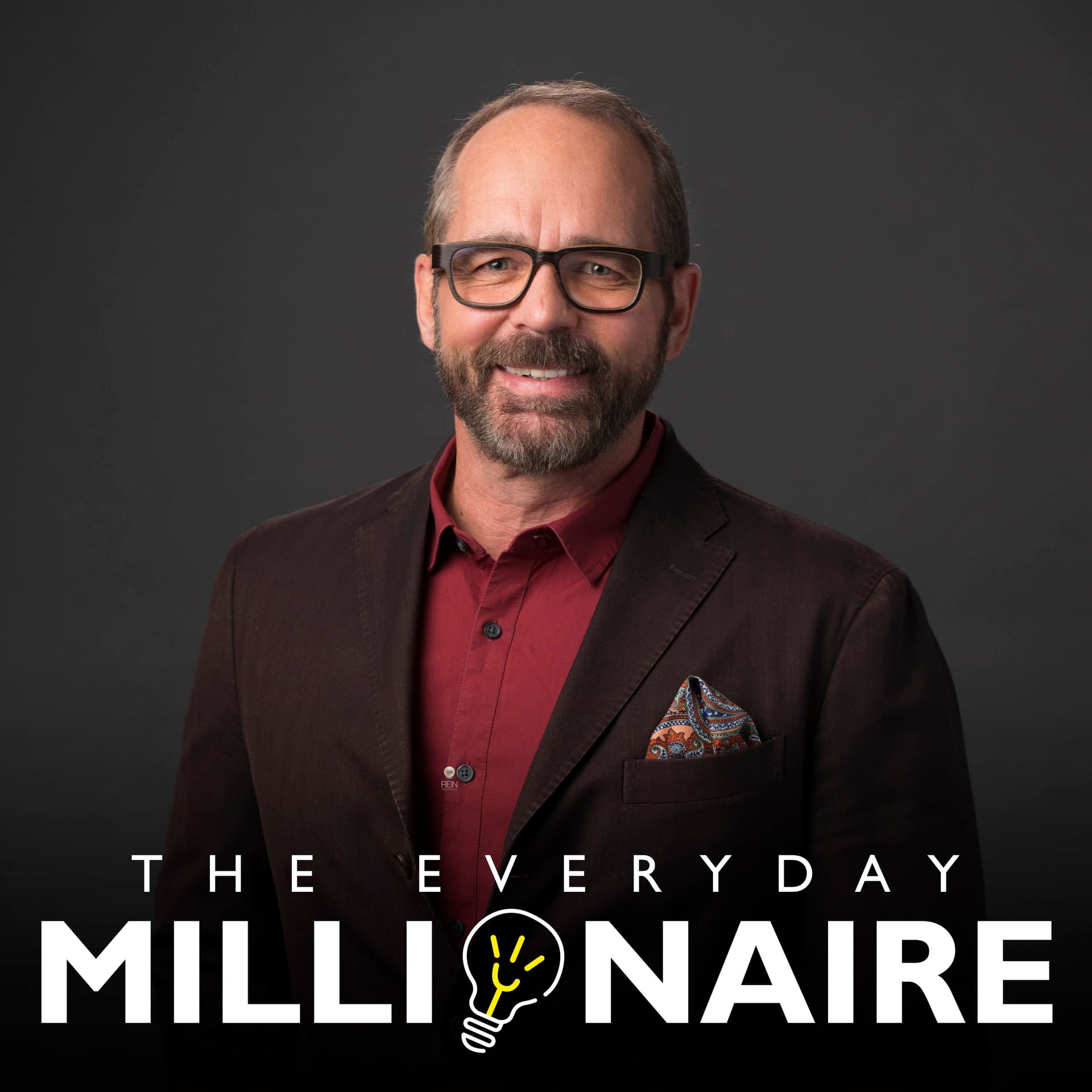
The Everyday Millionaire and Mindset Matters Podcast
TEDM – Mike "C-Roc" Ciorrocco – Faith, Service, Rocket Fuel, Unstoppable (Episode 224)
01:06:01
Loading summary
Transcript100 lines
- [00:00]
Mike C. Rock Cirocco
Foreign.
- [00:04]
Patrick Francie
Hi there and welcome to the Everyday Millionaire podcast. My name is Patrick Francie and I am your host. And I want to begin by saying thank you for listening. On this show, I am having conversations with seemingly ordinary individuals who have achieved some amazing and extraordinary results in both their life and business. My intention is to inspire and help you learn and grow by having my guests share their journey of how they face and overcome their challenges, but also how they celebrate their their many wins. And now let's get on with this show and have a conversation with today's guest. Hey there and welcome to the Everyday Millionaire podcast, where we explore what it truly means to live with intention, align your mindset with your mission, and build a life of wealth, not just in dollars, but in purpose, clarity, and impact. My guest today is a powerhouse of transformation. Mike C. Rock Cirocco is a serial entrepreneur, a bestselling author of his book Rocket Fuel, and host of the hit podcast what Are youe Made Of? He's also the creator and principle of that one agency. Now, Mike came from humble beginnings to building successful businesses and empowering leaders worldwide. And C Rock has become a guiding voice for those who are ready to stop playing small and start living all in. Now, in this conversation, we unpack a lot of things, but certainly how setbacks can become your greatest advantage, the role clarity plays in momentum and velocity, and why belief in yourself and your vision is the real game changer. This episode is a reminder that your next level doesn't come from chasing more. It comes from becoming more, being the best version of yourself without any further delays. Let's get this show started. Do we go by Mike Seock or do we go by Sea Rock? Welcome to the show.
- [02:15]
Mike C. Rock Cirocco
Thank you for having me. I appreciate you having me. Patrick. Yeah, no, my friends call me Crock, so.
- [02:20]
Patrick Francie
Yeah, your friends call you C. Rock. Well, listen, I'm going to consider you a new friend. I had the opportunity to be on your podcast, which got me hooked in having you as a guest. So you've got such a huge background. I want to dig in, unpack it, and I like to open because bios are interesting. You know, when you have careers and do things like you've done, you know, you can't capture it in a bio. So as much as your bio is kind of cool, I always like to open my show with Mike. If somebody walks up to you and says, what do you do?
- [02:54]
Mike C. Rock Cirocco
I make people go further faster.
- [02:56]
Patrick Francie
You make people go further faster?
- [02:58]
Mike C. Rock Cirocco
Yeah, I just. That's it. I. I make people go further faster.
- [03:02]
Patrick Francie
Listen, You're a savvy entrepreneur. You've been entrepreneurial for many, many, many years. So give me a little bit of insights into, you know, how do you help people go further, faster?
- [03:12]
Mike C. Rock Cirocco
Yeah, so my, my whole thing is I, I'm. I have a superpower of intentional connections. I can listen to somebody for 10, 15 minutes and hear about what they're working on, what they're doing. Goal is where they're going, their challenges, and then I can immediately think of somebody to connect them with that will be open to meeting them and open to serving them. And so I don't have to know everything. I don't have to be the expert in a whole bunch of different things. I just need to know the right people. And if you remember the book and Think and Grow Rich, Henry Ford talked about this. He didn't need to know everything. He just needed to have the right people on his team. Well, I, I. My team is my network. And I honestly say this humbly. I gotta be one of the most connected people on the planet, and I'm thankful for that.
- [03:56]
Patrick Francie
Yeah. So you would be called a super connector, I guess, is a phrase that I've been kind of turned onto in some of the work that I've been doing. But when you look at your connections, do you intentionally go out and go, I want to meet somebody, or is it by your nature that you just are so curious and interested in other people that you create that network?
- [04:17]
Mike C. Rock Cirocco
Well, it's a combination of both, for sure. You know, I. I'm hyper, intentional, but I also am naturally extroverted. I. I remember when I was a kid, my grandmother used to get so mad at my grandfather, because when we go to the restaurants, he'd be talking to everybody two tables down, three tables down, everybody knew him, and he would get up and go talk to somebody right in the middle of the dinner and leave us at the table. And I have that in me. So, you know, and everywhere I go, I know somebody, you know, it's just. And if I don't, I'll make friends pretty quick.
- [04:46]
Patrick Francie
So that's an interesting quality. You know, I'm considered an introvert or an extrovert, and, you know, a combination of those. I can't remember the term. But anyways, my point is, is that in order to do what you just described, you know, going, you're at a restaurant and talking to people three tables down, I can do that, but it is really, I have to generate it. It's not something that I would do naturally. And so is that Kind of a natural characteristic that you have.
- [05:12]
Mike C. Rock Cirocco
Oh yeah, for sure. I mean it comes to my mind and I act on it. I don't, I don't usually wait and think about, well, should I go talk to so and so. If it comes to my mind, I assume. Here's the thing, I, I assume once I've been, you know, really clear minded and understand that, you know, where my focus is, what my intentions are, what my values are, if something comes to me, I believe it's coming from God and I'm, I'm in great alignment with God right now and I just, I just act on it.
- [05:40]
Patrick Francie
So you say you're connected or kind of God right now. What was it? What wasn't always that way. Did you, what, what brought you to God?
- [05:50]
Mike C. Rock Cirocco
Yeah, I've always believed in God. My mom introduced me to Jesus when I was about 5 and I accepted Jesus into my heart. But there's, it's a journey when you do that. I didn't really understand everything. I didn't have enough knowledge to understand everything at the time. Right. So you go on this journey and then you go out and sow your wild oats, so to speak, and do different things, you think. And most of it's self centered, it's all ego driven. Maybe self survival mechanisms kick in, what have you and you don't realize that you're doing it. But When I hit 40, I started to realize, wait a minute, there's, there's more to this, you know, and I'm not going as far as I think I should go with fulfillment. I had to add fulfillment in there because I've made millions and not been fulfilled. And I just started to do some self work and start really diving into my relationship with Jesus and conversing and communicating and praying and, and then starting being intentional with what I asked for. But in this, in the, in the, with the goal being to glorify God, not me, you know, I, I just, I just want to be a vessel for, for work to be done. Because you know what, I was thinking about this the other day. A friend of ours just passed away of cancer. And you know, it's a week gone by now and I'm sure his family still remembers him and the thought of him will pop up in our heads once in a while here or there. But at the end of the day, he's gone now and the only thing that's really left behind is what he did on this planet, the impact that he made. So I thought about it and I was like, you Know what? We're not that important. Us human beings are not that important. However, the work that we put in and what we leave behind is so that focus should be there. Not me. What about me? What about me? Does anybody know me and do they like me and all these things?
- [07:33]
Patrick Francie
So there's an interesting. I did an exercise years ago. I worked with a guy by the name of Dr. John Demartini. And along the work that he did, it's interesting that you bring that up is legacy. And we were there seven days and it was really, really great. We covered all seven areas of life. It was fantastic, really cool. But one of the things that we operated around, or on top of, if you will, is he asked the question, he said, what is your legacy? And answer the question, what do you want people to be saying about you in a hundred years from now, in 500 years from now? So it was really interesting. You know, when you think about the impact on the world and you think about those individuals that we may talk about today, history, the. The question we ask ourselves is, what do you want people to be saying to you about you in a hundred years from now? And I went, wow, that really expands, you know, how we operate and how we think. So, you know, when you said that, I went, oh, okay, so that clicked for you. And then the other thing that I want to point out or you know, shine a light on, talk to you about Mike, is, is when you said, you know, I made millions but I wasn't fulfilled. So you got really clear that money isn't the answer.
- [08:43]
Mike C. Rock Cirocco
Well, let me touch on the first one first. I do take a little bit of issue with that because it's not about what for me anyway. It's not. And I don't tell anybody else how to live. I always talk through my experience. It's not about what I want people to say about me when I'm gone. For me, and my focus is I want the attention and focus to be on God. So anything that I've accomplished impacted someone. Somebody could say, thank you, but I just say, my pleasure. And I give glory to God because I want them to know God and I want them to have this relationship I have. Because there's nothing like it. I just, I've been through it all. I've been through with it, with it without it, deep into it, half assing it. At the end of the day, it's not what I want people to say about me. The end of the day, I want, I want, I want, I want that glory to be there that's, that's the way I look at it.
- [09:28]
Patrick Francie
Well, I think that, you know, that's. I understand what you're saying, and maybe I phrased it wrong. So when I think about what do they want, what do you want people to be saying about you? I think it's more based on what is the impact that you want to have on the world. So in other words, you know, your impact on the world, the legacy that you would live or leave is that, you know, the difference you made in the world, driven by your belief in God, in a higher power, whatever you want to put it was, it was driven by that. So the impact that you had on the world, where it came from, where it stemmed from, you know, the kind of, the core of what drives you is that is the impact. So what they, you know, how they would, how somebody would Express that in 100 years from now, and they're talking about, you know, C Rock, and they're going, you know, the cool thing about C Rock is all of the differences he made in the world. He gave it over to God. Like, he really shone a light on the impact of God in his life. And so that's kind of maybe how I would.
- [10:29]
Mike C. Rock Cirocco
Yeah. Or. Or the work has been done through C Rock. Or so. And so.
- [10:33]
Patrick Francie
So that's kind of cool. So tell me, let's get back a little bit, you know, before we get too into that part of your life, because I really want to hear about it. What do you do today? Because, you know, since we've had the conversation, you added me to your WhatsApp group, and I'm kind of following along, trying to try to see all the players in there. And it's really kind of cool that you are that super connector. You're saying, hey, come get into our WhatsApp group. It's a real cool group of people. So what. What do you do? Like, what is. What are you all about?
- [11:01]
Mike C. Rock Cirocco
Well, so that, that WhatsApp group that I created, it was only about four months ago, actually. It wasn't that long ago.
- [11:07]
Patrick Francie
Crazy.
- [11:07]
Mike C. Rock Cirocco
But it's been years and years of building relationships right before I decided to do that. But we created this, this environment for people to thrive, go further, faster, have resources, be a resource, and eliminate the excuse of not knowing who, what, or how and if we could do that. And, and, you know, so I, I invite the right people. It's highly curated. I don't charge for it. But then also thinking about the connecting thing, I had to figure out a way to commercialize it and What I was doing at the time was going on podcasts as a guest, like seven to ten a week. Okay, seven to ten a week. Five years straight. I did over 1200 podcasts as a guest. And in doing that, my network expanded drastically. So with that being the case, I said, well, I could commercialize this by connecting this. This is a valuable asset to have this network. I could commercialize it by, you know, helping people get connected to these folks that they don't know and get warm introductions and get them booked on Top Podcast. Because everybody that's in this game knows that podcasting is the thing now. But they don't know how to get on it. They don't know enough people. They don't know the system. And so I just wanted to allow them to leverage my network, my systems, my process, my expertise and know. So what I do now, we created that one, the brand that one. And that one is. Has an agency, and we work with some of the top people on the planet, getting them booked on the top podcasts out there.
- [12:24]
Patrick Francie
I know I'm getting engaged. I want to. I talked to your partner, and I'm looking forward to working with you guys in the near future. So when you talk about, you know, there's a, you know, the meme, I guess, or whatever the phrase is, the quote, that your net worth is a reflection of your network. Do you kind of have that same thought process? Is that what it kind of represents to you as well? How would you expand on that? Or. Or not?
- [12:49]
Mike C. Rock Cirocco
Yeah, the way I expand on it is this. Okay, I. I eventually created an amazing network, and I was thinking to myself one day, how do I leverage this network? How do I. I've heard this term, or, you know, this phrase, your network is your net worth. Your network is your net worth. And I'm like. I feel like I'm underutilizing this. I have people that. Presidents, news personalities, celebrities, top business people, billionaires, like, in this network. And then, not to mention people that haven't achieved that level of success necessarily, but great human beings. But I couldn't figure out. I felt like I was underutilizing it. And then in prayer one day, it came to me, and God doesn't speak audibly to me. He just gives me thoughts. But he does. It comes through, like, the way I talk a lot of times. He's a dude. I didn't give you this network for you. This network that's been created is for other people. You're supposed to be the catalyst for it. Oh, my gosh. That makes sense. So the network is your net worth. Your network is me. What you can provide worth to other people, value to other people. How can it provides a way to serve other people? And that is the most fulfilling thing for me, you know, and money follows that, by the way. Money is important. Don't get me wrong. You know, this money's important. You need money to survive on this planet. And the more money you have, the more higher likelihood you have of survival. You can be healthier, you can have a safer place to. To live in, take care of your family, your kids, better. Better schooling, better education. I mean, it goes on and on and on. However, how you get that money is a whole different ball game. And how you feel about the money you've gotten, there's a whole different ballgame. So for me, I want to be fulfilled in doing what I'm doing and let the money be a byproduct, and it definitely is.
- [14:27]
Patrick Francie
So that wasn't always that way for you. You had a background in real estate, you know, both as a realtor and as a mortgage broker, as I recall. What was the switch for you? Like, where did that kind of shift in view of the world? When did it happen? And was there something. Was there a catalyst behind that shift?
- [14:45]
Mike C. Rock Cirocco
Well, growing up, I was running a lot of brokenness, okay? A lot of anxiety, depression, drug addiction, alcoholism, abuse, divorce, suicide. As a kid, I witnessed all this stuff. Watching it, watching the people go through these. These different phases of this. And I thought to myself, wait a minute. They're telling themselves a story of why they're like this. Like, I'd have relatives tell me I'm an alcoholic because my parents, you know, da, da da, da, da. I'm depressed because my parents were alcoholics. They got divorced. They were telling me this story, and then they were living out the story, and it was just causing. Creating their future right in front of them. And I'm like, can't you see I'm a young kid at this time? I'm like, can't you see you're. You're doing this? And they would get so mad at me because I would call them out. Then I. As I got older, I kept being in these environments of brokenness and in the mortgage and real estate world, it can be a very toxic environment. A lot of me, me, me, people, which is the world, you know? And I just. I was making money, and I just felt like this is what I had to do. Which led to a trapped feeling, Okay, I had a lifestyle I was living, which is not very grandiose or anything, but it was nice. I'd come home miserable, despite having a marriage of 22 years. It was great. Beautiful kids, healthy kids. And I was conflicted. And I was like, there's got to be something else. There's something wrong here. I'm doing everything I thought I was supposed to be doing, but yet I go to work and I don't hate it. I hate the people. Like, not all of them, but, like, most of the people I'm around. It's like all transactional, and if you don't do something for me, I'm. I'm going to screw you over. It was just like this whole wild world. I didn't like it, but I felt trapped. And When I hit 40, I started thinking to myself, there's got to be something more to this. I can't live the rest of my life like this. But I was scared because this is the only way I'd made this kind of money before. I had branches from Philadelphia to Miami, hundreds of employees, and, you know, we're doing anywhere between 5 to 7 billion in lending a month. I mean, I'm sorry, a year. A year. You know? And I just eventually said, you know what? I've had enough. Now, I will be honest here and say that I didn't confront it as fast as I should have. I did wait for. For a period of time where the rates went back up again in the last couple years. Last few years. And then that was the sign that, okay, now's the time. Because sometimes. Sometimes God puts things in front of you and he gives you little nudges. If you don't listen, the nudge gets.
- [17:02]
Patrick Francie
But they just turn up the volume.
- [17:04]
Mike C. Rock Cirocco
Yeah. More force behind it until you get pushed really hard and you're like, whoa, wait a minute. What was that for? I've been trying to get your attention. You didn't listen. Are you going to listen now or do I need to go further? And so that happened. And I was just like, well, you know what? Time to make a move. And I started doing some self work. I leaned into mentorship. I leaned into absorbing, like, just totally immersing myself into certain people's content, meeting them in person, become friends with them, and picking out what I liked and what I didn't like about those people. Because just because you have a mentor doesn't mean you have to mirror them. You know, you have an opportunity to take all their weaknesses and all their flaws and their mistakes and then take their good stuff and really become the culmination of what you want out of that, those ingredients. And so that's what I did. And I'd spent years doing that. And then I started podcasting because Grant Cardone told me one time, he said, dude, you got to get on globally. And I said, I don't know how to do that. He said, you got to commit first, and how would then appear, because if you knew the how before you committed, you wouldn't do the stuff it takes. And so when I heard him say that, I'm like, okay, I'm in. I'm all in. What do I got to do? He's like, go get on podcasts. And I listen. I'm very coachable, and I take things to the extreme, and that's how I started doing seven to 10 a week.
- [18:18]
Patrick Francie
So I want to go back a little bit. I mean, the whole context for my podcast, the Everyday Millionaire, is seemingly ordinary individuals achieving extraordinary results. In other words, you know, when I have listeners listening to yourself, somebody like yourself, you know, I want them to say, gosh, you know, C Rock can do it. I can do it. And I want to go back a little bit to something you said, which is always interesting, is that you come from a background of, you know, you weren't. You know, you're not from the lucky sperm club. You weren't born on the right side of the tracks. You had all these things going against you. Tell me a little bit about what set you apart, because you, as you shared and as we've all experienced, or many have experienced, if you're paying attention, is that person who's the. You know, they become the victim of the father or the mother or whatever scenario that they have, and then they go through their whole life with that story that I can't be more than I am because of, you know, they're. They're the victim of their upbringing, their childhood. You had all those excuses legitimately. Why did you go the opposite direction? Now, I say that because I have often have guests that are that way. They're going, that's not my excuse. And they go on to do amazing things. But what was it for you? Did you come out of the chute that way? Did you have a. A family member that said, dude, you know, don't go this direction. You got to clean it up. What. What's a little bit of that background as a kid growing up?
- [19:41]
Mike C. Rock Cirocco
Well, I think there's dichotomies. So you can use the excuse for why you're failing and why you're an alcoholic and why you're a drug addict or why you're just a bum or not achieving to your potential, or you can use it for rocket fuel. And so I. I created this little law. I wrote a book called Rocket Fuel Convert. Setbacks become Unstoppable. And in that journey, I got Grant to write the forward for the book, too, because he. He aligned with that message of, you have two choices. You can put things in your trunk or your tank. And I was thinking to myself one day, I went through a lot in my life, of course, and looking back on it, I said, why? Why did I always excel out of adversity? This is part of the assessment I was doing. Like, why did I succeed out of these things? Why did I continue to grow and uplevel? And I said, you know what? It was because I was taking things that came my way, and instead of putting in my trunk where it would weigh me down and slow me down, I was constantly stuffing my tank, my fuel tank, and converting that stuff into fuel, rocket fuel essay to become unstoppable. And so that's a philosophy I've used now. It all stemmed from my dad. When I was. I was living with my dad for, I don't know, from 8 to 11. And I left my mom's house. She was single, she was going on to another marriage. And I decided I didn't want to live with another man and get to learn another man's rules. And so I decided to go to my dad's house and move in. And during that time, there was a, you know, some abuse going on, a lot of conflict, a lot of problems. I'll leave it at that. But eventually I told my mom what was going on when I was about 10 years old. And she said, you don't need to live in that environment. Are you kidding me? I felt trapped again. Right? Here comes that trapped feeling again. And she filed court papers to get me out. And I waited for these court papers to be delivered to my dad's house. Come home from school, waiting, just waiting for the bomb to drop. So I didn't tell him, and eventually he got served. And I came home from school one day, and he said, hey, man, what's this paper here? Says you want to move back with your mom. What's going on? I thought you. You're happy here. You got everything you need here. My dad was a Mason. He was a very hard worker, had his own business, did very well. We would go on trips and go out to eat the nicest restaurants and all this stuff. And. But. But I. I Said, yeah, I made my mind up, I want to move back. He goes, he's tried to get in a discussion with me, I just wasn't having it. I said, I have made my mind up here. I'm, I'm a 10 year old little Mikey at the time, sitting on my bed because he told me to go to my room. And he says now, by the way, my dad was my hero, okay? He, he's an Italian guy. He carried a lot of hundred dollar bills in his pocket all the time. You know, people know Italians, we don't carry wallets, we carry lots of money. And he used to flash hundred dollar bills to us all the time as kids. And when he confronted me and I didn't want to talk about it anymore, he said, okay, you want to move back with your mom? She's in it, you know, has men coming in and out of the house. She doesn't have any money, paycheck to paycheck in debt. You want to go to that here? And he took his Wadd 100 bills out and peeled one off, crumpled it up and he threw it at me. He said, here, you're going to need this then when you're living on the streets with your mother. One day Turner walked out and I sat there as a kid, I said, oh my gosh, what did I just do? I felt like I dropped a bomb that I couldn't get out of. It was just a mess. Then that thought came to me very quickly. It was like, you know what? I'm not going to need that money. I'll show him. And I don't know where that came from. Maybe it's just a stubbornness that I have, but I just knew, you know what? I'll show you. And for 30 some years, Patrick, I've lived off of that little concept, that little moment that when things went bad, I started to get excited because I knew I just got to keep going. Nothing can stop me until I'm plucked from this planet. So if that's the case, I just need to keep going. And if I keep going, I can use everything that I've ever achieved, ever experienced, ever failed at as fuel, motivation, encouragement, skill, knowledge to take further and, and, and you know, up level from there.
- [23:28]
Patrick Francie
What's your relationship with your dad today?
- [23:31]
Mike C. Rock Cirocco
There is none and it's not by my choosing. So there's another party involved. And they chose to make sure that they have a life with my dad and their kids that doesn't involve me.
- [23:42]
Patrick Francie
Interesting. So when you look at Mike, when you look at the kind of the journey that you were on. And we spoke of God earlier. And when you think about, you know, God sends messages and don't worry if you don't hear it, you know, turn up the volume. But when you reflect on that part of your life, do you see where that was or do you. I don't know if you see it or if you kind of give credence to the thought process that God put you through. The process, you know, that was what got you where you are today, was the adversity that you faced, the weight that you carried and that you had to lift as a young man and which made you stronger, which developed a thought process and a way of being that actually set you up for where you are today. Do you. Do you see it that way, or is I putting words in your mouth?
- [24:34]
Mike C. Rock Cirocco
Well, yeah, here's the way I look at it. You can look back and create it the way ever, however you want. So not just your future, but you can go back and change your past by the way you perceive it. And so for me, I know that I was born here with a shining light that needs to be shined. I don't. I don't. Nobody's going to stop it. Okay? That's just my decision. I made a belief. I have. And I think that when we're younger and we're around troubled environments, that there's going to be times where you're not ready to shine the light, number one. So you could be intentionally dimmed at that time to a certain degree so that you're not attacked, so to speak, when you're not prepared and you don't have the armor yet. So I understand that. And I understand also that there's times where you need to be out of an environment first before you can shine. But also the building up of that armor is important. So as you go through these things, you got to be forged. And so, yeah, I look at it that way 100%. But I will tell you that I have this thing inside of me. I don't know why it's with me, but I know where it comes from, that I'm just designed to shine and help people.
- [25:41]
Patrick Francie
On your journey to where you are today, you have this view of yourself that you are the light. So you have purpose, you have mission, or whatever terminology you would use. And you didn't start there. You kind of had that revelation, and then you had to lean into it. You had to actually kind of own that part of yourself. And you mentioned earlier that mentorship or Coaching. Who are some of the guides that you tapped into that kind of supported you in that? Because I'm sure. Or did you ever question it? Did you go, no, this is it, this is what I got to do. You know, this is where the revelation I've had, the realization I had and this is how I'm moving forward. How was it for you along the way? I mean, we're always working on ourselves and I'm sure you're that way. You're always being aware. But what kind of along the journey to get you to where you are today, did you always have that level of confidence or how did you kind of get there?
- [26:39]
Mike C. Rock Cirocco
Well, I've always had confidence and I remember in elementary school and into high school, I'd have the other kids around me saying, dude, you're just so cocky. And they try to knock me down a wrong or try to try to pick a fight with me, whatever, just because I, I had this level of, of, of knowing, like this just confidence. And I, so I had constantly fight my way out of those things and then I'd have people try to invalidate me and, and not just in school, but like even family members, stepparents, you know, but, but I just had to keep fighting through and not that knowing never left me. However, I would say obviously there's been ups and downs with it and I had to have people come back in and, and remind me who I am and what they see in me and the belief that they had in me.
- [27:24]
Patrick Francie
So you've come to a place where at some level along the way, even as a young man, by the sounds of it, you, it's not that you didn't care what people thought about you. You couldn't care what people thought about you. And so I think the reason I bring that up is that I often see in my own coaching with people, what gets in their way is their fear of what people will think about them or say about them. So they want to be liked or they don't want to ruffle feathers. Where are you in that kind of sphere of thought process, if you will?
- [28:00]
Mike C. Rock Cirocco
Well, so I've come to the conclusion that I'm not here to please anyone. I, I, I serve a God and that's who I'm here to please. And, and so I focus on that. And then the people that have issues anyway in life, they just have issues with themselves. It's, it's their, it's a them thing, it's not me thing. You know. Now of course I, if I'm making Mistakes or I'm not sharp on some things and I need to work on some things, of course I'll focus on those things and I'll. Somebody points something out to me that it makes sense to me, I'll work on it. However, when I'm going forward and I'm very clear and aligned with my mission and values, my non negotiables and I'm going forward, if I upset someone, offend someone, I don't want to, I don't want to make people feel bad. But sometimes people have to look inside and handle their own things first before they worry about anybody else.
- [28:47]
Patrick Francie
Well, you said something just now that you know, a lot of, I find that a lot of people don't really get is values. So when you talk about values, you know, I'm, I'm driven and understanding and as I've aged and go through I, I've noticed my values have kind of shifted. My core values of who I am and kind of how I operate. I'm very aware of them and I'm pretty aligned with my values. Like I'm always checking in and saying am I being true to who I am? Is this along the lines of my core values? When you talk about values, what does that mean for you? Because there's often slightly different variations of what values are. So what are some of your core values for example, Mike?
- [29:32]
Mike C. Rock Cirocco
Well, what it means to me, first of all, it gives me a filter. See, there's a lot of chaos and confusion in this world. And the way through chaos and confusion is clarity. And you can't be successful and achieve anything with chaos and confusion. So for me, clarity is important. Clarity on what? Well, what do I stand for? What are my insecurities, weaknesses and strengths? What do I, my non negotiables? And what it does for me is it gives me binary decisions. Binary decisions clear up chaos and confusion. It's either going towards my mission or away. It's going towards who I am or away. Building or destroying binary decisions help everything. So my values allow me to have binary decisions. So I've got an acronym that we, I have always used for my core values is vitals. V is vibes Matter and emotions are contagious. Understanding that, you know, when I walk into a room, I'm contagious. How I walk into that room can affect other people. And understanding that if I'm around the wrong people, they could affect me too. The I is imagine no lids, endless potential. The t is take 100 responsibility. The A is all setbacks of rocket fuel The L is leadership starts with me and the S is service, serve. And so I just, I use those, I don't know, what is that, six letters, something like that. Six letters, I use those and that acronym helps me remember it. But if people don't align with those, I don't hang around much.
- [30:58]
Patrick Francie
Well, you probably wouldn't attract a lot of people if you show up that way. If they don't align. That's the thing about owning your values and being true to your values is that is, they don't, you're, you're not going to align with people necessarily, but then you attract those people that you do align with. And that's the magic of understanding your core values, is that once you have those core values and you live into those values, some people are going to align and go, that's a cool cat. You know, sea rock has got it going on. And I really agree with them. And then you're going to probably have others that go, yeah, not my cup of tea, right? Like I, I'm not into that space and I don't align. So that's the kind of the power of being true to yourself. And of course in the journey of self discovery is even understanding who you really are, given all of the things that are coming at us. We have, you know, many have a tendency to kind of adapt to the circumstances, which is fine. But if you're out of integrity with your values, there's where some problems kind of show up, where relationships show up. We were talking about a mutual acquaintance before we got on. And you know, as long as I know that particular individual was great and really nice guy, but we just butted heads in terms of values, our core values. And I couldn't, I just couldn't stay in the relationship, at least in that way. And so that's what took me apart. And I've learned over the years, you know, at this point in my life at 67, I wish I would have known a lot of this at 47. You know, what I'm saying is that you go down these paths because you see a shiny thing over there, you see a possibility, but you then compromise some values occasionally. And that's been my experience. You seem to have gotten that pretty early on. Was there a time in your life, well, for example, maybe when you were back in the days of being in the real estate world, you were really out of alignment with your truest self. Would that be a fair statement? And it got to be ugly. You're making money. It was like, I hate shit.
- [32:57]
Mike C. Rock Cirocco
Oh, I had to compromise all. Every day, you know, and I. And that doesn't feel good when you have to compromise a value or compromise a belief or.
- [33:05]
Patrick Francie
Yeah.
- [33:06]
Mike C. Rock Cirocco
You know, and putting. Put them. You know, I just got to. I just got to make money or you have to put up with an employee or partner that's, you know, not. Not aligned with you. And. And you got to compromise that just because you're like, well, if they leave, then where am I going to replace that, that revenue from?
- [33:20]
Patrick Francie
Sure. You know, compromise is an interesting word, isn't it, when you think about compromise, would that be reasonable to say that's a. That's a flag. The minute you're feeling like you have to compromise, you should step back from that and kind of question it. That's my thought.
- [33:37]
Mike C. Rock Cirocco
Yeah, 100%. If it's your values and they're not values, not your core values, if you're compromising them and you're negotiating them. So here's the thing. I always wanted to get. Once I went through this enough, had enough of those nudges. Right. I said, you know what? I don't ever want to be in a situation where I have to work with someone. I have to have somebody working for me. I have to take on somebody as a client and keep them. If they're not aligned, I want to be able to exit and change my mind at any time. I'm giving myself permission for that. I don't need a license from anyone. I'm giving myself permission to change my mind when I want to.
- [34:10]
Patrick Francie
Let me ask you this. I got two questions I want to touch on, and one of them is that you said earlier, you and I don't normally ask this question of my guests, but for some reason I want to ask you, you talked about success, and you made a comment that, you know, helping people be successful, and it gets translated into bank accounts. How much money you're making is. How do you measure success now? I mean, you've made millions. You've done it all, been there. Is money still a driving kind of value for you in terms of how you measure success or how do you measure success, given where you are and what you've achieved?
- [34:52]
Mike C. Rock Cirocco
Well, so, number one, if I'm honoring God, I. I can't stop. I'll say that over and over and over again. You might get tired of hearing it. That's tough. But I honor God, and I. And I always make sure that I'm in alignment at the beginning of the day and at the end of the day with what I've read in the Bible, from what I understand, and that money, listen, money is important. I can't stress this enough. It's important, but it can't be your God. Yeah. It can't be what you're, you know, worshiping. You know, I, I look at money as a scoreboard. Like, you know, how, how are we doing in the business? Well, you can only really measure a business that's going to last with if they're making money.
- [35:27]
Patrick Francie
Sure, of course.
- [35:28]
Mike C. Rock Cirocco
And, and you know, so that, that's an important thing. And then from there, like when I do get money, am I being a good. Stored with the money, am I giving? I believe in giving first, by the way, every time I've ending my life, if I give first, it's amazing what happens afterwards. And so am I. Being a good store with the money is imperative because if you're getting money and you're blowing it, which we've all done probably, you know, you're not making the money work for you using the money as a tool, not as a God. So I measure success by how well I'm doing those things.
- [36:01]
Patrick Francie
So I'm going to give you, I'm going to share a definition of success that a guest once gave me that I've really been kind of, I, I don't necessarily operate from this place, but what a great definition that he had, which was. And I know that you really are about intentions, setting intentions. His. He said, you know, I, I asked him, I said, how do you define success? And he says, well, if I wake up in the morning, before I get out of bed, I reflect and I ask myself, am I living the life that I dream of? Am I living the life that I've set my intentions around? And if the answer to that is yes, I consider it being successful now in that it includes money, it includes relationship, it includes all areas of his life. And I went, that's a pretty cool way to kind of define success. Are you living the life that you intended to live, that you dream of? I don't know. What's your thoughts on that process?
- [37:02]
Mike C. Rock Cirocco
Yeah, no, I love that. I mean, first you got to make sure you're living off of your intentions versus someone else's. The majority of the planet is living off of other people's intentions through the media, through social media, their surroundings, family, friends, and then they resent their life. So first of all, what. Making sure your intentions. What are your intentions? And then from there, yes, moving towards the direction of what those intentions are. Making progress every day. Listen Waking up every day is a success.
- [37:30]
Patrick Francie
If you're above the ground, that's good.
- [37:32]
Mike C. Rock Cirocco
I mean, again, I mentioned earlier, we lost a friend last week. And, you know, I just. Every day I wake up, I mean, shoot, I walk out. Walk out of my bedroom. You kidding me? I have teeth to brush. You know, some people don't have teeth. You know, there's all kinds of things that we can be. We're too many times focused on what we don't have, what we haven't achieved yet. We very, very rarely assess how far we've come. So. Yeah, I like that definition. That's not bad.
- [37:58]
Patrick Francie
Yeah. Yeah, it's not bad. Ben Hardy and Don Sullivan wrote the book. I don't know if you've read it, the Gap in the Gain.
- [38:05]
Mike C. Rock Cirocco
No, I haven't.
- [38:06]
Patrick Francie
It's a great book, by the way. Fantastic book. And what it talks about is exactly what you said. We, as entrepreneurs, as kind of a type, personalities, you know, driven, driven, driven. We're always shooting for horizon. You know, we set a goal, and the goal is 10, and we hit eight. And we're not focused on the eight we achieved. We are focused on the two we missed. And so within the gap in the gain, you know, it's a real practice of saying, yes, okay, what. What was my wins today? What were my gains? And not always focusing on the gap because we're driven to fill that gap. But ultimately we disown what we have achieved. And it's just a great way of. And a great thought process. Of course, Don Sullivan. Dan Sullivan is, you know, he's really the kind of call him the godfather or grandfather of, you know, that whole business development space. So, anyways, I recommend it. Great book. Next year's Rocket Fuel. I love that title, by the way. So, Mike, when you, you know, something you said around clarity, so I coined a phrase, my wife and I coined a phrase a couple of years ago, two or three years ago, is that clarity equals velocity. And to your point, is that when we're living in this world of confusion and clutter and mixed messages, if we buy into it, we're stalled or we're stuck or we're running through mud. And so that clarity does actual equal velocity. And a lot of your clarity comes from your, I guess, connection to God and the messages and the way of being that you've adopted. Is that a fair statement for you?
- [39:35]
Mike C. Rock Cirocco
Yeah, I definitely. And, you know, I have a prayer I say every day. It's, lord, give me the thoughts to have, the words to speak, the actions to take and the people to surround myself with to serve the mission you have for me.
- [39:44]
Patrick Francie
Can you say that? I want you to say it one more time. Slow down just a little bit because I love that. I love that. That's so great.
- [39:52]
Mike C. Rock Cirocco
Yeah. Lord, give me the thoughts to have, the words to speak, the actions to take and the people to surround myself with to serve the mission you have for me. Now, that's setting an intention. You see, I'm intending to be giving information to serve a mission that I'm put here for. And then I say and to glorify you. So there's an intention with an end goal there. So it doesn't matter if I make $5 or $5 million. The end of the day, what's the mission I'm here for? I, I asked for that information and some people, you know, you know, in, in studying quantum, you understand that all the information is here already and it's in different realms and different parallels and different dimensions. And how are you going to be open to receiving that? But, but not only just open to receiving it, but asking for this, the specific information, and that's clarity.
- [40:45]
Patrick Francie
I love that. I want to go back to another comment that you made, and I want to just investigate a little bit. I think I know the answer, but I'd like to hear it from you. You talk about your marriage to your wife at the time of 22 years, when you left the industry that you were in. How important has your significant other been in being the man that you are, the father, you are, the business guy, that you are, the friend, the son, the husband? You know, there's a, there's a phrase. An old friend of mine, very wealthy. And he used to joke, you know, because his wife and him would. She was powerful. They've been married for many years. He goes, yeah, you want to be rich? Just marry a. That was his kind of joke. And, and I disagree with that because. But she. Well, that, that was his kind of fun.
- [41:33]
Mike C. Rock Cirocco
Yeah. I'd rather live on the corner of a roof.
- [41:37]
Patrick Francie
Tongue in cheek. He said it. But the point was, yeah. Pushed him and you know, she, she called him on his shed. And, and so how, how impactful has. And I, and I know for, for me, my wife Stephanie, you know, she doesn't put up with any shit from me. Like, she, she'll push back. If I'm, if I'm out of whack, she'll let me know. And, and we do that. We have that relationship together. But how's, how important was it for you back in that time when you were going through the transition, maybe questioning what you were doing and why you were doing it or how you were going to do it, how important was it for you, that significant other?
- [42:09]
Mike C. Rock Cirocco
Yeah, well, I remember this time where I was going through it and I was letting the weight of the world. And by the way, when you're in the midst of an adversity, everything feels heavier, it's darker. There's very little, if any light at the end of the tunnel. It feels like permanent. Ah, we're not going to be able to go on those nice trips anymore ever again. We're going to have to downsize. We're going to have to get the different cars, and I'm not going to be able to go to the nice restaurants anymore. It feels so permanent the closer you are to that adversity. So I'm in that moment at that time, felt like the weight of the world on my shoulders. And I remember my wife saying, hey, we'll figure it out. And then. And that gave me almost like a permission to just go through what I was going through. And if I had to start over again, I could start over again. I thought. I was so worried about what she would think about it at that time. You know, that's one person I was a little concerned with because I live with her and I have family with her. And so I thought to myself, man, like, she's. She's given me permission to do whatever I got to do. We will figure it out. And that confidence in that faith that she demonstrated was huge, you know, and yeah, so by the way, I got to give myself some credit because I remember my grandfather telling me one time, he's like, listen, I made a mistake. You know, him and my grandmother had problems. You know, she ended up committing suicide. And she was, you know, overdose on prescription medication all the time from anxiety and depression. But I remember him telling me we were working. He was in construction. I was working with him one summer, and he was riding the truck, window was only cracked, and he was smoking a cigarette. You know, truck filled with cigarette smoke. And I'm over there trying to hold my breath. But he told me this thing one time. He said, listen, the one mistake I made was the first time I went over to your. To your grandmother's house to. To meet her parents. Her father handed me a highball and wanted me to drink with him. And I should have saw the red flag right there. Now, that stuck in my head as a teenager to when I started dating and meeting parents. Of girls I was dating and things. And, you know, like I said, I got to give myself some credit for this one, because I remembered my grandfather saying that when I met my wife's family, I paid attention to the relationship dynamic. I paid attention to how they treat each other and the kids and how the kids respected them and the friends of their family and their environment, and that was huge. And that led to having a wife that is submissive to me in great ways, but supportive of me and expects a lot from me, and I feel like her parents expect a lot from me.
- [44:46]
Patrick Francie
You know, it's such an interesting conversation. You know, I've been with my wife, Stephanie. We've been together 35 years. But back to what you just said is that somebody many years ago said, just remember, when you take a wife, you take the family. And I just remember when I first met Stephanie's mom and her aunt, I went, wow, these women are fricking amazing. So, you know, that was kind of my holy cow. You know, if. If mom and. And aunt are like this, and the quality and the relationship I saw that Stephanie had with her mom and her aunt at the time, and it was like, okay, that was like, check that box. Cool. And so I think it's actually probably a little bit of wisdom for any men that are out there still thinking about, you know, taking away. Is that when you marry the wife, you marry the family. That's kind of how that generally works. Not always, but, you know, this is so to your point, you looked at that family and went, oh, okay, I got. I got a keeper here, maybe. So I think it's a cool, cool philosophy. So when you look at what you're kind of doing on your own journey of business development, personal professional development, is that part of what you do? Is. Is that part of your study? You know, what's your kind of normal practice? Do you meditate? Do you read? Are you constantly saying, how do I be the best version of myself? Where are you in that kind of realm of thinking?
- [46:13]
Mike C. Rock Cirocco
Yeah, so I've been in times where I've been reading tons of books, watching tons of YouTube videos, going to tons of events, being mentored. And then I'll go through phases where I'll just execute. I turn to execution. There's a time where you got to stop learning and start executing. And not. I'm not saying you ever stop learning for good. I'm just talking about periods of time where you got to go, like, I've had people. You know, Grant said to me one time, I'm in Malibu last fall at his house for a party on, right on the ocean, beautiful place. And, and he came up to me, hey, man, where you been? Because he hadn't seen me around in the, in anywhere. And, and I was a fixture. I was always there. You know, I would always show up and learn as much as possible and absorb and, and I said, man, I've been executing, I gotta execute at some point, right? You know, and so I, I just believe that I'm in the moment, I'm in the, the time of execution right now, you know, when you're starting something new. I'm only five years into this new thing and I, I, I'm all in on it. So I'm focused on executing not only the business, but also building this amazing network and figuring out ways that I can serve people so that they just know that I'm, I'm the real deal. You know, I got to tell you, I was on a call with a guy, I think we had a, did we originally meet on a podcast or did we do a little 15 minute.
- [47:29]
Patrick Francie
You know, something that's interesting. We met on your podcast. I don't podcast. I don't know how I got invited to your show.
- [47:35]
Mike C. Rock Cirocco
I'm very, team is very good at reaching out to people that I would want to hang out with. So let's just say that. But I do these things. Patrick called 15 minis and a 15 mini is a 15 minute networking call. Okay. Okay. I do five to eight of these a day.
- [47:49]
Patrick Francie
Wow.
- [47:49]
Mike C. Rock Cirocco
Monday through Thursday, I've done thousands of them. But these are designed to people that I would want to hang out with. Just Speed Network. And it's looking designed for ways for me to serve people. So it's not a sales call or anything. It's a call where I, I get on the call with people and I find out what they're working on right now that has them excited. I find out what their vision is, where are they going, what their challenges are. I'll share the same if they're interested. And then we just explore synergy from there. Now, I just had a call today before this podcast, and the guy's like, listen, this is crazy. You can't be telling me you're not trying to. There's gotta be a pitch here somewhere. And I said, listen, I told you, I told the guy when I first got on the call, I'm different. I do things. Nobody does what I do. There's nobody out on the planet willing to do what I'm doing and not trying to sell something to someone right away or, or I want to serve people. So if that is getting on the call and giving somebody some advice of things that I've had work for me, connecting them to someone that can help them, maybe just encouragement, maybe it's just that they get to know me and then they get to know, get into my, my, my network environment. That's all I wanted to do. And it ends up being that my business thrives because of it, because I'll, I'll have people, when I tell them what I do on that call, they're like, well, what's the deal? Like, how do I get. Well, this isn't a sales call. I've kind of pulled a takeaway on them. This isn't a sales call. I didn't really intend to get into that information on this call. And, and they said, no, no, it's okay, it's okay. Please fill me in. And I don't intend for that. It just, if it happens, I'm going to tell them, and then I, I tell them about what we do. And you'd be surprised how many people end up working with us. And it's not even the intention of the call, but it's because I come from a place of service and I want to spend and invest time to do these calls because I know that what comes from it, and it's not all about me. It's about what can happen for me, connecting that person into this, just plugging them into my WhatsApp group or what have you.
- [49:38]
Patrick Francie
So I want to unpack that a little bit with you. Is. So the question I would have in that. So do you have a vision that you're working backwards from with this particular business? And you say, okay, well, I want to have, you know, a thousand or five thousand or whatever the number is, clients, or I want to make X amount of dollars. Or do you just go, no, My vision is to live my life being of service, being a contribution of networking, and whatever comes out of that comes out of that. Like, is there some version of those two scenarios or how is it for you, Mike?
- [50:10]
Mike C. Rock Cirocco
Well, my view on it is, is if I feel like if I set a number goal on my business, a revenue number, I have an idea, but it's not set in stone because I don't want to limit what we're capable of. And so the other thing is that the agency of getting people booked on podcasts is one thing, but I'm staying very open to how this company can evolve into something else. I think Amazon started just with books, right? And now look at it now. And matter of fact, Amazon makes a lot of money from storage. When I say storage, I'm talking about data storage.
- [50:43]
Patrick Francie
Data storage, yeah.
- [50:44]
Mike C. Rock Cirocco
Cloud storage. Right. I don't know where this is going to go. I'm just being open to where it can go. But I want to create an amazing foundation of people network to provide a place for me to just serve. And then, and then what happens is opportunities pop up, people pop up. People like, love the community. They're like, hey, how can I introduce more people to this? I say, introduce me through text, I'll take it from there. And so I don't know what's going to come from this. I just know that I'm open to things that can come that align with what I'm trying to do with the service. And yeah, and here, here's the other thing that just came up recently. People, you know, you, if you listen to the people in your network, they'll guide you because God speaks through people too. And then I've had people come to me like, hey, how can we do meetups and get, get, go deeper with you and, and get people together more and just outside of this WhatsApp group, because the WhatsApp group's great, but what can we do beyond that? So what do we do? We created that one quantum expansion, which is the next level of, to the WhatsApp group where people can invest to be a part of it. I'm going to invest in it myself and we're going to give 10% right off the top to, to a charity to fight sex trafficking. And then we're going to do four meetups a year. We're going to do experiential meetups together, challenging each other and breaking ceilings and then getting, just building bonds. So that came off of, for example, I had no idea about that, but it came off of people saying, hey, how do we do this? And I just started thinking and I put a board together and we had a board meeting call from the group, people that volunteered. It was 20 people. And from their feedback and information that I took from them, I just came up with this thing we're going to be launching this week or next.
- [52:25]
Patrick Francie
And sorry, what was it called? Quantum.
- [52:27]
Mike C. Rock Cirocco
That one. Quantum expansion.
- [52:28]
Patrick Francie
Quantum expansion. So are you literally diving into consciousness and quantum. Some version of quantum physics and, and energy? What? Give me a little bit more.
- [52:38]
Mike C. Rock Cirocco
Yeah, so. Yeah, yeah, yeah. So the guy that's running it with me leading the way is Jerry Malcolm. He's got a A high understanding of neuroscience, Quantum quantum biology. I have a high understanding of quantum physics, quantum resonance. But, but it's not about us sitting there teaching people. And it's not a, like a thing where we just lead it and we teach all the time. That's not the point of it. The point is to bring people together and then all of us coming from different strengths and weaknesses, sharing and inputting to this group to provide quantum expansion.
- [53:10]
Patrick Francie
I love that. I love that. So when you consider that particular group, and I want to go back to thinking about that, quantum is kind of the science of things. God isn't the science of things. I don't know if I'm saying that right. What I'm trying to get to is that quantum is very quantifiable. You know, you can, you know, quantify and qualify. God is less of that in that thought process. Can you give me some, some kind of expand on that thought process? Or maybe it's, it's a dead end conversation. But I'm thinking about the two and then they're, they're the same, but they're not.
- [53:49]
Mike C. Rock Cirocco
No. So, so everybody thinks that there's got to be two buckets where it comes to spirituality, God and science. And it's not the case. God is everything. They're not two buckets. God is everything. God created everything. And just because us humans haven't figured everything out yet, we use science to try to quantify things or try to explain things. But when I talk about quantum expansion, I talk about it. You know, what I want to do is I want to make it inclusive to people that aren't necessarily Christians. I want to hang out with people that aren't necessarily believers in God. Maybe my experience and just being, sharing what happened to me can impact them in some way. And maybe they'll, they'll become believers one day. I don't know. That's not my job to convert them. My job is to share what works for me and just be a living demonstration. But the quantum idea is that we can go towards something, chip away at it, and I could call it a miracle expansion, but again, I want to be inclusive here. And so quantum means that it's a quantum leap, a quantum expansion. Something that happens like all of a sudden, which most people don't think is possible except winning the lottery or something. But there are times in my life where I've gone towards a goal, I've chipped away at it, which is great, and I made progress. But then all of a sudden I took a boom, big leap and then there's no explanation for it. I believe that if you get the right people together, things like that happen more often.
- [55:14]
Patrick Francie
Yeah, I totally agree. I totally see that. You know, I'm personally, you know, I believe in God. Like there to me, I don't take it from, in a religious context, but what I do believe is God. I believe in universal power. I believe in consciousness. I just don't have the same religious connotation around it. You know, for what it's worth, I mean, not that my view of the world matters, but that's just kind of where I'm at with it. But to think that there isn't something bigger than us would be.
- [55:46]
Mike C. Rock Cirocco
Let me speak to that for a second. So for me there's, I don't, I'm not into man made things. Man made religions, man made dogmas. I'm not into that. This is all about relationship to me. Okay. I just have a relationship with, with God, relationship with Jesus, who's the son. I've done, you know, I've had too much experience. I've, I've studied the Bible, I've seen. I've had too much experience not to believe. It's harder for me to, to not believe in Jesus and have a relationship with him than it is not to. Yeah, it's just, that's the way it is. But it's a, it's just simply relationship and no more. There's no, I don't add things to it.
- [56:18]
Patrick Francie
Right. Was there a moment for you? Was it, you know, you're given your background as a young man growing up, what Was there a moment that you, I think you use the term Jesus into your heart. Was there a moment in time where that happened? Was there a, an event, something happened to you?
- [56:38]
Mike C. Rock Cirocco
Well, yeah. When I was five, my mom introduced me and she said all you got to do is ask Jesus into your heart and ask for forgiveness for your sins. And I was like, wow, okay. And I'm five years old at the time, from what I knew. Right. But I didn't know what it was going to entail and what was required as far as the journey that it was going to be on to develop that relationship. I didn't even really understand that it was about relationship. But then as I got older, I just started having experiences and I started to realize that I had more trouble and more tough times when I wasn't in good relationship and communication with, with God. And so if you want to talk about science, you look at an equation on this side of the equation over Here, this formula here doesn't lead to good things, and this formula does. I just followed the one that works. It's that simple. So, you know, and. And I just. I just have. Like I said, I have this, this faith and this truth that's come to me that when you know something, you know something.
- [57:28]
Patrick Francie
So what's your. You know, as we kind of. I know we're. We're a little pushed for time, and that's fine, and that's great. And I appreciate you being on the show and joining me. I love this conversation. The question I would have like. So as. As you go through your day is part of your practice. You know, some people meditate. I've always looked and said, well, prayer and meditation to me are. Are interchangeable. Some don't think of that way. But that's for me, you know, I do meditation, but I also do prayer. Different ways of kind of tapping into, you know, that higher power, that consciousness. What is it for you? Do you. What is your normal practice in a given day or when you're bumping up against something or when things are going well? Are you kind of always in a. In prayer mode at some level or. What is it for you, Mike?
- [58:15]
Mike C. Rock Cirocco
Yeah, I just believe that I'm never alone. Number one, I have trouble. I've meditated before, and I have trouble sitting still to meditate. And so times I'll go through that. It's just the phase. Phases for me. I go in and out of it. Yeah. But at the end of the day, I'm. I'm more focused on gratitude. So when things happen, I'll. I'll pay attention and I'll just express gratitude for whatever comes my way. You know, whether it's a new person I get to meet, whether it's something simple where when I got a bit. Got out of bed and my feet didn't hurt that day, or my back doesn't hurt, man. Thank you. You know, or I had a great workout. Thank you. You know, just being grateful for things that you normally take for granted. So for me, that constant is. Throughout the day is just feeling just pure gratitude.
- [59:01]
Patrick Francie
So when you. I mean, you're very successful in business and you put great team together. When you think about the culture that you're created is part of your hiring practice or do you just attract those people? Is it, you know, when you think about the dynamic of hiring the wrong person in an environment that I would like, I. In my mind, I kind of think about how C Rock operates and the team that you've Attracted is driving that type of thought process. That culture is that really important in the environment and the culture that you're driving within your business. Because I talked briefly to Todd, your partner or associate, but, and he's a cool cat too. I mean there's like, there's no question, you know, to me it's gone. Okay. C. Rock and Dodd, I mean I get why they're together. Right. So. But is that intentional?
- [59:54]
Mike C. Rock Cirocco
Of course. It's all the, it's all that resonance, right, that, that you put out this frequency. It attracts some and repels others. And you, if you stand firm in that, you're not going to draw in the wrong people. I believe that the people that work with me that are especially customer facing are going to represent me and, and reverberate out from me to the people that we work with on a daily basis. And I need people not caring about what people think and say, yeah, in this, in business you need to make sure that you're taking care of the right people. Now there's going to be times where people are just having problems personally. Right. And they're, and they're deflecting out on you and you need to be able to identify that. I've become a very good predictor of behavior of human beings through the, where they are emotionally most of the time. Okay. I can tell right away if they're on the high end of good high emotions or low emotions, creative, destructive, where they are and, and whether to stay away from them or not. So. But I teach these little principles to my team too. And then when we come to decision points where we have a client that is, you know, saying that they need something and we don't believe that, you know, normally up front that you would have to provide that thing to that person because they didn't pay for that, for example. Well, we ask about the question, what would it look like if we just did it anyway versus not doing it? And what is the right thing to do? What would we want if we were that client? And how would we feel about that one? If they over went over what they promised, what if they over delivered? What if they did more and they didn't expect anything from it? How do you think that would make them feel? Well, let's do that. So my team understands that that's how we roll it works.
- [61:37]
Patrick Francie
Again, that's so defining or have, that's being intentional about the culture that you are creating within the work environment that you're in. And again, we're winding down. But I do want to ask this one question of you, some guidance because I know people run into this all the time, is I recently was talking to somebody, was a big mess within his particular business. And there's an individual that is really toxic, does not align, but is a top performer, attracts great sales, does great sales, seems to attract the right people, but he's just toxic with everybody he works with. I'm saying, dude, you know, you gotta, you gotta punt this guy. You gotta kick him to the curb. He's. He's. He's toxic to the environment. And they are, but they're afraid to lose them now. I'll just leave it there. What's your guidance?
- [62:33]
Mike C. Rock Cirocco
Yeah, yeah. Well, that's on them for being in a position where they can't just exit that guy stage left. They're in a position of lack, scarcity, that they can't, they can't see themselves letting that person go. So that goes to. Okay, what did I do wrong here? To be put in this position of lack and scarcity versus abundant of sales and revenue and abundance of salespeople and abundance of good employees. That's on them. It's not the person that's toxic, by the way.
- [63:03]
Patrick Francie
100.
- [63:04]
Mike C. Rock Cirocco
That person is going to be the way they're going to be. If they're not open to getting better and listening and learning, they're not cut out for that environment. And then the faster you get rid of them, the better. Right. You shouldn't hired them in the first place. You should have saw it earlier. However, at the end of the day, the anytime you, you have this issue, it's because you don't have enough of something.
- [63:21]
Patrick Francie
Yeah, I got, you know, I've had enough experiences in different degrees, by the way, where they've finally had the courage to get rid of that individual. And what was interesting about that was the rest of the team picked up almost all of the slack that was left behind because that toxicity within that culture, within that environment shut people down. They weren't being their best selves. And so all of a sudden he's gone. They're happy. They're going, okay, let's make this place rock and roll. And then what it did was opened up the space for somebody else to show up. So they got rid of the person. The rest of the team stepped up because now they're inspired again. They're like, oh, finally we can, you know, live or work and have fun, do our thing. And then the space that they created for somebody else to show up was, was awesome. And they ended up you know, increasing.
- [64:14]
Mike C. Rock Cirocco
Sales so that, not to mention, if you leave those toxic people in there long enough, you're going to start losing good people.
- [64:19]
Patrick Francie
Oh, 100. Yeah, that is for sure. Well, listen, Mike, before I go, I'm going to find a one question. What would you want? What do we want to leave with listeners? Crock, give us some of your wisdom and your guidance. What else would you want to leave us on?
- [64:34]
Mike C. Rock Cirocco
Yeah, you know, I think really is just how can you leave people in better place than you find them? You know, when you come in contact with someone, what's better than making them better? Somehow making them feel better, somehow putting them in a better situation, helping them go further, faster to where they want to go. Maybe just helping them with some clarity. But at the end of the day, you are responsible. I believe you have a duty and obligation when you step into a room or you're around other people to leave it better than you found it. And that's what we're here for. And so I think everybody, if I could just set an intention for everyone to start considering that and plant the seed with them and let it bloom.
- [65:12]
Patrick Francie
I love that. Great guidance, great insights, great nuggets in all of this. Mike, I want to say thank you for joining me on the show. I know we've gone a little bit over and you've got a tight schedule, but thanks for joining me, my friend.
- [65:24]
Mike C. Rock Cirocco
My pleasure, man. Thanks for having me.
- [65:27]
Patrick Francie
Ladies and gentlemen, thank you for listening. If you found value in the podcast, please take the time to to rate and review and share with others. Share with your friends as it is my goal to always improve and to provide the highest value for you, the listener. If you have any comments, suggestions or questions you'd like answered, please email me@ceoraincanada.com that's ceorincanada.com I look forward to hearing from you. And until. Until next time, Patrick goes.