Podcast
The Food Chain
Hosted by BBC World Service · EN
The Food Chain examines the business, science and cultural significance of food, and what it takes to put food on your plate.
42episodes
Episodes
Newest firstAll episodes
What can food tell us about the past?
1w ago00:26:29Tap to summarizeWhat can food reveal about the people who came before us? From ancient meals and family recipes to the chemical traces left behind in bones and teeth, food offers remarkable clues about how people lived, travelled and survived.In this episode, Ruth Alexander explores how historians, archaeologists and old cookbooks are helping us piece together the story of our past.Historian Professor Peter Scholliers explains how something as ordinary as the changing price of food can reveal shifts in society, politics and everyday life. In India, author and historian Tarana Khan takes us inside a remarkable collection of two-hundred-year-old cookbooks from Rampur, uncovering forgotten recipes that reveal changing tastes, cultures and identities. And in Scotland, archaeologist Dr Sam Leggett explains how scientific analysis of ancient bones and teeth can reconstruct diets, migrations and even challenge long-held assumptions about the lives of people in the past.They explore how food can reveal trade routes, social class, cultural exchange, climate change, migration and the choices people made around the dinner table centuries ago.From old recipe books to archaeological discoveries, we discover how food helps us understand not only where we've come from, but how our relationship with food continues to shape the world today.If you'd like to get in touch with the programme, please email: thefoodchain@bbc.co.ukProducer: Beatrice Pickup Sound engineer: Hal Haines Picture: Getty
Transcribe →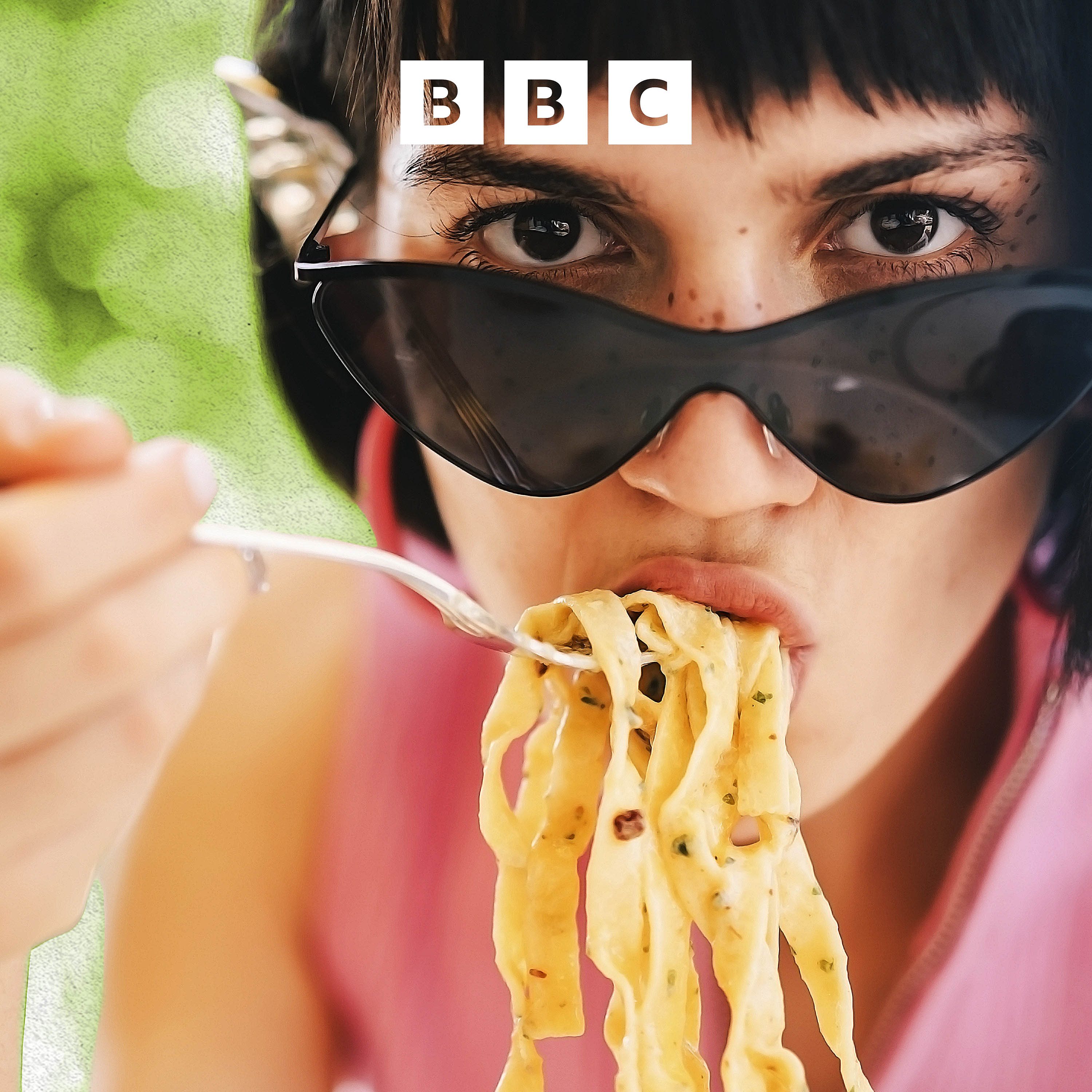
Should I cut down on carbs?
2w ago00:26:29Tap to summarizeHave you ever asked yourself: should I do Keto? Is white rice good for me? Am I eating too many carbohydrates? If so, then this episode of The Food Chain is for you. Carbohydrate-rich foods are everywhere and they’re delicious. But are they good for us? Carbs have a reputation for spiking our blood sugar and making us fat. But is that reputation deserved? Ruth Alexander talks to Javier Gonzalez, Professor of Nutrition and Metabolism at the University of Bath in England and US-based dietitian Julie Stefanski from the Academy of Nutrition and Dietetics to find out whether we’ve been approaching carbohydrates all wrong. Plus: are there some populations who need to think more carefully about carbs than others? Dr Nelum Dharmapriya thinks so. She’s an Australian family doctor with a special interest in metabolic health in South Asian populations. She advises her patients to make some tweaks to the traditional South Asian carbohydrate-rich diet and says it can be done without losing heritage and identity.If you would like to get in touch with the show, please email: thefoodchain@bbc.co.ukProduced by Lexy O'Connor and Beatrice Pickup.(Image: A woman stares over her sunglasses as she slurps pasta from a fork in a sunlit garden.Credit: Getty images/BBC)
Transcribe →When should I eat my evening meal?
3w ago00:26:29Tap to summarizeWhen should you eat your evening meal? Is it really better to eat earlier, or does it depend on when you go to bed? And if you do have to eat late, is there anything you can do to reduce the impact on your health?In this episode of The Food Chain, Ruth Alexander explores what science says about the timing of dinner. From our internal body clocks to the food on our plates, we examine how the evening meal affects our metabolism, digestion and overall health, and separate the evidence from the myths.Circadian rhythm researcher Dr Emily Manoogian, from the Salk Institute in California, explains what happens inside the body as the day progresses, why eating close to bedtime can affect the way we process food, and whether biology cares more about the clock or our own sleep schedule.Nutrition scientist Professor Sarah Berry from King's College London shares practical advice on what a healthy evening meal should look like. Around the world, however, people eat dinner at vastly different times. Food historian Professor Jeffrey Pilcher from the University of Toronto explains why meal times vary so much between cultures, how work, family life and history have shaped the evening meal, and why there has never been one universal way to organise dinner.If you'd like to get in touch with the programme, please email: thefoodchain@bbc.co.ukProducer: Izzy Greenfield Sound engineer: Hal Haines Picture: Getty (plate of food indicating the time)
Transcribe →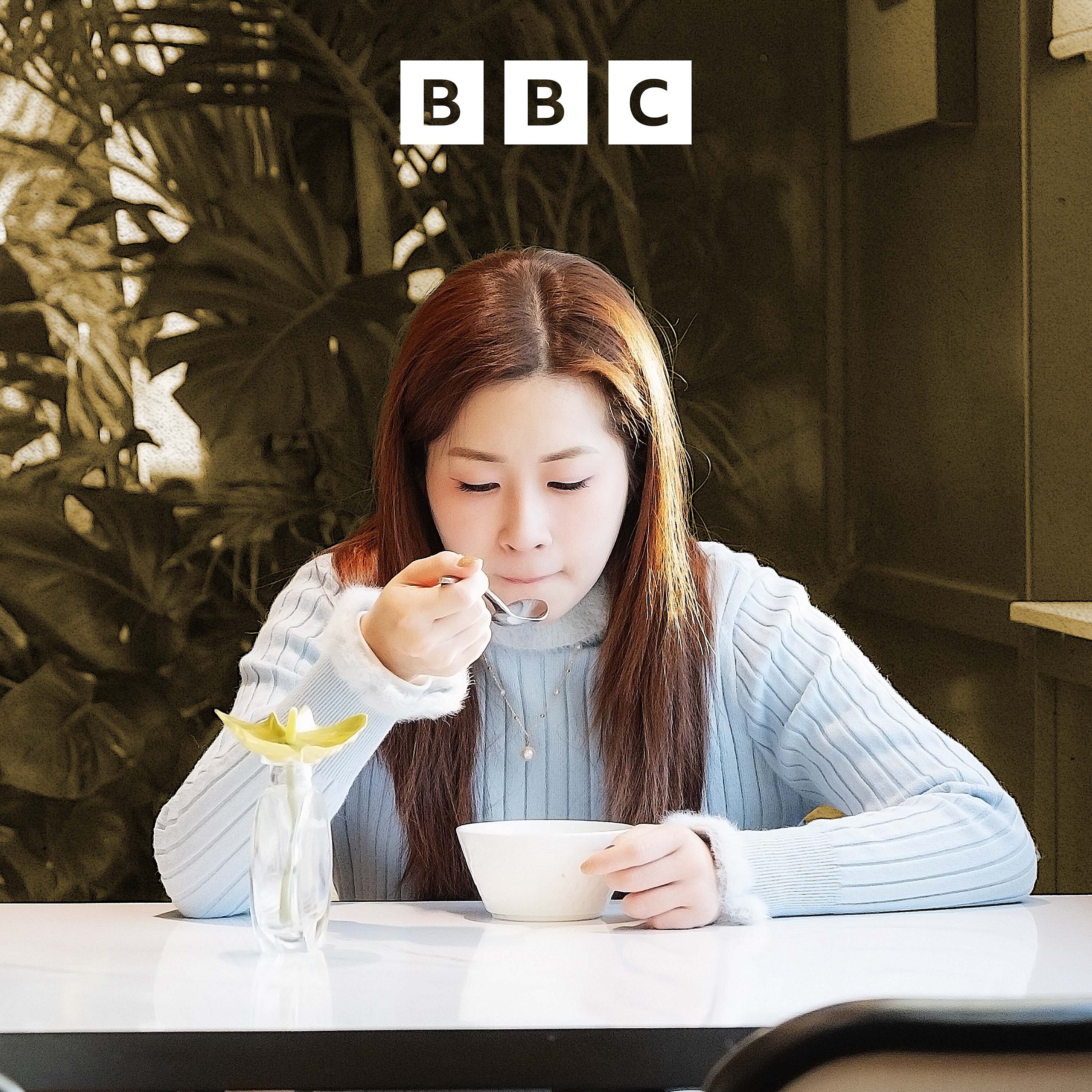
The rise of eating alone
Jul 1500:26:27Tap to summarizeListener Melanie wrote into The Food Chain to ask us to make a programme about the rising numbers of people who eat alone. She told us she often dines solo and sometimes finds the experience daunting. So today Ruth Alexander hears from Melanie and from other solo diners – some who find peace and joy in a table for one, and others who would much rather not be alone.With the help of Sociologist Professor Eric Klinenberg from New York University, Ruth looks at what’s behind the global rise in single-person households.And she hears how another Food Chain listener, Malvina from California, brought her friends together around the table, over a video call and how Nishi Singh, determined to enjoy a solo dining experience in Delhi, has turned it into a social media phenomenon.(Photo: A woman holds a spoon up to her mouth as she eats from a bowl. She is sitting at a sunlit table next to a window, with large, leafy indoor plants behind her. She has long brown hair and wears a blue, ribbed, jumper and a silver necklace. Credit: Getty Images)If you would like to get in touch with the show, please email: thefoodchain@bbc.co.ukProducer: Lexy O'Connor Sound engineer: Andrew Mills
Transcribe →What do World Cup footballers eat?
Jul 800:26:29Tap to summarizeElite footballers are among the world's most finely tuned athletes. Every meal is carefully planned to fuel training, maximise recovery and prepare for the next match. But it wasn't always this way.In this episode of The Food Chain, Ruth Alexander explores how football's relationship with food has changed, from the days of steak and beef before a game to today's highly personalised nutrition plans.Sports historian Professor Matthew Taylor traces the evolution of football's food culture, explaining why clubs once left players to fend for themselves and how attitudes began to shift.Former Denmark international goalkeeper Kasper Schmeichel reflects on how nutrition changed during his own career, and what modern players understand about food that previous generations didn't.Mona Nemmer, former Head of Nutrition at Liverpool FC and a nutritionist with the German national team, explains what elite footballers actually eat before, during and after matches, how meals are tailored to individual players, and why feeding a squad is about far more than calories alone.At major tournaments, those carefully designed nutrition plans have to work on the move. Giulio Caccamo, who was chef for the US Men's National Team at the 2022 FIFA World Cup, takes us behind the scenes of feeding an international squad. From planning menus months in advance to serving players in hotels, training grounds and on flights, he reveals the logistical operation behind every meal, and why food can be as important for morale as it is for performance.From pre-match pasta to post-match burgers, from sports science to supply chains, this episode explores what it really takes to feed footballers at the highest level.(Photo: Erling Haaland looks up as eats a snack. His blonde hair is tied back. Credit: Getty Images)If you'd like to get in touch with the programme, please email: thefoodchain@bbc.co.ukProducer: Izzy Greenfield Sound engineer: Jack Wilfan
Transcribe →How to order a restaurant meal like a pro
Jul 100:26:28Tap to summarizeWith dining out becoming an increasingly expensive luxury, we find out how to order the perfect restaurant meal with top tips from a panel of seasoned pros. The Irish Times food critic, Corinna Hardgrave, veteran server and podcast host Brittany Felton and chef and hospitality advisor James Knight-Pacheco join Ruth Alexander to discuss how to make the most of a well-deserved meal from your hard-earned money. They cover everything from sharing dishes, whether to trust a waiter’s recommendations and if it’s best to stick to what you know – or try something more adventurous when visiting a restaurant with friends or family. We get the inside track from the diner’s table to the wait staff and of course the kitchen. Brittany Felton explains how her 15-year career as a server means she can quickly assess a table’s needs, even to the extent of working out what kind of meal and evening the diners would like to have. Corinna Hardgrave shares advice from her 20-plus years as a professional restaurant critic, including how to stay in control if you experience pushy or impatient wait staff when eating out. And chef James Knight-Pacheco shares his insight on when is the best time to order the special – and when to avoid certain dishes on a menu. Producer: Sam Clack and Niamh McDermott Sound engineer: Hal Haines(Image: Waitress taking the order of a group of friends eating at a restaurant - stock photo. Credit: Getty Images)
Transcribe →What to eat for a better night's sleep
Jun 2400:26:28Tap to summarizeMany of us have our own theories about sleep. Perhaps it's avoiding coffee after lunch, drinking chamomile tea before bed, or having a warm glass of milk. But what does the science actually say?In this episode of The Food Chain, Ruth Alexander explores the relationship between food and sleep, asking whether changing what we eat and drink can help us get a better night's rest.Professor Marie-Pierre St-Onge, Director of the Center of Excellence for Sleep & Circadian Research at Columbia University, explains what decades of research have revealed about the links between diet and sleep quality. She discusses why poor sleep can change our food choices, how certain dietary patterns are associated with better sleep, and why scientists are increasingly interested in nutrients such as fibre and tryptophan.Sleep physician Dr Allie Hare, President of the British Sleep Society, brings the perspective of the clinic. She explains the questions patients ask most often, from caffeine and alcohol to herbal remedies and sleep supplements, and discusses some of the biggest misconceptions people have about improving their sleep.Together, they discuss whether there really are "sleep foods", what role meal timing might play, and how social media trends and expensive supplements can distract us from the basics.Along the way, they answer listeners' questions and share practical, evidence-based advice on the changes you can make today to improve your chance of a good night's sleep tonight.If you'd like to get in touch with the programme, please email: thefoodchain@bbc.co.ukProducer: Izzy Greenfield Sound engineer: Hal Haines(Image: A woman with brown hair, holding an orange cushion, yawns while standing next to an open fridge full of food. Credit: Getty Images)
Transcribe →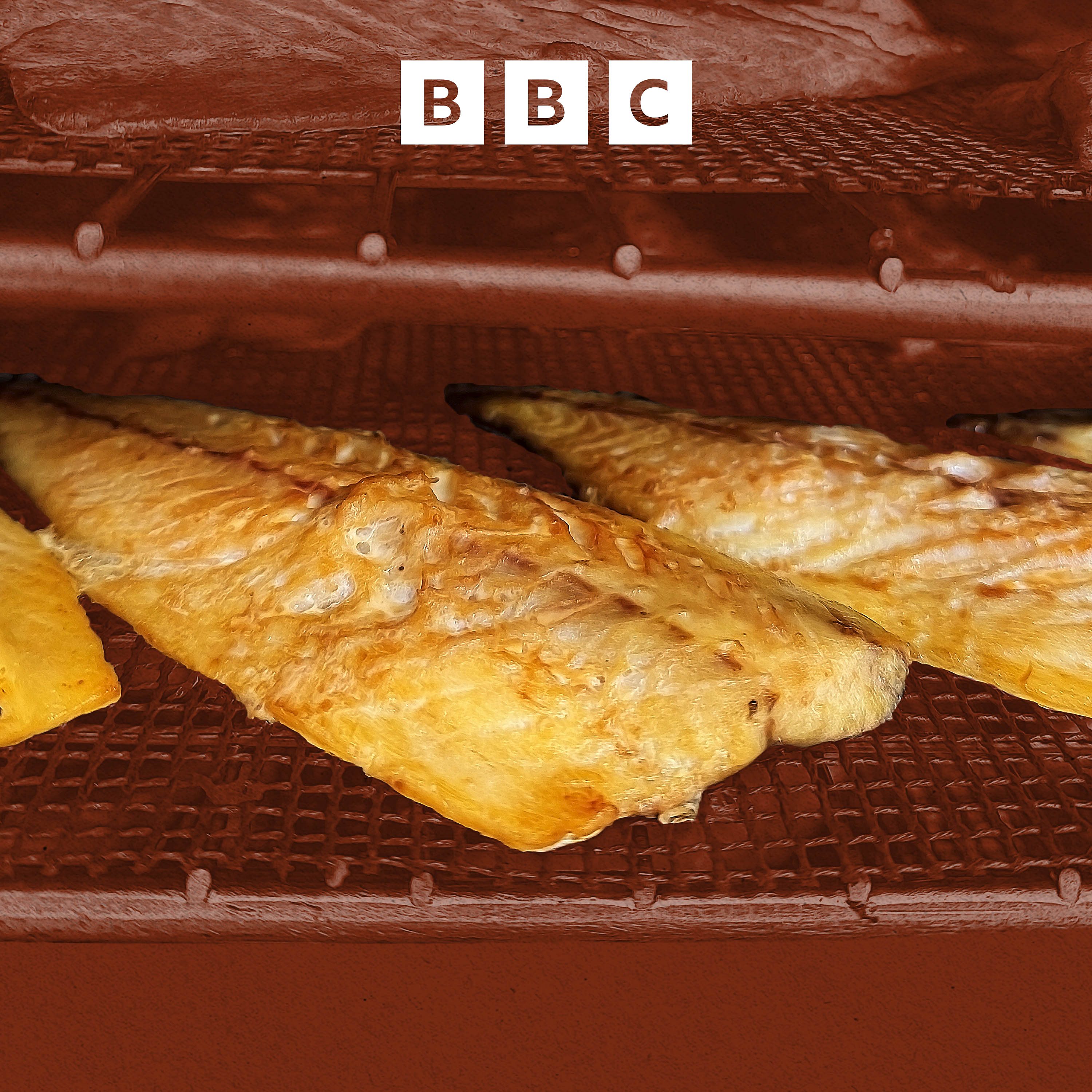
Why do we love smoky flavours so much?
Jun 1700:26:29Tap to summarizeThe history of smoking foods stretches back many years, but when did what began purely for preservation become a highly sought-after flavour? In this episode of The Food Chain, Ruth Alexander explores the origins of smoked foods and finds out why their flavours are so appealing to so many people around the world. She visits a smokehouse run by Michael Price in the port city of Lancaster in north-west England, where he explains the techniques used to flavour a variety of fish, as well as some of the more unusual demands he’s received from chefs. We learn about the science behind smoked flavours from Professor Heather Smyth, a flavour chemist and sensory scientist at the University of Queensland in Brisbane, Australia. And food historian, Professor Ken Albala, walks us through thousands of years of history via a meal prepared using his own home smoker in Stockton, California. We also investigate the impact of EU legislation with the European Food Safety Authority, following a European ban on several smoke flavour additives, and ask what this might mean for the future of smoked foods.If you would like to get in touch with the show, please email thefoodchain@bbc.co.ukProducers: Sam Clack and Izzy Greenfield Sound engineers: Jack Wilfan and Hal Haines(Image description: racks of fish fillets inside a smoker)
Transcribe →Can music change the way food tastes?
Jun 1100:26:28Tap to summarizeMusic is part of the backdrop to millions of meals every day. But what if it is doing more than simply creating atmosphere?In this episode of The Food Chain, Rumella Dasgupta explores the growing evidence that sound can shape the way we experience food and drink. From scientists studying how the brain combines hearing and taste, to chefs designing dishes around playlists, we ask whether music has become an ingredient in its own right.Chef Gaggan Anand explains why music sits at the centre of his restaurant in Bangkok, where sound, lighting and food are carefully choreographed into a single experience. Cognitive neuroscientist Ophelia Deroy shares research showing how music can influence our perception of sweetness, bitterness and texture, and explains why flavour is far more than what happens on the tongue.We also hear from Ola Sars, founder of the business music platform Soundtrack, whose company helps restaurants, cafés and hotels tailor the music they play. He shares research suggesting that the right soundtrack can influence customer behaviour and even affect sales.But not everyone is convinced. Dan Keeling, co-owner of London's Noble Rot restaurants and a former music industry executive who signed artists including Coldplay and Lily Allen, explains why he has chosen not to play music in his dining rooms at all.From silent restaurants to carefully curated playlists, from neuroscience labs to commercial dining rooms, we explore the increasingly important role sound plays in the way we eat.If you'd like to get in touch with the programme, please email: thefoodchain@bbc.co.uk
Transcribe →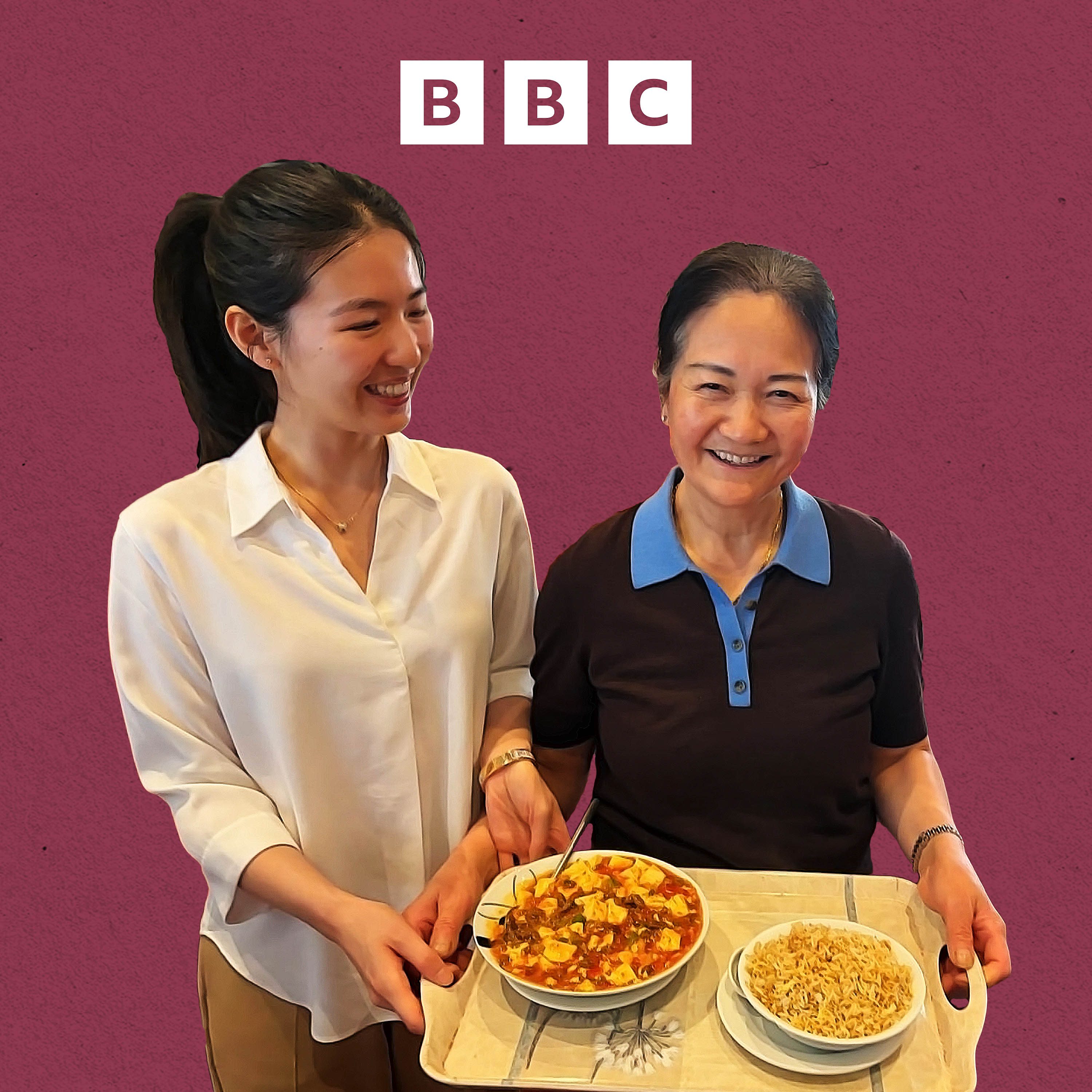
Can I save the family restaurant?
Jun 300:26:27Tap to summarizeRunning a restaurant is hard. Long hours, tight margins and constant stress. In this week's programme Rumella Dasgupta travels to Edinburgh, Scotland, to meet Lisa He and her mum Sophie. Lisa has just put her life and acting career on hold, to try and help her mum save the family's restaurant, the China Star. A video she made documenting her attempt has gone viral, with more than fifteen million views. But is a viral video going to be enough to turn a failing business into a success? Lisa's got to fix the sprawling menu, digitise the paper ordering system and cut costs. Lisa and Rumella meet restaurant turnaround expert David Hopkins from the Fifteen Group in Canada, who's on hand to give advice and to explain why restaurants are such difficult businesses to run. Meanwhile the Mand family in Sydney Australia know only too well what Lisa and Sophie are going through. Last year, son Bhav documented his fight to save his dad's failing restaurant. So how's it doing now? And, in such a difficult industry, when is the right time to walk away? Rumella hears from Carleigh Bond, who made the tough decision to close her vegan fast-food restaurant Forked Up in October 2025. Producers: Lexy O'Connor and Beatrice Pickup. Sound Engineer: Andrew Mills Image description: Lisa He and mum Sophie in their restaurant, The China Star. Lisa is looking at mum and smiling. (Credit: BBC)
Transcribe →