← The Foundr Podcast with Nathan Chan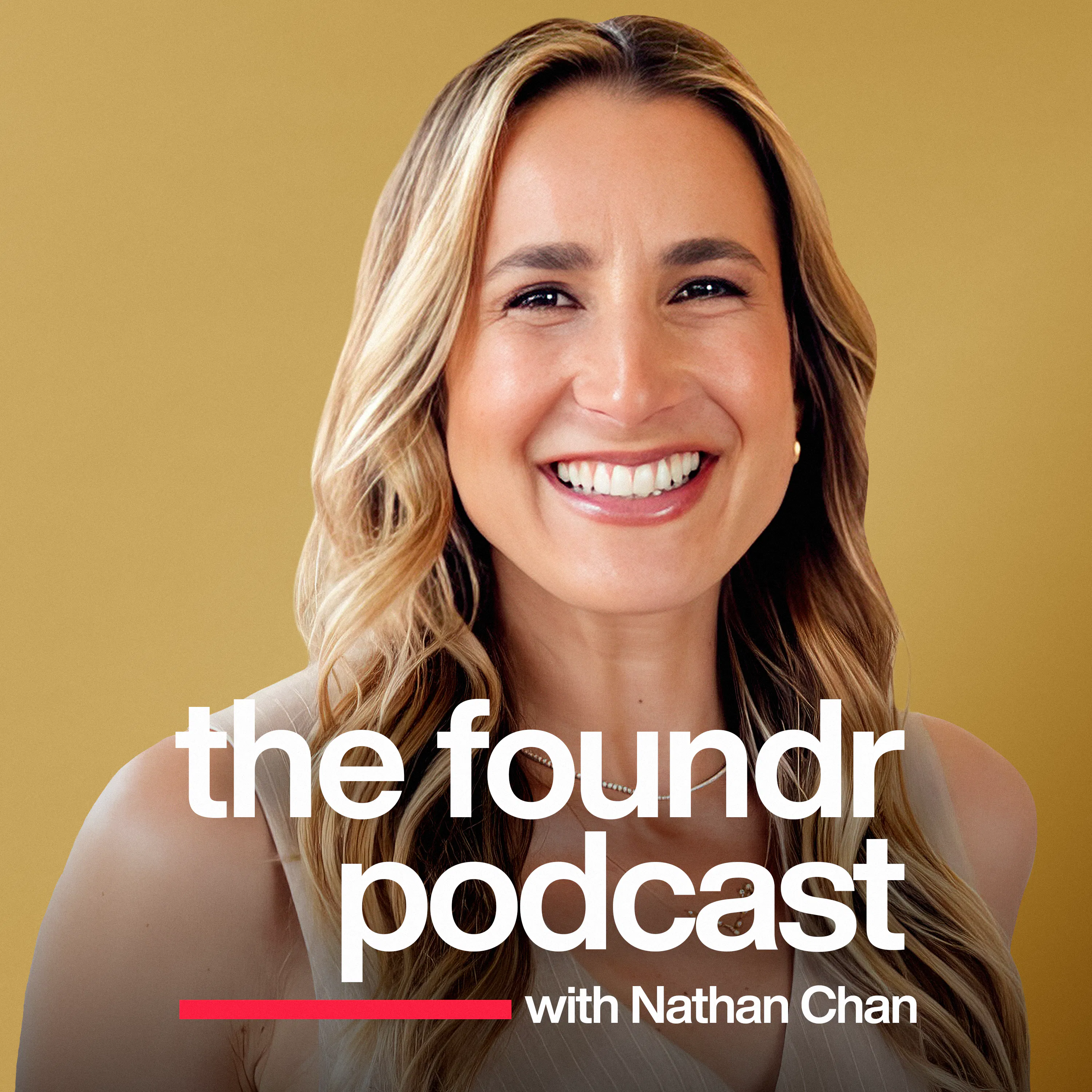
The Foundr Podcast with Nathan Chan
607: How I Built a $120M/Year Cookie Business From My Appartment | Loren Castle
00:51:14
Loren Castle turned a life-threatening cancer diagnosis at 22 into the spark that built Sweet Loren’s, a $120M-a-year clean food brand now sold in over 5,000 supermarkets nationwide. In this interview, Loren shares how she bootstrapped her way from baking cookies in a tiny New York apartment to landing Whole Foods without packaging, rebranding her entire product line to be allergen-free, and scaling a household name—all while staying profitable and purpose-driven.
Loading summary
Transcript48 lines
- [00:02]
A
Hey, founder fam. I want to talk to you about something super exciting. We're officially partnered with Omnisend, the email marketing and SMS platform built specifically for e commerce founders. We've been recommending Omnisend to founder students for a while now because it just works. Whether you're launching your first store or you're scaling to seven figures, it really helps you automate your marketing and get real results. Did you know on average, OMNISEND customers make $68 for every $1 they spend, which is an insanely good return. And because you're part of the founder community, you get 50% off your first three months with the code. Founder50. Just head to omnisend.com founder without the e to get started. All right, now let's jump back into the show. Welcome back to the Founder Podcast. What if being diagnosed with cancer at 22 became the catalyst for building a $120 million a year food brand that's now in over 5,000 supermarkets nationwide? Well, today's guest is Lauren Castle, found of Sweet Lawrence. And after surviving cancer just three months out of college, Lauren channeled her passion for clean eating into creating what she calls the best cookies in the world. Starting with only $25,000 in savings, demoing cookies from a rolling suitcase on the New York subway, and landing Whole Foods before she even had proper packaging. In this conversation, you're going to discover how to start impossibly small and use customer feedback to find true product market fit before scaling. And why going all in on allergen free ingredients became their competitive moat and superpower and power of weekly mentorship sessions with advisors outside your industry and how they help Lauren stay focused through the chaos of building a CPT brand.
- [01:48]
B
Hear the stories, learn the proven methods, and accelerate your growth and future through entrepreneurship. Welcome to the Founder podcast with Nathan Chan.
- [02:02]
A
So you were diagnosed with Hodgkin's lymphoma at 22, which led you to drastically change your diet. And I want to know, like, how did this intense personal health challenge become the core of driving the purpose for Sweet Laurens?
- [02:23]
B
So I. I don't think I ever thought of myself as a founder or entrepreneur. I mean, I was 22 years old when I got sick, so I didn't even have really corporate experience. You know, I just graduated college three months after graduating college is when I got diagnosed. And thankfully I was cured after a year. But it really changed my life. I realized health is everything and just feeling good is everything. And so while I was going through treatment, I, you know, I I couldn't have taken on like a full time job. So I just decided, like, what can I do with my time that lights me up, that something that I'm passionate about, something that gives me hope for the future, something that just like I'm genuinely intrigued about. And nutrition and like cooking just was so obvious to me. It was like, you eat at least three times a day. Like you are what you eat. I directly saw a correlation between the types of food I ate and like how much energy I had. And you know, during treatment, like, all I cared about was getting through it, like getting through it, surviving and thriving on the other side. So food became just so important to me. And it's not something my doctor talked about, so it's something that I really felt like I had to kind of learn myself. And so I started to take cooking classes, studying nutrition and learning things that are obvious today. But this is, this was like over 15 years ago when just natural foods wasn't talked about the way it is now. And so obviously I cut out anything artificial. Corn syrup, hydrogenated oils, bleached flowers. Like, I just was trying to eat as whole real food as possible. But I love good tasting food and delicious food. So I definitely wanted to make sure I was eating delicious at the same time. And I have a huge sweet tooth. And I love baked goods and I love how happy people get around fresh baked goods. And I love, you know, a warm chocolate chip cookie is probably the most comforting food on the planet. And I love, I just couldn't eat what most bakeries were selling anymore. It just really gave me that sugar high sugar crash. And I don't know, so I wasn't, it didn't feel like food to me. And so I started to make my own recipes out of that personal need. It was not a business idea yet. It was more. I'm starving for delicious warm chocolate chip cookies and my favorite baked goods. But I want to eat things that are made of good, less processed ingredients. I can't find it. I guess I have to make it myself. And so after a ton of tweaking recipes, I finally started making cookies that I thought were the best cookies in the world. And friends started to love it and family started to love it. And like, that's when I just, that was my aha moment of like, everyone is looking for a healthier way to satisfy their sweet tooth. As long as taste is there. Like, I really think I could turn this into a brand.
- [05:27]
A
And so what happened next? Like, I want to hear the, the whole food story and and how you got your start. But, you know, many people have a product idea, but you didn't go out and, you know, assess market demand. You didn't go out and, you know, look at what the competitors are doing. You just started with your own pain point. You came up with this idea. What's really impressive is you've bootstrapped this business nine figures a year in annual revenue. Like, super impressive growth as well. But you didn't. You didn't walk and aim to kind of build this massive business and look at the demand, look at the product or the category, anything. You just kind of fell into it. Right. And even just, like, talk me through, like, how. How you commercialize this.
- [06:15]
B
Yeah, really, the beginning days were such gut intuition led. Um, I definitely had no access to data. I had no idea how big the market was. It was just really looking at human behavior and really just being like, bare bones. What are people getting excited about? What are retailers getting excited about? What makes sense for, like, today's shopper? And so, you know, I was making all these cookie recipes and went. And I won a couple baking contests, and those gave me the confidence to start Sweet Laurens. But I still didn't know what starting Sweet Laurens meant. If it was a packaged product, if it was cpg, what type of product would it be? You know, a baking mix, shelf stable packaged cookies, cookie dough? Or is it going to be like, a bakery? And so I took a business writing workshop course so that I could really sit down and, like, understand the numbers behind it. Like, what would it cost to open up a bakery? And wow, rent every month would cost a lot. It's a lot of pressure, you know, to hit those numbers every, every month. And then also, like, if you go into a bakery, you have to have an incredible assortment of products. And like, I just was so in love with cookie dough. And I was so in love with the way people responded to cookie dough. Like, I would make these fresh cookies, and people would say, can I just buy the cookie dough from you? Like, I want to make these later for my family. Like, I want to eat this warm and fresh before I go to bed. Like, and I'd be like, yeah, sure, I'll, like, give you a tub of cookie dough. And I just started. You know, that's what got people excited. They love the convenience of having something already made, you know, and they could put it on a baking tray and in 10 minutes have a warm cookie and this incredible experience at home. So again, I. It's not like it was really intuition and it was really looking at, like, why do I want to start my own business? Like, to me, if I was going to start my own business versus going to get a job for someone else, it had to be for something that was worth the hard work. Like, I knew it wasn't going to be easy. I didn't know it would be this hard, but, like, and take this long, you know, to get here. But, like, I wanted freedom. I wanted to create a business that I felt like I was living my dream, my passion, and it gave me freedom, and it gave me a way to connect with millions of people. So actually, like, a CPG product really worked for the things that got me excited versus, like, opening up a bakery where I probably would have to be in that store every day, you know, from morning till close. So I went to Whole. I got a meeting with Whole Foods through this business writing class. This guy in my class worked in Whole Foods in the overnight shift, restocking the shelf because he wanted to open up his own business. So he was taking this course for that reason, you know, And I asked him one day, like, what does it take to get into Whole Foods? And he called me the next day and was like, you know, you have a meeting on Wednesday with, like, the head buyer of the Columbus Circle Whole Foods in New York City. And I just. I was so pissed off because I was like, I'm. This looks so unprofessional. Like, my website said coming soon. I literally didn't have a product yet. You know, I had recipes, and that was kind of it. But I took the meeting. I wrote down a one pager about, like, what types of ingredients we used at Sweet Laurens, all the different types of products we could create depending on what Whole Foods wanted. And really just went into this meeting kind of asking questions like, where. Where are you excited about in the supermarket? Like, what product would you want to buy? Like, what moves fast? Like, what? And so we walked all around the store, and, like, it was really interesting. It's like, baking mixes don't move that fast. You know, shelf Sable cookies, you know, or snackable. But, like, are you ever gonna say this was the best thing I ever eat in the world? Like, probably not. And he really was like, no one's built the next brand name and natural cookie dough. And it just really clicked for me. Like, I was like, it's so true. Like, there is no cool brand that was really out there yet that, like, I was excited to buy, that I thought the taste was superior, that I love the ingredients, and so he did a tasting and called me the next day and was like, how soon can we get this? And that's. That was my first customer. So I found a factory and it took seven months to figure out how to package the products, scale the recipe, design packaging, but got into Whole Foods and. And that's really what started the business.
- [10:34]
A
Yeah. Crazy. So first thing that comes to my mind, and I'm sure people listening, watching to this, is how much it cost to, to. To bring that piece of the puzzle to life.
- [10:47]
B
So I started as small as possible. So, you know, there's probably like somewhere around 500 Whole Foods around the country today. But I got into one store, like, you know, I just got into one store at a time at the beginning. So I found a factory in upstate New York. I was living in New York City at the time. I had to take a three hour bus ride to this factory. This factory had never even made cookie dough. So I had to, like, learn with them how to scale a batch from my little kitchen, you know, to like a hundred pounds. And I just tried to make as small batches as possible so that I wasn't having hundreds of thousands of dollars in inventory, you know. And so, and I got into one Whole Foods and I demoed in that Whole Foods every week to make sure that it was selling. And so I got movement going there. Then I got into two other Whole Foods locally, made sure there was movement there, and just really kept the business really quite small for about one to two years until I really tweaked packaging and flavors and just really found product market fit.
- [11:54]
A
Yeah. Okay, so there's a lot to unpack here. And if it's okay, I'd like to delve a little deeper on the factory piece, even just like the small runs. What did it cost? How did you work out packaging? How did you work out? Even the, the nitty gritty around the food being safe and like, all of the, you know, legalities of making sure the business is protected. Like, how did you work all of that out?
- [12:19]
B
Honestly, just googling and jumping in. I. I had my savings. I spent about $25,000 that year in just all of those things. I hired the most affordable designer. And by the way, our first packaging was terrible. Like, when I look back, it was. You could tell it was so cheaply done. Like, it was in the cheapest kind of tubs I could find. It was, you know, a friend designed the sticker packaging. It was all done by hand. These were very small runs, so I didn't have A ton of, like, outgoing fees. I tried to really keep it as small as possible. And, you know, it's so that I could build the confidence that, like, I could scale this and risk, you know, higher levels of inventory. And I definitely needed to tweak the product. You know, again, I was. I was obsessed with the customer. Like, the second I got into Whole Foods, I was like, this isn't about me anymore. Like, I can make my own favorite recipes and flavors in my kitchen every day. I. This is about understanding, like, America and. And whoever my customer is, like, what she or he wants, what their kids want, and how to, like, really listen and make them something that changes their life and makes their life better. And, you know, then they're going to love the product. Then they won't balk at the price point. Then they're going to see, you know, that the product adds value to their life. And so I think, like, that's where the demoing came in. I didn't hire someone to do that. I did that myself. I took a Rollie suitcase on the subway from uptown to midtown with a toaster oven in the suitcase and cookie dough so that I could bake off fresh cookies in the aisle and, like, really see honest feedback, you know, and people are honest in New York. Very honest. You know, they don't hold back. And I heard a lot of feedback about, you should really have your packaging be portion controllable. You should have these kind of flavors. You should have, you know, your font size increased on the package. I mean, all these opportunities for improvement. And I also heard a lot of positive things like, like, this is such a smart idea. Why has no one ever done this? Of course I want to buy a cleaner version of cookie dough that's out there, you know, than the processed stuff, and how'd you make it taste so good? And things like that. That, like, after you started hearing that hundreds of times, it really, you know, I really felt in tune with the consumer, and it really helped me lead the future of it with that really strong gut feeling of, like, I know what the customer wants. I've talked to hundreds, thousands of people at this point, and it really made me feel kind of like an expert in kind of like the natural baking world.
- [15:04]
A
So you would have had thousands of conversations, like demoing the product. What was the biggest misconception that you had?
- [15:17]
B
Oh, we still. We still deal with this today. Is that when you say, oh, I have a better for you cookie dough, or I have a cookie dough that uses, like, simple, clean ingredients, or I Have a cookie dough that's dairy free and gluten free. People are like, oh, like I'm sure it's gonna be good tasting, like always. To get people to try the product is like the hardest thing. Cause once they try it, they're like, this is delicious. You'd never know it's gluten free, vegan or better ingredients. So I think like we're, we've always battled that misconception that like, better for you can't taste better.
- [15:47]
A
Yes. Okay, so what's really interesting to me is you found a market, you're growing the business, and then somewhere along the way you made an aggressive change. And I want you to talk about that change because this part really resonates with me because I have a lot of food allergies. I've had food allergies my whole life. Like when I had food allergies, oh, dairy, egg, sesame, peanut, coconut, all nuts, kiwi fruit. And so these allergies have not gone away. And when I was younger, it was very difficult to, to work out what to eat, navigate. And my mum, you know, was so scared and she tried so many alternative therapies and all these different things and back. Because back then like allergies wasn't so much a thing. Now it's everywhere. Right. But I like, you know what, 38 years ago, it wasn't really a thing. So, you know, for you, you made an aggressive change to speak to this market, serve this market. So tell me what happened because I find this part of the story very interesting because it was very courageous what you did. So tell us, can you share that part?
- [17:10]
B
Yeah, no, I appreciate that. So I. The first recipes for Sweet Laurens weren't allergen free per se, they were dairy free. That recipe was always dairy free. It was always whole grain, it was always non gmo, but it wasn't free of the top allergens. And no one was even talking about the top allergens kind of when I launched Sweet Laurens 10 years ago. So I totally understand what you're saying, but I got Sweet Lauren's cookie dough into all public supermarkets and then all Kroger supermarkets in the first year of really like launching national. And that was a really big deal because those retailers don't normally launch kind of smaller, better for you brands. And, and you know, it went, it turned Sweet Lawrence from like a small, northeast, tiny company to like a national multimillion dollar business. Because I was in all of a sudden, overnight, over 5,000 supermarkets of the busiest, you know, top supermarkets in the country. And what it did was made Sweet Lawrence available in almost every state. So now instead of just like leaning on the east coast, I was reaching kind of every type of American. And I started to get inbound messages. Like, you've never seen the amount of emails and personal and, and to the business messages I would get on social media where people were saying, like, I am obsessed with this concept. Like, I, I, cookie dough is my favorite thing. But I feel I don't feel good after I eat like the conventional product out there. I feel your cookie dough never hurts my stomach, it feels so good. But my husband is gluten free. My kid has a nut allergy. My sister can't eat dairy. Can you please create some other products so that there's something for them? Because it's so stressful trying to feed them. And so I didn't get one or two of these emails. I'm talking, I would get these kind of messages every day for months. And again, listening to that intuition, I didn't have access to data. I just was like, I'm trying to make the baking industry better. There's clearly another need here for people with food allergies. And no one else is going to listen to them. Like, the big guys are not going to go down this route. So, like, even if it's small compared to like our normal cookie dough, you know, if it's incremental and it's really meaningful and changes the lives of these people, it feels like something we should do. So I worked on my recipe to make it free of like the top allergens. I took out any soy that was in the chocolate. There was no dairy. I took out the gluten. No nuts, no egg, no coconut, no, you know, just me. No sesame. Made it free of the top allergens, basically.
- [19:58]
A
For me.
- [19:59]
B
Exactly. I made it for you without even meeting you yet. And I was like, like, let's just like, this is an unmet need. We can solve it. Why wouldn't we do it? And so I found a factory that was allergen free. Because that's the other hard part is like finding a factory that can even do this because they're so strict about what they bring in. And, you know, just launched Chocolate Chunk one skew. And Publix and Kroger took Chocolate Chunk the we called it gluten free, but it was free of the top allergens. And it sat right next to our original, you know, cookie dough. And you can't ignore data in, you know, within six months. It was our number one skew. And so I started to get a ton more messages from our, our customer base that's always been just so vocal. And they were like, I have to say, like, I tried the gluten free, thinking it was going to be terrible because I got it from my husband. But I love it. Like, I love it even more than the original. Like, you can't even tell the difference. Like, I'm not buying two different products. Like, I just want to buy one thing for my family. It makes life easier. I want to know that like this thing is safe for my friends, going to my kids school, you know, any neighbors, family members that have allergies. So the big aha was like sitting right there. When we finally like really saw the numbers, like, you couldn't ignore that. And the refrigerated dough space, which is where Sweet Lauren's cookie dough, you know, is where the cookie dough section is in a supermarket is small. It's not like it's aisles and aisles long. There's a condensed space meaning. And we're not a D2C brand, really. I mean you can buy our product D2C, but we're our real businesses is in supermarkets. And so because it's refrigerated, because it's perishable. So, you know, I really had to be smart about whatever skus we were going to put on there. I knew we didn't have room for like 20 cookie dough skus. So every skew I put on there had to really work. And so, um, and I also just saw that like, it, you know, what seemed niche about like being allergen free actually became like our superpower because it was so incremental to the category. You know, we weren't taking market share from the big guys. We were half our customers. 50% of our customers had never shopped the cookie dough category before. They were just walking right by it. But now all of a sudden they were like, wait a minute, there's finally like a clean version, better for you version, allergen free version. Like I can get behind Sweet Lauren's. And so that became kind of our like, really what we were known for is like bringing a new modern, better for you clean ingredient, allergen free customer to this category that otherwise never even knew it existed.
- [22:41]
A
Yeah, so this is a really, really interesting part of your story because like, what did it cost and what did it take to pivot? Because like that, that is like you're already a multi million dollar brand and you've totally kind of re Imagined who you guys are. Did you? Like, how, how long did it take to phase out to go all in on this nation market? Like, were you scared? Was, did you still, like, even the data was there, like, talk me through that.
- [23:18]
B
Yeah, it definitely was scary. But, but thankfully the data made so much sense that you know, you couldn't, like, you couldn't argue against it. I think there was a couple things that, that, that I knew were the way forward. So one, you know, when I launched the allergen free, we wrote gluten free really big on the package. And I think, you know, we wanted that for the gluten free people to find us. But the second they found us, like we were like, wait a minute, if we're only launching allergen free and discontinuing like the original line, like we got to make sure that we don't alienate people that aren't gluten free, people that don't have food allergies, people, you know that in your family don't have food allergies, but they want to eat the same thing as you. It's like, so packaging design became of the utmost importance. Like what do we look like on shelves? So that we look just like a damn good, delicious, modern cookie. Fun, vibrant, pops off shelf. And by the way, our call outs are there, but they're much smaller on the package. So that if you're looking for dairy free or non GMO or gluten free or nut free, you will find them. But we're not screaming them because that's not our reason for being that. Like, you know, I think I just evolved the brand. It never changed why I created the company. Like it was always to have a delicious cookie experience, Delicious fresh baked goods using simple ingredients that you could trust. And then now we were allergen free. It was just like an additional like, you know, cherry on top. And now you can feel safe if you were looking for any one of these things.
- [24:57]
A
Yeah, that makes sense.
- [24:58]
B
Also, like it really became our superpower because I think I realized also how hard it is competing in this industry. Like the food space, the CPG space is so competitive and you're up against multi billion dollar businesses that have been around for decades. And I think my original product was like, it was definitely not the same as what's on the shelf, but maybe it was only like this much better, you know, like a little bit better going, you know, completely allergen free on top of it's like I could charge the price point it deserved for the more expensive Ingredients. I had a healthy margin, and all of a sudden I really built a moat around us that was so different and so difficult to. To like, break into and just very, very differentiated in the market versus trying to be like, just a little bit better than something that was on the shelf.
- [25:54]
A
Yeah, that makes sense. And one thing that I just, I think people would love to know is what advice would you give on the packaging? Because what you were saying before about the allergy piece, you didn't need to shout it out. That makes sense to me because somebody with allergies, I would always check what the ingredients are anyways. Right. So you didn't need to kind of, you could actually create something that looks cool, stands out, and it's all about attracting people on the shelf. Not attracting, just that the person with allergies. So that, that's really smart. But what advice would you give around packaging? What are the unlocks there? Like, how do you create great packaging to get, to get shelf space?
- [26:36]
B
Yeah, I'm obsessed with packaging. I think it's so fun and I love how it combines like, psychology and business and like art all together. But I think you have to really look at where you're sold. Like, where are you sitting next to, what products are you sitting next to on the shelf? I think it's also slightly different than a D2C brand that's maybe just living, you know, on its own website or Amazon. But like in the supermarket, you know, you're in a section, you. You pretty much know who you might be next to. And so it really helps you think about what colors do I want to use, what size package do I want to have, like, how do I want to stand out on shelf. And then of course, there's limitations in terms of like, what works for your factory and the machinery. But, you know, once we figured out, well, we really want place and bake packaging. Like, we want packaging where when you open it, there's 12, like circular portions of cookie dough in there. So that when you open that package, if you just wanted to make two cookies tonight, you could do that, Nathan, you know, and you could leave the rest in your fridge and eat the rest tomorrow, or you could make all 12 if you're having like, you know, friends over dinner party. So I think we really looked at, like, making sure the packaging was really smart and it was super convenient for today's consumer that has no time and really portion controllable so that it's easy, you know, to not like, have 12 cookies lying around all the time. And if you want to just make a couple for yourself. You can. So people loved that. And then we really looked at our competition and we're like, okay, we obviously don't use those colors. We want to use like, you know, like, we want to figure out what the brand's personality is, which is really kind of my personality, which is just kind of like I want to be a bright light. I want to like make the world happier, joyful, better, more modernized. It's kind of. So we use like a hot magenta pink that's kind of like a power pink, not like a soft pink. Like, it's kind of like a fun, powerful pink that guys like that, girls like that. We've just gotten a good response to. We use a lot of white in the background because we wanted to symbolize like clean, clean ingredients, simple ingredients and just really analyze. Like, does this pop off shelf from far away? Do you kind of like, you know, see us from a long way away so that you're kind of guided to us and, and how do we make sure taste comes off as number one? Because at the end of the day, like you can be allergen free, but if you're not so delicious, no one's going to buy it. So like, I just cared about the food photography being gorgeous and just making sure recipes were really a 10 out of 10 because then I knew the customer would just love it.
- [29:14]
A
Talk to me about margin and how you've been able to compete against big players like Toll House or Pillsbury. You know, the CPG space, like you said, super competitive, you know, high volumes, tight margins, and you're bootstrapped. How have you been able to make that work?
- [29:36]
B
So in the early days, like I, you know, I kept it so small. I raised a little from friends and family when like, I was kind of scaling because I needed some capital to like get going. And then the second we launched the allergen free line, we raised our price point like a dollar to pay for like the gluten free and allergen free ingredients that were definitely more expensive. And we created a healthy margin. And because we weren't being compared to anyone else, you know, we stayed there. And because we have a raving fan base where we really solve a problem for them, they would repeat by they were incredibly loyal. They would tell their friends and family. And so without a big marketing budget, like, we just started to grow. And then we would use that data to go to like the next supermarket and be like, we are the modern cookie dough brand. Bring us on your shelf and we can listen to today's customer and build something new, build something exciting. And like, you know, we're not really competing with the other guys. Like they, they did their thing. I don't think they're going to change much. They have a loyal base that's probably a little bit older than us. And like, you know, that product doesn't speak to me. It doesn't speak to my friends. So like, I want to build the next generation of food that speaks to like, you know, a custom, the next generation of customers that, that you know, would otherwise walk by this section. And so, you know, the second we launched allergen free and we were able to raise the price point to just make it a healthy business, we stayed hyper focused on cookie dough. And I think that's been our greatest strength. It's not like I launched into 100 SKUs of different products. We've pretty much stayed under 10 SKUs of cookie dough over the last seven years, eight years that we went gluten free, allergen free. And so we were able just to hyper focus on a really, really small team. Incredible product distribution, pushing word of mouth, and we have been profitable ever since. And so I think that like our superpower was just creating a really great product that solves a need, but also staying focused.
- [31:42]
A
And what advice would you give to founders looking to get on shelves? Because it is so competitive, I would.
- [31:51]
B
Say you just have to really, you know, now there's a, it's easier to like get data. There's a lot more access, I think, and a lot more tools. But you really have to have a point of difference and the product has to be delicious. So you have to like really solve a problem, a big problem. I think you, the product really has to work otherwise it's not going to move. So like, before you go, you know, you can have a great idea but like, you know, really try to find a product that you see that kind of reaction you're looking for in, in dozens and dozens of people. I think if you see that reaction, you can start to believe it and like, oh man, like, people love this. They will pay for this. It really does solve a problem. And so I think that like, that's my biggest suggestion is just it, it definitely is not easy. It took hundreds and hundreds of trials to get our recipe right. And now we're working on new products. They still, still take hundreds and hundreds of trials on new products, you know, beyond cookie dough. So I think like, do it if you're obsessed, if you're Obsessed with the idea. It's something that you can work on and iterate on because you love what it stands for. If you just want this to be a quick fix, you know, it's not going to work well because it's so competitive out there and people are all very opinionated. You think consumers are going to eat anything? They're not. They eat things that are delicious and really solve a problem and are really flavorful and. And, you know, you have to kind of check all of those boxes.
- [33:25]
A
Do you ever feel like giving up? Was there any time where it's just like, this is so tough?
- [33:29]
B
It was. No, definitely. It's just weird when you, like, fall in love with an idea and you feel like you were meant to do that idea. Which is how. Is how I've always felt with Sweet Lawrence. Like. Like, in a weird way, Sweet Lauren saved my life. Like, it distracted me while I was going through treatment. It gave me this bright light at the end of this, like, tunnel of going through a really hard time, my life. And it gave me purpose, and it gave me a way to turn what was a really hard, challenging time into, like, something really vulnerable and a positive that really connected people, that really inspired a lot of people and I think made a lot of people feel seen because we've all dealt with health issues or know someone that has, and we're just not invincible. And so I think that I'm so sweet. Lauren's, like, always wasn't just, like, a business for me. It was, like, all those emotions and things that made me give it a hundred percent. But in the early days, it was excruciatingly hard. I. There were definitely a handful of nights that I would, like, take a bath late at night, just completely exhausted, completely upset, completely, like, just hopeless about how I was going to figure out how to do X, Y and Z. And I'd call my sister, one of my best friends, and. And they'd always, like, walk me off the ledge, you know, Like, I think they just were like, you gotta keep going. And somehow I'd get a good night's sleep and the next day, always something magical happened. Like, always some good piece of news came or just something that reaffirmed that, like, even though it was hard, I was in the right direction.
- [35:09]
A
I. As you were talking about kind of the tough times, you reminded me of a conversation that I had with one of my late best friends. So we grew up together, and unfortunately, he had cancer and passed away. And when he was first diagnosed, he told me something really interesting. He Said to me that all of these people that had had cancer but recovered actually reached out to him. And when. When, you know, it was announced that, you know, he. He had. In his workplace, he worked at a really, really, really successful company, and he said that. I never forget, he told me that I. The resounding theme that he took from when people reached out to him was that as terrible and as challenging, as difficult it was going through cancer, going through chemo, all these tough things, they described it as a poorly wrapped gift because it really changed their perspective on life. Do you think that if you didn't suffer from. From you know, getting sick, that you would be here working on Sweet Laurens, you would have got through all of that?
- [36:32]
B
No. Yeah. I don't. I. I don't think I would have been obsessed with natural ingredients. I don't think I would have taken my health as seriously. I don't think I would have been as sensitive to food to really see the difference. Just eating kind of less inflammatory ingredients. And. And. No, listen, it was a nightmare. And anyone that goes through scary health issues, you know, you don't wish on anyone. But thankfully, I was cured, and I don't take that for granted one day. So, like, ever since I've been 22, 23 years old, every day is a gift. And, like, I live my life, like, 110% every day. I am, like, so grateful for my kids, for my husband, for my business. Like, I. I think sometimes you can sleepwalk through life, and sometimes you can never even find something that you're just, like, passionate about. And I feel like I was abruptly woken up at an early age. But I did find passion through that, and I did find sense of purpose through my business that has made me, like, light up every day. And I'm. I want to give back. Like, I want to. That's, like, what Sweet Lawrence is to me, is that, like, I'm so grateful for my health and, like, I have friends that have passed away from cancers, and I'm just like, I. I want to figure out how to, like, bring good into the world because I'm so grateful I'm here.
- [37:53]
A
I really appreciate that. I appreciate your honesty. So one thing you've also talked about openly, which I'd love to unpack a bit more, is your relationship with one of your mentors that you met up with every week for seven years. How important was that? I'm sorry, I don't know the person's name, but how important was that? And how critical do you think it is for Founders to have mentors, advisors, coaches, people in your space. And would you have built as large a business if you hadn't have had that support?
- [38:33]
B
Yeah, I, I don't think I would have. Like, when I started the company, I found my first mentor through kind of a business organization I met her in and she just suggested it to me. Like, I'll meet with you every Friday for like two hours and I'll help you stay focused on your business goals. And she had, she wasn't in the food industry. Her name was Daniela. Like, is Daniela. Like, she's a very good friend to this day. But I realized when things are crazy and you're starting a business and your mind is running because you're trying to design packaging and then you're trying to get into more stores and then you're working on recipes and you're working on packaging and like, you trying to have a social life and like, it is so much to have kind of a break from that in like a safe space where someone has got your back and someone wants to check in and someone, you know, you can be really honest about. Like, here's what's happening personally, professionally, like, here's what's holding me back. It's sometimes, I think the hardest part is sometimes just seeing what the most important goal is for the next week or the next month. And so working with my first mentor, Danielle, like, just showed me that, like, I didn't even need someone with food industry experience. I just needed someone I looked up to. She was a successful business person, a female, like, to meet weekly to help me stay focused, to help me feel supported, and to just clear my mind so I could set clear goals for the next week. After our two year kind of mentorship kind of came to an end, I realized how much we'd grown in that time and. And so then when I met Joe, who's we're going on eight years, him being my mentor, he similarly was like, I'll get involved, but like, I go all in. Like, I'm gonna help you become a great CEO, but like, I wanna, you know, be chairman of the company and I wanna be, you know, I wanna, I wanna be involved and I want this to be huge and I want you to dream big and I got your back. And we'll meet every Thursday for two hours. And we both were in New York City at that time, so it was in person and it was like an incredible relationship. Again, he was not from the food industry, but just an incredible businessman. And so just really having someone who's not in the day to day of the business being able to, you know, kind of parachute in and say like, does this look good? Like any other ideas that we didn't think of and just be emotional support as you're going through it too. Dealing with COVID dealing with supply chain issues, dealing with switching factories, negotiating big contracts, hiring big talent. Like these were all first time things for me and to have someone who had like been there, done that, who has so many resources behind him, it's been such an incredible relationship. So I am the biggest advocate for mentorship coaching advisory. I think some people don't like being coached and so I'm not sure what to tell those people, you know, that kind of don't want feedback and think they know like you know everything themselves. But I think if you can stay open as an entrepreneur and surround yourself with really smart people you trust, then if you are coachable and can like work on yourself and figure out your strengths and how to hire around it and kind of throw your ego out the window and just work on growing the biggest, best company you can possibly grow. You know, I just think it's really, it's been magic for me and you know, I don't have a co founder so to me like that support really meant everything.
- [42:02]
A
And I think a common misconception people have is especially in the early stages that yes, of course having a coach or mentor or someone that's been there, done that, has a wealth of experience, hard won lessons oftentimes is like that these people are going to do it for free. I think, you know, the best founders, the, you know, if you want to achieve anything like a personal trainer, you want to get in shape like you need a coach. But I think you have to be prepared to invest in that as well. Right. What's your take there?
- [42:41]
B
Yeah, you have to see the value in it. You either have to be able to pay them, you know, money, they have to have to either be able to maybe invest in the company so that they feel like they've skin in the game or maybe there's equity you can give them. You know, there's different ways to do it and, and you know there could be a vesting schedule. So like if it doesn't work out, you know, you tried it for six months or whatever, you know, no harm, no foul, you know, you can kind of separate but if it is working, it should be mutually beneficial. Like the mentor is getting a lot out of it. You know, they feel great about you and you're growing and the business you're growing and, and obviously you're getting a lot out of it because you feel supported and, you know, have someone who's got your back and helping you just get better and better every day.
- [43:25]
A
Yeah, I agree 1000%. Like one of the. One of the biggest hacks in life. If you want to achieve or speed up time and speed up your learning to accomplish great things, whether it's not even professionally, but even personally in any area that you want to master, one of the fastest ways to get there is learn from somebody that's already done it. That's why we do what we do at Founder. You know, not only do we have an incredible podcast and all this free content, we have a coaching and education and mentoring platform because it is so critical to, if you want to get there faster and to have that support, especially if you're a solo founder. I really resonate with that because it is incredibly lonely and you wish or think, what would it be like if you had a co founder? So if you were to start again, let's say, you know, sweet Lauren's big exit. Go round two, would you start with a co founder?
- [44:21]
B
You know, I think there are some co founder relationships that are awesome. I've definitely seen a lot where they work, but there's always some kind of issues. Like, I, I like that I've been in control. I understand now how vital a president is and like a true number two and like an incredible C suite team. So I think I'd be better now at just hiring an incredible team. And I think, again, like, if it was my vision and my idea, it's just hard to bring on a co founder if, you know, you're so the one ideating it and so passionate. But if I came up with an idea with someone else and we had really complimentary skill sets, I would absolutely consider it. You know, I think that would be the dream. I just think it's hard. It's hard to find. It's almost like getting married. It's like, who's the right match for me?
- [45:12]
A
So, yeah, I agree. Switching gears, talk to me about Ryan.
- [45:19]
B
So Ryan's been our intern for over a year and yeah, I'm sure you've heard it's just gone viral on TikTok and all over a lot of press. We're actually speaking, speaking together on Ad Week in New York next week about this, but she was changing. Like, honestly, we did not stage this. She was honestly changing, trying to change her own, like, TikTok handle and, like, was writing on Sweet Lawrence and was like, in. In the car with her mom. Like, she just graduated college. And. And anyway, changed our name from Sweet Lawrence to Ryan on TikTok. And once that's set on those apps, it's not like there's customer service, Daisley call, like, you're set for seven days, you can't change it. So, you know, it was just a moment of like, do we go silent? Do we, you know, freak out about this? Do we just kind of have fun with it because it'll only be seven days and like, whatever accidents happen. And so we leaned into it, thankfully, like, the marketing team, you know, is so on board that kind of. It's really the whole mission of Sweet Laurens. But it's like turning, you know, lemons into lemonade. Like, it happened not what we wanted, but, like, let's actually have fun with it. And so they just started filming. Ryan started feeling authentic content of, like, how she messed up what happened. Like, she really tried to, like, even mess with, like, TikToks, like, like the app. Just trying to, like, be like, I can go back in time and maybe I can change it and. And realize, like, no, it's really stuck. And, you know, you can't predict the things that, like, resonate with people. But it just took off. And I, like, Ryan's. Around the country, men, women got on board because they were just supporting Ryan. And. And like, we kept it actually for two weeks. We gave her an extra week after that week because she did such a good job leaning into it. And I think. I think people, like, had loved it and had a kick out of it because it's just funny. It's like the social media maybe doesn't seem so serious because it's like, you know, I don't know, it seems kind of fun. It's definitely. Modern companies, you know, are the ones leaning into social first, but it's normally very young people that are, you know, like an intern, for instance, for us, is managing our TikTok account, you know, and. And you know, how much power they actually have and how these apps, like, you do something like that and it's going to take seven days to fix it. It's not like it's 80 easy customer service, you know, where you can just change things immediately. So. And I think everyone realizes in marketing or any position that, like, you know, we all mess up, you know, and instead of, like, being embarrassed about it, like, how cool to lean into it and have fun with it and feel like, vulnerable and authentic and hopefully just make Other people kind of like smile and laugh and be like, you know, like, thanks. Like, you know, a lot of people are like, I can't believe you didn't fire her. Well, like, of course we're not going to fire her. Like she's been an incredible intern for over a year. We, we, she's earned our trust so much and like she did the best job possible. She leaned into this and like made great content out of it. And that's exactly what her job is.
- [48:28]
A
Yeah. And I have here that that that whole thing caused a 46% increase in website based sales. So like it's just a crazy story where you guys have really lent into it and like you said, turned lemons into lemonade.
- [48:49]
B
Exactly.
- [48:50]
A
So that's wild. Okay, look, we have to work towards wrapping up. I wanted to just go one last question. What is it that you wanted me to ask you that I didn't ask you? Is there anything that you want to share with founders? It's not talked about enough. Just kind of final words for, for founders that are looking to build something great like you have.
- [49:17]
B
I would say I think product, product, product. Like work on that product and make it the best user friendly, greatest experience product. I think that that's super important. Obviously make sure your team complements your skill set and is trustworthy and super strong and, and like build a brand that has soul and a personality. I think like long gone are the days where like a company can survive being pretty one dimensional. I think people want to like trust a brand. They want to know what you stand for. They want to, they want to get behind you, they want to rally behind you. So they have to like hear, hear about you. They have to feel like you have to give them certain vibes and if it's product and it's the packaging that does it or you know, it's a service, it's like, I think that's how you build something really sticky is when something like has a soul and people really connect with it and, and just keep listening to the customer because they're always right.
- [50:25]
A
Awesome. Well look, Lauren, thank you so much for taking the time. Congratulations on all of your success thus far. This is a fantastic interview and you're welcome back on our show anytime.
- [50:35]
B
Oh, thank you so much. Thanks for having me and sweet Lawrence on. I really appreciate the support.
- [50:39]
A
Hey guys, if you love this episode, you've got to check out my interview with Davey Fogarty on how he finds trends in under capitalized markets and turns them into multi million dollar business businesses.
- [50:50]
B
I'M generally looking for trends globally. We find trends that haven't been kind of capitalized in certain markets or in certain marketing channels.
- [50:59]
A
Yes.
- [50:59]
B
And then we also obviously add our flair to it. You need to differentiate your product.