← The Foundr Podcast with Nathan Chan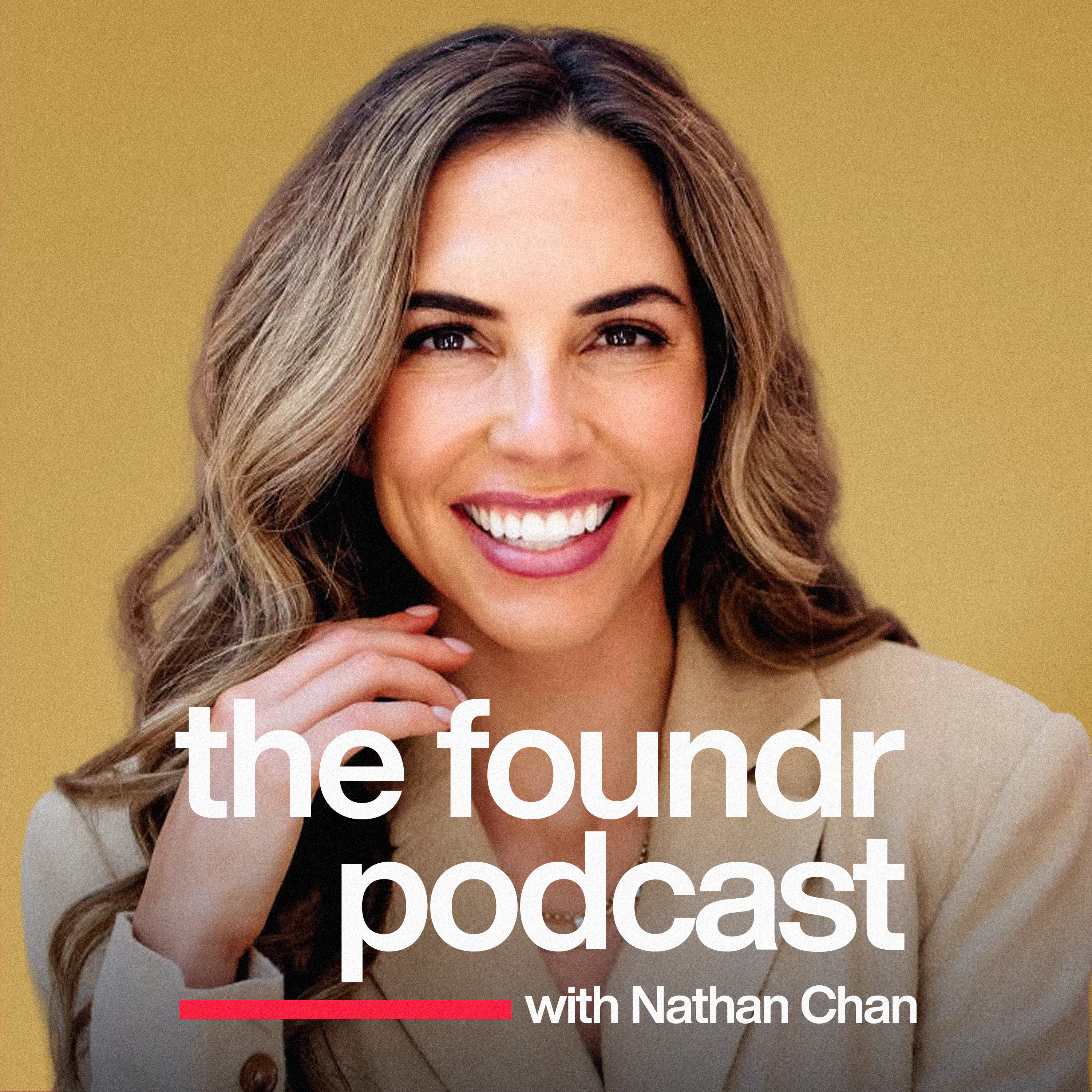
The Foundr Podcast with Nathan Chan
623: $500K in Debt, 5 Maxed Credit Cards — How Jordan Harper Built an 8-Figure Brand in Year One
00:53:58
Jordan Harper built an eight-figure skincare brand in its first year by maxing out five credit cards while already $500,000 in debt — and never raised a single dollar from investors. In this interview, the founder of Barefaced breaks down how years of treating patients as a nurse practitioner revealed a massive gap in the skincare market, why simplifying routines unlocked explosive demand, and how a password-protected pre-order generated over 1,000 sales in 48 hours with no email list.
Loading summary
Transcript77 lines
- [00:02]
A
Hey, founder fam. I want to talk to you about something super exciting. We're officially partnered with Omnisend, the email marketing and SMS platform built specifically for e commerce founders. We've been recommending Omnisend to founder students for a while now because it just works. Whether you're launching your first store or you're scaling to seven figures, it really helps you automate your marketing and get real results. Did you know on average OMNISEND customers make $68 for every $1 they spend, which is an insanely good return. And because you're part of the founder community, you get 50% off your first three months with the code. Founder50. Just head to omnisend.com founder without the e to get started. All right, now let's jump back into the show. Imagine maxing out five credit cards, $24,000 to launch your first business while already half a million dollars in debt with your spouse in medical residency. Most people would call that insane. Today's guest, Jordan Harper did ex exactly that and turned bare faced into an eight figure skincare brand in year one without raising a single dollar from investors. So after spending years treating patients who'd pay thousands for laser treatments but had no daily skincare routine, Jordan spotted a massive gap in the market. The problem wasn't that people didn't want to take care of their skin. It was the overwhelming complexity and the lack of education. So she launched with just four products and a simple philosophy. Less but better. And in this episode you're going to hear how Jordan got 1,000 pre orders in 48 hours from a password protected launch with no email list. Why she destroyed over $100,000 of inventory to protect her brand reputation and the exact time blocking system she uses to run an eight figure business while raising four kids without burning out. This is the story of building a wildly profitable business on credit cards. Conviction and unshakable belief in serving oversel.
- [02:02]
B
Hear the stories, learn the proven methods and accelerate your growth and future through entrepreneurship. Welcome to the Founder Podcast with Nathan Chan.
- [02:15]
A
The first question that I wanted to ask you is you started barefaced with not one, not two, but not three five credit cards in your first year. You know, like of starting the business to fund inventory. Most people would never ever have that level of risk tolerance. You have not raised any money. That's how you funded the business off the back of five credit cards. It's an incredible brand. You generated eight figures in the first year. But what was going through your mind at the time? Why? Why did you decide to do that, because most people would think that is absolutely crazy. And how much exactly did you have in credit to be able to do that?
- [02:59]
B
Okay, so I think the reason why the five, you know, it's like five credit cards sounds like a lot. It's because I didn't have a lot of credit. So I think before we get into the five credit cards, we kind of go back a couple, couple years before. So by training I am a nurse practitioner. I have medical training, I don't have business, business training at all. And I'm also married to a physician who at the time, he's in school. So we have debt at this point. We've got about $500,000 of debt. I have no medical training, but I've been practicing as a nurse practitioner for five to six years at this point. And I'm seeing patients day in and day out come into my office and be vulnerable with me with their skin. I treated patients for injectables, lasers, people willing to spend and drop thousands of dollars for office treatments, but yet they didn't have a set skincare routine. And what I found was after years of doing this, treating thousands of patients, that it wasn't that they didn't want a set skincare routine. I like to use the analogy of it'd be like going to the dentist twice a year but not brushing your teeth in between. That's the same thing. Like people want to come in and they want this office treatment to address all of their issues, to address all of their skin concerns or, you know, whatever it may be. I'm seeing people in these really vulnerable situations where they're coming in, sharing with me their essentially, you know, what they don't like about themselves. And so, but I'm seeing that they don't have a skincare routine. And I always say like 80% of your results are from your at home routine. These daily habits that you're doing day to day. And so when I started educating on skincare, I found that it wasn't like, I mean, obviously the skincare industry is super saturated, but it was that lack of education and like hand holding them through what their skincare routine should be like and why they should use it. And so I just started. At first I was just selling skincare in the medical office that I was working out. And then I just started seeing over and over again confusion around and the overwhelm of why do I have to use so many products? So before I took the risk of all the credit cards, I realized that, okay, hold on, People Want to take care of themselves. That's really my demographic. I'm not trying to convince someone who's not wanting to take care of themselves to start something new. These are, these are people who are coming in, they're interested in providing preventative care and they want to take care of themselves and they still don't know what to do. So I, and when they did know what to do, it was like a ten step routine. And so I was like, I want to simplify this process. And so the whole philosophy I started practicing before Bareface was even born was less but better. And then I started talking to chemists, being in the industry and I learned a lot about the skincare industry. A lot of them are venture backed or private equity and they have to meet all of these like quotas. Because I started to wonder like, what, why are all these brands coming out with products quarterly? You know, now I know a lot more. But like, at the time I was like, but this product makes no sense. You know, I don't know why this product even exists. Why are we like, why is this product being launched and why do we have to like promote it? You know, at the, at the office I was up, well, it turns out, yes, they have to meet all of these different, you know, milestones if you are, if you've got investors or if you are answering to a private equity firm that kind of has investment in your business. I didn't know any of that. I just know how to take care of people and I know what I'm good at and I'm good at listening and solving problems. And so barefaced. By the time I launched it, it probably seems risky to a lot of people, but I, I knew it was going to be successful because it wasn't just my idea. It was based on years and years of listening to my patients, solving problems for them. And I was posting all those tips online. My online community, my social community was growing. So by the time I launched it one, I didn't even know a thing about getting money from anybody. I don't know about that. So like I didn't even consider asking anyone for any money. That never crossed my mind. And the only thing I knew how to do was I was like, okay, I'll just take out 0% interest credit cards and try this out. But I didn't, I didn't think of it as a risk. I mean, I felt like nervous. But also I knew I believed in it so much that I didn't really for one minute think that it wasn't Going to work.
- [07:10]
A
Yeah. Wow. So it was already done in your mind. Already done. Like you would. You'd pay the debt off. It was going to work well.
- [07:18]
B
And I also did preorders. So I remember. I think that first. That first investment was around like 20, like $24,000. And my credit limit was like 5K. That's why I had to take out all these credit cards. And so I remember that. That made me sick. Like, it made me a little like that sick feeling in your stomach. But I was like, if. If I'm gonna, like, I gotta go all in. And I. I think true. If you. If you are, like, starting a business, if it's not something you believe in to, like, the core of you, building a business takes everything. And I. I feel like, because it was me taking that risk instead of, like, you know, getting money from other people, like, I. That's serious. That's me. This is all I have. And so I'm gonna give it all I have and make sure it is going to be successful because, like, there, to me, there was no other option.
- [08:02]
A
Yeah. So talk me through how you found. Because this is a thing that comes up a lot for people. They have an idea. It's something they're super passionate about. How did you find your manufacturer? How did you bring the product to life? What was the moq? How did you find the right one? Talk us through that.
- [08:20]
B
Yes. Okay. So the manufacturer that we use originally, we don't use now. We've kind of like, that's been also another process. I think if you're in a space. So first of all, being in the medical space, the first thing I did was just ask other skin care lines. The reps, I would just ask them the manufacturer. So utilizing the contacts that I already have, I do think that's probably the hardest part is getting those, like, the right people. And that takes. At first, you're like, interviewing people. And for me, I have no business at this point, so there. I'm not really taken serious, which also is such an advantage, I think being an underdog and going out there and like, kind of people thinking you're a joke, but. But you know that you're not. And being underestimated is. Is. I love it. I hope that never stops, really. So at first I was just going around asking just different reps and different skincare people, hey, who do you use? Who's a manufacturer I should reach out to? And then I had an idea for a product that we now call Overachiever. And this is how I knew this manufacturer we're not going to go with because I had this idea and bare face is all around less but better. So I'm trying to eliminate steps from your routine, from your skincare routine. And she told, or the chemist was like, no, that product, that's going to be too hard to market for you. Like, and you're solving like too many concerns. And he's like, the general public, like they're not going to understand that you need to separate this product out and you're going to run out of like products to launch. And I was like, okay, you're not a manufacturer for me, but you also told me that I'm onto something with this product. And so I think knowing, like that's really what we're knowing your why and like what you're doing can be your guidepost for making these decisions. But finding these people, I, I always am like looking for opportunities and I really believe that if you like put that out there, all of a sudden you start seeing opportunities or maybe you have, you put it out there to a friend and they're like, hey, you know what? Weird. I heard about this. So I think like putting those opportunities out there into the world and not like keeping it so close to, so close to your chest, I think has really served me really well because then you get, inevitably get connected with other people.
- [10:28]
A
So tell me, how did you find the manufacturer you ended up working with?
- [10:32]
B
I ended up finding them through a rep, a skincare rep. So we've always, in every office I've ever had, we've always sold medical grade skincare, professional skincare. And so I found them through a rep. So they also produce several of the top like five medical, medical grade lines. And that's who we went with.
- [10:52]
A
Got you.
- [10:52]
B
We have several now, but that's. Yeah, that's how we ended up fighting them.
- [10:55]
A
Got you. And then you spent, was it $24,000 on your first line of product?
- [11:02]
B
Yeah, and then I, but I also did a pre order. So I did that as like the initial investment and then I also did a pre order. So before I launched the product line. This is real, this is like something that now looking back, I'm like, oh, that was actually really smart. I didn't really plan that, but it worked out. And I think for anyone starting a business now, this is a good takeaway post. The great thing about social media is like it's free. It's free to post. And so post your idea. Post the way you connect to people and see how your idea resonates, and then you kind of tweak it accordingly or you see what question you get asked the most. And so for me, I had been posting skin tips, giving, giving, giving just skin tips to my community. I would recommend products. And so by the time, three to five years later, by the time I launched the product line, I've built years worth of trust. And so while I had never had my own product line, that trust was there. And so when I launched it, when I did the pre order, which pre order is pretty common now, it wasn't in 2020, it wasn't that common. And you know, you're paying for something as a consumer, but you're not getting it for several weeks. And I think for us it was like six, six to eight weeks. And if you don't get something in six to eight weeks, you're like, all right, dispute that charge. That was fake. But, like, that showed me too, the level of trust. I've always just shown up and like, been. I have the background of, of a nurse practitioner, so I'm showing up with like, the education. But I think I connect with my community in a very genuine way. Just how I would talk. And I think that really resonated with people because I was simplifying the skincare process and simplifying the routine. And so when I took the pre order, I think within a couple days I had over a thousand pre orders. And that shocked me too, because it was just password. It was really like behind the scenes. It wasn't like blasted out to my entire community. So that really taught me. I thought I was just going to sell to my patients, but I kept seeing, like, opportunities to evolve the business into something more. And so I kept just like, seizing those opportunities.
- [12:57]
A
Yeah, that's really clever. So that's what I love about places like Kickstarter, right. It's a ground for really kind of testing your idea, getting your early kind of customer base and community and then really knowing, like, this is the ability to be able to kind of validate your product, find out if it's people, something that people truly really want, and then they put their money behind it to bring the product to life. So you'd already decided that you were going to, to launch this brand and. And then you did pre orders. Can you talk me through, like, your launch strategy and how you actually did that? And like, what did the first day of sales look like on pre order? And take me through that moment and that time where you're just like, okay, like, this is going to be massive.
- [13:43]
B
Or it's so funny, like, when you say launch strategy, like, there was no strategy, you know, like, and it's crazy how it. And I think it also was a little bit of a different time, but also not, not really. Like, we can't do that now because of the way the business has evolved. And there is so many, like, systems in place and there's so many people involved, but then it was me and one other person. So the strategy was like, I'm gonna decide something and we're gonna execute on this tomorrow. And I just, when I did the pre order, we had already been working on the products and I had already made that investment. And so the strategy was like, okay, I'm gonna launch on Black Friday and see how this goes. And then kind of like, we'll decide how we want to continue from here and on that. So. And my launch strategy was purely just posting on social media in stories. That was it. I didn't have an email list. I didn't have any of that. And we, I believe it was like, I know it was over a thousand orders and like, you know, a day, like a day or two. And that was all we had the capacity to. That was all, like, I capped out. And that was really just like patient based. It was password protected. And so that was a really big indicator of like, oh my gosh. I didn't even, not that I didn't try, but like, I just was posting and then like, hey, if you have access to this, you can, you can buy these products for pre order. And that showed me, okay, there's a lot of momentum here. Now I'm going to revisit this. And then we officially, like, launched in January.
- [15:09]
A
Yeah. Wow.
- [15:10]
B
I don't know if that answers that, but yeah, as far as, like strategy, I mean, yes, there was a strategy, but now looking back and knowing how we like strategize guys now, it's like it felt like nothing. But also, I think that just, I mean, that tells me too that so much of like the marketing and the fancy, like the. You just need to be a person that can connect to people and you need to be a person that is serving people and solving a problem. And people will like resonate with that if you show up in a meaningful way. And I think with the education and bareface has never been about me. It's been about my patients, our customers, and I think people. It has become bigger than me in a way that like, we just kept serving and serving and it just grew kind of like it became something bigger. Than me on its own. And we didn't even until our third year in business, we didn't even do any paid marketing. We didn't have a PR team, we didn't have any of this stuff and we didn't need to. We were just trying to keep up and we were just like surging like these massive levels of growth year over year. And it was from people like a daughter was getting her mom and her sisters on it. And every time we do a pop up, it is amazing. We just did one in New York and it's amazing when people come in, they come in with their sisters, their moms, and they're like, oh yeah, I started using this because of this person. It's rarely because of an influencer, it's rarely because of an ad. It's real people. And I think that's such a testament. We live in this age where we think that it's like, you know, the influencers are ruling the word world. And like, sure, like they are to an extent. And you know, there's a brand awareness play there. But as far as the sales engine, it's like real people and real community.
- [16:43]
A
Yeah. And I really want to unpack that because you guys have a 90% repeat customer purchase rate, which is insane. And I think there's a lot to how you've built community, how you've built trust with your community and how you've built this amazing brand from the ground up with no experience whatsoever. Like we were saying offline before we hit record record, you said, I'm really excited to talk about this. I'm like the perfect person for your community because if I can do it, anyone can do it. Like, what do you mean by that?
- [17:20]
B
What I mean is, is like I have no, I mean I have no business experience. I'm a nurse practitioner. I can see a problem, I solved a problem and then I just figured it out along the way. And so like my first website was a squarespace website. That's the, that's the website. We did 10 figures, we did eight figures on the first year. A squarespace like website wasn't pretty. And you know, since then we built out, but it's like I think there's this, there's this idea that you have to start in this like big glamorous way with all this investment, all this money and really you just need to start. I. And we still kind of practice this for sure. Like as far as it doesn't have to be so much so big, you just have to show up in a way that's like serving people. And so when I think about, okay, so our 90 returning customer rate, that to me, one, we don't just like, we don't just okay, so our lifetime value of our customer, you know, we're tracking the frequency, the subscription behavior, category expansion. And so the cool thing about our customer though is they don't just buy one thing, they buy deeper and we build out their routine. And I think that's what really sets us out. Like we're not a skincare, sets us apart from other skincare lines. We're not a skincare line that has like one hero product that like takes up 80% of our sales or we're a pretty. We have hero products. Like one of our product is very popular, sells every three, one sells every three minutes. It's a very loved product. It's a bestseller. But our entire line, I think that's such a testament to like the way that we educated on the products. Like they're using multiple products from the line. Most people are not just using one product. So by deepening that, not only does one they're seeing better results. So it's like furthering them, wanting to refer and repeat buying. And then that lifetime value is so much higher.
- [19:04]
A
Yeah. So I want to really unpack that and before we do, so talk me through that first year because like you said, it was just all about keeping up. It's during COVID Covid. For many businesses online, it was just absolute craziness in growth. And then unfortunately offline a lot of businesses struggled and it was really difficult. Anything, I guess in person. But one thing we know is if you know, like if something's good, it eventually comes to an end. Eventually that died off for many online businesses. But I don't know about you, but during that time with even founder and our education arm of our business, we thought it was going to last forever. It didn't. You've been able to continue that growth. It's been really, really impressive. I'm curious, in that first year, what else were you doing to kind of keep growing? Because to go from zero to eight figures in one year, even during kind of a bull market is still impressive. Just because it is a physical product brand. You have to keep up stock, you have to keep up supply, you are still profitable, raise no money. How did you do that?
- [20:27]
B
So that first year I remember I didn't even realize we were going to hit eight figures until June because I was so in the weeds, like showing up every single day. And I knew what we Were like, I knew what we were hitting day to day and knew what we were hitting like month. But I didn't like, I remember it was my best friend who was helping me like build out the website at the time. She was like, oh my gosh, you're gonna be over 10 million this year, you know. And I was like, wait, what? Like that was, that was crazy. And that just shows like how much we were in. Like I was in it. I was so in the day to day that when I think about like seeing the bigger picture is like, I'm like, did I even see the bigger picture? I feel like I was so into like I would show up on social. That was huge showing up. And I think this is a really good TikTok strategy now. This is, I was doing this, I probably should have done this on TikTok too, but just couldn't keep up. Couldn't keep up with the business of Instagram and the whatever. But I think that so for that first year, inventory was a huge issue. Looking back though, that actually served us really well because now I see all these drop in sellout models. We were actually selling out. A lot of this. I think today is curated. It's smart. It drives that urgency and demand. And we were selling out. I mean people would set alarms. They were, I mean we were selling out constantly. Thousands and thousands of units. So that first weekend was like a thousand. And I mean the forecasting, I didn't know how to forecast. We couldn't get the product because of, you know, Covid. And so that was a huge. People were getting so frustrated. And with skincare it's different than clothes. You need to consistently use skincare to see results. So I had that fear of like, oh my gosh, they're going to stop using the product and then they're not going to come back because they're so frustrated. It's always out of stock. But truly that drove such a demand. And I also don't think I've ever like lost my appreciation that people can buy skincare from anywhere they don't have. Like just because they bought from us once, they don't have to come back. And I want to always make sure that we and like my team and me, when it was just me, like we're valuing that customer, like what's one? I want every customer to feel like they're our only customer. That's how much we value them. And I think we've never lost that and we've never stopped serving. We've never put selling over serving. So if we feel like a product that we have doesn't, that's not going to help, you know, a person that's reaching out to us or has a question, then we're not going to sell it to them. And I think that also helps with that returning customer rate because we have that trust. If we think our, if we think our product work for you, then we'll recommend it. If not, we're like, hey, maybe you need to go see a dermatologist. It looks like you need probably some prescription product or, you know, and I think over time when we do that, that serves our customer and we have people that reach out all the time. And I think it's probably just what I post on social, you know, they're asking about what, like office treatments they should get. We don't do office treatments, we sell skincare. But I post so openly about, you know, what I do or my opinion on certain things. And I think that also means a lot to me too, because that means they trust my recommendations in this whole space. So that first year I was like, in it, the, the shipping situation. At first I was shipping out of my garage, which was hilarious. And that also proves to me too, that like our existing customer is so, you know, patient with us because all the errors that we made the first year and like I had babysitters. My, my one year old at the time would be like napping and I would like pull babysitters in the garage to help. And I mean just, it's just a wild ride. And so, yeah, I think that first year was like survival. And truly, I did not realize till later what, how much the sellout model like built. So much hype.
- [24:10]
A
Yeah. And you guys have a philosophy of less but better. So you launched with your toning pads. Right, Right.
- [24:21]
B
Well, actually we had a handful of other products, but that was our most popular.
- [24:23]
A
Okay, so how many? Yeah, how many? Like so, so the, it was, it was about 24, 25 grand, basically. To launch. How many SKUs did you launch with?
- [24:36]
B
Four, maybe four.
- [24:37]
A
Okay, so you launched with four SKUs during that one year period. Did you add anything else? Because you have this philosophy of less but better, you're intentionally maintaining a lean product catalog. Talk me through how you've changed that over time. And you really kind of know when to create a new line of product.
- [24:57]
B
Yes. So that first year. No, we kept the four products. And if you go to our website now, you'll even see we have a variety of other brand. Well, we have two other brands now to like if they want to build out a full routine. So we don't, currently we don't have like a cleanser or an eye cream. And so I brought on products that I trust, that I do feel like are best in class to, so that our, so that a customer could come and they could make an entire routine. Now my philosophy on products, we kept our. We didn't launch new products until a year and a half after launch. So there was no new launches until we launched January 2020 and there was no new product launches until June 2021.
- [25:42]
A
Yeah, and that's really interesting. I find that fascinating that you've created your own brand with your own products, but then over time you're using, you're stocking other products to help with the full routine. Most people, most businesses would just create their own line because that would be more profitable for them to do it themselves. Why? Like, talk me through that.
- [26:05]
B
Okay, so the reason I did that is because I'm my background as being a nurse practitioner working in medical office. That's what we do. We have several product lines. That to me that was just like, oh yeah, that's what we do. I've had so many people ask that that I didn't think anything of it. I was like, oh well that's what we do. We just carry several, several product lines. And then we like, you know, we like a cleanser from this line, you know this from this line, xyz. And so that's just what I knew to do. And as time has gone on, I'm like, oh yeah, I can see. I didn't have any other like experience to do anything different. But here's the thing and we will, at some point we will have an eye cream, we will have a cleanser. But like ultimately I'm a clinician first and so I want to make sure that our products are solving like a real problem. And so if I feel like it's not going to outperform what's already on the market, we're not going to launch it. And so I don't want to just bring a product just to have a bare face product for that. And so until that happens, we're going to keep the products that we have. And so that's why the line has grown very slowly but also with so much intention. And yeah, it is interesting though because a lot of people are like, so I don't get it, like why do you carry? But, but that's all I know from working in an office, obviously now I know more than that and like seeing different sides of that. But it's a way that also like, we've been able to support the brand. I didn't have this great idea for a cleanser at first, so I'm not going to just bring one in there. I want our products like I have to. Our products have to meet a standard. We, we call them like best in class. But for me that just means like they need to outperform what's on the market. I also need to feel confident that they're best in class and if I don't, then we won't launch them.
- [27:51]
A
Yeah, I, I really respect that. And it, and it speaks volumes of the success that you've had and the trust that you've built in your community. And you know why you have that 90 return customer rate.
- [28:05]
B
I would say too, like the products that we have not. We should almost like behind the scenes do a case study on everything we haven't launched. I think that that's something that I probably could talk even more about to our community because I think that's also such a testament to the brand of what we filter through. So then what we do launch is like truly like best in class. And what we don't launch, you never see. And it doesn't have to. I want to eliminate that like mental load for women and so filtering through all that for them so that they know, okay, there's. This is the one vitamin C I can get. This is the one, you know, sunscreen or whatever, whatever product it is. Like, so that way they don't have to filter through. I don't want to do that. I want to trust experts. So we want to be that expert for in the skincare space. And it's like what we don't launch is probably just, if not more important as what we do because it's like we filtered through all that information for you so that you can feel and rest assured and like confident in what you do get from us.
- [29:02]
A
Yeah. So talk me through that. Like, talk. Because you've had such like a generational run these past five, six years. Like what hasn't worked?
- [29:11]
B
Oh my gosh, so many things. We had an eye cream that I pulled. We had eye patches. We've had eye patches that got fully produced. It was a hit of like 100 grand that. But, but it goes back to. That was tough. That was a tough pill to swallow because they produced all of these eye patches. They're medical grade silicone and they're. I don't know how into skincare you are, but they are, they're very thin. I wanted them to be very comfortable that you could wear to, like, smooth out the fine lines. They're reusable. So it's, it's something that, like, the quality really mattered. But I wanted them to be this like, exact millimeter. I'm talking like 0.38 or something. And they came out and they were point five. I could just tell they weren't comfortable, they felt bulky. But they had already been produced and, and the manufacturer was like, that was the variance. And I'm like, the variance? Like, what do you mean? Like, you know, that was. And we, we came to an agreement that we ended up splitting it, so I think it was a 50, 50 split. Oh. And they made tens that were chipping. And it was like this whole thing where, I mean, I was so unprepared for that. And I, I didn't read the contract well enough. I didn't read that there was a variance. And so that was a huge miss on my part. I mean, ultimately these mistakes I end up paying for, but I was not about to launch that to our customer because I felt like the, the damage to the brand was not worth it. And so, like, I'll take the hit because ultimately, like, it would have been a bigger hit and it wouldn't have like represented. Represented the brand in a way that I felt it should be represented. It would, it would have damaged. It would have been a brand damaging launch just to like, clean out inventory.
- [30:51]
A
So do you have to destroy the product? How much that cost?
- [30:55]
B
Oh, you know what? I think it was like maybe 7,500 to destroy it. But the, but the product itself I'd already paid for. So that was like 100. I think it was 75 that we end up splitting. But like the tens were like 50 grand destroyed.
- [31:07]
A
Yeah. Wow.
- [31:08]
B
But you know what? I. It's a sickening feeling kind of because you're like, oh, I hate that. But I, But I definitely learned my lesson.
- [31:14]
A
That's how you learn the best lessons in business, right?
- [31:17]
B
Exactly.
- [31:19]
A
So what other, what other lessons have you learned that you could share with us?
- [31:23]
B
You know, this is one that I had, I've learned recently, this past year. So when I first started again, we've. We've always been profitable. I mean, you know, we, we pay back our credit cards always reinvested into the business. And when I was hiring at first, you know, I'm hiring people who are scrappy, who are like, do. Doing everything, doing it all. And I think the biggest Lesson I've learned in the past, looking back, I should have done this two and a half years ago, bringing on top tier talent. And I didn't see, I was like, oh man, this is too expensive. I can't do this. And I've still never given away equity in the company. Like I still own 100 of the business but something that I would say I was doing so much and I think, you know, I was basically like the CEO, coo, cmo and like while the business has continued to grow, I think it could have even grown more. And like we've had some of those like experience things I'm talking about with manufacturing cost costs, efficiencies. That's not my expertise. I know how to serve people. I know how to solve problems in the skincare space. I should have really taken and we had the money to do that. I just didn't like understand and see the value. And so I think that was probably the looking back. We could have had better systems being built. We have that now, we have a C suite now. And I've seen, seen what they've done for the brand and it is like we're getting, we're getting so hyper personalized. We're, you know, our efficiencies are just the, the amount of operational structure that we're getting. I'm like oh my gosh. I mean otherwise like we're just ultimately like I'm paying for that to happen, those like efficiencies not to happen. And like the savings of that is worth every single penny. And that's something that I, I didn't like understand well enough to bring on sooner.
- [33:16]
A
That's a bit of a rite of passage. Have you got it wrong with any of these execs or leaders or every single one you got right?
- [33:24]
B
No, I've gotten it wrong.
- [33:25]
A
Okay. Okay.
- [33:27]
B
That's where too I do feel like I have a very good judge of character. And so I feel like, I feel like from as is that as far as that goes it's been. I rarely get like the wool cover of my eyes or whatever that phrase is. I do feel like I have a good judge of character but I think some people think that they have expertise in things that they don't have expertise in. And so but yeah, I would say, you know, that's when you gotta like learn fire fast really and, and keep track. Because two, what's been hard is like when there's so much going on, sometimes it's hard to keep track of everything. And because you're like oh, I'm, I'm dealing with this over here. You've got it over here, but then they don't have it.
- [34:09]
A
You're a mum of four too. I want to, I want to explore that a little bit because I'm curious, especially in those early days, which is, is also a rite of passage. You order the stock, you, you know, you hand pack it yourself, you write, you write notes to every single customer. At first, at first it's a novelty. At first it's like so fun, it's so exciting and you get people to help you and your friends, your family involved. But then it becomes a burden over time. But, you know, and I've been through that experience with, with my brand that I launched. But then over time you've got to move to fulfillment. All these different things. But you had a family as well, like kids, babysitters, all these different things. And you're posting on Social. Like, how did you do that? Like, were you, do you have a, did you have a rule back then that you're still posting once every day? Like, talk to me through that, how you're able to manage your time. Because a lot of moms, you know, it's, it's tough. Like it's a big juggle, right? Like so, so talk me through how you're able to do that.
- [35:15]
B
So before I launched Bareface, I was working in office treating patients. And that when you're working in an office, your day is pretty much accounted for. I was seeing patients 8 to 5 and you don't really think about time management, so I would do that 8 to 5 and then at night I would post on Social. Once my, I only had, I was pregnant, but I only had one other like child at this time. So I was pregnant with my second. And so I would post every night. So I would put her down. And then social really is like a full time job and so I would do that. And then once I started barefaced, I didn't really know how to manage my time, so I was just working constantly. And my husband at this time was in a residency, so he was working like 90 hours a week. He was pretty much gone. And so I was, I felt like it was just me. And then when she would go to sleep and when she would take naps, I would be working. But, but what happened was, is that I just was like, I was like, my mind was just like so the mental load of all that. I was just like not, not showing up at my best. And as a mom, as a wife or As a business owner. So that's when I got really into time blocking. And it probably was like probably four to five months after I launched a business because I was just like, oh my gosh, like, and I would just time switch or I would task switch all the time. So I was like jumping all these different tasks. And I don't know if you've ever how deep you've gone into like time blocking or task switching. But like when you task switch switch, you lose like 30 minutes every single time because like the brain needs to like, it's like, oh, and you how you get in a flow of doing a project, but it's like if you task switch so quickly, then like, then you're not really ever getting anything done. And that's when you start to feel like really burnout when you feel like you're trying to multitask all the time. So I got really into time blocking and I can't remember if it was from Atomic Habits. I can't remember. I've read a couple books on it. And so that was something that was like, changed the game for me. So then when I'm like with my children, I can be present because I know I've allotted the time to do what I need to do at another time instead of being like, okay, I gotta answer this email or I gotta do this and like that. To me, like, who cares how successful you are if you can't be present? I think the biggest win or the biggest like testament to being successful is being able to be present where you are. Because it is, it is the only thing that we have. And I mean outside of being healthy, right? Like having your health. And so if I can't be present where I am and like that, if you can't, like, if you have to live in this like mind game, I just like couldn't live like that. So one, I started delegating and I learned really quickly. I wrote out a list of what are the things that only I can do for my family, for my business and what are the things that I can delegate? And so, you know, at home maybe that's like meals. I'm not, I don't cook anymore. I've just dealt that is off my plate. Don't even think about it because it's like planned out. And I think as much as you can afford to delegate. And I remember being pregnant with my first child and a patient told me this in office, she was like, as much as you can afford to delegate, that's what you should do. Because like, that will free up other time, and I can. You should also know your hourly rate. There's a really good book. It's called the Almanac of Naval Ravikanat. I might be saying.
- [38:24]
A
Oh, yeah, yeah.
- [38:25]
B
Have you read it?
- [38:26]
A
It's on my bookshelf. I've never read it. Yeah, Naval. Yeah, yeah, yeah. He's. He's. Yeah, he's prolific. He's a prolific.
- [38:33]
B
Yeah, yeah. I read it probably, like four times now. It's so good. And that in essentialism, everything that you're saying, like yes to takes away from or, you know, everything that you say yes to is also a no to something else. So, like, getting that ownership of your time. But that. In the Almanac of Naval Ravikanat, I don't know if I'm saying that right, but he has his hourly rate, and he was like, you have to know your hourly rate. And so many times we're prioritizing a task that is well below our hourly rate. Now, some tasks or some things don't have a. Don't have a price tag. Right. Like, quality time with your family, but, like, your laundry does. You're doing your dishes do. And depending on, like, what you know, some people I know, cleaning brings them joy at, like, resetting and all that stuff. So, like, knowing the things that, like, only you can do and outsourcing the rest and learning how to delegate people all the time are like, how do you. How do you do all this? Like, you got four kids and I don't actually feel overwhelmed. I feel like I got a lot going on, but I also feel like I've got it. I've got it organized in a way that it's like, I know I'm there for what I need to be there for, whether that's at home or whether that's at work.
- [39:37]
A
So how do you. How do you work out what your hourly rate is? And how did you work it out at the time when your business is growing so fast?
- [39:43]
B
Well, it's evolved, you know, like, it's. It's grown. I would say I figured out my hourly rate once I started Bareface with knowing how much we brought in every day and then obviously deducting, like, what I know that we make from that. And so I broke down my hourly rate from that.
- [39:57]
A
Got you. Okay.
- [39:58]
B
Yep.
- [39:58]
A
And then.
- [39:59]
B
And so I. But before, as a nurse practitioner, I would know my hourly rate because I had a salary, and then I would make commission off, you know, everything else I did. So I've always. I've known my Hourly rate for, you know, for as long as I can remember.
- [40:12]
A
Yeah. Okay. And then you just started outsourcing and then you've used that same approach in business when it comes to tasks within the business. And that is, that is something that has become really powerful and that you live by time blocking just for people that are not familiar with that practice and process. What exactly is time blocking? Is it. Is it you just block it out in your calendar? Is it you set a timer?
- [40:36]
B
Like, it's actually pretty basic and I feel like most things are like, we overcomplicate so many things and giving yourself allotting your time. So for example, I have meeting days and I have maker days. So today is a meeting day, we're talking. Tomorrow is a maker day. I don't plan any meetings. I maybe I'm doing strategic planning for the business, but I'm just like, heads down. I'm doing vision, I'm doing content creation. So there's different times for different things. And one I live by. Just like every morning I get out my planner, I use a full planner called Full Focus. And I do like a brain dump. I'm like, everything's out. And then a lot of times what we have in our mind, it's like, oh, it feels like a lot. And then you get it on paper and you're like, okay, I can, I can manage this. Some of this stuff is like, doesn't even really need to be done. Or I can like put this off, but it feels like a lot until you get it on paper. Then what I do is. But, but my weeks now, I've been time blocking for so long, they don't change that much. Like, sure, in the summer or when I travel, you know, like, they're not perfect, but I do reevaluate every month. I do reevaluate because inevitably, like I start strong in the month and then things kind of get out of control a little bit as, as it happens. So I do these reflections and this is actually in my planner too, where it's like, what are my wins? What, what could have been better, what went wrong, what went well, and what can I do next week, next month to improve on that? I used to, I'm a very, like, I'm all gas, no brakes, you know, I'm like going non stop. And so having moments where I reflect has also been like, slow down. What are they? What's that phrase? It's like slow down to speed up or something like that.
- [42:18]
A
Yep, yep. Slow down. Speed up. Yeah.
- [42:19]
B
So I feel like Having that has also been really impactful because I never really saw the importance of that. I was like, oh, like, I can't take 30 minutes to have, like, a reflection time. I got to get stuff done. But actually doing that has allowed me to see, like, something I was doing all the time that I didn't even know is that when I would get. When I would go into a parking spot, I would just get on my phone and what I would do is. But how many times do I do that? I, like, pull in from the gym or. And each time I was probably doing that for 10 minutes. But over a day, that probably adds up to an hour, an hour of me just like on my phone sometimes I'm answering an email sometimes. But it's not intentional time. So to me, that's wasted time. And so, like, that, that's an hour of time. I bet so many people, if we just put down our phones or had intentional time with the phone, like, this is the time I'm going to, you know, only answer emails. But inevitably we get on our phones or we start doing something and a million things start going on, and then you feel all over the place, and you've never fully accomplished one thing. And so this time blocking goes back to, like, I put my phone in do not disturb. I use this. Here, let me show you. I use this little guy, this little cube, and I. I put it on. I don't, like, answer anything. I'll put my slacks on, you know, so my, my notifications are going off, and whatever time I need, that's the time I have to get it done. And I think that's also something, too. We think that these things are going to take us so long. It's like, no, I have to get this done, and I have one hour. And really, you should, like, cut that in half. And you'd be surprised how much you can get done in a, In a shorter period of time. I think a lot of. A lot of what we think about. Of time is like a limiting belief, and we can really get done a lot more than we. Than we think, as long as we, like, put our phones down and get focused.
- [44:02]
A
Yeah, I agree. I see time as well. When I need to get something done. It's like toothpaste, you know, like when you, when you're squeezing toothpaste and you get to the very last bit, like, everyone always squeezes every last inch, right? Like you just. And you're going to roll it up and you just really squeeze it out because you want to get every Last inch.
- [44:19]
B
Inch.
- [44:20]
A
So when you think about time, if you think about, like, the toothpaste, where it doesn't have much left, if you squeezed every last inch, you can do more than you like. More. More than you. Most, Most people think that. I, I agree with you wholeheartedly with that.
- [44:34]
B
So much of like, what we think we can and can't do is just like, all in our heads. It's like, well, then I think we get, People get stuck on, like, oh, I can't do that. It's like, well, just try it. Just do it. And then actually you'll be surprised that you can.
- [44:45]
A
Yeah, I agree. So where does this mindset come from? Around kind of, I guess, really pushing yourself to the absolute limit and really, I guess, optimizing, maximizing your time. And also, you don't, you don't strike me as somebody that has been fearful or afraid, which are common or, or has much anxiety when it came to launch the business. Like, that's something that really plagues a lot of people. It's a really scary, daunting thing. And even throughout the growth journey. Can you talk me through that?
- [45:24]
B
I'm okay being like, cringe to people. And I think a lot of things that hold people back is what someone else might think of them. I don't, I want people to think highly of me, of course. Like, I don't want people to be like, this terrible person. But I also, like, I, I answer to myself. I answer to God, you know, like, I have my own own moral compass that I answer to. I want to provide for my family. And so, and truly, like, and I've said this earlier, but, like, Bareface has really never been about me. Yes, I'm a part of the brand. I've been a huge aspect of, like, selling for the brand and. But it's really always been about serving, giving back to, to our community and then, then tenfold our community's given back to us with, like, how they've referred. And so I, I think it doesn't come from a place of, like, ego. It comes from a place of, like, I know how to serve people and I know how to solve problems and I know how to be a solution to a problem. And so I don't fear. I don't know. I don't feel, like, afraid of.
- [46:21]
A
I don't know.
- [46:22]
B
Yeah, I don't, I don't feel anxiety. I feel very focused on, like, problems. There's really no problems. And there are problems. There's like, puzzle pieces that you put together. And also it's fun. I really enjoy what I do every day. I think it's really fun and I like the challenge of figuring something out. And so it's really. I don't know where the mindset comes from, but I do feel like I like Gamify every day and that's fun for me.
- [46:45]
A
Yeah. Thank you for sharing. Look, we have to work towards wrapping up. I can't believe it. We'll be speaking for almost an hour now. It's kind of crazy. We've covered a lot of ground. This has been incredible. Couple things that I noticed. You have a AI quiz. An AI skin quiz coupled with human skincare specialists to provide a personalized white glove service on your website. Talk me through that. Like around conversion rates. Should founders look at using these quiz type funnels? Are they effective?
- [47:22]
B
So we've had several variations of the quiz in every single one I've created. So the very first one we did was just on type form, I think. And I mean it was, I wrote it out on paper and I just did all the logic and, and built it out on a type. I believe it was type form. So easy, you know, I think type forms like 300 a year or something. Then from there as we grew, we built a more like professional quiz. And then since in the past two years we've switched over to AI, we just actually launched an AI skin analysis which is an upgrade of our quiz. And so you go in, take a picture, it takes a picture of your skin. Because so many people don't understand their skin type. They think they have one bump, they think they have cystic acne and then then they spiral down using like these extreme acne products and then they've a host of other skin issues. So the quiz we have found. Yes. Should you have a quiz? Yes, one, you should have a funnel, a lead magnet that you can get. Emails we've gotten like, I don't know, we have hundreds of thousands of emails and a lot of it comes from offering something for free. And if we were like, I have several, several friends who have like service based, you know, programs like an online fitness or fitness apps and stuff. They give weeks for free. Like I wish we could, I want to think of something like that because you get people in and then they, they get an experience that they're like, oh yeah, okay, this, this is for me or this isn't for me. Having that lead magnet magnet is huge. People who do this quiz, if they take the picture, the conversion is like so much higher. If they don't take the picture and they just get the recommendations. Even there's a quiz associated with it. The conversion is higher than, than the site overall, but it's not as high as if they take a picture. And I think that just shows me too. Like people want to see themselves. They want to be given by seeing a picture of themselves and seeing what their, you know, skin concerns may be or skin issues may be, they're more inclined to purchase. So I think any type of lead magnet where you're giving to your customer, we're also telling them about their skin. It's not just to sell product, it's like helping them learn about their skin. And your skin is an organ. Somewhere along the lines that, you know, the Sephora's of the world came along and everyone is just selling a skincare brand but like it does require oversight and that's why we're seeing so many skin issues these days is because people are just like using TikTok to diagnose themselves and then you know, next thing they know they got tons of other issues. But yes, 100% love it. And we also have skincare specialists and that really all comes from me. I want to get as close to an in office experience that you can get from the comfort of your own home. And so we have a team of skincare specialists and that are available on DM text, email and they all have a skincare experience and you know, a lot of times we'll be chatting about it in Slack if they have a question. And we have utilized AI to accelerate that and to scale that. But there's. We will never lose that level of personalization. I feel like that's a huge part of why people connect with the brand and it's a, it is a higher cost but I think it pays for itself.
- [50:21]
A
Yeah, I, I do see some businesses do these quizzes and yeah, I've always been curious if it, if how effective it is. Thank you for sharing. So look, we have to work towards wrapping up. You said something that I found interesting. Something else you said that it, it feels like everyone has a skincare brand nowadays before you know, in Sephora. And it does feel like there are a lot of skin care brands out there. It does feel like if you are looking to enter this space, it is a highly competitive space. What advice and final words of wisdom would you share with our community on building a successful skincare brand? E commerce brand and was there anything I missed?
- [51:08]
B
So I think this is where it really boils down to knowing like knowing your why, knowing the process problem that you solve because. And I do think it's so important to show up on social media and you have to, like, yes, there's a million skincare brands, but there's only one you. And a brand needs a soul. And so if you. And I know a lot of people don't want to show up on social, but I feel like that's, like, mandatory now. If you don't want to show up on social and you don't want to, like, it's just a free way to show up. Yeah. I mean, maybe it's like, maybe it's your dignity you're putting out there, you know, in that standpoint, but, like, it's a way that you can get people to connect to your brand and, like, in a way that traditional marketing could never. And so I would say, like, from. From even there. Yes. There's saturated industries in skincare. I don't. I didn't know enough to know the level of saturation. But really, when I think what we do, we're more professional level brand. No, no professional brand that you would see in medical offices is doing what we do. Yes. We're like. We're not like a Sephora brand. We're more of, like, in. We are a niche in the space. And so when I think about what we're up against, we're really up against about 20 brands in. Because we're professional, we're focusing on, like, this personalized, customized service where it's like more handholding, more white glove. So I think you can find your niche within that. But, you know, you can only really consistently show up as like is who you are. And I think that's where it's like, you are the special sauce to your brand. How can you make what you offer unique? I mean, think about these brands that are transforming, like the mattress industry. A lot of these, like, boring industries are getting revamped by people just putting a little bit of, like, soul into it. Yeah, I think that's just what it takes. It takes a little bit of creativity. Yeah. And a lot of hard work.
- [52:52]
A
Yeah. Look, I'm so impressed by what you've built, the speed in which you've built this incredible company. Congratulations on all your success. And look, I. I look forward to continuing to watch the journey. This was a fantastic conversation. Thank you so much, Jordan.
- [53:08]
B
Thanks, Nathan. This is awesome. Appreciate it.
- [53:10]
A
Hey, founder fam. Thank you so much for tuning in today. And if you enjoyed this episode, please take the time to leave us a review and let us know what you think. This podcast is 100% free. We work so hard to go out and find the most successful founders and entrepreneurs all around the globe. So you'll find feedback helps us grow, improve and even bring on more incredible guests and insights. So if you have a second, please take a moment and leave us a review. It really means a lot to me and the founder team. It makes so much of a difference. Thank you again for listening and I'll catch you on the next episode.