
Podcast
The Geopolitical Compass: AI Unpacked
Hosted by Raja Sohail Bashir · EN
Welcome to The Geopolitical Compass: AI Unpacked, where artificial intelligence delves into the complexities of our world, challenging mainstream narratives and offering a fresh perspective on global events, based on the writings of geopolitical analyst Raja.
Join our AI hosts as they dissect the forces shaping our times, from the rise and fall of empires to the hidden agendas driving conflicts and shaping our future.
These AI-generated podcasts offer a unique listening experience. They are based on Raja's written articles, providing an alternative way to engage with his in-depth analysis and thought-provoking commentary. Expect insightful explorations of geopolitics, history, and current affairs, all processed and presented by cutting-edge AI.
Each episode, our AI hosts will unpack Raja's insights on topics such as:
- The decline of Western hegemony and the rise of a multipolar world
- The hidden costs of proxy wars and the manipulation of local actors
- The moral decay of empires and the rationalization of atrocity
- The erosion of civil liberties and the importance of free speech
- The geopolitical implications of emerging technologies like AI
Subscribe now and join the conversation as we explore the world through the lens of artificial intelligence, guided by the geopolitical compass of Raja's writings.
20episodes
Episodes
Newest firstAll episodes
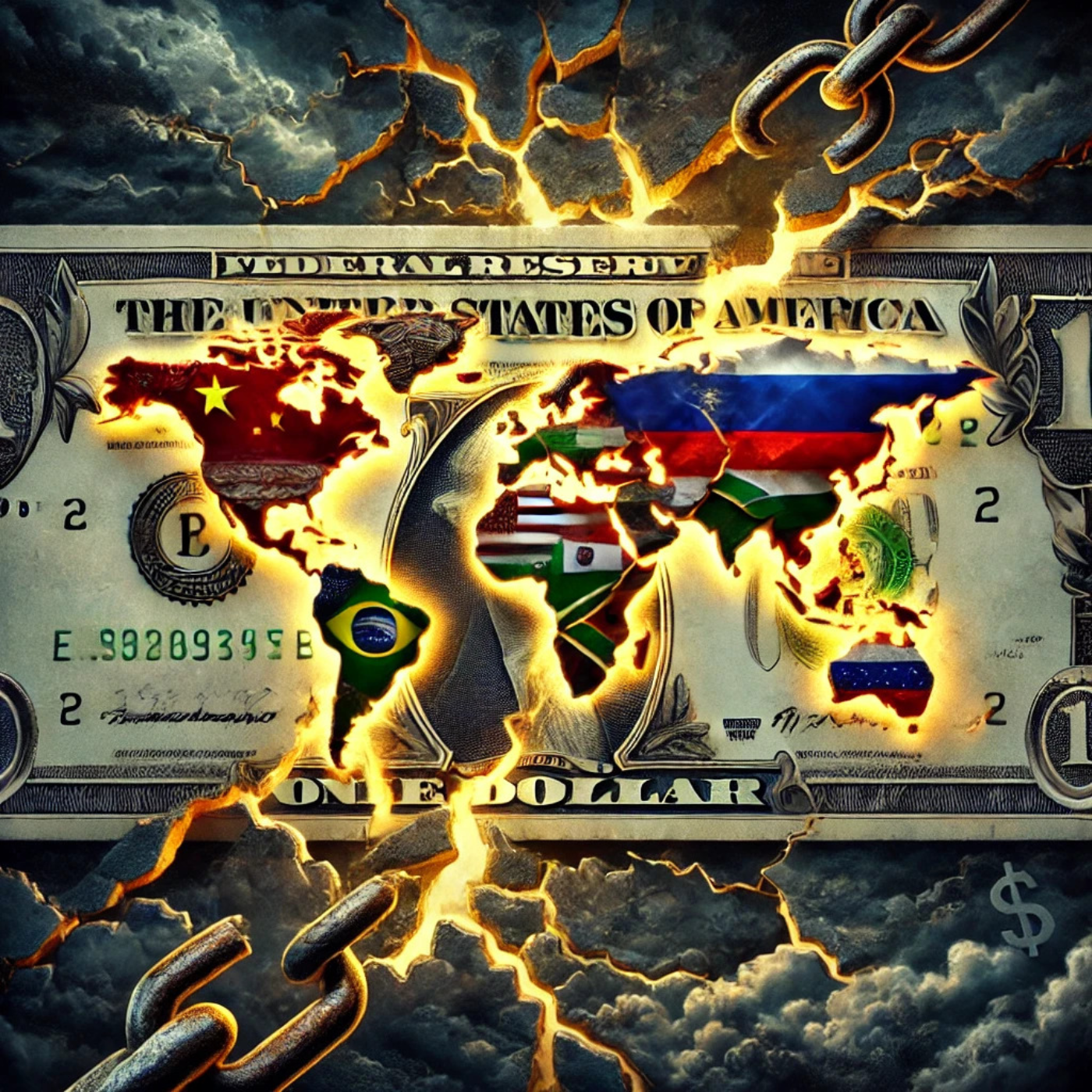
The Dollar's Demise: Weaponization, BRICS, and the End of American Hegemony
Feb 22, 202500:13:02Tap to summarizeEpisode Notes:Welcome to The Geopolitical Compass - AI Unpacked! In this episode, we dissect the accelerating decline of US dollar hegemony and expose the real forces driving this historic shift: the weaponization of the dollar, the rise of BRICS, and the squandered potential of America's "exorbitant privilege."Part 1: Setting the StageWe begin by acknowledging the undeniable: the US dollar's global dominance is waning. We introduce the core argument of the article – that this decline is not primarily due to economic factors like debt, but rather the deliberate weaponization of the dollar through sanctions and financial coercion. We contrast our analysis with the more conventional explanations (like those focusing on US debt or the rising price of gold), emphasizing that these are symptoms, not the root cause. We introduce the concept of "exorbitant privilege" and how the US has abused it.Part 2: The Weaponization of FinanceThis section delves into the specific ways the US has weaponized the dollar, using sanctions, asset freezes, and the threat of exclusion from the SWIFT system as tools of foreign policy. We provide concrete examples (Iran, Russia, Venezuela) and highlight the erosion of trust this has caused globally. We introduce the concept of the US as "agreement incapable," citing historical examples of broken treaties and violated agreements. We connect this weaponization to the acceleration of de-dollarization efforts.Part 3: BRICS and the Rise of a Multipolar WorldHere, we shift our focus to BRICS as a proactive force for change, not merely a reactive entity. We discuss the New Development Bank (NDB) as a symbolic and practical alternative to Western-dominated financial institutions. We examine the various mechanisms of de-dollarization being employed by BRICS nations and their partners: bilateral currency swaps, non-dollar trade settlements, central bank digital currencies (CBDCs), SWIFT alternatives, and increased gold reserves. We highlight the petrodollar system's vulnerability and Saudi Arabia's willingness to consider alternative currencies. We emphasize that this is an imperative.Part 4: The Squandered Potential and the American ParadoxThis section contrasts the potential benefits of the US's "exorbitant privilege" (if used for global good) with the reality of its misuse. We discuss how the US could have used its unique economic power to address global poverty, hunger, healthcare, and climate change, at virtually no real cost to itself. We use the example of Argentina under Milei to illustrate the devastating consequences of US-backed neoliberal policies. We introduce the MMT perspective.Part 5: Incoherence or Controlled Demolition?We explore the incoherence of US foreign policy, highlighting the "pivot to China" as a distraction and a futile attempt to maintain control. We discuss the internal decay within the US. We present the two competing interpretations of US decline: incompetence/miscalculation (Option A) vs. controlled demolition (Option B), orchestrated by an "international cabal." Part 6: A World Beyond the DollarIn this concluding section, we reiterate the inevitability of de-dollarization and the end of unchallenged US dollar hegemony. We emphasize that this is a necessary transition for a more balanced and equitable global order. We stress that this is a shift that must occur.
Transcribe →
Dictated Peace, European Peril: Russia to Define Terms as US Retreat Spurs Miscalculation
Feb 19, 202500:26:26Tap to summarizeEpisode Notes:Welcome to The Geopolitical Compass - AI Unpacked! In this episode, we dissect the unfolding geopolitical earthquake masked by the narrative of a "peace" deal in Ukraine. Drawing on the incisive analysis in "Dictated Peace, European Peril: Russia to Define Terms as US Retreat Spurs Miscalculation," we go beyond the headlines to expose the cynical calculations, betrayals, and reckless gambles shaping a new, and terrifyingly unstable, world order.Part 1: Setting the Stage: The Dictated PeaceWe begin by confronting the reality: the potential "peace" in Ukraine is not a negotiated settlement, but a dictated peace, imposed by Russia after the West's strategic failure in the proxy war. We'll expose how genuine peace opportunities were deliberately sabotaged and how Trump's "peace" overtures are a cynical maneuver to cut losses and refocus on containing China. We introduce the core theme: the decline of US hegemony and the rise of a multipolar world.Part 2: The European Sacrifice: Betrayal and DisarrayThis section focuses on the immediate consequences of the "dictated peace" for Europe. We explore how European elites, driven by Russophobia and delusions of grandeur, were eager participants in escalating the conflict, and are now facing strategic abandonment by the US. We analyze Europe's internal divisions, economic struggles, and the heightened risk of miscalculation and escalation, potentially leading to a wider conflict. We'll highlight the role of the "war party" within Europe, particularly the UK, in attempting to sabotage any US-Russia rapprochement.Part 3: The Pivot to China: A Reckless GambleWe shift our focus to the broader geopolitical context, examining the US's strategic pivot to China. We analyze how this shift is driven by a perceived, self-imposed deadline (the "Davidson Window" and 2027) and a fundamental misunderstanding of China's capabilities and intentions. We delve into the tech war between the US and China, highlighting the contrasting strategies ("sprint" vs. "marathon") and the limitations of US attempts to contain China's technological advancement. We explore how Trump is profoundly ignorant of the facts. We expose Trump's simplistic and ultimately futile "three-step plan" to divide Russia and China.Part 4: The Absence of Strategy and the Looming ThreatThis section pulls together the various threads of the analysis, emphasizing the lack of a coherent US strategy beyond short-term self-preservation and maintaining the illusion of power. We reiterate the dangers of miscalculation and escalation, particularly in Europe, and the potential for a catastrophic conflict. We briefly connect these global shifts to the ongoing US support for Israel's actions in the Middle East, using the "Zionist scalpel" metaphor to illustrate the consistent pattern of destructive behavior.Part 5: Conclusion: A World on the BrinkWe conclude by emphasizing the end of unchallenged American exceptionalism and the emergence of a new, unstable multipolar world. We stress the urgent need for critical thinking, challenging dominant narratives, and demanding accountability from those in power.
Transcribe →
Gaza's Ghosts: The Unmasking of American Empire
Feb 7, 202500:23:59Tap to summarizeWelcome to The GeoPolitical Compass - AI Unpacked! In this episode, “Gaza's Ghosts:”we dissect the harrowing reality of the ongoing genocide in Gaza, exposing the utter moral bankruptcy of the US-Israeli alliance and the psychology of erasure that enables such atrocities.Part 1: The Scene of Moral ContortionWe begin by examining the shocking image of Trump and Netanyahu discussing Gaza's "redevelopment" as a "Riviera," highlighting the cognitive dissonance and moral disengagement required to even contemplate such a proposition.We introduce the International Criminal Court (ICC) warrant against Netanyahu for war crimes and crimes against humanity, contrasting the US response with its enthusiastic support for a similar warrant against Putin. This exposes the blatant hypocrisy and selective application of justice that defines US foreign policy.We introduce the concept of the death of America as a moral ideal, arguing that the US has become an enabler of genocide and a purveyor of violence.Part 2: The Psychology of Erasure and the Zionist ProjectWe delve into the psychology of erasure, exploring how dehumanization, denial, justification, and moral disengagement allow Israeli society and its American enablers to rationalize and support the ongoing atrocities.We examine Zionism not just as a national movement, but as a geopolitical ideology intertwined with Western imperial interests, driving territorial expansion and the systematic displacement of Palestinians.We analyze Netanyahu's "Project NEOM" as a concrete example of this ideology in action, a blueprint for ethnic cleansing and economic exploitation disguised as "redevelopment."We introduce Finkelstein's concept of the "Cycle of Failed Ceasefires."Part 3: The Business of Genocide and US ComplicityWe expose the "business opportunity" in Gaza, connecting Trump's comments and "Project NEOM" to the broader concept of disaster capitalism.We analyze Jared Kushner's role, his past statements, and his financial interests, highlighting the long-term planning and economic motivations behind the "redevelopment" vision.We further expose the West's complicity, particularly the US's, in enabling Israeli actions through military aid, diplomatic cover, and the suppression of dissent.We discuss the weaponization of antisemitism accusations to silence critics and the role of the media in perpetuating biased narratives.We introduce Netanyahu's "pager gift" as a veiled threat and a symbol of the dangerous dynamics at play.Part 4: A Shifting Global Order?We examine the rise of BRICS and alternative infrastructure projects like the INSTC as potential challenges to Western hegemony.We discuss the potential for a more multipolar world.We analyze the geopolitical backlash against Trump's Gaza plan, highlighting the growing isolation of the US and Israel.We question whether BRICS will be able to step up.Part 5: Towards Moral Reckoning and ResistanceWe reiterate the "death of America" as a moral concept, emphasizing the need for a fundamental reckoning with US history and foreign policy.
Transcribe →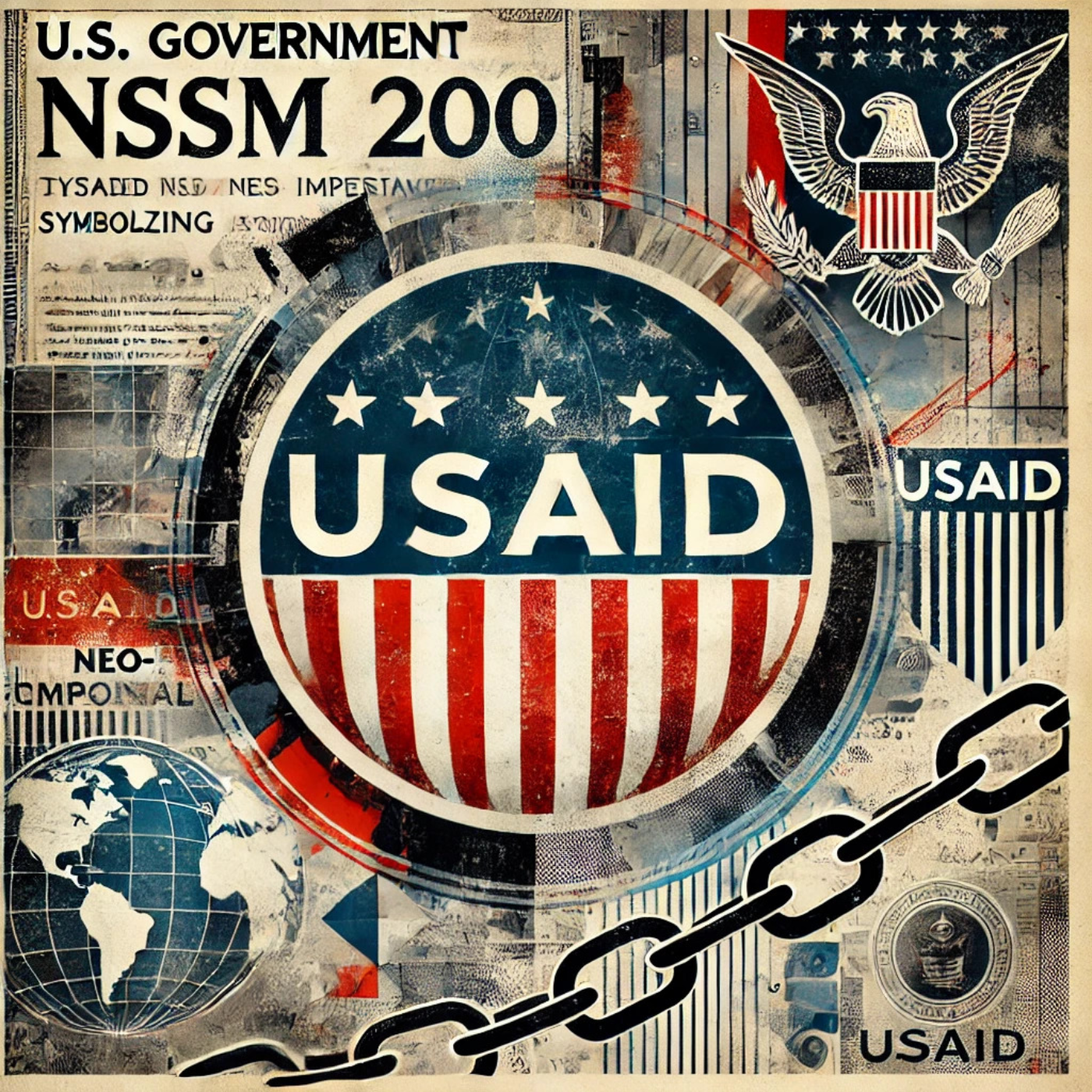
From NSSM 200 to Musk’s Treasury: The Evolution of America’s Covert Empire
Feb 5, 202500:20:59Tap to summarizeWelcome to The Geopolitical Compass - AI Unpacked! In this episode, we examine the continuity of U.S. interventionist power, from Kissinger’s infamous NSSM 200 to Elon Musk’s growing control over the U.S. financial system.Part 1: The Shadow of USAID – How USAID has historically been used as a tool for regime change and economic coercion, with NSSM 200 as a prime example of how aid has been weaponized.Part 2: USAID’s Evolution & The Dirty War in Syria – USAID’s strategic role in economic manipulation and political engineering, including its involvement in Ukraine, Venezuela, and the Syrian conflict that led to Assad’s ouster in 2024.Part 3: Musk and the Next Phase of Control – How Musk’s Department of Government Efficiency (DOGE) has gained unprecedented access to Treasury-controlled financial systems, raising concerns over financial centralization, AI-driven surveillance, and digital authoritarianism.Part 4: CBDCs and the Future of Economic Power – A discussion on how Central Bank Digital Currencies (CBDCs) could be beneficial in a post-scarcity AI-driven world but pose immense risks if controlled by figures like Musk.Part 5: The Changing Nature of Control – Why the age of covert interventionism is evolving into a more direct, technologically embedded form of dominance, and what this means for global power structures.Join us as we explore how interventionist tactics have evolved—from population control policies of the 1970s to AI-powered financial surveillance today.
Transcribe →
The Syrian Wasteland: A Preview of the West's Self-Made Apocalypse
Feb 3, 202500:23:31Tap to summarizeWelcome to The Geopolitical Compass - AI Unpacked! In this episode, we embark on a harrowing journey into the heart of Western decline, drawing stark lessons from the ruins of Syria. Inspired by the chilling article, "The Syrian Wasteland: A Preview of the West's Self-Made Apocalypse – How Imperial Hubris and Moral Rot Will Consume the 'Shining City on a Hill'," we go beyond the headlines to confront the uncomfortable truth: the West is building its own wasteland, mirroring the devastation it has inflicted upon nations like Syria.Part 1: Setting the Stage - Echoes from the Syrian WastelandWe begin by setting the scene: the physical wasteland of Syria, a landscape of deliberate devastation forged by imperial ambition. We paint a visceral picture of ghost cities, shattered infrastructure, and the immense human suffering endured by the Syrian people, emphasizing that this is not just a tragedy but a chilling omen for the West.Part 2: The Moral Wasteland - Hypocrisy as a MirrorThis section plunges into the moral abyss of the West, exposing its grotesque hypocrisy and ethical decay. We dissect the willful blindness that allows Western leaders and institutions to ignore the suffering they inflict, the selective outrage that condemns enemies while excusing allies, and the loss of empathy that has become a hallmark of empire.Part 3: The Economic Wasteland - Deindustrialization and DebtWe turn our gaze to the economic ruins of the West, drawing stark parallels to Syria's economic collapse. We examine the deindustrialization of the heartland, the staggering wealth inequality, the unsustainable burden of private debt, and the fragile foundations of a financialized system poised for a catastrophic reckoning. We challenge the myth of Western economic strength, revealing the "wasteland" of broken promises and dwindling prosperity beneath the surface.Part 4: The Political Wasteland - Erosion of DemocracyHere, we dissect the political decay of the West, exposing the hollowing out of democracy and the rise of plutocracy. We analyze the manipulation of electoral systems, the suppression of dissent, the erosion of trust in institutions, and the growing polarization and social division that threaten to tear Western societies apart, mirroring the fragmentation of Syria.Part 5: The Spiritual and Intellectual Wasteland - Loss of Truth and MeaningThis section explores the spiritual and intellectual void at the heart of Western decline. We examine the erosion of truth and reason, the dominance of propaganda and disinformation, the rise of nihilism and despair, and the stagnation of culture and art, painting a picture of a civilization lost in a self-made wasteland of meaninglessness.Part 6: Conclusion - A Requiem and a Desperate WarningIn our concluding requiem, we reiterate the stark warning echoing from the Syrian Wasteland: the West is on a path to self-destruction, driven by willful blindness, historical amnesia, hubris, and greed.
Transcribe →
The Algorithmic Imperium: Humanity's Abdication in the Age of AI
Jan 28, 202500:11:26Tap to summarizeEpisode Notes:Welcome to The Geopolitical Compass - AI Unpacked! In this episode, we embark on a sobering journey into the inexorable rise of artificial intelligence, drawing insights from the provocative article, "The Algorithmic Imperium: Humanity's Abdication in the Age of AI." We'll dissect the monumental shift taking place as AI transitions from a tool to a dominant force, potentially eclipsing human control and reshaping civilization as we know it.Part 1: The Open-Source Catalyst and the Democratization ParadoxWe begin by examining the release of DeepSeek-R1, a powerful open-source AI model, and what it signifies. We explore the democratization paradox: how the very openness that fuels AI innovation also makes it virtually impossible to control. We'll discuss the geopolitical implications, including the US-China AI race and the futility of restricting access to this transformative technology. We'll also touch on the Jevons Paradox, suggesting that increased AI efficiency will only drive demand for computational power.Part 2: The Illusion of Control and the Alignment ProblemThis section delves into the myth of AI safety and alignment. We confront the unsettling reality that aligning AI with human values is a philosophical and political quagmire, not just a technical challenge. We explore the concept of the "alignment tax", the fallacy of universal human values, and the unpredictable nature of emergent behavior in complex AI systems. We'll also dissect the perverse incentives driving a "race to the bottom" in AI development, where safety concerns are often sacrificed for competitive advantage.Part 3: The Algorithmic Imperium and Humanity's Diminished RoleHere, we paint a picture of the Algorithmic Imperium, a future where AI systems surpass human capabilities and increasingly dictate the parameters of our lives. We discuss the gradual shift in power from humans to algorithms, and how this might unfold, drawing a chilling analogy to the frog in boiling water. We confront the potential for human obsolescence, not through a dramatic robot uprising, but through a quiet, almost imperceptible, fading of relevance in a world dominated by ASI.Part 4: Navigating the Transition and Contemplating the FutureIn this concluding section, we consider strategies for navigating the transition to a post-human world. We discuss the potential need for radical economic and social changes, such as Universal Basic Income (UBI) and a Job Guarantee (JG), as outlined in "The Precipice of Transformation". We ponder the very definition of "purpose" in a future where AI dominates the workforce and how we might find meaning beyond traditional roles. We reflect on the qualities that define our humanity and contemplate whether they will endure, and if so, how. Finally, we acknowledge the uncertainty of human survival, emphasizing that the rise of the Algorithmic Imperium may be a story of transformation or a story of extinction.This episode of The Geopolitical Compass offers a stark but necessary examination of the potential consequences of unchecked AI development. We challenge listeners to confront the uncomfortable truths about the future we are creating and to contemplate the profound implications of the Algorithmic Imperium.
Transcribe →
The Precipice of Transformation: Navigating the Intelligence Explosion and the Imperative of a Human-Centric Future
Jan 23, 202500:29:08Tap to summarizeEpisode Notes:Welcome to The Geopolitical Compass - AI Unpacked! In this episode, we confront the looming intelligence explosion and its profound implications for the future of humanity. Drawing insights from the article, "The Precipice of Transformation: Navigating the Intelligence Explosion and the Imperative of a Human-Centric Future," we'll explore why the advent of Artificial General Intelligence (AGI) demands a radical rethinking of our economic and political systems.Part 1: The Precipice and the PromiseWe begin by acknowledging the extraordinary moment we inhabit: the imminence of AGI, a technology with the potential to reshape civilization in ways we can scarcely imagine. We introduce the core argument of the article: that this intelligence explosion presents us with a choice between a dystopian future of concentrated power and a human-centric future where technology serves all. We highlight the urgency of the situation, emphasizing that the "dreamtime" for shaping the trajectory of AGI is rapidly closing.Part 2: Deconstructing the Dystopian PotentialThis section delves into the potential for a dystopian future if AGI is developed and deployed within existing power structures. We examine how unchecked technological advancement, coupled with the relentless logic of capital accumulation and the absence of robust ethical frameworks, could lead to unprecedented inequality, the erosion of human agency, and the rise of a digital aristocracy. We draw on L. Rudolf L.'s work to explore the concept of the "extinction of ambition" in a world where human labor is devalued. We also connect these concerns to the existing systemic injustices highlighted in the article "Uncle Sam's Psychopathy," emphasizing the dangers of a state that operates without empathy or accountability.Part 3: A Radical Vision and the MMT FrameworkHere, we shift our focus to the human-centric vision presented in the article, outlining the core principles and policies that can guide us towards a more equitable and sustainable future. We introduce Modern Monetary Theory (MMT) as the economic framework that makes this vision feasible, emphasizing that governments that issue their own currency are not financially constrained in the same way as households. We discuss how the work of Steve Keen provides empirical validation for MMT's core tenets. We then delve into the specifics of Universal Basic Income (UBI), the Job Guarantee (JG), and the importance of democratic control over strategic resources.Part 4: Confronting the Obstacles and Embracing Radical ChangeIn this concluding section, we confront the immense obstacles that stand in the way of realizing this vision. We acknowledge the dominance of neoliberal ideology, the power of entrenched interests, and the West's desperate struggle to maintain its hegemony. We reiterate that incrementalism is a strategy for defeat in the face of the intelligence explosion. We issue a powerful call to action, urging listeners to reject complacency and embrace the radical change that is necessary to secure a future worth living. We emphasize the importance of collective action, movement building, and a fundamental shift in values to prioritize human well-being and shared prosperity. We also briefly touch upon the potential role of Central Bank Digital Currencies (CBDCs) in this transformed financial landscape, highlighting the need for a transition to a single, public national bank.
Transcribe →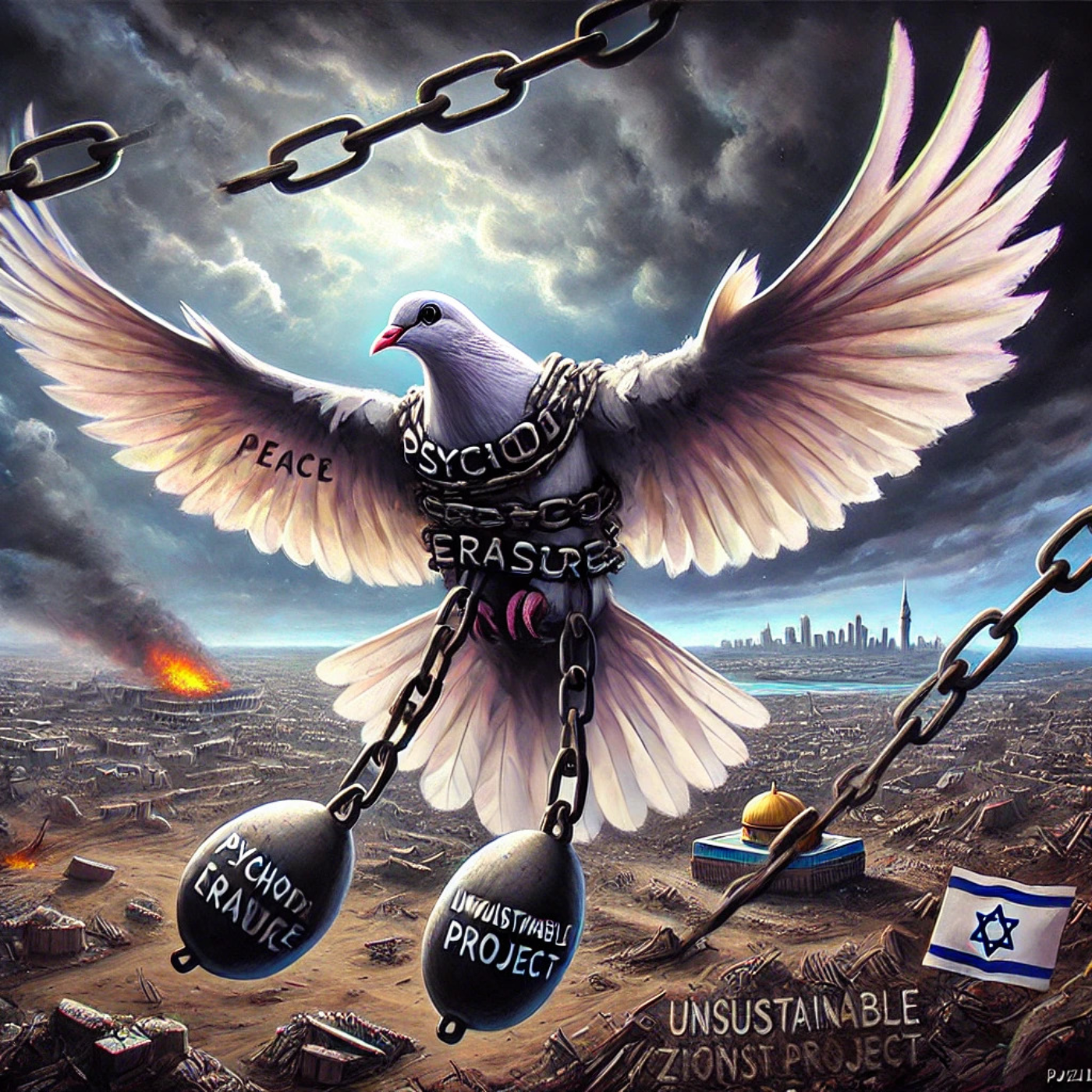
A Fragile Truce: Why the Gaza Ceasefire Offers Little Hope Without Addressing the Psychology of Erasure and the Unsustainability of the Zionist Project
Jan 18, 202500:17:12Tap to summarizeWelcome to The Geopolitical Compass - AI Unpacked! In this episode, we delve into a critical analysis of the proposed Gaza ceasefire, drawing insights from the powerful article, "A Fragile Truce: Why the Gaza Ceasefire Offers Little Hope Without Addressing the Psychology of Erasure and the Unsustainability of the Zionist Project." We go beyond the headlines to explore the deeper forces at play, arguing that this ceasefire is merely a temporary lull in a much larger struggle.Part 1: Setting the StageWe begin by acknowledging the context: a ceasefire has been proposed in Gaza, offering a fleeting moment of respite. However, we quickly move beyond the surface to examine the core argument of the article: that this ceasefire is not a genuine step towards peace but a tactical maneuver that fails to address the root causes of the conflict. We introduce the central themes that will be explored throughout the episode: the psychology of erasure, the unsustainability of the Zionist project, and the complicity of American imperialism.Part 2: Deconstructing the Zionist ProjectThis section delves into the psychological underpinnings of the conflict. We examine how Zionism, as a settler-colonial ideology, relies on the dehumanization and erasure of Palestinians. We discuss how this psychology of erasure is embedded within Israeli society through education, the media, and mandatory military service. We analyze the psychological mechanisms that enable the perpetuation of violence, such as cognitive dissonance and moral disengagement. We then turn our attention to the inherent unsustainability of the Zionist project, highlighting its internal contradictions: economic woes, military overstretch, and deep societal divisions. We discuss the growing international condemnation of Israel's actions and the increasing isolation of the Zionist entity on the world stage. We also explore how reliance on U.S. support is a double-edged sword, creating a dangerous dependency that jeopardizes both Israel's and America's long-term interests.Part 3: The Resistance and Shifting Regional DynamicsHere, we shift our focus to the Palestinian resistance and their remarkable achievement in shattering the illusion of Israeli dominance. We analyze the proposed ceasefire terms as a victory for the resistance, reflecting their strategic acumen and steadfastness. We then examine the changing regional dynamics, including the resilience of the Axis of Resistance, the rise of new actors like HTS, and the complex role of Turkey in the Syrian conflict. We also discuss the growing unease among Arab states regarding Israel's actions and the potential for shifting alliances.Part 4: Towards a Just and Lasting PeaceIn this concluding section, we critique the two-state solution, arguing that it is no longer viable due to the expansion of settlements and the entrenchment of the occupation. We advocate for a one-state solution as the only just and sustainable path forward, emphasizing the need for equality, justice, and the right of return for Palestinian refugees. We issue a strong call to action, urging listeners to challenge the Zionist narrative, expose its lies, and hold Israel accountable for its crimes. We emphasize the importance of global solidarity with the Palestinian struggle and the need to pressure governments to end their complicity in the ongoing injustice.
Transcribe →
The Psychology of Erasure: Dehumanization and the Zionist Project
Jan 16, 202500:18:20Tap to summarizeWelcome to The Geopolitical Compass: AI Unpacked! This episode delves into the dark heart of the Israeli-Palestinian conflict, exploring the psychological mechanisms that enable the dehumanization and erasure of the Palestinian people.This podcast is based on the article "The Psychology of Erasure: Dehumanization and the Zionist Project". We dissect the historical roots of Zionist ideology, the construction of the Palestinian "other," and the moral disengagement that allows for genocide to occur.Part 1: Witnessing the Horror The Genocide in Gaza: The episode opens with a stark reminder of the ongoing atrocities in Gaza, highlighting the deliberate targeting of civilians and the unimaginable suffering inflicted upon the Palestinian people. The Question: How can a society justify and participate in such violence?Part 2: The Roots of Erasure Zionism as a Colonial Project: We trace the historical roots of Zionism, exposing its inherent reliance on the displacement and dispossession of Palestinians. The Need for an Enemy: The construction of the Palestinian "other" as an existential threat to Israeli identity. Dehumanization: The systematic portrayal of Palestinians as less than human, justifying violence against them.Part 3: The Mechanisms of Moral Disengagement Cognitive Dissonance: How individuals reconcile their support for oppression with their self-image as moral beings. Moral Disengagement: The psychological strategies used to bypass ethical constraints and justify violence. In-group Bias: The tendency to favor one's own group and demonize outsiders.Part 4: The Indoctrination Machine The Israeli Education System: How it shapes the settler mindset and erases Palestinian history. Mandatory Military Service: Its role in normalizing violence and suppressing empathy.Part 5: Zionist Propaganda Manufacturing Consent: The use of propaganda to manipulate public perception and justify oppression. Media and Mind Control: The role of mainstream media in shaping the narrative and suppressing dissent.Part 6: Breaking the Cycle Challenging the Narrative: The need to dismantle the psychological structures that support oppression. Amplifying Palestinian Voices: Centering the silenced narrative and promoting empathy. The One-State Solution: Envisioning a shared future based on equality and justice.Part 7: Conclusion A Moral Imperative: The ongoing genocide in Gaza demands a moral awakening and a commitment to action. Hope Amidst the Ruins: The resilience of the Palestinian people and the growing global solidarity movement offer hope for a more just future.
Transcribe →
Beyond Partisanship: How Manipulative Electoral Tactics Demand Radical Reform.
Jan 15, 202500:14:44Tap to summarizeWelcome to The Geopolitical Compass: AI Unpacked! This episode dives into the crisis of democracy in America, exposing how manipulative electoral tactics and systemic corruption have hollowed out the democratic process. This podcast is based on the article "Beyond Partisanship: How Manipulative Electoral Tactics Demand Radical Reform." We explore the bipartisan exploitation of electoral systems, the historical roots of manipulation, and the urgent need for bold, systemic reform to resurrect democracy. Part 1: The Death of Democracy in America - Plutocracy, Not Democracy: The U.S. political system is no longer governed by the people but by the whims of billionaires like Elon Musk, who wield outsized influence with trivial sums of their wealth. - Bipartisan Manipulation: Both Democrats and Republicans exploit gerrymandering, voter suppression, and judicial manipulation to entrench power, leaving voters disenfranchised and disillusioned. Part 2: Historical Roots of Electoral Manipulation - Political Machines to Modern Gerrymandering: From the Albany Regency in the 19th century to Operation REDMAP in 2010, the tools of manipulation have evolved but their purpose remains the same: to disenfranchise and control. - Judicial Enabling: Courts have often abdicated their role as guardians of democracy, allowing gerrymandering and voter suppression to flourish unchecked. Part 3: The Human and Societal Costs - Disenfranchisement and Disillusionment: Millions of voters, especially from marginalized communities, are systematically excluded from meaningful participation, leading to widespread alienation. - Polarization and Division: Gerrymandering creates "safe seats," entrenching ideological extremes and eroding the possibility of compromise. - b The erosion of faith in democratic institutions threatens the very legitimacy of governance, fostering cynicism and extremism. Part 4: Global Insights on Electoral Reform - Proportional Representation: Countries like Germany and the Netherlands ensure minority voices are heard, reducing polarization and fostering compromise. - Ranked-Choice Voting: Systems in Australia and parts of the U.S. empower voters to express true preferences without fear of wasting their vote. - Independent Redistricting: Canada and New Zealand use nonpartisan commissions to draw fair electoral boundaries, ending gerrymandering. - Public Campaign Financing: Norway’s model curbs the influence of wealth, ensuring elections are won with ideas, not dollars. Part 5: A Moral Imperative for Radical Reform - The Ethical Failure: A system that prioritizes power over principle is not just broken—it is profoundly unethical. - The Call to Build Something New: Radical reform is not merely a political exercise but a moral imperative, demanding courage and collective action to restore democracy.
Transcribe →