Podcast
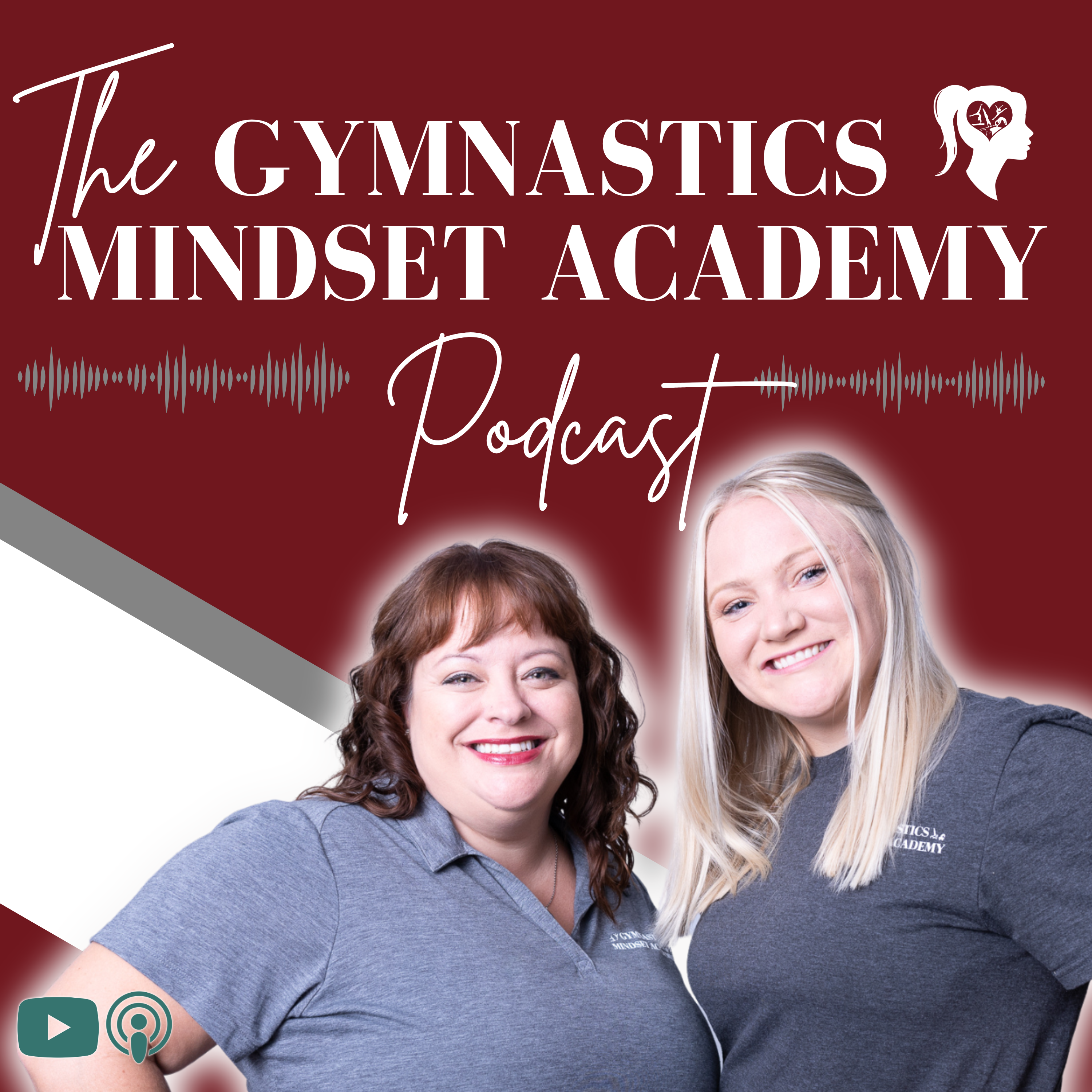
The Gymnastics Mindset Academy Podcast
Hosted by Gymnastics Mindset Academy · EN
Empowering gymnastics parents with the strategic mental tools to help their athletes navigate pressure, overcome blocks, and compete with confidence.
The Gymnastics Mindset Academy Podcast is the essential strategic resource for parents of competitive gymnasts in the high-stakes world of Level 6-10, Elite, and NCAA recruiting. Hosted by elite-level mental performance coaches Stacie Roman and Ali Havel, this show provides a roadmap for parents who want to support their gymnast’s mental game without adding to the pressure.
While other athletes focus solely on physical reps, we teach you how to help your gymnast train the system that controls it all: her brain.
Drawing on our experience working with hundreds of gymnasts ranging from level 5s to elites, including an Olympic Silver Medalist, numerous D1 Recruits and a World Championship All-Around Finalist, we bring podium-tested mindset strategies directly to your earbuds.
We cover the topics that matter most to gymnastics families:
- Overcoming Mental Blocks: Identifying the root causes of hesitation and helping her trust her skills again.
- The Recruiting Edge: Developing the reliable calm, consistent competitor college coaches can count on.
- Pressure Management: How to help your gymnast trade the pressure of high level gymnastics for calm, focused confidence.
- The Parent’s Role: Navigating the unique emotional challenges of being a "gym mom" or "gym dad" while protecting your athlete’s love for the sport.
Stop wondering how to help from the bleachers. Subscribe to learn how to give your gymnast the ultimate competitive advantage—a resilient and high-performing mind.
11episodes
Episodes
Newest firstAll episodes
The Perfectionism Trap: Why Being "Perfect" is Freezing Your Gymnast’s Skills
4w ago00:27:12Tap to summarizeEpisode SummaryEpisode SummaryIs your gymnast stuck in a “D1 or bust” mindset? In this episode, Ali Havel and Stacie Roman reveal how perfectionism and fear of rejection can quietly sabotage the college recruiting process.When gymnasts tie their worth to a perfect outcome, they often avoid posting on social media, hesitate to advocate for themselves, and struggle under competition pressure. Ali and Stacie explain the science behind perfectionism, share real recruiting stories, and discuss why college coaches value resilience, growth, and confidence more than perfection.Tune in to learn how to help your gymnast break free from the perfectionism trap, enjoy the sport again, and build the mindset skills needed for both recruiting and life beyond gymnastics.Timestamp Breakdown[00:00] How perfectionism steals recruiting opportunities[01:10] What college coaches are really looking for[02:14] The biology behind perfectionism and fear[03:45] Injury, resilience, and missed recruiting opportunities[05:06] Why gymnasts eliminate themselves before coaches do[05:50] The confidence gap and self-promotion[06:35] From Excel Platinum to D1 walk-on: a success story[08:45] Why online presence matters to recruiters[11:16] Practice success vs. meet performance[12:30] Learning from elite gymnasts’ setbacks[14:40] The reality of college roster spots[19:40] Reclaiming joy in the recruiting journey[21:20] Improving parent-gymnast communication[22:30] The Get Recruited Bootcamp[24:41] Why overcoming perfectionism matters beyond gymnasticsKey TakeawaysPerfectionism Prevents Action: Many gymnasts would rather avoid opportunities than risk being imperfect.Coaches Value Resilience: Recruiters want athletes who can handle setbacks, injuries, and mistakes.Most Gymnasts Must Market Themselves: Only a small percentage are actively recruited without self-promotion.Fear Drives Performance Anxiety: Competition struggles often stem from fear, not lack of ability.Mindset Skills Last a Lifetime: The tools that help gymnasts navigate recruiting also help them succeed in college, careers, and relationships.Resources👉 Free Mental Block Resources: GymnasticsMindsetAcademy.com/mental-blocks👉 Learn More About Our Training Programs: Gymnastics Mindset Academy🎧 Subscribe and leave a review on Apple Podcasts📺 Subscribe and leave a comment on YouTube
Transcribe →Why Perfectionism Is Blocking Your Gymnast’s Upgrades (And How to Fix It)
Jul 1200:22:34Tap to summarizeEpisode SummaryIs your gymnast struggling to get her upgrades—or refusing to even try? What’s holding many talented gymnasts back isn’t a lack of ability. It’s perfectionism.In this episode, Coach Stacie Roman and Coach Ali Havel explain why perfectionism keeps gymnasts stuck and how learning new skills requires lots of imperfect attempts. Using relatable examples, they show why "messy failing" is an essential part of mastering gymnastics and share practical ways parents can help their gymnast build confidence, embrace mistakes, and keep progressing.What You'll LearnWhy every new skill requires hundreds of imperfect attempts.How perfectionism creates an all-or-nothing mindset that stops progress.The difference between fear of getting hurt and fear of making mistakes.Why avoiding "bad turns" and video review slows learning.Simple ways parents can encourage resilience and a healthier mindset around failure.Parent Action StepsTry something new yourself—painting, pottery, pickleball, or any beginner hobby—and let your gymnast see you struggle, learn, and improve.After practice, ask: "What's one failure you had today?" Celebrate the effort, then talk about what she learned from it.Timestamps00:00 – How perfectionism blocks skill upgrades.01:07 – What toddlers learning to walk can teach us about gymnastics.03:00 – Why "over-turning" is part of learning.05:27 – Real examples of perfectionism in training.09:26 – Fear of danger vs. fear of embarrassment.11:56 – Why reviewing mistakes on video matters.14:35 – How perfectionism shows up in advanced gymnasts.15:58 – Parent Action Step #1.18:03 – Parent Action Step #2.20:45 – The 20 Fails Challenge and Next Level Coaching.Ready to help your gymnast break free from perfectionism? Start with these resources:⭐ Free Mental Block Resources: gymnasticsmindsetacademy.com/mental-blocks⭐ Work With Us: Explore Gymnastics Mindset Academy's mindset programs designed to help gymnasts overcome perfectionism, mental blocks, and competition anxiety.⭐ Enjoyed this episode? Subscribe on YouTube, leave a comment, and leave a review on Apple Podcasts to help more gymnastics families discover the show.
Transcribe →High Standards vs. Perfectionism: Why Your Gymnast is Stuck and How to Fix It
Jul 500:19:19Tap to summarizeEpisode Summary:Is your gymnast struggling to move forward with her skills, or does she break down every time her coach gives her a correction? In this episode, Coach Stacie and Coach Ali dive deep into a topic that many gymnastics parents face: perfectionism. While it seems like a positive trait on the surface, perfectionism is actually a fear-based protective mechanism that keeps athletes small, anxious, and uncoachable.Discover the biological roots of perfectionism, the critical difference between having high standards and chasing flawless outcomes, and why perfectionism is the hidden driver behind most mental blocks. Learn how to help your gymnast shift away from a fear of rejection so she can finally unlock her true potential.Show Notes:Perfectionism is one of the biggest roadblocks in a gymnast’s development, yet most young athletes wear it like a badge of honor. In this episode, mental performance coaches Stacie Roman and Ali Havel break down why perfectionism is not the same as having high standards, and how it holds gymnasts back from making progress, communicating with coaches, and handling college recruiting.Key Takeaways from This Episode:The Biological Blueprint: Why the human brain treats a lack of perfection like a life-or-death situation rooted in a primal fear of rejection.Perfectionism vs. High Standards: High standards are fueled by a healthy desire to grow and excel, keeping worth detached from outcomes. Perfectionism tie an athlete's self-worth directly to her performance.The "Uncoachable" Trap: How perfectionism turns necessary coaching corrections into personal attacks, stalling skill progression.The Root of Mental Blocks: Why an imaginary timeline and the pressure to be perfect lie at the center of your gymnast's mental blocks.Action Steps for Parents: How to model imperfection at home and actively celebrate progress over final scores.Timestamp Breakdown:[00:00] – Introduction: Is perfectionism holding your gymnast back?[00:26] – The mismatch: Why parents see perfectionism as a problem, but gymnasts see it as a strength.[01:27] – Defining the difference between healthy high standards and toxic perfectionism.[02:50] – The evolutionary biology of perfectionism: Fear, community survival, and the caveman brain.[06:07] – The irony of perfection: Why we don't actually like "perfect" people or athletes.[08:03] – Detaching self-worth from performance and scoreboards.[10:28] – How perfectionism stalls skill progression, stops communication, and ruins recruiting.[12:54] – The Coachability Crisis: Why perfectionist athletes struggle to receive critique.[13:42] – How perfectionism fuels anxiety, strict timelines, and mental blocks.[15:44] – Real gymnastic truth: College athletes fight through mistakes; they aren't flawless.[16:56] – How parents can celebrate progress over perfection to rewiring the "or else" mentality.[18:14] – How to get expert mental training for your gymnast.Ready to help your gymnast break free from perfectionism? Start with these resources:⭐ Free Mental Block Resources: gymnasticsmindsetacademy.com/mental-blocks⭐ Work With Us: Explore Gymnastics Mindset Academy's mindset programs designed to help gymnasts overcome perfectionism, mental blocks, and competition anxiety.⭐ Enjoyed this episode? Subscribe on YouTube and Apple Podcasts
Transcribe →The External Trigger: Why Your Gymnast Is Afraid to Tell You (or Her Coach) about a Mental Block
Jun 2800:26:10Tap to summarizeEpisode SummaryDoes your gymnast suddenly refuse a skill she once had mastered? While mental blocks are often blamed on fear of injury, the deeper cause is usually the fear of disappointing the people who matter most.In this episode, Coach Stacie Roman and Coach Ali Havel explore how external pressure drives mental blocks. They explain why gymnasts are biologically wired to seek approval from authority figures and how even subtle signs of disappointment from coaches or parents can trigger fear, shutdown, or avoidance.Coach Ali also shares insight from her coaching experience, revealing that a coach’s frustration is often rooted in their own sense of helplessness—not a lack of belief in the athlete. Together, they unpack the hidden emotional weight gymnasts carry, including family sacrifice, financial pressure, and the need to “make it worth it.”You’ll learn how to reduce invisible pressure, improve post-practice communication, and help your gymnast separate self-worth from performance and expectations.Key TakeawaysFear of Disappointment: Mental blocks are often driven by fear of letting down coaches, teammates, or parents.Biological Wiring: Kids are hardwired to seek approval from authority figures, making disapproval feel like threat-level pressure.Coach Frustration Explained: Frustration usually reflects a coach’s own limitations, not the gymnast’s value or potential.Hidden Sacrifice Pressure: Gymnasts often feel unspoken guilt about the time, money, and energy invested in them.Breaking People-Pleasing: Learning to tolerate disappointment and separate identity from performance is a lifelong skill.⏱️ Timestamp Breakdown00:00 – Introduction: Sources of mental blocks.00:54 – Why authority approval matters so deeply.01:59 – Understanding coach frustration during blocks.03:45 – Coach Ali on feeling helpless as a coach.05:28 – Why people interpret stress differently (Walmart Tantrum analogy).06:55 – How the brain scans for belonging and safety.08:50 – Why mindset work is missing in training environments.11:50 – Distinguishing normal frustration vs. unhealthy coaching.12:52 – Teaching gymnasts adults can handle disappointment.14:55 – Why athletes shut down after hard practices.16:08 – Better post-practice questions to reduce pressure.17:50 – Normalizing disappointment in high-performance goals.20:15 – Emotional weight of financial and time sacrifice.22:20 – Why pressure peaks before evaluations and big meets.24:37 – Why mental training is essential, not optional.ResourcesFree Mental Block Resources: Access tools to help your gymnast reduce perfectionism and rebuild confidence at gymnasticsmindsetacademy.com/mental-blocks.Work With Us: Explore programs designed to break the perfectionism loop and support your gymnast inside and outside the gym through Gymnastics Mindset Academy.
Transcribe →How Outside Pressure and Fear of Letting People Down Causes Her Mental Blocks
Jun 2100:21:07Tap to summarizeEpisode SummaryIs your gymnast suddenly struggling with a skill she used to have, or facing a mental block on a skill she needs for next season? While it may look like a fear of getting hurt, the real issue is often much deeper.In this episode, Stacie Roman and Ali Havel explore the hidden connection between mental blocks and the fear of the outcome. Whether it's move-up evaluations, end-of-season deadlines, or college recruiting goals, many gymnasts unknowingly tie their self-worth to achieving a specific result.You'll learn why mental blocks often intensify during high-pressure seasons, how parents can unintentionally add to that pressure, and why success in gymnastics is about much more than scores, scholarships, or levels. Stacie and Ali also explain how focusing on who your gymnast is becoming—not just what she achieves—can help reduce fear and restore confidence.Key TakeawaysThe Outcome Trap: Mental blocks often intensify before move-ups, evaluations, and big competitions because gymnasts fear what failure might mean.Worthiness vs. Achievement: Many athletes unconsciously believe that not reaching the next level means they aren't good enough.The Video Game Mindset: Gymnastics requires mastering each level before progressing. Growth isn't always linear.Hidden Parent Pressure: Gymnasts often feel the weight of family sacrifices, even when parents never say it out loud.The Real Value of Gymnastics: The greatest rewards come from the grit, resilience, discipline, and confidence built through years of training.⏱️ Timestamp Breakdown00:00 – Introduction: When a skill your gymnast needs suddenly disappears.01:02 – The hidden fear driving many mental blocks.01:26 – Why gymnasts connect performance with self-worth.03:45 – Why athletes often struggle to open up to parents and coaches.05:04 – How parents can unintentionally project their own fears.07:18 – Why gymnastics is more like a video game than a school grade.08:24 – Leah Clapper's unpredictable recruiting journey.09:30 – Helping gymnasts see possibilities beyond recruitment.10:35 – Managing guilt around financial and time sacrifices.12:12 – The reality of training versus competition time.15:15 – Why former athletes are highly valued in the workplace.17:59 – How perfectionism follows gymnasts into adulthood.19:25 – A powerful reminder: "It's just gymnastics."20:50 – Preview of next week's episode on fear of disappointing coaches and parents.ResourcesFree Mental Block Resources: Help your gymnast break free from perfectionism and rebuild confidence.Work With Us: Learn how to help your gymnast overcome mental blocks and thrive both inside and outside the gym through Gymnastics Mindset Academy's training programs.
Transcribe →Gymnast Perfectionism & The Fear of Fear: Overcoming Gymnastics Mental Blocks From the Inside Out
Jun 1400:23:04Tap to summarizeEpisode SummaryIn this episode, Coach Stacie and Coach Ali unpack the internal drivers behind gymnastics mental blocks. They focus heavily on two major internal obstacles: the "fear of being afraid" and an athlete’s harsh internal self-talk.The coaches explain that the goal of mental performance training isn't to eliminate fear, but to teach gymnasts how to tolerate the uncomfortable sensation of fear while executing their skills. They discuss why perfectionism acts as a false protection mechanism that halts athletic progress and emphasize the importance of parents modeling self-kindness when making mistakes in daily life.Timestamp Breakdown00:00 – Introduction: Parenting your gymnast through deep internal fears.00:59 – Understanding the "fear of being afraid" (The Spider Analogy).02:09 – Coach Stacie’s terrifying kayaking story: Gators vs. Spiders.03:55 – How the buildup of fear amplifies a gymnast's anxiety before hitting the beam.05:15 – Shifting expectations: Learning to handle fear rather than trying to erase it.06:32 – Entering the "River of Misery": Why you have to do it scared to gather brain evidence.07:16 – Gymnasts' high pain tolerance vs. the emotional vibration of fear.09:43 – Using past breakthroughs (like learning giants or flyaways) as evidence of bravery.10:27 – Overcoming injury trauma: Reframing perspective and the reality of splitting the beam.12:01 – The fear of harsh self-criticism: What gymnasts actually say to themselves when they balk.13:50 – Coach Stacie’s spilled milk story: How parental reactions shape an athlete's fear of mistakes.14:50 – Evaluating mistakes with curiosity instead of beating yourself up.16:27 – The "All-or-Nothing" diet trap: How perfectionism destroys linear progress.17:40 – Redefining Failure: Why aiming for "100 worthy fails" creates athletic success.19:57 – Perfectionism as a protection mechanism and why it stunts long-term growth.21:41 – Why gymnast perfectionist brains need mental training before adulthood.22:45 – Next Week’s Preview: Breaking down external fears causing mental blocks.Get Free Resources: Help your gymnast dismantle her perfectionist mindset. Access our free mental block resources at gymnasticsmindsetacademy.com/mental-blocks.Work With Us: Learn how to undo the perfectionism loop and help your gymnast thrive inside and outside the gym. Explore our training programs at Gymnastics Mindset Academy.
Transcribe →Gymnastics Mental Blocks: How the Fear of Disappointing Coaches and Parents Shuts Down Your Gymnast
Jun 600:22:42Tap to summarizeEpisode SummaryDoes your gymnast suddenly refuse to do a skill she mastered years ago? When a gymnast develops a mental block, most people assume it's fear of injury. But often, the real cause is external pressure—the fear of disappointing a coach, teammate, or parent.In this episode, Coach Stacie Roman and Coach Ali Havel explore how fear of judgment contributes to gymnastics mental blocks. They explain the evolutionary biology behind why kids are wired to seek approval from authority figures and why disappointment can feel so threatening. Coach Ali also shares a candid look at coach frustration, revealing that it usually stems from a coach feeling stuck or unequipped—not from a lack of belief in the athlete.They also discuss the hidden burden many gymnasts carry regarding the time, money, and sacrifices their families make for the sport. You'll learn how to reduce pressure, improve post-practice conversations, and help your gymnast separate her self-worth from other people's expectations.Key TakeawaysFear of disappointing others is a common root cause of mental blocks.Kids are biologically wired to seek approval from parents and coaches.Coach frustration is often about the coach's own challenges, not the gymnast.Many gymnasts carry silent guilt about the financial and time sacrifices their families make.Learning to manage disappointment helps prevent lifelong people-pleasing patterns.Timestamps00:00 – The three main sources of mental blocks: Physical, Internal, and External00:54 – Why kids care so deeply about what authority figures think01:59 – Understanding coach frustration and what it really means03:45 – Coach Ali's experience feeling helpless when athletes get stuck05:28 – How coaches, parents, and athletes interpret situations differently06:55 – Why the brain constantly compares us to others for survival08:50 – Why typical gymnastics practices leave little room for mindset work11:50 – The difference between normal frustration and abusive coaching12:52 – Teaching gymnasts that adults can handle disappointment14:55 – Why gymnasts shut down and hide emotions after practice16:08 – Better questions to ask instead of focusing on skills achieved17:50 – Normalizing disappointment when pursuing big goals20:15 – The emotional weight of family financial sacrifices22:20 – Why mental blocks often spike before evaluations and major meets24:37 – Why mental training is essential for gymnastsResourcesMental Block Roadmap: Free guide to understanding the root causes of mental blocksNext Level Membership: Proactive mental training for the competitive seasonStrategy Sessions: Explore whether 1-on-1 mindset coaching is the right fit for your gymnast
Transcribe →External Pressure and Gymnastics Mental Blocks: The Hidden Sources of Your Gymnast's Fear
May 3100:10:43Tap to summarizeEpisode 4: External Pressure & The Hidden Sources of Gymnastics FearWelcome back to the Gymnastics Mindset Academy Podcast! This week, we are diving into the third major category of mental block triggers: External Sources. If you are a gymnastics parent watching your athlete struggle with a skill she has hit a thousand times, this episode provides the missing piece of the puzzle. We unpack why the traditional "push through it" methodology destroys consistency, and how external stressors masquerade as physical fear.Key Topics Covered:The Illusion of Motivation: Why using conditioning, extra assignments, or team punishments to override fear actually cements a mental block into place long-term.Recruiting & Move-Up Anxiety: How a gymnast's brain catastrophizes a missing skill into losing her entire college future and scholarship opportunities.Silent Family Pressure: How your gymnast handles the awareness of family financial and time investments, even when parents have the best intentions.The Test-Out Trigger: Why mid-season and late-summer deadlines cause athletes to suddenly lose control of their physical mechanics.The Mindset Reset Intro: A preview of our signature framework for teaching the brain how to establish genuine safety based on the root cause of the pressure.Timestamps:00:00 – "I don't know why I'm afraid": Decoding what your gymnast actually means.01:25 – Ali’s Personal Story: The chalk spiders on the balance beam.02:51 – The danger of using external fear to try and conquer an internal block.04:50 – The Tribe Instinct: Why upsetting a coach triggers a biological survival panic.06:11 – Future Stakes: Catastrophizing start values, moving levels, and college scholarships.07:35 – Sacrifices and tears: The immense pressure of wanting to make the sport "worth it" for parents.09:01 – Why pre-season and testing deadlines act as catalysts for sudden blocks.10:08 – Moving forward: The missing connection between external pressure and the physical balk.Resources & Links:GMA Hub: To find all of our mental block resources, check out gymnasticsmindsetacademy.com/mental-blocks.Connect with GMA: Follow us on Instagram for daily, science-backed performance strategies.Enjoyed this deep dive? Please leave us a review, subscribe, and share this episode with a gym mom or dad who needs a strategy-driven partnership today! 🤸♀️ ✨
Transcribe →How Your Gymnast’s Self-Talk Creates Mental Blocks (And What To Do About It)
May 2400:27:06Tap to summarizeHow Your Gymnast’s Self-Talk Creates Mental Blocks (And What To Do About It)Is your gymnast struggling with a mental block that seems to have appeared out of nowhere? In this episode, Coaches Stacie Roman and Ali Havel dive deep into the "Internal Category" of fear. While most parents assume a mental block is about a fear of falling, the truth is often much more internal. For many high-level gymnasts, the "block of ice" around their skill is actually a fear of their own judgment.We explore why "being hard on yourself" is the ultimate performance killer and how perfectionism acts as a shield against perceived rejection. If your gymnast says she "doesn't know" why she's scared, this episode will give you the clarity you both need to move forward.Key Topics Covered:The Elsa Effect: Understanding how the brain "freezes" skills when it feels internal judgment or pressure.The Motivation Myth: Why being mean to yourself after a "balk" actually creates more fear and less progress.The Teammate Test: A powerful perspective shift for gymnasts to evaluate their internal dialogue.Worth vs. Performance: Using the "$100 Bill Analogy" to separate human value from competition scores.The Perfectionism Trap: How the fear of not being "good enough" stops gymnasts from embracing the learning process.Parental Role Modeling: Why how you treat yourself after a mistake is the loudest lesson your gymnast learns.Timestamps:00:00 – Introduction: The three categories of mental block triggers.01:41 – What is Internal Fear? How she treats herself when things go wrong.02:33 – Debunking the "she just doesn't want it" myth.04:52 – The "Meat Day Monster" and the false hope of self-criticism.06:03 – The Teammate Test: Would she say those words to her best friend?08:40 – Why self-judgment leads to defeat and hopelessness instead of action.10:46 – The hidden truth: She is afraid of her own internal voice.13:49 – Separating identity from gymnastics results.17:59 – The $100 Bill Analogy: Understanding intrinsic worth.22:25 – "We don't talk that way around here": Setting boundaries with your brain.25:58 – How kindness leads to the discipline and results you actually want.28:20 – Coming up next: Managing external fears and outside pressure.Resources Mentioned:The Next Level Program: Ready to help your gymnast rewire her brain for consistency? [Link to Program]Free Strategy Session: Book a call to discuss your gymnast's specific mental blocks. [Link to Booking]Follow Us: Get daily mindset tips on Instagram @GymnasticsMindsetAcademy.Ready to melt the block? Mental skills are trainable, and confidence is a skill she can learn. Subscribe to the Gymnastics Mindset Podcast to stay updated on how to support your athlete through every level of her journey.
Transcribe →The Unexpected Reason Gymnasts Fear Freezing Mid-Flip and How to Help
May 1700:26:22Tap to summarizeEpisode Description: Understanding and Overcoming Physical Fear BlocksIn this episode, Coaches Stacie Roman and Ali Havel break down the physical mechanics of mental blocks. When a gymnast "balks" or freezes, it isn’t a lack of talent—it’s a survival response from a brain that doesn’t feel safe. We explore how to identify the root causes of physical fear and how to provide the strategic support necessary to help her trust her skills again.Key Topics Covered:The Survival Brain: How the "fight or flight" response creates physical hesitation and why "just relax" doesn't work.Trust vs. Distraction: Identifying if the block is a fear of injury, a fear of the "what if," or a subconscious response to external stressors like fatigue.The Power of Acknowledgment: Why naming the fear reduces its intensity and allows the "logical brain" to take back the controls.The Parent’s Role in Safety: How modeling calmness provides the emotional safety net your gymnast needs to take physical risks.Rewiring the Response: Practical strategies for facing worst-case scenarios and training the brain to find steadiness under pressure.Timestamps:00:00 – Why we must address physical fear directly.00:23 – The root causes: Injury, falling, and the fear of falling behind.01:10 – Building trust in physical safety and skill progression.03:25 – How sleep and distractions trigger the brain’s fear response.06:38 – Managing parental anxiety to support athlete regulation.09:43 – The danger of suppressing fear vs. the power of recognizing it.13:27 – Using safety affirmations to steady the nervous system.18:09 – Training the brain for emotional and physical safety.22:00 – Why mental skills training is the key to rewiring blocks.24:26 – Success Story: Rapidly overcoming blocks with the GMA method.At the highest levels of gymnastics, everyone has the skills. The difference is which athletes have the mental tools to trust themselves when it counts. This episode shows you how to help your gymnast bridge that gap.Resources:Overcome the Block: [Link to Course/Guide]Work With Us: Join the Next Level Membership for weekly mindset training.Connect with GMA: Follow us on Instagram for daily tips for gymnastics parents.Enjoying the show? Please leave us a review and subscribe so you never miss an episode designed to help your gymnast compete with confidence!
Transcribe →