Podcast
The Health Pulse
Hosted by SAS · EN
How can data, AI and advanced analytics accelerate health innovation? Which new technologies hold the most promise? What are the biggest roadblocks to progress? How can we solve endemic problems?
Join us for The Health Pulse podcast series as we explore fresh perspectives on digital transformation in health care and life sciences. With a special guest expert on each episode*, we’ll tackle the most pressing issues affecting the delivery of health care and therapies worldwide.
All presentations represent the opinions of the presenter and do not represent the position or the opinion of SAS.
17episodes
Episodes
Newest firstAll episodes
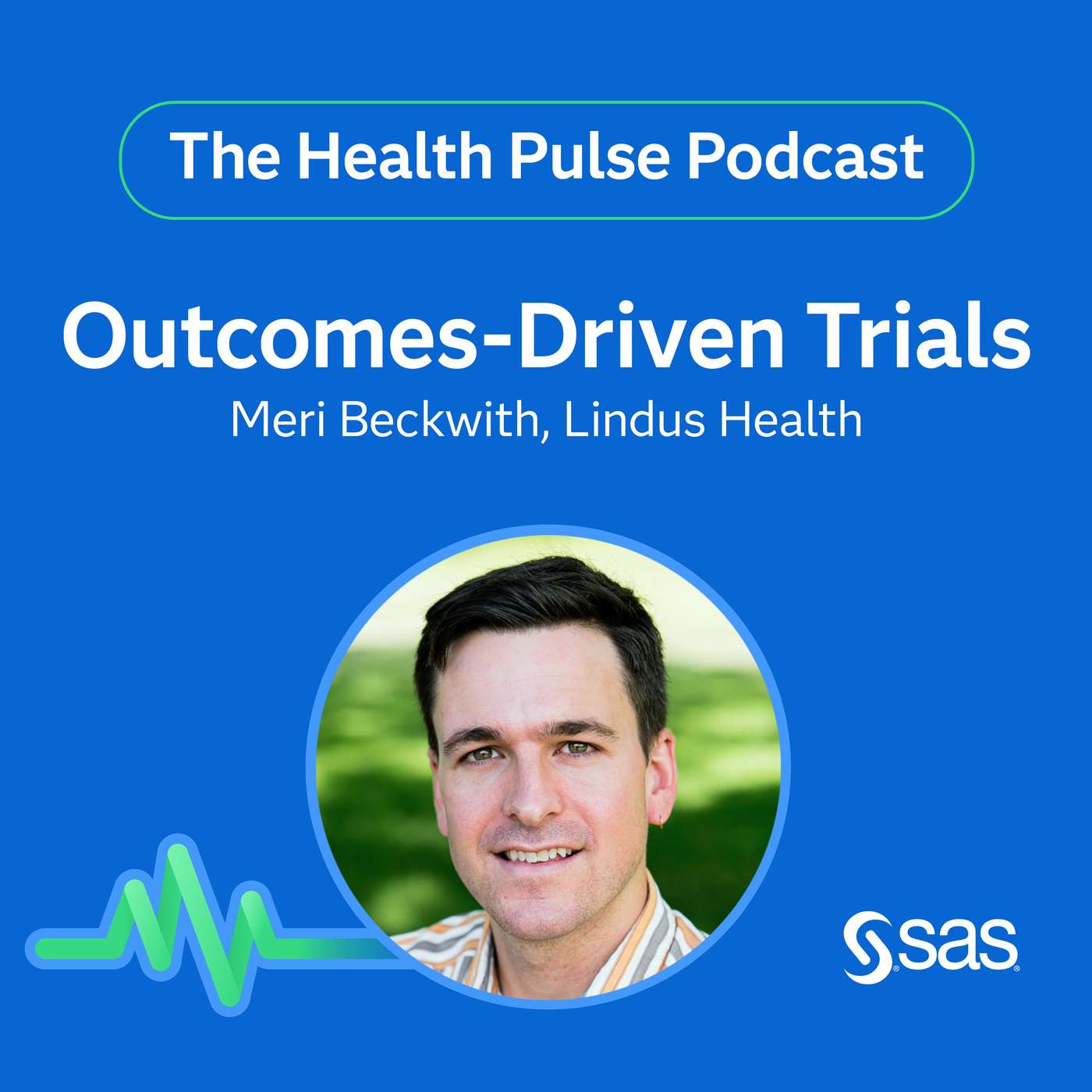
Faster, Smarter, Outcomes-Focused Clinical Trials
4w ago00:35:46Tap to summarizeClinical trials are more complex than ever, but new models are emerging to improve how they’re designed and delivered. On this episode of The Health Pulse, host Alex Maiersperger sits down with Meri Beckwith, co-founder and co-CEO of Lindus Health, a company rethinking the traditional contract research organization model with a more outcome-focused approach to clinical research.Drawing on his experience as both a trial participant and industry innovator, Beckwith shares how aligning incentives, improving patient and physician experiences and using AI can accelerate studies and improve results. He introduces the concept of an “accountable research organization,” where success is tied to study milestones and outcomes, helping better align stakeholders across the clinical trial process. The conversation also explores how outcome-oriented approaches, adaptive trial designs and more efficient infrastructure can help bring treatments to patients faster while maintaining the rigor and trust that clinical research demands.Tune in to hear how fresh approaches to clinical trials are helping organizations improve efficiency, strengthen patient centricity and deliver meaningful impact across the health care ecosystem.
Transcribe →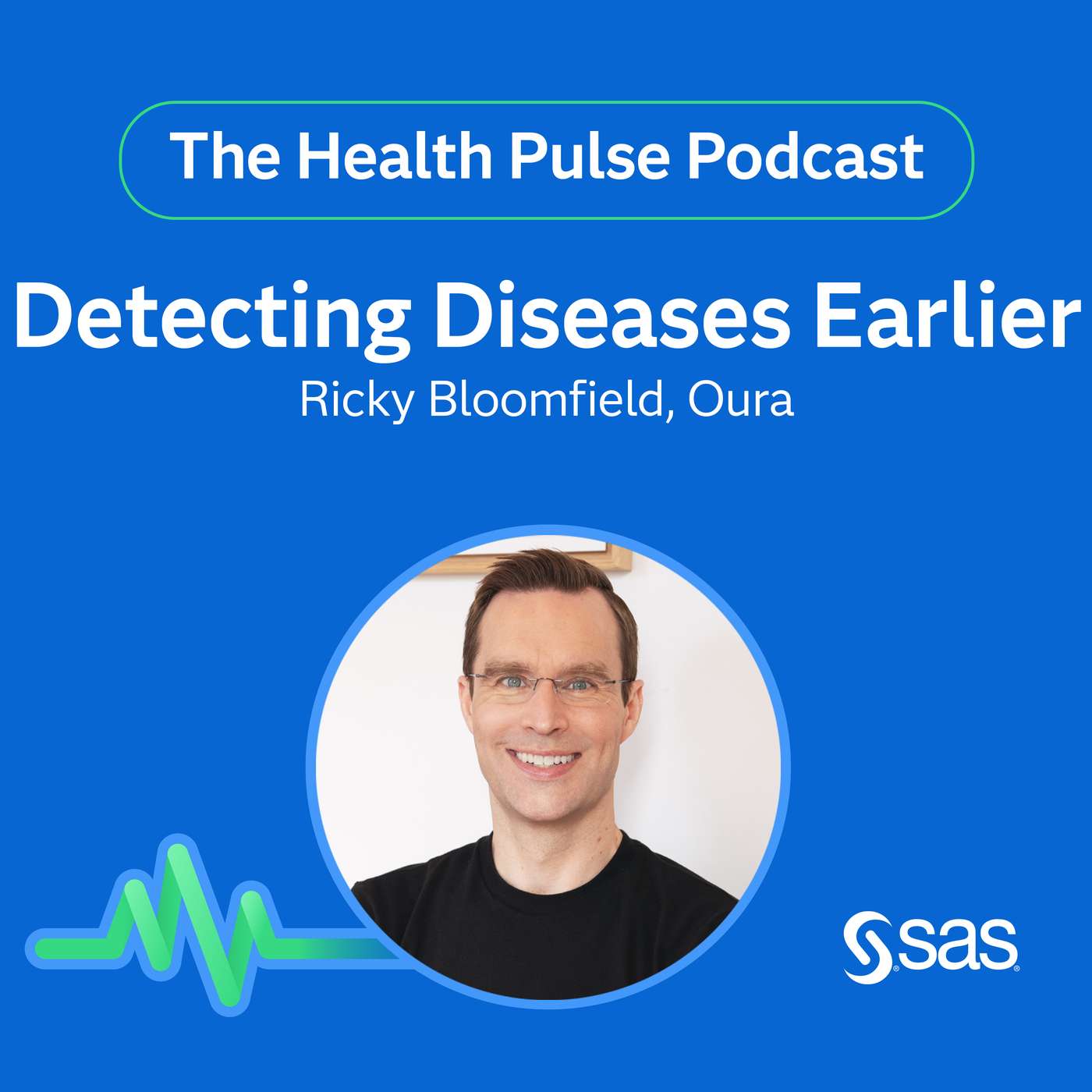
Using Wearables and AI to Detect Disease Earlier
Jun 2300:32:58Tap to summarizeWhat if your ring knew you were getting sick before you did and could one day monitor chronic conditions around the clock? In this episode, Dr. Ricky Bloomfield, Chief Medical Officer of Oura, explores how continuous health monitoring with wearable devices is shifting health care from reactive treatment to early prevention. The Oura Ring can detect illness days before symptoms appear, from COVID to lymphoma to appendicitis, because earlier diagnosis can make all the difference. Rings are becoming the wearable of choice. By tracking meaningful metrics such as cardiovascular age and cumulative stress scores, people can act on what they see, adjusting diet, exercise and sleep habits and watching their health improve. Finally, Dr. Bloomfield unpacks what it will take for wearable data to be meaningfully integrated into clinical care. He also explores how AI is transforming the health care landscape, from Oura Advisor, an AI-powered tool that lets users query and understand their own health data, to AI-generated summaries designed to highlight the most important and actionable insights for doctors.
Transcribe →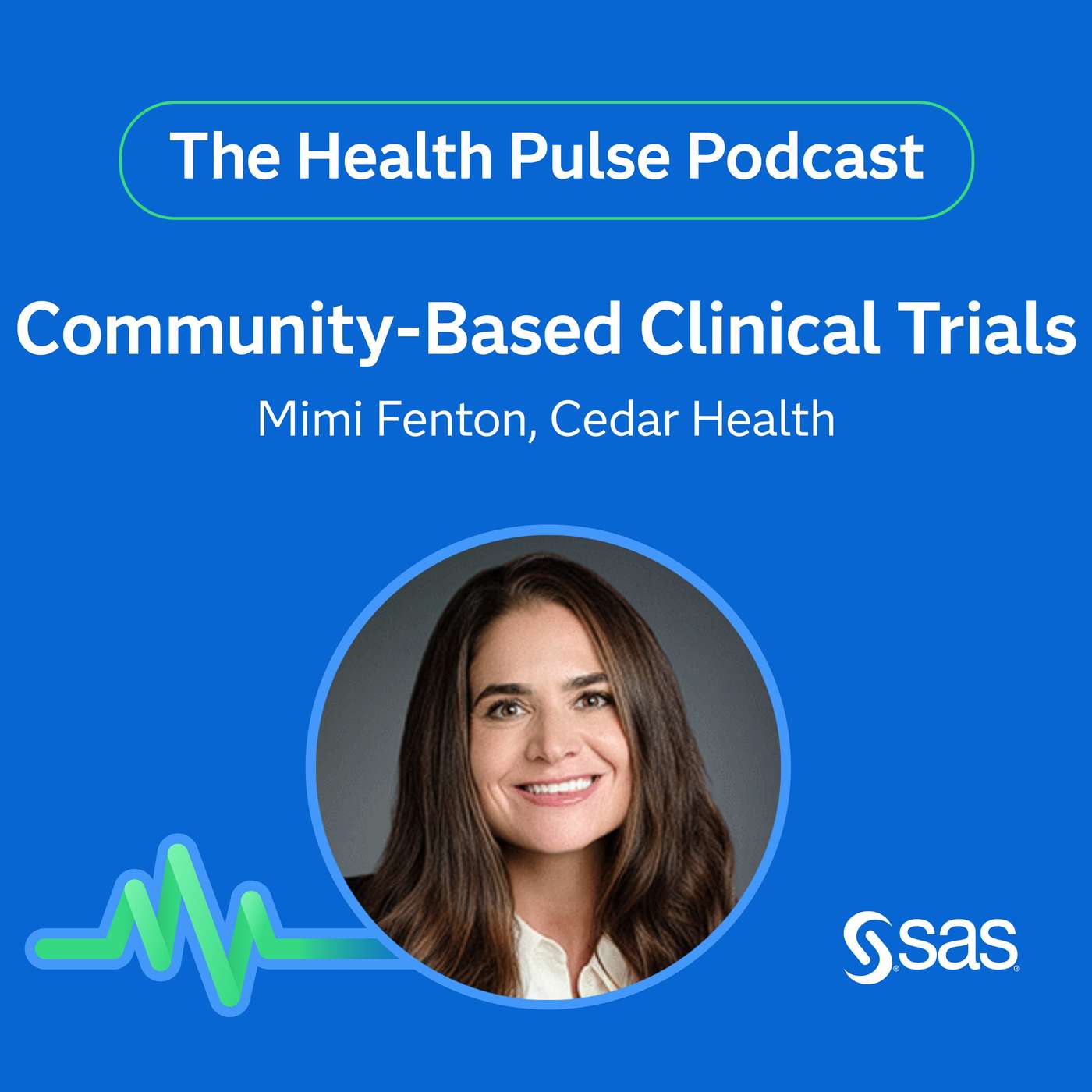
Reimagining Clinical Trials Through Community Care and AI
Jun 200:34:03Tap to summarizeContrary to historical processes, clinical trials do not have to be limited to large academic centers or homogeneous populations. On this episode, host Alex Maiersperger speaks with Dr. Mimi Fenton, CEO of Cedar Health Research, a community based clinical research organization using AI to bring trials into trusted local care settings.Drawing on her experience across academia, pharma, CROs and retail health, Dr. Fenton explains why access, education and patient support remain major barriers to participation. She discusses how Cedar embeds research into trusted community settings. The conversation also explores how AI and large language models help connect the right patients to the right trials while preserving the human relationships that drive trust and retention.
Transcribe →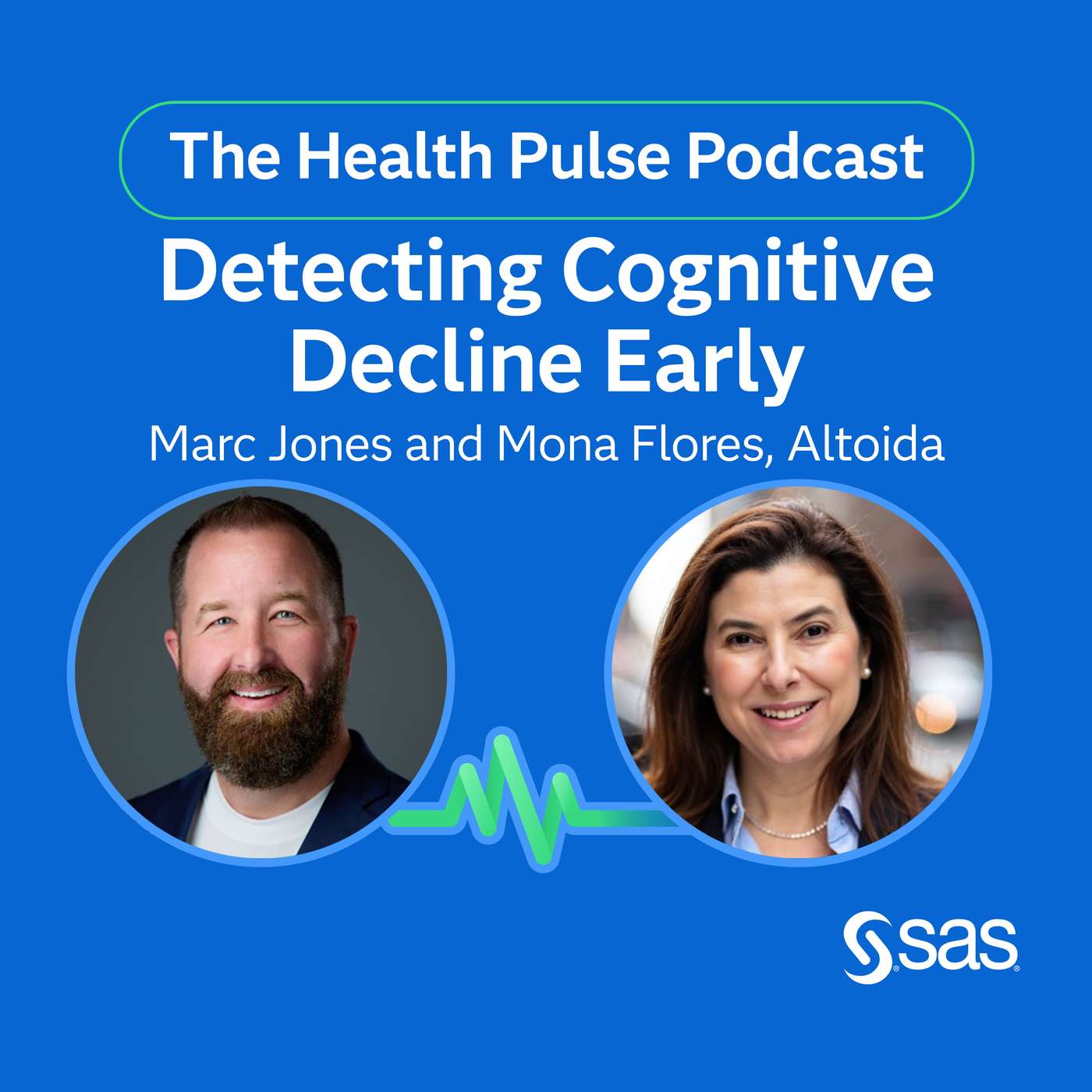
Detecting cognitive decline early with AI and digital biomarkers
May 1200:39:40Tap to summarizeUp to 200 million people worldwide may be living with undiagnosed mild cognitive impairment – many unaware that early intervention could change their trajectory. In this episode, host Alex Maiersperger is joined by Marc Jones, CEO of Altoida, and Dr. Mona Flores of Altoida's Clinical Advisory Board to explore how AI and digital biomarkers are reshaping early detection of cognitive decline. Digital biomarkers register how the brain processes information, translating how brain networks function through the way we move, speak and remember. Altoida's platform tracks motor skills, speech complexity and memory recall, mapping them to data points to identify where brain function diverges from that of a healthy population. They also discuss how AI acts as a force multiplier, giving clinicians tools to spot trends, make informed decisions and spend more time with patients.
Transcribe →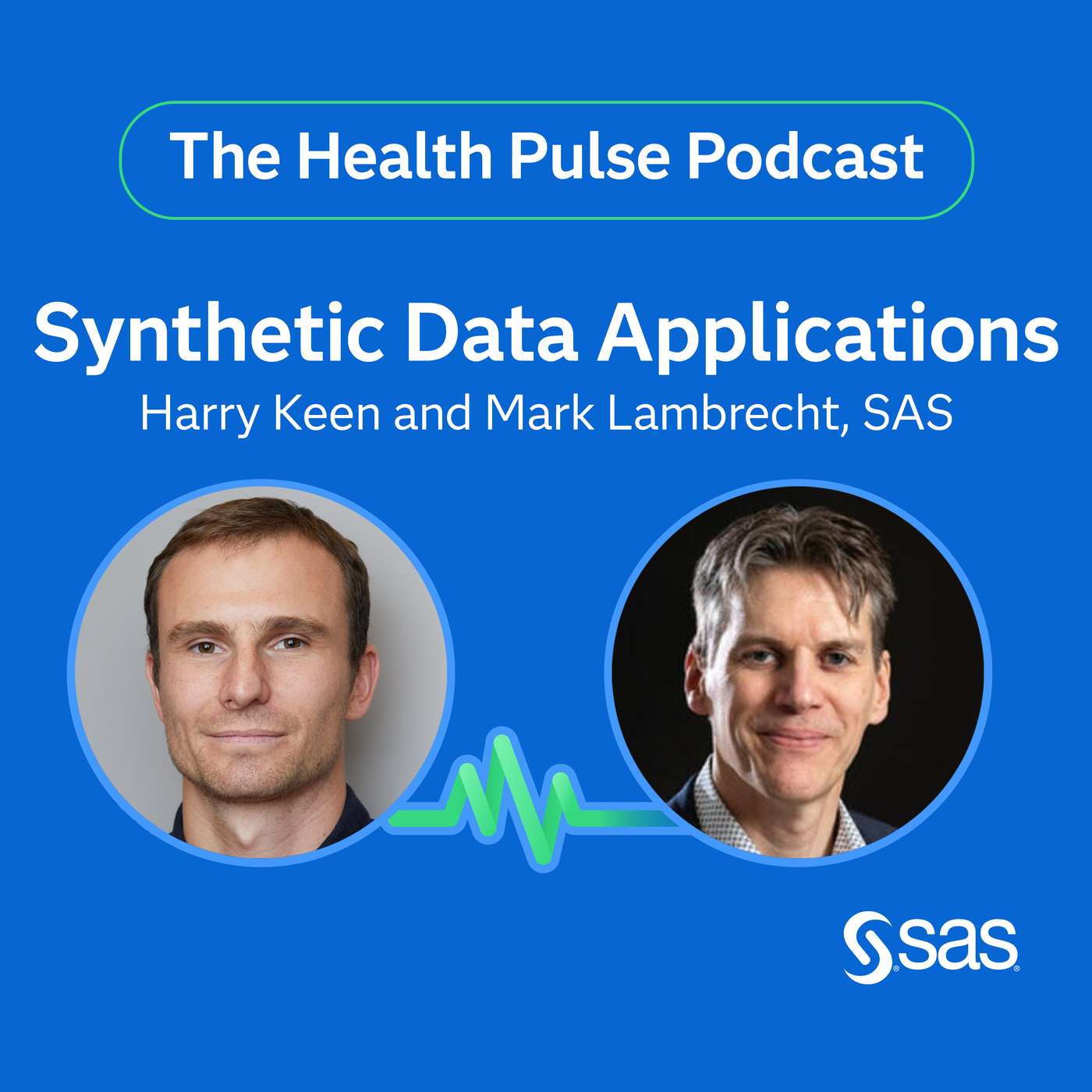
Unlocking Health Innovation with Synthetic Data
Nov 1800:30:32Tap to summarizeOn this episode, Alex explores the role of synthetic data in health care and life sciences with Harry Keen, Co-Founder of Hazy, and Dr. Mark Lambrecht, Global Head of Health and Life Sciences Advisory at SAS. The conversation explores practical use cases for synthetic data in the health ecosystem as well as important limitations and considerations for ensuring security and governance.A core challenge for all health and life sciences organizations is the fragmented and decentralized nature of their data. Keen and Dr. Lambrecht agree that synthetic data can be used to remove barriers, improve efficiency and test approaches to extract more value from existing data, thereby driving innovation and enhancing patient outcomes. Tune in to hear their advice for all leaders interested in building or growing the utility of synthetic data for their organizations.
Transcribe →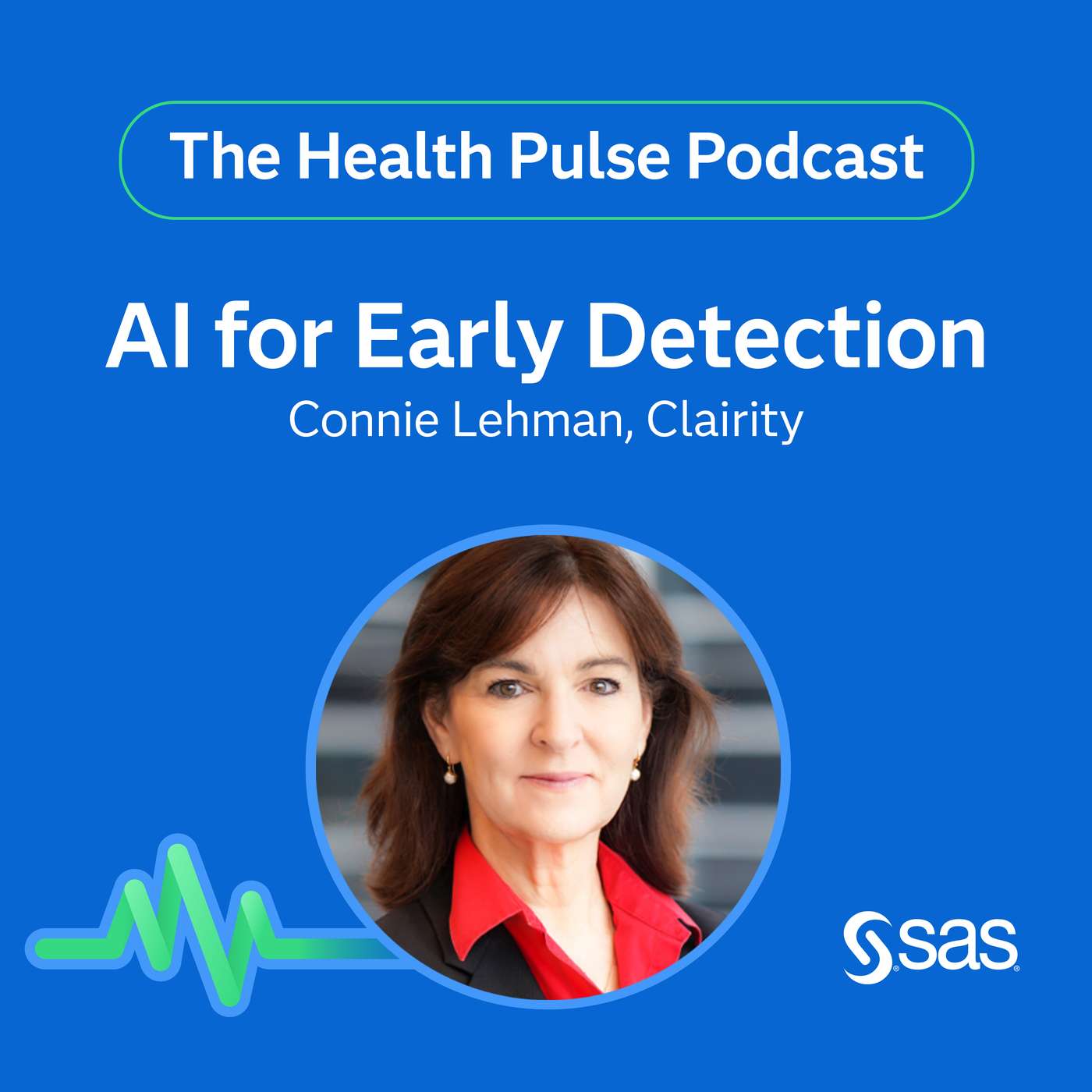
AI for Early Detection: A New Chapter in Breast Cancer Prevention
Oct 2800:38:23Tap to summarizeIs 2025 a pivotal inflection point for AI in health care? Dr. Connie Lehman, Co-Founder of Clairity, thinks so, and she has strong cause for optimism. Her organization’s software-as-a-medical-device product, Clairity Breast, recently received authorization from the Food and Drug Administration as the first AI platform that predicts a woman’s five-year risk of developing breast cancer.On this episode, Dr. Lehman shares her journey with Clairity, from the paper she read as a medical student that sparked the idea, to her experience navigating the new domain of image-based risk assessment with the FDA. Her current focus is on implementing the technology through education and advocacy.Dr. Lehman is passionate about advancing medicine toward risk assessment and disease prevention. Understanding risk empowers patients and their health care providers to choose the best path. Dr. Lehman envisions a future where image-based risk information is accessible and available to improve health outcomes for all.
Transcribe →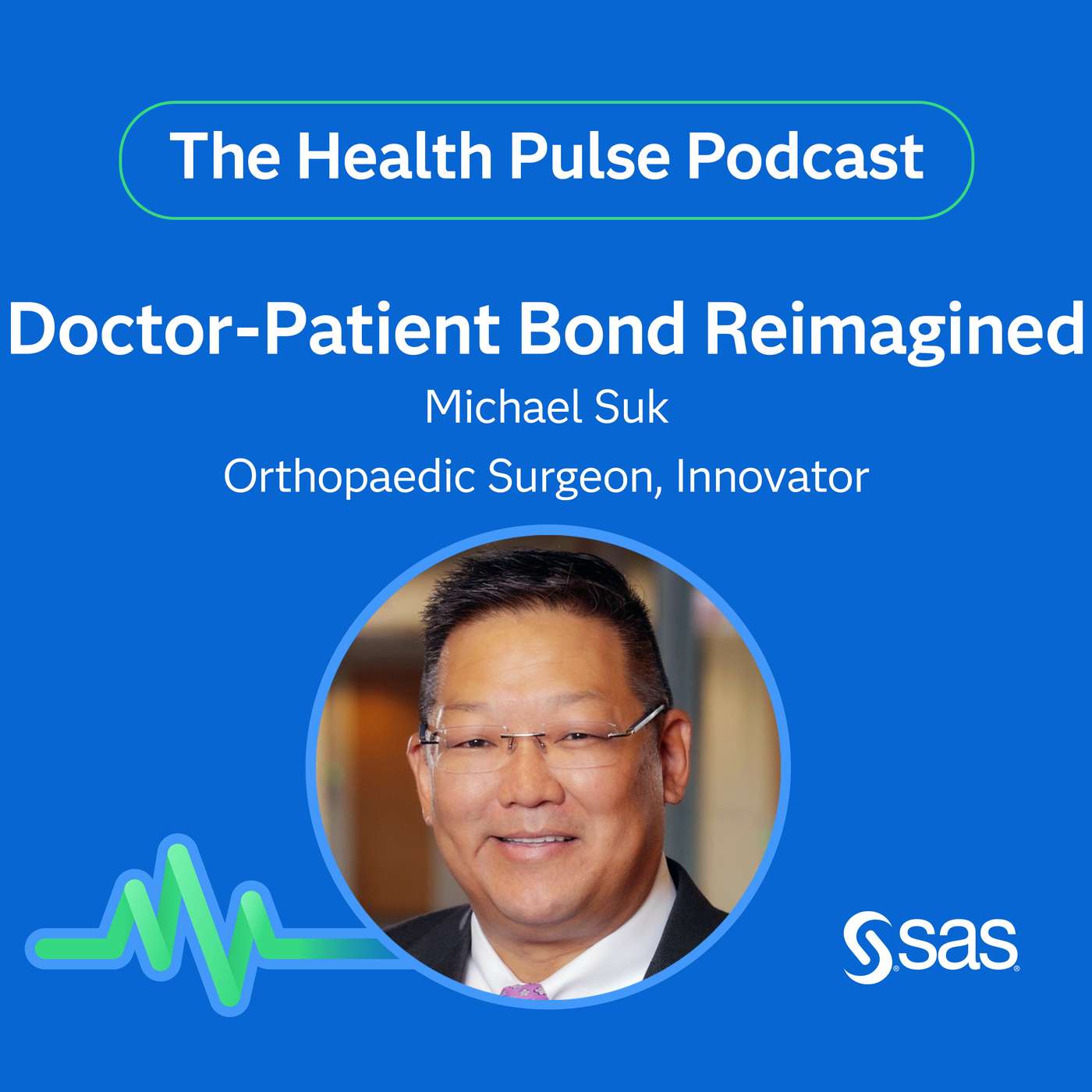
Strengthening the Doctor-Patient Bond with AI
Oct 700:22:32Tap to summarizeCan AI empower the doctor-patient bond? Dr. Michael Suk, orthopedic surgeon, visionary leader and innovator, believes it can. In this discussion, he explores how AI can help to free up time for patients and speaks about the current AI adoption, highlighting its use in documentation and clinical decision support. He stresses the need for ethical AI solutions and for clinicians to be involved in the design of technological solutions. The conversation touches on the pioneering lifetime joint replacement warranty, illustrating how forging lasting partnerships can lead to improved outcomes, fewer complications and lower costs. Dr. Suk explains that the next evolution of health care demands a purpose-driven, holistic approach and explores how trust, connection and technology will intersect in the future. Tune in for this thought-provoking discussion that challenges the status quo and focuses on the doctor-patient bond.
Transcribe →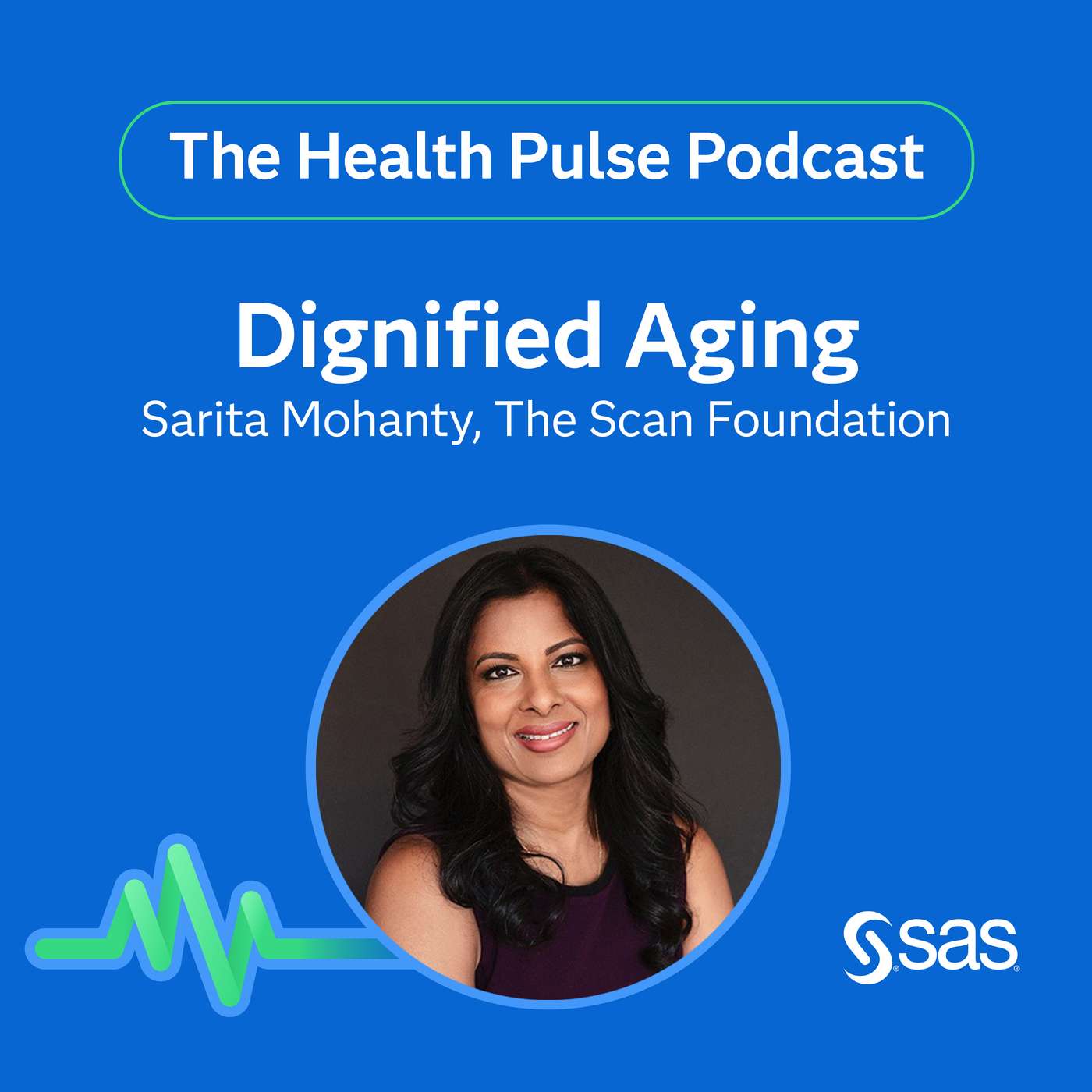
The Path to Purposeful and Independent Aging
Sep 1600:29:02Tap to summarizeWhat if aging meant maintaining independence and dignity at home and in the community? In this episode, Dr. Sarita Mohanty, President and CEO of The SCAN Foundation, speaks about the foundation’s innovative community-based, person-centered approach to elder care for marginalized adults. The conversation touches on common challenges like fragmented care, affordability, cultural barriers and loneliness – a major public health issue. Did you know that loneliness can harm your health as much as smoking 15 cigarettes a day? Mohanty discusses the importance of designing systems with the input of older adults in mind for policy and system reforms. She explains that technology offers significant potential for prediction, prevention and intervention, and stresses the importance of adaptable, unbiased AI algorithms. Tune in for the foundation’s formula for purposeful and dignified aging and Mohanty’s insights into the role of technology.
Transcribe →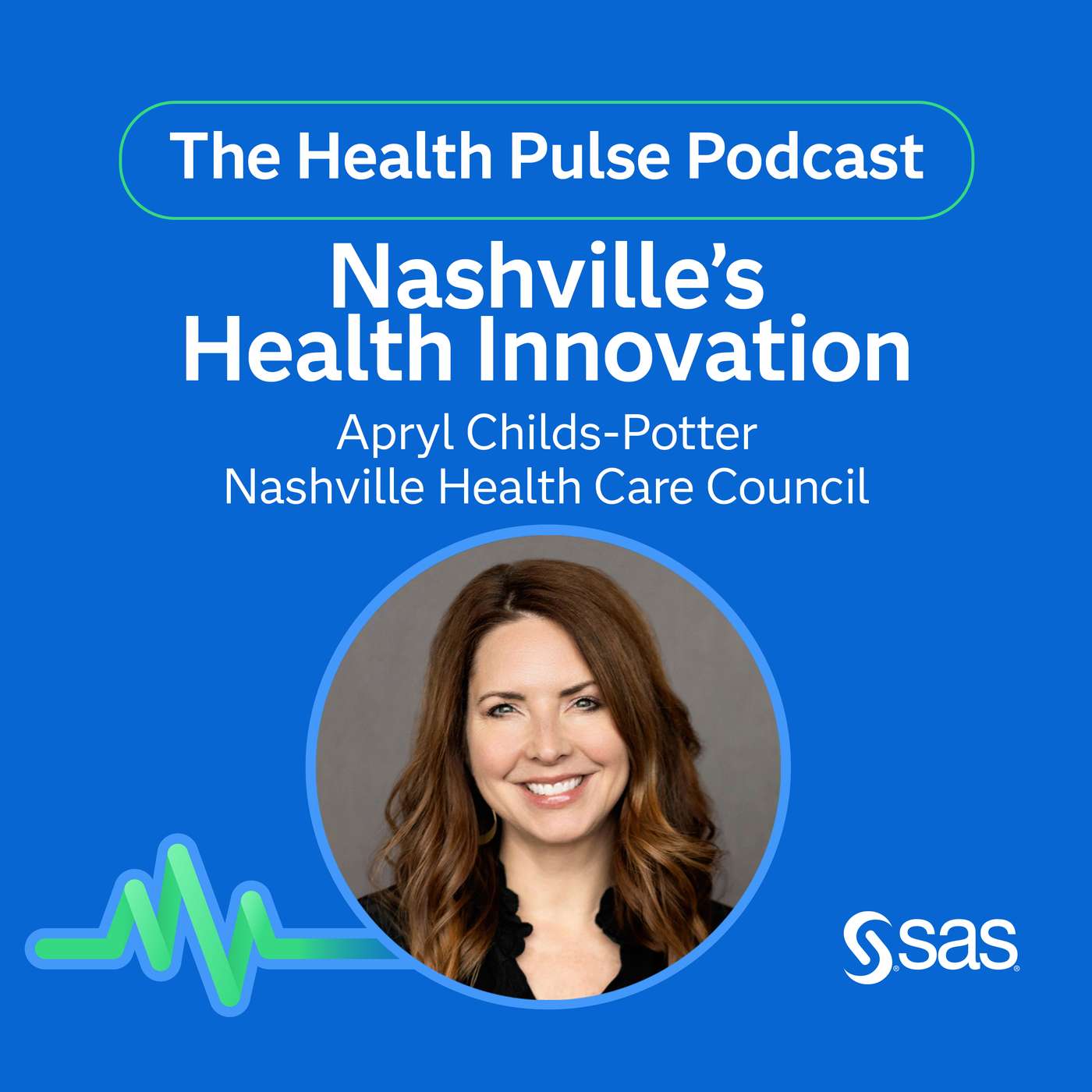
The Hidden Formula Behind Nashville’s Health Innovation
Aug 2600:30:32Tap to summarizeGet ready for a behind-the-scenes journey into Nashville’s booming health care sector with Apryl Childs-Potter, President of the Nashville Health Care Council. In this episode, Childs-Potter speaks about the council’s unique ecosystem, where leaders from payer, provider, tech and educational organizations come together to create a space for dialogue to enhance collaboration across common goals and challenges. The city’s collaboration culture fosters innovation, economic growth and improved outcomes. Childs-Potter reveals how the council’s programs and events connect everyone from emerging leaders to executives, accelerating careers, forging vital networks and improving the health care industry overall. The conversation highlights the power of AI to reduce administrative burden for health organizations, improve clinical decision support and enhance member experience. Tune in for Childs-Potter’s formula for efficient and booming health care systems and her insights on the role of AI.
Transcribe →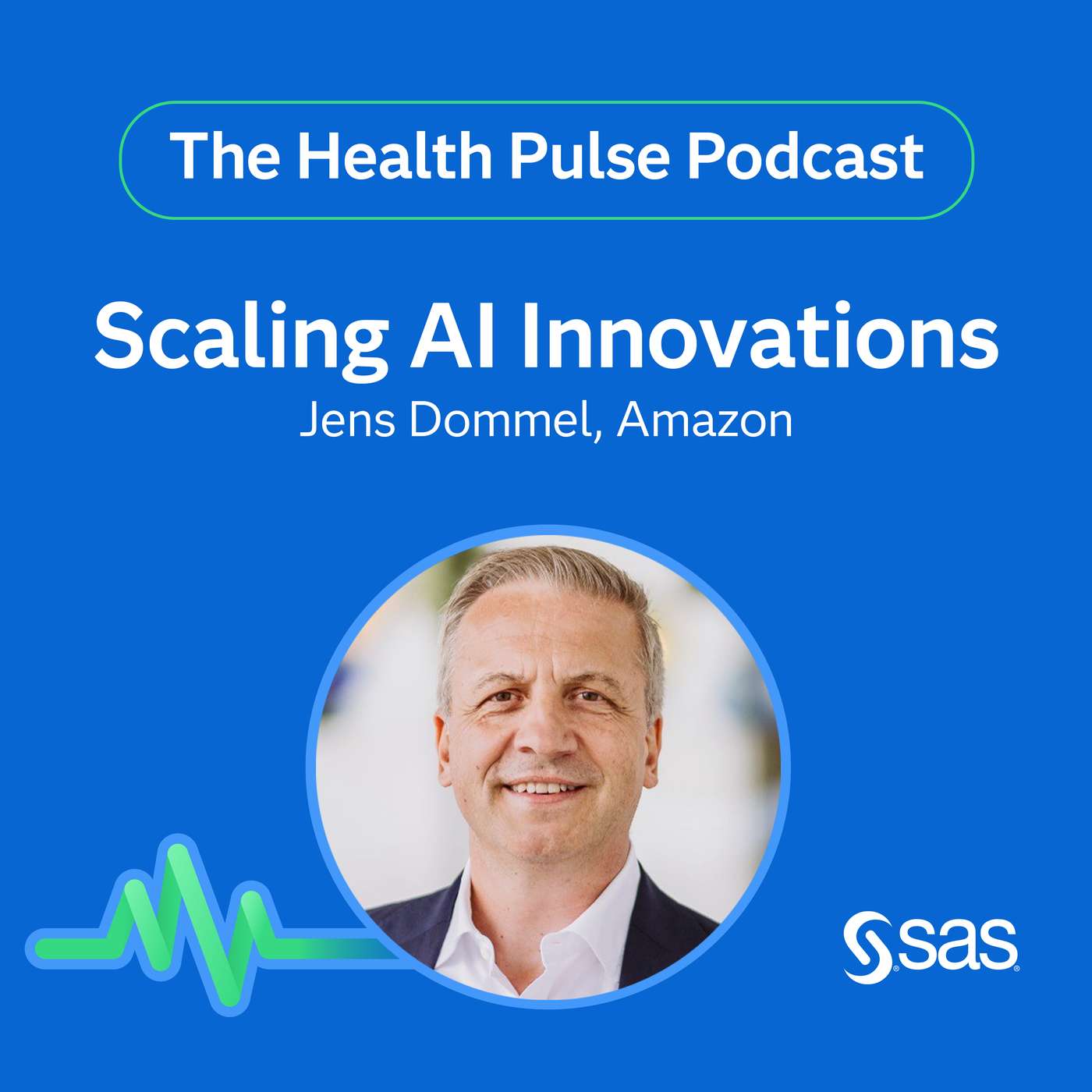
The New Era of AI-Supported Health Care
Aug 5, 202500:26:25Tap to summarizeJens Dommel, Head of Healthcare EMEA at AWS, explores the transformative power of AI in health care for decision support and shares what his experience tells him successful implementations look like. Common global health care challenges – such as an aging population, burnout, preventable adverse events and costs – are on the rise. Dommel emphasizes the potential of AI in enhancing efficiency, reducing costs, and improving outcomes and access. Dommel discusses the importance of accessible and integrated data, governance, trust and scalability for AI models. Dommel explains that successful digital transformations happen with the right skills, clearly defined goals by the leadership team, and a strategy of starting small and scaling up. He emphasizes the importance of strong regulations such as the European Health Data Space (EHDS) and EU Artificial Intelligence Act in fostering international cooperation, innovation and trust. Tune in for insights on building scalable solutions and unlocking the true value of data and AI.
Transcribe →