Podcast
The Health Pulse
Hosted by SAS · EN
How can data, AI and advanced analytics accelerate health innovation? Which new technologies hold the most promise? What are the biggest roadblocks to progress? How can we solve endemic problems?
Join us for The Health Pulse podcast series as we explore fresh perspectives on digital transformation in health care and life sciences. With a special guest expert on each episode*, we’ll tackle the most pressing issues affecting the delivery of health care and therapies worldwide.
All presentations represent the opinions of the presenter and do not represent the position or the opinion of SAS.
18episodes
Episodes
Newest firstAll episodes
The New Era of AI-Supported Health Care
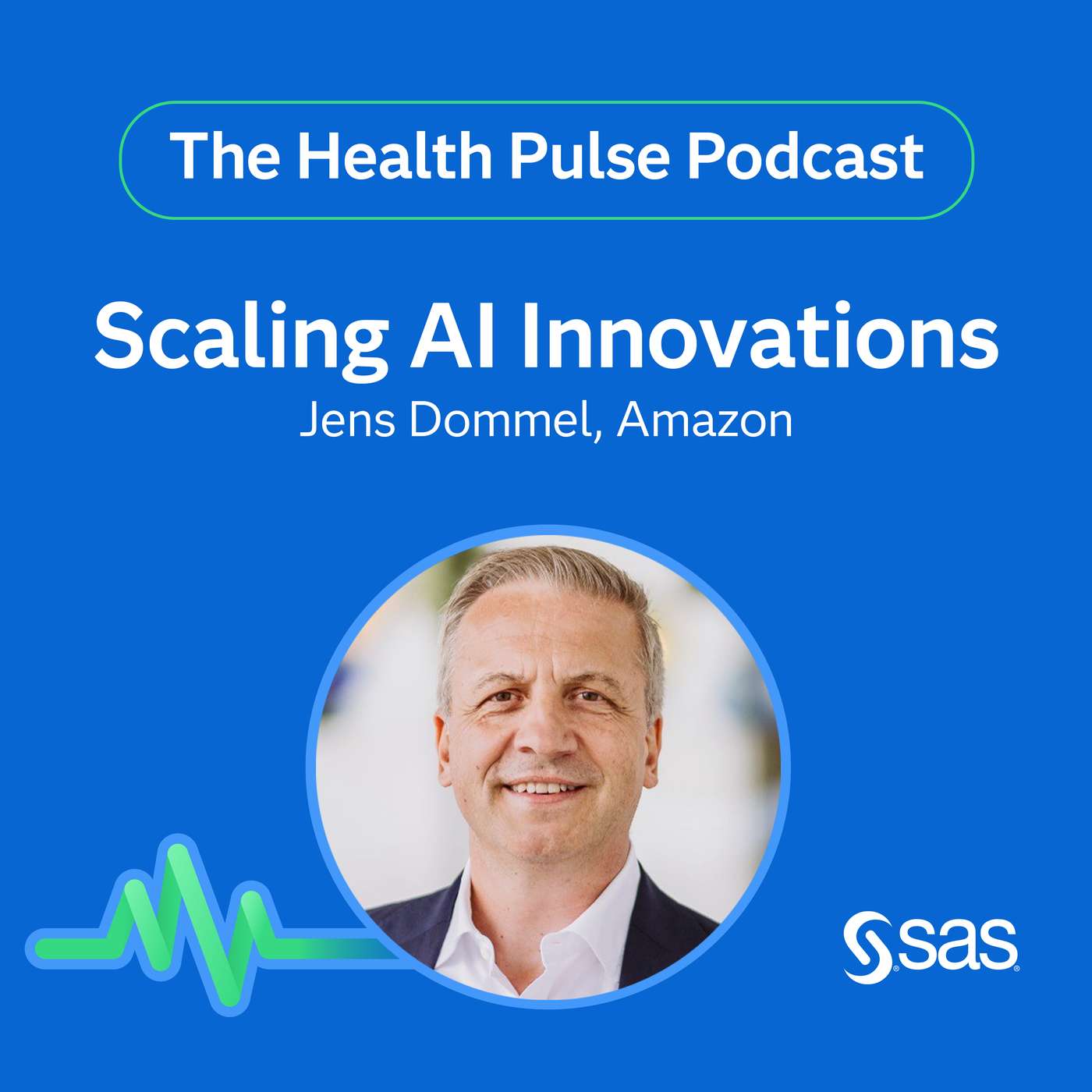
Aug 5, 202500:26:25Tap to summarizeJens Dommel, Head of Healthcare EMEA at AWS, explores the transformative power of AI in health care for decision support and shares what his experience tells him successful implementations look like. Common global health care challenges – such as an aging population, burnout, preventable adverse events and costs – are on the rise. Dommel emphasizes the potential of AI in enhancing efficiency, reducing costs, and improving outcomes and access. Dommel discusses the importance of accessible and integrated data, governance, trust and scalability for AI models. Dommel explains that successful digital transformations happen with the right skills, clearly defined goals by the leadership team, and a strategy of starting small and scaling up. He emphasizes the importance of strong regulations such as the European Health Data Space (EHDS) and EU Artificial Intelligence Act in fostering international cooperation, innovation and trust. Tune in for insights on building scalable solutions and unlocking the true value of data and AI.
Transcribe →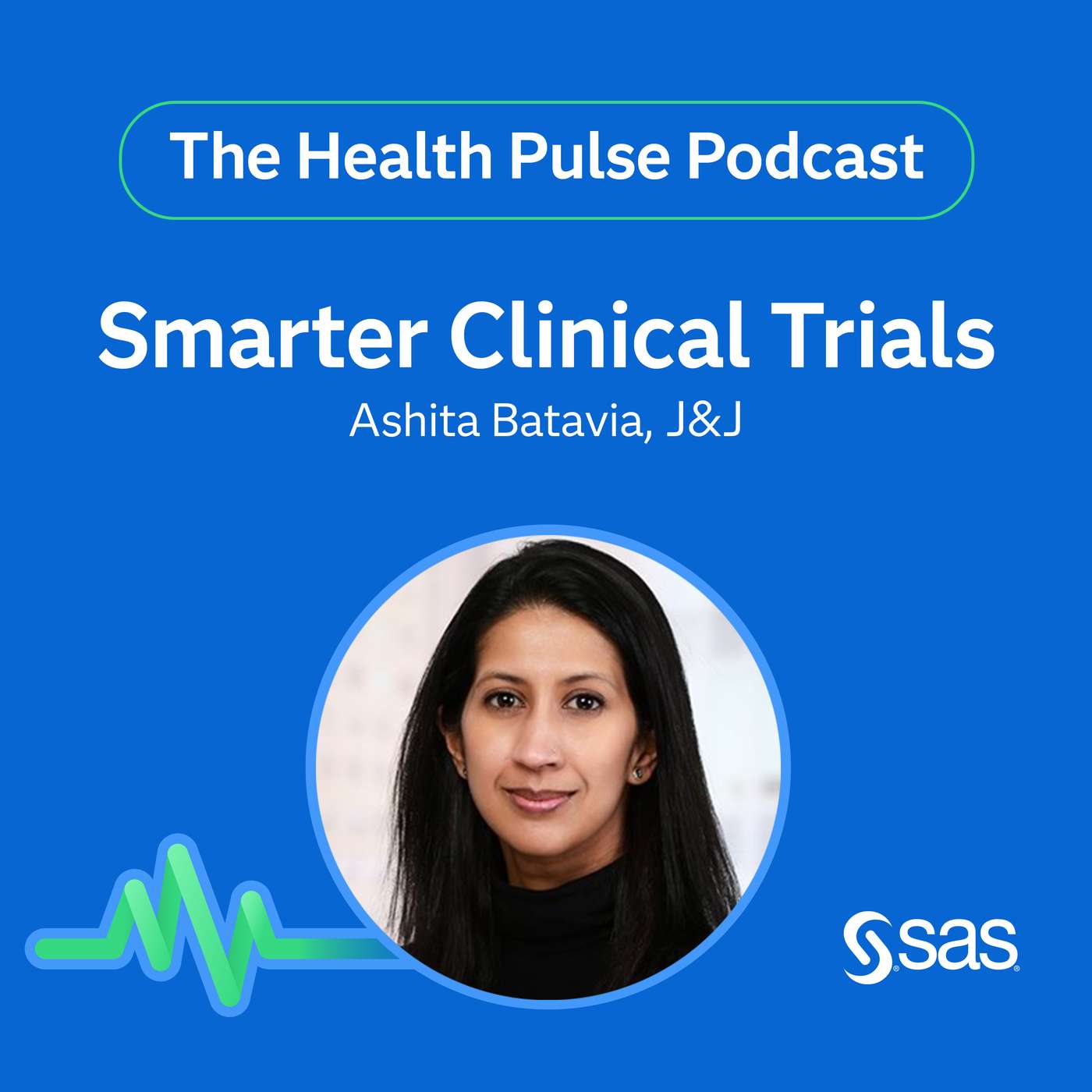
Harnessing the power of data to advance clinical research
Jul 15, 202500:24:21Tap to summarizeAs an attending physician, principal investigator and academic publisher, Dr. Ashita Batavia has a deep appreciation for the importance of data in clinical development. In her role as Head of Hematology and Oncology Data Sciences, R&D, at Johnson & Johnson, she’s helping shape the future of clinical trials.In this podcast episode, Dr. Batavia shares her ideas for improving clinical trials and delivering better therapies to patients. She is particularly interested in pragmatic trial designs where data and AI help reduce the burden of trial participation for patients and providers without compromising the collection of safety and efficacy data.Dr. Batavia leaves us with her belief that bringing together multimodal health data is key to fully unlocking advanced analytics capabilities in clinical research and explains why achieving a first win is the springboard to building a culture of data-driven innovation.
Transcribe →
What everyone in health care can learn from a Chief Patient Officer
Jun 24, 202500:25:38Tap to summarizeStacy Hurt has found her dream job as Chief Patient Officer at Parexel. On this episode of The Health Pulse, Hurt shares how her 25-year career in health care, along with personal experiences as a caregiver and Stage 4 cancer survivor, fuel her passion for patient advocacy. From AI’s clinical applications to patient data ownership, Hurt sees all innovations through the lens of patient empowerment – offering time, information, resources and hope. Tune in for her insights and inspirations for organizations and patients alike.
Transcribe →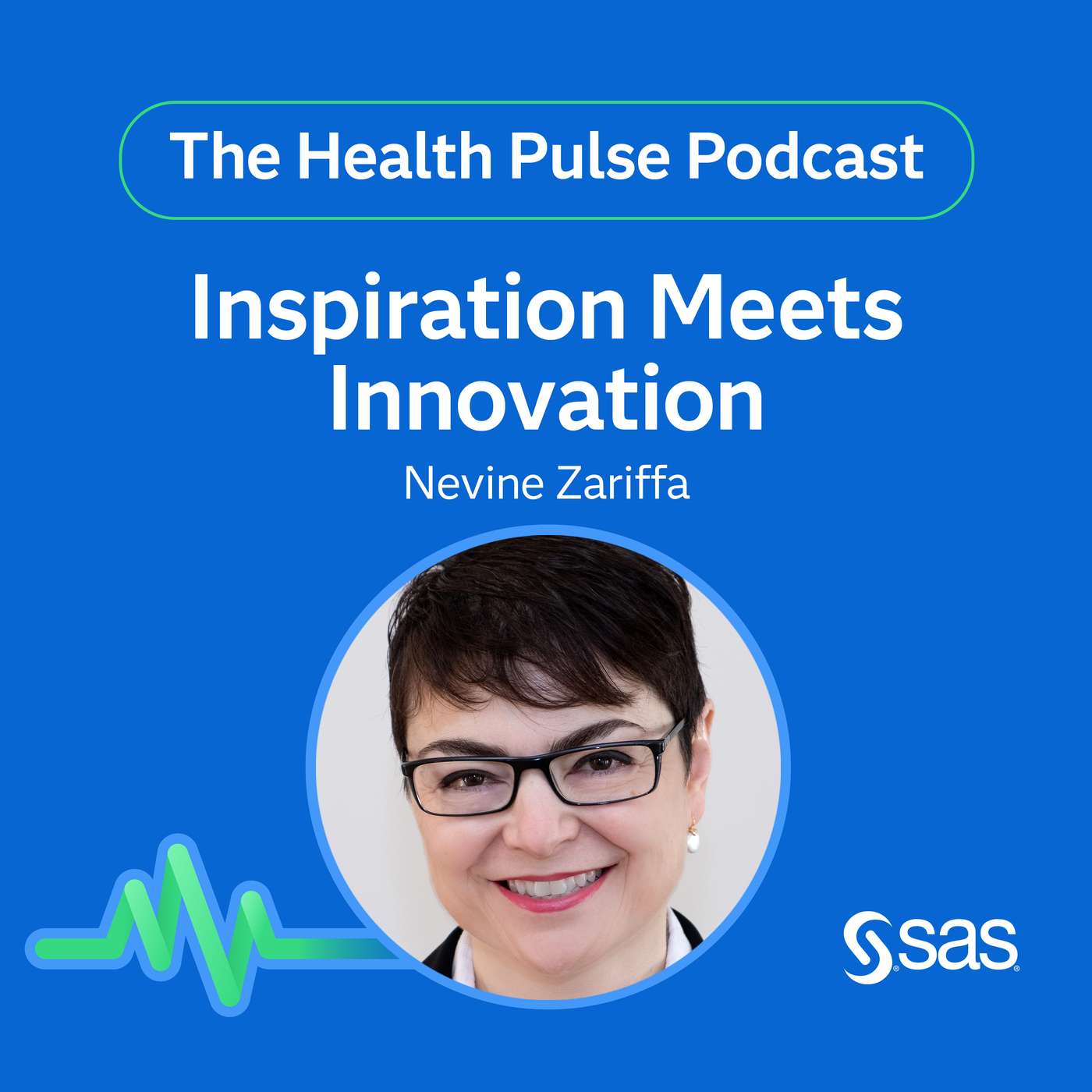
Scaling AI projects for life-changing impact in pharma
Jun 3, 202500:22:28Tap to summarizeThe work of delivering innovative therapies to patients must be done well and quickly. This became the leadership mantra for Nevine Zariffa, former Head of Biometrics and Information Sciences at AstraZeneca, following her personal battle with cancer. Diagnosed with chronic myeloid leukemia (CML) at 33, Zariffa's cancer has been in remission for 25 years thanks to an investigational drug she received through a compassionate use clinical trial.In this episode, Zariffa joins Alex to discuss the evolution of AI in the pharmaceutical industry. She emphasizes the importance of a strong connection between business leaders and data scientists in scaling AI projects. Tune in to discover Zariffa’s formula for effective change management and her insights on the future of AI in pharma and health tech.
Transcribe →
From Research to Patient Care: Bridging the Gap
May 13, 202500:34:47Tap to summarizeWhat is a learning health care system, and how close are we to achieving it? According to Dr. Marc Berger, we have a long way to go, but there’s plenty of cause for optimism. Berger is a physician, scientist and researcher who spent much of his career in clinical and outcomes research in the pharmaceutical industry.Now semiretired and consulting, Berger recently joined host Alex Maiersperger on the podcast. He explained that a true learning health care system removes the barriers between research and patient care. This goal requires digitization and integration of all health care data in a responsible way to better inform decision making, and it will need computing and analysis power the world has yet to master. It’s a big task, but Berger’s message is clear: If we continue to make progress, stay humble about what we don’t yet know and are kind to one another, we’ll get there.
Transcribe →
People, Technology and the Journey to a Healthier Tomorrow
Oct 29, 202400:26:17Tap to summarizeLita Sands, Managing Director of Life Sciences at Deloitte, is passionate about how people and technology come together to create a healthier future. In this episode, Sands explains to Host Alex Maiersperger why life sciences organizations must strengthen their relationships with health care and ensure data and analytics form the backbone of their companies. According to Sands, technology is easy, while change management and the partnership between business and IT represent critical challenges. When it comes to generative AI, Sands advises life sciences organizations to focus on what she calls “no regrets bets,” emphasizing the importance of a person in the loop. Tune in to learn more.
Transcribe →
Teaching Medical Students About Equity and AI
Oct 1, 202400:28:36Tap to summarizeDr. James Hildreth, MD, PhD, President and CEO of Meharry Medical College, is a passionate leader speaking about health equity, the power of AI in medicine and how aspiring physicians can be supported throughout their studies. In this episode, Hildreth speaks about the influence of social determinants of health-on-health equity and offers advice on reducing inequities. Host Alex Maiersperger and Hildreth discuss impactful AI use cases in health care, such as the documentation of notes from patient and physician interactions, so that physicians can focus their time on the patient. Hildreth explains that AI can accelerate the discovery of disease causes, drugs and new interventions and that representation matters so that the data sets from genome sequencing also include people of African ancestry to ensure discoveries are representative of the diverse population and interventions are working. Lastly, Hildreth shares his leadership experience in making medical school more affordable for aspiring doctors and the importance of exposure to technology and AI from an early age.
Transcribe →
Modernizing public health with population health analytics
Aug 8, 2023Tap to summarizeDr. Iulia Vann, Public Health Director in Guildford County, NC, is passionate about public health and data-driven decision making.On this episode of the Health Pulse Podcast, Dr. Vann discusses the importance of prevention, the public health response to the COVID-19 pandemic, lessons learned about closing gaps in data and analytics and resiliency.Dr. Vann explains that effective public health strategies include strong relationships with local partners, communication and planning for health equity measures, like putting 40% of vaccines aside for historically marginalized communities. Data modernization is another crucial element for health organizations to serve their communities better. Requiring agencies to integrate data from different systems and ensuring the data is transparent and reliable is essential in making data-driven decisions as a public health agency. She explains how Guilford County partnered with SAS to create dashboards to monitor program performance and public health areas of focus, such as chronic diseases, cancer and environmental health, to make the best possible decisions for their community.
Transcribe →